


Should I open a Crumbl Cookies franchise in 2027?
Quality
Certified
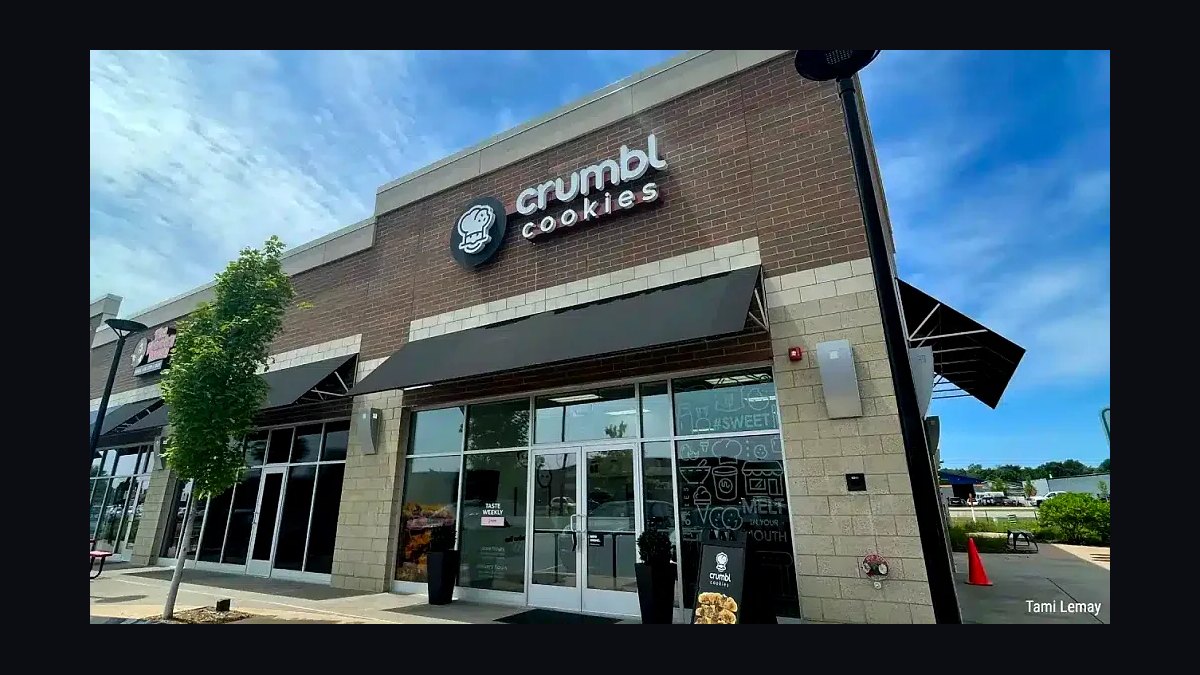
Only if you can land an A-grade retail site, fund $400K–$1.1M with reserves, and operate hands-on. Crumbl's viral-novelty era has cooled: same-store sales normalized, royalties run near 8 percent, and build-out costs stayed elevated. Well-run multi-unit operators still earn real returns. Absentee investors underwriting peak-era revenue will likely lose money.
What a Crumbl franchise actually is in 2027
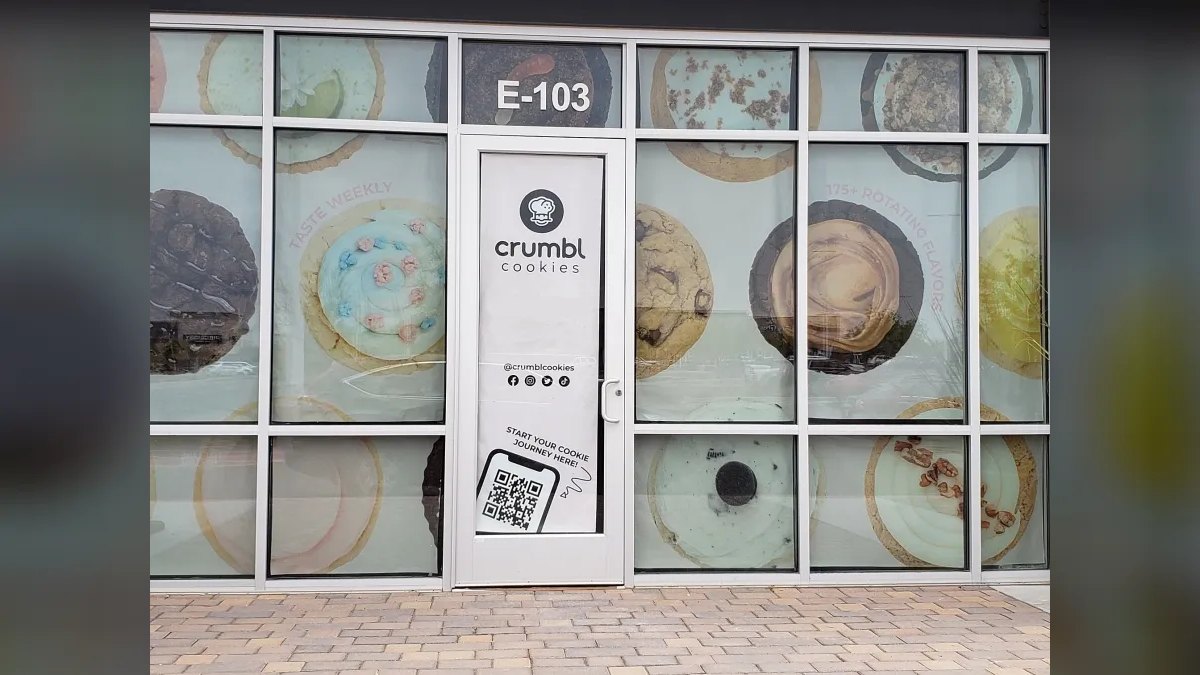
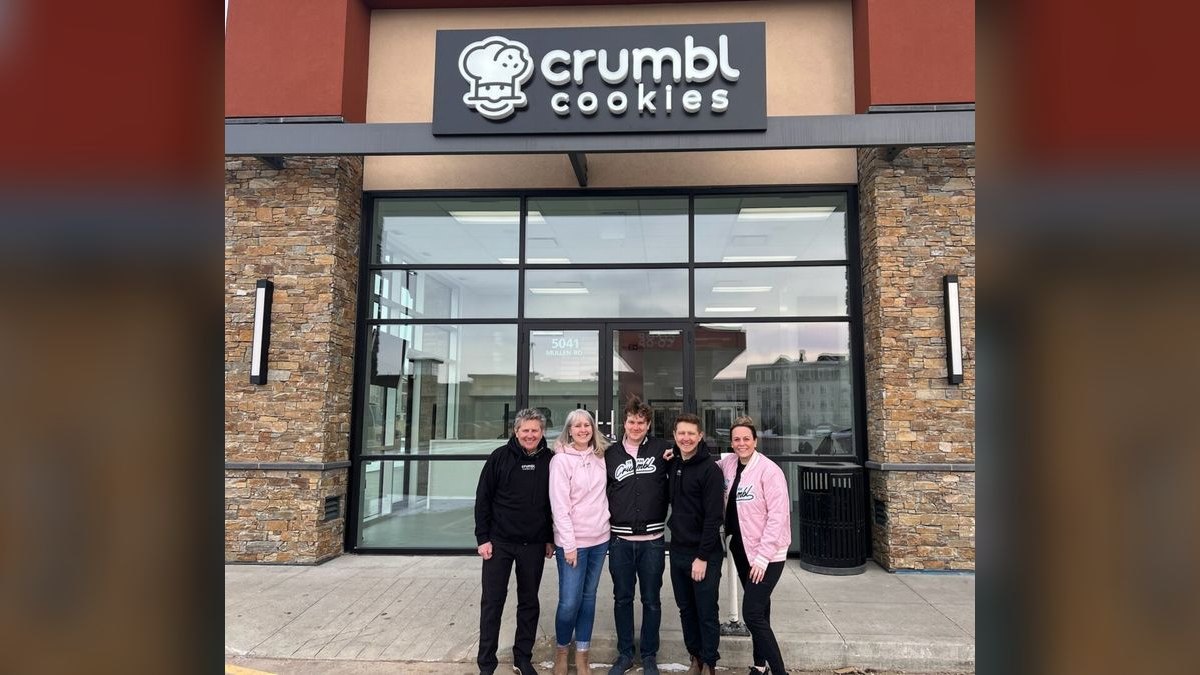
Crumbl is a dessert-retail franchise built around a rotating weekly menu — a handful of flavors that change every week, announced Sunday night, baked in-store, and sold in a wide pink box designed to be photographed. That design choice matters more than it sounds. The rotating menu manufactures a reason to return weekly, and the box manufactures free distribution on TikTok and Instagram. For roughly four years, that combination made Crumbl one of the fastest-scaling franchise systems in the United States.
By 2027, you are not buying that story. You are buying a mature retail food business with a strong brand attached. The distinction is the entire investment thesis. In the hype years, a mediocre operator in a mediocre location still cleared good money because demand was manufactured nationally and delivered locally for free. Novelty premiums do not persist; they decay as the concept becomes familiar and as competitors copy the mechanics. What remains after decay is the same thing that governs every food franchise: rent per square foot, food cost, labor cost, royalty load, and the throughput your specific corner can generate on a Friday night.
Three structural features define the model and you should understand each before you sign anything.
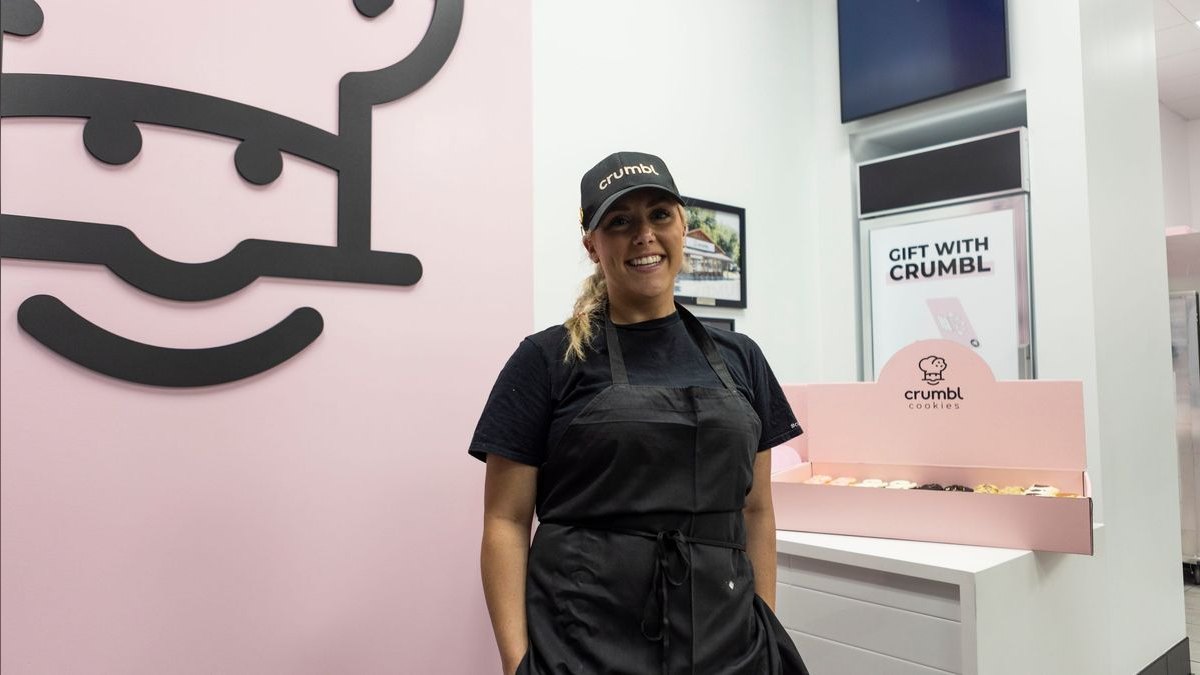
It is a production kitchen, not a reheat concept. Dough is mixed and cookies baked on-site. That means real equipment, real ventilation requirements, real training, and a labor model closer to a bakery than a coffee shop. Six to ten people on a weekend shift is normal. You cannot cut staff to protect margin the way a beverage-only concept can, because throughput on peak days is the whole game.
Demand is violently peaked. Monday through Wednesday typically deliver 15 to 20 percent of weekly revenue. Friday and Saturday can deliver 40 to 50 percent. Every operational decision — scheduling, prep, dough par levels, staffing depth — is a response to that curve. Operators who staff flat across seven days bleed margin on Tuesday and lose sales on Saturday simultaneously.
Marketing is a local job wearing a national costume. Corporate runs the brand and the weekly flavor calendar. Your store's actual traffic depends on whether you produce local content, chase catering accounts, and show up in your own market. Franchisees who assume the national engine fills their lobby are usually the ones filing disappointing numbers by month nine.
The adjacent comparison worth holding in your head: this is closer to owning a high-volume juice or smoothie franchise than to owning a sandwich shop. Ticket sizes are moderate, transaction counts are high, product is perishable within hours, and the brand does heavy lifting on awareness while you do all of the lifting on execution.
The step-by-step process to open a unit
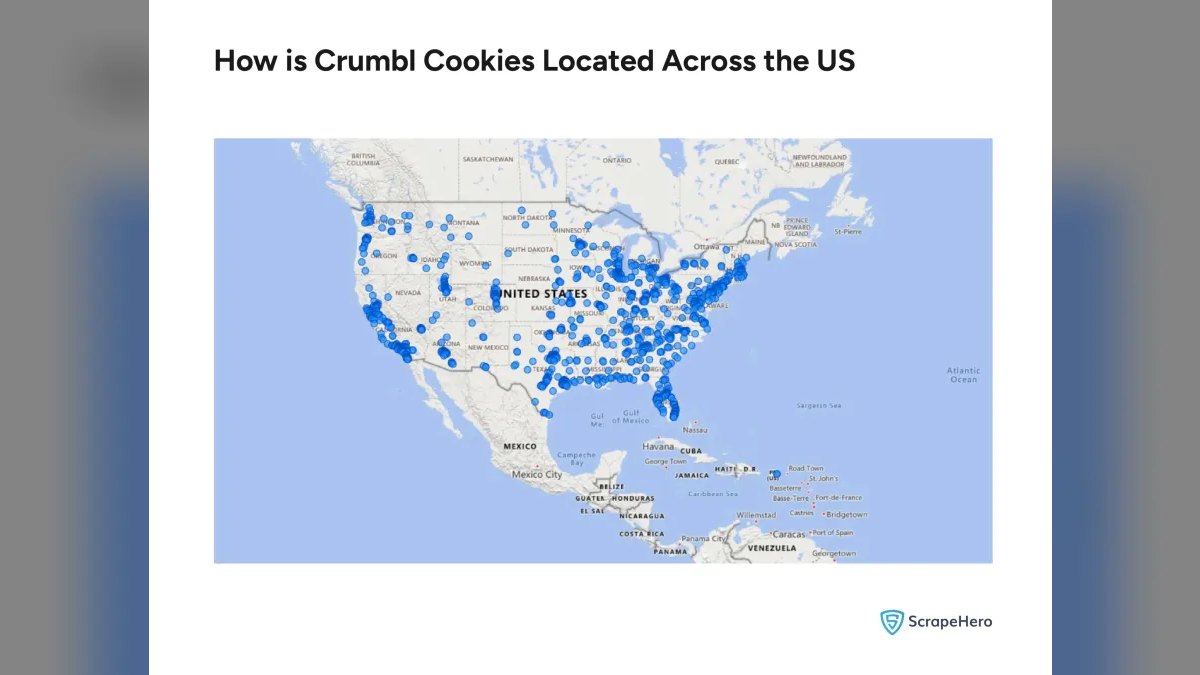
The path from curiosity to open doors typically runs nine to eighteen months, and most of the risk is concentrated in two steps that first-time franchisees rush: franchisee validation and real estate.
Start with the Franchise Disclosure Document. You will receive it after an initial application and a qualification conversation, and federal rules require a waiting period before you can sign. Read Item 7 for the investment range and Item 19 for whatever financial performance representations the brand chooses to make. Read Item 20 for the unit counts — specifically openings, closures, transfers, and terminations over the last three years. Closures and transfers are the single most honest data in the document. A system with rising transfers is a system where operators are getting out, and you want to know why before you get in.
Then validate with franchisees, and validate correctly. Talking to eight owners is the standard advice; the refinement that matters is *which* eight. Early-peak owners opened cheap, ramped instantly, and will describe an economy that no longer exists. Weight your sample toward operators who opened in the last twenty-four months and paid current construction prices. Ask five specific questions: what did your build-out actually cost versus the estimate, what did month one versus month thirteen revenue look like, what is your current food and labor percentage, how many hours a week are you personally in the store, and would you sign again today.
Real estate comes next and it deserves the most calendar time. Crumbl leans on impulse and visibility — a meaningful share of transactions come from people who saw the store, not people who planned the trip. That makes site quality less negotiable than in a destination concept.
Financing usually runs through an SBA 7(a) loan, which is the standard instrument for franchise food businesses in the US. Expect to inject meaningful equity, personally guarantee the debt, and pledge collateral. Build your reserve line into the loan request rather than discovering you need it in month four.
The ordering has a reason. Signing before you have a credible site pipeline is how franchisees end up paying a franchise fee and then waiting eighteen months for real estate — burning the clock on their development schedule while carrying no revenue. Conversely, negotiating a lease before brand approval risks a site the franchisor rejects.
Costs, timelines, and the ranges you should underwrite to
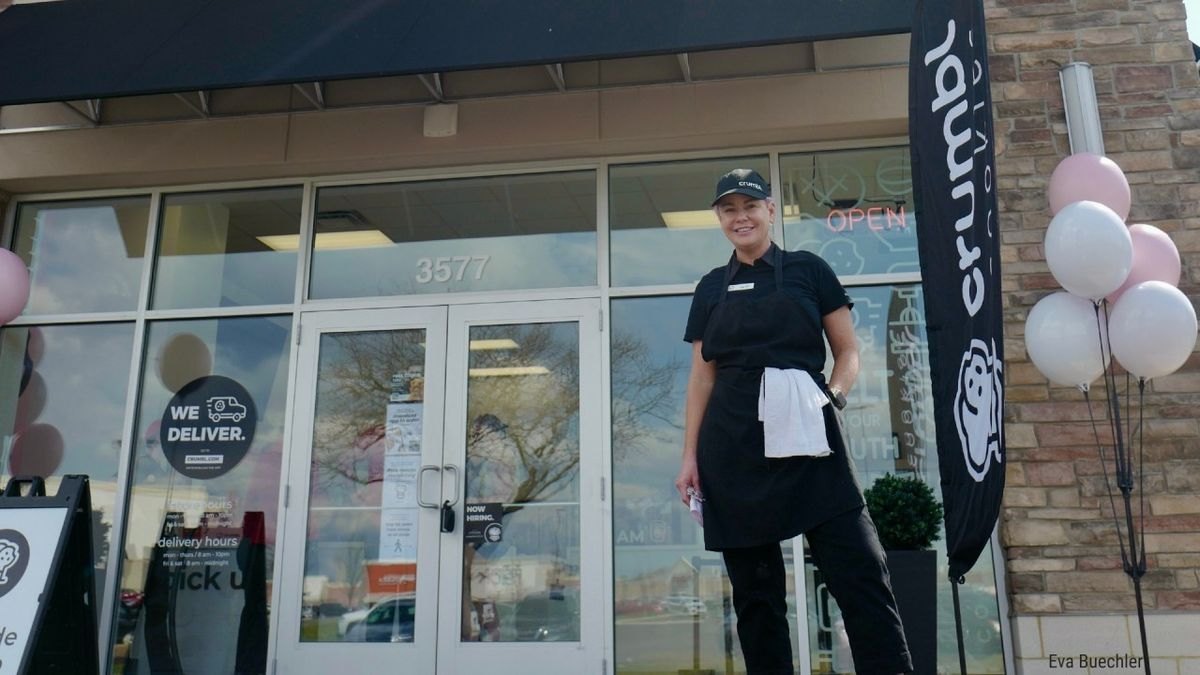
Total initial investment for a Crumbl unit runs roughly $390,000 to $1.1 million, with the franchise fee in the $25,000 to $50,000 range depending on the agreement and whether you commit to multiple units. Royalty sits near 8 percent of gross sales, on the higher end for the category, plus a separate marketing contribution. Those are the disclosed structural numbers; everything below is the operating model you have to build around them.
The spread between $390K and $1.1M is almost entirely real estate condition. A second-generation restaurant space with usable ventilation, grease interceptor, and three-phase power lands near the bottom. A cold shell in a new power center — where you build every mechanical system from scratch — lands near the top. Ask any prospective landlord for a tenant improvement allowance and treat it as real negotiating currency; a $40 per square foot TI allowance on 1,600 square feet is $64,000 of capital you do not have to borrow.
The cost lines that move the model:
- Food cost, roughly 28 to 32 percent of revenue. Butter, chocolate, and premium mix-ins are the product; you cannot value-engineer them without breaking the brand. Your controllable lever is waste, and waste in a fresh-baked model with a weekly menu reset is entirely a forecasting problem.
- Labor, roughly 25 to 30 percent. Driven by the peaked demand curve and by in-store production. Scheduling software that matches labor to the weekly curve is not optional at this margin.
- Occupancy, roughly 8 to 12 percent of revenue. Prime suburban retail that leased in the mid-$20s per square foot several years ago now commonly commands $40 to $55 in growth markets. Rent is fixed and revenue is not, which is why a soft location kills a unit slowly and irreversibly.
- Royalty and marketing, near 8 percent plus the ad fund. This is off the top of gross sales, before you pay anything. At 8 percent, every point of food or labor waste hurts roughly a third more than it would in a 5-percent-royalty system.
Run the arithmetic honestly. A unit doing $1.2M to $1.8M in annual revenue — a realistic band for a strong 2027 location, below the $2M-plus figures some early stores posted — with food at 30, labor at 28, occupancy at 10, and royalty plus marketing at 10, leaves you fighting for a store-level EBITDA in the low-to-mid teens. Call it $150,000 to $300,000 at the store line before debt service and before your own compensation. Service a $700,000 loan out of that and the picture tightens fast. Operators who built at the high end of the cost range are commonly looking at five- to seven-year paybacks, against the two- to three-year paybacks early adopters enjoyed.
Timeline expectations: 30 to 90 days for approval and FDD review, three to nine months for site selection and lease, four to seven months for permitting and build-out, and two to four weeks of training and soft-open. Permitting is the most variable and least controllable stage — a single jurisdiction can add three months on ventilation or ADA review alone, and every month of a signed lease before you open is rent against zero revenue. Negotiate a rent commencement date tied to certificate of occupancy, not lease execution.
Underwrite to a conservative revenue number, then stress it 20 percent lower. If the model only clears at peak-era volumes, you do not have a deal — you have a hope.
Where prospective franchisees get this wrong

Underwriting to the best store instead of the median store. Franchise resale listings and enthusiastic early owners describe outliers. The relevant question is what a median unit opened in the last two years produces, at current construction cost, in a market like yours. If Item 19 reports averages, remember that averages in franchising are dragged upward by a small number of exceptional locations.
Treating it as passive income. This is the most expensive mistake in the category and it is not specific to Crumbl. Food retail with a perishable product, a weekend-loaded demand curve, and a 25-to-30-percent labor line does not run itself. The absentee model requires a general manager good enough to run the store like an owner, which means paying $60,000 to $75,000 out of a store-level profit of maybe $200,000 — and then hoping that person stays. Plan to be in the store for the first year, minimum.
Under-reserving. Franchisees consistently fund the build and forget the ramp. You need working capital for inventory, payroll before revenue stabilizes, and the near-certain cost overrun in construction. A reserve of three to six months of fixed costs beyond your opening budget is the difference between a slow start and a distressed sale.

Signing a ten-year lease on a trend concept. Dessert categories cycle. A five-year initial term with two five-year options gives you nearly identical control of the space with a fraction of the downside if the category softens further. Push for a co-tenancy clause that lets you exit if the anchor tenant vacates, and for an assignment clause that permits transfer to a qualified buyer — because your exit is almost always a sale to another operator, and an unassignable lease destroys resale value.
Ignoring the weekly demand curve in staffing and prep. Overstaffing Tuesday and understaffing Saturday is the classic double loss. It shows up as a labor percentage two to four points above system average, which at these margins is most of your profit.
Skipping the closure and transfer data. Openings are a marketing number. Closures and transfers are the truth number. Read Item 20 twice.
Assuming corporate marketing equals local traffic. National brand awareness gets people to recognize your sign. It does not get the office park three miles away to order forty boxes for a Friday meeting. That call is yours to make, and catering can add $3,000 to $8,000 a month of high-margin revenue with essentially no incremental labor — but only if somebody actually dials the phone.
Neglecting the content engine. The operators posting top-quartile numbers are producing several short-form videos a week — flavor reveals, behind-the-counter baking, customer reactions. A single video that travels can move a weekend measurably. Treat it as a scheduled operational task with an owner, not something you do when you have time. You will not have time.
Decision framework: when to open, when to buy, when to walk

The decision is not binary. There are four distinct plays and they suit different capital positions and temperaments.
Open a new single unit if you have an A-grade site identified, $150,000 or more in liquid reserve beyond the build, and you intend to work in the store. This is the highest-variance play: you control the site and the build quality, but you carry full ramp risk and full construction risk.
Commit to multi-unit development if you have the balance sheet for three units inside eighteen months and management depth to install a district-level leader. This is where the model actually shines. Overhead — marketing coordination, supply, management, bookkeeping — spreads across three revenue lines instead of one, and your leverage in lease negotiations improves materially once a landlord knows you are a repeat tenant. Multi-unit is also the only realistic route to genuine owner distance from daily operations.
Buy an existing cash-flowing unit if you would rather pay for proven revenue than gamble on a ramp. You are buying a known sales history, a trained crew, an existing lease, and zero construction risk. You pay a premium for that certainty, you inherit whatever deferred maintenance and staffing problems the seller created, and you must diligence *why* they are selling. But for a first-time franchisee, skipping build-out risk and the ramp is often the better risk-adjusted trade — and franchisor approval of the transfer is required, so build that contingency into the purchase agreement.

Walk if any of these are true: the only sites available to you are interior strip-mall spots without road visibility, your model requires peak-era revenue to service debt, you have less than three months of fixed costs in reserve, or you intend to hire a manager on day one and check in monthly.
If Crumbl does not clear your hurdle rate, the adjacent options are worth real evaluation rather than a consolation glance. Other dessert and QSR concepts carry lower royalty rates and lighter build-outs, which can produce better single-unit economics even with weaker brand pull — a 5 percent royalty on $1.1M is $33,000 a year back in your pocket versus 8 percent. Service franchises in home services, pet care, or fitness typically carry far lower rent and labor intensity, and many are van-based with no retail lease at all, which changes the risk profile completely: less upside per unit, dramatically less fixed cost when revenue dips. And the resale market across all of these is worth watching, because buying proven revenue at a multiple is frequently cheaper than building unproven revenue at cost.
Competitive pressure and what it does to your model
The gourmet cookie category is no longer thinly contested. Insomnia Cookies has expanded aggressively with a late-night and campus-oriented model, regional chains have scaled, local artisan bakeries have copied the rotating-flavor mechanic, and grocery chains have built out premium in-house cookie programs that intercept the impulse purchase before anyone drives anywhere. Each competitor takes a slightly different slice: campus late-night, local loyalty, or convenience.
The practical effect on your model is not usually a dramatic revenue collapse. It is a slower ramp and a lower ceiling. The store that would have hit run-rate in month three now takes six to nine months, because you are no longer the only novel dessert option in the trade area. That extra ramp is pure cash burn, and it is the specific reason the reserve requirement is higher in 2027 than it was in 2022.
There is one durable structural advantage worth weighing: the weekly menu rotation is genuinely hard to copy at scale. A local bakery can rotate flavors; it cannot run a synchronized national reveal that generates coordinated social attention every Sunday. That mechanic still works. It just works on a more crowded street than it used to, and it drives awareness rather than guaranteed traffic — the conversion from awareness to a transaction happens at your specific corner, on your specific Friday, with your specific crew.
Watch three signals in your own market before committing. First, how many direct dessert competitors opened within a two-mile radius in the past twenty-four months — density is the clearest leading indicator of a saturated trade area. Second, whether existing nearby units are visibly transferring ownership, which you can often infer from local business filings and broker listings. Third, whether the anchor tenants in your target center are healthy, because a dying power center takes its end-cap tenants down with it regardless of how good your cookies are.
Sources
- https://www.ftc.gov/business-guidance/resources/franchise-rule-compliance-guide
- https://www.sba.gov/funding-programs/loans/7a-loans
- https://www.franchise.org/
- https://www.franchisetimes.com/
- https://www.qsrmagazine.com/
- https://www.restaurantbusinessonline.com/
- https://www.nrn.com/
- https://www.ers.usda.gov/data-products/food-price-outlook/
- https://www.bls.gov/oes/current/oes351011.htm
Related questions
How long until a new Crumbl unit reaches steady-state revenue?
Plan for six to nine months in a competitive 2027 trade area, versus the near-instant ramp early stores saw. Fund payroll and inventory through that window rather than assuming month-two stabilization. A slow ramp is normal; an under-reserved slow ramp becomes a distressed sale.
Is buying an existing Crumbl better than opening a new one?
Often yes for first-time franchisees. You pay a premium but skip construction risk, permitting delays, and the ramp entirely, and you can diligence real sales history instead of projections. Verify why the seller is exiting and confirm the franchisor will approve the transfer.
What lease terms matter most for a dessert franchise?
Rent commencement tied to certificate of occupancy, a tenant improvement allowance, a five-year initial term with options rather than a flat ten, a co-tenancy clause covering anchor departure, and an assignment clause that lets you sell to a qualified buyer.
Can I run a Crumbl franchise absentee?
Realistically no in year one. The labor line, perishable product, and weekend-loaded demand curve punish absence. Absentee ownership becomes plausible at three-plus units with a district manager, funded by pooled overhead — not on a single store's margin.
How much liquid reserve should I hold beyond the build-out budget?
Three to six months of fixed costs at minimum — rent, base payroll, insurance, and debt service. Construction overruns and a longer ramp are the two most common cash surprises, and both hit before revenue stabilizes.
FAQ
What is the total investment to open a Crumbl Cookies franchise in 2027?
Roughly $390,000 to $1.1 million all-in, with a franchise fee of about $25,000 to $50,000. The wide range is driven almost entirely by real estate condition — a second-generation food space with existing ventilation and utilities lands near the bottom, while a cold shell in a new center lands near the top. Confirm current figures in Item 7 of the FDD.
What royalty and fees will I pay?
Royalty runs near 8 percent of gross sales, on the higher end for the dessert category, plus a separate marketing or advertising fund contribution. Because those come off gross revenue before any expense, a high royalty structure means food waste and labor overruns hurt disproportionately — margin discipline is structurally more important here than in a 5-percent system.
How much can a single unit realistically earn?
There are no guarantees, and results vary enormously by site. A strong 2027 location doing $1.2M to $1.8M in revenue, run with food cost near 30 percent and labor near 28, might produce a store-level EBITDA in the low-to-mid teens — roughly $150,000 to $300,000 before debt service and your own compensation. Service a large loan out of that and take-home shrinks considerably.
Is the cookie category too saturated to enter now?
Saturation varies by trade area, not nationally. Count direct dessert competitors that opened within two miles in the last two years — that density number tells you more than any national commentary. The realistic effect of competition is a slower ramp and a lower ceiling rather than outright failure, which is a capital-reserve problem more than a viability problem.
What is the single strongest predictor of success?
Site quality, by a wide margin. Road visibility, a healthy anchor, and genuine impulse traffic outweigh nearly every other variable, and a weak site cannot be fixed by good operations or heavy local marketing. If the only available sites are interior strip-mall spaces with no road exposure, waiting for better real estate beats signing on bad real estate.
Should I plan for one unit or several?
Multi-unit is where the economics improve, because overhead spreads across several revenue lines and landlords negotiate differently with repeat tenants. But it demands the balance sheet for three units within eighteen months plus a district-level manager. Prove you can run one profitably before committing to a development schedule you cannot fund.
Related on PULSE
- Should I open or buy an Insomnia Cookies franchise in 2027?
- Should I open or buy a Crumbl Cookies franchise in 2027?
- Should I open or buy a Crave Cookies franchise in 2027?
- Should I open or buy a Mrs. Fields Cookies franchise in 2027?
- Should I open or buy a Great American Cookies franchise in 2027?
- Should I open or buy a Cookies Crumbl alternative — Insomnia Cookies — franchise in 2027?
This page will be disappearing soon. Save it to your device for $1 — or read it free while it is here.
@Kory-White- · if Venmo asks, the last 4 of my number are 2012
This page is gone.
This one is off the shelf now. $1 keeps it on your phone for good — the whole page, pictures and diagrams included.
 franchiseShould I open or buy a Smoothie King franchise in 2027?
 franchiseShould I open or buy a Culver's franchise in 2027?
 franchiseShould I open or buy a McAlister's Deli franchise in 2027?
 franchiseShould I open or buy a UPS Store franchise in 2027?
 franchiseShould I open or buy an Ace Hardware franchise in 2027?
 franchiseShould I open or buy a Cook Out franchise in 2027?
 franchiseShould I open or buy a Subway franchise in 2027?
 franchiseShould I open or buy a Wendy's franchise in 2027?
 franchiseShould I open or buy a Rita's Italian Ice franchise in 2027?
 franchiseShould I open or buy a Kumon franchise in 2027?