
Best Free-to-Play Mobile Strategy & Base-Building Games of 2027 (Top 10 Ranked)
 Curated byKory White · Fractional CRO · Maryland
 PULSEKNOWLEDGE LIBRARY
The strongest free-to-play mobile strategy and base-building games as of 2027 are Clash of Clans for asynchronous base-building and Clash Royale for real-time duels, backed by Rise of Kingdoms, Whiteout Survival, State of Survival, Last War: Survival, Boom Beach, Age of Empires Mobile, Kingdom Rush, and Plants vs. Zombies — ranked here by depth, monetization fairness, and live support.
The two anchor picks compared: Clash of Clans versus Clash Royale
Both anchors come from Supercell, share an art style, and share a name — and beyond that they are almost opposite games. Understanding the split is the fastest way to choose, because roughly every other title on this list is a variation on one of these two loops.
Clash of Clans is the asynchronous base-building benchmark. You lay out a village, upgrade defenses and resource collectors, train an army, and then raid another player's base while that player is offline. Nothing in the combat loop requires a live opponent, which is the single most underrated feature in the genre: you attack when your commute starts, not when a matchmaker says so. Since its 2012 launch it has stayed near the top of mobile strategy revenue charts, and it has absorbed more than a decade of structural additions — Clan Wars, Clan War Leagues, the Builder Base second village, hero equipment, and a steady cadence of Town Hall level increases. The strategic surface is genuinely large: base layout is a puzzle about funneling attacking troops into kill zones, and attacking is a puzzle about spending a fixed army camp capacity against an unfamiliar layout in three minutes.
Clash Royale compresses the same universe into a real-time 1v1 card duel on a two-lane board. You bring an eight-card deck, draw four at a time from a rotating cycle, and spend a regenerating elixir bar to deploy troops, spells, and buildings. Matches run three minutes plus overtime. Where Clash of Clans rewards planning and patience, Clash Royale rewards reaction speed, elixir accounting, and the ability to track which four cards your opponent cannot currently play. It effectively created the mobile card-battler format in 2016 and has kept monthly balance patches and seasonal ranked ladders running since.

The practical decision reduces to session shape and tolerance for live pressure. If you want total control over timing — start a raid, get interrupted, and lose nothing — take Clash of Clans. If you want three-minute head-to-head matches with a high skill ceiling and a real competitive ladder, take Clash Royale. Neither hard-gates top-level competitive power behind a purchase: Clash Royale's Path of Legends ladder equalizes card levels in its upper reaches, and Clash of Clans matchmaking is trophy-based, so a slow-built village is matched against comparable villages rather than thrown at whales.
A third consideration is failure cost. A missed day in Clash Royale costs you a small amount of pass progress. A missed day in Clash of Clans costs you idle builder time — the real currency of the game — but nothing is destroyed. In the 4X titles further down this list, a missed day can cost your alliance a fortification event. That asymmetry is the reason these two sit at the top: they are the two games on the list that respect an irregular schedule.
The full Ranked roster and what each game is actually for
Below is the deeper roster, ordered by strategic depth, monetization fairness, social requirements, and ongoing content support. Each entry names a real, currently supported title and the specific reason it earns its slot.
1. Clash of Clans (Supercell). The asynchronous base-building standard. Village layout, army composition, Clan Wars, and a second Builder Base village. Combat never requires a live opponent, so it fits fragmented schedules better than anything else in the top five. The Gold Pass subscription runs around $6.99 per month and mostly buys build-cost discounts, a reward track, and hero skins. Best for players who want a long construction project they control.

2. Clash Royale (Supercell). Real-time two-lane card duels with an elixir economy and a three-minute clock. Deck construction is the metagame; card cycle management is the moment-to-moment skill. Pass Royale is priced around $11.99 per month and accelerates progression rather than granting a ceiling advantage. Best for competitive players who want short matches and a real ladder.
3. Rise of Kingdoms (Lilith Games). The most complete large-scale 4X on Mobile. Eleven historical civilizations, a seamless zoomable world map with no loading screens between city and field, a commander hero system with skill trees and pairings, and alliance warfare over territory and holy sites. Real-time march movement means troop positioning on the open map matters, which most competitors abstract away. Best for players who want genuine empire-building and can commit daily.
4. Whiteout Survival (Century Games). Frozen-apocalypse survival Building sim structured around a central furnace that everything else feeds. Combines city layout, hero collection, and alliance events including Bear Hunt and Frostfire Mine. It became one of the top-grossing mobile strategy titles of 2024–2025 on the strength of a relentless, well-tuned event calendar. The trade-off is heavy gacha pressure on hero acquisition.

5. State of Survival (KingsGroup). Zombie-apocalypse settlement management with an unusually strong crossover history, including collaborations with The Walking Dead and Resident Evil. Rewards settlement-layout optimization and disciplined troop-tier management — mixing tiers dilutes your rally power, and the game does not explain this well. Built entirely around active alliances.
6. Last War: Survival. The gentlest on-ramp in the 4X group. It fronts the experience with breezy lane-merge mini-games that most players never expect to sit on top of a full alliance base-builder, then unfolds into standard survival-4X systems. Excellent for someone who bounced off Rise of Kingdoms' opening hours.
7. Boom Beach (Supercell). The attack-first outlier. You assault fortified enemy islands with landing-craft troops backed by gunboat abilities — flares, artillery, smoke — which makes combat feel more like a real-time puzzle than an army dump. Task Force Operations add a co-op PvE layer where a group chips at a shared objective. Meaningfully less time-intensive than the 4X tier.

8. Age of Empires Mobile (TiMi / Microsoft). Brings a storied RTS brand to phones with civilization variety and hero generals. Underneath the presentation it follows the familiar mobile-4X template of city development, alliance warfare, and hero collection, but production values and ongoing support from Microsoft's gaming division are strong.
9. Kingdom Rush (Ironhide Game Studio). The polished single-player tower-defense classic. All Strategy lives in tower type selection, lane positioning, upgrade timing, and hero ability usage — there is no competitive paywall because there is no competition. Optional hero and upgrade purchases sit in the roughly $0.99 to $4.99 range, and it plays offline.
10. Plants vs. Zombies (PopCap / EA). The friendliest tower-defense on-ramp ever made, and still the best teaching tool for the genre's fundamentals: economy plants first, cheap chaff to absorb damage, expensive damage behind it. Optional plant unlocks and coin purchases run roughly $0.99 to $9.99, most modes work offline, and nothing competitive is gated.
Two omissions worth naming: this list deliberately skips titles that have gone into maintenance mode, and it skips idle-clicker games wearing base-building costumes. If a game's "strategy" collapses into tapping a claim-all button, it does not belong on a Ranked strategy list regardless of revenue.

How to decide which of these games matches your playstyle
Sort yourself before you install anything, because uninstalling a 4X after three weeks means abandoning an alliance and a base you cannot get back. Three questions settle it: solo or social, real-time or asynchronous, and how much uninterrupted daily time you actually have — not how much you wish you had.
The solo tier — Kingdom Rush and Plants vs. Zombies — demands nothing social and can be paused mid-level. A level runs five to fifteen minutes, it saves state, and no one is waiting on you. If your play happens in unpredictable ten-minute gaps, this tier is not a compromise; it is the correct answer.
The asynchronous tier — Clash of Clans and Boom Beach — sits in the middle. You need to check in once or twice a day to keep builders busy and spend accumulated resources before a raid takes them, but a check-in is genuinely two to five minutes. Clan Wars add a scheduled obligation only if you opt in, and you can opt out for a week without penalty beyond missing loot.

The live-ops 4X tier — Rise of Kingdoms, Whiteout Survival, State of Survival, Last War: Survival, Age of Empires Mobile — is a different commitment class entirely. These run rotating event calendars where scoring windows open at fixed server times, alliance rallies require several players online simultaneously, and your kingdom is matched against other kingdoms populated by people who play hours a day in coordinated blocks. A casual player on such a server is not playing a slightly harder version of Clash of Clans; they are playing a strategy game with a scheduling prerequisite.
Monetization temperament matters just as much as time. The tower-defense titles sell one-time unlocks in the $0.99–$4.99 band and put every meaningful decision in placement and timing. The 4X and survival titles sell speedups, resource bundles, and gacha hero summons, which means money converts directly into progression rate. Neither model is wrong, but installing a gacha 4X when you resent gacha is a guaranteed bad month. Decide which economy you can live with before you decide which theme you like.
One last filter: device and battery. The seamless-map 4X titles are the heaviest things on this list, and Rise of Kingdoms in particular will heat an older phone during a large field battle. If you are on aging hardware, the Supercell titles and the tower-defense pair are dramatically lighter.
The concrete numbers behind each monetization model
The revenue models are far more uniform than the themes suggest, and knowing the actual shape of the storefront removes most of the anxiety about spending.

In-app currency packs. Across the base-builders and 4X titles, hard-currency packs cluster in roughly a $0.99 to $99.99 band with four to six tiers between the ends. Clash of Clans sells Gems, Boom Beach sells Diamonds, Rise of Kingdoms and Whiteout Survival sell gems plus resource bundles, and State of Survival sells its own premium currency. The per-unit rate almost always improves at the larger tiers, which is exactly the pressure the design intends — the $99.99 pack looks like a discount because the $0.99 pack is deliberately terrible value.
Subscription passes. This is where regular players get real value per dollar, and where budgets quietly break. Clash of Clans' Gold Pass sits around $6.99 per month and delivers a reward track plus build-cost and training-cost discounts that compound across the whole month. Clash Royale's Pass Royale sits around $11.99 per month for a season token road and queue unlocks. The 4X titles run comparable monthly passes generally in the $5 to $15 range, and most of them run *several* concurrent passes — a growth pass, an event pass, and a monthly card — which is the structural difference from Supercell's single-pass model. If you buy every pass a survival 4X offers, you are spending more per month than a console game subscription, and the game will keep offering more.
One-time unlocks. The single-player tier is an order of magnitude cheaper. Kingdom Rush sells hero unlocks and upgrades at roughly $0.99 to $4.99, mostly permanent and mostly optional. Plants vs. Zombies sells plant unlocks and coin bundles at roughly $0.99 to $9.99. Both are capped, non-recurring spends. A player could buy literally everything in either game for less than two months of a 4X pass stack.
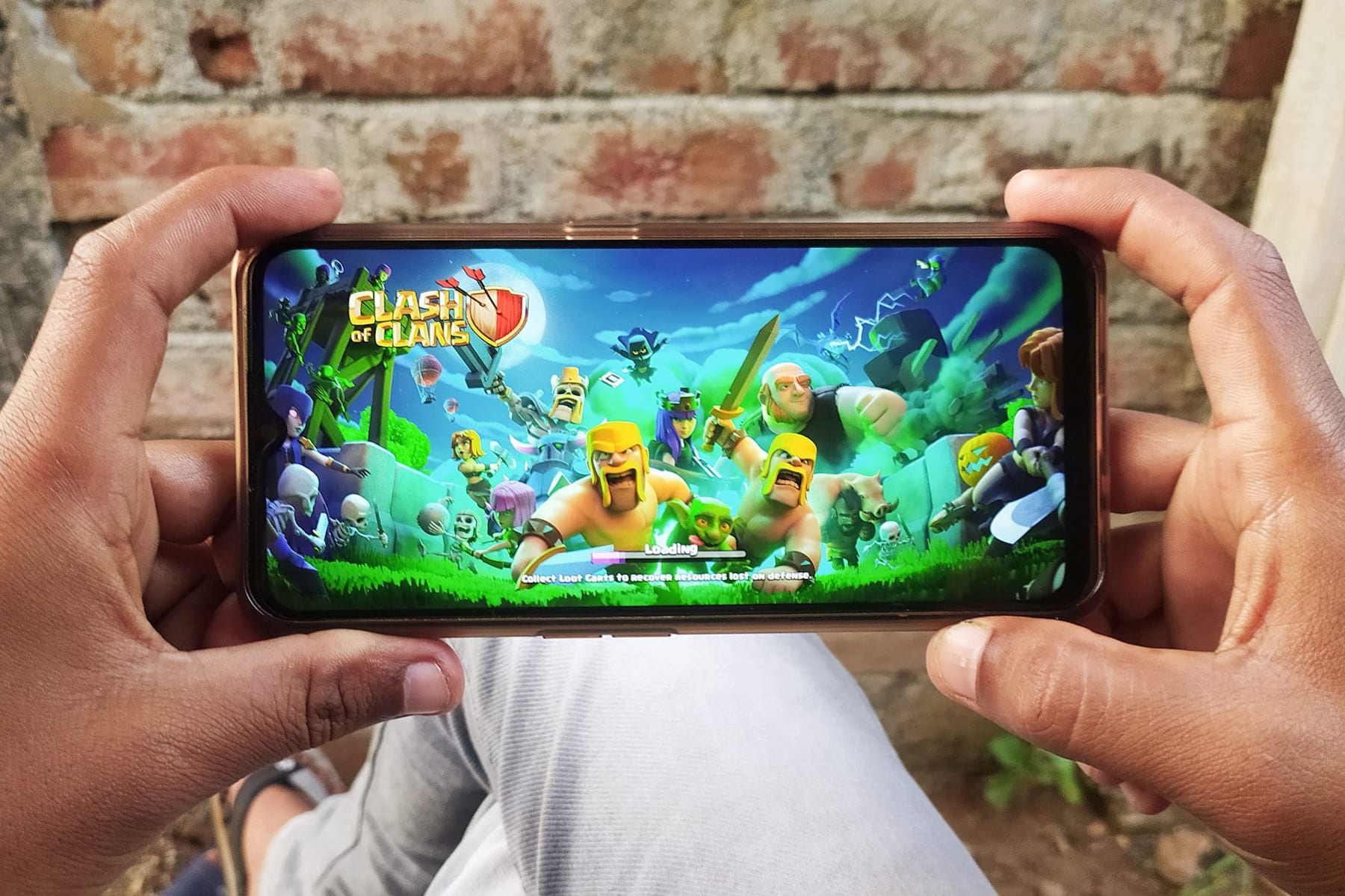
What money actually buys. In the Supercell titles, money buys *time*, not raw power. Late-game Clash of Clans upgrades run into multi-day timers, and Gems primarily collapse those timers; a free player reaches the same Town Hall, just later. In Clash Royale, the pass accelerates card levels, but the upper ranked ladder normalizes levels, so the purchased advantage thins out precisely where competition matters most.
In the survival 4X tier the honest read is different: serious top-tier competition leans pay-to-progress. Troop tier unlocks, hero star levels, and research completion all have purchasable acceleration, and the event calendar is tuned so that a fully free account competes but sits below the leaderboard. That is not a scandal — it is the business model stated plainly — but a player who expects to top a Rise of Kingdoms or Whiteout Survival server without spending should reset expectations toward "be a valuable alliance contributor" instead.
A sane budget rule. Pick a monthly ceiling before installing, and treat it as absolute. For most players the highest-value single purchase in the entire genre is one battle pass in one game — around $7 to $12 — and nothing else. Free hard currency accumulates from events at a real rate in every title here; spend it on permanent capacity (builders in Clash of Clans, hero shards in the 4X titles) rather than on instant resource refills, which evaporate. And never buy speedups during an event that awards points for spending speedups; that loop is designed to convert one purchase into three.

Implementation and sequencing: how to start without burning out
The dominant failure mode in this genre is not picking a bad game — it is picking a good one in the wrong order. A new player installs a live-ops 4X on day one, misses the first two timed events, watches an alliance-mate's base pass theirs, spends $30 to catch up, and quits in week three. Sequencing your onboarding avoids nearly all of that.
Week one: learn one loop, and only one. Install a single game and ignore the store entirely. Learn troop composition and gunboat ability timing in Boom Beach, elixir accounting and card cycle in Clash Royale, or furnace-first upgrade priority in Whiteout Survival. Every one of these games has a "what do I upgrade next" answer that is not obvious from the UI, and getting it wrong for two weeks costs more than any purchase would have saved. In the base-builders the general rule is: resource storage and production before defenses, defenses before decorative capacity, and never let a builder sit idle overnight.
Week two: resist the first-purchase funnel. Every title here front-loads a heavily discounted starter bundle in the first 72 hours, and it is genuinely good value — which is exactly why you should skip it. The purpose of that bundle is to convert you from a non-spender into a spender, after which the offer cadence increases sharply. Spend week two confirming you still want to be playing this game in a month.
Then join an active alliance — the single highest-value move. In every 4X and in Clash of Clans, alliance membership is worth more than any small purchase. Alliance help slashes construction times, alliance technology grants permanent stat bonuses, and group events award resources that would otherwise cost real money. The mistake is joining the first alliance that sends an invite. Check three things before accepting: does the chat show activity in the last 24 hours, does the alliance run scheduled rallies, and does leadership state a donation or participation requirement you can actually meet. A dead alliance is worse than none, because it occupies the slot.

Only then consider a pass, and buy exactly one. If after three or four weeks you are still playing daily, one battle pass in your primary game is the efficient purchase. The trap is stacking — a pass in each of three games is a recurring bill that quietly exceeds most casual budgets, and the games have no way to know or care that you are also paying two competitors.
Set an event floor. Decide in advance which events you will participate in and which you will simply ignore. In Whiteout Survival and State of Survival the calendar is continuous by design, and treating every event as mandatory is how the genre generates burnout. Pick the two or three events with the best reward-per-hour — usually the ones that reward activity you were doing anyway, like construction or research — and let the rest pass.
Reassess monthly, honestly. Ask two questions on the same day each month: am I still enjoying the sessions themselves rather than the streak, and did I stay under my spending cap. A "no" on either is the signal to step down a tier. Stepping down is not quitting — moving from a live-ops 4X back to Clash of Clans, Boom Beach, or the tower-defense pair keeps the genre in your life while removing the scheduling obligation and the recurring cost. That off-ramp is exactly why Kingdom Rush and Plants vs. Zombies belong on a list otherwise dominated by live-service giants: they are the version of this hobby that asks nothing of your calendar and nothing recurring of your wallet.
Related questions
Which of these games can I play entirely offline?
Kingdom Rush and most Plants vs. Zombies modes run offline once downloaded. Every PvP and 4X title here — Clash of Clans, Clash Royale, Rise of Kingdoms, Whiteout Survival, State of Survival, Last War, Boom Beach, Age of Empires Mobile — requires a connection because progress and alliance state are server-synced.
Is Clash of Clans still worth starting in 2027?
Yes. Trophy-based matchmaking places new villages against comparable villages rather than veterans, the early Town Hall levels move quickly, and more than a decade of accumulated systems means the content ceiling is effectively out of reach for a new player. Asynchronous combat also makes it forgiving of irregular schedules.
What is the best game here for a low-end phone?
The tower-defense pair, Kingdom Rush and Plants vs. Zombies, are by far the lightest. Clash Royale is next — small board, short matches, modest assets. Avoid the seamless-map 4X titles like Rise of Kingdoms on aging hardware; large field battles cause heat and frame drops.
Can a free player realistically compete in a survival 4X?
Competitively at the server top, no — troop tiers, hero stars, and research all accelerate with money. But a free player can be a genuinely valuable alliance member, contribute to rallies, and enjoy the game fully. Set the goal as contribution rather than leaderboard placement.
How long until Clash Royale stops feeling pay-gated?
Card levels matter most in mid ladder. The upper ranked ladder normalizes levels so matches are decided by deck choice and play, which is where the purchased advantage largely disappears. Reaching that point takes months of free play, but the ceiling is skill, not spend.
FAQ
Are mobile strategy and base-building games pay-to-win?
Most base-builders and 4X titles sell time-skips, resource bundles, and gacha hero summons, which makes them pay-to-progress rather than strictly pay-to-win — a patient free player reaches the same milestones later. Skill-driven titles like Clash Royale stay genuinely competitive without spending because the top ladder normalizes card levels. The single-player tower-defense games have no competitive monetization at all, since every outcome depends on placement and timing.
How much daily time do these games actually require?
The 4X and survival titles reward consistent daily logins, timed event participation, and alliance coordination, so budget 30 to 60 minutes on active days. Clash of Clans and Boom Beach work fine on two check-ins of a few minutes each. Kingdom Rush and Plants vs. Zombies are entirely session-based — a level takes five to fifteen minutes and nothing degrades while you are away.
Which game is best for solo players who avoid alliances?
Kingdom Rush and Plants vs. Zombies require nothing social. Boom Beach is the best middle option, since its Task Force Operations are optional co-op rather than mandatory alliance obligation and its solo island campaign is substantial. Rise of Kingdoms, Whiteout Survival, State of Survival, and Last War are built around alliances, and playing them solo caps your progress hard.
Do I need to spend money to enjoy any of these?
No. Every title on this list is free to download and play through its full core loop. Spending buys speed in the base-builders and 4X games, and optional unlocks in the tower-defense pair. If you do spend, one battle pass in one primary game — roughly $7 to $12 per month — is the highest-value purchase in the genre, and stacking passes across several games is the most common way budgets escape control.
Which game is the gentlest entry point for a complete beginner?
Plants vs. Zombies teaches tower-defense fundamentals better than anything else and stakes nothing on failure. Among the base-builders, Clash of Clans guides you through village construction at your own asynchronous pace. Last War: Survival is the gentlest 4X on-ramp because it opens with simple merge mini-games before revealing the alliance base systems underneath.
Which of these has the most active competitive scene?
Clash Royale maintains the most structured competitive ecosystem, with seasonal ranked ladders, regular balance updates, and official tournament play. Clash of Clans runs Clan War Leagues, which are team-based rather than individual. The 4X titles organize server-wide and cross-server alliance events instead of individual ladders, so competition there is collective and schedule-bound rather than personal and skill-bound.
Sources
- https://supercell.com/en/games/clashofclans/
- https://supercell.com/en/games/clashroyale/
- https://supercell.com/en/games/boombeach/
- https://www.lilith.com/
- https://www.ironhidegames.com/
- https://www.ea.com/games/plants-vs-zombies
- https://www.ageofempires.com/games/age-of-empires-mobile/
- https://sensortower.com/
- https://www.pockettactics.com/
- https://www.pocketgamer.com/
Related on PULSE
- [Best Free-to-Play Mobile Games for Low-End Phones in 2027 (Top 10 Ranked)](/knowledge/gm0027)
- [Best Free Mobile Card & Deck-Building Games of 2027 (Top 10 Ranked)](/knowledge/gm0024)
- [Best Free-to-Play Mobile Gacha RPGs of 2027 (Top 10 Ranked)](/knowledge/gm0022)
- [Best Free-to-Play MOBAs of 2027 (Top 10 Ranked, PC & Mobile)](/knowledge/gm0028)
- [Best Free-to-Play Mobile Games of 2027 (Top 10 Across All Genres)](/knowledge/gm0021)
- [Best Free-to-Play PC Games on Steam in 2027 (Top 10 Ranked)](/knowledge/gm0025)
@Kory-White- · if Venmo asks, the last 4 of my number are 2012
 pulse-aquariumsTop 10 Canister Filters 2027
 aqTop 10 Hang-On-Back Aquarium Filters 2027
 pulse-reviewsTop 10 Cabin Cruiser Boats 2027
 pulse-aquariumsTop 10 Aquarium Filters 2027
 pulse-moviesTop 10 Movies on Netflix 2027
 pulse-moviesTop 10 Movies on Max 2027
 pulse-moviesTop 10 Fantasy Movies of All Time in 2027
 pulse-moviesTop 10 Documentaries of All Time in 2027
 pulse-moviesTop 10 Superhero Movies of All Time in 2027
 pulse-moviesTop 10 Romance Movies of All Time in 2027