 Pulse Reviews and Analysis
The 10 Best Capture Cards for Streaming in 2027
 Curated by Kory White · Fractional CRO, CRO Syndicate
The 10 Best Capture Cards for Streaming in 2027
Direct Answer
The best capture card overall is the Elgato 4K X at $229, which captures 4K60 HDR with passthrough up to 4K144 and uses USB 3.2 Gen 2 for low-latency, high-bitrate recording that suits serious streamers and content creators. The best value pick is the Elgato HD60 X at $159, which handles 1080p60 and 4K30 capture with VRR passthrough at a price most streamers can justify.
This list is for streamers and creators who need reliable console and PC capture, and it spans roughly $90 to $250 across external USB and internal PCIe cards. Every capture card below is a real, currently sold product with real specs and prices, ranked on capture resolution, passthrough, latency, software, and value.
1. Elgato 4K X 🏆 BEST OVERALL
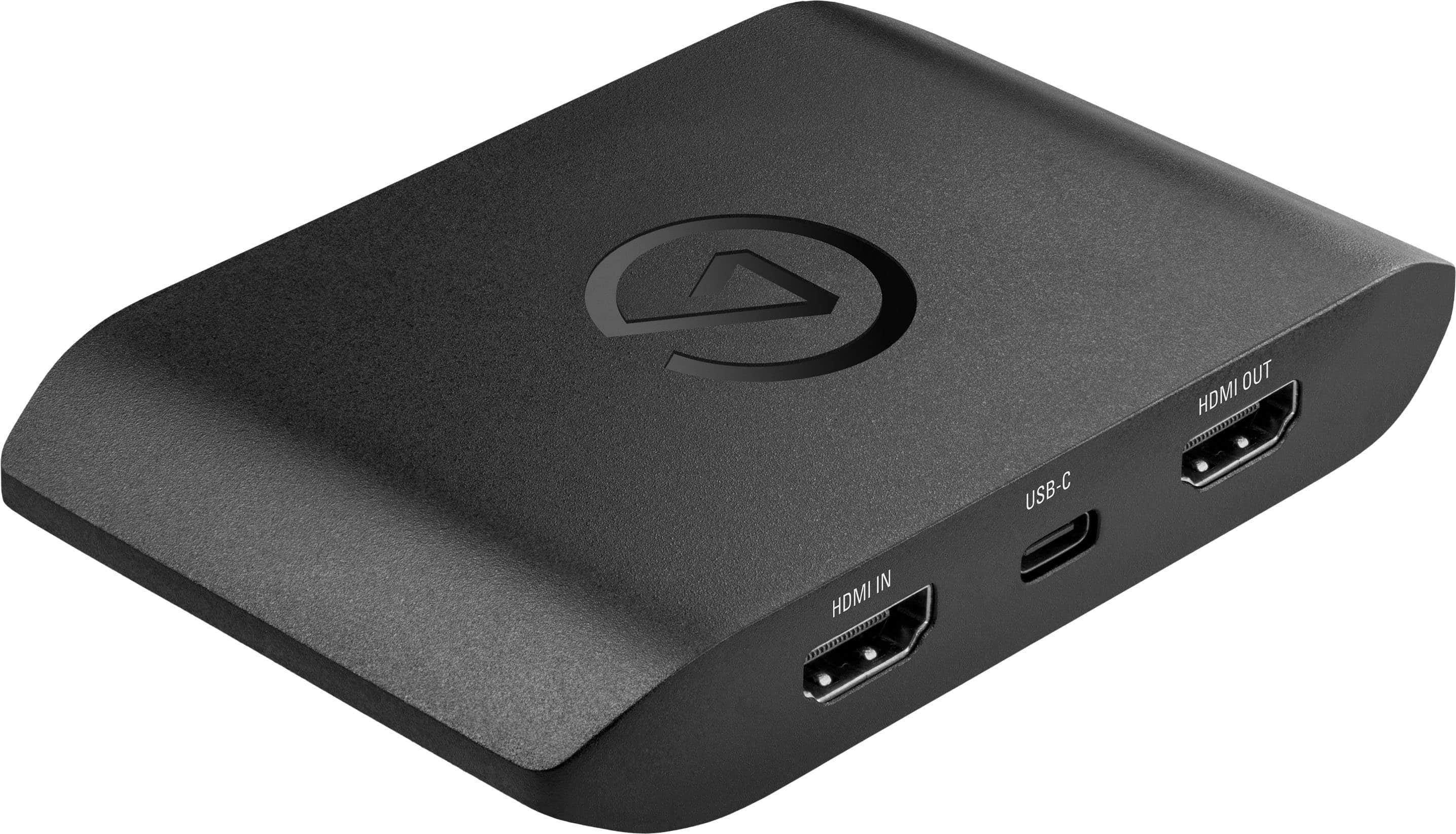
The Elgato 4K X at $229 is the most capable mainstream capture card. It records 4K60 with HDR10 and offers passthrough up to 4K144Hz, plus 1080p240 and 1440p144 modes, so high-refresh console and PC players don't sacrifice their display experience.
It connects over USB 3.2 Gen 2 (Type-C) and writes to an internal high-speed buffer, keeping latency low. The card pairs with Elgato's 4K Capture Utility and works smoothly with OBS and Streamlabs. The HDMI 2.1 input means it is one of the few external cards that fully supports a PS5 Pro or Xbox Series X running at higher refresh modes, and it ships with a braided USB-C cable rated for the full 10Gbps bandwidth so you are not hunting for a compatible cable.
This is for serious streamers and creators who want maximum quality and high-refresh passthrough. The wide range of supported resolutions future-proofs it for newer consoles and GPUs. The main trade-off is price and the fact that true 4K60 capture writes very large files, so plan for fast SSD storage; the upside is that almost nothing in this signal chain will bottleneck you for years.
2. AverMedia Live Gamer 4K 2.1 (GC575)

The AverMedia Live Gamer 4K 2.1 at $249 is an internal PCIe card that captures 4K60 HDR with 4K144 VRR passthrough over HDMI 2.1. Being internal, it avoids USB bandwidth limits entirely and uses a PCIe x4 slot with RGB lighting on the shroud.
It targets high-end desktop creators who want the cleanest, highest-bitrate capture. The PCIe interface and HDMI 2.1 passthrough make it ideal for a dedicated streaming PC, and AverMedia's RECentral software supports simultaneous recording and streaming at different bitrates. The downsides are that it only fits a desktop with a free PCIe slot and it carries the highest price on this list; the payoff is rock-solid capture that never competes with your other USB devices for bandwidth.
3. Elgato 4K Pro
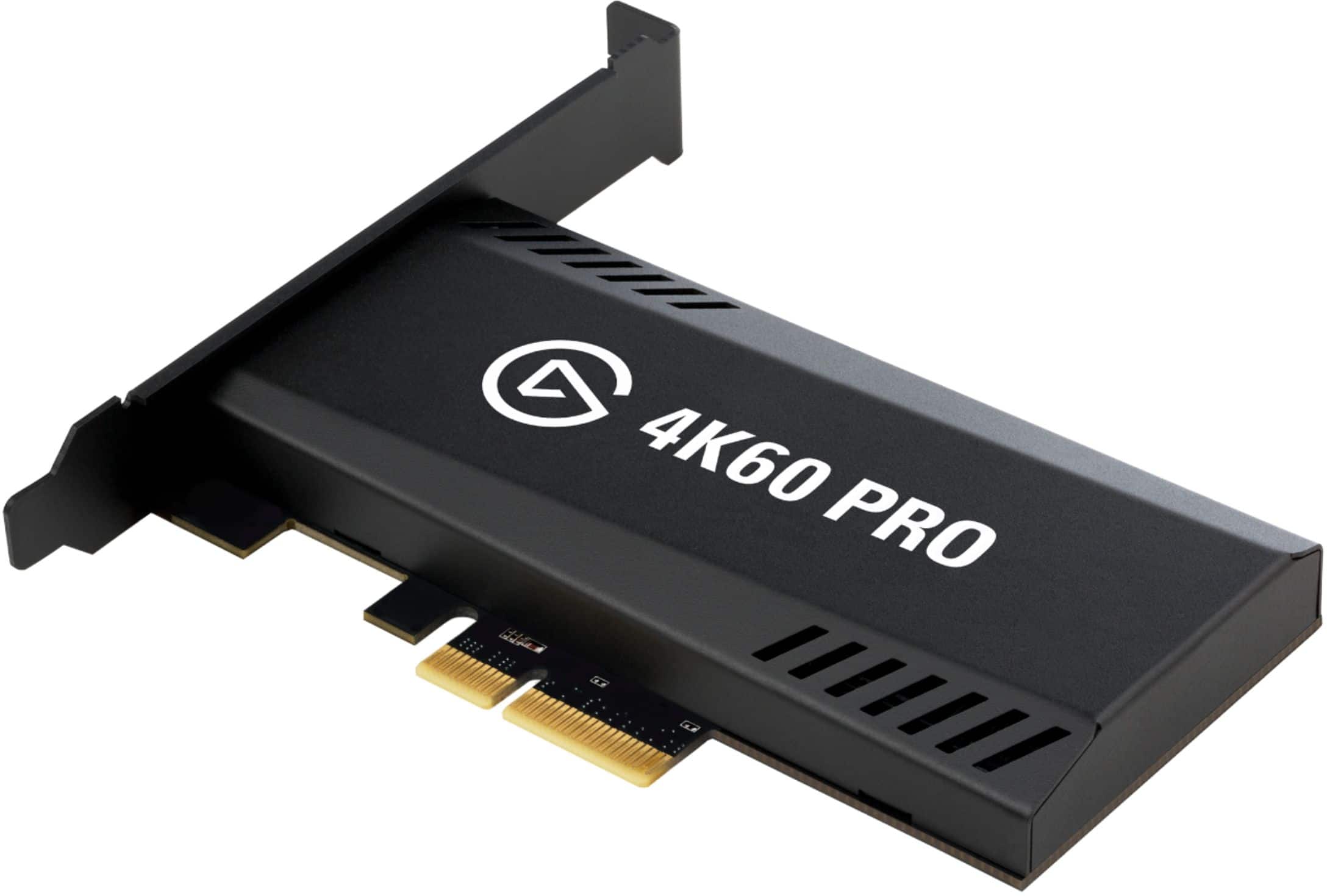
The Elgato 4K Pro at $249 is an internal PCIe card capturing 4K60 HDR10+ with 8K30 and 4K144 passthrough. It handles the most demanding signal chains and writes high-bitrate files for editing, and it includes a built-in hardware encoder that offloads work from your CPU.
For a two-PC streaming setup, the internal design frees a USB port and delivers consistent performance. A premium choice for professional creators who edit in high resolution. The 8K30 passthrough is unusual at this price and useful for creators on flagship GPUs, though for pure streaming most users will never push past 4K.
The trade-off is the same desktop-only limitation, but the onboard encoder is a genuine advantage for older or lower-core CPUs.
4. AverMedia Live Gamer Ultra 2.1 (GC553G2)
The Live Gamer Ultra 2.1 at $229 is an external USB card with 4K60 HDR capture and 4K144 VRR passthrough. It is AverMedia's answer to the Elgato 4K X with a similar feature set and connects over USB 3.2 Gen 2 Type-C.
The external USB-C design suits laptops and single-PC setups. A strong alternative for creators who prefer AverMedia's software or want 4K60 capture without committing to an internal card. In practice it trades blows with the 4K X on quality; the deciding factors are usually software preference and which one you can buy at a discount, since the two are priced identically.
Its one weakness is occasional driver fussiness on first install, which a firmware update typically resolves.
5. Elgato HD60 X 💎 BEST VALUE
The Elgato HD60 X at $159 is the best-value capture card for most streamers. It captures 1080p60 and 4K30 with VRR passthrough up to 4K60 and 1080p120, covering the needs of the vast majority of console streamers.
It connects over USB-C, works flawlessly with OBS, and supports HDR passthrough. For anyone streaming PS5 or Xbox gameplay at 1080p or 1440p, it delivers everything needed without paying for 4K60 capture, which is why it earns the Best Value badge. It also accepts both USB-C and USB-A connections via the included cable, so it works on nearly any modern laptop or desktop.
The only thing you give up versus the 4K X is true 4K60 recording, a feature most streamers never use because they encode out at 1080p or 1440p anyway. For the price, nothing else matches its mix of reliability, software, and passthrough flexibility.
6. AverMedia Live Gamer Mini (GC311)
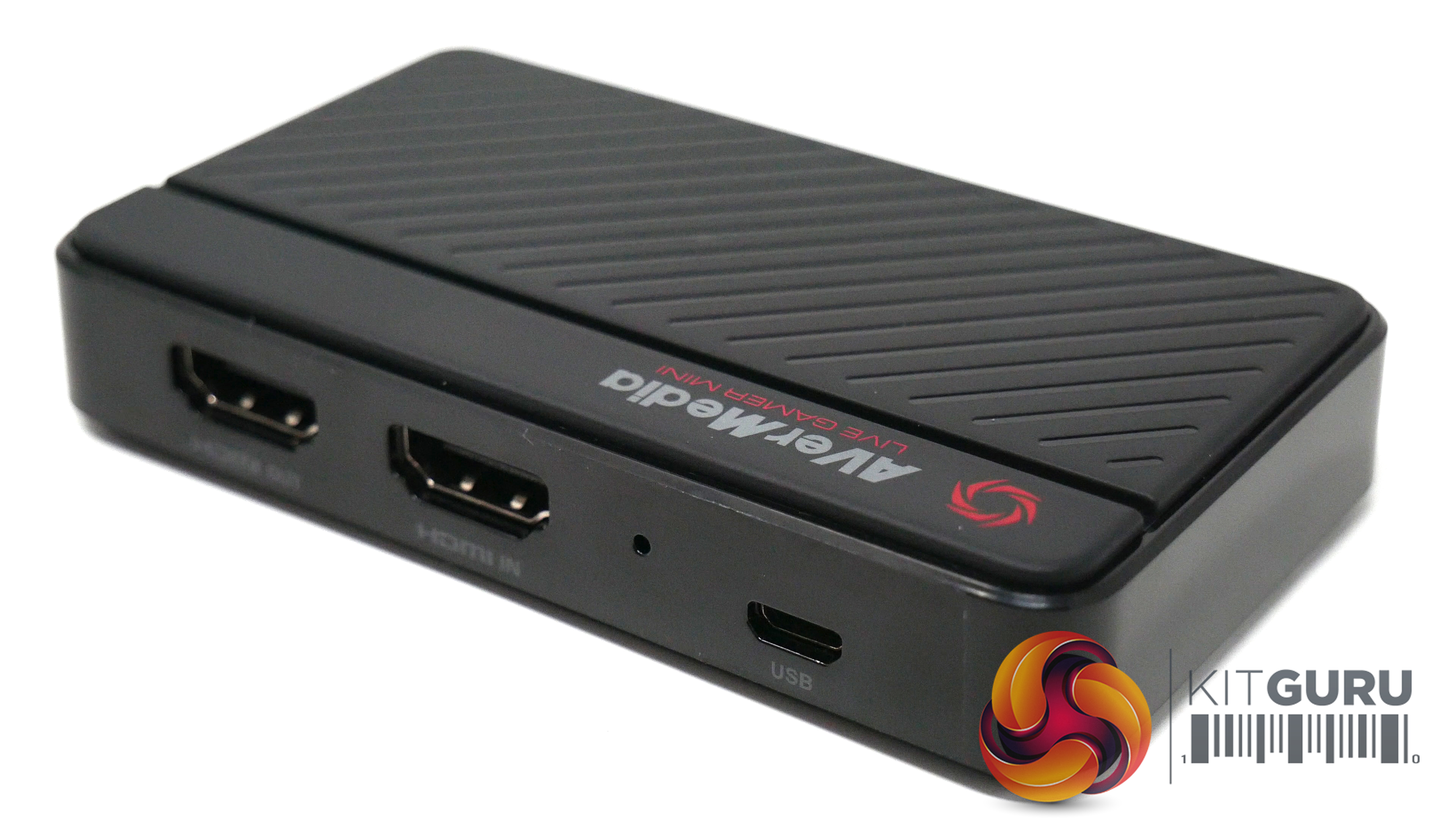
The Live Gamer Mini at $90 is a compact, affordable 1080p60 capture card over USB 2.0. It lacks 4K passthrough but covers basic 1080p console streaming reliably, and it includes a built-in H.264 hardware encoder so it works on modest PCs.
For new streamers on a tight budget who only need 1080p, it is one of the cheapest dependable options. A solid entry-level pick. The hardware encoder is the standout here: it keeps CPU usage low on older laptops, which is exactly the audience this card serves.
The limitation is the 1080p60 ceiling and lack of 4K passthrough, so if you play on a 4K or high-refresh display you will see your game capped while capturing; for a starter setup on a single 1080p monitor, that is rarely an issue.
7. Elgato Cam Link 4K
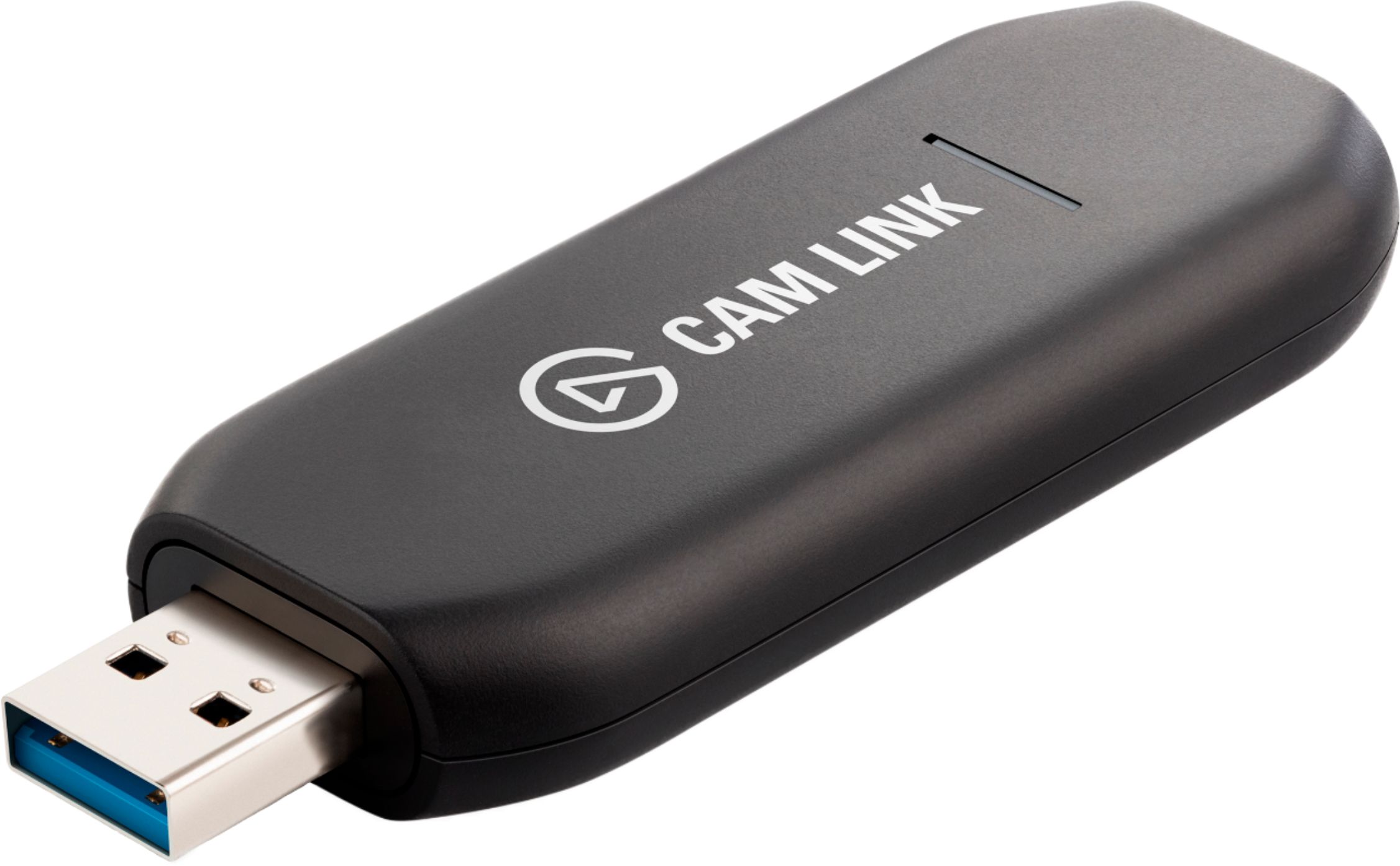
The Elgato Cam Link 4K at $129 is a small USB stick that turns a DSLR, mirrorless camera, or camcorder into a 1080p60 or 4K30 webcam. It is not for console gameplay but is essential for creators who want a high-quality camera feed instead of a built-in webcam.
It plugs directly into a USB 3.0 port and appears as a webcam in OBS, Zoom, and Streamlabs with no driver install on most systems. A must-have accessory for streamers using a real camera. The catch is that it captures only a clean HDMI output, so your camera must support clean HDMI out and stay powered, ideally with a dummy battery for long streams.
For face-cam quality, the jump from a USB webcam to a real camera through a Cam Link is the single most visible upgrade many streamers can make.
8. AverMedia Live Gamer Portable 2 Plus (GC513)

The Live Gamer Portable 2 Plus at $140 captures 1080p60 and can record to a microSD card without a PC, which is useful for capturing on the go. It also offers 4K30 passthrough so your display is not capped to 1080p.
The standalone recording mode sets it apart for creators who want to capture gameplay away from a computer, such as at tournaments or LAN events. A flexible mid-budget option. It also has a built-in OLED screen for monitoring and a microphone input for adding live commentary directly to the recording.
The trade-off is that the standalone files are encoded at a fixed bitrate, so for the highest-quality edits you will still want a PC-connected workflow; as a portable second device, though, it is hard to beat.
9. Razer Ripsaw HD

The Razer Ripsaw HD at $159 captures 1080p60 with 4K60 passthrough over USB 3.0. It includes a dedicated 3.5mm audio mixing input for balancing game and chat audio directly on the card.
The built-in audio features appeal to streamers who want simple mixing without extra hardware or an external mixer. A capable 1080p card with useful extras and a sturdy metal housing. Its 4K60 passthrough is generous for a 1080p-capture card, meaning console players keep a smooth 4K display while recording at 1080p.
The limitation is the 1080p60 capture ceiling, so creators chasing 4K recordings should look higher up the list; for the price, the audio-mixing convenience is what wins people over.
10. AverMedia Live Streamer CAP 4K (BU113)
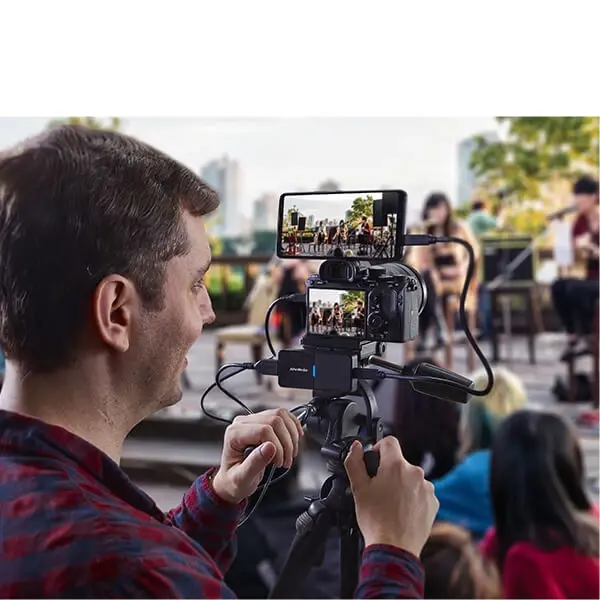
The Live Streamer CAP 4K at $120 is an external USB-C card with 4K30 capture and 4K60 passthrough at a relatively low price. It targets creators who want 4K30 recording without spending on a premium card.
It is a budget-friendly path to 4K capture for editing, with adequate passthrough for most setups. A reasonable value option above the 1080p tier. It is plug-and-play and UVC-compliant, so it shows up as a standard capture device in OBS without proprietary drivers, which makes it an easy add to a Mac or Linux setup as well.
The compromise is 4K30 rather than 4K60 capture, fine for cinematic recordings and slower-paced games but less ideal for fast competitive titles where 60fps capture matters more.
How to Choose
- Capture resolution vs passthrough: Capture resolution is what gets recorded or streamed; passthrough is what your monitor sees. Many cards capture at 1080p60 but pass through 4K, which is fine for most streamers who encode out at 1080p anyway.
- External USB vs internal PCIe: External cards are easy to move and work with laptops. Internal PCIe cards (Elgato 4K Pro, AverMedia 4K 2.1) avoid USB bandwidth limits and suit dedicated streaming PCs.
- Check passthrough refresh and VRR: High-refresh and variable-refresh-rate players need a card with matching passthrough, like 4K144 VRR, or their display experience degrades while streaming.
- HDR support: If you stream HDR console gameplay, choose a card that captures or passes through HDR10. Not all budget cards support it, and mismatched HDR can wash out your stream.
- USB bandwidth: 4K60 capture needs USB 3.2 Gen 2 (10Gbps). Plugging a high-end card into a slower port limits its performance, so verify your PC's USB capability before buying.
- Single-PC vs two-PC setup: A single PC can use an external card, but heavy 4K streaming benefits from a dedicated capture PC with an internal card to spread the encoding load.
- Storage and encoding: True 4K60 capture produces very large files, so budget for a fast SSD; if your CPU is older, a card with a hardware encoder (Cam Link, Live Gamer Mini, 4K Pro) takes load off your processor.
FAQ
Do I need a capture card to stream from my console? Yes, if you want to stream PS5 or Xbox gameplay to a PC for editing, overlays, and higher production quality, a capture card is required. Consoles have basic built-in streaming, but a card plus OBS on a PC gives far more control over your stream's look and audio.
What is passthrough and why does it matter? Passthrough sends the console's video signal through the capture card to your monitor with minimal delay, so you can play normally while the card records or streams. The passthrough resolution and refresh rate should match your display, so high-refresh players need a card with 4K144 or 1080p240 passthrough.
Should I get an external or internal capture card? External USB cards are simpler, portable, and work with laptops, making them the right choice for most streamers. Internal PCIe cards like the Elgato 4K Pro avoid USB bandwidth limits and deliver the most consistent high-resolution capture, but they only fit desktop PCs and suit dedicated streaming rigs.
Can a single PC handle both gaming and capturing? For 1080p streaming, yes, a reasonably powerful PC can game and capture at once. For demanding 4K60 capture and streaming, a two-PC setup with a dedicated capture machine reduces strain on your gaming PC and produces a smoother result. Match your setup to your target quality.
Does a capture card add input lag to my gameplay? No, as long as you play off the passthrough output rather than the captured preview. Passthrough on modern cards adds effectively zero perceptible lag because the signal goes straight to your monitor. The few frames of delay only exist in the software preview on your PC, so competitive players should always watch their main display, not the capture window.
What HDMI cable and USB port do I need for 4K60 capture? You need an HDMI 2.1 (or at minimum high-speed HDMI 2.0) cable for the input and passthrough, plus a USB 3.2 Gen 2 (10Gbps) port for an external 4K60 card. Using an older USB 3.0 (5Gbps) port or a basic HDMI cable will force the card to drop to a lower resolution or refresh rate, so confirm both before you buy a high-end external card.
Bottom Line
For the best overall capture card, the Elgato 4K X at $229 wins on 4K60 HDR capture, high-refresh passthrough, and low-latency USB performance. If you stream at 1080p or 1440p, the Elgato HD60 X at $159 is the clear Best Value, covering nearly every console streamer's needs without paying for 4K60 capture.
Sources
- RTINGS.com and Tom's Hardware capture card coverage
- Elgato official product specifications (4K X, HD60 X)
- AverMedia official product pages
- PCMag capture card reviews
- StreamerSquare capture card guides
- Razer official Ripsaw HD specifications
- The Verge streaming hardware coverage