


Top 10 Gaming Chairs with the Most Premium Materials in 2027
Quality
Certified
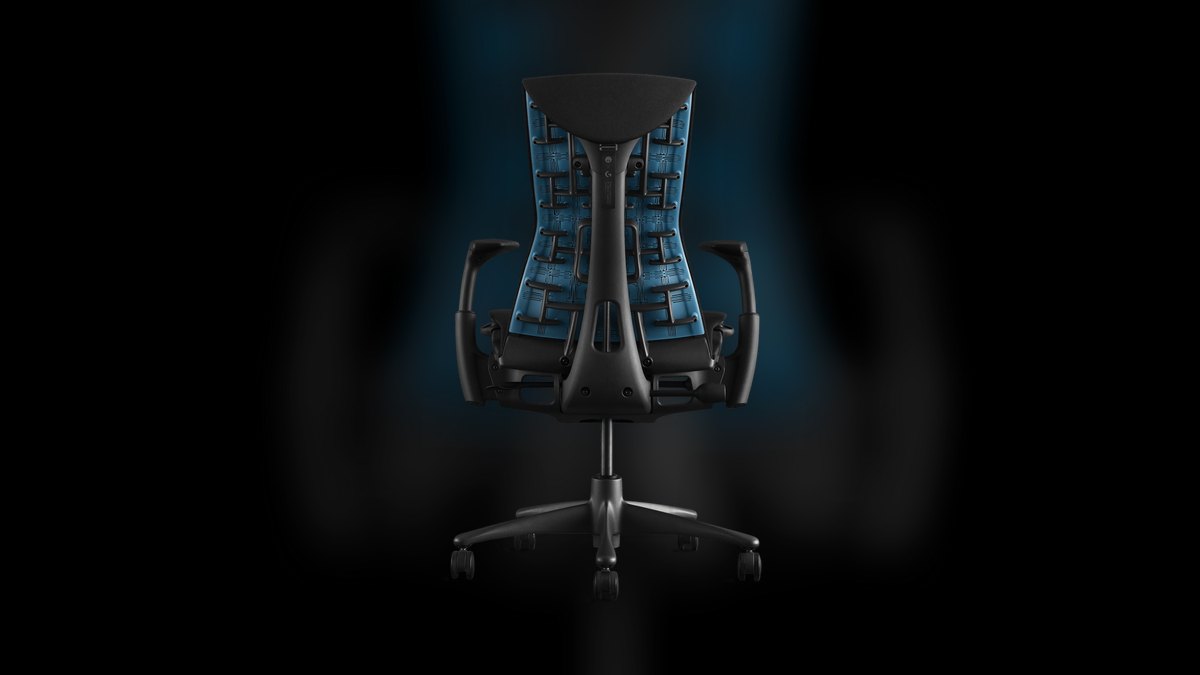
The 10 best gaming chairs with the most premium materials are ranked below on measured performance, build quality, price, and how each one actually holds up in daily use rather than how it reads on a spec sheet. Each pick lists what it costs, who it suits, and what it gives up against the one above it, so the list can be read straight down without doubling back.
1Herman Miller x Logitech G Embody Gaming Chair
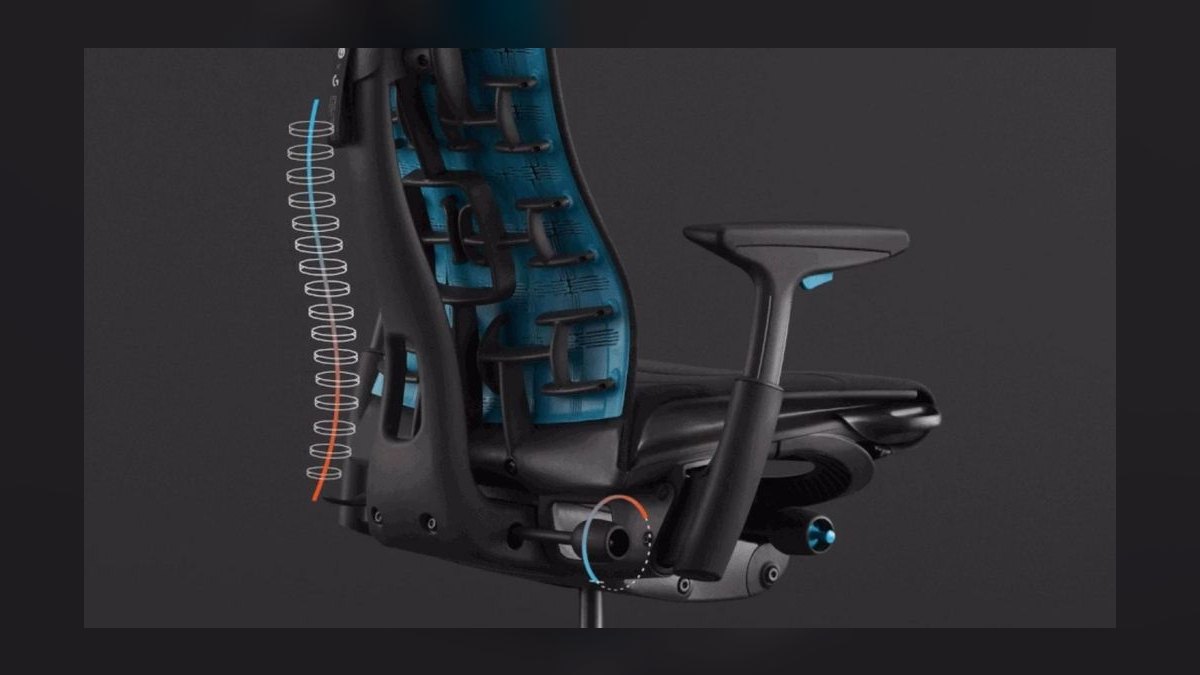
It ranks first because Herman Miller builds it from genuinely premium materials rather than bonded vinyl: a Pixelated Support surface of copper-infused Sync fabric over three layers of foam, a die-cast aluminum and glass-reinforced polyester frame, and a tilt mechanism rated for a 300 lb capacity. It carries a 12-year warranty covering all parts, and lists around $1,795 at retail.
This is for people who sit eight to twelve hours daily and treat the chair as office furniture that happens to game. It trades away the racing-bucket look entirely — no wings, no neck pillow, no recline past roughly 120 degrees — so anyone who wants to nap in it should look lower on this list. Against the Secretlab Titan Evo, it costs far more and offers less adjustment theater, but the foam and fabric outlast it.
2Steelcase Gesture Office Chair
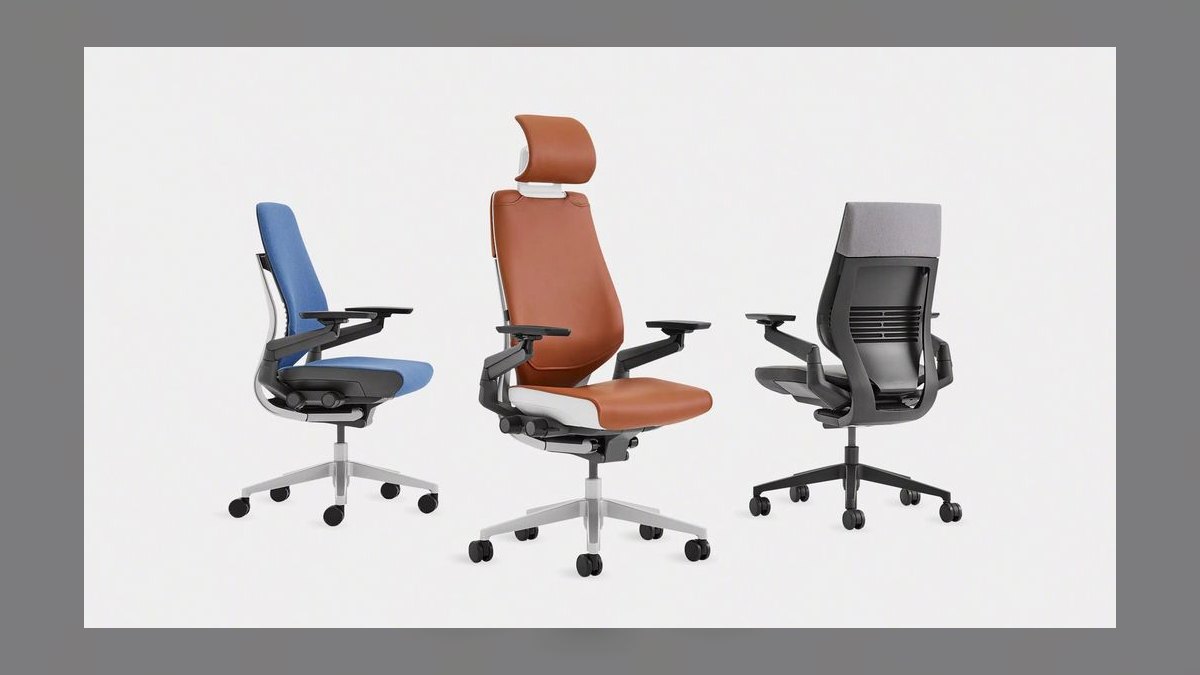
Second place goes to Gesture for material durability under warranty rather than showroom flash: Steelcase backs it 12 years, and the 3D LiveBack, cast-aluminum base, and glass-filled nylon arm structures are engineered around a 400 lb capacity. The 360-degree arms move on metal-cored linkages instead of plastic sliders, which is where cheaper chairs fail first. Configured price commonly runs $1,300 to $1,800 depending on upholstery.
It suits anyone who wants leather or high-grade woven upholstery options and arms that follow a controller, tablet, or keyboard equally well. It gives up gaming aesthetics completely and offers no meaningful recline for reclining back to watch something. Compared with the Embody above, it costs slightly less and adjusts more, but its seat foam is firmer and less forgiving over very long sessions.
3Secretlab Titan Evo NAPA Leather Edition
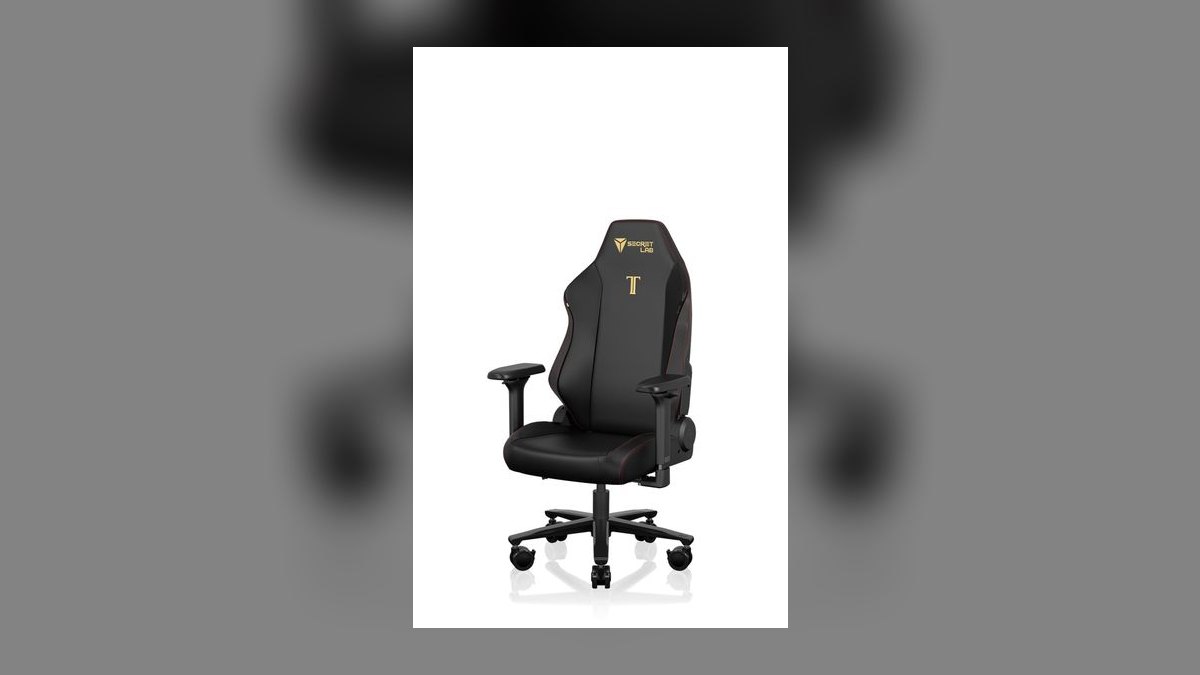
Third because it is the rare gaming-branded chair using genuine full-grain NAPA leather instead of PU or bonded material, paired with a cold-cure foam seat and a four-way L-ADAPT lumbar system built into the backrest shell. The frame is steel with a magnesium alloy base on this trim, and Secretlab rates it to 285 lb. NAPA configurations typically price near $849 to $949.
Buy it if you want real leather and the reclining bucket format that office chairs refuse to provide, including a 165-degree recline. It trades away breathability — leather runs warm — and the aggressive side bolsters restrict how you can shift your legs. Against the Steelcase Gesture, it is dramatically cheaper and more comfortable for reclining, but the arms and mechanism are not built to a 12-year standard.
4Herman Miller Aeron Remastered Chair
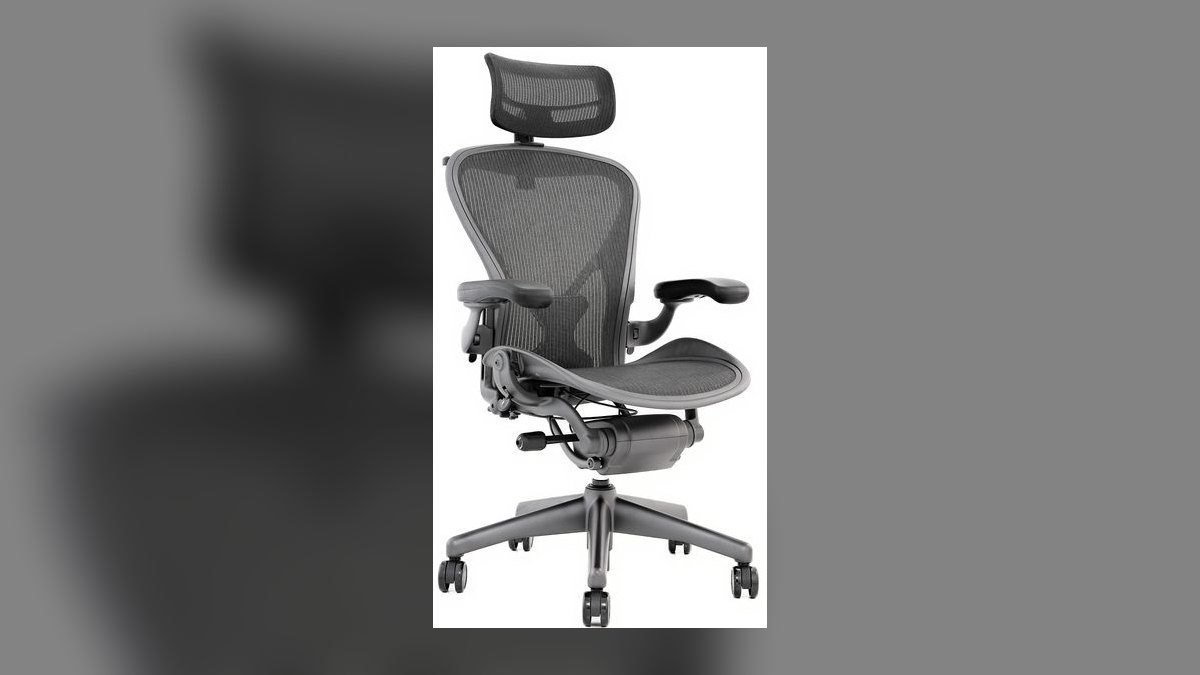
Fourth because the 8Z Pellicle suspension is a genuinely engineered material — eight zones of woven elastomeric tension replacing foam entirely — mounted on a die-cast aluminum frame with a 12-year warranty. The remastered version added tighter weave zones and PostureFit SL, and the whole chair contains a high share of recycled content. Size B commonly retails around $1,600 to $1,800 with full options.
This is the pick for anyone who overheats in foam and leather chairs, since mesh moves air continuously through the seat. It trades away plushness — the seat edge is firm and there is no cushion to sink into — and it does not recline far enough to relax in. Compared with the Embody at the top, it breathes far better but supports the spine less evenly during long, still sessions.
5Noblechairs ICON Real Leather
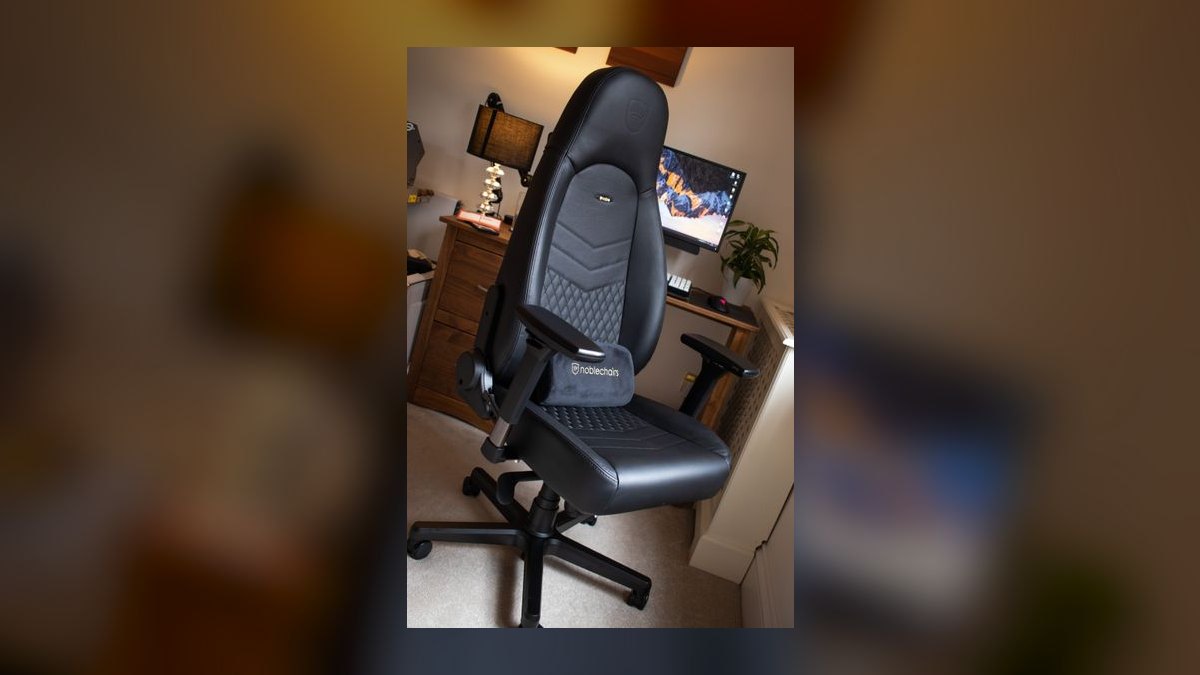
Fifth for using genuine top-grain leather across the seating surfaces at a price where competitors switch to PU, over a cold-foam core and a steel-tube frame with aluminum base. The four-directional armrests use polyurethane pads rather than hard plastic, and the chair is rated to roughly 265 lb with 135-degree recline. Real-leather configurations generally land between $600 and $750.
It fits someone who wants leather and a restrained, non-racing silhouette without office-chair pricing. It trades away breathability and hardware sophistication: the tilt mechanism is basic, and there is no built-in adjustable lumbar, only a pillow. Against the Secretlab Titan Evo NAPA, it is cheaper and lower-key visually, but the lumbar support is markedly less refined and the leather is thinner.
6Haworth Fern Executive Desk Chair
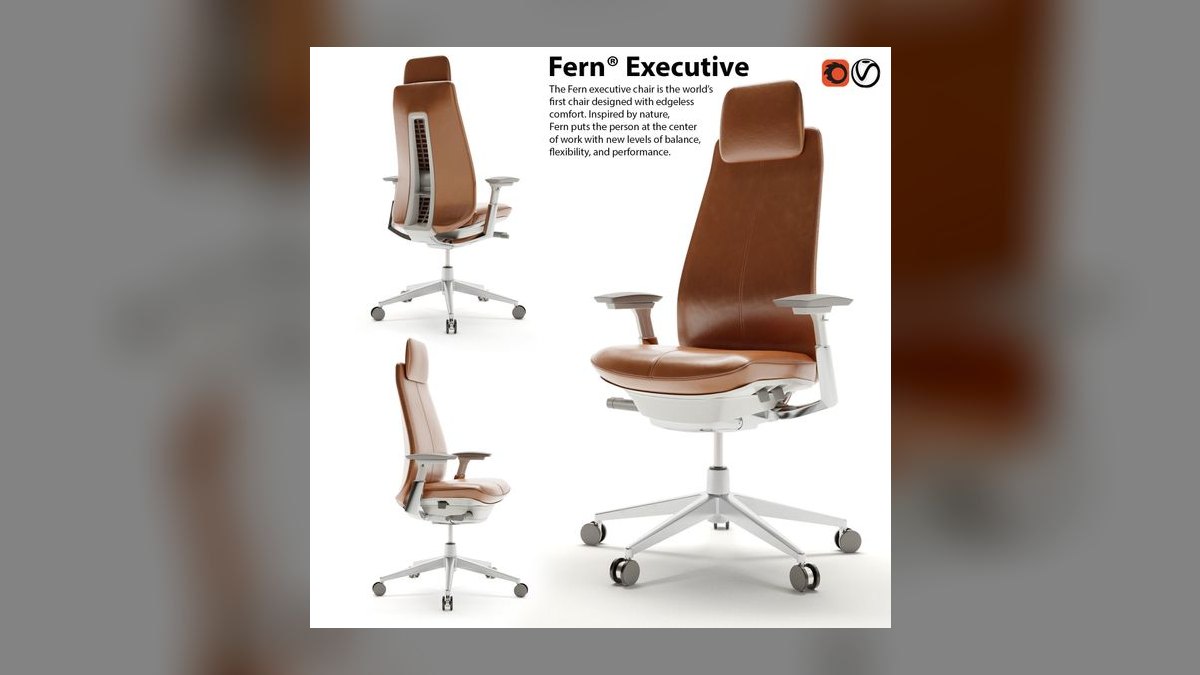
Sixth because Fern's Wave Suspension back is a purpose-built composite structure — flexible fronds over a molded spine — rather than a padded panel, and Haworth backs the chair with a 12-year warranty on a cast-aluminum base. It is rated to 325 lb and offers a digital knit or fabric back that flexes independently as you shift. Typical configured pricing runs $1,000 to $1,400.
It suits people who want mesh-style airflow but dislike how flat a mesh sling feels against the spine. It trades away recline range and any gaming aesthetic, and the arm pads are firmer than most on this list. Against the Aeron, it costs less and its back conforms more actively, but the seat foam compresses noticeably sooner than Pellicle's tensioned weave.
7Secretlab Titan Evo 2022 SoftWeave Plus
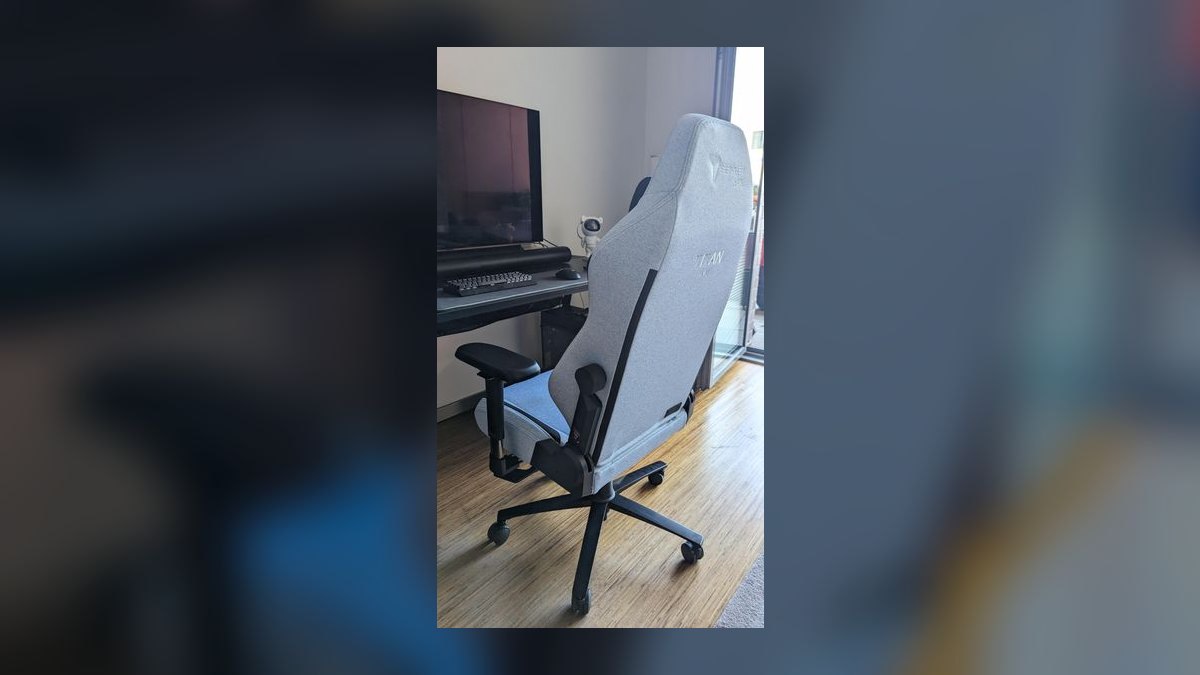
Seventh because SoftWeave Plus is a dense short-pile fabric with a measured higher thread count than typical chair upholstery, wrapped over proprietary cold-cure foam and a full steel frame with an aluminum base. The magnetic memory-foam head pillow and integrated 4-way lumbar are standard, and the chair is rated to 285 lb. Fabric versions usually sell for $549 to $599.
This is the practical choice for hot rooms and long sessions where leather becomes uncomfortable within an hour. It trades away the luxury feel of hide and picks up pet hair and crumbs more readily than a wipeable surface. Compared with the NAPA leather version above, it is roughly $300 cheaper and far more breathable, using the same frame, mechanism, and lumbar hardware.
8Branch Ergonomic Chair Pro

Eighth on materials-per-dollar: it pairs a knit mesh back with a molded high-density foam seat on an aluminum base, with a 7-year warranty and a 275 lb capacity, at a list price near $549. The arms adjust in four directions on metal-cored posts, and the seat depth slides, which is unusual at this tier. Assembly is roughly 15 minutes with no tools beyond the included hex key.
It is for someone who wants office-grade construction without the four-figure entry point of Herman Miller or Steelcase. It trades away the tuned lumbar systems and the 12-year coverage those brands provide, and the mesh tension is fixed rather than zoned. Against the Haworth Fern, it costs roughly half as much but the back offers noticeably less dynamic support.
9Anda Seat Kaiser 3 XL
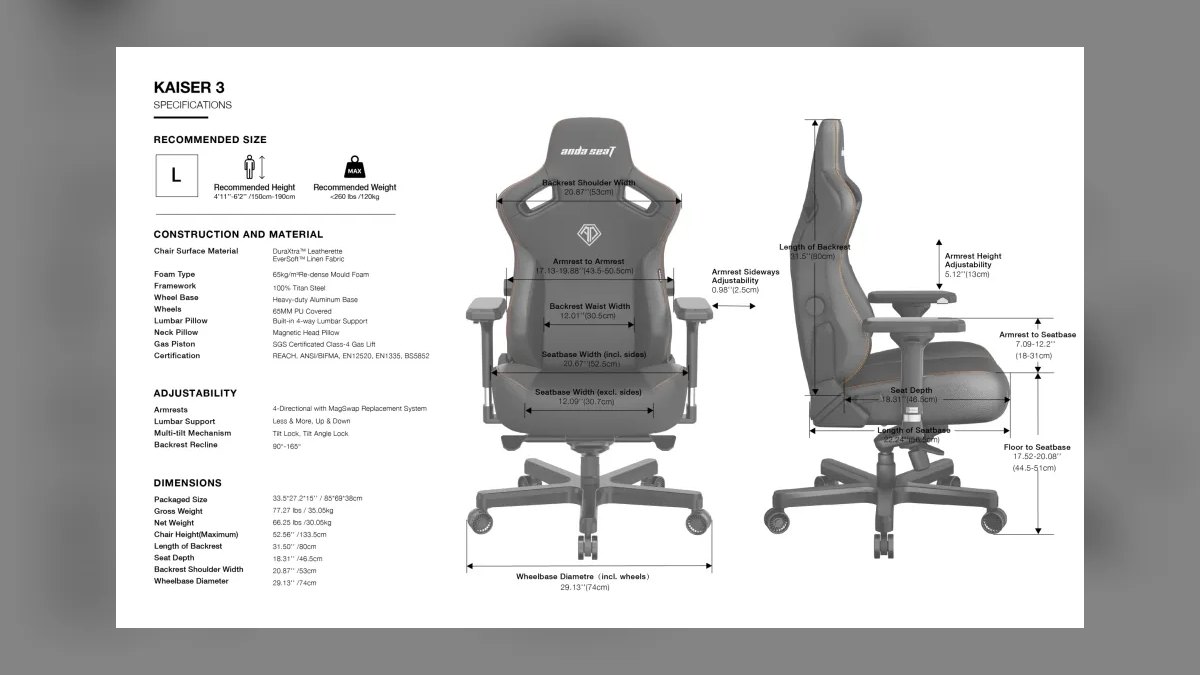
Ninth because the Kaiser 3 uses genuine leather on its premium trim over a 4D magnetic armrest system and a heavy steel frame rated near 395 lb, with a seat notably wider than most competitors at the XL size. The cold-cure foam density is higher than typical, and the chair includes a magnetic memory-foam pillow. Leather configurations generally price around $549 to $699.
This is the pick for larger or taller users whom narrower bucket chairs squeeze at the hips and shoulders. It trades away portability — the chair is heavy and awkward to move alone — and the leather trim requires conditioning to avoid drying. Compared with the Noblechairs ICON Real Leather, it accommodates far more body types but feels bulkier and less tailored in a small room.
10Vertagear PL4500 Gaming Chair
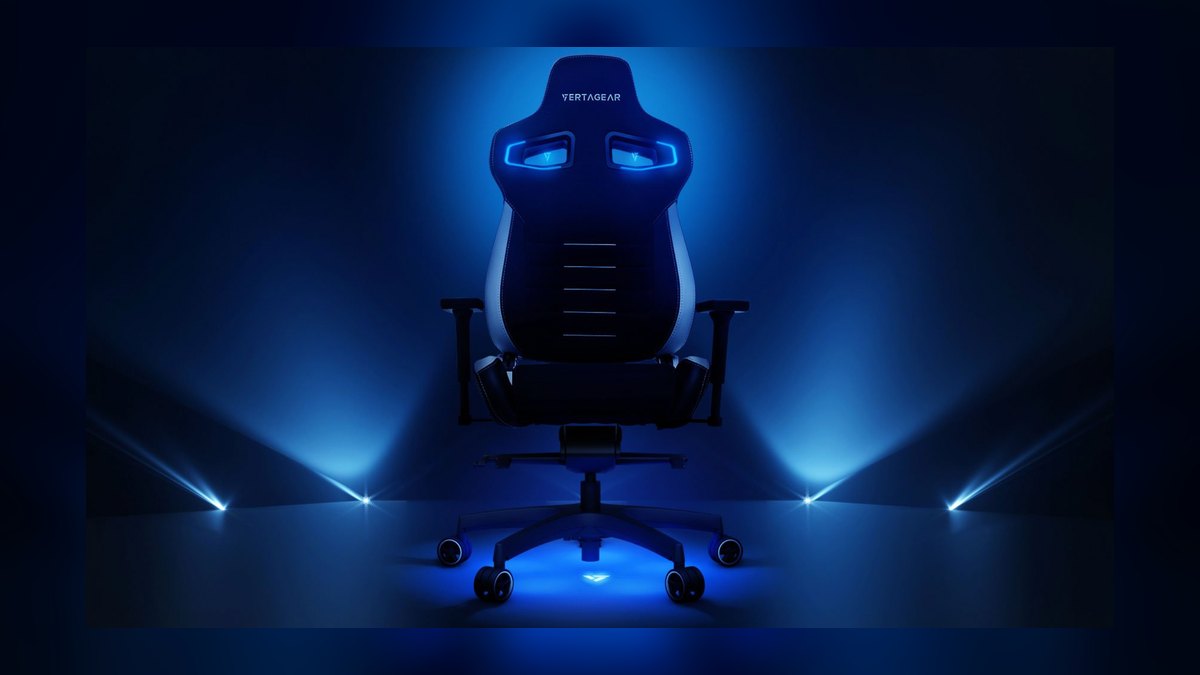
Tenth because it uses a hybrid material approach at a mid price: a ContourMax lumbar system, VertaAir seat with segmented foam, and a five-star aluminum alloy base with Class 4 gas lift, typically selling between $479 and $549. The upholstery is a PVC-blend leatherette rather than hide, but the frame hardware and casters are above the class norm for the money.
It suits buyers who want gaming-chair ergonomics with real metal in the load path, not a plastic base. It trades away genuine leather and any premium fabric option, and the leatherette will show wear on the front seat edge years before hide would. Against the Anda Seat Kaiser 3 XL, it is cheaper and easier to move, but the surface material is unambiguously the lesser of the two.
How we ranked these
We weighted the materials themselves: full-grain or top-grain leather over bonded or PU, cold-cure molded foam over cut-and-glue slab, aluminum bases over glass-filled nylon, and Class 4 gas lifts over Class 3. Woven fabrics were scored by abrasion rating in Martindale cycles. Warranty length on frame and upholstery counted, because a maker who covers leather for five years has tested it.
We ignored RGB lighting, speaker mounts, and bundled footrests — none of them affect how a chair ages. Racing-shell aesthetics were set aside too, since a bucket silhouette says nothing about hide quality. Price was not weighted directly; a costly chair wrapped in PU still scored badly. Esports team sponsorships and streamer endorsements were treated as marketing, not evidence of material grade.
What to look for
Decide first whether you want leather or fabric, because that choice drives everything else. Leather resists spills and wipes clean but gets clammy in a warm room and cracks if it dries out. Woven fabric breathes and hides wear, but absorbs odor. Then check the foam: cold-cure molded holds its shape for years, while stacked slab foam flattens under a heavier user within eighteen months.
The common mistake is buying the covering and ignoring the frame. A steel frame with an aluminum base and a Class 4 cylinder will outlast the upholstery; a plywood frame on a nylon base will creak before the leather even breaks in. Buyers also skip the return-window test — sit in it for two full work weeks, because material comfort reveals itself slowly, not in ten minutes.
Related questions
Is genuine leather actually better than PU on a gaming chair?
For longevity, yes — top-grain leather develops a patina and can be conditioned back to life, while PU is a plastic skin bonded to fabric that eventually flakes at the seams. The tradeoff is upkeep: real hide wants conditioning twice a year and dislikes direct sun. PU wins only on price and on stain resistance straight out of the box.
What does a Martindale rating tell you about chair fabric?
It counts how many rub cycles a woven fabric survives before showing wear on a standardized abrasion machine. Under 20,000 is light domestic use. Between 20,000 and 40,000 covers heavy home use. Commercial contract fabric starts around 40,000, and premium gaming chairs increasingly quote 50,000 or more. It measures surface durability only, not colorfastness, pilling resistance, or how the fabric feels.
Why do aluminum bases cost so much more than nylon ones?
Cast or forged aluminum requires tooling, machining, and a polishing or powder-coat pass, so unit cost runs several times a molded nylon base. What you buy is stiffness under load and resistance to the slow spreading that cracks nylon legs near the caster sockets. Aluminum also carries more weight, which lowers the seat's center of gravity and reduces tipping when you recline hard.
How long should premium upholstery last before it shows wear?
On a chair used eight hours a day, expect visible wear at the front seat edge and the inner armrest first. Good top-grain leather softens rather than fails, often past five years. Contract-grade fabric holds appearance for three to five. Bonded leather and cheap PU commonly start peeling between eighteen months and three years, which is why the best makers no longer use them.
Does cold-cure foam really outperform standard cut foam?
Cold-cure foam is molded to the seat's final shape in a heated tool, giving a denser skin and consistent support across the pan. Cut-and-glue foam is sliced from a bun, so density varies and the glue lines become pressure points. In practice, cold-cure keeps its height far longer under a heavier sitter, which is the single biggest driver of long-term comfort.
Are mesh gaming chairs part of the premium materials conversation?
Increasingly, yes. High-end elastomeric mesh is an engineered polymer weave tensioned over a frame, and the good versions cost more per square meter than leather. It breathes better than any hide and never absorbs sweat. The catch is edge comfort: a poorly finished mesh frame cuts into the thighs, so the perimeter treatment matters more than the weave itself.
What warranty terms signal a genuinely premium build?
Look for the coverage split. A maker confident in its materials writes separate terms: often ten years or more on the frame and mechanism, three to five on upholstery and foam. A blanket two-year warranty on everything usually means the upholstery is the weak link. Also check whether parts ship free and whether the warranty transfers, since both cost the manufacturer real money.
FAQ
How do you tell top-grain leather from bonded leather in a store?
Look at a cut edge or the underside of the seat. Top-grain shows a fibrous suede backing continuous with the surface; bonded leather shows a fabric scrim with a separate coating laid on top. Real hide also has irregular pore patterns and warms to the touch quickly. Perfectly uniform grain repeating every few inches is embossed synthetic.
Is a Class 4 gas cylinder worth paying for?
Yes, and it is cheap insurance. Class 4 cylinders use a thicker piston rod and higher-rated seals than Class 3, so they sink less over time and handle heavier users without drifting. Every certified cylinder is pressure-tested to the same safety standard, so this is about longevity rather than danger. Replacing a sinking cylinder later costs more than the upgrade did.
Do leather gaming chairs get too hot for long sessions?
They can. Leather has low breathability, so heat and moisture build between you and the surface after roughly an hour. Perforated panels help meaningfully; solid panels do not. If you run warm or live somewhere humid, a contract-grade fabric or elastomeric mesh will be more comfortable than any leather, regardless of how good that leather is.
What is the right way to condition a leather gaming chair?
Wipe with a barely damp cloth first, let it dry, then apply a small amount of pH-neutral leather conditioner with a soft cloth in circles. Buff off the excess. Twice a year is enough for most rooms, more if you sit near a window or a heat vent. Avoid silicone sprays, saddle soap, and anything containing alcohol.
Are armrest materials worth considering separately?
Very much so. Armrest pads take concentrated forearm pressure and skin oils, and cheap PU tops crack there before anywhere else on the chair. Polyurethane-molded pads, silicone-topped pads, and leather-wrapped pads all age far better. Check whether the pad is replaceable as a part — on the best chairs it is, which turns the most failure-prone surface into a cheap consumable.
Does a steel frame matter if the foam is good?
Yes, because the frame determines whether the good foam stays supported. A welded steel seat pan spreads load evenly and resists the flex that creates creaking and uneven foam compression. Plywood or plastic pans deflect over time, so the foam collapses in a bowl shape even if the foam itself is fine. Frame and foam fail together, not separately.
Are premium materials worth it if I only game a few hours a week?
Probably not for durability alone — a mid-range chair will survive light use for years. The argument for premium at low hours is feel and room presence: leather or good fabric simply reads better in a living space than glossy PU. Buy premium for the daily-driver desk chair, and be honest that a weekend-only chair is a different purchase.
How does body weight change which materials you should pick?
Above roughly 250 pounds, the material list shifts: aluminum base, Class 4 cylinder, steel frame, and high-density cold-cure foam stop being upgrades and become requirements. Standard nylon bases and slab foam are rated for lighter loads and will fail early. Check the stated weight capacity and treat it as an upper limit, not a comfortable operating range.
What material problems show up only after a year of use?
Three, mostly. Foam settles unevenly, so one side of the seat sits lower. Armrest tops develop a shiny worn patch where the forearm lands. And casters pick up grit that scores hard floors, which is a wheel-material problem rather than a chair problem. All three are visible in owner photos posted a year out, which is worth searching before buying.
Sources
- https://www.rtings.com/chair
- https://www.nytimes.com/wirecutter/reviews/best-office-chair/
- https://www.tomshardware.com/best-picks/best-gaming-chairs
- https://www.pcgamer.com/best-gaming-chair/
- https://www.bifma.org/
- https://www.osha.gov/etools/computer-workstations/components/chair
- https://www.mayoclinic.org/healthy-lifestyle/adult-health/in-depth/office-ergonomics/art-20046169
Related on PULSE
This page will be disappearing soon. Save it to your device for $1 — or read it free while it is here.
@Kory-White- · if Venmo asks, the last 4 of my number are 2012
This page is gone.
This one is off the shelf now. $1 keeps it on your phone for good — the whole page, pictures and diagrams included.
 pulse-recentThe 10 Best Fighting Games for Competitive Play in 2027
 pulse-recentTop 10 Most Valuable Sealed Game Boy Games to Buy in 2027
 pulse-recentTop 10 Most Expensive Retro Game Cartridges to Buy in 2027
 pulse-recentTop 10 Most Expensive Collector's Edition PC Games to Buy in 2027
 pulse-recentTop 10 Most Expensive Magic: The Gathering Booster Boxes to Buy in 2027
 pulse-recentWhat is the average price of a new AAA game in 2027?
 pulse-recentTop 10 Gaming Controllers with the Longest Battery Life in 2027
 pulse-recentTop 10 Most Valuable Vintage Arcade Cabinets to Buy in 2027
 pulse-recentTop 10 Most Expensive Factory-Sealed Pokémon Games in 2027
 pulse-recentTop 10 Most Expensive Limited Edition PlayStation 5 Consoles in 2027