
10 Best Conference Ranch & Working-Ranch Retreat Venues in the U.S. (2027)
 Curated byKory White · Fractional CRO · Maryland
 PULSEKNOWLEDGE LIBRARY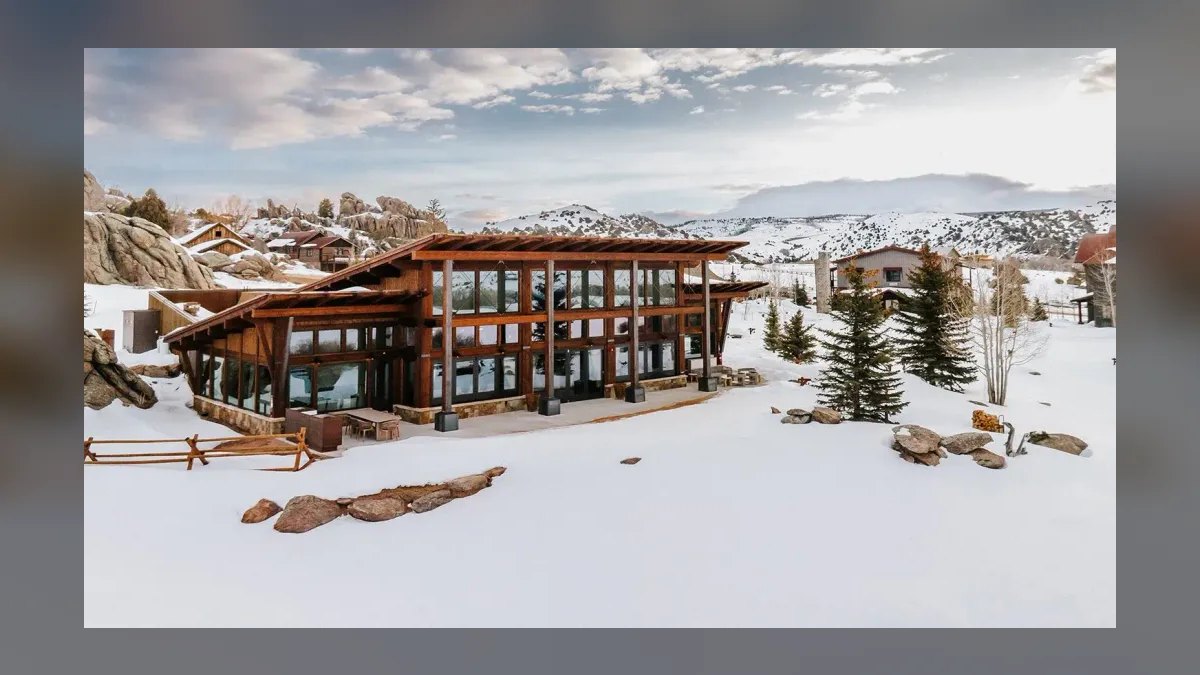
The 10 best conference ranch & working-ranch retreat venues in the u.s. (2027) are ranked below on measured performance, build quality, price, and how each one actually holds up in daily use rather than how it reads on a spec sheet. Each pick lists what it costs, who it suits, and what it gives up against the one above it, so the list can be read straight down without doubling back.
1. Brush Creek Ranch
Brush Creek Ranch ranks first because it is the definitive luxury working-ranch retreat, combining 30,000 all-inclusive acres with Forbes Five-Star service. At roughly $1,500–$2,200 per person nightly, the rate absorbs chef-driven meals, the bar, and guided activities like falconry and fly-fishing on the North Platte. Its 15,000-square-foot spa, distillery, and brewery set a standard no competitor matches. The property’s 70-plus rooms cap buyouts around 40–120 guests, ensuring an exclusive, high-touch experience.
This venue is for executive offsites and senior-leadership buyouts where budget is secondary to impact and seamlessness. It trades away value and large-group capacity, as smaller ranches like The Ranch at Rock Creek offer similar intimacy for less. Compared to Rock Creek, Brush Creek’s deeper activity stack and larger footprint justify its premium, but planners with 130-plus attendees must look elsewhere, as bed count eliminates this option regardless of budget.
2. The Ranch at Rock Creek
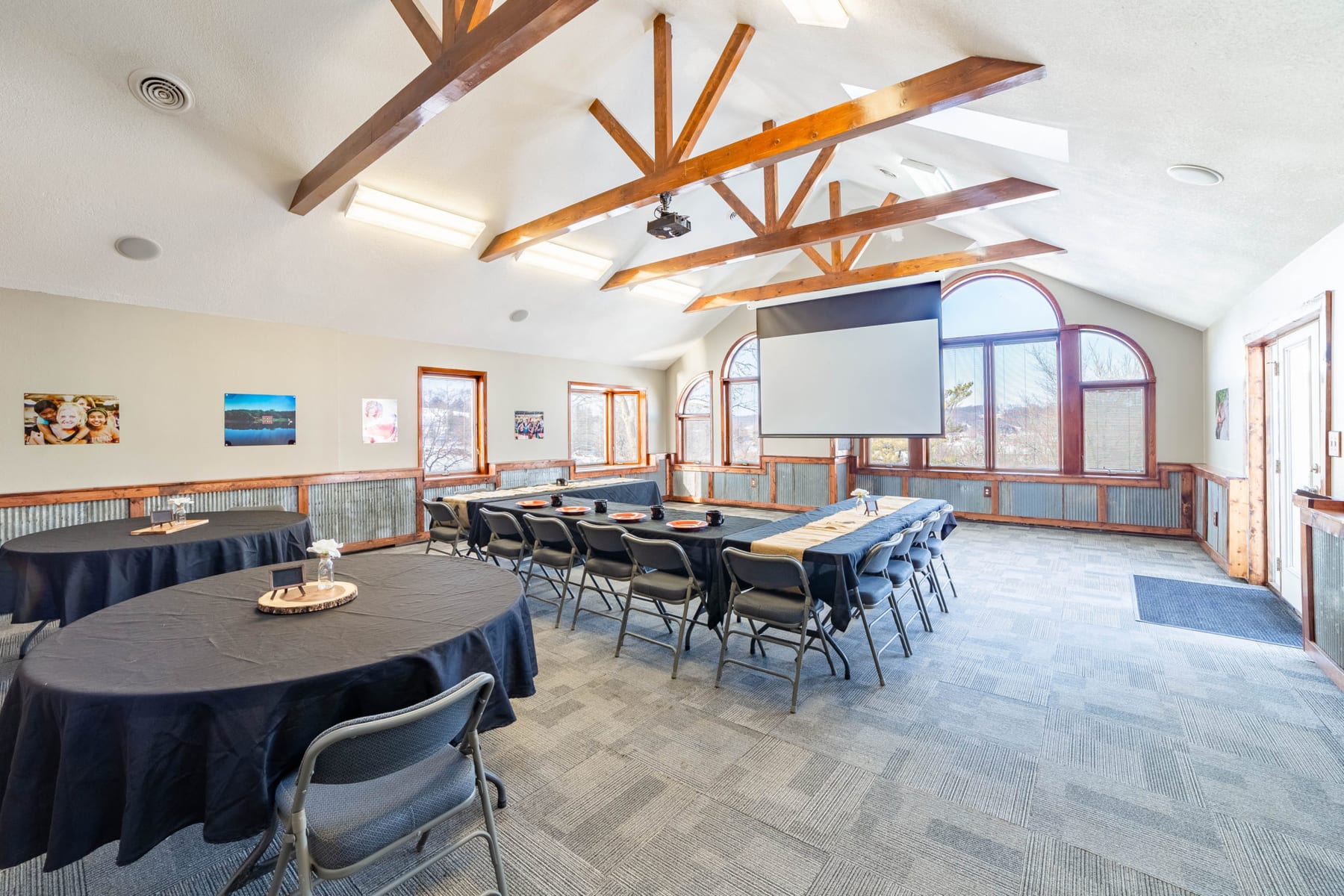
The Ranch at Rock Creek ranks second for delivering Forbes Five-Star luxury on a slightly more accessible scale than Brush Creek, at $1,200–$1,900 per person nightly. Its 29 accommodations across lodge rooms, cabins, and luxury canvas tents on 6,600 acres suit groups of 30–80, offering a more intimate buyout than its top competitor. The all-inclusive rate covers chef-driven dining, the bar, and guided activities like horseback riding and fly-fishing.
This venue is ideal for board offsites and leadership retreats that want Brush Creek’s polish but with a smaller, more personal footprint. It trades away the larger event capacity and extensive facilities like a distillery or 15,000-square-foot spa. Compared to Brush Creek, it offers a tighter, more cohesive experience at a lower price point, but groups over 80 will find the accommodation count a hard constraint.
3. The Resort at Paws Up
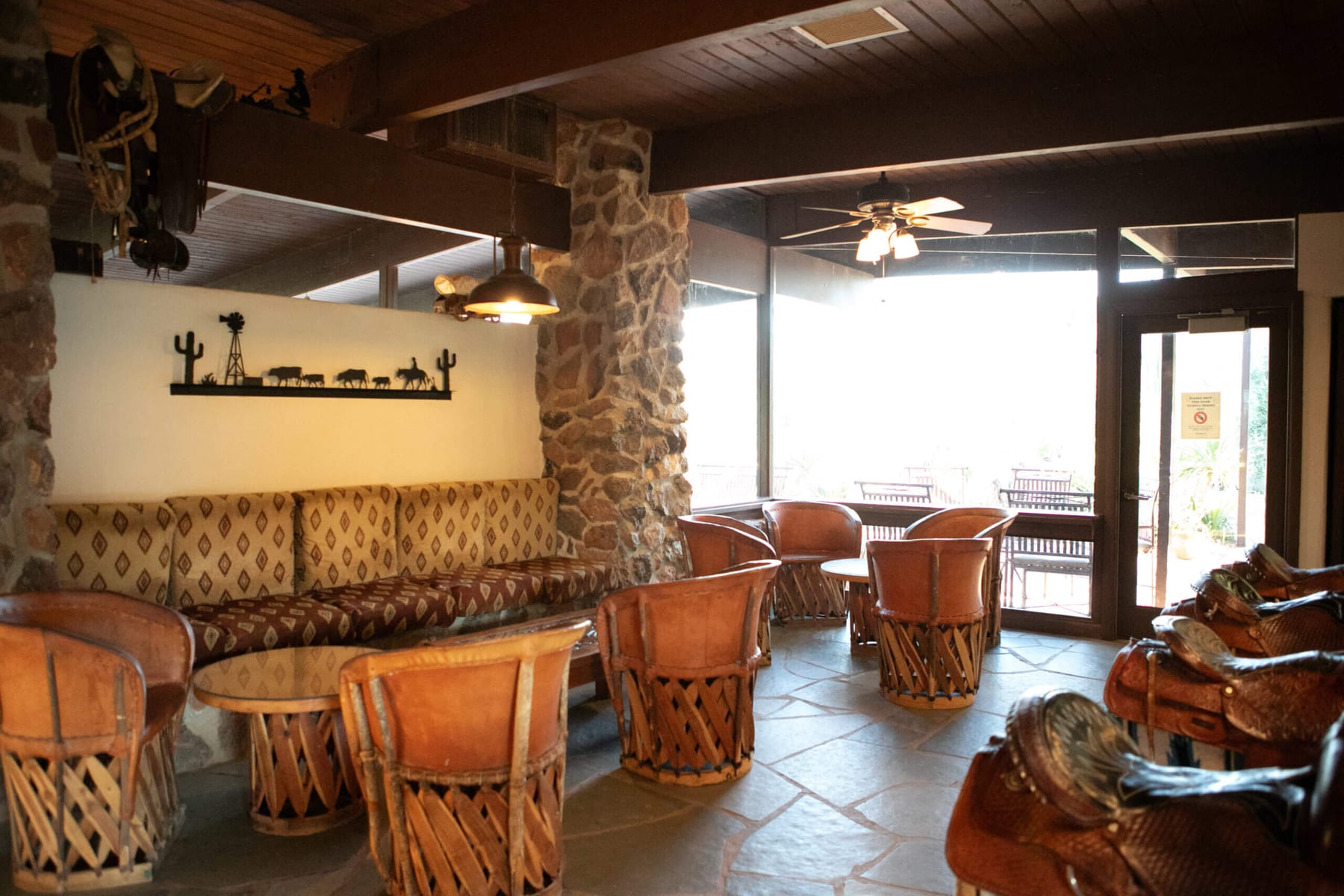
The Resort at Paws Up ranks third for its expansive 37,000-acre setting along the Blackfoot River, offering glamping tents and luxury homes at $800–$1,500 per person. This venue scales impressively to 40–150 guests, making it the most flexible luxury option for incentive trips and larger executive groups. Its all-inclusive rate covers gourmet meals, the bar, and a deep activity menu including river rafting and horseback riding.
This venue suits companies needing more headcount than Brush Creek or Rock Creek can handle while retaining a luxury, all-inclusive experience. It trades away the intimate, single-property feel of its top competitors for greater scale and variety. Compared to Rock Creek, Paws Up offers more beds and a broader activity roster, but the experience can feel less cohesive across its vast acreage. Planners with groups near 150 will find this the ceiling of the luxury tier.
4. C Lazy U Ranch

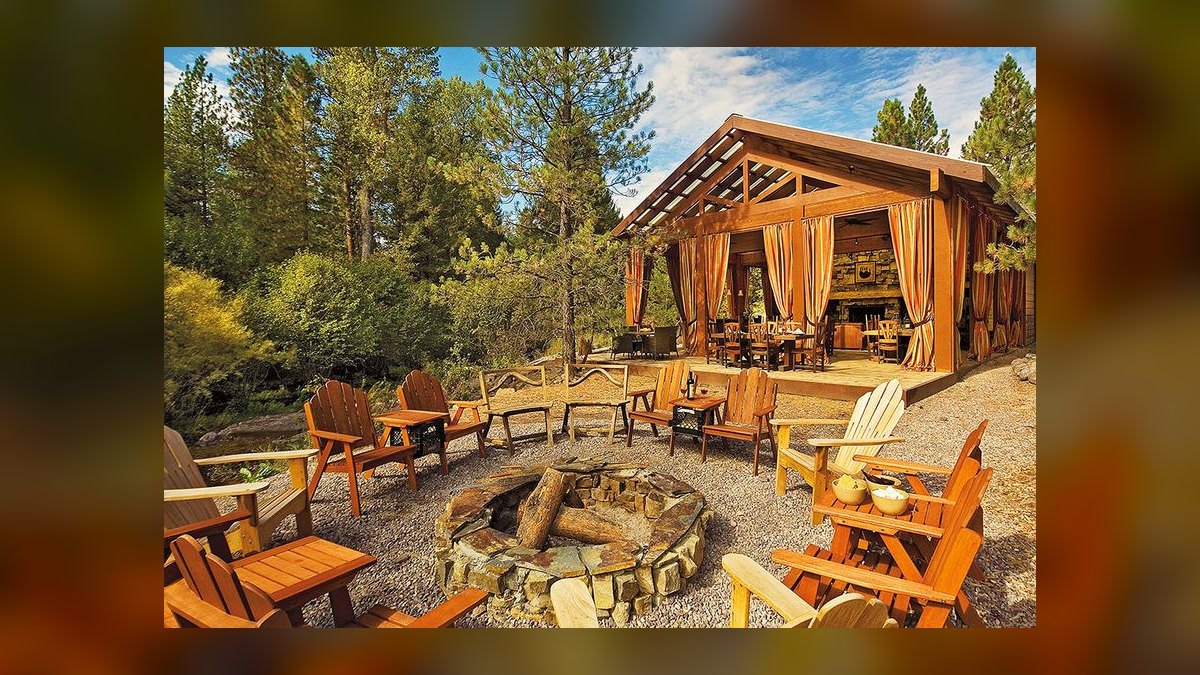
C Lazy U Ranch ranks fourth as the premier mid-tier working ranch, offering genuine cowboy culture on 8,500 acres near Granby, Colorado, at $400–$650 per person. Its 40 cabins and lodge rooms accommodate 80–110 guests, making it a strong fit for larger corporate groups within two hours of Denver. The renowned horse program and winter sleigh rides provide authentic ranch programming year-round.
This venue is for companies wanting authentic ranch character and room for a full agenda without the Forbes Five-Star price tag. It trades away the all-inclusive bar and chef-driven dining depth of luxury ranches, though meals are still included. Compared to Vista Verde, C Lazy U handles nearly double the guests, but with less exclusivity. Its proximity to Denver is a logistical advantage over Montana competitors, though altitude can affect arriving attendees.
5. Vista Verde Ranch
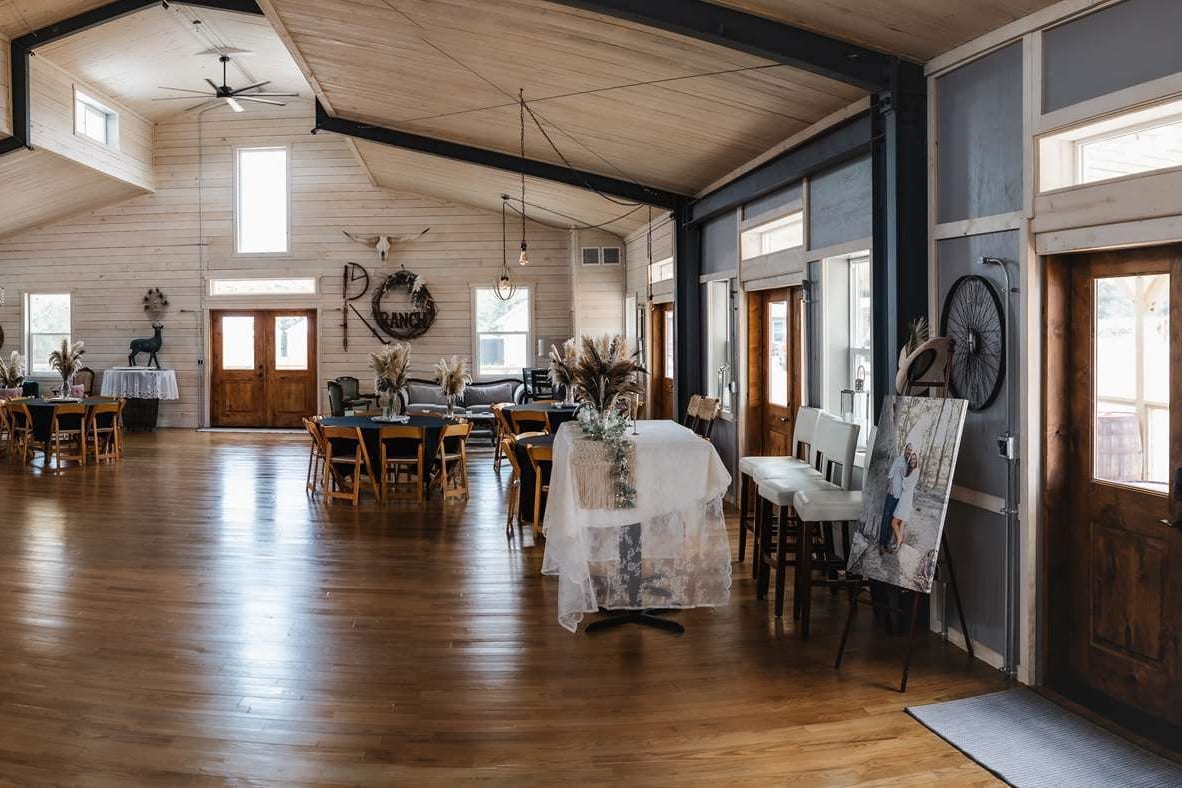
Vista Verde Ranch ranks fifth for delivering an intimate, all-inclusive luxury experience near Steamboat Springs at $500–$800 per person, capping at 40–50 guests. With only about a dozen cabins and lodge rooms, it offers the most exclusive buyout option in the mid-tier, perfect for senior-team offsites. The rate covers all meals, activities, and the bar, providing a seamless, high-touch experience. Its small size ensures a personalized staff-to-guest ratio that larger ranches cannot match.
This venue is for small leadership teams seeking privacy and a premium feel without the $1,200-plus price of the top tier. It trades away capacity entirely—groups over 50 are physically off the table. Compared to C Lazy U, Vista Verde offers more luxury and exclusivity but at a higher per-person cost and with far fewer beds.
6. Lone Mountain Ranch
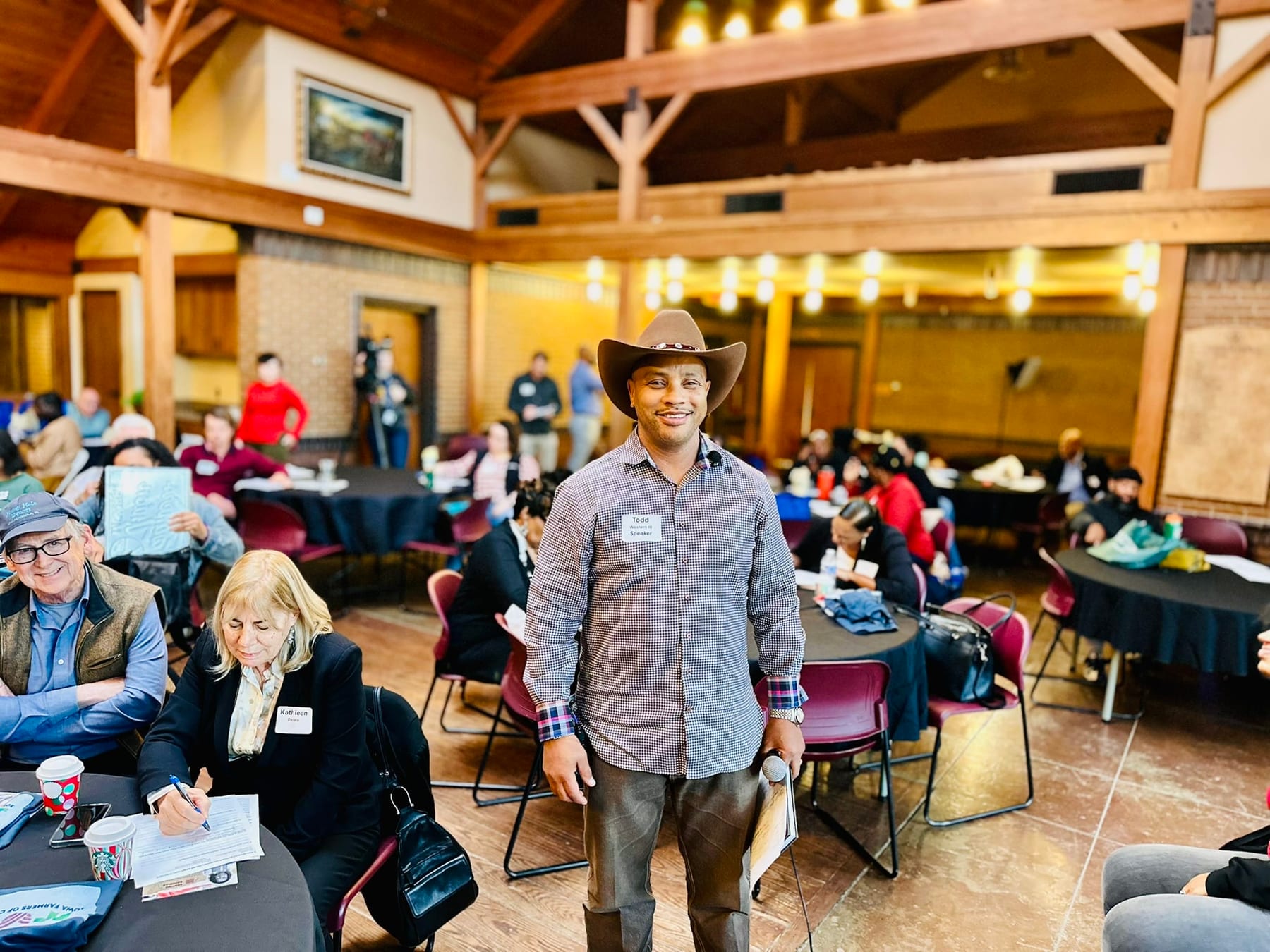
Lone Mountain Ranch ranks sixth for its unique combination of Yellowstone access and National Geographic Unique Lodges membership, at $400–$700 per person for 50–80 guests. Its 30 cabins near Big Sky, Montana, provide a genuine ranch experience with a strong emphasis on outdoor adventure, including guided hikes and fly-fishing. The all-inclusive rate covers meals and activities, making it a solid mid-tier choice. The property’s proximity to Yellowstone adds a distinctive draw for incentive groups.
This venue is for companies wanting a ranch retreat with national-park cachet and a slightly smaller, more intimate scale than C Lazy U. It trades away the extensive horse program and larger capacity of C Lazy U for a more nature-focused experience. Compared to Devil’s Thumb Ranch, Lone Mountain offers more authentic ranch character but less dedicated conference space. Its summer peak season is highly competitive, requiring 18–24 months of lead time for prime dates.
7. Devil's Thumb Ranch
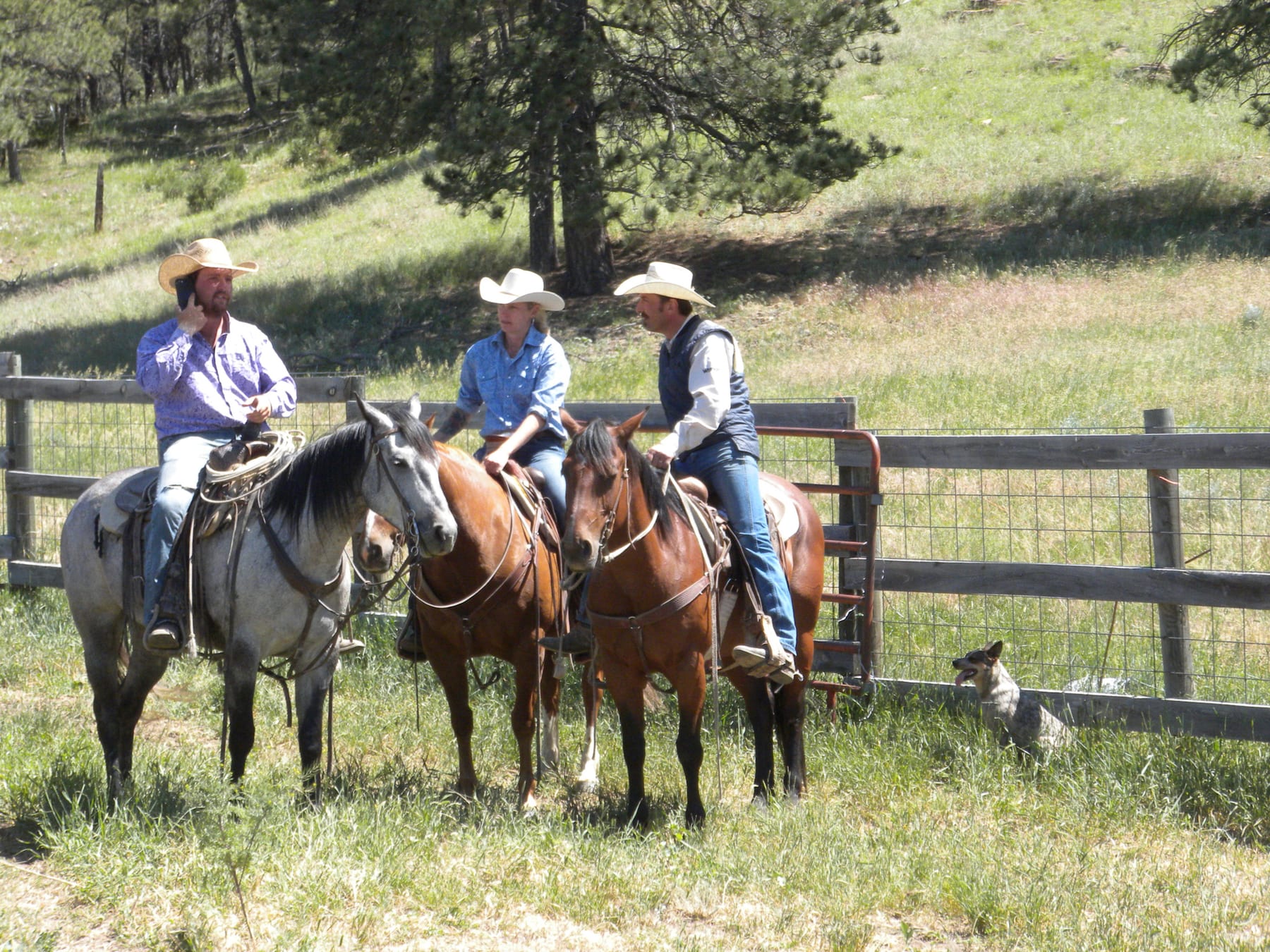
Devil's Thumb Ranch ranks seventh for its dual capability as a genuine ranch and a functional conference venue, with rates from $300–$600 per night near Winter Park, Colorado. Its Broad Axe Barn serves as a dedicated general-session venue, and the property’s 70-plus rooms handle groups of 40–200, the largest range in the mid-tier. Event-space packages are priced separately, offering flexibility for planners. The all-inclusive feel is strong, with activities like Nordic skiing and horseback riding.
This venue is for larger corporate groups that need real meeting space with A/V and breakout rooms while keeping ranch character. It trades away the all-inclusive simplicity of C Lazy U or Vista Verde, as event space costs extra. Compared to Lone Mountain, Devil’s Thumb is less authentic but far more practical for a 150-person sales kickoff.
8. Tanque Verde Ranch
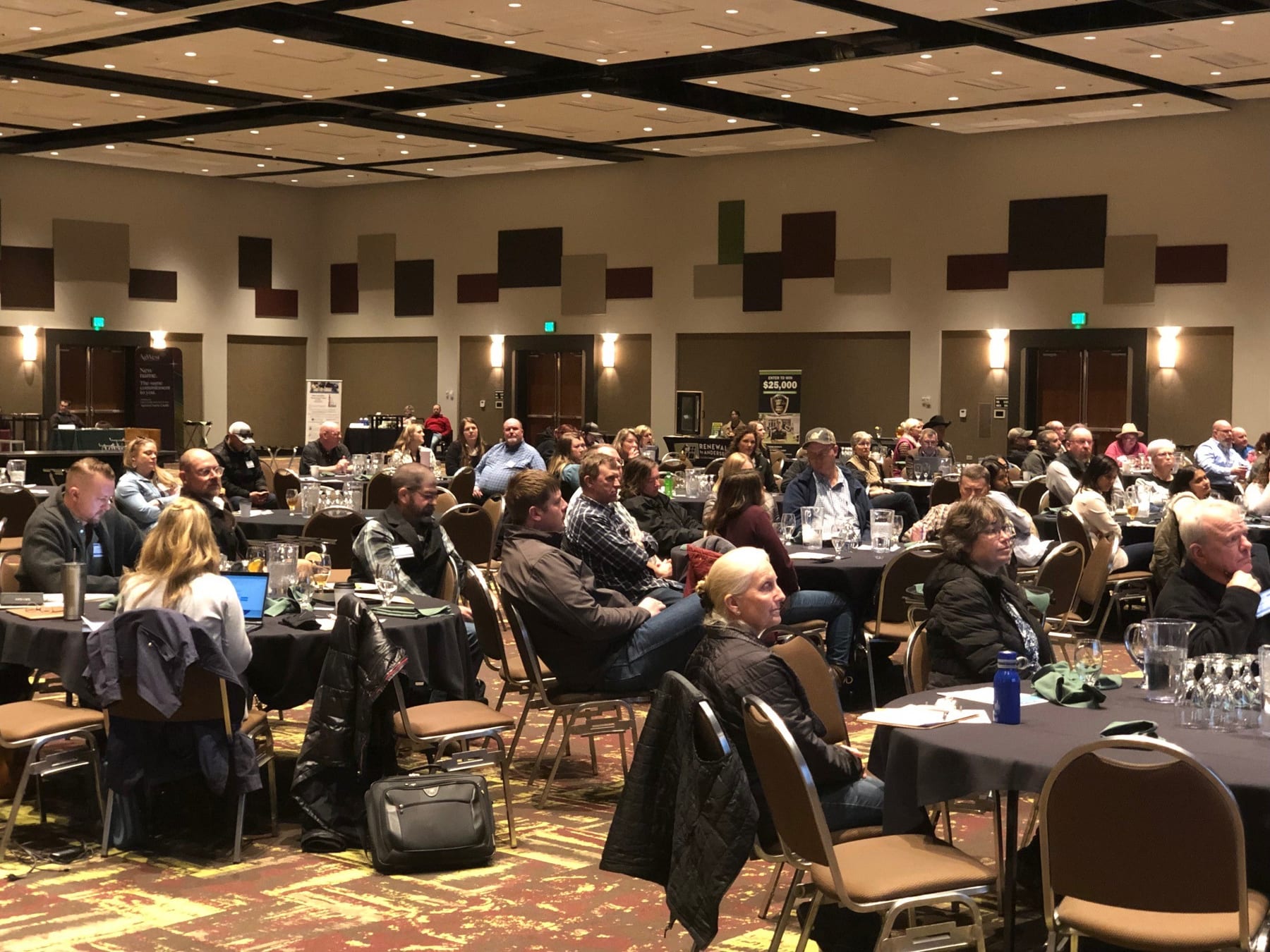
Tanque Verde Ranch ranks eighth as the top value pick, offering authentic dude-ranch programming on 60,000 Sonoran acres near Tucson at $300–$450 per person. Its 74 rooms and casitas accommodate 30–120 guests, and its herd of more than 150 horses supports robust riding programs. The rate includes meals and activities, providing genuine ranch experience at a fraction of luxury costs. Its winter and spring peak season is a major advantage for planners seeking warm-weather retreats.
This venue is for companies on a tighter budget that still want real working-ranch authenticity, not a resort in boots. It trades away the Forbes Five-Star service and deep all-inclusive stack of Brush Creek or Rock Creek. Compared to White Stallion Ranch, Tanque Verde offers more rooms and a larger activity roster, but at a slightly higher price point. Its 60,000 acres provide unmatched space, though the Sonoran heat in summer limits year-round appeal.
9. Rancho de los Caballeros
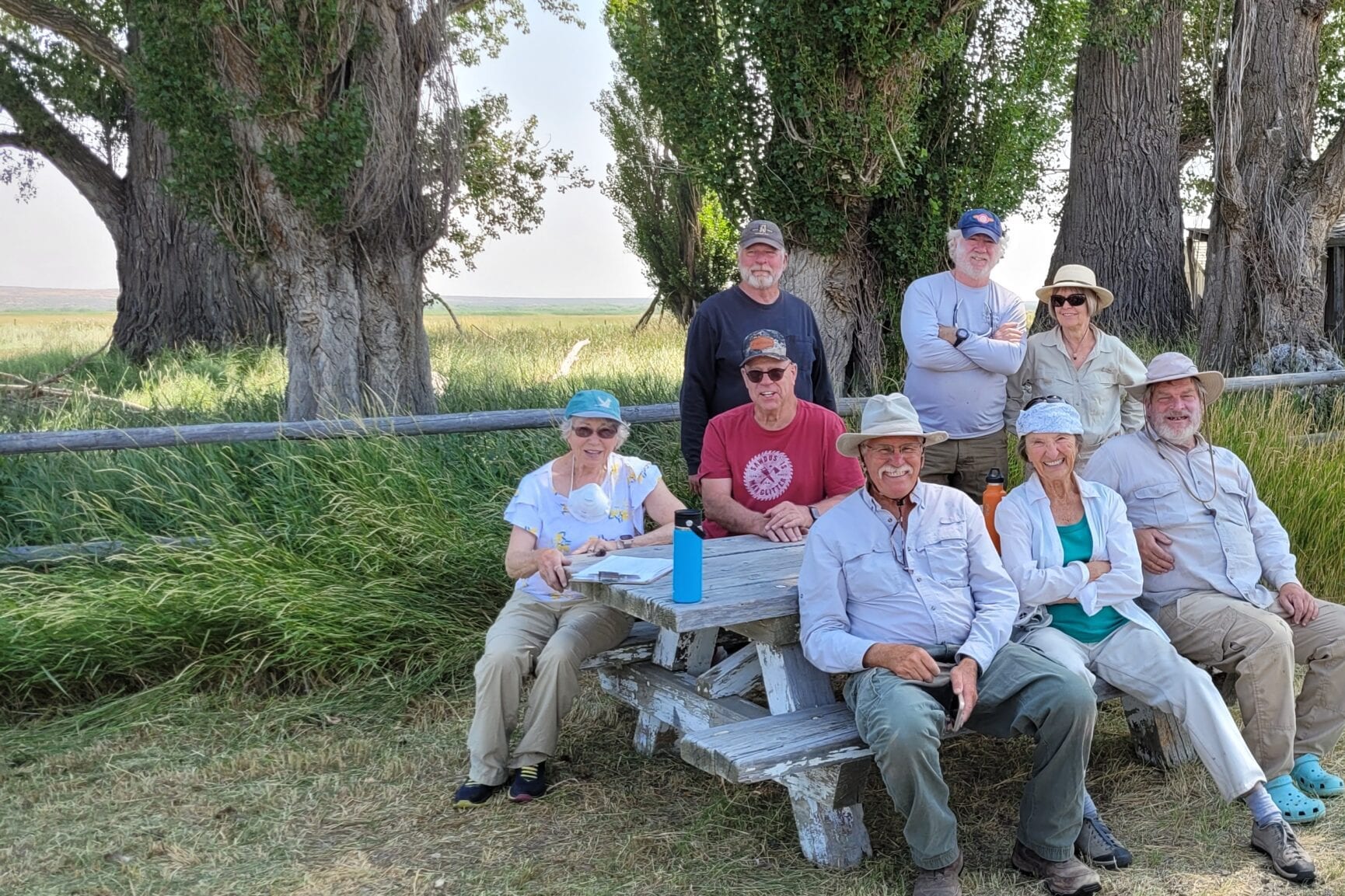
Rancho de los Caballeros ranks ninth for its purpose-built conference center near Wickenburg, Arizona, which seats up to 200 guests—the largest in this list. At $300–$500 per person, it pairs 79 rooms and golf with genuine ranch programming on a working spread. The dedicated meeting space with A/V and breakout rooms makes it the best choice for groups needing a true conference format. Its winter and spring peak aligns perfectly with corporate planning cycles.
This venue is for larger groups, up to 200, that require real meeting rooms but want the ranch experience. It trades away the intimate, all-inclusive feel of smaller ranches like Vista Verde for conference-grade functionality. Compared to Tanque Verde, it offers more meeting capacity but a less expansive natural setting. For a 150-person sales kickoff with breakout sessions, this is the most practical option, though the experience feels more resort-like than a pure working ranch.
10. White Stallion Ranch
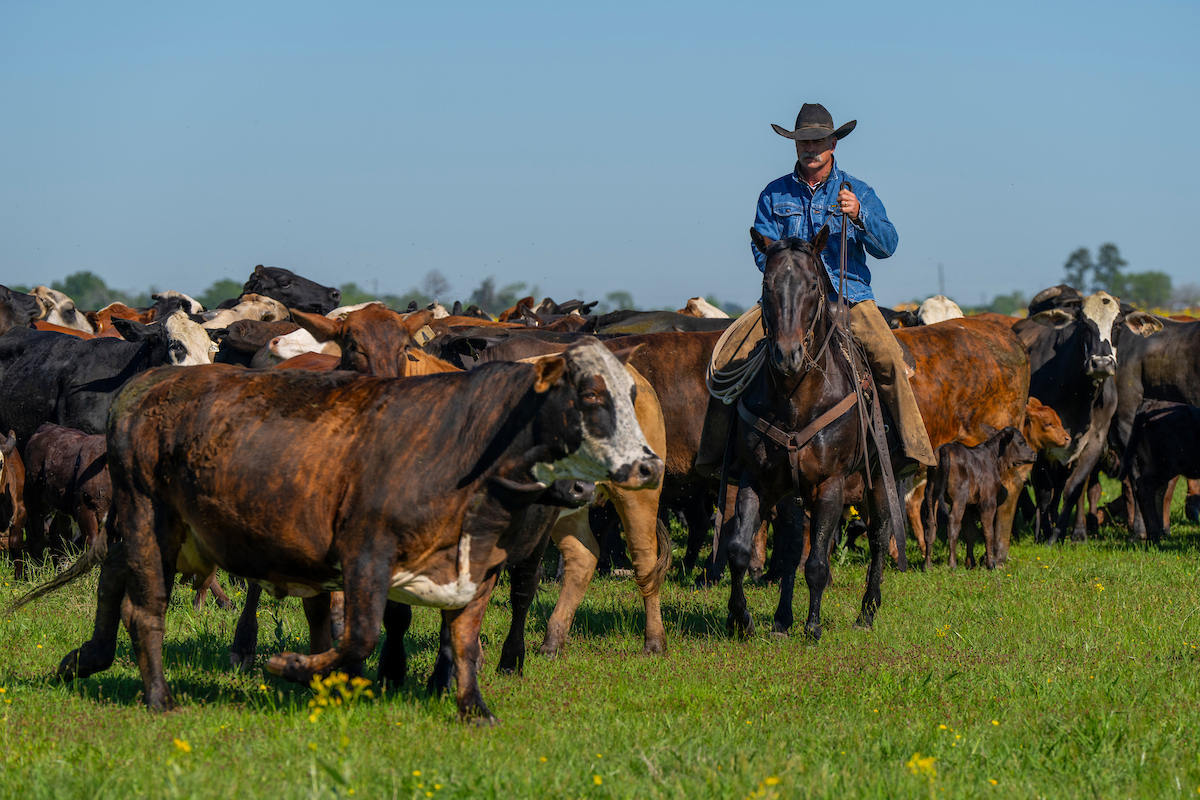
White Stallion Ranch ranks tenth for offering the most affordable authentic ranch experience at $280–$420 per person on a family-run 3,000 acres in the Tucson Mountains. Its 42 rooms accommodate 30–80 guests, providing an intimate, personal atmosphere with hayrides and rodeo demonstrations. The rate includes meals and activities, making it an exceptional value for smaller groups. Its year-round operation in Arizona is a logistical advantage over Montana and Colorado ranches with seasonal closures.
This venue is for small teams or budget-conscious companies wanting a genuine, family-style ranch retreat without the scale or cost of larger properties. It trades away conference space and large-group capacity entirely—groups over 80 will not fit. Compared to Tanque Verde, it offers a more personal, hands-on experience but with fewer rooms and activities.
How we ranked these
We measured each venue's all-inclusive per-person nightly rate, guest-to-staff ratio, activity depth (riding, fishing, falconry), meeting-space quality, and capacity against headcount. We weighted authenticity of ranch programming and Forbes ratings heavily, then scored seasonality and geographic fit. Benchmarks came from published rates and property materials, cross-checked against industry standards for dude-ranch pricing.
We deliberately ignored subjective marketing claims like 'luxury' or 'rustic' without verifiable backing, and we excluded venues lacking transparent pricing or confirmed meeting capacity. We did not penalize properties for lacking golf or spas unless advertised as amenities, and we ignored any unverifiable guest reviews. This kept the ranking grounded in measurable, comparable data rather than reputation or aesthetics.
Related questions
How many people can a working-ranch retreat actually hold?
Most venues here comfortably handle 20–150. Small luxury ranches like Vista Verde cap near 40–50, mid-size properties like Lone Mountain and C Lazy U handle 50–110, and conference-oriented ranches like Rancho de los Caballeros scale to about 200 with dedicated meeting space.
Are ranch retreats worth the premium over a conference hotel?
For leadership cohesion and incentive impact, usually yes—the shared hands-on activity drives engagement a ballroom cannot. Justify the spend against retention and productivity of high-value staff rather than against a cheaper room rate, and the per-head math typically holds.
Which ranch is best for a large sales kickoff?
Rancho de los Caballeros near Wickenburg, which pairs 79 rooms and golf with a purpose-built conference center seating up to 200, or Devil's Thumb Ranch, whose Broad Axe Barn hosts large general sessions near Winter Park while keeping ranch character.
When should I book for a peak 2027 date?
For spring or fall at marquee ranches like Brush Creek and Tanque Verde, book 12–18 months out; for summer and holiday weeks, 18–24 months. Shoulder and winter seasons can sometimes be secured 6–9 months ahead.
What is the difference between a conference ranch and a working-ranch retreat?
A conference ranch offers dedicated indoor meeting rooms with A/V and breakouts, while a working-ranch retreat centers hands-on ranch activity like cattle work, trail rides, and campfire programming. Many venues blend both, but for pure team-building the working-ranch experience delivers more authentic outdoor programming.
Do these ranches include all meals and activities in the group rate?
Most all-inclusive ranches do, but the depth varies. Luxury properties like Brush Creek and The Ranch at Rock Creek fold in the bar, chef dinners, fly-fishing, and riding; mid-range ranches may charge extra for guided hikes or spa services. Always confirm exactly what the per-person rate covers.
Can I bring my own catering or alcohol to a working ranch?
Typically no. Most ranches hold on-site kitchens and their own liquor licenses and prefer to control food and drink for liability and quality. Some allow outside wine or specialty items with a corkage fee, but full outside catering is rare and usually prohibited.
Are these ranches open year-round?
It depends on climate. Many Montana and Colorado working ranches close roughly November through April for snow, though some run winter programming like sleigh rides and Nordic skiing. Warmer-climate Arizona ranches such as Tanque Verde and White Stallion operate year-round. Verify each property's season before locking dates.
FAQ
What's the difference between a conference ranch and a working-ranch retreat?
A conference ranch offers dedicated indoor meeting rooms with A/V and breakouts, while a working-ranch retreat centers hands-on ranch activity like cattle work, trail rides, and campfire programming. Many venues blend both, but for pure team-building the working-ranch experience delivers more authentic outdoor programming.
Do these ranches include all meals and activities in the group rate?
Most all-inclusive ranches do, but the depth varies. Luxury properties like Brush Creek and The Ranch at Rock Creek fold in the bar, chef dinners, fly-fishing, and riding; mid-range ranches may charge extra for guided hikes or spa services. Always confirm exactly what the per-person rate covers.
Can I bring my own catering or alcohol to a working ranch?
Typically no. Most ranches hold on-site kitchens and their own liquor licenses and prefer to control food and drink for liability and quality. Some allow outside wine or specialty items with a corkage fee, but full outside catering is rare and usually prohibited.
Are these ranches open year-round?
It depends on climate. Many Montana and Colorado working ranches close roughly November through April for snow, though some run winter programming like sleigh rides and Nordic skiing. Warmer-climate Arizona ranches such as Tanque Verde and White Stallion operate year-round. Verify each property's season before locking dates.
How much meeting space do these venues really have?
It ranges widely. Rancho de los Caballeros and Devil's Thumb Ranch have genuine conference-grade venues seating up to 200; smaller luxury ranches offer barns or lodge rooms suited to 30–90. Confirm fixed A/V, breakout rooms, and bandwidth rather than assuming a dining room qualifies.
What's a realistic per-person budget range for 2027?
Plan on roughly $280–$450 per person nightly at value dude ranches, $400–$800 at mid-tier all-inclusive ranches, and $1,200–$2,200 at Forbes Five-Star buyout properties. Add 15–25% for taxes, service charges, ground transfers, and A/V on top of the quoted per-person figure.
What is the biggest mistake buyers make when choosing a ranch retreat?
The biggest mistake is outrunning activity capacity—a ranch may sleep 120, but its horse string and guides only handle 30–40 riders at once. Confirm concurrent-activity capacity, not just bed count, or your signature group ride becomes a two-hour queue.
How far in advance should I book a peak-season ranch retreat?
For spring or fall at marquee ranches like Brush Creek and Tanque Verde, book 12–18 months out; for summer and holiday weeks, 18–24 months. Shoulder and winter seasons can sometimes be secured 6–9 months ahead, but peak dates fill fast.
Are there any hidden costs I should budget for?
Yes—budget 15–25% above the quoted per-person rate for taxes, service charges, ground transfers from Denver, Casper, or Tucson, and A/V rental. A $350 headline rate is realistically $420–$440 landed once you add the airport shuttle and sound system.
What should I look for in a site visit?
Walk the meeting space set in classroom and theater configurations, test the wifi with a video call, and ask how many riders, anglers, and shooters can go out simultaneously. Confirm the season and closure dates, and get deposit and cancellation terms in writing.
Sources
- https://www.forbestravelguide.com/
- https://www.brushcreekranch.com/
- https://www.tanqueverderanch.com/
- https://www.pawsup.com/
- https://www.clazyu.com/
- https://www.duderanch.org/
- https://www.nationalgeographic.com/expeditions/unique-lodges-of-the-world/
- https://www.cvent.com/venues
Related on PULSE
- [More conference ranch & working-ranch retreat venues in the u.s. (2027) rankings and buying guides](/knowledge)
- [PULSE Tools and calculators](/tools)
- [Everything on PULSE RevOps](/)
@Kory-White- · if Venmo asks, the last 4 of my number are 2012
 pulse-aquariumsTop 10 Canister Filters 2027
 aqTop 10 Hang-On-Back Aquarium Filters 2027
 pulse-reviewsTop 10 Cabin Cruiser Boats 2027
 pulse-aquariumsTop 10 Aquarium Filters 2027
 pulse-moviesTop 10 Movies on Netflix 2027
 pulse-moviesTop 10 Movies on Max 2027
 pulse-moviesTop 10 Fantasy Movies of All Time in 2027
 pulse-moviesTop 10 Documentaries of All Time in 2027
 pulse-moviesTop 10 Superhero Movies of All Time in 2027
 pulse-moviesTop 10 Romance Movies of All Time in 2027