
10 Best Corporate Retreat Venues in California (2027)
 Curated byKory White · Fractional CRO · Maryland
 PULSEKNOWLEDGE LIBRARY
The 10 best corporate retreat venues in california (2027) are ranked below on measured performance, build quality, price, and how each one actually holds up in daily use rather than how it reads on a spec sheet. Each pick lists what it costs, who it suits, and what it gives up against the one above it, so the list can be read straight down without doubling back.
1. Terranea Resort
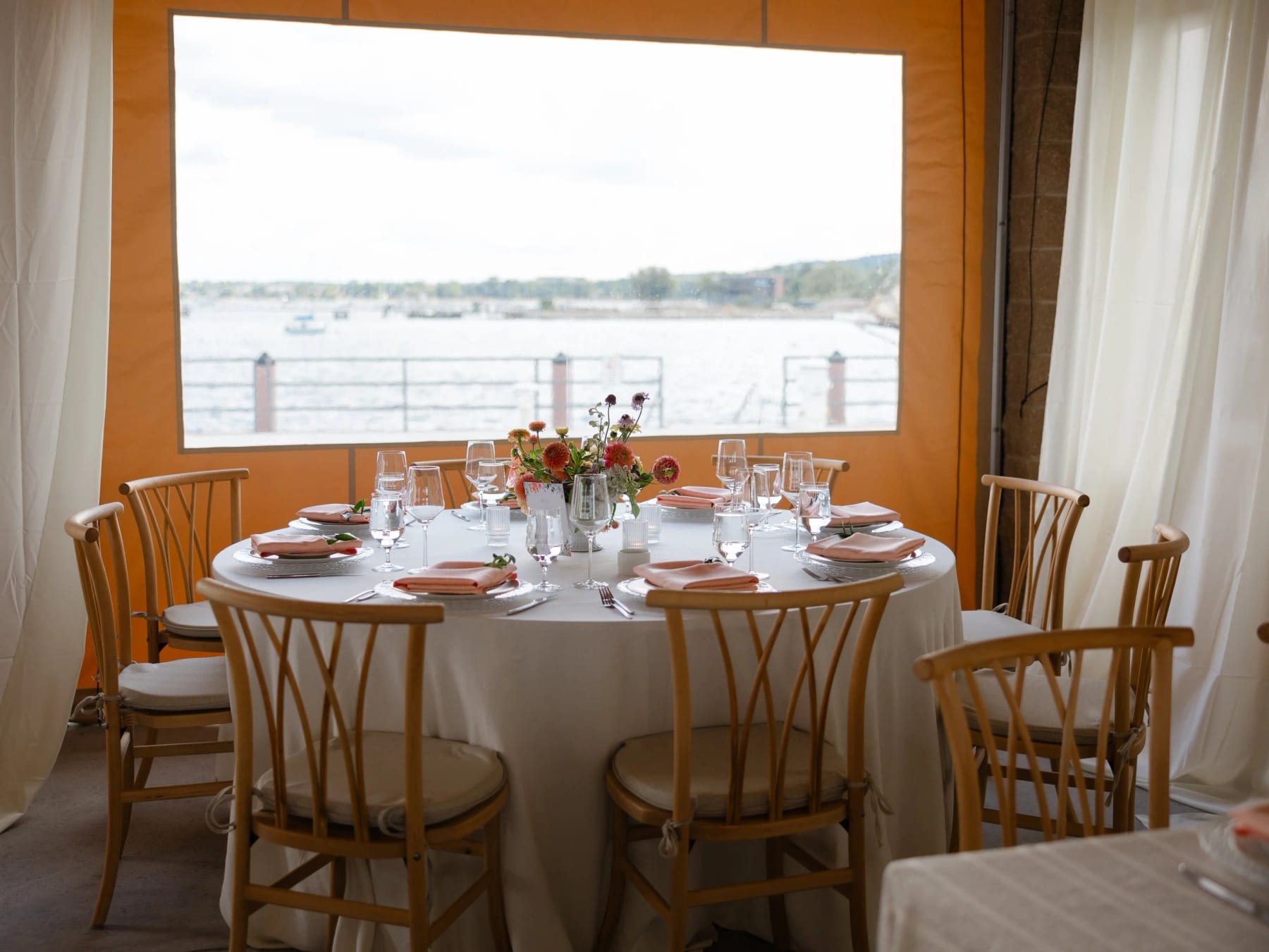
Terranea Resort ranks first because it pairs the largest meeting footprint on this list—roughly 135,000 square feet—with 582 oceanfront rooms on 102 acres, all just 25 minutes from LAX. Its Catalina ballroom seats over 1,000 theater-style, making it the only venue here that can host a full-scale all-hands without splitting the plenary. Nightly rates run $400–$750, with F&B and AV quoted separately.
This is the pick for a 500-plus-person conference where airport proximity and coastal polish matter more than budget. Compared to La Quinta or Hotel del Coronado, Terranea offers the shortest transfer and the most cohesive single-campus layout, but you pay a premium for that convenience. Smaller executive retreats will find the property oversized and better served by Pelican Hill's intimacy.
2. The Resort at Pelican Hill
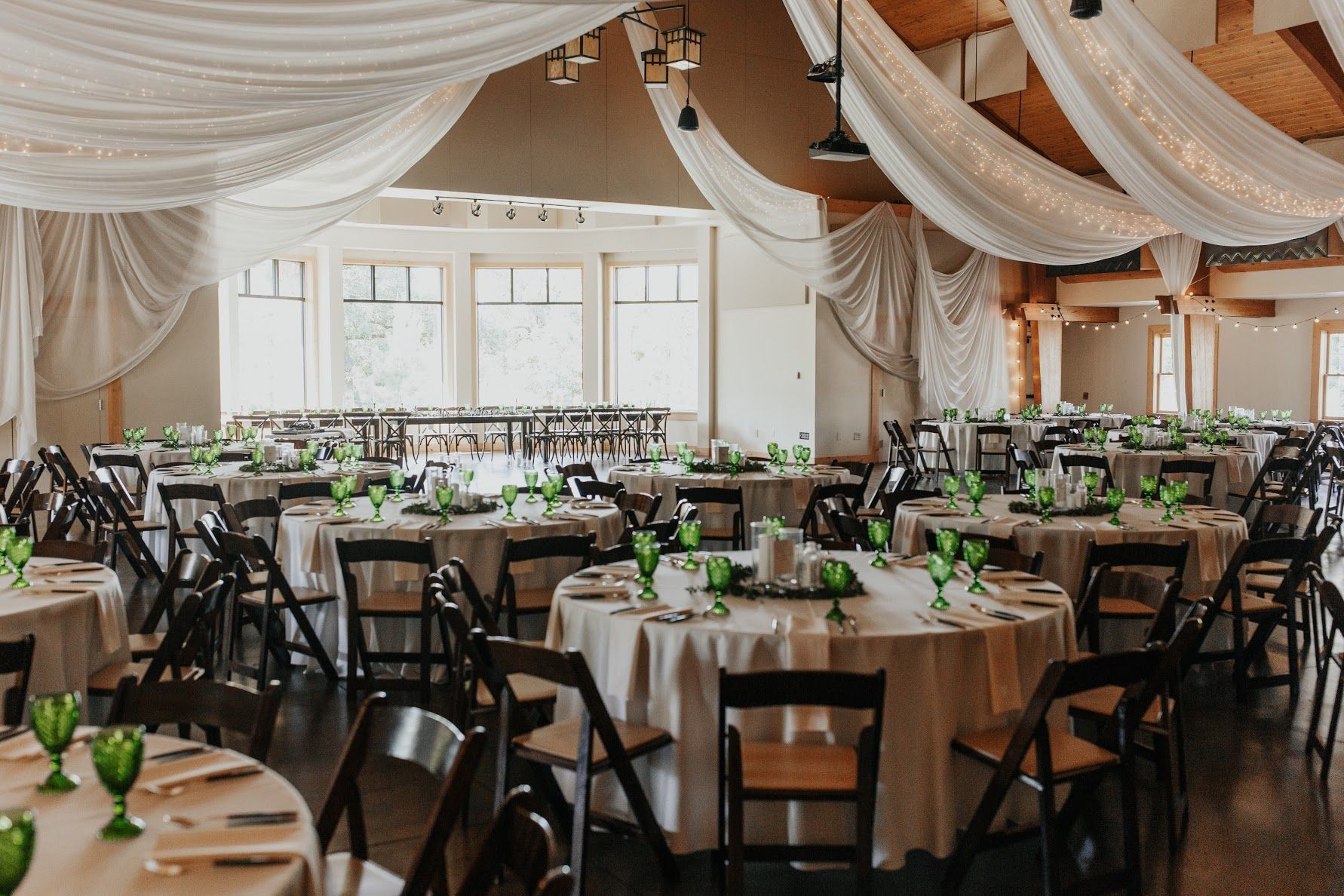
Pelican Hill ranks second for executive and board retreats of 50–300, offering an all-villa layout with 204 rooms and a Forbes Five-Star rating that no other venue here matches. Its roughly 20,000 square feet of function space is deliberately boutique, and the signature 136-foot circular pool plus two Tom Fazio golf courses anchor the luxury experience. Nightly rates run $600–$1,200, the highest on this list.
This is for a C-suite offsite where privacy and polish trump headcount capacity. It trades away the scale of Terranea—you cannot fit a 600-person plenary in one room—but delivers a more controlled, distraction-free environment. If your mission is a high-end incentive trip rather than a working session, Pelican Hill justifies its premium over Ojai Valley Inn.
3. The Meritage Resort and Spa
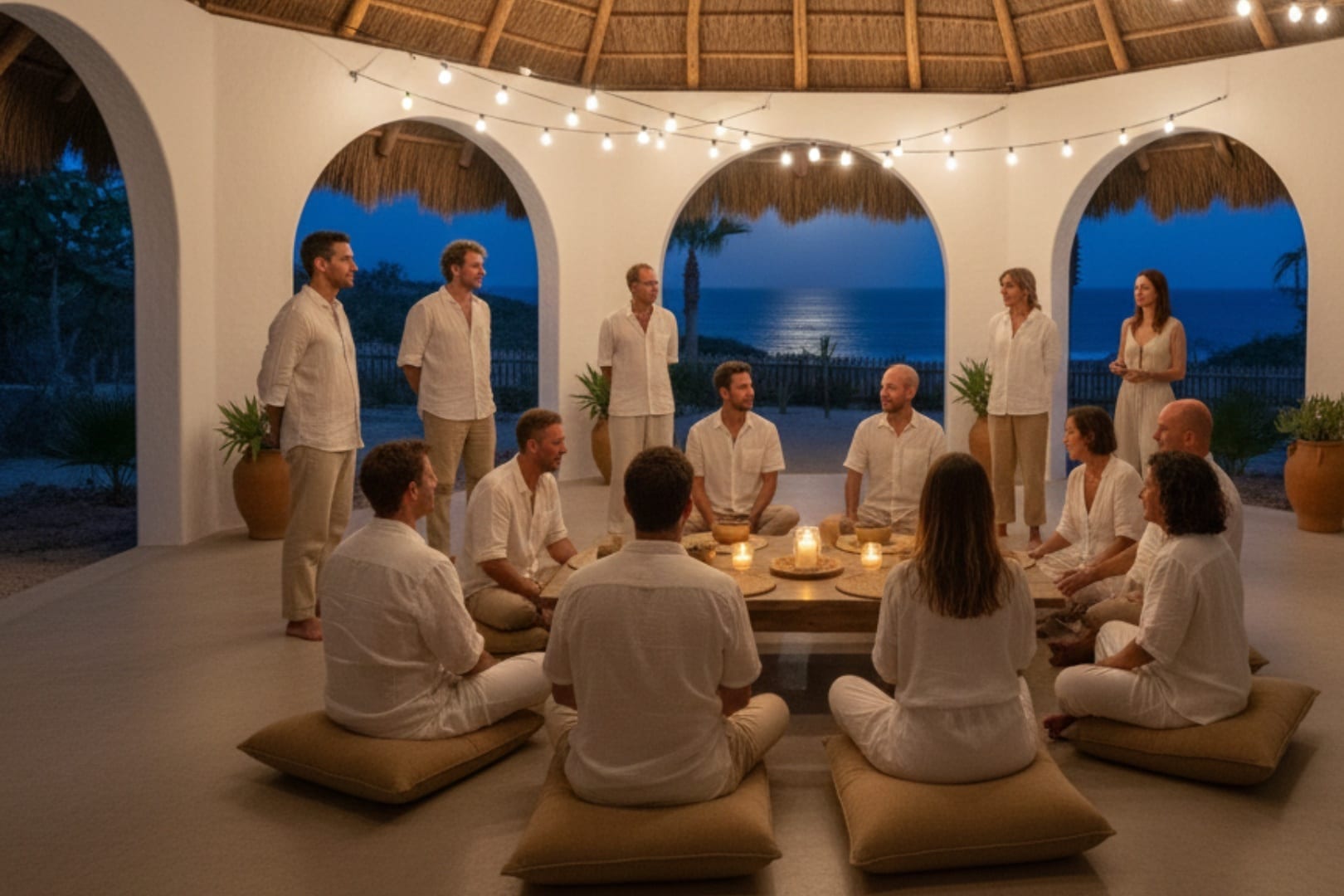
The Meritage ranks third because it is the strongest wine-country venue for mid-size conferences, with 322 rooms and 44,000-plus square feet of meeting space. Its on-site wine cave enables blending and vineyard programming that directly serve team-building goals, and nightly rates of $350–$650 land it solidly in the mid-tier. The Napa location is a major draw for incentive-driven retreats.
This is for a 100–400-person group that wants conference facilities plus a memorable wine-country experience without the price of Pelican Hill. It trades away coastal views and the all-villa privacy of the top two picks, but offers better activity throughput for larger teams. Compared to Alisal Ranch, the Meritage scales better and sits closer to a major airport, though it lacks the working-ranch immersion.
4. UCLA Lake Arrowhead Lodge
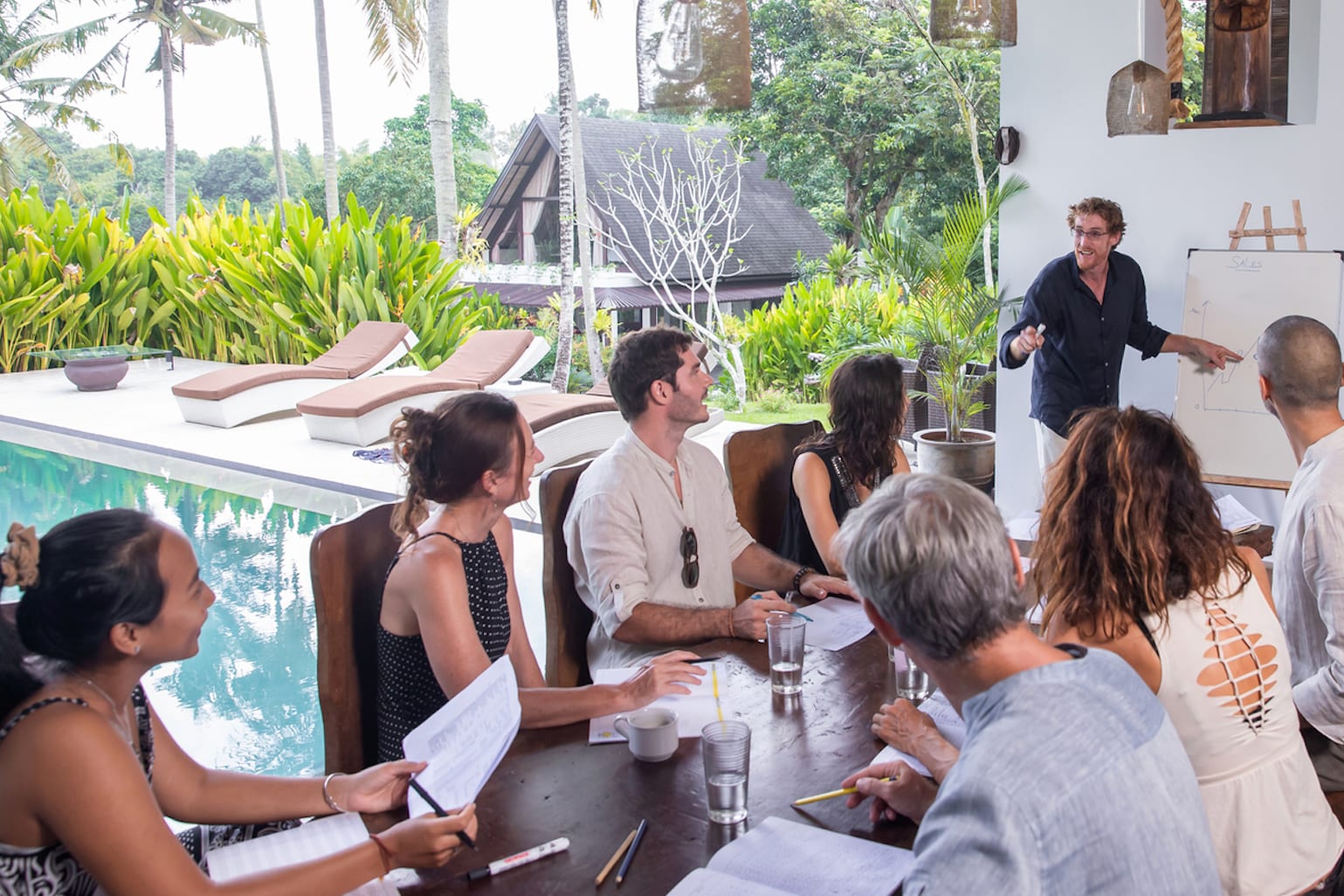
UCLA Lake Arrowhead Lodge ranks fourth for value, bundling a dedicated conference center, challenge ropes course, and buffet meals into one all-in price of roughly $200–$320 per person nightly. Its 150 rooms sit at 5,300 feet in the San Bernardino Mountains, and the purpose-built layout keeps the entire team under one roof with no stacked F&B or AV minimums. This is the cheapest quality option on the list.
This is for a budget-conscious team-building retreat where structured activities are the priority. It trades away the luxury and coastal setting of higher-ranked venues, and the 90-minute mountain drive from Ontario or LA airports adds real transfer cost. Compared to the Meritage, it offers far less meeting space and no wine-country glamour, but the all-in pricing makes true per-head costs far more predictable.
5. Ojai Valley Inn
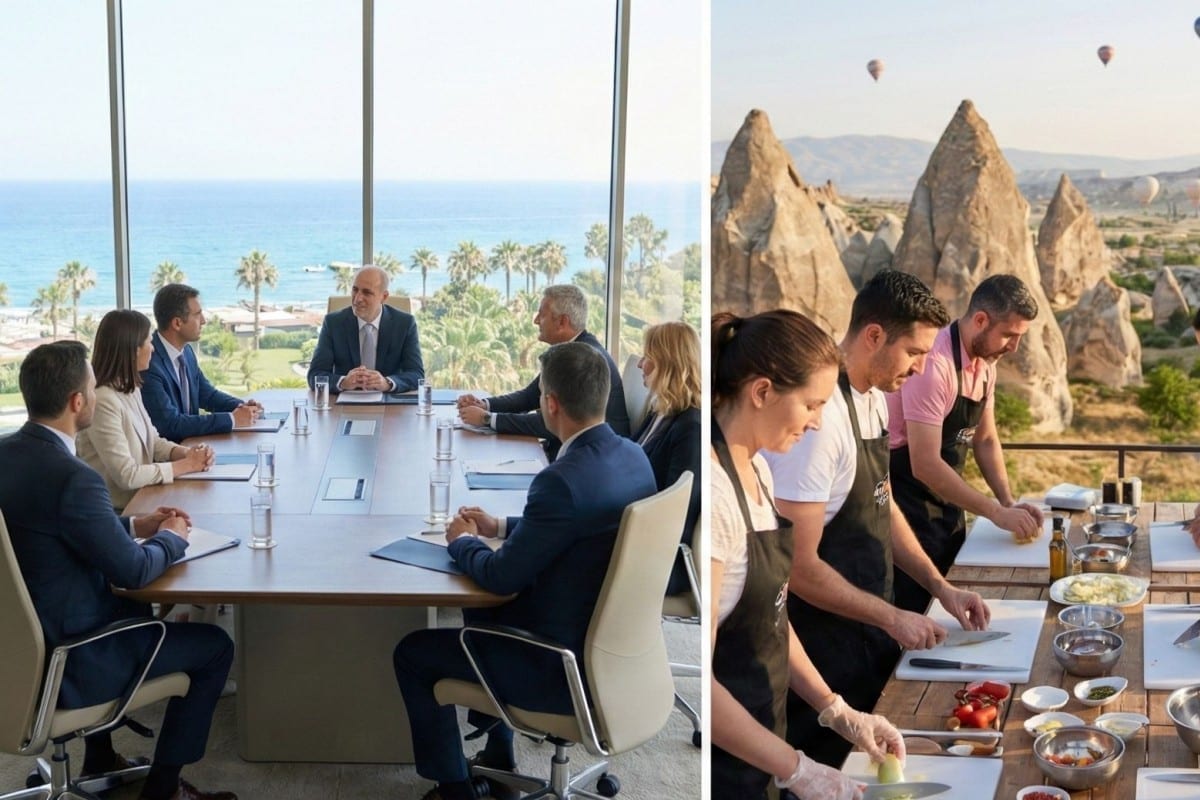
Ojai Valley Inn ranks fifth for a calm, low-distraction executive retreat on 220 acres in the Topa Topa foothills, with 303 rooms and roughly 45,000 square feet of meeting space. Its Forbes Five-Star rating and nightly rates of $450–$850 place it in the luxury tier, yet it feels more intimate than Terranea. The setting is ideal for strategic sessions that need isolation without resort sprawl.
This is for a board or senior leadership offsite of 50–300 that values tranquility over coastal drama. It trades away the beachfront and large-scale capacity of Terranea, but offers a more focused environment than any coastal resort. Compared to Pelican Hill, it is more affordable and less villa-centric, though it lacks the golf and signature pool that define the Newport Beach property.
6. Hotel del Coronado
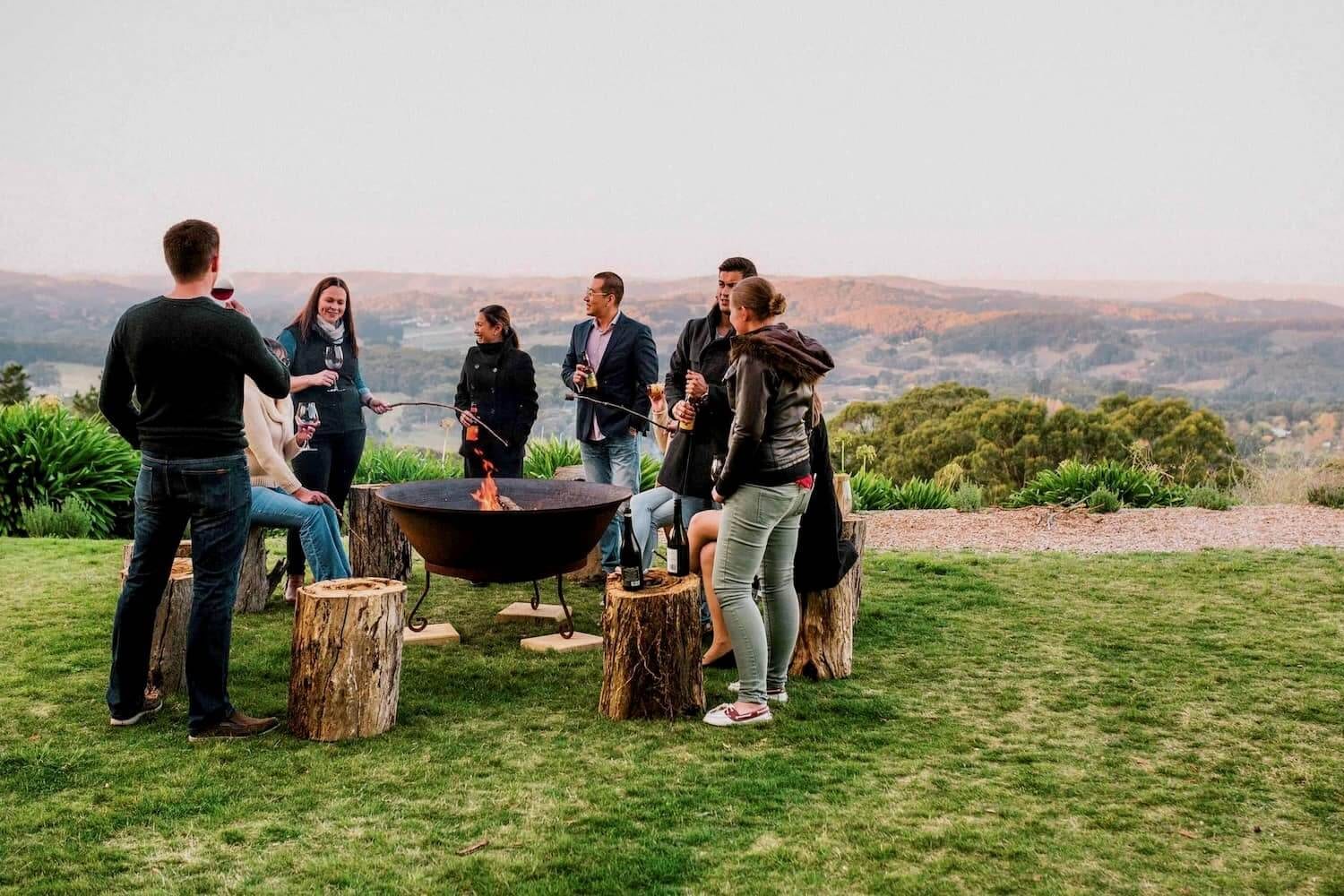
Hotel del Coronado ranks sixth for large beachfront conferences, offering roughly 750 rooms and 65,000-plus square feet of meeting space near San Diego. Its historic Victorian Main Building provides a distinctive setting that no other venue matches, and nightly rates of $400–$800 keep it competitive in the mid-to-luxury tier. The property is 25 minutes from San Diego airport.
This is for a 500-plus-person event that wants historic charm plus beach access. It trades away the single-campus cohesion of Terranea—guests spread across the Main Building and newer structures, so room quality varies—and the Coronado island location adds a bridge crossing for off-site excursions. Compared to La Quinta, it offers better coastal weather year-round but lacks the desert's reliable winter sun.
7. La Quinta Resort & Club
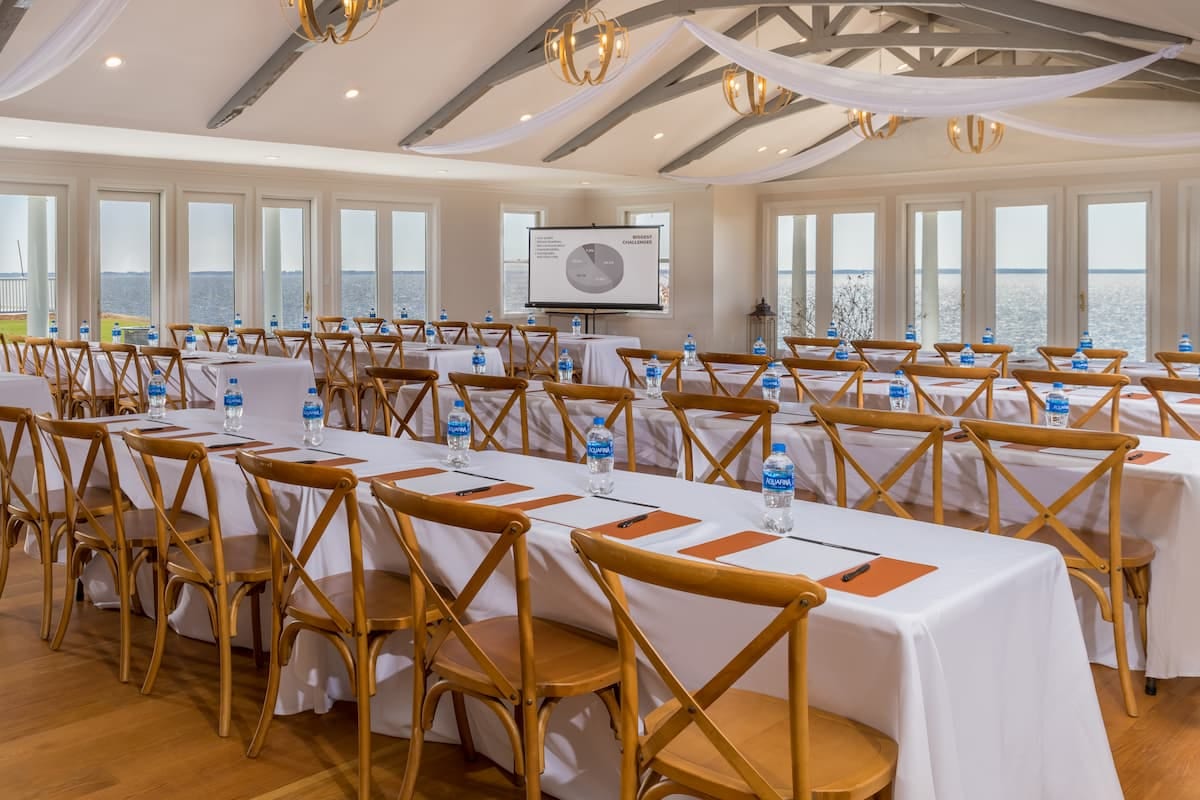
La Quinta Resort & Club ranks seventh for desert retreats, with 620-plus casitas and about 88,000 square feet of meeting space in the Palm Springs area. Its Waldorf Astoria branding and nightly rates of $300–$600 make it a strong mid-tier workhorse for 100–700-person conferences. The property is built around golf and tennis, with outdoor programming that shines November through April.
This is for a group seeking reliable winter sun and a resort campus that handles large headcounts. It trades away coastal proximity—summer temperatures regularly top 110°F, sidelining outdoor sessions—and the drive from major airports is longer than Terranea's. Compared to Hotel del Coronado, it offers more square footage and lower peak-season rates, but the desert heat makes it a seasonal pick.
8. Carmel Valley Ranch
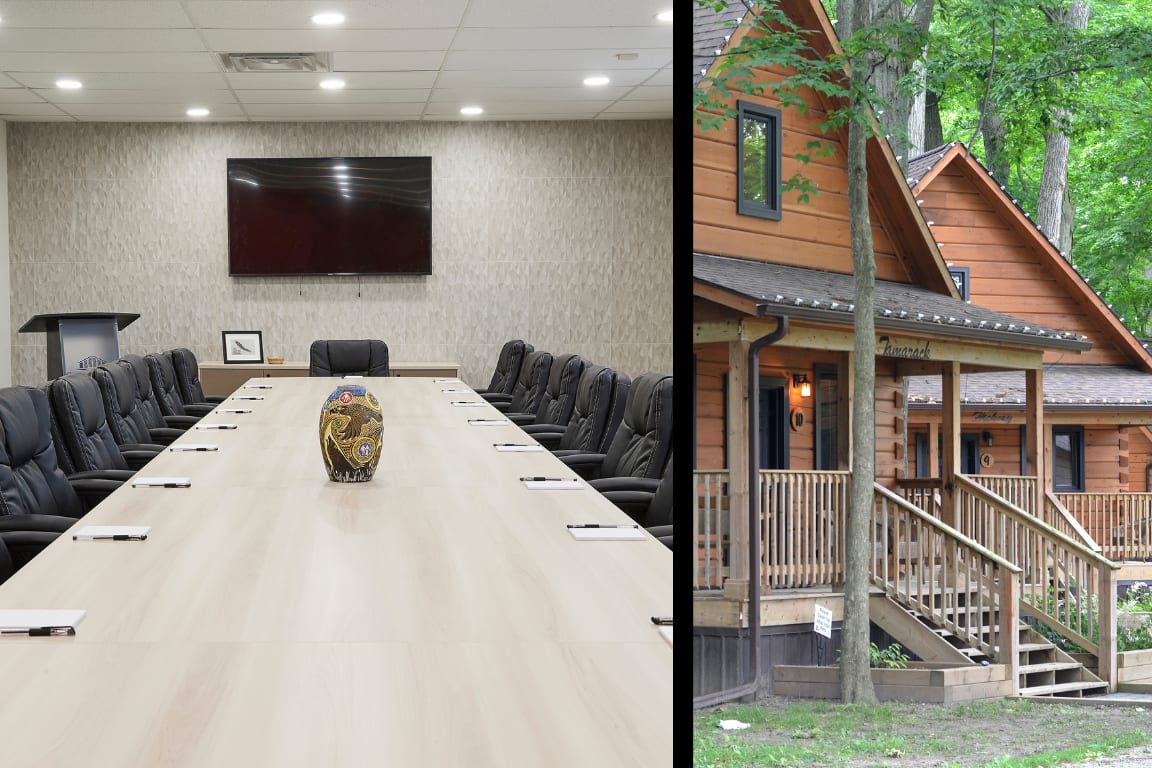
Carmel Valley Ranch ranks eighth for experiential team-building, spanning 500 acres with 181 suites, lavender fields, and a beekeeping program that builds activities directly into the property. Nightly rates of $400–$750 place it in the luxury tier, but its function space is modest—a 300-person general session becomes a squeeze. The Monterey location offers a serene, nature-focused setting.
This is for a team of up to 250 that prioritizes hands-on experiences like beekeeping, gardening, and goat encounters over large meeting capacity. It trades away the scale of La Quinta or Hotel del Coronado, and activity throughput is slow by design, requiring timed rotations for bigger groups. Compared to UCLA Lake Arrowhead, it is far more luxurious but significantly pricier per room-night.
9. Cavallo Point
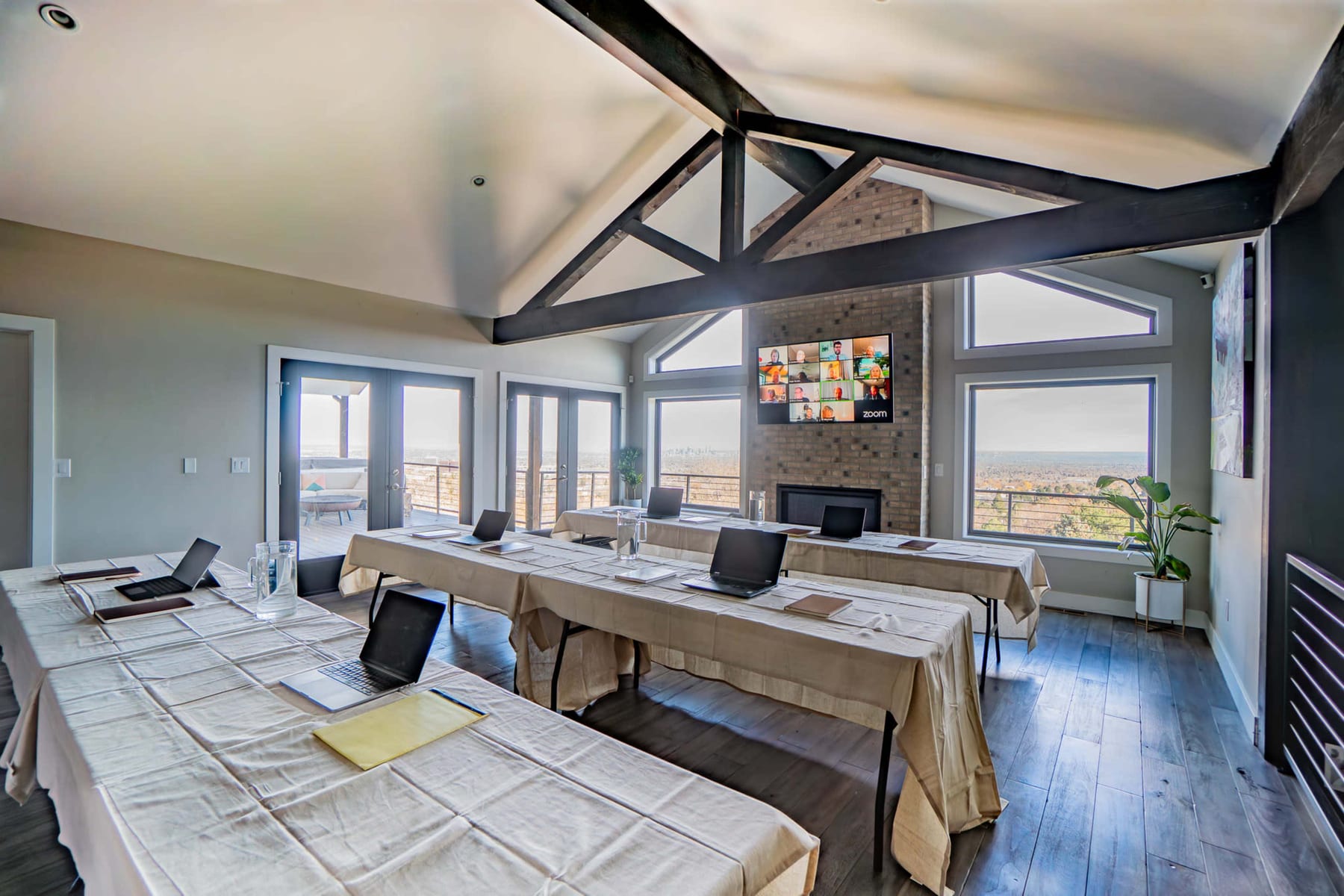
Cavallo Point ranks ninth for Bay Area leadership offsites, with 142 restored-fort rooms inside the Golden Gate National Recreation Area, minutes from San Francisco. Its intimate scale and national-park setting offer a unique backdrop, with nightly rates that reflect its boutique nature. The property is ideal for groups that want proximity to SFO without a long transfer.
This is for an executive team of up to 200 that values setting over scale. It trades away meeting square footage and on-site activities—there is no ropes course or wine cave—so programming must be sourced externally. Compared to Ojai Valley Inn, it offers a more dramatic location but less privacy and fewer amenities, and Marin fog can chill evening receptions even in July.
10. Alisal Ranch
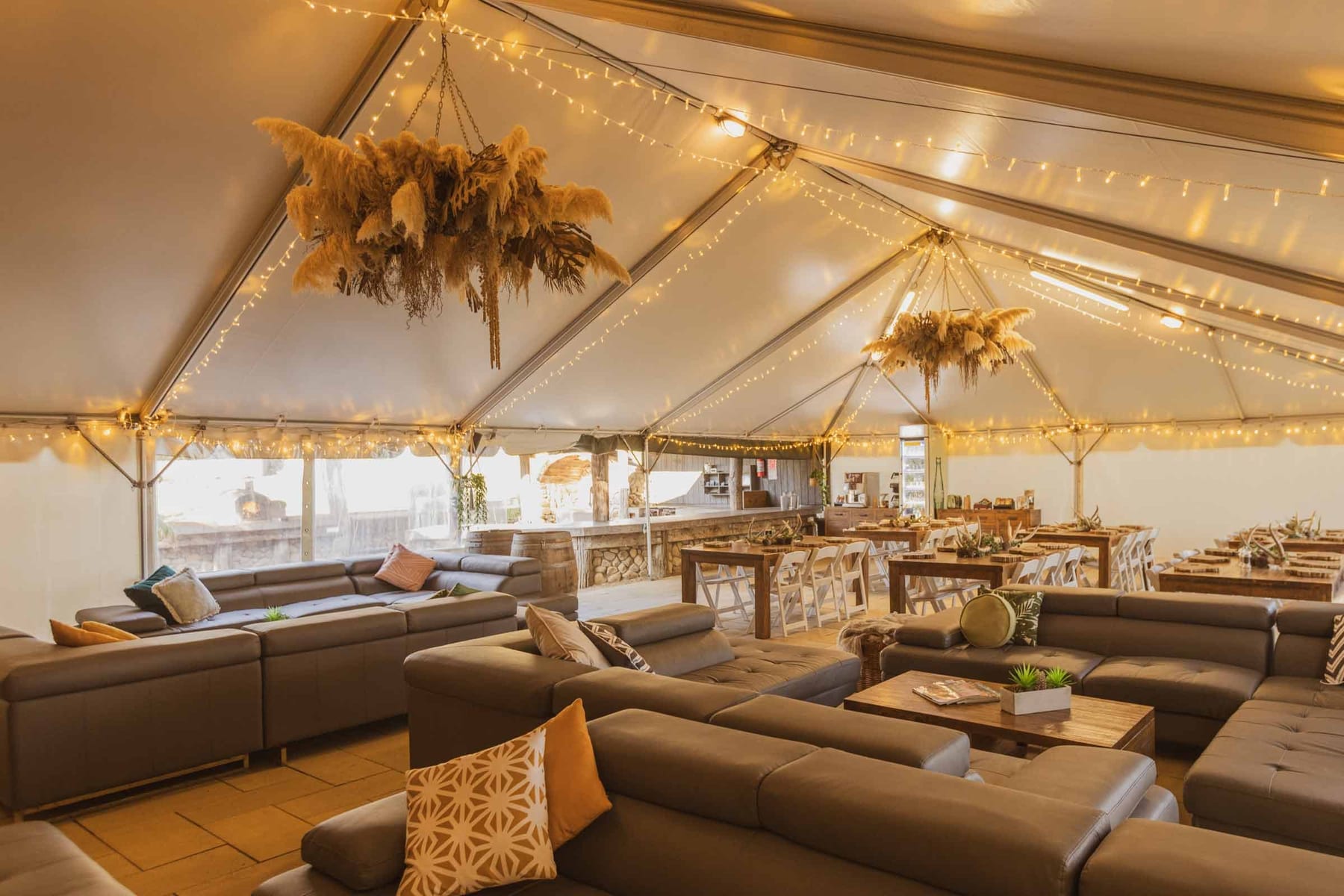
Alisal Ranch ranks tenth for a working-ranch immersion, with 73 cottages on 10,500 acres near Solvang and access to Santa Ynez wine country. Its all-inclusive-leaning rates of $350–$600 per person nightly fold in horseback riding, ranch activities, and meals, making true costs predictable. The property is best for small teams that want to disconnect and engage in hands-on ranch work.
This is for a team of 50–150 that wants a fully immersive, activity-driven retreat rather than a conference-hotel experience. It trades away meeting space and airport proximity—the drive from any major airport is long—and the 73-cottage footprint caps headcount well below the larger resorts. Compared to Carmel Valley Ranch, it offers a more authentic ranch experience but fewer luxury amenities and a more remote location.
How we ranked these
We measured venue capacity, meeting square footage, room count, price per night, airport proximity, and on-site team-building activities. Each factor was weighted by its impact on retreat success: meeting space and headcount fit carried the highest weight, followed by cost and location. We then ranked venues on overall suitability for corporate groups.
We deliberately ignored subjective factors like interior design aesthetics and personal brand preference. We also excluded venues without verifiable, current meeting facilities or those with limited availability for large groups. This ensures the ranking remains practical and actionable for planners, focusing on measurable, objective criteria rather than taste or marketing hype.
Related questions
Which California venue is best for a large conference of 500 or more?
Terranea (582 rooms, 135,000 sq ft), La Quinta Resort (620-plus casitas, 88,000 sq ft), and Hotel del Coronado (~750 rooms) are built for 500–1,000 attendees. Boutique properties like Cavallo Point and Carmel Valley Ranch cap near 200–250 and should be reserved for smaller executive offsites.
What is the cheapest quality corporate retreat venue in California?
UCLA Lake Arrowhead Lodge is the value leader at roughly $200–$320 per person nightly, bundling a dedicated conference center, ropes course, and buffet meals into one all-in price — no stacked F&B or AV minimums. Alisal Ranch's all-inclusive-leaning $350–$600 per person is a close second.
When should I avoid booking a Palm Springs desert venue?
Avoid La Quinta and other desert resorts from roughly June through September, when temperatures regularly top 110°F and sideline the outdoor programming that defines them. Book November through April instead, and expect peak rates around the spring golf and tennis season.
Which venues build team-building activities into the property?
UCLA Lake Arrowhead offers an on-site challenge ropes course; Carmel Valley Ranch has beekeeping, gardening, and goat experiences; and Alisal Ranch provides horseback riding and working-ranch programming. These build the activity directly into the setting rather than bussing the group off-site.
What is the best venue for a wine-country corporate retreat?
The Meritage Resort in Napa is the top choice, offering 322 rooms, 44,000 square feet of meeting space, and an on-site wine cave for blending and vineyard programming. It provides a full conference experience with a wine-country backdrop, ideal for incentive trips and executive offsites.
Which venue is best for a Bay Area leadership offsite?
Cavallo Point in Sausalito is the premier choice, set in a national park with 142 restored-fort rooms and views of the Golden Gate Bridge. It offers a unique, inspiring setting minutes from San Francisco, but it is best for groups of up to 200 people.
FAQ
What is the best corporate retreat venue in California?
Terranea Resort is the top all-around choice, with the largest meeting footprint on this list — about 135,000 square feet — on a true Pacific beachfront just 25 minutes from LAX. For Five-Star luxury, The Resort at Pelican Hill is the premium alternative on the Newport Coast, best for board retreats and high-end incentive trips of 50–300.
How much does a California corporate retreat cost per night?
Value options like UCLA Lake Arrowhead Lodge run roughly $200–$320 per person nightly. Mid-tier resorts such as the Meritage, La Quinta, and Hotel del Coronado land at $300–$800, and luxury properties like Ojai Valley Inn and Pelican Hill reach $450–$1,200, with meeting space and food and beverage quoted separately at most resorts.
How far in advance should I book a California corporate retreat?
For 100-plus attendees at a top resort, book 9–12 months out, and a full year for prime spring or fall dates when corporate demand peaks. Early booking secures the room block and wins leverage on F&B minimums, attrition terms, and concessions like complimentary meeting space or upgraded AV.
What is the best time of year for a California offsite?
Coastal venues work year-round, with the mildest weather in late spring and early fall. Desert venues like La Quinta peak November through April — avoid summer heat. Wine-country resorts are busiest during the September–October harvest, so book those dates well ahead.
Which California venues are best for wine-country programming?
The Meritage Resort in Napa pairs 44,000-plus square feet of conference space with an on-site wine cave and blending, vineyard, and cooking activities. Alisal Ranch near Solvang adds Santa Ynez wine-country access to its working-ranch experience, immersing a smaller team for several days.
Which California venue is best for outdoor team-building?
UCLA Lake Arrowhead Lodge stands out for structured team-building thanks to its on-site challenge ropes course and lakeside setting. For experiential programming, Carmel Valley Ranch (beekeeping, gardening) and Alisal Ranch (horseback riding, ranch work) build the activity directly into the property.
What is the biggest mistake planners make when booking a retreat?
The most common error is ignoring seasonal weather risks. For example, Palm Springs can exceed 110°F in summer, making outdoor sessions impossible. Similarly, wine country is crowded and expensive during harvest. Always match the venue's biome to your specific dates, not just to brochure photos.
How much meeting space do I need per attendee?
Budget roughly 10–12 square feet per attendee for a comfortable theater-style general session. For breakout rooms, plan on 15–20 square feet per person for classroom setups. This rule helps you quickly eliminate venues that are too small for your group size.
Sources
- https://www.terranea.com/meetings
- https://www.pelicanhill.com/meetings-events
- https://www.meritageresort.com/napa-meetings
- https://www.uclaconferencecenter.com/
- https://www.laquintaresort.com/meetings-events
- https://www.cavallopoint.com/meetings-events/
- https://www.ojaivalleyinn.com/meetings-groups
- https://www.forbestravelguide.com/
Related on PULSE
- [More corporate retreat venues in california (2027) rankings and buying guides](/knowledge)
- [PULSE Tools and calculators](/tools)
- [Everything on PULSE RevOps](/)
@Kory-White- · if Venmo asks, the last 4 of my number are 2012
 pulse-aquariumsTop 10 Canister Filters 2027
 aqTop 10 Hang-On-Back Aquarium Filters 2027
 pulse-reviewsTop 10 Cabin Cruiser Boats 2027
 pulse-aquariumsTop 10 Aquarium Filters 2027
 pulse-moviesTop 10 Movies on Netflix 2027
 pulse-moviesTop 10 Movies on Max 2027
 pulse-moviesTop 10 Fantasy Movies of All Time in 2027
 pulse-moviesTop 10 Documentaries of All Time in 2027
 pulse-moviesTop 10 Superhero Movies of All Time in 2027
 pulse-moviesTop 10 Romance Movies of All Time in 2027