
Best Retirement Party Venues in the Washington, D.C. Area (2027)
 Curated byKory White · Fractional CRO · Maryland
 PULSEKNOWLEDGE LIBRARY
The strongest Washington, D.C. retirement party venues are landmark hotel rooftops and private clubs for formal send-offs, and winery, waterfront, or music-venue rooms for relaxed ones. Expect roughly $50 to $300 per person, plus tax and a 22–24% service charge that pushes the real bill about 30% above the quoted menu price.
The outcome you should expect
A well-planned D.C. retirement party ends with three things: the honoree visibly moved, the speeches heard clearly by everyone in the room, and a final invoice within about 10% of what you budgeted at signing. Most planners hit the first two and miss the third, because the per-person number a venue quotes on the phone is not the number that lands on the credit card.
Set expectations against the guest count you actually have, not the one on the invite list. For a career send-off in the D.C. area, realistic attendance is 55–75% of the invited federal or association list for a weeknight event, and closer to 80–90% for a small seated dinner of the honoree's immediate team and family. If you invite 120 colleagues expecting 100, plan the room for 75 and confirm the guarantee three business days out. Overshooting the guarantee is the single most common way a $6,000 event becomes a $9,000 event, because most Washington venues bill the guaranteed count even if 20 people never walk in.

Expect the evening itself to run roughly two and a half to three hours: 45–60 minutes of passed hors d'oeuvres and open bar, 60–75 minutes of dinner service, 20–30 minutes of remarks, and a soft close. Anything longer and the older half of a retirement crowd starts leaving before the honoree speaks — which is the one part of the night that cannot be rescheduled. Put the program at the front of dessert, not after it.
Expect the venue to feel like the career. A 30-year federal or military retirement carries different weight at the Army and Navy Club on Farragut Square, in a 1912 Beaux-Arts building full of service memorabilia, than it does in a restaurant back room. A researcher's send-off reads differently under the marble rotunda of the Carnegie Institution near Dupont Circle. A relaxed office send-off for a sales or revenue team lands better at City Winery in Ivy City, where a private room with food and house wine costs a third of a landmark hotel. The match between room and résumé is the part of the outcome guests remember; the canapés are not.
Finally, expect to be quoted a food-and-beverage minimum rather than a flat rental at most full-service D.C. properties. That minimum is a spend floor, not a price — you either reach it with food and drink or you pay the shortfall as room rent. Understanding that distinction up front is what separates a party that lands on budget from one that surprises you in week three.
What drives that outcome
Five variables control almost all of the cost and nearly all of the guest experience: date, headcount, service model, catering structure, and audiovisual needs. Everything else — linens, florals, a custom cake — is rounding error by comparison.
Date is the highest-leverage lever in Washington. Thursday and Friday lunches are the traditional slot for federal send-offs, and venues price them accordingly: a room that carries a hard Saturday-evening minimum will often quote materially less for a Thursday lunch or a Tuesday evening in the same week. Spring and fall weekends are the most contested dates in the D.C. event calendar because they compete directly with wedding season, association galas, and conference receptions. If the honoree's last day is flexible by a week, moving the party off a Saturday is usually worth more than any menu negotiation you will ever win.
Headcount drives which venues are even in play. Under 40 guests, you are shopping private dining rooms — the Wharf's waterfront restaurant rooms seat roughly 30–80 and are a natural fit. At 80–150, you unlock hotel rooftops and club dining rooms: Top of the Hay at the Hay-Adams holds about 120 for a reception and 80 seated; City Tavern Club in Georgetown, an authentically restored 1796 Federal-style building on M Street, runs to about 150. Above 200, you are down to ballrooms — the Army and Navy Club to about 300, Top of the Town in Arlington to about 300, the National Press Club main ballroom to about 400, and the Carnegie rotunda to roughly 400 reception or 220 seated.
Service model — standing reception versus seated dinner — changes both cost and tone. A reception costs less per head and lets 150 people mingle in a room that would only seat 90, but it makes a formal program harder: people are standing, holding drinks, and half of them can't see the podium. A seated dinner costs more and caps the room, but it delivers the toast properly. For a retirement, where the remarks are the point, seated wins more often than planners expect.
Catering structure splits D.C. venues into two camps. Hotels and private clubs cater in-house at a per-person rate that includes staffing. Historic properties — Decatur House on Lafayette Square, the 1818 Latrobe-designed mansion managed by the White House Historical Association, and the Carnegie Institution — use approved-caterer lists, where you pay a venue fee plus a separate catering contract plus rentals. The second structure looks cheaper on the venue line and is usually more expensive in total.
AV is the quiet budget killer. A podium, a wireless handheld, and a screen for a slideshow are free at venues with built-in rigs — The Hamilton on F Street has a real stage and sound system, and the National Press Club has broadcast-grade AV from decades of newsmaker programming. In a historic mansion with no house system, the same three items arrive as a rented package with a technician, and that line item can rival the bar tab.
Benchmarks and realistic ranges
Use these as planning anchors, then verify every number directly with the venue — event pricing in Washington moves with the season and the calendar year, and 2027 dates will be quoted against 2027 menus.
At the top of the market, the Hay-Adams — a 1928 Italian-Renaissance hotel across Lafayette Square from the White House, built on the former residences of John Hay and Henry Adams — runs its Top of the Hay rooftop with direct White House and Washington Monument views. Event packages there commonly land in the $150–$300 per person range, with a food-and-beverage minimum that climbs for prime evening and weekend dates. Decatur House, at the full-buyout end, more often quotes a total: roughly $10,000–$25,000 for rental plus catering through its approved list, for a space that holds up to about 250.
The middle band is where most Washington retirement parties actually land. City Tavern Club runs roughly $110–$200 per person for seated multi-course dinners from its in-house kitchen. The Army and Navy Club commonly falls in the $120–$220 per person band for plated dinners and receptions. The Carnegie Institution, once you combine venue fee, approved catering, and rentals, tends to work out to roughly $120–$220 per person as well. The National Press Club, on the 13th floor of the National Press Building on 14th Street near Metro Center, frequently quotes $95–$175 per person.
Below that, Top of the Town in Arlington — a hilltop room on Wilson Boulevard with floor-to-ceiling monument views across the Potomac and a wraparound terrace — commonly packages at $90–$160 per person bundling a buffet or plated meal, open bar, and the view. The Hamilton's event spaces, catered in-house by Clyde's Restaurant Group, run about $85–$150 per person for 100 to 400-plus guests. And City Winery DC at Ivy City, an urban winery with a working barrel room, starts private-room buyouts near $50–$90 per person including food and house wine for 40 to 120 guests — the clearest value anchor in the metro.
The Wharf restaurant rooms price differently: instead of a per-head figure, expect a food-and-beverage minimum in the $2,000–$6,000 range depending on the room and the day of week. For a 50-guest dinner, a $4,000 minimum works out to $80 per person before tax and service — competitive with the mid-band venues, but with far less flexibility if your count drops.
Then apply the multiplier that no menu shows you. D.C. venues typically add a 22–24% service charge plus applicable sales tax on food and beverage. On a $120-per-person menu for 100 guests, that is $12,000 in food and beverage, roughly $2,760 in service charge at 23%, and around $1,200 in tax — about $15,960 all-in, or roughly a third above the quoted figure. Budget every venue at approximately 130% of the per-person number and you will never be surprised. Add on top of that: coat check for a winter event, valet, a cake-cutting fee if you bring an outside cake, and AV if the room has no house system.
Timeline benchmarks matter too. Popular Washington venues commonly book 3 to 6 months ahead for spring and fall weekend dates. A Thursday lunch six weeks out is often still available at venues that have been sold out on Saturdays since the previous fall. Contracts typically require a deposit at signing with the balance due shortly before or on the event date, and a final guaranteed headcount roughly 72 hours in advance.
Risks, edge cases, and failure modes
The minimum, not the menu, is the real contract. Planners routinely negotiate a lower per-person menu and then discover it does nothing, because the room carries a fixed food-and-beverage minimum they now have to reach anyway. If the minimum is $8,000 and you cut the menu from $110 to $85 for 70 guests, you have moved from $7,700 to $5,950 in spend against an $8,000 floor — you now owe the $2,050 shortfall as room rent and got a worse dinner for it. Negotiate the minimum first; negotiate the menu second.
Approved-caterer venues hide a second and third invoice. At a historic property, the venue fee covers the room. Catering is a separate contract with its own service charge. Tables, chairs, linens, china, glassware, and sometimes kitchen equipment are a third rental invoice. A venue that looks like a $9,000 rental can total well past $20,000 once those land. Always ask an approved-caterer venue for a sample all-in budget from a comparable recent event before you sign anything.
Accessibility is the failure mode most specific to retirement parties. A retirement crowd skews older than a wedding crowd, and often includes the honoree's parents. Historic mansions and 18th-century townhouses have narrow stairs, uneven thresholds, no elevator to the second-floor dining room, and street-only parking. Top of the Town's free on-site lot and the downtown clubs near the Farragut and Metro Center stations are meaningfully easier. Before you fall for the architecture, walk the actual path from the drop-off point to the seat and count the steps.
Views expire in winter. A rooftop or terrace that sells itself on monument vistas is a very different room in January at 6 p.m. — dark outside, and the terrace closed. If you are booking Top of the Hay or Top of the Town for a winter retirement, confirm what the indoor-only footprint holds, because a capacity figure that assumes the terrace is open may not hold your guest list once it's closed.
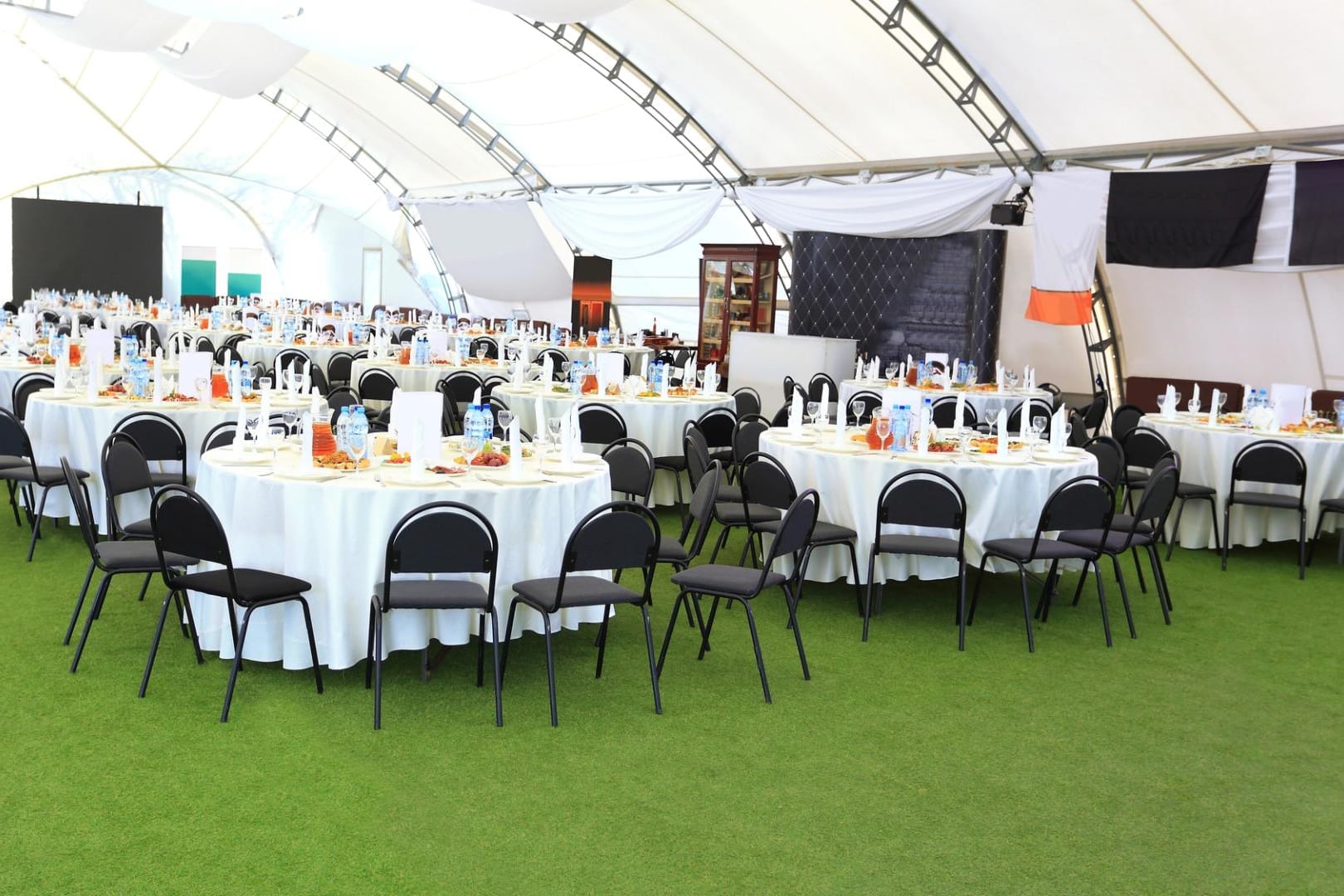
Speeches fail more often than food does. The most common regret after a Washington send-off is that half the room couldn't hear the tribute. Standing receptions with no house sound are the usual culprit. Insist on a wireless handheld plus a lavalier backup, do a sound check with the actual speaker before guests arrive, and if a slideshow is planned, test the file on the venue's system — not your laptop — the day before. A room built for live performance solves this by default; a marble rotunda actively works against you, because hard stone surfaces are reverberant.
The guarantee is a one-way door. Most contracts let you raise a headcount within 72 hours but not lower it. Federal and association guest lists are volatile — an unexpected hearing, a travel week, or a leadership meeting can pull a dozen colleagues. Guarantee conservatively; adding ten plates two days out is nearly always possible, while removing ten is not.
Private-club access requires a member sponsor. City Tavern Club and the Army and Navy Club are private clubs. If nobody in your organization is a member, the booking can stall for weeks while you find a sponsor. Confirm sponsorship before you build an entire plan around a club room.
Gift and ethics rules apply to federal send-offs. A retirement party for a federal employee funded by contractors, vendors, or subordinates can run into federal gift and contribution rules. If the honoree is a government employee and outside parties are contributing, route the funding plan through the agency's ethics office before you collect a dollar. This is the single risk that can cancel an otherwise flawless event.
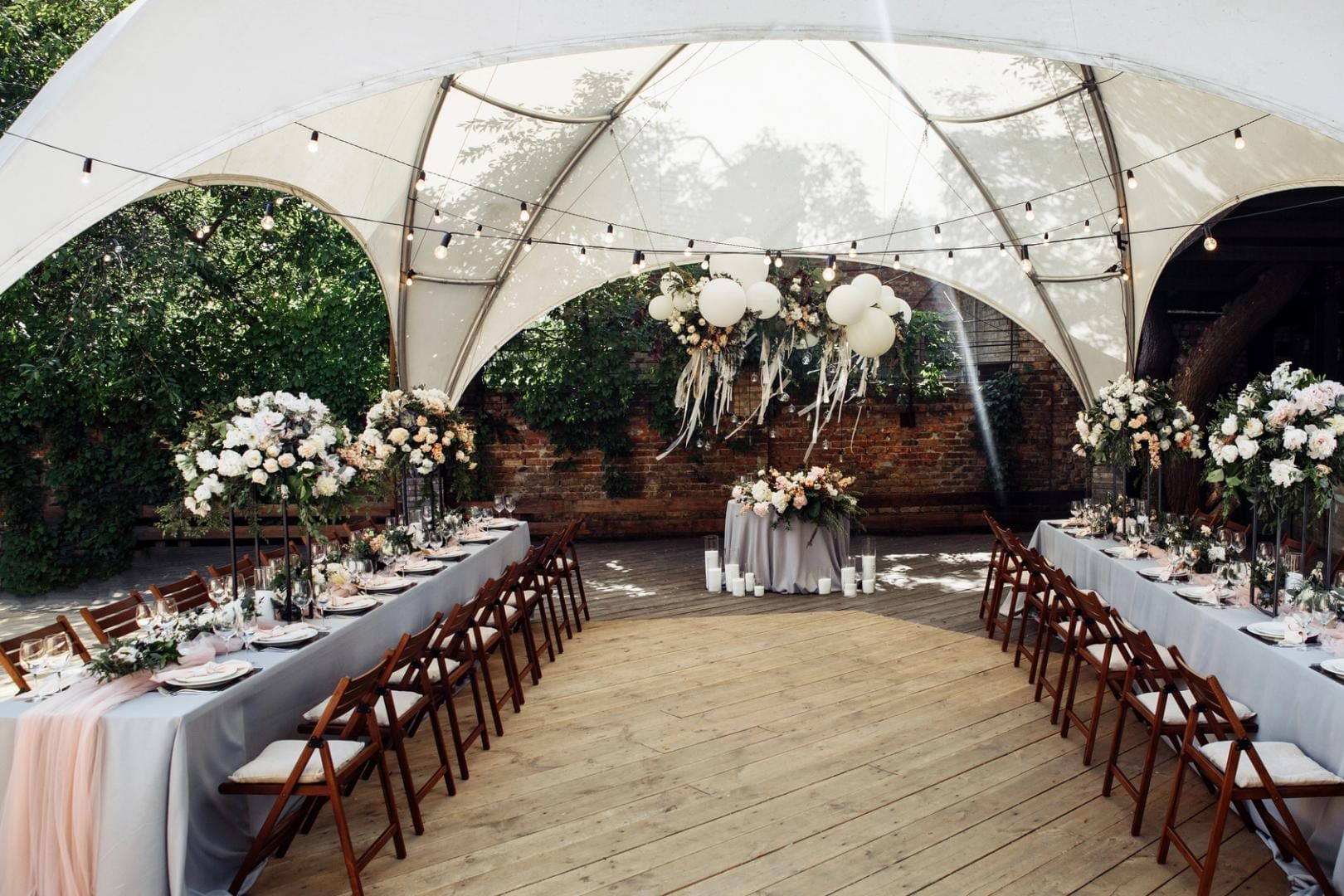
Weather contingency for anything outdoors. Courtyard tents, terraces, and waterfront patios need a written rain plan with a decision deadline — typically the morning of or 24 hours prior — and you should know before signing whether the indoor backup actually holds your full count.
A practical rollout plan
Work backward from the honoree's last day. A twelve-week runway is comfortable; six is workable; three is a scramble that costs money.
Weeks 12–10 — define the brief. Settle four numbers before you call a single venue: total budget all-in (not per person), realistic attendance, whether it's a seated dinner or a standing reception, and whether the honoree wants a formal program or a quiet dinner. Ask the honoree's closest colleague, not the honoree — most people being celebrated will understate what they want. Pick two candidate dates, at least one of them a weeknight or a Thursday/Friday lunch.

Weeks 10–8 — shortlist and tour. Send the same one-paragraph brief to four or five venues across two price bands, and ask each for: capacity at your service model, the food-and-beverage minimum for your specific date, whether catering is in-house or approved-list, what AV is included, and parking or Metro access. Tour the top two in person at roughly the same hour of day the party will run, so you see the actual light. Walk the accessibility path. Ask to see the room set for a similar count, not empty.
Weeks 8–7 — contract. Negotiate the minimum before the menu. Get in writing: the guarantee deadline, the cancellation and postponement terms, the service charge percentage, whether the service charge is taxed, what AV is included versus rented, and the overtime rate per hour. Pay the deposit only against a signed contract that names your date and room.
Weeks 7–5 — invitations and program. Send invitations five to six weeks out with an RSVP deadline two weeks before the event — federal and association calendars need that lead time. Simultaneously, lock the program: who speaks, in what order, for how long. Three speakers at four minutes each beats seven at whatever they feel like. Assign one emcee who is not the honoree's boss.
Weeks 5–3 — menu tasting and details. Do the tasting if the venue offers one. Confirm dietary accommodations, the bar package (open bar versus consumption versus limited beer and wine — consumption bars often save real money for an older crowd that drinks less than a wedding crowd), and any cake or dessert arrangement including a cake-cutting fee. Collect photos for the slideshow now; assembling it at week one is how slideshows end up broken.
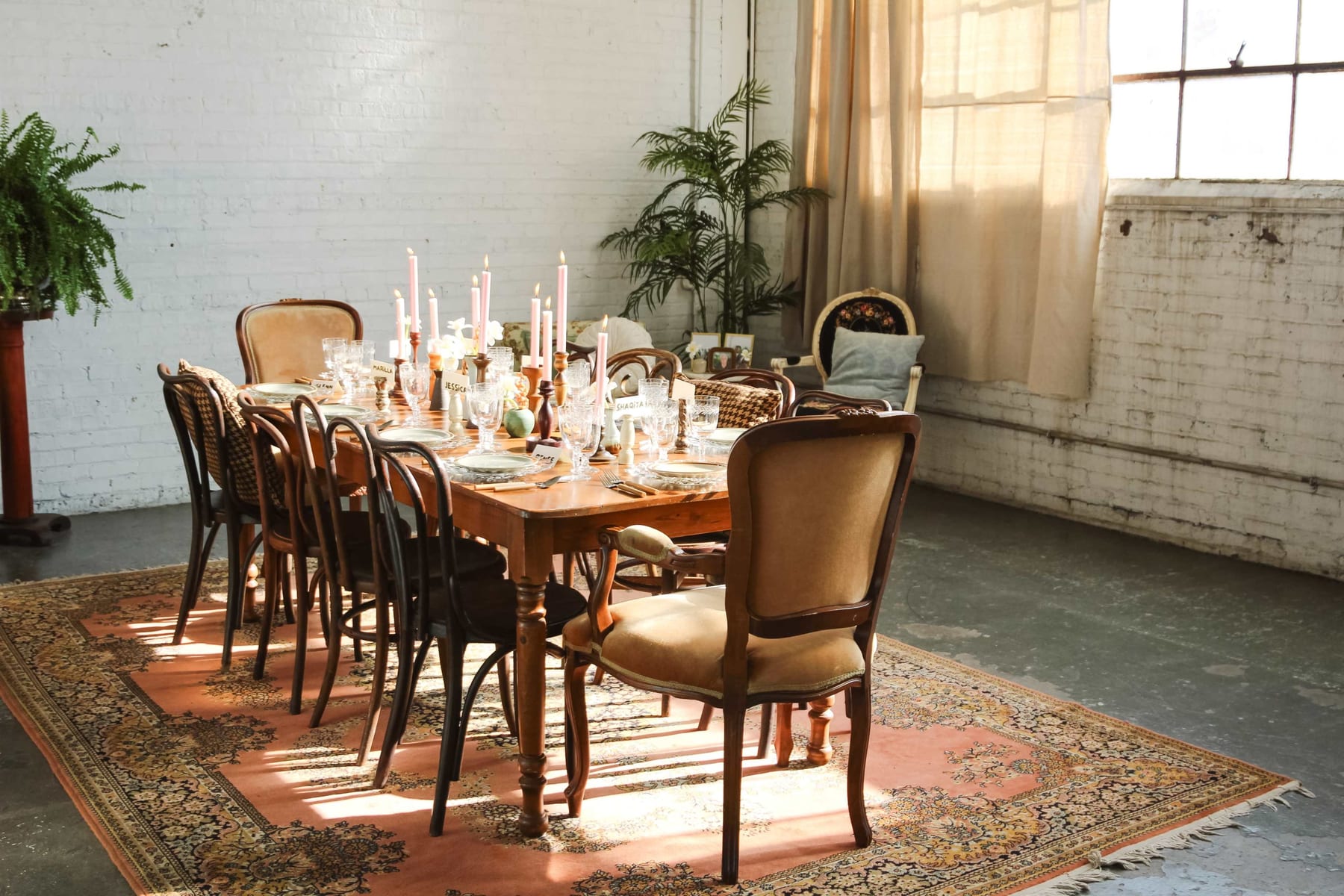
Weeks 3–1 — run of show and AV. Deliver a written run of show to the venue's event manager with clock times. Confirm the podium, microphones, screen, and a tested copy of the slideshow file on the venue's system. Reconfirm the parking or valet plan and communicate it to guests, because a retirement crowd will not improvise garage hunting.
72 hours out — the guarantee. Give the final count, conservatively. Confirm the arrival time for anyone bringing gifts, framed items, or a shadow box, and name a single person responsible for transporting them home at the end of the night.
Day of. Arrive 90 minutes early. Sound-check the actual microphone with the actual speakers. Verify the room set against the diagram. Designate one person — never the host — to settle the final bill so the host can be present for the toast. Afterward, review the invoice line by line against the contract within a week: service charge percentage, overtime, and any charges for items you declined are the three lines most often wrong.
Related questions
How much should a company budget per guest for a D.C. retirement party?
Plan $110–$160 per person all-in for a mid-tier venue: roughly $95–$120 in food and beverage plus tax and a 22–24% service charge. Landmark rooftops push past $200; a City Winery-style private room can land near $70 all-in.
Is a weeknight really cheaper than a Saturday in Washington?
Usually, yes. Thursday and Friday lunches — the traditional federal send-off slot — and Tuesday or Wednesday evenings typically carry lower food-and-beverage minimums than prime Saturday evenings, especially during spring and fall when wedding and gala demand peaks across the metro.
What capacity should I book for 100 invited colleagues?
Plan the room for 60–75 attendees. Weeknight federal and association attendance commonly runs 55–75% of the invited list. Book a space that comfortably holds 90 so you have headroom, and set the guarantee at your conservative number 72 hours out.
Do historic D.C. venues cost more than hotels once everything is counted?
Often. Historic properties charge a venue fee, then catering through an approved list, then rentals for tables, linens, and china. Hotels and clubs bundle staffing and equipment into one per-person rate. Ask any approved-caterer venue for a comparable all-in example.
Where do speeches work best?
Rooms with built-in stages and house sound systems — a live-music venue or a press club ballroom with broadcast-grade AV. Marble rotundas look spectacular and sound reverberant; standing receptions without house sound are the most common reason guests can't hear the tribute.
FAQ
What is the typical price range for a retirement party venue in the D.C. area?
Most venues quote a per-person food-and-beverage minimum ranging from roughly $50 at a winery private room to $300 or more at a landmark hotel rooftop. Add tax and a 22–24% service charge on top — budget about 30% above the quoted menu price for the true all-in figure. Some historic properties quote a total buyout instead, commonly $10,000–$25,000 for a full evening including catering through an approved list.
How far in advance should I book?
Popular Washington venues commonly book three to six months ahead, particularly for spring and fall weekend dates that compete with wedding season and association galas. Weeknight and lunch events have far more availability and often lower minimums — a Thursday lunch six weeks out is frequently still bookable at a venue that has been sold out on Saturdays for months. Contract deposits are typically due at signing, with the final guaranteed headcount roughly 72 hours before.
Can I host a retirement party for fewer than 30 guests?
Yes. Many D.C. restaurants and hotels offer private or semi-private dining rooms sized for 15 to 30 guests, and Wharf waterfront rooms start around 30. Expect a higher effective per-person cost, because a fixed room minimum spread across fewer people raises everyone's share. For very small groups, a private dining room at a full-service restaurant is usually better value than any dedicated event space.
Are there retirement party venues near federal offices and Metro?
Several. The downtown clubs near Farragut Square and the National Press Club near Metro Center sit within a short walk of multiple Metro lines, and the Lafayette Square properties are steps from the White House complex. Arlington's Top of the Town offers free on-site parking, which matters more than Metro proximity for an older guest list driving in from the suburbs. Confirm step-free entrances and elevator access directly with each venue.
Do venues allow outside catering or personal decorations?
Most full-service hotels and clubs require in-house catering with no exceptions, while historic properties like Decatur House and the Carnegie Institution work from an approved-caterer list rather than allowing any vendor. Personal touches — a photo board, a shadow box, a framed commission, a custom cake — are usually welcome, but ask about a cake-cutting fee and confirm what can be attached to walls or historic surfaces before you plan any decor.
What is the best day of the week to save money?
Thursday and Friday lunches are the traditional slot for federal retirements and frequently carry the lowest minimums of the week. Tuesday and Wednesday evenings are the next best value. Saturday evening is the most expensive slot in the metro, especially April through June and September through November. If the honoree's last working day is flexible by a week, shifting off Saturday saves more than any menu negotiation will.
Sources
- https://www.hayadams.com/
- https://www.press.org/
- https://carnegiescience.edu/
- https://www.whitehousehistory.org/
- https://citywinery.com/washingtondc
- https://live.thehamiltondc.com/
- https://www.wharfdc.com/
- https://www.washington.org/
- https://www.wmata.com/
- https://www.oge.gov/
Related on PULSE
- [Top 10 Milestone Birthday Party Venues in the US in 2027](/knowledge/ga0042)
- [Best 30th Birthday Party Venues in Nashville, Tennessee (2027)](/knowledge/ga0048)
- [Best Corporate Holiday Party Venues in Chicago (2027)](/knowledge/ga0044)
- [Best Graduation Party Venues in Austin, Texas (2027)](/knowledge/ga0043)
- [Top 10 Bachelorette Party Destinations on the East Coast in 2027](/knowledge/ga0036)
- [Top 10 Bachelor Party Destinations in the Mountain West in 2027](/knowledge/ga0039)
@Kory-White- · if Venmo asks, the last 4 of my number are 2012
 pulse-aquariumsTop 10 Canister Filters 2027
 aqTop 10 Hang-On-Back Aquarium Filters 2027
 pulse-reviewsTop 10 Cabin Cruiser Boats 2027
 pulse-aquariumsTop 10 Aquarium Filters 2027
 pulse-moviesTop 10 Movies on Netflix 2027
 pulse-moviesTop 10 Movies on Max 2027
 pulse-moviesTop 10 Fantasy Movies of All Time in 2027
 pulse-moviesTop 10 Documentaries of All Time in 2027
 pulse-moviesTop 10 Superhero Movies of All Time in 2027
 pulse-moviesTop 10 Romance Movies of All Time in 2027