


How far in advance should you book a venue for a family reunion in 2027?
Quality
Certified

For a family reunion in 2027, book the venue 12 to 18 months in advance for peak-season weekends (June–August), and 9 to 12 months for off-peak dates. Large groups over 100 people, destination locations, or holiday weekends should lock a venue 18 to 24 months out. Start scouting at least 6 months before you intend to sign.
What it is and why it matters
Booking a venue for a family reunion means securing a physical space — a park pavilion, banquet hall, resort block, campground, or rented house — for a specific date, with a contract that guarantees capacity, amenities, and price. The lead time question matters because reunion venues compete with weddings, corporate retreats, graduations, and holiday events for the same calendar slots. A family that waits too long faces three failures: the ideal venue is gone, the remaining options cost 20–40% more, or the date has to shift and half the relatives can no longer attend.
The 2027 calendar adds specific pressure. July 4, 2027 falls on a Sunday, which stretches the holiday weekend from Friday July 2 through Monday July 5 — a four-day block that venues price at premium rates and book earliest. Labor Day 2027 lands on Monday, September 6. Memorial Day 2027 is Monday, May 31. Any reunion anchored to those three weekends is competing for the single most contested inventory of the year, and the families who book 18–24 months out are the ones who get it.
Group size is the second driver. A 30-person backyard-style gathering can be assembled in 3–4 months because it fits almost anywhere. A 150-person reunion needs a room that seats 150 at round tables, parking for 75 cars, and a catering kitchen — and only a handful of venues in any given metro can do that. The scarcer the fit, the earlier the booking. As a rule of thumb, every doubling of group size adds roughly 3 months to the ideal lead time.
Geography is the third. If the reunion is in the town where most of the family already lives, you have dozens of options and can move fast. If it is a destination — a beach, a lake, a national park gateway, a city where nobody lives — you are competing with the entire travel market for a small number of large-group properties, and those properties often require 12–24 months of notice for summer weekends.
There is also a coordination cost that has nothing to do with the venue itself. A reunion requires a date that works for scattered relatives, a budget that a committee can agree on, a deposit that someone has to front, and a contract someone has to sign. Every one of those steps takes weeks. The venue booking is not the first thing that happens; it is the thing that happens after the family has agreed on a city, a month, and a rough headcount. That is why the practical answer is not just "book early" but "start the decision process 6 months before you book."
The step-by-step process
The sequence below is what a reunion committee actually does, in order, from the first conversation to the signed contract. The timeline assumes a 2027 reunion and a target of 12–18 months of lead time, which means the committee should be active by mid-2025 for a summer 2027 date.
Step 1: Form a committee and pick a target month. Two to four people is enough. One person owns the venue search. The committee's first job is narrowing to a month and a region, because "sometime in 2027, somewhere" cannot be quoted. This step takes 2–4 weeks of group chats and calls.

Step 2: Survey the family. Send a short form asking three things: which month works, how far they will travel, and what they can pay per household. A reunion that ignores this step books a venue the family cannot afford or cannot reach. Allow 3–4 weeks for responses, including chasing the relatives who never answer the first message.
Step 3: Build a shortlist. Aim for 8–12 venues so that losing two or three to availability does not restart the search. Sources: local parks and recreation departments, convention and visitors bureaus, event space directories, and referrals from other families who have hosted reunions. Note capacity, minimum spend, catering rules, and whether outside alcohol or food is allowed.
Step 4: Request availability and quotes. Contact all shortlisted venues in the same week so you can compare like for like. Ask specifically for the 2027 rate card, not the current-year price, and ask what the deposit and payment schedule look like. Expect 3–10 business days for responses; peak-season venues are slow to reply because they are busy selling.
Step 5: Filter. A venue fails if it cannot seat your headcount, has no date within your target window, or carries a minimum spend above your budget. Most shortlists shrink by half at this step.
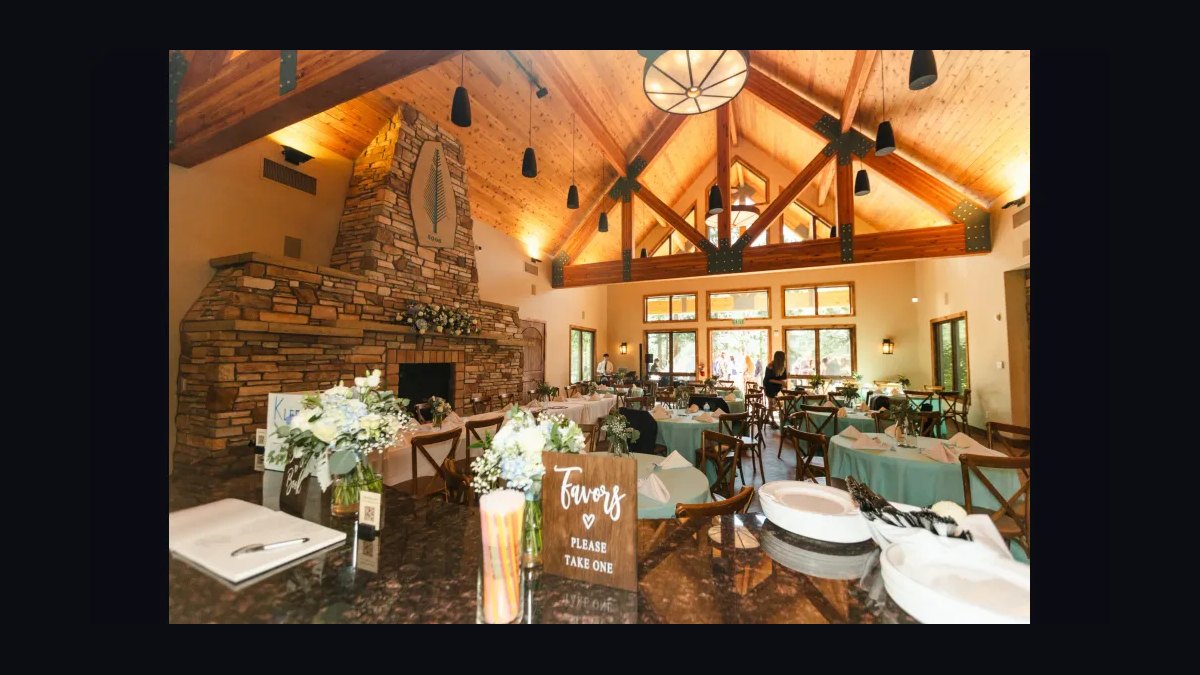
Step 6: Visit. For a reunion, at least one committee member should walk the property. Check parking, restroom count, accessibility, kitchen access, noise rules, and whether the room has air conditioning if you are booking summer. Virtual tours work for destination venues but confirm the room dimensions and the actual table count.

Step 7: Compare contracts. Read the cancellation clause, the force majeure clause, the final headcount deadline, and the service charge and tax line. A venue quoting $4,000 that adds 22% service charge and 8% tax is really $5,200. Compare totals, not headline rates.
Step 8: Negotiate the hold. Ask for a 7–14 day courtesy hold on the date while the committee votes. Ask whether the deposit is refundable and whether the date can be moved once without penalty. Many venues will allow one free date change if asked before signing.
Step 9: Sign and pay. Deposits commonly run 25–50% of the estimated total, with the balance due 30–90 days before the event. Pay by check or card depending on what the contract allows, and get a signed copy back.
Step 10: Confirm to the family within two weeks. The moment the contract is signed, the date is real. Send a save-the-date with the city, the date, and a hotel block if you have one. Relatives plan flights and vacation time around this, and the earlier they know, the more of them show up.
Step 11: Track the payment schedule. Put the final headcount deadline and the final payment date on the committee calendar with reminders 30 days out. Missing a final headcount deadline usually means paying for the original estimate whether or not those people come.
Costs, timelines, and typical ranges
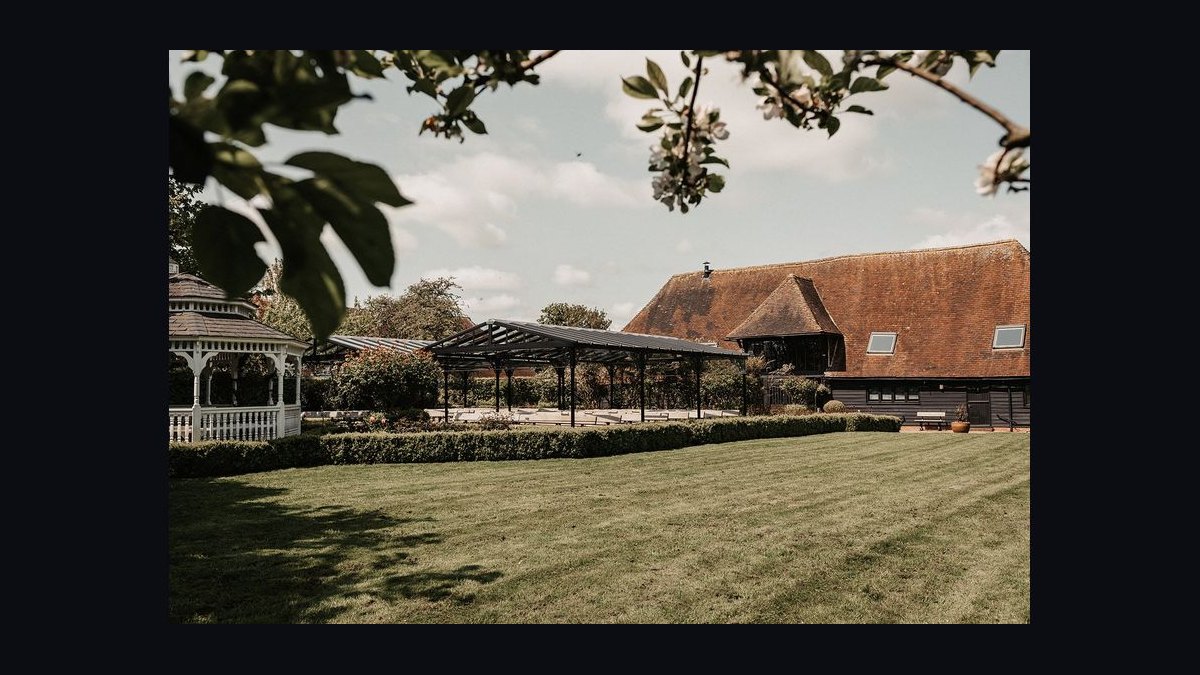
Venue costs for a family reunion vary enormously by type, but the ranges below are realistic for a 2027 booking in the United States. Treat them as planning bands, not quotes — always get a written estimate.
Park pavilion or community center: $150–$600 for a half day, $300–$1,200 for a full day. These are the cheapest options and the ones that book earliest for summer weekends because they are also used for birthday parties, church picnics, and youth sports. Reserve 9–12 months out for a Saturday in June, July, or August.
Banquet hall or event center: $1,500–$6,000 for the room, often with a food and beverage minimum of $3,000–$15,000 on top. Peak Saturdays in summer carry the highest minimums. Book 12–18 months out. These venues typically handle 80–250 guests and include tables, chairs, linens, and staff.
Hotel meeting space or ballroom: often "free" with a room block, but the block commitment is the real cost — 20–50 room nights at $120–$250 per night. If the family fills the block, this is excellent value. If it does not, the family pays attrition fees. Negotiate the block and the meeting space together, and book 12–24 months out for summer weekends.
Resort or destination property: $5,000–$25,000+ for a buyout or large event package, plus lodging. These properties sell summer weekends 18–24 months ahead and often require a two- or three-night minimum stay for the group.

Rented house or VRBO-style property: $500–$2,000 per night for a large property sleeping 20–40. These are not designed for 100-person events and often prohibit them, so read the listing rules before assuming a house can host the reunion. Book 6–12 months out for a full week in summer.
Campground or group camp: $200–$1,500 per night depending on cabins versus tent sites. Group camps at state parks are the best-kept secret for reunions and often book 12 months out to the day reservations open.
Timeline bands by scenario:
- Off-peak weekend (April, early May, September, October), under 75 people, local: book 6–9 months out.
- Peak summer weekend, 75–150 people, local: book 12–15 months out.
- Peak summer weekend, 150+ people, or any destination: book 18–24 months out.
- Holiday weekend (Memorial Day, July 4, Labor Day) in any year: book 18–24 months out, and expect premium pricing.
- Weekday or off-season event: 4–6 months out is often enough.
Two cost traps deserve naming. First, the service charge and tax stack: a 20–24% service charge plus 7–10% tax adds roughly 30% to the food and beverage line, and it is not negotiable. Second, the minimum spend: a venue that waives the room fee but requires $10,000 in catering means the room is not free, it is a $10,000 commitment. Budget the true total, then add 10% for the things nobody planned for — extra ice, a rental speaker, a last-minute headcount bump.
Where teams get it wrong

The most common mistake is treating the venue as the first decision instead of the fourth. Families call venues before they have agreed on a date, a city, and a budget, then discover the venue they loved is in the wrong state for half the relatives. Fix the city and the month first; the venue search is downstream.
The second mistake is booking for the headcount you hope for rather than the headcount you have. A reunion that "might be 120" and turns out to be 70 leaves the family paying a minimum spend for empty seats. Book for a realistic number, and ask the venue what the cost is to add tables later — most will accommodate growth more easily than shrinkage.
The third is ignoring the cancellation clause. Life happens: a hurricane, a health emergency, a venue that closes. A contract with no cancellation flexibility and a non-refundable 50% deposit is a $3,000+ risk. Push for a clause that allows one date change without penalty and a partial refund if cancelled more than 90 days out.
The fourth is underestimating how slowly families decide. A committee of four can agree in a week. A family of 60 spread across five states takes months to answer a survey. Build that lag into the plan. If the reunion is in July 2027, the family survey should go out in early 2026, not late 2026.
The fifth is forgetting the deposit money. Someone has to front $1,000–$5,000 months before anyone else pays. Decide up front whether the committee fronts it and collects later, or whether the family pays a per-household deposit before the venue is booked. Reunions that skip this step stall at the contract stage.

The sixth is booking a venue that cannot handle the actual event. A beautiful barn with one restroom cannot host 150 people. A park pavilion with no kitchen cannot support a catered dinner. A hotel ballroom with a hard 11 p.m. noise curfew cannot host the dance the family expects. Match the venue to the event you are actually throwing, not the one in the photos.
The seventh is failing to confirm the date to the family fast. A signed contract that sits in a committee member's inbox for three weeks costs attendance. The save-the-date should go out within 14 days of signing.
Decision framework: when to choose what
Use the two diagrams and the rules below to convert your reunion's specifics into a booking window. The framework has three inputs: group size, season, and whether the event is local or destination. Each input pushes the window earlier or later.
Rules of thumb that fall out of the framework:
If the reunion is local and under 50 people, you have flexibility. Six to nine months is comfortable, and you can often find something good at four months if you are not picky about the exact weekend.
If the reunion is local and 50–150 people in peak season, book 12–15 months out. This is the most common scenario and the one where families most often get burned by waiting until the spring of the event year.

If the reunion is a destination, add 3–6 months to whatever the size and season suggest. Destination venues have fewer large-group options and are competing with the travel market, not just the local event market.
If the reunion is anchored to a holiday weekend, treat it as peak season plus 3 months. Holiday weekends are the first dates to sell out and the last to discount.
If the family is spread across time zones and the date is not yet locked, start the venue search anyway with a 2–3 week courtesy hold strategy. You can hold a date while the family votes, then release it if the vote fails. Most venues will grant one hold per group.
If the budget is tight, prioritize park pavilions, group camps, and community centers, and book them the moment reservations open — often 12 months to the day for state and county facilities. These are the venues where a one-week delay genuinely costs you the date.
Related questions
What is the best month to hold a family reunion in 2027?
June and early September balance weather, travel cost, and venue availability. July and August are peak and priciest. Late September and early October are underrated: cooler, cheaper, and easier to book on 6–9 months of notice.
How much deposit is normal for a reunion venue?
Expect 25–50% of the estimated total at signing, with the balance due 30–90 days before the event. Park and county facilities often require the full fee up front. Get the payment schedule in writing before you sign.
Can we book a venue before we know the final headcount?
Yes, and you should. Book on a realistic estimate, then confirm the contract's deadline for the final headcount — usually 7–14 days before the event. Ask what it costs to add tables after signing.
What if the venue cancels on us?
Read the force majeure and cancellation clauses before signing. A good contract requires the venue to offer a comparable date or refund the deposit if it cancels. Keep a backup venue on your shortlist until 60 days out.
Is it cheaper to book a venue a year ahead?
Often yes. Many venues honor the rate card from the year you sign, so booking in 2025 or 2026 for a 2027 date locks in older pricing. Ask explicitly whether the quoted rate is guaranteed against future increases.
FAQ
How far in advance should you book a venue for a family reunion in 2027? Book 12–18 months ahead for peak-season weekends, 9–12 months for off-peak dates, and 18–24 months for large groups, destination locations, or holiday weekends. Start scouting 6 months before you intend to sign so the family has time to agree on a date and budget.
Does the 2027 calendar make booking harder?

Yes. July 4, 2027 falls on a Sunday, creating a four-day holiday weekend, and Memorial Day and Labor Day 2027 also anchor three-day weekends. Those dates sell out first and carry premium pricing. If your reunion targets one of them, treat it as a 24-month booking.
How many venues should we contact? Shortlist 8–12 and contact them in the same week so you can compare quotes directly. Expect half to be unavailable or over budget. Having a deep shortlist means losing two or three options does not restart your search.
What size group changes the timeline? Under 50 people, 6–9 months is usually enough for a local, off-peak event. Over 150 people, or any destination event, pushes you to 18–24 months. Every doubling of group size adds roughly 3 months to the ideal lead time because large-group venues are scarce.
What should we do first, before calling venues? Agree on a city, a target month, and a rough per-household budget. Survey the family to confirm all three. Calling venues before those decisions are made wastes everyone's time and often leads to booking the wrong location.
How do we protect the deposit? Negotiate a cancellation clause that allows one free date change and a partial refund if you cancel more than 90 days out. Pay by a method the contract allows and keep a signed copy. Never pay a deposit on a verbal agreement.
Sources
- National Park Service — Group Camping and Picnic Reservations
- USA.gov — State and Local Parks
- U.S. Travel Association — Travel Forecasts and Seasonality
- American Hotel & Lodging Association — Group Business and Meeting Space
- IRS — Tax Rules for Nonprofit and Social Club Events
- Ready.gov — Planning for Large Gatherings and Events
- CDC — Hosting Gatherings and Events Safely
- National Recreation and Park Association — Facility Reservation Practices
Related on PULSE
- How to build a reunion budget that the whole family will approve
- Choosing between a hotel block and a rented house for a large family event
- Save-the-date timing: when to tell relatives about a 2027 reunion
- Negotiating venue contracts: deposits, attrition, and cancellation clauses
- Destination vs. hometown reunions: the real cost comparison
- Managing a reunion committee without burning out the organizers
This page will be disappearing soon. Save it to your device for $1 — or read it free while it is here.
@Kory-White- · if Venmo asks, the last 4 of my number are 2012
This page is gone.
This one is off the shelf now. $1 keeps it on your phone for good — the whole page, pictures and diagrams included.
 pulse-gatheringsThe 10 Best Mexico All-Inclusive Wedding Resorts in 2027
 pulse-gatheringsThe 10 Best Lake Tahoe Wedding Venues in 2027
 pulse-recentThe 10 Best Family Reunion Venues Under $3,000 in 2027
 pulse-recentHow many people attend the average family reunion in 2027?
 pulse-recentWhat are the concrete steps to planning a family reunion in 2027?
 pulse-gatheringsThe 10 Best Santa Barbara Wedding Venues in 2027
 pulse-recentWhat is the most common mistake when planning a multi-generational family reunion itinerary, and how do you avoid it in 2027?
 pulse-recentWhat are the concrete steps to planning a wedding venue site visit in 2027?
 pulse-recentHow do you track RSVPs and dietary restrictions for a family reunion with over 100 people in 2027?
 pulse-gatheringsThe 10 Best Phoenix Wedding Venues in 2027