


How do you build the GTM playbook for a dance and performing arts studio in 2027?
Quality
Certified
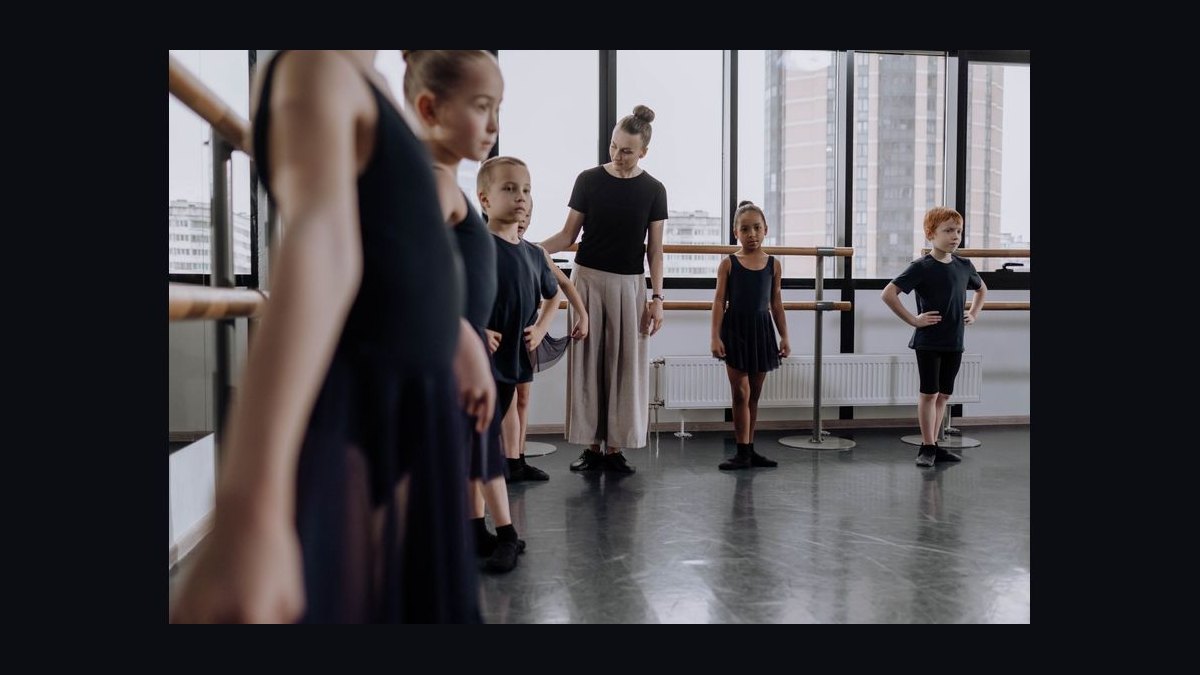
Build the GTM playbook for a dance and performing arts studio in 2027 around recurring September-to-June tuition, a competition-team premium tier, and one high-revenue June recital. Win locally with a top-three Google map pack, a parent-referral flywheel, and short-form dance video, targeting 82%+ annual retention and 4.7-star reviews.
The revenue problem being solved
The core revenue problem for a dance and performing arts studio is that most independent operators run a healthy top line — roughly $480K to $1.8M in annual unit volume — while leaving margin and lifetime value on the floor because they treat the business as one undifferentiated recreation-class product. A studio that only sells weekly ballet, jazz, tap, hip-hop, lyrical, contemporary, acro, and musical-theater classes caps lifetime value at about $1,200 to $2,200 per student, because recreation families pay $120 to $280 per month and churn out around ages 11 to 14 when other activities compete.
The performing arts studio that solves the revenue problem builds three stacked layers instead of one. Recreation tuition is the volume foundation, at roughly 52% of revenue. A competition-team tier priced at $280 to $580 per month plus $1,200 to $4,800 in annual competition fees lifts serious families to 2.4x the lifetime value of recreation students and keeps them enrolled 8 to 15 years. Then the annual June recital converts the whole roster into a single event that generates 32% to 48% of total revenue in a four-to-eight-week window through costumes ($60 to $140 per costume), recital fees ($45 to $95), tickets ($14 to $28 across 4 to 12 seats per family), and photography and video packages ($120 to $340).
The deeper problem is that these revenue layers are invisible in a thin acquisition motion. Because 38% to 58% of new enrollments come from parent-to-parent word of mouth — the highest referral share of any local-service category — a studio that under-invests in retention, review velocity, and recital production quality starves its own top-of-funnel. Poor teacher pedagogy alone drives 22% to 38% annual student loss, and a disorganized recital erodes the grandparent-and-extended-family visibility that recruits the next cohort. The GTM job is to align pricing tiers, the referral flywheel, and the event calendar so each layer feeds the next instead of competing for the same parent's attention and wallet.
Where the revenue leaks — a root-cause map
Mapping why a studio underperforms its potential almost always traces back to one of five failure modes, and each maps to a specific revenue leak rather than a vague "marketing problem." A cheap or improperly installed sprung floor — installation runs $25K to $85K per studio room and is non-negotiable — produces injuries and a reputation hit that no ad spend recovers. Weak teacher quality erodes the parent's perception of progress, which is the single strongest retention lever in enrichment. No competition-team program means the studio's ceiling stays at recreation-tier lifetime value. A poor recital wastes the biggest brand event of the year. And summer attrition, if unmanaged, leaves eight-to-ten weeks of the calendar unmonetized while families drift to camps and travel.

Reading the map from left to right shows why the fixes compound. The retention leak and the lifetime-value ceiling are upstream of the event leak: a studio cannot fill 1,800 to 3,400 recital seats if it lost a third of its roster to weak teaching by March. The build sequence that closes these leaks is therefore ordered — sprung floors and teacher quality first, competition team and summer programming second, recital production and the referral engine third — because each earlier fix protects the revenue the later layers depend on.
Benchmarks and ranges to build against
Concrete targets keep the playbook honest. On the balance sheet, launching a dance and performing arts studio in 2027 costs $180K to $680K all-in: build-out at $80 to $180 per square foot across 3,500 to 12,000 square feet, sprung floors and mirrors and barres at $40K to $140K, equipment and sound and video at $40K to $120K, and a working-capital reserve of $40K to $140K for the first six-to-nine months before enrollment stabilizes. Acquiring an existing studio from a retiring owner typically runs $40K to $200K cheaper than a ground-up build because the student base and facility already exist.

On the P&L, labor is the dominant line at 38% to 52% of revenue — dance teachers at $25 to $55 per hour, competition coaches at $45 to $95 per hour, plus the owner-teacher's own salary — with rent at 12% to 18% and net margin landing at 14% to 32% at well-run operations. Gross margin sits at 58% to 72%. The operating benchmarks that predict where a studio falls in those ranges: 240 to 1,200 active enrolled students, $1,200 to $4,400 revenue per recreation student per year (rising to $4,200 to $8,400 for competition-team families), annual retention above 82%, competition team at 22% to 44% of revenue, and 4.7-plus stars on 80-plus Google reviews.
The channel-mix benchmark is the fastest diagnostic. A representative studio splits revenue roughly 52% recreation tuition, 32% competition team, 12% recital and costumes (though that recital spend is concentrated into one four-to-eight-week event, so it dominates cash flow far more than 12% suggests), 3% summer intensives, and 1% retail dancewear — most families buy shoes, leotards, and tights through Discount Dance, Capezio, or Bloch, so studio retail attach stays at 10% to 22%. Acquisition benchmarks anchor the marketing plan: the top-three Google map pack drives 28% to 44% of new-student inquiries, parent and friend referrals drive 38% to 58%, and studios with strong Instagram and TikTok content credit 22% to 44% of inquiries to short-form video, with top studio accounts holding 20K to 280K followers.
For first-year planning, aim for 140 to 480 active students by month 12, 75%-plus recital participation, 78%-plus annual retention, and 18 to 65 competition-team students by year one or two. Category-wide, the 2027 U.S. dance and performing arts studio market is roughly $3.8B at 5% to 9% CAGR, so a studio's own growth rate should be benchmarked against — and ideally above — that band.
Trade-offs and alternatives
Every lever in this playbook carries a trade-off, and the operator's job is to choose deliberately rather than default. The competition-team decision is the biggest. Adding a competition program lifts revenue mix to the 32%-to-44% band and multiplies lifetime value, but it demands a dedicated choreographer, competition-coach payroll, costume and travel budgets, and 6 to 12 hours of weekly training per athlete versus 1 to 3 for recreation. A studio without the leadership depth or the metro population to sustain a team may earn better returns by staying recreation-focused and investing that capital in more recreation classrooms and superior scheduling. The alternative to a full competition team is a lighter "performance company" or "mini-comp" tier — one or two conventions a year — that captures some premium pricing without the full travel-and-coaching overhead.
Pricing carries a second trade-off. Talent scholarships of $0 to $2,400 per year build competition-team depth and recruit standout dancers who become the studio's social-proof and viral-content engine, but every scholarship dollar is discounted tuition, so over-scholarshipping hollows out the premium tier it was meant to strengthen. The alternative is a smaller number of merit scholarships paired with sibling or multi-class discounts that raise per-family revenue instead of lowering it.
The build-versus-buy question is a real fork. A ground-up build lets the operator specify sprung-floor quality, studio count, and layout, but costs more and delays first revenue nine-plus months. Acquiring a retiring owner's studio is cheaper and comes with an enrolled base and reviews, at the cost of inheriting that studio's reputation, floor condition, and teacher relationships — some of which may be the very failure modes above. For most first-time operators in an established metro, acquisition de-risks the launch; for operators entering an under-served suburb, building captures the open market.

Finally, the recital-scale trade-off. Renting a professional theater with real sound, lighting, and staffing produces the brand event that drives referrals and family visibility, but venue and production costs eat into the event's margin. A cheaper school-auditorium recital preserves cash but risks the disorganized, poorly-lit experience that damages parent, family, and grandparent perception. The defensible middle path is a mid-tier professional venue with invested lighting and photography, funded partly by recital fees and program-ad sales so production quality scales with participation rather than draining operating cash.
The rollout plan
Sequencing the launch matters more than any single tactic, because the academic-year cycle only opens one high-conversion enrollment window per year — roughly July through September for a September start. Miss it and the studio waits twelve months for the next peak. The plan below front-loads the physical build and teacher recruitment so the marketing push lands exactly when parents are shopping for fall activities.
Concretely: months one to three cover the lease and build-out, with sprung floors, mirrors, barres, and sound systems as the major line items. Months four to six recruit 8 to 22 part-time teachers plus one to three competition coaches, and finalize the class schedule across Pre-K, elementary, tween, teen, and adult age bands. Months seven and eight open enrollment through paid social targeting parents of 3-to-14-year-olds, Google ads, and open-house events — free trial classes, meet-the-teachers, and facility tours convert 35% to 58% of attendees. Month nine begins classes on the September academic-year timing, targeting 120 to 340 first-month enrollments.

From there the rollout becomes a repeating annual cadence. Daily work is scheduling, attendance, parent communication, and progress notes. Weekly work is content posting, paid-media optimization, and competition-team training. Monthly work is P&L review, retention analytics, and recital planning. The annual spine is the fall enrollment campaign (July–September peak), competition season (typically January–June with regional and national events), the June recital production, and summer intensives at $380 to $1,200 per week plus camps at $240 to $680 per week to offset the summer attrition that otherwise unmonetizes the calendar. Studio-management software — Jackrabbit Dance, DanceStudio-Pro, Akada, or The Studio Director — runs billing, recital, costume, and competition logistics so the owner-operator can stay on the floor teaching 12 to 18 classes a week while the flywheel turns.
Related questions
How much of a dance studio's revenue should the competition team drive?
At studios that run competition programs, the team should account for 22% to 44% of revenue. Below that band the premium tier is under-scaled; above it, the studio may be under-serving the recreation volume that feeds future team recruits and keeps the referral flywheel wide.
Why is the June recital treated as a GTM event, not just a performance?
Because it concentrates 32% to 48% of annual revenue into four to eight weeks and puts 1,800 to 3,400 family members — including grandparents and siblings — in seats. That audience is the studio's single largest recruiting surface, so production quality is a direct acquisition investment, not an artistic afterthought.
What retention rate signals a healthy studio?

Above 82% year-over-year in normal conditions, falling to 72% to 82% in recessions as families downshift from competition team to recreation or from three classes a week to one. Competition-team commitment and recital preparation give dance stronger retention than most enrichment categories.
Is it cheaper to build or buy a dance studio in 2027?
Acquiring a retiring owner's studio typically runs $40K to $200K cheaper than a ground-up build because the enrolled base, facility, and reviews already exist. Building costs more and delays revenue nine-plus months, but lets you specify floor quality and capture an under-served market cleanly.
FAQ
How much capital do I need to launch a dance studio in 2027? Plan for $180K to $680K all-in. Build-out and sprung floors are the largest share at $180K to $540K — sprung floors alone run $25K to $85K per studio room across three to eight rooms — plus $40K to $120K for equipment, mirrors, barres, and sound, and a $40K to $140K working-capital reserve for the first six-to-nine months. Acquiring an existing studio can cut $40K to $200K off that.
Is a competition team worth the investment? Usually yes, if you have the leadership depth and metro population to sustain one. Competition programs drive 32% to 44% of revenue at studios that run them and lift family lifetime value to 2.4x recreation students. The cost is a dedicated choreographer, coach payroll, costume and travel budgets, and 6 to 12 weekly training hours per athlete versus 1 to 3 for recreation.

How important is the annual recital? It is the single biggest brand and revenue event, driving 32% to 48% of total revenue through recital fees, costumes, tickets, and photography inside a four-to-eight-week cycle. Beyond cash, it seats grandparents, siblings, and extended family — the audience that generates the next season's referrals — so production quality is a direct GTM investment.
Are dance studios recession-resistant? Moderately. Parents tend to protect kids' dance classes, but in downturns families downshift from competition team to recreation or from three classes a week to one. Year-over-year retention typically holds at 72% to 82% in recessions versus 82% to 90% in normal years, so the recreation foundation matters as a recession buffer.
How do TikTok and Instagram affect the studio business? They are a genuine acquisition channel. Content-savvy studios credit 22% to 44% of new-student inquiries to short-form dance video — trend routines, student-progress reels, and competition highlights — with top accounts holding 20K to 280K followers. Annual social and content investment ranges from about $20K to $120K depending on studio size and ambition.
What is the exit market for a dance studio? Most exits are owner-retirement sales to another studio owner at 2x to 4x seller's discretionary earnings, with multi-location regional chains trading at 4x to 7x EBITDA. Private-equity rollup activity stays limited because the category is owner-personality-driven, so valuations typically land in the $300K to $3.4M range, higher for multi-site brands.
Sources
- https://www.ibisworld.com/united-states/market-research-reports/dance-studios-industry/
- https://www.danceteacher.com/
- https://www.dancemagazine.com/
- https://www.thestudiodirector.com/
- https://www.jackrabbitclass.com/dance/
- https://www.capezio.com/
- https://www.statista.com/markets/
- https://www.mckinsey.com/industries/education/our-insights
Related on PULSE
- GTM Playbook for Martial Arts Schools in 2027
- GTM Playbook for Dance Schools (Adult) in 2027
- GTM Playbook for Dance Studios in 2027
- How do you build the GTM playbook for a tattoo studio in 2027?
- How do you build the GTM playbook for a music school and lesson studio in 2027?
- Wedding Photography GTM Playbook 2027 — The Knot, Venue Preferred-Vendor BD, and the 59K Studio Model
This page will be disappearing soon. Save it to your device for $1 — or read it free while it is here.
@Kory-White- · if Venmo asks, the last 4 of my number are 2012
This page is gone.
This one is off the shelf now. $1 keeps it on your phone for good — the whole page, pictures and diagrams included.
 gtm-playbookGTM Playbook for Dance Studios in 2027
 gtm-playbookWhat is the go-to-market playbook for launching an AI product in 2027?
 gtm-playbookGTM Playbook for Title Insurance Companies in 2027
 gtm-playbookGTM Playbook for FinTech — The Complete Operator Guide in 2027
 gtm-playbookWhat do top-performing SDR teams do differently in their outreach sequencing in 2027?
 gtm-playbookGTM Playbook for Concrete Contractors in 2027
 gtm-playbookHow do you build a compliance training platform go-to-market motion in 2027?
 gtm-playbookFractional CRO Services GTM Playbook 2027 — MEDDPICC + Agentforce + AI-Augmented Sales and the 8M Pavilion Operator Path
 pulse-recentWhat go-to-market playbook works best for Cleaning & Facilities in 2027?
 gtm-playbookGTM Playbook for Property Management Companies in 2027