


GTM Playbook for Home Inspectors in 2027
Quality
Certified

A 2027 home inspection GTM playbook runs on agent-referred volume as the primary channel, a base fee anchored to local market median rather than square footage, and a disciplined ancillary attach rate. Growth stages differ sharply: solo operators sell relationships, two-truck shops sell capacity, and multi-inspector firms sell coverage and consistency.
What changes by company stage
The mistake most inspection owners make is running the same go-to-market motion at 60 inspections a year that they run at 600. The channels do not scale linearly, and neither does the thing you're actually selling.
Stage 1 — Solo owner-operator (roughly 0-300 inspections/year). You are the product. Every referral is a bet on *you* specifically: your report turnaround, your phone manner at the walkthrough, whether you scared a first-time buyer out of a deal. Your entire GTM surface is a personal book of producing real estate agents plus a Google Business Profile. Marketing spend should be near zero because your capacity ceiling arrives before your demand ceiling does. The binding constraint is hours, not leads.

Stage 2 — Owner plus one or two inspectors (roughly 300-800 inspections/year). The product shifts from *you* to *your company's reliability*. This is the hardest transition and where most shops stall. Agents who referred because they trusted your eyes now have to accept a stranger showing up. Two things carry you across: a report template that looks identical no matter who wrote it, and a scheduling system that never double-books or bounces a Friday closing. GTM spend appears here for the first time — paid search or local services ads exist to fill the second truck's calendar on the days agent referrals don't, because an idle W-2 inspector burns roughly $250-$350 a day in fixed cost.
Stage 3 — Multi-inspector regional firm (800+ inspections/year). Now you're selling *coverage*. Brokerages and relocation companies care whether you can absorb a 40-mile radius with next-day availability. Individual agent relationships still matter but the unit of sale becomes the office, the preferred-vendor list, the property management portfolio, the builder account. A dedicated non-inspecting salesperson starts to pay for itself somewhere in this band, because the owner's time is worth more running dispatch and quality than driving to lunches.
The upstream effect that most owners miss: the real estate transaction cycle itself gates everything. Inspection demand is derivative of purchase-contract volume, so a metro where closings drop 20% drops your addressable market 20% regardless of how good your playbook is. Stage 1 operators can absorb that by taking market share from weaker inspectors. Stage 3 operators cannot — their fixed cost base means a soft market forces layoffs or a pivot into non-transactional work like maintenance inspections, insurance-driven four-point and wind-mitigation inspections in coastal states, and commercial property condition assessments.
Stage-by-stage playbook

Solo stage — build the book, cap the concentration. The acquisition motion is the in-office agent presentation. Most state real estate commissions accept a short inspector-led class for continuing-education credit, which is the only reliable way to get 10-15 agents in a room who have to sit through your pitch. Cater it cheaply, teach something genuinely useful (what a walkthrough misses, how to read a report without panicking a client), and follow up individually within 48 hours. Two offices a month is a sustainable cadence for a working inspector; four a month is realistic only in the January-February pre-spring window when your inspection calendar is thin anyway.

Set a hard rule at this stage: no single agent or brokerage exceeds roughly 20% of revenue. Concentration feels like success right up until that agent retires, changes brokerages, or gets a kickback-adjacent relationship with a competitor. Replacing a top producer takes two quarters. Replacing 40% of your revenue takes a year you may not have.
Two-truck stage — systematize before you hire, not after. Configure your scheduling and report software as the system of record *before* inspector #2 starts, not in the panic of their first week. The specific things that break: agreement signing (who sends it, when), payment collection (card-on-file at booking versus at the door), report templates diverging between inspectors, and ancillary services being offered inconsistently so one inspector attaches radon 70% of the time and the other 20%.
Hire when you've sustained near-capacity volume for two consecutive years, not one. One good year is a market cycle; two is a trend. The wrong hire at this stage is expensive in a way that's not obvious — a weak inspector doesn't just cost salary, they burn the agent relationships you spent three years building, and those don't come back with an apology.
Multi-inspector stage — sell the office, not the individual. The motion changes to structured account management: quarterly business reviews with brokerage managing brokers, preferred-vendor placement, co-branded buyer education materials, and volume-based service commitments (guaranteed next-day availability, guaranteed same-day report delivery). You're competing against franchise networks here, and franchises win on perceived consistency, not price. Beat them by being demonstrably faster and by having a named human the office manager can text.
Numbers that matter at each stage

Different metrics bind at different stages. Tracking all of them all the time is how owners end up with a dashboard nobody reads.
Solo stage — the two numbers are utilization and attach rate. A full-time owner-operator realistically performs six to seven inspections a week at 50 working weeks, which puts the practical ceiling somewhere around 300-340 paid inspections a year before report quality degrades. A standard single-family inspection runs roughly two and a half to three and a half hours on site plus one to two hours of report writing, which is what actually caps the day at two or three jobs, not driving time.
Attach rate is the highest-leverage number you control. Base inspections carry meaningful margin but the truck roll is already paid, so an ancillary service performed on the same visit is close to incremental margin after lab or consumable costs. Common add-ons — radon testing, sewer scope, thermal scan, mold air sampling, termite/WDI letters, pool inspections — each add a defensible line item. Getting attach from 30% to 70% of orders moves gross revenue by a double-digit percentage on identical volume and identical driving. That is the single cheapest growth lever in the business, and it requires no marketing spend at all.
Present ancillaries as individually recommended items with plain risk language tied to the specific house ("this home predates modern radon-resistant construction," "cast iron waste line of this age warrants a scope") rather than as named Gold/Silver/Bronze bundles. Bundles invite line-item shopping and train clients to negotiate. Risk-framed single recommendations are a yes/no decision the buyer's agent will usually endorse.

Two-truck stage — the number is inspector utilization and cost per idle day. Once you're carrying salary, benefits, a truck, fuel, and insurance for someone else, your per-inspector fixed cost runs meaningfully into the hundreds of dollars per working day. Track days-below-two-inspections per inspector per month. That single number tells you whether you need more demand generation or you hired too early. Pay attention to the seasonal shape too: the December-February trough is real in most markets, and it's the reason non-transactional work (property management turnover inspections, builder warranty inspections, annual maintenance inspections) matters more than its revenue share suggests — it smooths the trough that otherwise forces you to lay someone off in January and rehire in March.
Compensation reality. Experienced inspectors expect a base plus per-inspection commission above a daily threshold, a truck or vehicle allowance, and a health contribution. Undermarket pay at this stage is a false economy: franchise networks in growth markets actively recruit, and the replacement cost of an inspector who leaves with agent relationships is far higher than the delta you saved.

Multi-inspector stage — the numbers are revenue concentration, claim frequency, and CAC by channel. Concentration you already know. Claim frequency matters because errors-and-omissions premiums are experience-rated; a cluster of claims in a short window can multiply your premium or make you hard to insure, and the mitigations are unglamorous — heavy photo documentation, explicit scope-of-work language in the agreement, same-day delivery so nobody can claim they closed without the report. Inspectors early in their careers carry materially higher claim rates than experienced ones, which is a real argument for the ride-along period rather than a nicety.
CAC by channel is where multi-inspector shops find waste. An agent referral costs you a quarterly lunch and the report quality you already deliver. A paid local-services lead costs real dollars per qualified call and converts at a rate you have to measure, not assume. Both belong in the mix; the error is letting paid spend quietly become the primary channel because it's easier than the relationship work.
Pricing cadence across all stages. Raise base pricing on an annual calendar date rather than reactively. Most independent inspectors run years behind the market because raising prices feels like risking the agent relationship — in practice, a modest annual increase communicated proactively to your agent book in January is almost never the reason an agent stops referring. Underpricing at launch is the harder trap: if you open well below market to build volume, agents anchor there permanently and you spend years climbing back.
Decision framework

The recurring decision in this business is not "should I market more" — it's "which constraint am I actually hitting." Getting that wrong produces the classic failure pattern: an owner buys leads to fix a problem that was really a capacity problem, or hires a second inspector to fix a problem that was really a pricing problem.
Work it in this order. First ask whether you're turning down or delaying work. If you are, you don't have a demand problem — you have a capacity or pricing problem, and raising price is the faster, cheaper test. If you're not turning down work, ask whether your calendar gaps are seasonal or structural. Seasonal gaps get solved with non-transactional revenue: maintenance inspections sold to past clients, property manager turnover contracts, builder pre-drywall and warranty work, all of which are invoice-billed and indifferent to the purchase-contract cycle. Structural gaps — you're just not top-of-mind — get solved with agent relationship work first and paid search second, in that order, because the payback profile is completely different.
The adjacent-industry read is worth borrowing here. Home inspection shares its GTM physics with other referral-gated home services — appraisal, surveying, radon mitigation, sewer repair, structural engineering letters — where the buyer is not the person who chooses you. In all of them the same three rules hold: the referrer's reputation is on the line with every job, so reliability beats price; concentration in a single referral source is the primary business risk; and the highest-margin revenue is the second service performed on a trip you were already making. If you understand that pattern, the downstream expansion paths become obvious. An inspection shop that has already earned agent trust is unusually well positioned to add radon mitigation referral partnerships, sewer scope-to-repair handoffs, or a separate commercial property condition assessment line — not because those are adjacent skills, but because they're adjacent *trust*.
Related questions
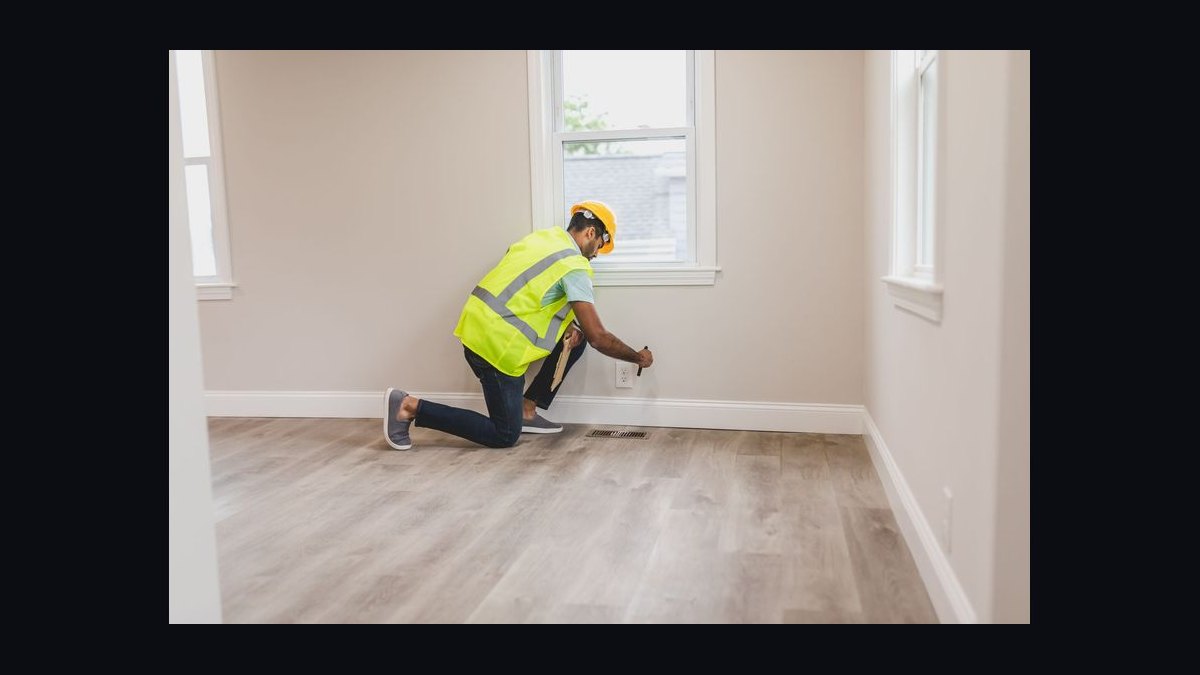
When should a solo home inspector hire their first employee?
After sustaining near-capacity volume for two consecutive years, not one. One strong year reflects the market cycle. Hire before you're chronically declining work, so the new inspector has calendar to grow into — but not so early that you're subsidizing an idle truck through a winter trough.
How much of a home inspector's revenue should come from paid ads?
Treat paid search as the fill channel, not the primary one. Agent referrals should carry the majority of volume because their acquisition cost is effectively relationship time you already spend. Paid leads exist to keep a second or third inspector's calendar full on days referrals don't cover.
What is the highest-margin growth lever for an existing inspection business?
Ancillary attach rate on inspections you're already driving to. Moving attach from roughly a third of orders to two-thirds adds substantial revenue with zero additional marketing spend, zero additional driving, and only marginal lab or consumable cost.
Do franchise inspection networks actually outperform independents?
They typically win on consistency and brand recognition with relocation and corporate accounts, not on unit margin — franchisees pay royalties independents don't. An independent that matches franchise cadence on agent outreach and report turnaround competes on equal footing at better margin.
How do inspectors survive a slow real estate market?
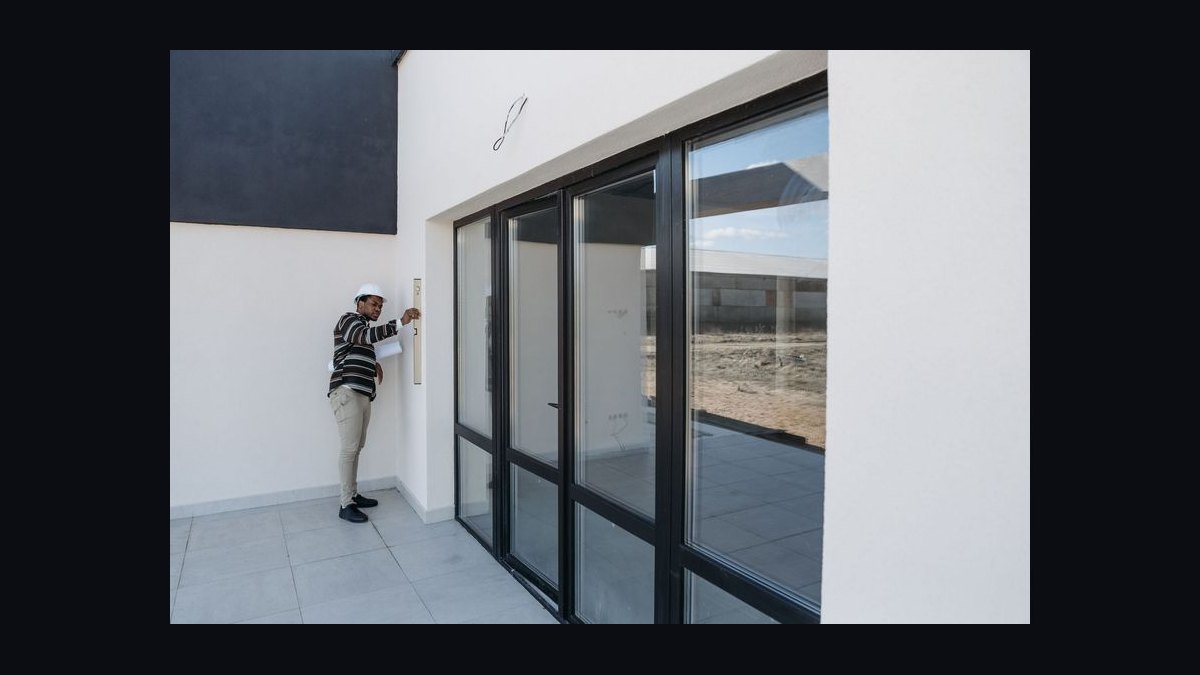
By building non-transactional revenue before they need it: annual maintenance inspections sold to past clients, property management turnover inspections, builder warranty inspections, and in some states insurance-driven inspections. These are invoice-billed and largely independent of purchase-contract volume.
FAQ
Why are agent referrals so dominant in home inspection?
Because the buyer is a one-time customer with no basis for choosing among inspectors, and their agent is a repeat participant who has strong incentives to recommend someone reliable. The agent absorbs reputational risk if the inspection goes badly, which is exactly why they refer conservatively and why displacing an incumbent inspector takes sustained effort rather than a lower price.
Should I publish my prices on my website?
Publish a tiered range by home size so an agent can quote a ballpark without calling you, but book at the actual quoted price. A flat per-square-foot rate published publicly invites direct comparison shopping and strips your ability to price for risk factors like age, crawlspace access, or outbuildings.
What's the most common reason inspection businesses fail?

Revenue concentration. When a single agent or brokerage represents a large share of volume, one departure — a retirement, a brokerage change, a competing relationship — can remove a third of revenue in a quarter. The second most common is launching at a deep discount and never being able to raise prices because referring agents anchored on the low number.
Is errors-and-omissions insurance genuinely necessary for a solo operator?
Yes, and in a growing number of states it's a licensing requirement with a specified minimum. Beyond compliance, claim defense costs are significant even when the claim has no merit, and many brokerage preferred-vendor lists require proof of coverage plus referring-party indemnification before they'll add you.
How do I win a builder or property management account?
Lead with scheduling reliability and invoicing terms, not price. These buyers care about predictable turnaround and net terms far more than per-inspection cost. Start with a small pilot — one subdivision phase, one property portfolio — deliver flawlessly on turnaround, then expand. Expect a longer sales cycle than agent referrals, often two to three months.
Does report software choice actually affect referrals?
More than owners expect. Agents forward reports to clients, and a report that loads slowly, renders badly on a phone, or buries the summary generates friction the agent associates with you. Modern report formats with a clear summary section, embedded photos, and mobile-first layout measurably reduce the "can you explain this?" calls agents field.
Sources
- https://www.nachi.org/ — International Association of Certified Home Inspectors (InterNACHI), standards of practice, licensing requirements by state, and member education
- https://www.homeinspector.org/ — American Society of Home Inspectors (ASHI), Standard of Practice and Code of Ethics
- https://www.nar.realtor/research-and-statistics — National Association of Realtors research on home buyer and seller transaction behavior
- https://www.epa.gov/radon — U.S. EPA radon information, testing protocols, and action levels
- https://www.bls.gov/ooh/construction-and-extraction/construction-and-building-inspectors.htm — Bureau of Labor Statistics Occupational Outlook Handbook, construction and building inspectors
- https://www.trec.texas.gov/ — Texas Real Estate Commission, home inspector licensing and Standards of Practice
- https://www.sba.gov/business-guide — U.S. Small Business Administration business planning and financing guidance
- https://support.google.com/localservices — Google Local Services Ads documentation for service-area businesses
- https://www.hud.gov/topics/home_inspections — U.S. Department of Housing and Urban Development guidance on home inspections
- https://www.irs.gov/businesses/small-businesses-self-employed — IRS small business and self-employed tax guidance, including vehicle and equipment deductions
Related on PULSE
This page will be disappearing soon. Save it to your device for $1 — or read it free while it is here.
@Kory-White- · if Venmo asks, the last 4 of my number are 2012
This page is gone.
This one is off the shelf now. $1 keeps it on your phone for good — the whole page, pictures and diagrams included.
 gtm-playbookHow do you build a court and case management software go-to-market motion in 2027?
 gtm-playbookHow do you sequence the sales motion for a telehealth platform targeting provider groups vs. self-insured employers in 2027?
 gtm-playbookBakery GTM Playbook 2027 — Wholesale Layer, Custom Cakes, and the $1.8M Independent Operator Path
 gtm-playbookHow do you build a payroll and benefits administration go-to-market motion in 2027?
 gtm-playbookGTM Playbook for Concrete Contractors in 2027
 pulse-recentGTM Playbook for Specialty Retailers — Niche Assortment, Local SEO, and the Cluster Strategy in 2027
 gtm-playbookGTM Playbook for Property Management Companies in 2027
 gtm-playbookHow do you build a compliance training platform go-to-market motion in 2027?
 gtm-playbookWhat is the go-to-market playbook for developer-led growth in 2027?
 gtm-playbookWhat is the go-to-market playbook for community-led growth in 2027?