


Top 10 Sales KPIs for Commercial Playground Equipment Installation in 2027
Quality
Certified
The 10 best sales kpis for commercial playground equipment installation are ranked below on measured performance, build quality, price, and how each one actually holds up in daily use rather than how it reads on a spec sheet. Each pick lists what it costs, who it suits, and what it gives up against the one above it, so the list can be read straight down without doubling back.
1Quote-to-Award Conversion Rate

Quote-to-Award Conversion Rate ranks first because it is the top-line efficiency metric for a business where every proposal requires expensive consultative design work. Competitive public bids should convert at 25-35% by count, while negotiated cooperative-purchasing work should reach 45-60%. A rate far below target means the team chases wrong-fit buyers; a rate far above it usually signals underpricing.
This KPI is for sales leaders managing bid-heavy pipelines across parks, schools, and HOAs, and it trades away nothing except the comfort of a bloated proposal count. Compared with Cooperative Contract Revenue Share directly below, conversion rate tells you how well you win what you quote, while contract share tells you whether you are quoting through the fastest channels at all.
2Cooperative Contract Revenue Share

Cooperative Contract Revenue Share ranks second because it is the single best structural lever on sales efficiency in public-sector playground work. Buyers using Sourcewell or BuyBoard skip formal bidding, which shortens cycles and lifts win rates; healthy teams should route 40-55% of public revenue through these vehicles. Growing this share compounds every other KPI on this list.
This metric suits sales leaders who control channel strategy rather than individual reps grinding open bids. It trades away some pricing flexibility, since cooperative contracts carry pre-negotiated terms. Against Quote-to-Award Conversion Rate above, it is the upstream cause; against Surfacing Attachment Rate below, it is about how work is won rather than how much scope each win carries.
3Surfacing Attachment Rate

Surfacing Attachment Rate ranks third because safety surfacing is code-required, high-margin scope that buyers will otherwise hand to a separate contractor. Target 70-85% of equipment projects sold with poured-in-place rubber, engineered wood fiber, or synthetic turf included. Every missed attachment is both lost margin and an installation-quality risk the installer no longer controls.
This KPI is for sales managers coaching reps on bundling and for owners protecting project profitability. It trades away the simplicity of quoting equipment alone, since surfacing pricing requires site and drainage detail. Compared with Cooperative Contract Revenue Share above, it is a per-deal scope metric; compared with Average Project Value by Segment below, it directly inflates that average.
4Average Project Value by Segment

Average Project Value by Segment ranks fourth because each buyer type funds and scopes playgrounds differently, and a blended average hides drift toward small, overhead-thin jobs. Track mean awarded dollars separately across schools, municipal parks, HOA and multifamily, and faith or childcare buyers. The target is a stable or rising trend in every segment, not just in aggregate.
This KPI is for sales leaders allocating coverage and setting quotas by vertical, and it trades away the tidiness of one company-wide number. Compared with Surfacing Attachment Rate above, it captures overall deal size rather than scope mix; compared with Inspection & Maintenance Agreement Attachment below, it measures the one-time sale while that metric measures the recurring stream layered on top.
5Inspection & Maintenance Agreement Attachment

Inspection & Maintenance Agreement Attachment ranks fifth because every installed playground generates fifteen-plus years of inspection, repair, and eventual surfacing-replacement demand. Target 30-45% of completed installations converted to a recurring CPSI-certified inspection agreement within 90 days of closeout. This recurring revenue carries the highest margin of any line in the business.
This KPI is for sales leaders building a durable revenue base rather than chasing one-time project volume. It trades away immediate new-logo hunting time, since attachment selling happens at project closeout when reps often move on. Compared with Average Project Value by Segment above, it measures lifetime relationship value; compared with Sales Cycle Length by Funding Source below, it is retention rather than acquisition.
6Sales Cycle Length by Funding Source

Sales Cycle Length by Funding Source ranks sixth because grant and donor-funded projects move on external calendars the rep cannot control, and blending them into one average destroys forecast accuracy. Budgeted-capital projects should close in 3-6 months; grant or donor-funded projects run 9-18 months. Segmenting by funding source exposes real pipeline risk.
This KPI is for sales leaders and finance teams forecasting cash flow and staffing installation crews. It trades away the simplicity of a single cycle-time number that reps can quote to management. Compared with Inspection & Maintenance Agreement Attachment above, it governs when revenue arrives rather than how long it lasts; compared with Quote Turnaround Time below, it measures the buyer's pace, not the seller's responsiveness.
7Quote Turnaround Time

Quote Turnaround Time ranks seventh because buyers frequently collect playground quotes against a board meeting or grant deadline, and the installer who responds first and completely often anchors the specification. Target design proposals with layout, equipment list, and surfacing pricing within 7-10 business days, and budgetary estimates within 3. Speed here directly feeds the conversion rate.
This KPI is for sales managers staffing design and estimating resources against pipeline volume. It trades away exhaustive engineering review on early-stage quotes, which can introduce rework later. Compared with Sales Cycle Length by Funding Source above, it is the one stage the seller fully controls; compared with Backlog Coverage in Months below, it is an input to winning work rather than a measure of work already secured.
8Backlog Coverage in Months
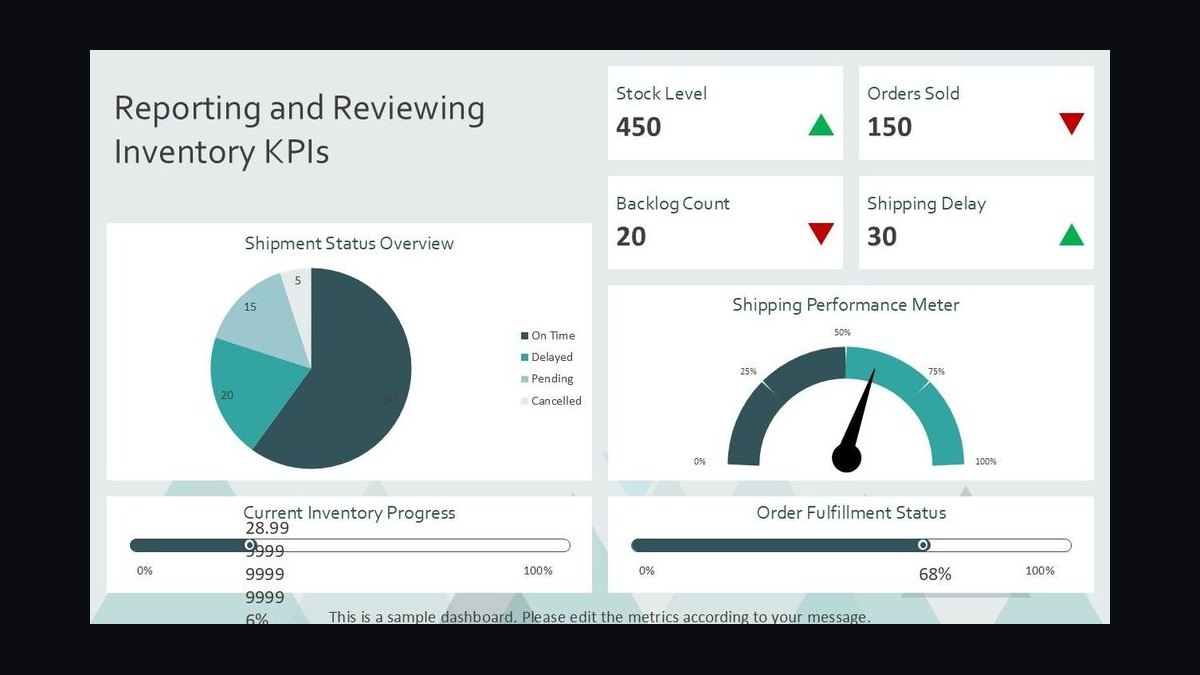
Backlog Coverage in Months ranks eighth because installation is seasonal and crew-constrained, so awarded-but-uninstalled value tells ownership whether crews are sold through the building season or about to run dry. Target 4-8 months of installation backlog at current crew capacity. Below three months signals a demand problem; above ten suggests capacity constraints.
This KPI is for owners and operations leaders balancing sales pace against crew and equipment capacity. It trades away the urgency of pure bookings growth, since a healthy backlog can mask slowing new demand. Compared with Quote Turnaround Time above, it measures work already won; compared with Gross Margin by Revenue Line below, it tracks volume coverage rather than whether that volume is profitable.
9Gross Margin by Revenue Line
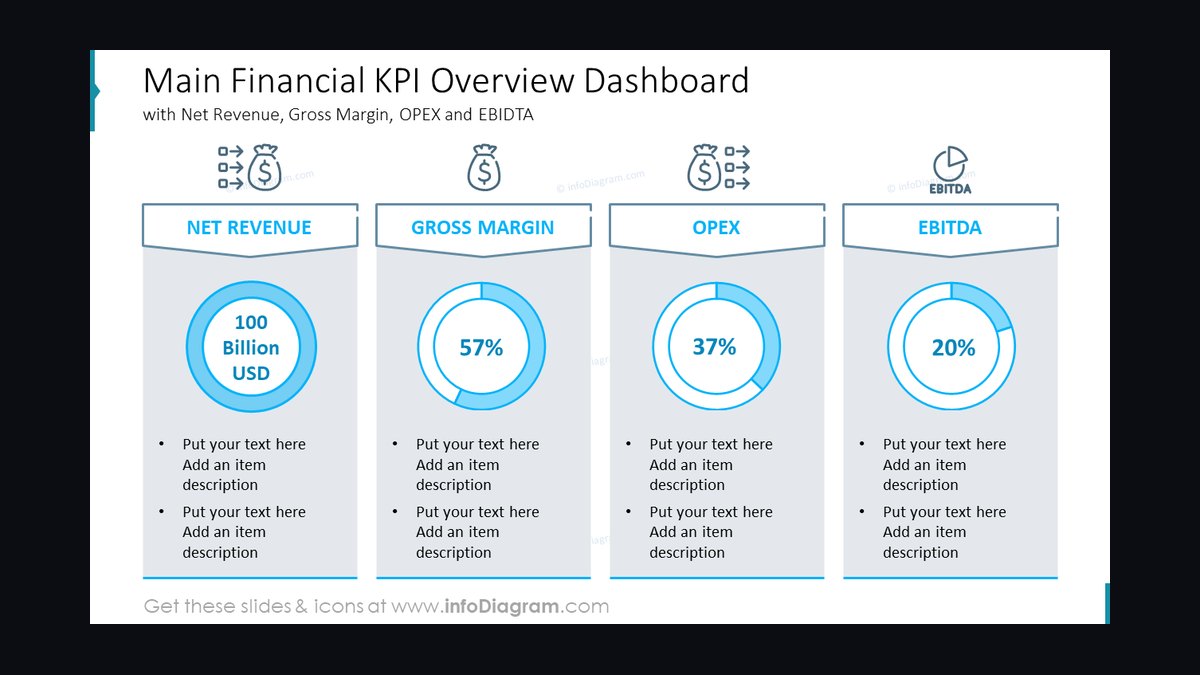
Gross Margin by Revenue Line ranks ninth because a blended margin hides that surfacing and recurring maintenance carry the profit while competitively bid equipment can run thin. Target equipment at 18-28%, installation labor at 25-35%, surfacing at 30-40%, and recurring maintenance at 45% or higher, with closeout margin within three points of bid.
This KPI is for owners and finance leaders protecting pricing discipline across a mixed-scope project business. It trades away the simplicity of one company margin figure that reps and managers can rally around. Compared with Backlog Coverage in Months above, it is the quality check on that backlog; it is the final guardrail ensuring every other KPI on this list translates into actual profit.
10Customer Lifetime Value to CAC Ratio
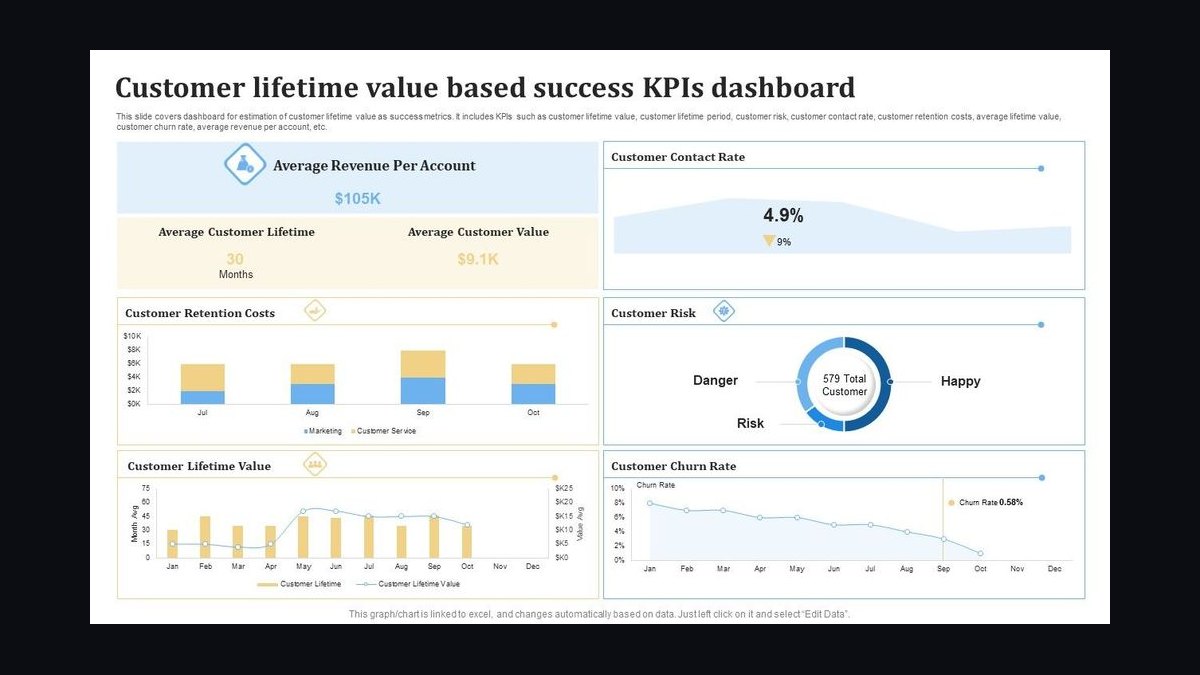
Customer Lifetime Value to CAC Ratio ranks tenth because it ties the entire recurring-revenue strategy together, measuring total relationship revenue against the cost of winning the first project. School district clients can generate $50,000-$150,000 over five to seven years, and municipal park accounts $80,000-$250,000. Target a ratio of at least 3:1.
This KPI is for owners deciding how much to invest in sales commissions, marketing, and proposal time per segment. It trades away short-term payback focus, since value accrues over years of inspection and refresh work. Compared with Gross Margin by Revenue Line above, it is the longest-horizon metric on this list, and the one that validates whether the recurring-revenue KPIs are actually compounding.
How we ranked these
We ranked nine sales KPIs by how directly each one predicts revenue health for commercial playground installation in 2027. Weighting favored metrics tied to the industry's project-based, bid-driven, seasonally constrained structure: quote-to-award conversion, cooperative contract revenue share, surfacing attachment, average project value by segment, inspection agreement attachment, cycle length by funding source, quote turnaround, backlog coverage, and gross margin by revenue line.
We deliberately ignored generic SaaS-style funnel metrics such as MQL volume, website traffic, and email open rates. Playground buyers purchase roughly once a decade through budget cycles, grants, and formal bids, so top-of-funnel activity counts say little about whether a team will win specified work. Blended margin and single-cycle averages were also excluded because they hide segment and funding-source differences that drive real forecast risk.
Related questions
How does cooperative purchasing change the playground sales cycle?
Cooperative contracts like Sourcewell or BuyBoard let public buyers skip formal bidding, which can cut months off a municipal project and lift win rates substantially. Installers who grow this revenue share typically see faster closes and lower pursuit costs, though pricing flexibility narrows. A 40-55% cooperative share is a reasonable 2027 target for public-sector revenue.
Why does surfacing attachment matter more than equipment margin?
Safety surfacing is code-required, high-margin, and easy for buyers to hand to a separate contractor. When installers bundle poured-in-place rubber or engineered wood fiber, project value rises and installation quality stays under their control. A 70-85% attachment rate is healthy; anything lower usually signals weak proposal packaging or missing customer education.
What is a realistic backlog target for a playground installation crew?
Installation is seasonal and crew-constrained, so backlog coverage of four to eight months through the building season is the practical target. Below three months suggests demand is drying up or sales activity stalled. Above ten months can mean crews are oversold, schedules are slipping, or the business is turning away profitable work.
How should grant-funded playground projects be forecast differently?
Grant and donor-funded projects move on external calendars the sales rep cannot control, often stretching nine to eighteen months from first contact to contract. Budgeted-capital work typically closes in three to six months. Blending both into one average cycle hides forecast risk, so tracking cycle length by funding source keeps pipeline expectations honest.
Why is quote turnaround time a leading indicator in this industry?
Buyers frequently collect playground quotes against a board meeting or grant deadline, so the installer who responds first and completely often anchors the specification. Design proposals delivered within seven to ten business days, and budgetary estimates within three, keep a team in contention. Slow turnaround quietly loses winnable projects before pricing is ever discussed.
What does inspection and maintenance attachment do for customer lifetime value?
Every installed playground needs ongoing CPSI-certified inspection, wear repair, and eventual surfacing replacement. Converting 30-45% of completed installations into recurring agreements within ninety days builds the highest-margin revenue line and creates the bridge to refresh and replacement sales. Teams that skip this leave fifteen-plus years of service revenue on the table.
How do you track these KPIs without burdening sales reps?
Configure the CRM so segment, revenue line, lead source, contract type, and stage dates are required fields at the stages where they become knowable. Calculate cycle length and quote turnaround from stage timestamps rather than hand entry. Build separate dashboards for reps, managers, and owners, and review leading indicators weekly and lagging ones monthly.
Which KPI should a new playground sales leader fix first?
Start with quote-to-award conversion by segment and funding source, because it exposes whether the team is chasing the wrong buyers or losing on specification fit. Pair it with quote turnaround, since slow proposals depress conversion quietly. Only after those two are stable should attention shift to attachment rates and margin by revenue line.
FAQ
Is quote-to-award conversion the most important playground sales KPI?
It is the top-line efficiency metric because it shows how well the sales process turns proposals into signed contracts. A low rate points to pricing issues, weak proposals, or misaligned buyers. Balance it against margin and backlog so the team is not simply winning unprofitable work at a high rate.
How does cooperative contract revenue share work in this industry?
This KPI tracks the percentage of revenue booked through pre-negotiated cooperative purchasing agreements with school districts, municipalities, and similar public buyers. A higher share usually means faster cycles and lower pursuit costs, but narrower pricing flexibility. Many installers target 40-55% of public-sector revenue through these vehicles in 2027.
Why is surfacing attachment rate tracked separately from equipment sales?
Surfacing such as poured-in-place rubber or engineered wood fiber is a high-margin, code-required scope that buyers will otherwise assign to another contractor. Tracking attachment separately exposes missed bundling opportunities. Industry benchmarks typically run 70-85% of equipment projects sold with surfacing included; lower rates suggest proposal or education gaps.
What is a typical average project value by segment?
Small school or neighborhood park projects often land between $30,000 and $80,000, while large community or destination installations can exceed $300,000. HOA, faith, and childcare buyers usually sit in the middle. Tracking value by segment shows whether the team is winning the project mix it staffed and priced for.
How long is a normal sales cycle by funding source?
Tax-levy or bond-funded public projects can run nine to eighteen months from first contact to award. Grant-funded work often takes six to twelve months because of documentation and compliance steps. Operating-budget purchases from private schools or daycares frequently close in three to six months. Tracking by source keeps pipeline expectations realistic.
What does backlog coverage in months tell a sales leader?
It measures how many months of future revenue are secured by signed contracts, calculated as backlog divided by average monthly revenue. Four to eight months is healthy through the building season. Below three months signals a need to accelerate sales activity; above ten months may indicate capacity constraints or slipping schedules.
How should gross margin be segmented for playground installers?
Report realized margin at closeout across equipment, installation labor, surfacing, and recurring maintenance rather than as one blended figure. Typical 2027 targets run 18-28% on equipment, 25-35% on labor, 30-40% on surfacing, and 45% or higher on recurring maintenance. Closeout margin should land within three points of bid.
Why do generic B2B funnel metrics mislead playground sales leaders?
Playground buyers are parks departments, school districts, HOAs, and daycare operators who purchase roughly once a decade through budget cycles, grants, and formal bids. MQL volume, website traffic, and email opens say little about whether a team will win specified work. Industry-specific KPIs tied to bids, funding, and installation capacity predict revenue far better.
How often should these KPIs be reviewed?
Review leading indicators such as conversion rate, quote turnaround, and cycle length weekly, because they respond quickly to process changes. Review lagging indicators such as retention, margin by revenue line, and revenue mix monthly. A KPI nobody reviews on a fixed cadence becomes decoration rather than a management tool.
What CLV-to-CAC ratio should playground installers target?
A ratio of at least three to one is a reasonable 2027 target, meaning each customer relationship returns three times the cost of winning it. Recurring inspection and maintenance agreements are the main lever, since a 70% attachment rate can lift lifetime value 40-60% versus a 30% rate. Track CAC including commissions, marketing, and proposal time.
Sources
- https://www.ibisworld.com/
- https://www.bls.gov/
- https://www.cfma.org/
- https://www.statista.com/
- https://www.cpsc.gov/
- https://www.astm.org/
- https://www.sourcewell-mn.gov/
- https://www.buyboard.com/
Related on PULSE
This page will be disappearing soon. Save it to your device for $1 — or read it free while it is here.
@Kory-White- · if Venmo asks, the last 4 of my number are 2012
This page is gone.
This one is off the shelf now. $1 keeps it on your phone for good — the whole page, pictures and diagrams included.
 pulse-industry-kpisTop 10 Sales KPIs for Commercial Print Services in 2027
 pulse-industry-kpisTop 10 Sales KPIs for Commercial Glass and Glazing Contracting in 2027
 pulse-industry-kpisTop 10 Sales KPIs for Architectural Terrazzo Flooring Installation in 2027
 pulse-industry-kpisTop 10 Sales KPIs for Industrial Cybersecurity (OT/ICS) Services in 2027
 pulse-industry-kpisTop 10 Sales KPIs for Industrial Wastewater Treatment Equipment & Systems in 2027
 pulse-industry-kpisTop 10 Sales KPIs for Specialty Lumber & Millwork Distribution in 2027
 pulse-industry-kpisTop 10 Sales KPIs for Commercial Building Materials Distribution in 2027
 pulse-industry-kpisTop 10 Sales KPIs for Commercial Paving Contracting in 2027
 pulse-industry-kpisTop 10 Sales KPIs for Commercial Hardware Distribution in 2027
 pulse-industry-kpisTop 10 Sales KPIs for Commercial RV Dealership in 2027