


Top 10 Sales KPIs for Marine Vessel Provisioning & Ship Chandlery in 2027
Quality
Certified
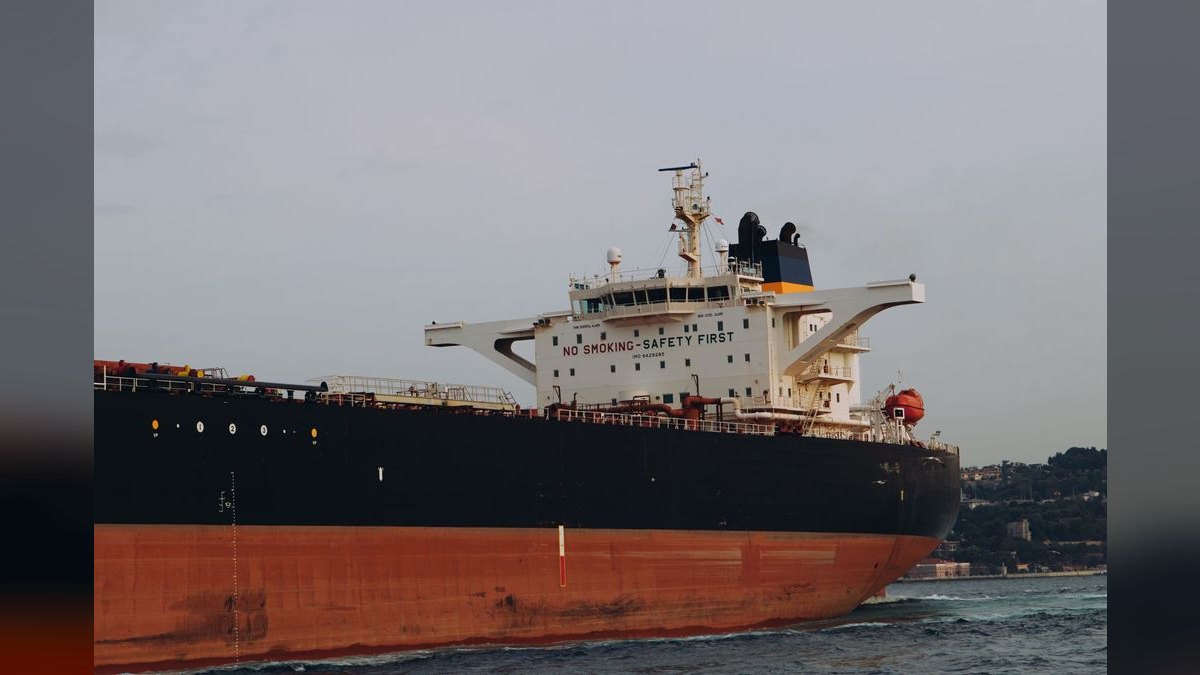
Key sales KPIs for the Marine Vessel Provisioning and Ship Chandlery industry in 2027 center on Contracted Fleet Account Revenue Share, On-Time Delivery-to-Vessel Rate, and Order Fill Rate, backed by Gross Margin Blend, Account Retention, Average Order Value, Spares Attach Rate, Quote Turnaround, and Days Sales Outstanding — tracked together, not as isolated top-line revenue.
The vessel that sailed short at 0400
Picture a chandlery in a busy transshipment port. A container line's vessel manager sends a stores list at 1800 for a ship berthing at 2200 and departing at 0500. The list runs 140 line items: fresh produce, frozen protein, engine-room consumables, two bonded liquor cases, and a filter cartridge the ship needs for a scheduled maintenance leg. The chandler quotes at 2015, wins the order, and picks overnight. At 0345 the delivery van reaches the berth — but the filter cartridge is out of stock and three produce items were short-picked. The ship sails at 0500 anyway. It always does. The vessel does not wait for stores.
That single event is where every Marine provisioning KPI comes from. Top-line revenue for the month can look healthy while this account quietly decides to move its next twelve port calls to a competitor, because the one number the vessel manager cares about — did my full list arrive before I sailed — was missed. Watching revenue alone would never surface it. The KPIs below exist to catch this failure before the account walks, and to tell you which lever to pull: coverage, reliability, margin mix, or cash. In this industry the reorder is the whole business, so a single broken port call is not one lost sale — it is a recurring revenue stream leaking away one voyage at a time.
How the KPI system actually works
The nine metrics are not a random dashboard. They form a chain: coverage feeds reliability, reliability protects retention, retention compounds order value, and margin plus cash discipline turn that volume into profit. Read them as a sequence and each one explains the next.
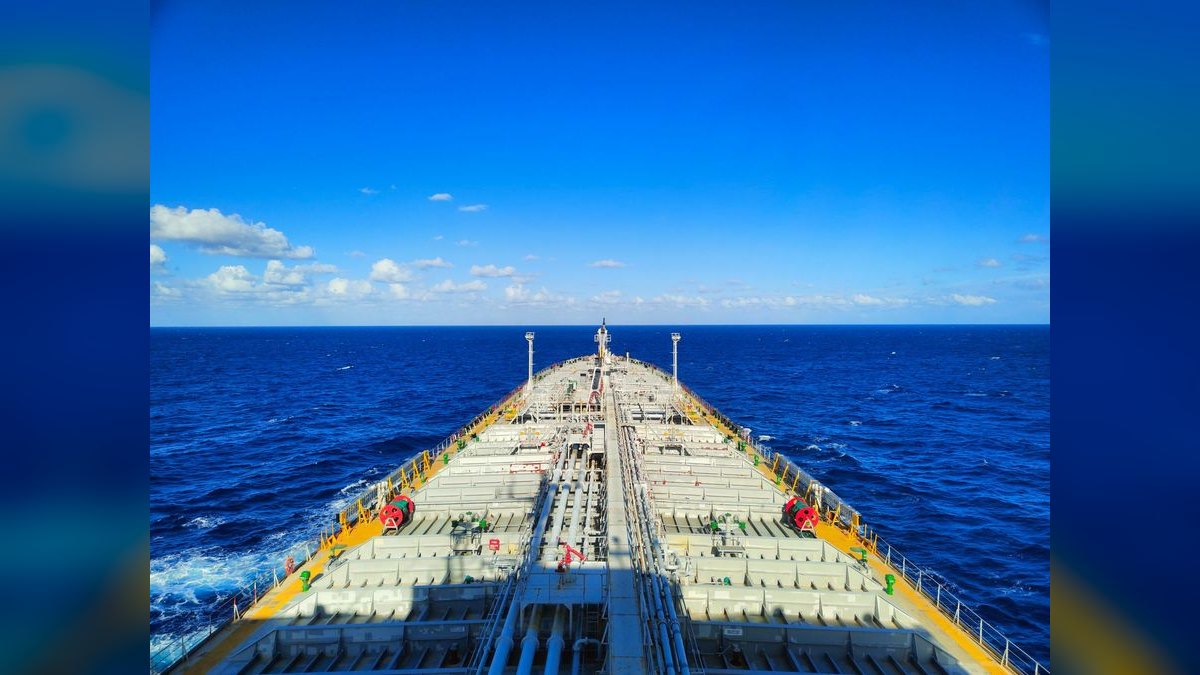
Coverage is the top of the funnel. Contracted Fleet Account Revenue Share — the percentage of revenue from shipping lines and vessel managers under a standing provisioning agreement rather than one-off spot orders — decides how much of your volume arrives automatically at every port call. Contracted fleets reorder without a fresh sales cycle; spot orders must be won again each time. In 2027 the healthy band is roughly 50–68% of revenue from contracted fleet accounts, and this single metric is the strongest leading indicator of a stable book.
Reliability is the middle. On-Time Delivery-to-Vessel Rate measures the share of orders that physically reach the vessel before it departs; the working target is above 97%, because the denominator is unforgiving — a ship on a schedule sails whether or not the stores made it. Order Fill Rate measures whether the delivered order was complete, line item by line item, on the requested date; target 95–99%. The two are distinct and both must hold: a load can arrive on time and still be short, or be complete but reach the gangway after lines-off. In the scenario above, on-time was fine and fill rate was the killer.
Retention is where reliability pays off. Account Retention Rate — the percentage of revenue-producing vessel and line accounts held year over year — should sit in the 90–95% band, because in provisioning a retained account is not a repeat customer, it is a recurring pipeline of port-call orders. Downstream of retention, Average Order Value (total revenue divided by distinct vessel orders fulfilled) climbs as an account shifts from thin spot top-ups to full provisioning; the working range spans $3,500–$40,000 depending on vessel type, route, and whether the ship takes full stores or a partial refresh. Then margin and cash close the loop, which the numbers section covers next.
Real numbers, ranges, and benchmarks for 2027
Here is the full set with the 2027 target each metric should be managed to. Treat these as bands, not bright lines — a bulk carrier on a fixed route and a cruise ship provisioning weekly do not share the same math — but any metric far outside its band is a signal to investigate.
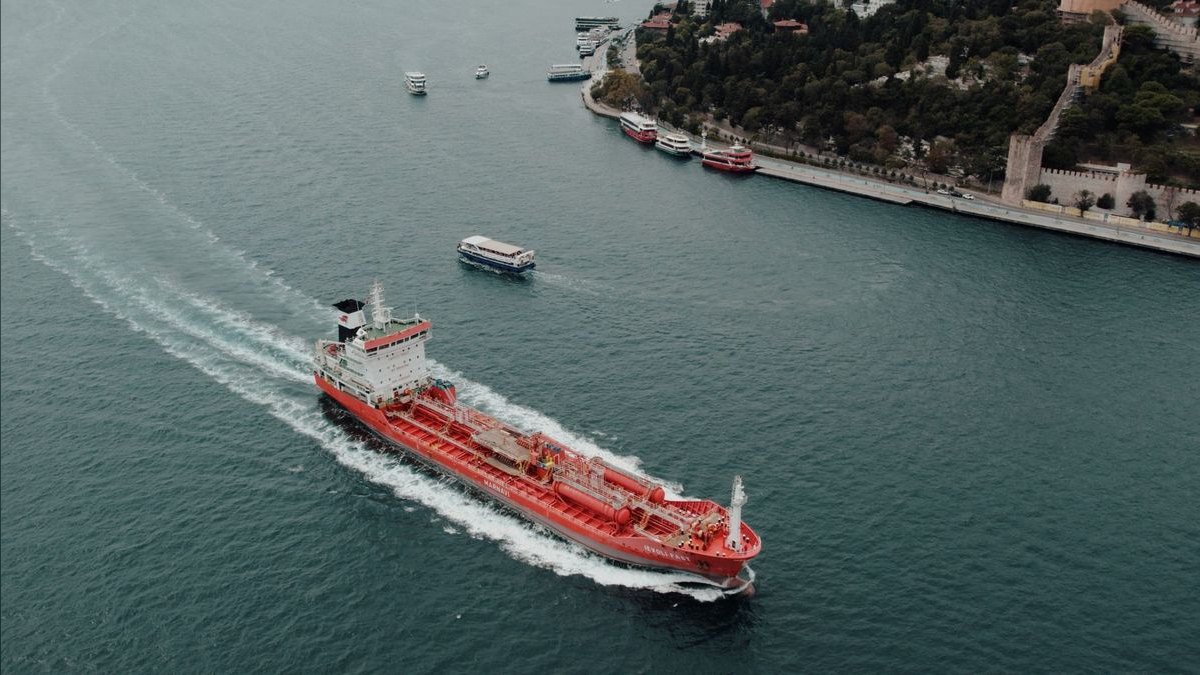
Contracted Fleet Account Revenue Share — target 50–68%. Below 50% the book is spot-dependent and every month restarts from zero; above 68% concentration risk creeps in, because losing one line contract punches a large hole. The prize of the entire industry is becoming the contracted provisioner across a shipping line's fleet so orders arrive automatically at every port call.
On-Time Delivery-to-Vessel Rate — target above 97%. This is the reliability metric vessel managers quietly grade you on. Even 95% means one order in twenty misses the window, and in a business where the customer sails on a fixed schedule, that is enough to lose a fleet contract at renewal.
Order Fill Rate — target 95–99%. Partial fills force costly last-minute substitutions, ship-chasing to the next port, or leave the vessel short at sea. Track it at the line-item level, not the order level, or a single missing filter hides inside an otherwise "complete" delivery.
Gross Margin Blend — target 14–24% blended. Commodity stores — provisions, fresh produce, cleaning consumables — sell close to cost. The blended figure is dragged up by higher-margin spares, technical parts, and bonded goods. Some diversified chandlers running a heavy technical mix report blends toward the 25–35% range; the 14–24% band reflects a provisions-weighted book. The point of the metric is that the mix, not the stores volume, determines real profitability.
Account Retention Rate — target 90–95% annually. Retaining an existing vessel or line account is dramatically cheaper than acquiring one — the widely cited rule of thumb across B2B is 5–10x — so retention is where margin is quietly made or lost.
Average Order Value — target $3,500–$40,000. Rising AOV signals a full-provisioning relationship rather than a thin spot order. Segment it: standard dry and bonded provisioning per vessel often runs $18,000–$45,000 of recurring annual revenue, while high-volume accounts such as cruise ships or liner-service container vessels on fixed routes can reach $75,000–$120,000 per year.
Spares & Bonded Goods Attach Rate — target 45–65%. This is the cheapest margin gain available: attaching a higher-margin spare part or bonded-goods case to a stores order you already won and are already delivering. Every point of attach rate lands almost entirely in gross profit.

Quote Turnaround Time — target under 4 working hours. Port calls are short and the first accurate quote usually wins. For urgent or complex technical orders, within 24 hours is acceptable, but for routine stores the fast-quote chandler takes the order. Accuracy still outranks raw speed on high-value contracts — a wrong quote returned in an hour costs more than a right one returned in three.
Days Sales Outstanding — target 40–60 days. Shipping lines and agents frequently pay on net-60 terms, so DSO in this industry typically runs 30–60 days. On thin blended margins, a slow-paying agent account can carry away the profit through financing cost alone; DSO climbing past 60 days is an early cash-flow warning, and much below 30 is excellent but rare on large fleet accounts.
Two acquisition-side metrics round out the set for teams that model growth cost. Customer Acquisition Cost per vessel account runs roughly $2,500–$5,500 for a standard provisioning contract, rising to $6,000–$12,000 for LNG carriers or cruise ships with longer qualification and stricter compliance; a CAC-to-first-year-gross-profit ratio of 3:1 or better is the 2027 benchmark. Port-call conversion rate — the share of a vessel's scheduled dockings that yield an order — sits around 22–35% for established accounts and 8–15% for new ones in their first three calls.
Trade-offs and alternatives when the metrics collide
No chandler maximizes all nine at once — they pull against each other, and managing the industry well means choosing which tension to hold at any given time. The most common conflict is reliability versus margin. Guaranteeing a 98%+ On-Time Delivery-to-Vessel Rate on a short-notice list means carrying safety stock, running a night shift, or air-freighting a missing spare — all of which compress the Gross Margin Blend on that order. The right answer depends on the account: protect on-time ruthlessly for a contracted fleet whose retention is worth twelve port calls a year, and let margin discipline win on a one-off spot order from a vessel you may never see again.
A second trade-off is coverage versus concentration. Chasing Contracted Fleet Account Revenue Share upward feels safe, but a book that is 80% one liner is fragile — the metric protecting you from spot volatility can quietly expose you to single-account collapse. The alternative is deliberate diversification: hold contracted share in the 50–68% band and keep a healthy spot channel alive, even at lower margins, so no one renewal decision can sink the quarter.

A third is speed versus accuracy in quoting. Driving Quote Turnaround Time under four hours wins routine stores orders, but a rushed quote on a complex technical list produces margin-destroying errors or fill-rate failures downstream. The practical alternative is a two-lane quote desk: an instant lane for standard provisioning where speed wins, and a checked lane for technical spares where a few hours of accuracy protects both margin and the relationship. And rather than buying an expensive analytics platform to run any of this, most chandlers get further faster by configuring an ordinary CRM well — tagging every order with vessel, port, port-call deadline, a contracted-versus-spot flag, and product-category mix — so the metrics report straight from order data.
Common pitfalls and how to avoid them
Watching top-line revenue instead of the set. The classic failure. Revenue can rise while retention rots, because a big spot month masks a lost fleet contract. Avoid it by leading the dashboard with the three indicators — Contracted Fleet Account Revenue Share, On-Time Delivery-to-Vessel Rate, Order Fill Rate — and never letting a good revenue number end the conversation.
Measuring fill rate at the order level. If you score an order "complete" when 138 of 140 lines shipped, you will never see the missing filter that lost the account. Measure this metric at the line-item level and weight the items the vessel flagged as critical.
Ignoring DSO because margins look fine on paper. A 20% blended margin evaporates when agents pay at 75 days and you finance the gap. Track Days Sales Outstanding beside margin, not on a separate finance report, so the sales team sees that a slow-paying account is a low-profit account regardless of its order value.
Treating attach rate as an afterthought. Spares and bonded goods are the cheapest margin in the Chandlery business, yet many teams never prompt for them. Build the attach into the order workflow — a standing checklist of high-turnover spares and bonded lines on every quote — and the metric moves 10–20 points without new customers.

Skipping the monthly review. KPIs no one walks through are decoration. Hold a standing monthly session, walk the nine metrics in order, and for any KPI off its benchmark name one specific action and one owner before the meeting ends. The discipline of reviewing the full set together — rather than reacting to whichever number someone happened to notice — is what separates a forecast you can trust from a guess, and it is the single habit that most reliably compounds every other metric on this list.
Related questions
How many sales KPIs should a ship chandler track?
Nine core metrics cover the industry: Contracted Fleet Account Revenue Share, On-Time Delivery-to-Vessel Rate, Order Fill Rate, Gross Margin Blend, Account Retention Rate, Average Order Value, Spares & Bonded Goods Attach Rate, Quote Turnaround Time, and Days Sales Outstanding. Track them as one set on a single dashboard.
Which KPI predicts revenue health earliest?
Contracted Fleet Account Revenue Share is the strongest leading indicator, because contracted fleets reorder automatically at every port call while spot orders must be won again each time. A rising contracted share in the 50–68% band signals a stable, forecastable book before revenue itself confirms it.
What is a good on-time delivery target for vessel stores?
Above 97%. The vessel sails on schedule whether or not the stores arrive, so the window is absolute. Even 95% means one order in twenty misses — enough to jeopardize a fleet contract at renewal in a business built on reliability.
How is the margin blend different from a single product margin?
Gross Margin Blend averages thin-margin commodity provisions against higher-margin spares and bonded goods across the whole order book. A single spare might yield 30–50%, but blended with near-cost stores the realistic 2027 target lands around 14–24%, driven by mix rather than volume.
Do these KPIs apply to yacht provisioning too?
Largely yes — the same reliability, retention, and margin logic holds — but the numbers shift. Yacht and specialty accounts carry higher Average Order Value on bespoke items and often better attach rates, while contracted fleet share is lower because the customer base is less liner-structured.
FAQ

What is the most important sales KPI for this industry? Contracted Fleet Account Revenue Share is the top-line indicator, because it shows how much of your volume reorders automatically at each port call. Without a strong contracted share, order value or margin rarely compensate for the lost, unforecastable volume.
How do On-Time Delivery and Order Fill Rate differ? On-Time Delivery-to-Vessel Rate measures whether the order reached the ship before departure; Order Fill Rate measures whether every ordered line item was delivered complete. Both are reliability metrics, but a perfect fill rate is worthless if it arrives after the vessel sails, and vice versa.
What is a typical Gross Margin Blend in ship chandlery? Bonded goods and commodity provisions sell near cost, while technical spares can reach 30–50%. A provisions-weighted book blends to roughly 14–24% in 2027; a technical-heavy diversified chandler may reach 25–35%. The mix determines the number more than the volume does.
How fast should a quote be turned around? Under four working hours for routine provisioning, within 24 hours for urgent or complex technical orders. Faster quotes win more short port-call orders, but on high-value contracts accuracy still outranks raw speed — a wrong quote costs more than a slightly slower right one.
What is a good Days Sales Outstanding target? Roughly 40–60 days, reflecting the net-60 terms common with shipping lines and agents. Above 60 days signals cash-flow strain that financing cost can turn into lost profit; below 30 is excellent but rare on large fleet accounts.
Why does Account Retention Rate matter so much here? Provisioning revenue is a stream of reorders, so a lost account is a recurring pipeline gone, not a single missed sale. Because retaining an account is far cheaper than winning a new one, a retention rate above 90% is a strong health signal for the whole book.
Sources
- International Ship Suppliers & Services Association (ISSA) — https://www.shipsupply.org
- United Nations Conference on Trade and Development (UNCTAD), Review of Maritime Transport — https://unctad.org/rmt
- International Maritime Organization (IMO) — https://www.imo.org
- Lloyd's List — https://www.lloydslist.com
- S&P Global Market Intelligence, Maritime & Trade — https://www.spglobal.com/marketintelligence
- BIMCO — https://www.bimco.org
- The Baltic Exchange — https://www.balticexchange.com
Related on PULSE
- What are the key sales KPIs for the Specialty Marine Engine & Propulsion Distribution industry in 2027?
- What are the key sales KPIs for the Marine Yacht Detailing and Brightwork Restoration industry in 2027?
- What are the key sales KPIs for the Marine and Boat Dealership industry in 2027?
- What are the key sales KPIs for the Marine Sail & Rigging Loft Services industry in 2027?
- What are the key sales KPIs for the Marine Fuel Dock & Bunkering Services industry in 2027?
- What are the key sales KPIs for the Marine Antifouling & Hull Coatings Services industry in 2027?
This page will be disappearing soon. Save it to your device for $1 — or read it free while it is here.
@Kory-White- · if Venmo asks, the last 4 of my number are 2012
This page is gone.
This one is off the shelf now. $1 keeps it on your phone for good — the whole page, pictures and diagrams included.
 pulse-industry-kpisTop 10 Sales KPIs for Marine Sail & Rigging Loft Services in 2027
 pulse-industry-kpisTop 10 Sales KPIs for Commercial Hardware Distribution in 2027
 pulse-industry-kpisTop 10 Sales KPIs for AI Sales Coaching / Conversation Intelligence in 2027
 pulse-industry-kpisTop 10 Sales KPIs for Commercial Carpet and Floor Care Services in 2027
 pulse-industry-kpisTop 10 Sales KPIs for Architectural Door & Hardware Distribution in 2027
 pulse-industry-kpisTop 10 Sales KPIs for Industrial Laser Cutting & Waterjet Job Shops in 2027
 pulse-industry-kpisTop 10 Sales KPIs for Commercial Solar Carport Construction in 2027
 pulse-industry-kpisTop 10 Sales KPIs for Commercial Kitchen Hood & Exhaust Cleaning Services in 2027
 pulse-industry-kpisTop 10 Sales KPIs for Commercial Insurance Brokerage in 2027
 pulse-industry-kpisTop 10 Sales KPIs for Commercial Agricultural Chemical Distribution in 2027