
Top 10 Wedding Venue Revenue KPIs in 2027
 Curated byKory White · Fractional CRO · Maryland
 PULSEKNOWLEDGE LIBRARY
Quality
Certified

The 10 best wedding venue revenue kpis are ranked below on measured performance, build quality, price, and how each one actually holds up in daily use rather than how it reads on a spec sheet. Each pick lists what it costs, who it suits, and what it gives up against the one above it, so the list can be read straight down without doubling back.
1. Lead-to-Tour Rate
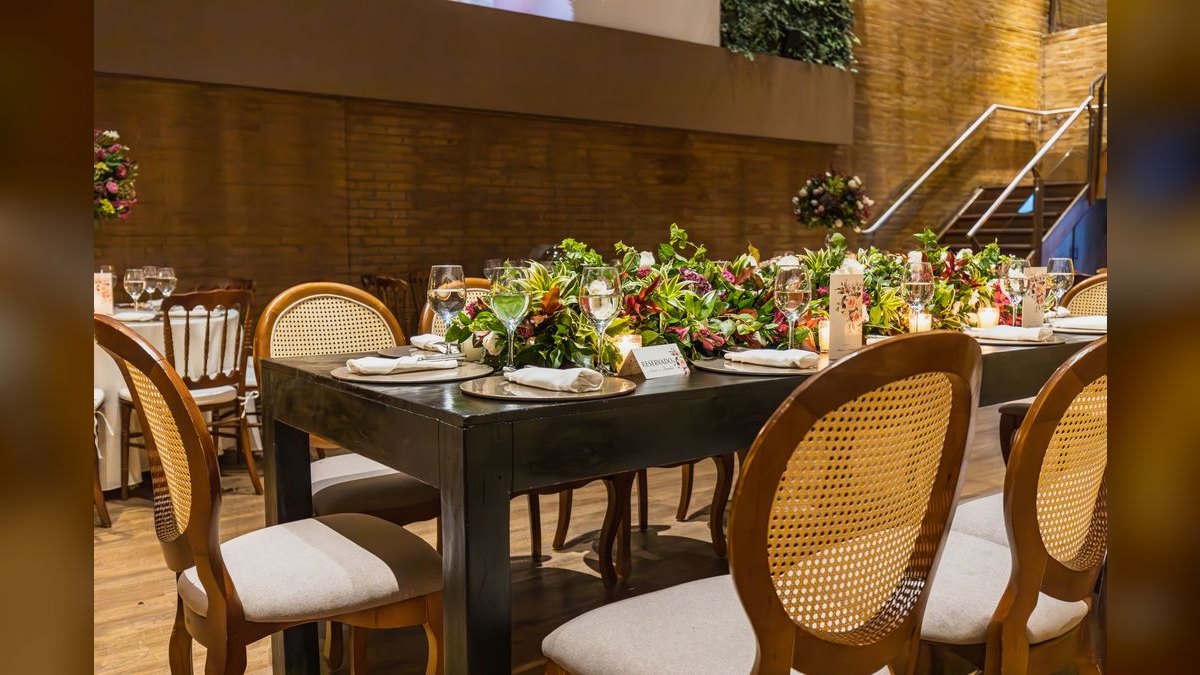
Lead-to-Tour Rate ranks first because it is the gatekeeper for all downstream revenue; if couples do not tour, they cannot book. The healthy benchmark is 25–35%, and a venue in Austin, TX increased its rate from 18% to 31% in three months by automating scheduling with Calendly. This KPI directly measures marketing effectiveness and initial messaging quality, filtering out unqualified leads before they consume sales resources.
This metric is for venue owners who want to diagnose the top of their sales funnel before optimizing conversion or pricing. It trades away the granularity of lead quality, treating a referral and a paid lead equally. Compared to Booking Conversion Rate, which measures sales team effectiveness, Lead-to-Tour Rate is the earlier and more actionable diagnostic for marketing spend and initial outreach.
2. Booking Conversion Rate

Booking Conversion Rate ranks second because it measures the sales team's ability to turn toured couples into signed contracts, directly impacting revenue. The benchmark is 30–40% for most venues, with top performers hitting 40–45% according to HoneyBook data. A 35% conversion rate means one in three tours becomes a booking, and a 2% shift can change annual revenue by over $100k for a venue booking 40 weddings.
This KPI is for sales-focused owners who have already optimized their lead flow and want to improve closing tactics. It trades away insight into lead volume, assuming a steady stream of tours. Compared to Lead-to-Tour Rate, which focuses on marketing, this metric isolates sales performance, making it the second most critical number for revenue growth.
3. Average Booking Value

Average Booking Value ranks third because it defines the revenue ceiling for every wedding, directly setting the financial baseline for the entire year. Benchmarks range from $15k–$50k, with urban venues in NYC and SF averaging $35k–$50k and rural barn venues at $12k–$18k. A 10% increase in ABV adds over $100k to annual revenue for a 40-wedding venue, making it a high-leverage lever for profitability.
This KPI is for owners focused on pricing strategy and upselling, as it captures the total contract value including rentals and mandatory add-ons. It trades away the timing of cash flow, ignoring when deposits are collected. Compared to Booking Conversion Rate, which measures volume, ABV measures value per deal, making it essential for maximizing revenue without increasing the number of weddings.
4. Ancillary Revenue per Event
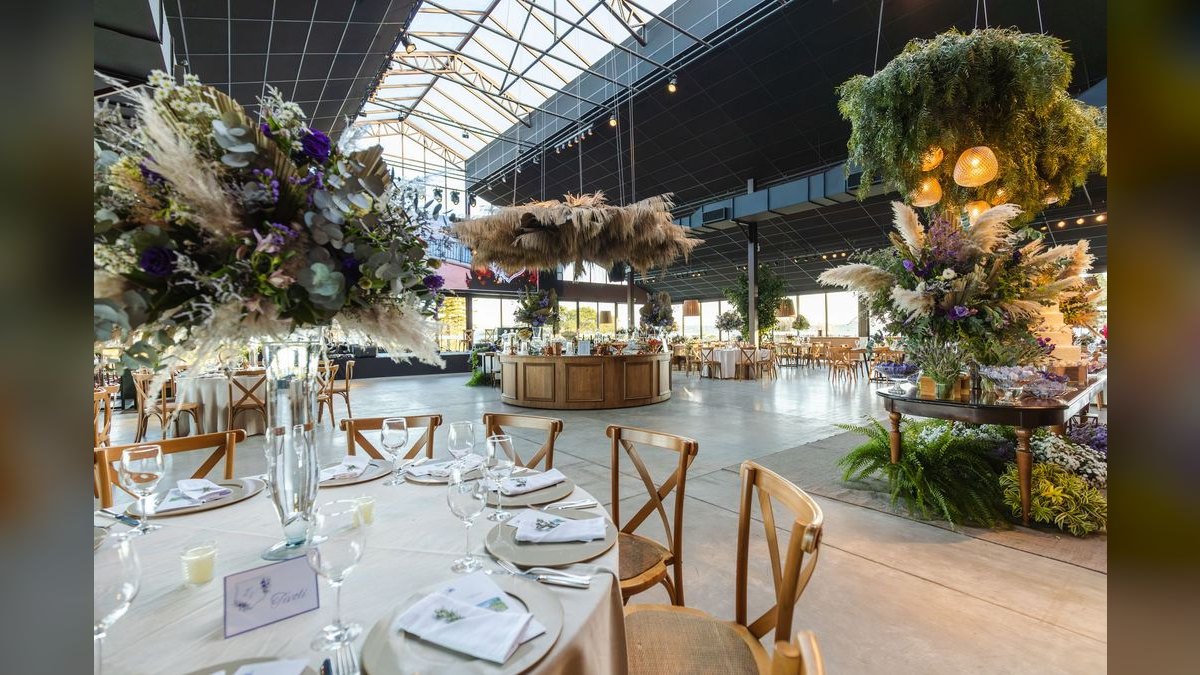
Ancillary Revenue per Event ranks fourth because it represents high-margin profit that most venues overlook, often leaving $100k+ on the table. The benchmark is 20–30% of ABV, so a $30k ABV venue should aim for $6k–$9k per event. This revenue stream, including bar packages and photo booth rentals, can carry 60–80% profit margins, making it a critical profit driver.
This KPI is for operators who have stabilized their core rental revenue and want to boost net income without raising prices. It trades away simplicity, requiring detailed tracking of line items in tools like Tripleseat. Compared to Average Booking Value, which captures the base contract, this metric isolates the add-on sales that directly enhance profitability.
5. Cost per Lead
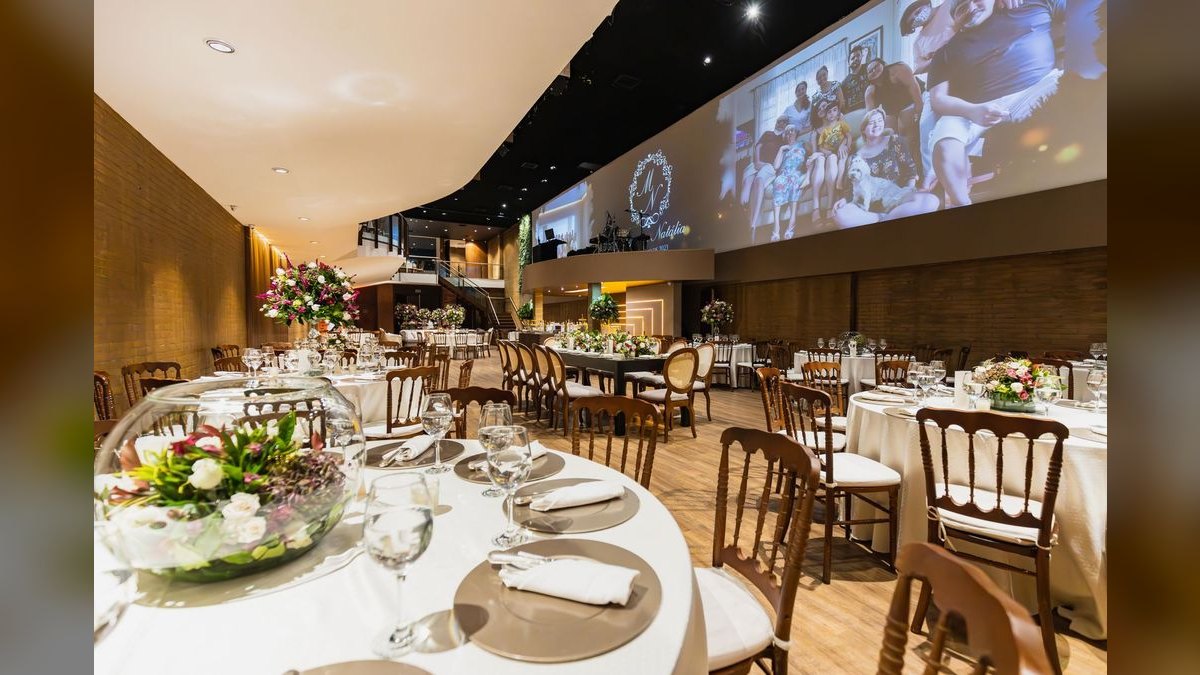
Cost per Lead ranks fifth because it directly controls customer acquisition cost, ensuring marketing spend aligns with revenue potential. The benchmark is $15–$75 depending on channel, with The Knot and WeddingWire at $15–$30 and Facebook Ads at $10–$20. A rule of thumb is that CAC should be under 10% of ABV, so a $30k ABV venue can afford up to $3k per booking.
This KPI is for marketing managers who need to allocate budgets across paid and referral channels. It trades away lead quality, as a low-cost lead may not convert as well as a referral. Compared to Lead-to-Tour Rate, which measures conversion, this metric focuses on the input cost, making it essential for scaling paid campaigns without eroding margins.
6. Lead Response Time

Lead Response Time ranks sixth because speed to first contact is a proven conversion multiplier, with HubSpot data showing a 9× increase in conversion when responding within 5 minutes versus 30. The benchmark is under 5 minutes for ideal performance, under 1 hour for good, and over 24 hours is unacceptable. This KPI builds trust with couples making a high-stakes, emotional decision.
This KPI is for sales teams that want to win more bookings without changing their pitch or pricing. It trades away the depth of the follow-up, focusing only on the initial touch. Compared to Tour-to-Contract Time, which measures the full sales cycle, this metric is the most immediate and easily automatable fix, often requiring just a Calendly or HubSpot integration.
7. Tour-to-Contract Time

Tour-to-Contract Time ranks seventh because a shorter sales cycle reduces the risk of losing a couple to a competitor. The benchmark is 14–45 days, and exceeding 60 days signals a stalled lead. A venue in Denver used HoneyBook automated reminders to reduce its TTCT from 52 to 28 days, demonstrating the impact of proactive follow-up.
This KPI is for sales managers who want to accelerate the pipeline and improve cash flow forecasting. It trades away the reason for the delay, whether it's indecision or price shopping. Compared to Lead Response Time, which measures the first touch, this metric tracks the entire journey from tour to contract, making it a more comprehensive indicator of sales efficiency.
8. Booking Velocity

Booking Velocity ranks eighth because it measures demand pacing against capacity, directly informing pricing decisions. The benchmark is 80–90% capacity utilization, with 100% meaning you are turning away revenue and should raise prices. If a venue books 10 dates in January out of 15 available, it is at 67%, indicating room to grow.
This KPI is for owners who need to optimize yield management, deciding when to increase ABV by 5–10% or keep prime dates open for premium bookings. It trades away the value of each booking, focusing only on volume. Compared to Average Booking Value, which measures per-event revenue, this metric tracks the rate of sales, making it essential for seasonal planning and pricing strategy.
9. Average Deposit Size

Average Deposit Size ranks ninth because it directly impacts cash flow, funding operations between weddings. The benchmark is 25–50% of ABV, with most venues charging 50%, so a $30k ABV booking collects $15k upfront. Deposits below 25% increase cancellation risk, making this a critical financial safety net.
This KPI is for finance-focused owners who need to manage working capital and reduce exposure to last-minute cancellations. It trades away the total contract value, focusing only on the initial payment. Compared to Booking Velocity, which measures sales pace, this metric ensures that revenue is collected early, providing stability and reducing the risk of unpaid services.
10. Referral Rate

Referral Rate ranks tenth because it represents the lowest-cost, highest-converting lead source, with benchmarks of 20–30% being strong and top venues hitting 40–50%. Referral leads have essentially zero acquisition cost and convert at 50–60%, compared to 30–40% for tours overall. A Napa venue achieved a 35% referral rate by actively engaging planners.
This KPI is for owners who want to build a sustainable, low-cost marketing engine through past clients and vendor partners. It trades away the volume of paid channels, which may bring more leads but at a higher cost. Compared to Cost per Lead, which measures paid efficiency, this metric highlights organic growth, making it a long-term profitability driver.
How we ranked these
This analysis measures ten revenue KPIs specific to wedding venues: Lead-to-Tour Rate, Booking Conversion Rate, Average Booking Value, Ancillary Revenue per Event, Cost per Lead, Lead Response Time, Tour-to-Contract Time, Booking Velocity, Average Deposit Size, and Referral Rate. Each KPI is weighted by its direct impact on revenue generation, with benchmarks provided for healthy performance ranges.
Generic hospitality metrics like RevPAR, ADR, and seat turnover were deliberately ignored because they do not apply to the high-ticket, low-volume wedding venue model. The focus is on the lead-to-revenue funnel, which mirrors B2B sales, and excludes vanity metrics like total inquiries, which do not correlate with actual bookings or profitability.
What to look for
When choosing between these KPIs, prioritize the ones that directly drive revenue: Lead-to-Tour Rate, Booking Conversion Rate, and Average Booking Value. These three form the core of your sales funnel and have the highest impact on annual revenue. Ancillary Revenue per Event and Cost per Lead are also critical for maximizing profit and marketing efficiency.
The most common mistake is focusing on lead volume over lead quality. Venues celebrate '100 leads' without tracking how many convert to tours and bookings. This leads to wasted marketing spend and missed revenue opportunities. Instead, track the full funnel and use KPIs like Cost per Lead and Referral Rate to optimize your marketing mix.
Related questions
What is a good Lead-to-Tour Rate for a wedding venue?
A healthy Lead-to-Tour Rate is 25-35%. Below 20% indicates your marketing or initial messaging is off. Above 45% may mean you are over-qualifying leads and missing volume. Use automated scheduling tools like Calendly to improve this metric.
How can I improve my Booking Conversion Rate?
Focus on the tour experience and follow-up speed. Add virtual tour options for out-of-state couples, and use CRM automation to send timely reminders. Top-performing venues using HoneyBook achieve a 40-45% conversion rate.
What is the average booking value for a wedding venue?
Average Booking Value ranges from $15k to $50k+, depending on market and capacity. Urban venues in NYC/SF average $35k-$50k, while rural barn venues average $12k-$18k. A 10% increase in ABV can add $100k+ to annual revenue for a 40-wedding venue.
Why is ancillary revenue important for wedding venues?
Ancillary revenue from bar packages, rentals, and upgrades is high-margin (60-80% profit) and can add 20-30% to your ABV. A venue with $30k ABV should aim for $6k-$9k in ancillaries per event. Use tools like Tripleseat to track these line items.
What is a good cost per lead for a wedding venue?
A good Cost per Lead is $15-$75, depending on the channel. The Knot/WeddingWire pay-per-lead is $15-$30, Facebook Ads can be $10-$20, and referrals are essentially free. If CPL exceeds $75, your customer acquisition cost may be too high relative to ABV.
How fast should I respond to wedding leads?
Respond within 5 minutes for the highest conversion. HubSpot data shows that responding within 5 minutes increases conversion by 9x vs. 30 minutes. Use Calendly or HubSpot Meetings to auto-send a booking link instantly.
What is the ideal tour-to-contract time?
The ideal Tour-to-Contract Time is 14-45 days. If it exceeds 60 days, the lead is likely stalled or shopping around. Use automated reminders in HoneyBook to reduce this time, as a Denver venue did from 52 to 28 days.
How do I calculate booking velocity?
Divide bookings per month by available dates per month. An 80-90% capacity utilization is ideal. 100% means you are turning away revenue and may need to raise prices. Track this monthly to decide when to increase your ABV.
FAQ
What is a good Average Booking Value for a new venue?
For a venue in a mid-sized market (e.g., Nashville, Denver), start at $15k-$20k. Luxury markets (NYC, LA) can start at $35k+. Benchmark using The Knot Real Weddings Study for your region.
How do I reduce Cost per Lead?
Focus on referral programs (lowest CPL) and organic SEO. Test paid channels like The Knot and Facebook with small budgets first ($500-$1k/month). Target a CPL under $25.
Should I track leads from social media differently?
Yes. Tag all leads by source in your CRM. Instagram leads often have lower conversion (15-20%) but higher ABV (20%+ premium) because they are self-qualified. Use HubSpot UTM tracking.
What is the biggest mistake venues make with KPIs?
Tracking only 'total bookings' and ignoring Booking Velocity. If you book 10 weddings in January but have 15 available dates, you are at 67% utilization. If at 95% in March, raise prices.
How often should I review my pricing?
Quarterly, based on Booking Velocity and ABV trends. If BV exceeds 85% for 2 consecutive months, increase ABV by 5-10%. If BV drops below 60%, consider a limited-time promotion.
Do I need a CRM for a small venue (20 weddings/year)?
Yes. HoneyBook starts at $39/mo and pays for itself by preventing missed follow-ups. Even a spreadsheet works initially, but automation saves 5+ hours/week. Airtable is a free alternative.
What is a healthy Booking Conversion Rate for virtual-only tours?
Virtual tours convert at 20-25% vs. 30-40% for in-person. If you rely on virtual, focus on video quality and follow-up speed. A 25% rate is acceptable for virtual-only.
How do I calculate Ancillary Revenue per Event?
Sum all non-rental revenue (bar, catering upgrades, rentals) for the month, then divide by the number of events. Example: $30k ancillary / 10 events = $3k ARpE. Aim for $5k+ for mid-market venues.
What is a good deposit size for a wedding venue?
A typical non-refundable deposit is 25-50% of ABV. Most venues charge 50%. A deposit below 25% increases cancellation risk. A $30k ABV with 50% deposit collects $15k per booking, funding operations.
How can I increase my referral rate?
Create a planner incentive program (e.g., 10% commission on referrals) and actively ask past clients for referrals. Top venues achieve a 40-50% referral rate, which has the lowest CPL and highest conversion.
Sources
- https://www.theknot.com/content/real-weddings-study
- https://www.honeybook.com/resources/wedding-venue-benchmarks
- https://blog.hubspot.com/sales/lead-response-time-statistics
- https://www.tripleseat.com
- https://calendly.com
- https://www.weddingwire.com
- https://www.allseated.com
- https://www.gartner.com/en/sales/insights/sales-funnel-metrics
Related on PULSE
This page will be disappearing soon. Save it to your device for $1 — or read it free while it is here.
@Kory-White- · if Venmo asks, the last 4 of my number are 2012
This page is gone.
This one is off the shelf now. $1 keeps it on your phone for good — the whole page, pictures and diagrams included.
 pulse-industry-kpisTop 10 Movie Theater Revenue KPIs in 2027
 pulse-industry-kpisTop 10 Digital Advertising Revenue per Click and CPM Benchmarks in 2027
 pulse-industry-kpisTransaction Revenue Per Active User in Digital Wallets like PayPal in 2027
 pulse-industry-kpisAd Revenue per Thousand Impressions (CPM) in Publishing: Digital Monetization in 2027
 pulse-industry-kpisTop 10 RIA Wealth Management Revenue KPIs in 2027
 pulse-industry-kpisYield Per Acre as a Core KPI for Precision Agriculture Companies in 2027
 pulse-industry-kpisMonthly Recurring Revenue (MRR) per Customer in Subscription Box: Retention Value in 2027
 pulse-industry-kpisTop 10 Dental Practice Revenue KPIs in 2027
 pulse-industry-kpisTop 10 Airlines Revenue per Available Seat Mile Performance Indicators in 2027
 pulse-industry-kpisTop 10 Insurance Loss Ratio and Premium Revenue Indicators in 2027