
The 10 Best AI Tools for Wedding Planning in 2027
 PULSEKNOWLEDGE LIBRARY
The 10 best ai tools for wedding planning are ranked below on measured performance, build quality, price, and how each one actually holds up in daily use rather than how it reads on a spec sheet. Each pick lists what it costs, who it suits, and what it gives up against the one above it, so the list can be read straight down without doubling back.
1. The Knot
The Knot ranks first because it is the most complete free planning platform, pairing a full-stack budget tracker, checklist, guest list manager, and website builder with AI that drafts timelines and vendor inquiry messages. Its vendor marketplace is the largest in the U.S., with hundreds of thousands of listed venues and vendors. The AI assistant pre-fills realistic line items for a 150-guest wedding, saving hours of spreadsheet work. The entire core toolkit costs nothing.
This is for couples who want one hub from engagement to honeymoon, and for planners needing a free client-facing tool. It trades away advanced client and contract management, which professionals outgrow. Compared to Zola below, The Knot offers a broader vendor directory but less polished design and registry features. It is consumer-first, so pros should pair it with a dedicated business tool.
2. Zola

Zola ranks second because it matches The Knot on free registry, website, and RSVP tools while leaning harder into AI-assisted design and copywriting. Its AI generates website copy, save-the-date wording, and color palette matching across paper and digital pieces. The RSVP system handles meal choices, song requests, and plus-one logic cleanly, reducing spreadsheet work. The registry is genuinely flexible, supporting products, cash funds, experiences, and charity gifts.
This is for design-forward couples who want a cohesive look across registry, website, and stationery. It trades away the massive vendor marketplace that The Knot offers, instead providing a smaller, curated directory. Compared to The Knot above, Zola is the better-designed product but less comprehensive for vendor discovery. It is not built for professional planners managing multiple events.
3. HoneyBook
HoneyBook ranks third because it is the leading clientflow platform for wedding professionals, covering inquiries, proposals, contracts with e-signature, invoices, and payments in one place. Its AI tools draft client emails, summarize project activity, and help build proposals faster. For a planner juggling a dozen active couples, it ensures no lead is lost and no contract is sent late. It runs on tiered monthly subscriptions with a free trial, with pricing scaling by features like automations and team seats.
This is for solo and small-team wedding pros who need to look polished and get paid on time. It trades away any couple-facing planning hub, so it must be paired with The Knot or Zola for event logistics. Compared to Aisle Planner below, HoneyBook focuses on the business pipeline rather than the production of the event itself. It is not for couples planning their own wedding.
4. Aisle Planner
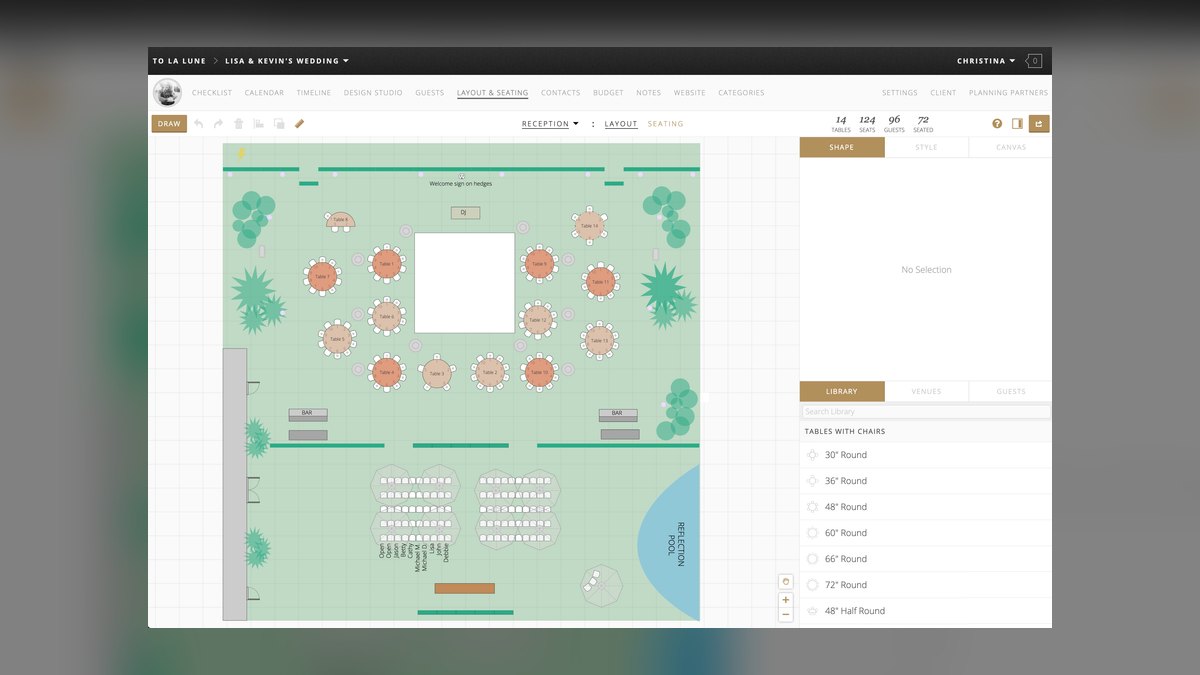
Aisle Planner ranks fourth because it is the professional planner's command center for event production, going deep on detailed timelines, design boards, digital seating charts, and vendor coordination. Its strength is the day-of timeline and floor plan tooling that consumer apps gloss over, allowing minute-by-minute schedules and shared branded client portals. AI and automation speed up template-based timelines and task lists across multiple events. It uses subscription pricing that scales with active projects.
This is for full-service wedding planners and coordinators who manage entire productions, not just bookings. It trades away the client management and payment features that HoneyBook excels at. Compared to HoneyBook above, Aisle Planner focuses on the event itself rather than the business pipeline. It is overkill for couples planning a single wedding.
5. Canva Magic Studio
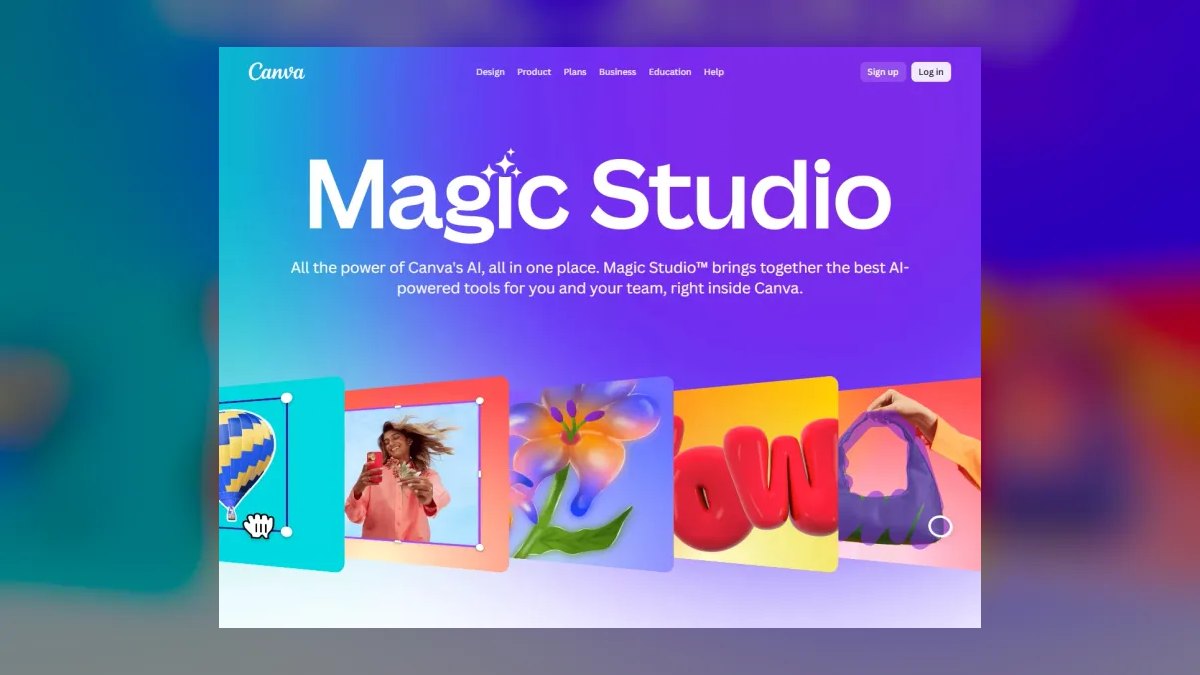
Canva Magic Studio ranks fifth because it is the most accessible AI design suite for wedding stationery, signage, seating charts, menus, and social posts. Magic Design turns prompts into branded templates, Magic Write drafts invitation copy, and AI image tools generate or edit visuals for save-the-dates. Couples can produce a matching suite in an afternoon and export print-ready files or order prints directly.
This is for DIY couples and planners producing their own stationery and signage without hiring a graphic designer. It trades away any wedding-specific logistics like guest lists or budgets. Compared to ChatGPT below, Canva is superior for visual design but weaker for writing and reasoning. It is not a planning hub, so it must be combined with a dedicated planner.
6. ChatGPT
ChatGPT ranks sixth because it is the highest-leverage free tool for the writing and reasoning side of weddings, drafting vows, toasts, ceremony scripts, and vendor negotiation emails. It can untangle seating-chart conflicts and build day-of checklists on request. The free tier handles the vast majority of wedding writing tasks, while ChatGPT Plus at $20 per month adds faster models and more capacity.
This is for anyone who freezes at a blank page, whether a groom writing vows or a planner drafting a tricky client email. It trades away any structured planning tools, so it must be paired with The Knot or Zola. Compared to Canva above, ChatGPT is superior for text but useless for design. Always fact-check anything it states about real vendors, prices, or contracts.
7. Joy (withjoy.com)

Joy ranks seventh because it is a free, polished alternative to The Knot and Zola for wedding websites, RSVPs, and guest communication, with one of the best mobile experiences in the category. It consolidates the guest list, schedule, registry, and messaging in one app that couples and guests actually enjoy using. Its AI and automation help with website copy, schedule building, and guest messaging, including meal preferences and plus-one management. The registry supports products, cash funds, and group gifting.
This is for couples who prioritize the guest experience and want a clean, free site and app. It trades away the heavy logistics tools that professional planners need, so pros treat it as a client-facing companion. Compared to ChatGPT above, Joy is a dedicated wedding platform with structured tools, but it lacks the raw writing power. It is lighter than The Knot for vendor discovery.
8. Provenance

Provenance ranks eighth because it solves one specific, emotionally loaded problem extremely well: building the ceremony. Its AI-assisted ceremony script builder and vow-writing tools walk couples and officiants through structure, readings, and personalization, producing a complete, coherent script. A friend officiating for the first time can produce a professional-quality script in an evening. It has a free ceremony-builder tier with paid add-ons and premium content.
This is for couples writing personal vows and non-professional officiants who need structure. It trades away any broader planning features, so it must be paired with a full planner. Compared to Joy above, Provenance is far narrower but far deeper for ceremony-specific needs. It is not useful for budgets, guest lists, or vendor management.
9. Prismm (formerly AllSeated)
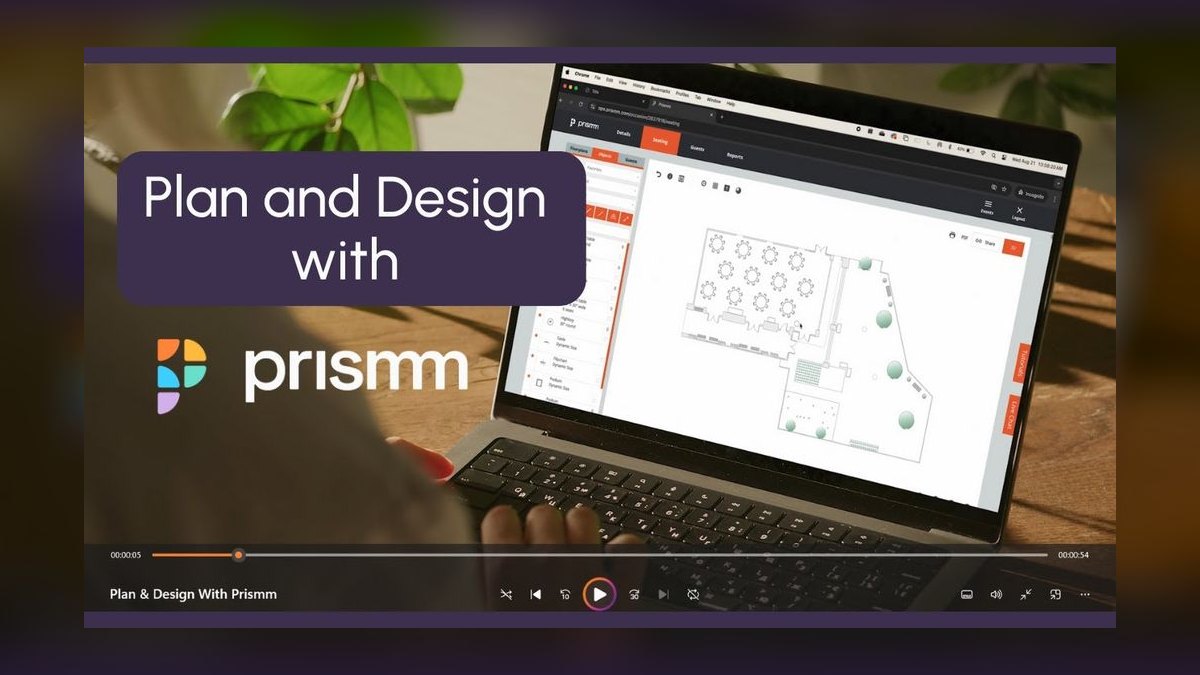
Prismm ranks ninth because it is the professional standard for 3D event design and floor planning, used by planners and venues to build to-scale floor plans and 3D walkthroughs. It pulls from a large library of real venue floor plans, letting users drop in tables, dance floors, and stages to verify a layout fits the space and fire-code capacity. For a 200-guest reception, it prevents the expensive mistake of discovering a blocked service door on-site.
This is for venues, caterers, and planners who need accurate spatial design, not casual couples. It trades away any wedding planning features beyond the floor plan, so it is a specialist tool. Compared to Social Tables below, Prismm offers more immersive 3D walkthroughs, while Social Tables is stronger for venue-planner collaboration. It is overkill for a couple planning a small wedding.
10. Social Tables
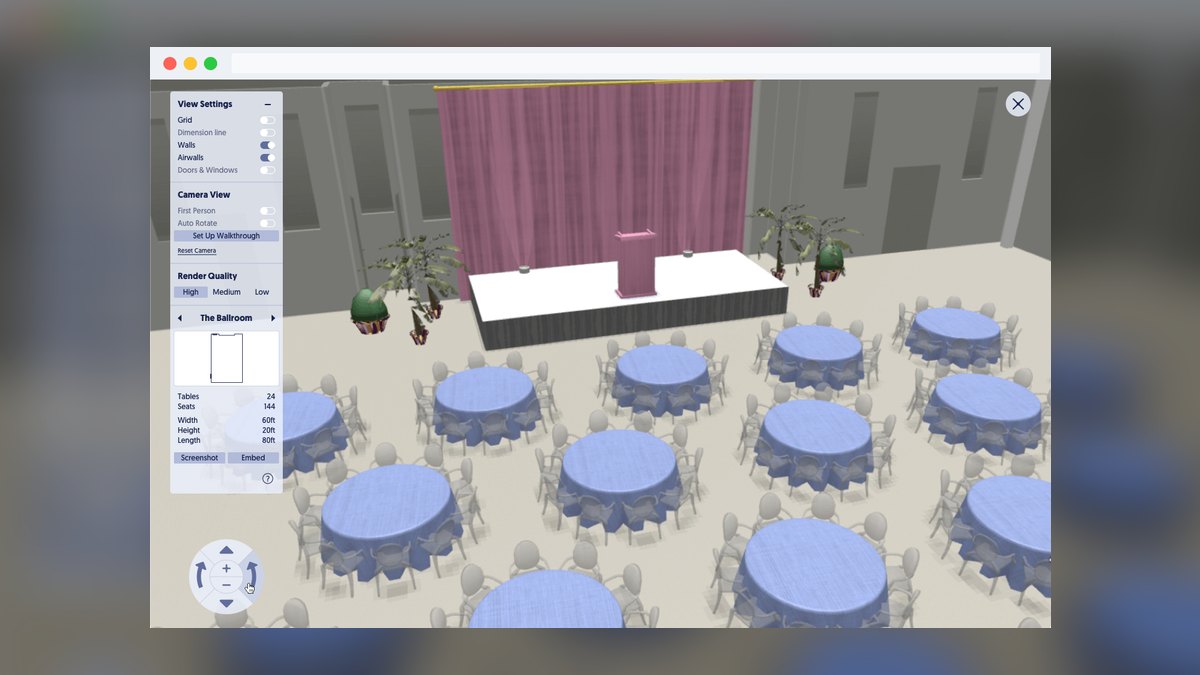
Social Tables ranks tenth because it is a serious event diagramming and seating tool for professionals, widely used by hotels and banquet venues hosting weddings. It produces to-scale diagrams, interactive seating charts, and guest-check-in views, with collaboration between venue and planner working from the same accurate diagram. Seating assignments, meal counts, and table layouts stay synced, reducing setup-day errors. It is a Cvent product, making it a standard in the hospitality industry.
This is for hotel and venue banquet teams and the planners who work with them. It trades away any consumer-facing features, so casual couples will not need it. Compared to Prismm above, Social Tables is stronger for venue-planner collaboration but offers less immersive 3D visualization. It is best for events of 150-plus guests in hotel ballrooms.
How we ranked these
We ranked tools by scoring six weighted factors: breadth of planning workflow, quality of AI assistance, vendor and registry network depth, pricing and free tier, professional versus consumer fit, and reliability of data handling. Each tool was evaluated against its stated 2027 features and publicly listed pricing, with higher weight given to free tiers and genuine AI utility over marketing claims.
We deliberately ignored subjective brand popularity, influencer endorsements, and anecdotal user reviews, as these are prone to bias and not verifiable. We also excluded tools that lacked transparent pricing or clear AI capabilities. The goal was to rank based on measurable, functional criteria that directly impact a couple's or planner's real-world experience, not hype.
What to look for
When choosing, focus on your primary need: couples should prioritize a free all-in-one hub like The Knot or Zola for logistics, while professionals need HoneyBook for client management and Aisle Planner for event production. For design, Canva's free tier is sufficient for most DIY needs. Consider the vendor marketplace depth in your region and whether the AI features genuinely save time, not just add novelty.
The biggest mistake is paying for a tool before exhausting free options. Most couples can plan entirely with free tiers of The Knot, Zola, ChatGPT, and Canva. Another common error is choosing a tool based on popularity rather than fit—a professional planner needs different features than a couple, and a design-focused couple may prefer Zola over The Knot despite the latter's larger marketplace.
Related questions
What is the best free AI tool for wedding planning?
The Knot is the best free all-in-one AI wedding planning tool, offering budget tracking, checklists, guest list management, and a vendor marketplace. Its AI drafts timelines and vendor messages. For writing tasks, ChatGPT's free tier is excellent for vows and toasts, while Canva's free version handles design needs.
How does Zola compare to The Knot for AI features?
Zola excels in AI-assisted design and copywriting, generating website copy and invitation wording, while The Knot focuses on AI for timelines and vendor outreach. Zola has a smaller, curated vendor marketplace, whereas The Knot has the largest U.S. directory. Both are free, so the choice depends on whether you prioritize design or comprehensive vendor options.
What AI tools do professional wedding planners use?
Professional planners typically use HoneyBook for client management, including proposals, contracts, and payments, and Aisle Planner for event production, such as timelines and seating charts. For spatial design, they may use Prismm or Social Tables for 3D floor plans. These tools are subscription-based and designed for business workflows.
Can AI help write wedding vows?
Yes, Provenance offers a guided ceremony script builder and vow-writing tools, while ChatGPT can generate personalized drafts quickly. Many couples use both: Provenance for structure and ChatGPT for creative rewrites. Always refine the output to match your voice and relationship.
Is it safe to use AI tools for guest list management?
Dedicated planning platforms like The Knot, Zola, and Joy have established privacy practices for handling guest data. Avoid entering full contact lists into general-purpose chatbots. Always review each tool's privacy policy to understand how your data is stored and used.
What is the best AI tool for wedding seating charts?
For professional-grade seating, Prismm (formerly AllSeated) and Social Tables offer to-scale floor plans and interactive seating charts. For casual use, The Knot and Zola provide basic seating tools within their free platforms. Prismm is best for 3D visualizations, while Social Tables excels in venue collaboration.
How much should I budget for AI wedding planning tools?
You can plan a wedding entirely for free using The Knot or Zola, ChatGPT's free tier, and Canva's free version. If you want premium features, Canva Pro costs about $120/year and ChatGPT Plus $20/month, totaling under $400 annually—a small fraction of typical vendor costs.
Are there AI tools for designing wedding invitations?
Canva Magic Studio is the most accessible tool for designing invitations, offering AI-powered template generation and copywriting. It allows you to create a cohesive suite of stationery, from save-the-dates to thank-you notes, with print-ready exports. The free tier is sufficient for most couples.
FAQ
Is The Knot really free in 2027?
Yes, The Knot's core planning tools—budget, checklist, guest list, website, and vendor marketplace—are free. Revenue comes from vendor advertising and affiliate partnerships, not couple subscriptions. This makes it an excellent value for most couples.
Which tool is best for writing wedding vows?
Provenance is best for guided structure and ceremony scripts, while ChatGPT is ideal for fast, personalized drafts. Many couples use both: Provenance for the framework and ChatGPT for rewrites. This combination ensures a coherent, personal ceremony.
What should a professional wedding planner use?
Start with HoneyBook for client management, including proposals, contracts, and payments. Use Aisle Planner for event production, such as timelines and design. Add Prismm or Social Tables when you need accurate 3D floor plans. These tools streamline business and event logistics.
Can AI tools handle my guest list and RSVPs?
Yes, The Knot, Zola, and Joy all manage guest lists, RSVPs, meal choices, and plus-ones for free. These tools replace the spreadsheet approach, automating updates and communication. They are user-friendly and reliable for both couples and guests.
Is it safe to put guest data into these platforms?
Established platforms like The Knot, Zola, and Cvent's Social Tables have real privacy and data practices. However, always read each tool's policy. Avoid pasting full guest contact lists into general chatbots; keep that data inside dedicated planning tools to ensure security.
How much should I budget for paid tools?
A couple can plan entirely for free. If you add Canva Pro (~$120/year) and ChatGPT Plus ($20/month), you're under $400 a year—a fraction of a single vendor deposit. This budget provides premium design and AI capabilities without breaking the bank.
What is the best AI tool for wedding websites?
Zola and Joy are top choices for wedding websites, offering beautiful templates and easy customization. Zola excels in design and registry integration, while Joy provides an excellent mobile experience for guests. Both are free and include RSVP management.
Can AI help with vendor communication?
Yes, The Knot's AI drafts vendor inquiry messages, and ChatGPT can write negotiation emails. These tools save time and ensure professional communication. Always verify any facts or prices mentioned in AI-generated messages before sending.
What is the best AI tool for budget tracking?
The Knot offers a free budget tracker that uses regional averages to suggest allocations. It's integrated with your checklist and vendor marketplace, making it easy to track expenses. For more complex needs, a spreadsheet or specialized financial tool may be necessary.
Are there AI tools for ceremony planning?
Provenance is specifically designed for ceremony planning, offering a script builder and vow workshops. It provides templates across traditions and secular formats. This tool is ideal for couples and first-time officiants who need structure and personalization.
Sources
- https://www.theknot.com/
- https://www.zola.com/
- https://withjoy.com/
- https://www.honeybook.com/
- https://www.aisleplanner.com/
- https://www.canva.com/magic-studio/
- https://www.provenance.co/
- https://www.prismm.com/
- https://www.socialtables.com/
Related on PULSE
- [More ai tools for wedding planning rankings and buying guides](/knowledge)
- [PULSE Tools and calculators](/tools)
- [Everything on PULSE RevOps](/)
 pulse-ai-infrastructureThe 10 Best AI Inference Accelerators in 2027
 pulse-ai-infrastructureThe 10 Best AI Tools for Newsletter Writing in 2027
 pulse-ai-infrastructureThe 10 Best AI Tools for YouTube Optimization in 2027
 pulse-ai-infrastructureThe 10 Best AI Tools for Business Dashboards in 2027
 pulse-ai-infrastructureThe 10 Best RAG Frameworks in 2027
 pulse-ai-infrastructureHow do you scale LLM inference to handle thousands of concurrent users?
 pulse-ai-infrastructureWhat infrastructure do you need for fine-tuning versus RAG?
 pulse-ai-infrastructureThe 10 Best AI Tools for Backend Debugging in 2027
 pulse-ai-infrastructureThe 10 Best AI Tools for UI Mockups in 2027
 pulse-ai-infrastructureThe 10 Best AI Tools for Writing Movie Scripts in 2027