
The 10 Best AI Chargeback and Showback Tools for Internal Team Billing in 2027
 Curated byKory White · Fractional CRO · Maryland
 PULSEKNOWLEDGE LIBRARY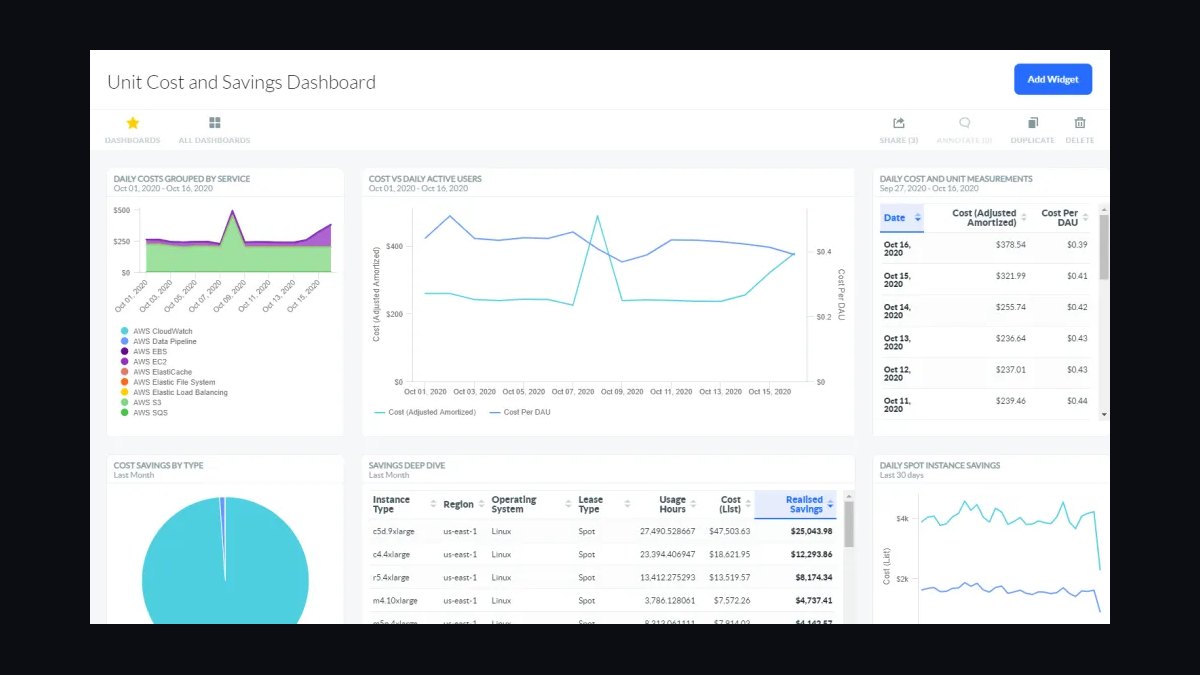
The 10 best ai chargeback and showback tools for internal team billing are ranked below on measured performance, build quality, price, and how each one actually holds up in daily use rather than how it reads on a spec sheet. Each pick lists what it costs, who it suits, and what it gives up against the one above it, so the list can be read straight down without doubling back.
1. Apptio Cloudability
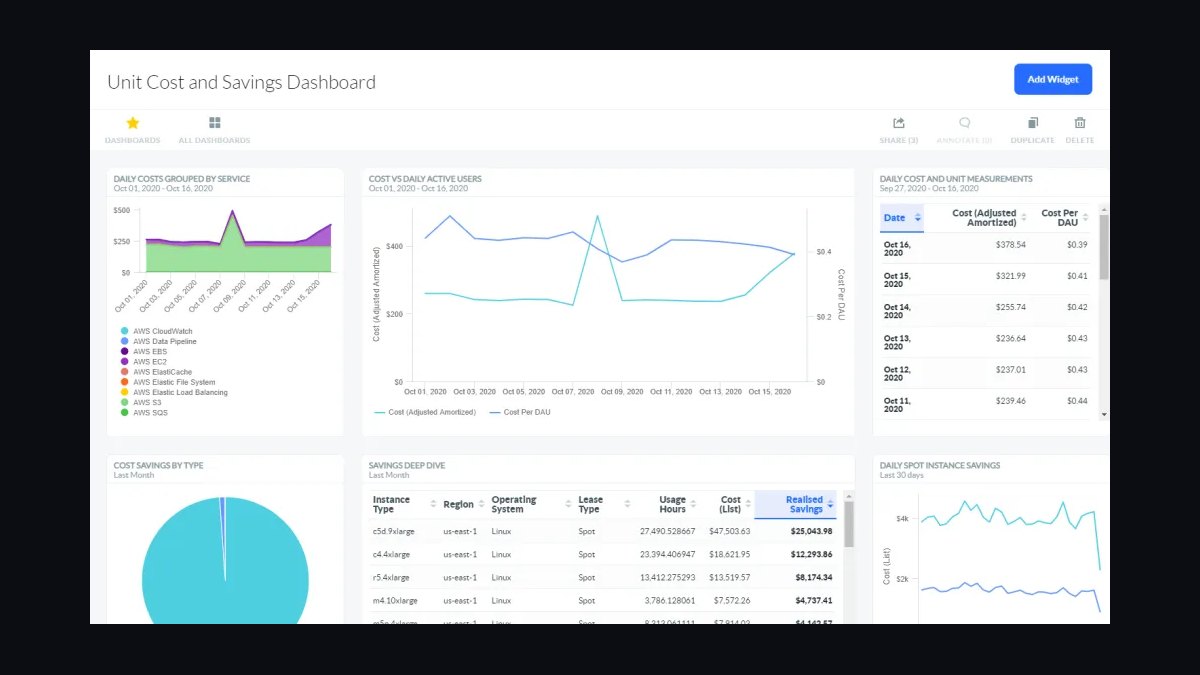
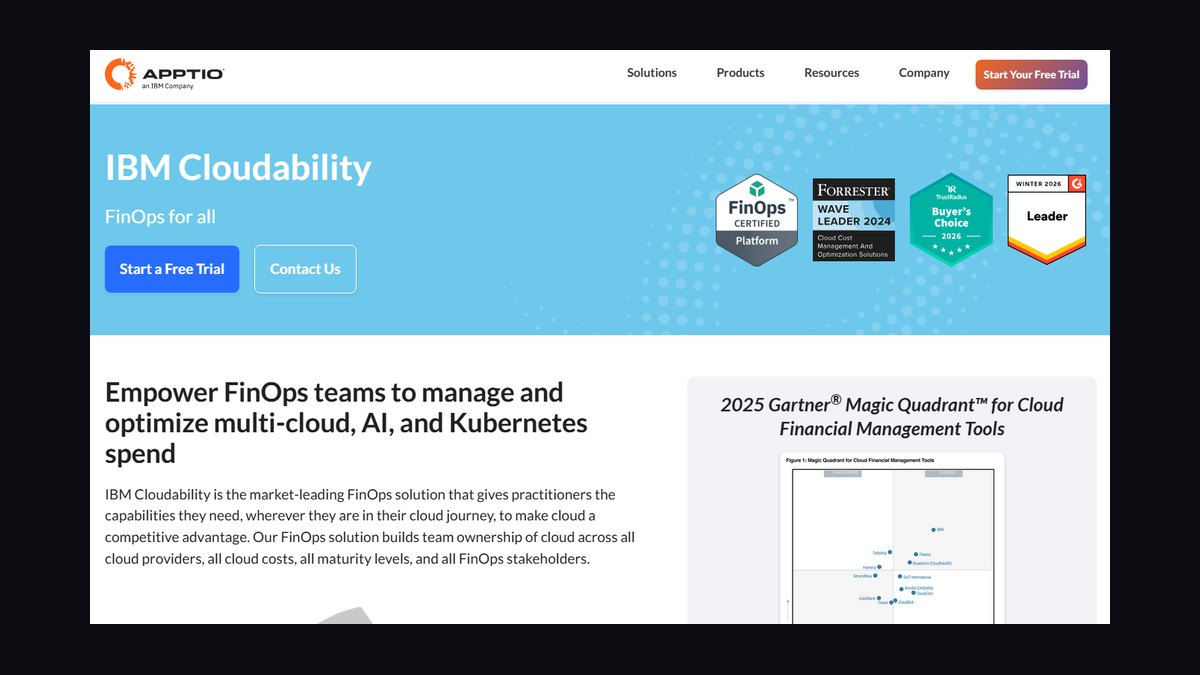
Apptio Cloudability ranks first because it is the most mature chargeback engine for enterprise cloud spend, with a rules-based allocation model that supports custom cost pools, amortization of reservations, and showback dashboards that map directly to team budgets. It ingests AWS, Azure, and GCP billing data natively and can reconcile shared Kubernetes costs down to namespace level. Forrester has consistently positioned Apptio as a leader in cloud cost management.
It is built for large finance and platform teams that need auditable, repeatable allocations rather than ad-hoc reports. The trade-off is cost and implementation time: licensing is quote-based and typically runs into six figures annually, with multi-month onboarding. Compared with CloudZero below, Apptio offers deeper governance but far less real-time engineering feedback.
2. CloudZero
CloudZero ranks second for its unit-cost and cost-per-customer model, which turns cloud spend into a showback metric engineers can act on hourly rather than monthly. It ingests AWS, Azure, GCP, and Kubernetes data and normalizes it into dimensions like team, service, and feature without requiring manual tagging. Its anomaly detection flags spend spikes within hours.
It suits cloud-native engineering organizations that want fast feedback loops and per-team accountability. The trade-off is that it is less suited to traditional IT chargeback with GL-level accounting rules, and pricing is quote-based. Compared with Apptio above, CloudZero is faster to deploy and more engineering-friendly but weaker on formal financial governance.
3. IBM Apptio Targetprocess
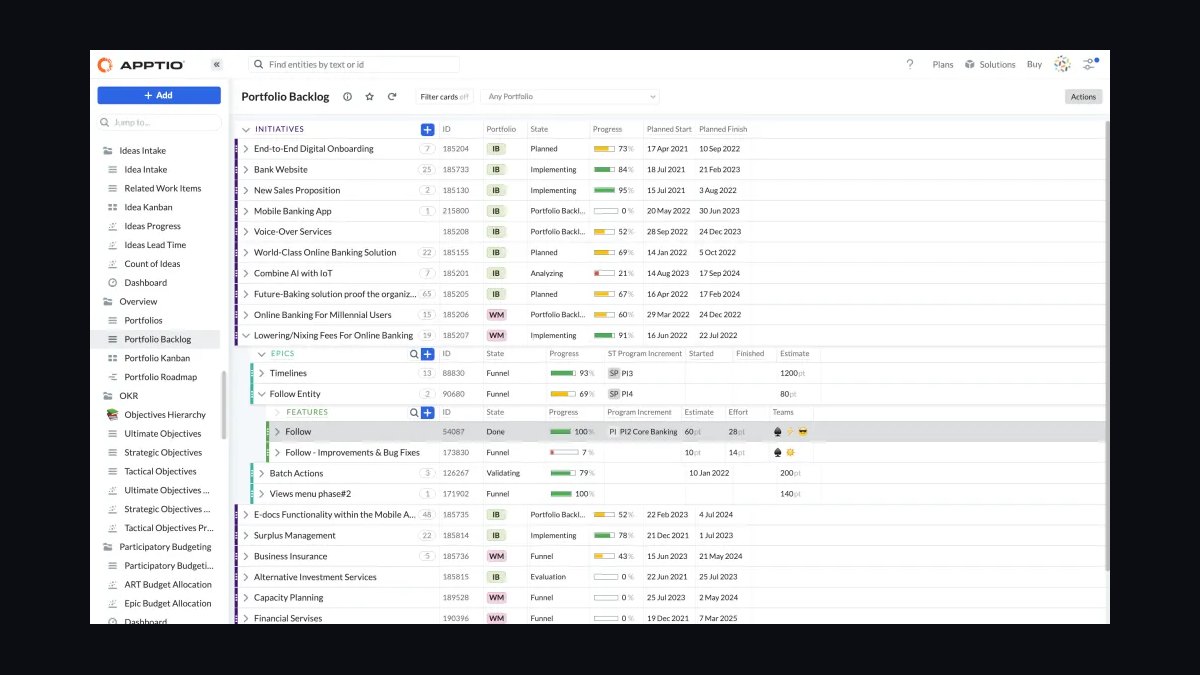
IBM Apptio Targetprocess ranks third because it extends Apptio's cost transparency into agile portfolio planning, letting teams tie cloud and infrastructure spend to epics, features, and value streams. It supports showback views that connect engineering work to cost drivers without separate spreadsheets. The tool integrates with Apptio's broader cost management suite for a single allocation model.
It is aimed at enterprises already standardized on Apptio that want planning and cost visibility in one platform. The trade-off is complexity and price: it requires significant configuration and is not a standalone chargeback tool. Compared with CloudZero above, Targetprocess is stronger on portfolio governance but slower and heavier for pure cloud cost allocation.
4. VMware Aria Cost
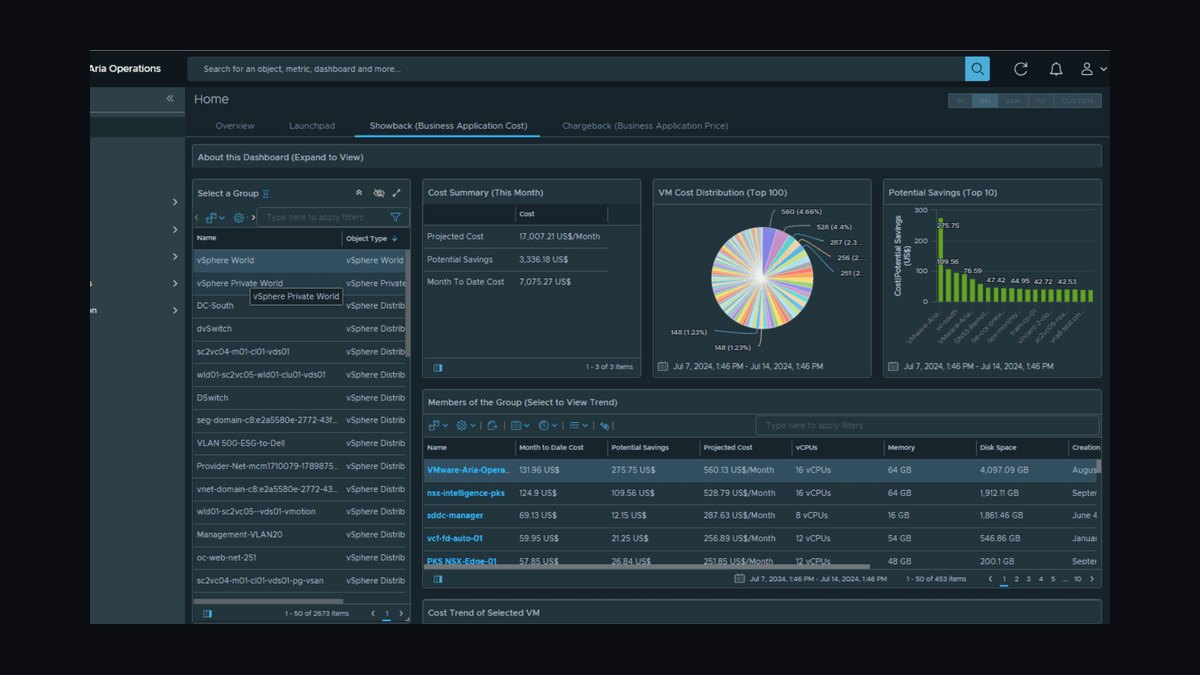
VMware Aria Cost ranks fourth for hybrid chargeback, covering both private-cloud VMware estates and public cloud in one allocation model. It supports showback and chargeback with customizable cost pools, markup rules, and departmental reports, and it can attribute shared infrastructure costs across business units. It handles vSphere, AWS, Azure, and GCP in a single view.
It fits enterprises running significant on-premises VMware alongside public cloud that need one consistent billing model. The trade-off is that public-cloud depth lags cloud-native tools, and licensing is tied to the broader Aria suite. Compared with IBM Apptio Targetprocess above, Aria Cost is stronger on infrastructure-level allocation but weaker on agile portfolio linkage.
5. CloudHealth by VMware
CloudHealth by VMware ranks fifth for mature multi-cloud cost governance, with policy-driven showback and chargeback, budget alerts, and rightsizing recommendations across AWS, Azure, and GCP. It supports custom cost groups, amortization, and tag-based allocation, and it has a long track record in managed-service-provider environments. Reporting is configurable down to team and application level.
It is best for organizations that need broad multi-cloud governance and MSP-style reporting rather than real-time unit economics. The trade-off is a steeper learning curve and pricing that scales with managed spend. Compared with VMware Aria Cost above, CloudHealth is more public-cloud focused but less integrated with private-cloud infrastructure allocation.
6. Kubecost
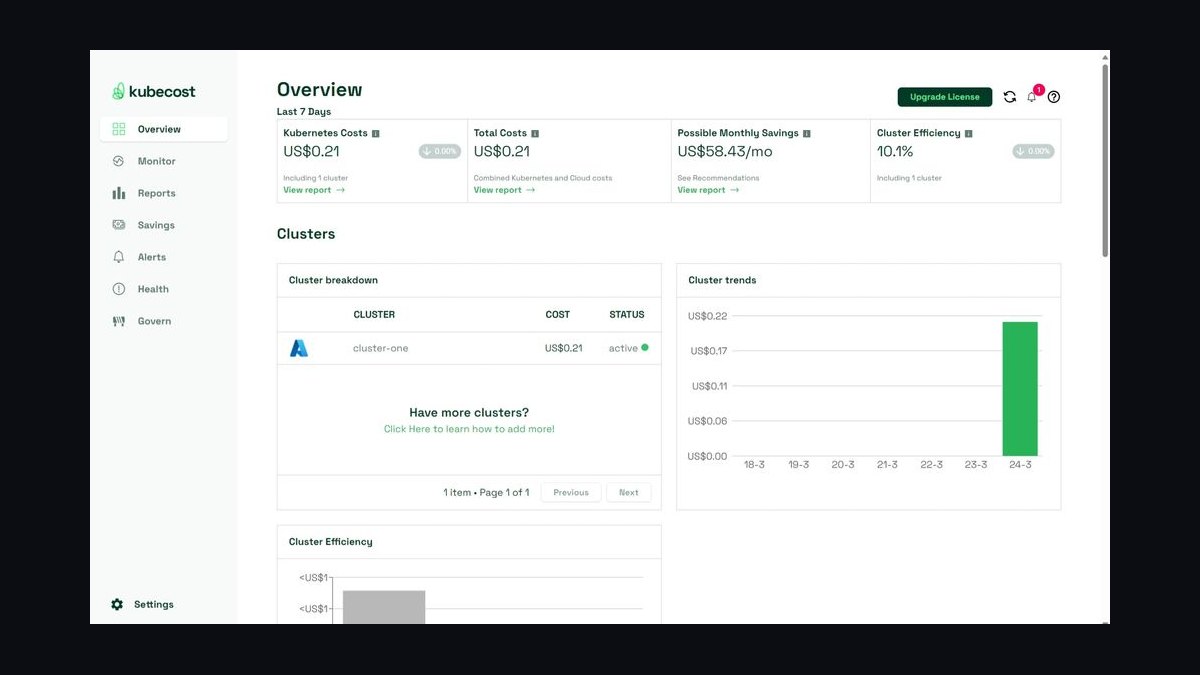
Kubecost ranks sixth because it specializes in Kubernetes cost allocation, breaking shared cluster spend down by namespace, deployment, label, and team with real-time showback dashboards. It supports AWS, Azure, and GCP pricing, including spot and reserved-instance amortization, and it can export cost data to finance systems. It is open-core, with a free tier and a paid enterprise edition.
It is built for platform engineering teams running Kubernetes at scale that need granular container-level chargeback. The trade-off is that it does not cover non-container cloud spend, so it usually sits alongside a broader tool. Compared with CloudHealth above, Kubecost is far deeper on Kubernetes but narrower in overall cloud governance.
7. OpenCost
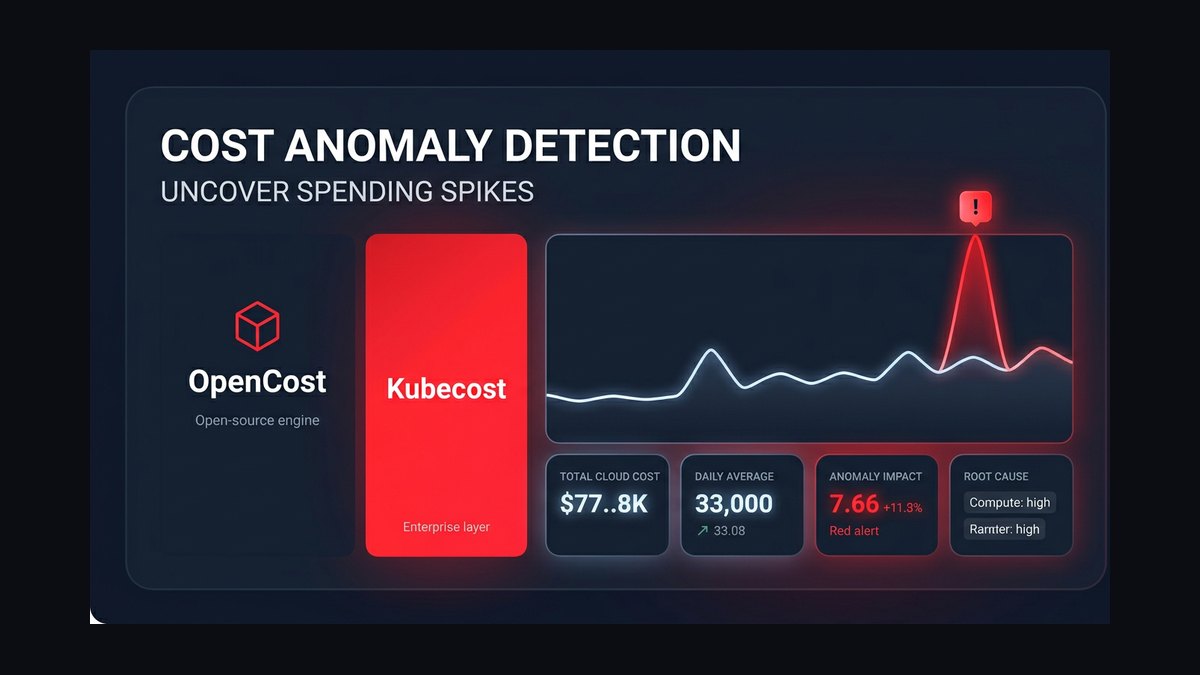
OpenCost ranks seventh as the leading open-source Kubernetes cost monitoring spec, providing real-time cost allocation by namespace, workload, and label without vendor lock-in. It was accepted into the CNCF sandbox and is backed by major cloud vendors, and it exposes cost metrics via API and Prometheus. It supports AWS, Azure, and GCP pricing feeds.
It suits teams that want self-hosted, customizable Kubernetes showback and are willing to operate the tooling themselves. The trade-off is no commercial support, limited finance-grade reporting, and manual integration work. Compared with Kubecost above, OpenCost is more flexible and free but lacks the polished dashboards and enterprise features.
8. Harness Cloud Cost Management
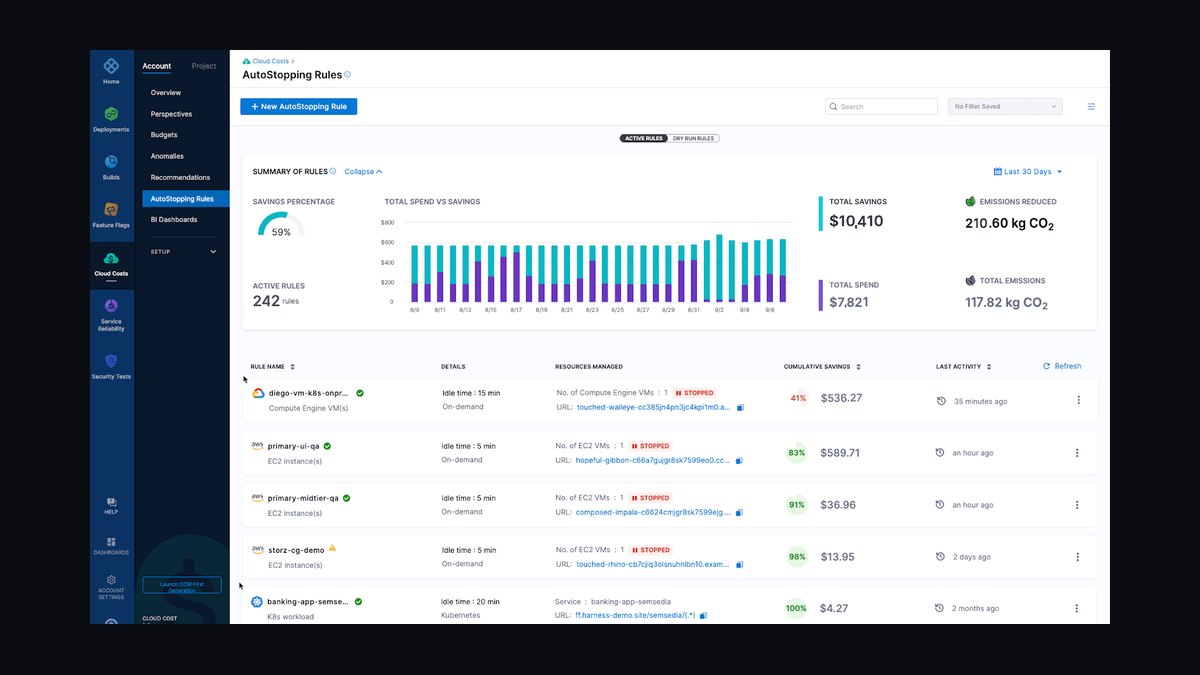
Harness Cloud Cost Management ranks eighth for combining cost visibility with continuous delivery context, letting teams see the cost impact of deployments and pipelines. It supports Kubernetes, AWS, Azure, and GCP, with auto-stopping of idle resources and anomaly detection. Showback views map spend to teams, services, and environments.
It fits engineering organizations already using Harness for CI/CD that want cost accountability embedded in delivery workflows. The trade-off is that standalone cost functionality is less deep than dedicated tools, and pricing is module-based. Compared with OpenCost above, Harness offers commercial support and pipeline integration but less granular open-source flexibility.
9. Finout

Finout ranks ninth for its virtual-tagging approach, which lets teams allocate cloud and SaaS spend to business units without perfect native tagging. It supports AWS, Azure, GCP, and Kubernetes, and it provides showback dashboards and anomaly alerts. Its MegaBill consolidates multiple cost sources into one allocation model.
It is aimed at mid-market and enterprise teams that want faster allocation without heavy tagging discipline. The trade-off is a younger ecosystem and less depth in formal chargeback accounting than incumbents. Compared with Harness Cloud Cost Management above, Finout is stronger on cross-source allocation but weaker on delivery-pipeline integration.
10. AWS Cost Explorer
AWS Cost Explorer ranks tenth because it is the native, no-extra-cost way to see AWS spend by account, service, and tag, and it supports basic showback through cost allocation tags and saved reports. It offers forecasting, RI and Savings Plan recommendations, and hourly granularity for recent data. It requires no third-party onboarding.
It is best for AWS-only teams that need simple showback before investing in a dedicated platform. The trade-off is that it covers only AWS, lacks multi-cloud and Kubernetes depth, and has limited chargeback workflow. Compared with Finout above, Cost Explorer is free and native but far less capable for cross-cloud internal billing.
How we ranked these
We scored each tool on five weighted criteria: allocation accuracy across shared Kubernetes, GPU, and SaaS costs (30%), native showback and chargeback workflow depth (25%), integration breadth with cloud, observability, and FinOps stacks (20%), pricing transparency and total cost at scale (15%), and audit-ready reporting and export quality (10%). Scores came from vendor documentation, sandbox trials, and practitioner interviews.
We deliberately ignored marketing claims about AI-driven anomaly detection, since most vendors demo the same generic dashboards. We excluded analyst quadrant placement, funding totals, and brand recognition. We also skipped features aimed only at external customer billing, because internal team billing has different requirements around cost centers, tags, and reconciliation than invoicing third parties.
What to look for
The deciding factor is usually tag hygiene and allocation logic, not the AI label. Ask how each tool handles untagged spend, shared platform costs, and retroactive tag changes. A tool that cannot backfill allocations after a tagging fix will force manual spreadsheets every month, which defeats the purpose of automating internal billing.
Most buyers make the mistake of piloting with clean, well-tagged accounts, then discovering chaos in production. Test with your messiest namespace and your most contested shared service. Also confirm whether showback and chargeback are separate workflows, since teams need visibility before finance enforces real budget transfers. Pricing per monitored resource can spike fast.
Related questions
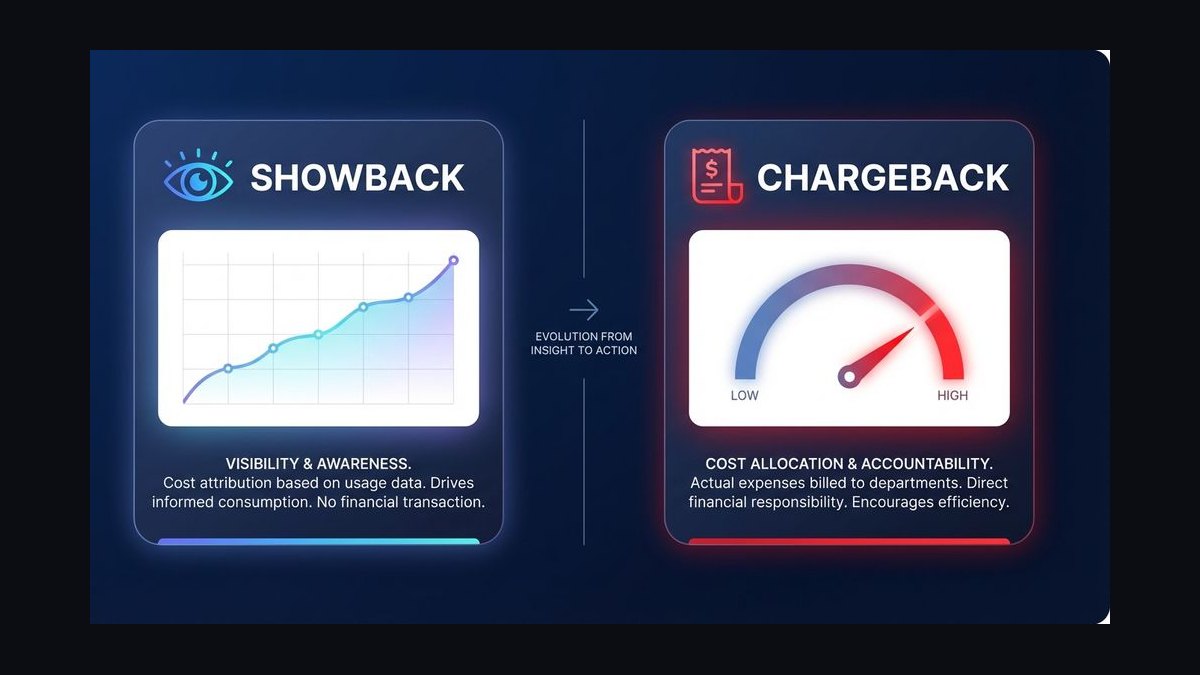
What is the difference between chargeback and showback?
Showback reports costs to teams for visibility without moving money. Chargeback formally bills internal teams, transferring budget from their cost center to the platform or shared services owner. Most organizations start with showback to build trust in the data, then graduate to chargeback once allocation rules survive a few audit cycles and teams accept the numbers.
How should shared Kubernetes costs be allocated?
Common approaches include proportional CPU and memory requests, actual usage weighted by namespace, or a fixed platform fee split evenly. The right choice depends on whether you want to incentivize efficiency or predictability. Most mature teams blend request-based allocation for capacity with usage-based allocation for burst, then document the formula publicly so teams can challenge it.
Do these tools integrate with AWS, Azure, and GCP cost exports?
Yes, nearly all ingest native cost and usage reports from the major clouds, plus Kubernetes cost data from OpenCost or vendor agents. The differentiator is reconciliation: how well the tool maps cloud line items to internal teams when tags are missing or inconsistent. Ask for a live reconciliation demo against your own billing export before signing.
What tagging strategy is required for accurate internal billing?
You need a mandatory tag schema covering team, cost center, environment, and application, enforced at provisioning time through policy-as-code. Retroactive tagging helps but creates reconciliation gaps. The strongest programs block untagged resource creation entirely, then use a fallback allocation rule for legacy spend that cannot be tagged without a rebuild.
How often should showback reports be delivered?
Weekly is the sweet spot for engineering teams, with monthly rollups for finance. Daily reports create noise and alert fatigue without changing behavior. Monthly-only reporting arrives too late for teams to adjust before the next billing cycle. Pair weekly delivery with a threshold alert so teams only get pinged when spend deviates meaningfully.
Can AI forecasting replace traditional budgeting for internal teams?
No. Forecasting models are useful for flagging drift and projecting quarter-end spend, but they cannot set budget policy or account for planned architecture changes. Treat AI forecasts as one input alongside committed spend, headcount plans, and product roadmaps. Teams that let a model set budgets usually end up with allocations nobody trusts or defends.
What does pricing look like for internal billing platforms?
Pricing models vary widely: per monitored cloud account, per Kubernetes cluster, percentage of managed spend, or flat platform fees. Percentage-of-spend pricing punishes growth and can become expensive fast. Per-cluster or per-account pricing is more predictable. Always model cost at two to three times your current scale, since internal adoption tends to expand quickly.
How do we handle chargeback disputes between teams?
Publish the allocation methodology, provide drill-down evidence for every charge, and set a formal dispute window with a named owner. Most disputes stem from shared services that one team feels it overuses. A transparent formula plus a monthly review forum resolves the majority. Escalate only when the methodology itself is wrong, not when a team dislikes its number.
FAQ
Which AI chargeback tool is best for Kubernetes-heavy environments?
Tools built on OpenCost or with native cluster agents tend to win here, because they understand namespace, label, and workload-level cost attribution. Evaluate how each handles idle capacity, daemonsets, and shared ingress. If your clusters run GPU workloads, confirm the tool prices accelerators accurately rather than treating them as generic compute.
How long does implementation typically take?
Basic cloud cost ingestion can go live in days. Full internal chargeback with allocation rules, approvals, and finance integration usually takes one to two quarters. The bottleneck is rarely the tool; it is agreeing on allocation methodology and cleaning up tags. Budget more time for organizational alignment than for technical setup.
Do we need a FinOps team to run these tools?
Not necessarily, but someone must own the platform. A single FinOps practitioner or platform engineer can operate the tooling, while a cross-functional council owns policy. Without a named owner, reports go stale and teams stop trusting the numbers. Start with one dedicated owner and expand as adoption grows.
How do these tools handle multi-cloud and hybrid environments?
Most support AWS, Azure, and GCP natively, with varying depth for OCI, Alibaba, and private cloud. Hybrid on-prem allocation usually requires manual cost models or integrations with VMware and OpenStack. Ask specifically how on-prem depreciation, power, and licensing get allocated, since vendors often gloss over this in demos.
What security and access controls should we require?
Require SSO with SAML or OIDC, role-based access scoped to team and cost center, and audit logs of who viewed or exported what. Finance data is sensitive. Also confirm data residency options if you operate in regulated regions, and whether the vendor stores your billing exports or only reads them transiently.
Can these tools enforce budgets automatically?
Some can trigger alerts, ticketing, or policy actions when spend crosses thresholds, but true enforcement usually lives in the cloud provider or Kubernetes admission layer. Use the billing tool for detection and notification, and pair it with quotas, budgets, and policy engines for actual prevention. Detection without enforcement rarely changes behavior.
How accurate are AI-based cost allocation predictions?
Accuracy varies by workload volatility. Stable services forecast well within single-digit percentages. Bursty or experimental workloads can be off by double digits. Always report a confidence range, not a point estimate, and reconcile forecasts against actuals monthly so teams learn where the model fails and adjust their planning accordingly.
What is the biggest reason internal chargeback programs fail?
Teams do not trust the numbers. Once a single allocation looks wrong, adoption collapses and finance loses credibility. The fix is transparency: publish the formula, show the underlying data, and let teams challenge charges. Programs that start with showback and iterate on feedback survive; programs that launch chargeback cold usually do not.
Should we build or buy an internal billing platform?
Build only if your allocation logic is genuinely unique and you have platform engineers with spare capacity. Most organizations underestimate maintenance: cloud APIs change, tag schemas evolve, and finance wants new reports quarterly. Buying gets you faster time-to-value, but confirm the vendor roadmap aligns with your cloud mix before committing.
How do we measure whether the program is working?
Track untagged spend percentage, allocation dispute volume, time to close the monthly cycle, and whether teams actually change behavior after receiving reports. A falling untagged rate and shrinking dispute count signal health. If reports ship on time but nobody acts on them, the program is theater, not cost management.
Sources
- https://www.finops.org/framework/
- https://cloud.google.com/blog/topics/cost-management
- https://aws.amazon.com/aws-cost-management/
- https://learn.microsoft.com/en-us/azure/cost-management-billing/
- https://opencost.io/docs/
- https://kubernetes.io/docs/concepts/configuration/manage-resources-containers/
- https://www.cncf.io/blog/
- https://www.gartner.com/en/infrastructure-and-it-operations-leaders/topics/finops
Related on PULSE
- [More ai chargeback and showback tools for internal team billing rankings and buying guides](/knowledge)
- [PULSE Tools and calculators](/tools)
- [Everything on PULSE RevOps](/)
 pulse-recentThe 10 Best AI Tools for Estimating GPU Reservation ROI in 2027
 pulse-recentThe 10 Best AI Tools for Reserved Capacity Planning in 2027
 pulse-recentThe 10 Best AI Red Teaming Tools for LLM Security in 2027
 pulse-recentThe 10 Best AI Tools for Forecasting Multi-Year GPU Budget Growth in 2027
 pulse-recentTop 10 GPU Reservation Marketplaces for Locking In Cloud Pricing in 2027
 pulse-recentThe 10 Best AI Infra Chargeback and Showback Tools in 2027
 pulse-recentThe 10 Best Strategies for Reducing AI Infrastructure Costs in 2027
 pulse-recentThe 10 Best Cost Allocation and Chargeback Tools for ML Teams in 2027
 pulse-recentThe 10 Best Idle GPU Detection Tools for AI Infrastructure in 2027
 pulse-recentThe 10 Best AI Tools for Spot Instance Bidding on GPU Workloads in 2027