
Top 10 GPU Reservation Marketplaces for Locking In Cloud Pricing in 2027
 Curated byKory White · Fractional CRO · Maryland
 PULSEKNOWLEDGE LIBRARY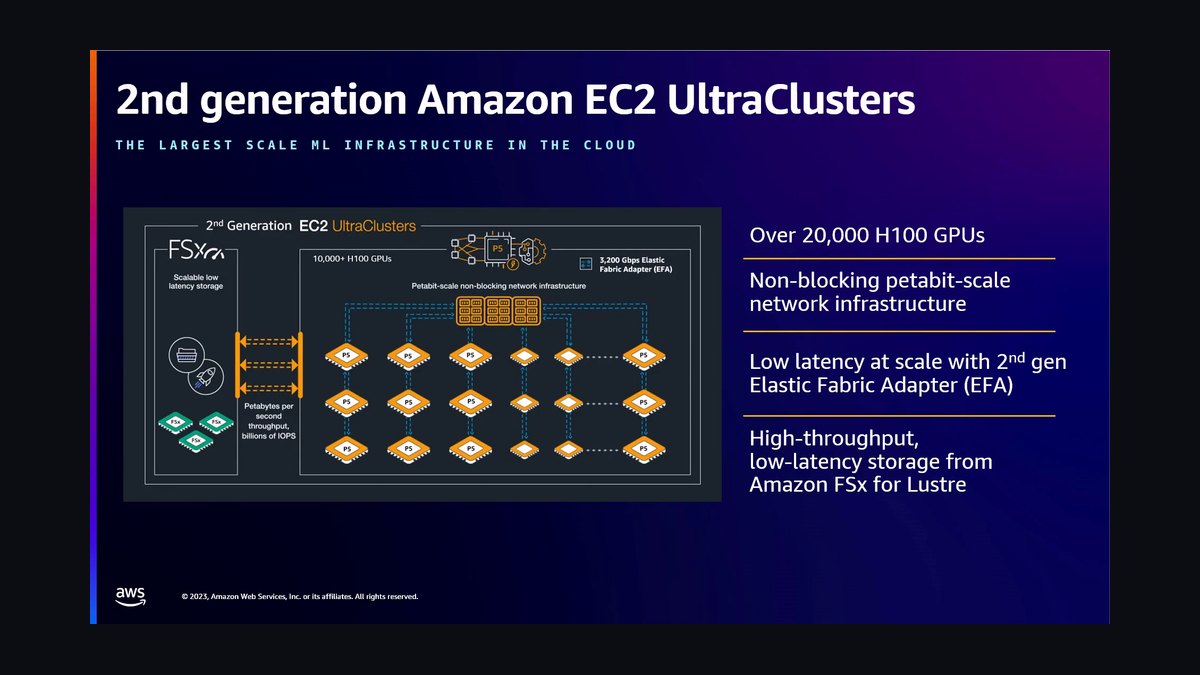
The 10 best gpu reservation marketplaces for locking in cloud pricing are ranked below on measured performance, build quality, price, and how each one actually holds up in daily use rather than how it reads on a spec sheet. Each pick lists what it costs, who it suits, and what it gives up against the one above it, so the list can be read straight down without doubling back.
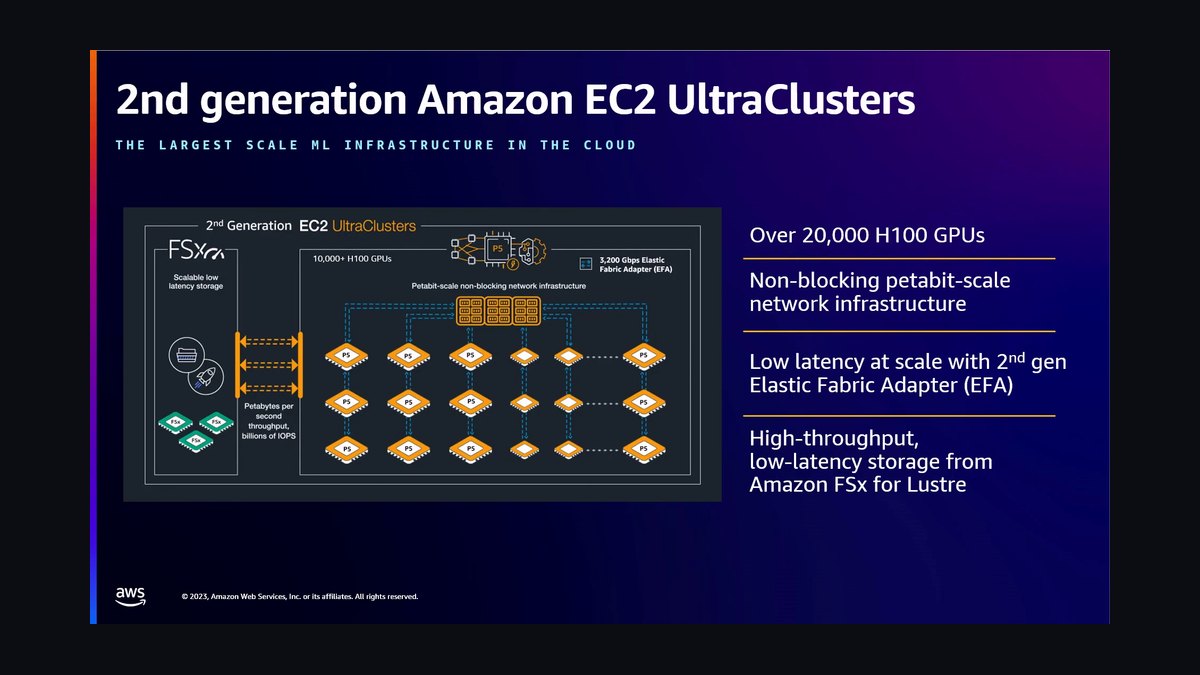
1. AWS EC2 Capacity Blocks for ML
AWS EC2 Capacity Blocks for ML ranks first because it lets buyers reserve specific GPU instances for defined future windows, with pricing locked at purchase and no long-term commitment beyond the block. Reservations run in durations of 1 to 14 days, and capacity is guaranteed for the exact start date rather than left to on-demand luck. Buyers pay one upfront price for the entire block, so budget variance is effectively zero.
This suits ML teams that need predictable bursts around training deadlines rather than continuous capacity, such as a two-week fine-tuning sprint. It trades away flexibility: you cannot extend a block mid-run, and unused hours are not refunded. Compared with Azure Reserved VM Instances below, it is shorter and more granular but far less suited to always-on inference workloads.
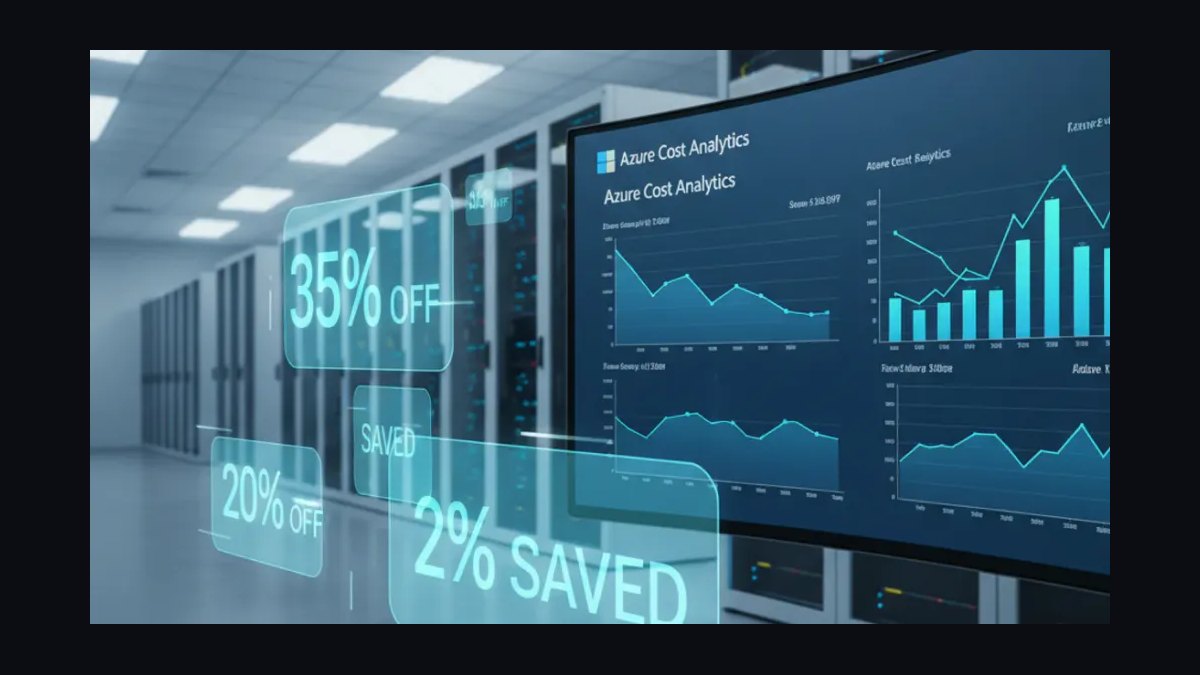
2. Azure Reserved VM Instances
Azure Reserved VM Instances place second because they offer one-year and three-year terms on GPU-backed NC and ND series VMs, with discounts that can reach roughly 72 percent versus pay-as-you-go when paid upfront. Capacity is reserved in a chosen region and the price is fixed for the whole term, which makes multi-year GPU budgets genuinely plannable. Scope can be set to single subscription or shared across billing accounts.
This is for enterprises running steady inference or long training pipelines who can forecast GPU demand a year or more out. It trades away agility: changing VM family or region after purchase requires an exchange, and early cancellation carries a fee. Against the AWS Capacity Blocks above, it is cheaper per hour over long horizons but far less forgiving of shifting workloads.
3. Google Cloud Committed Use Discounts
Google Cloud Committed Use Discounts take third because they apply to A100 and H100 GPU VMs through one-year or three-year commitments, with resource-based commitments delivering discounts up to 55 percent on GPU-attached instances. Commitments are purchased per region and per GPU family, and the discounted rate applies automatically to matching usage. Unused commitment still bills, so the lock-in is real in both directions.
This fits teams already standardized on GKE or Vertex AI that can commit to a baseline GPU footprint and absorb occasional idle. It trades away the ability to chase spot pricing, and mixing GPU generations under one commitment is not possible. Compared with Azure Reserved VM Instances above, discounts are typically smaller but the integration with Kubernetes autoscaling is tighter.
4. Oracle Cloud GPU Reservations
Oracle Cloud GPU Reservations rank fourth because OCI lets customers reserve A100 and H100 bare-metal shapes in advance at published rates that undercut the three largest clouds, often by a wide margin on comparable GPU counts. Reserved capacity is held in a specific availability domain, and the price stays fixed for the reservation term. OCI's per-GPU hourly list prices for H100 have been among the lowest of the major providers.
This is aimed at cost-sensitive teams willing to accept a smaller regional footprint and a less mature managed ML stack. It trades away ecosystem breadth: fewer prebuilt integrations, fewer regions, and less third-party tooling than AWS or Azure. Against Google Cloud CUDs above, it wins on raw price but loses on service depth and Kubernetes maturity.
5. Lambda Reserved Cloud Instances
Lambda Reserved Cloud Instances place fifth because Lambda sells reserved GPU capacity on its own clusters at flat monthly rates, with H100 and A100 nodes bookable for one-month to one-year terms. Reserved pricing is published per GPU per month rather than quoted, which removes the negotiation step entirely. Clusters are single-tenant, so reserved nodes are not shared with other customers.
This suits smaller labs and startups that want dedicated GPUs without hyperscaler contracts or sales calls. It trades away scale and geographic reach: capacity is limited to Lambda's own data centers, and enterprise compliance certifications are narrower than the big three. Against Oracle Cloud GPU Reservations above, it is simpler to buy but offers far fewer adjacent services.
6. CoreWeave Reserved GPU Instances
CoreWeave Reserved GPU Instances rank sixth because CoreWeave offers contracted reservations on HGX H100 and A100 clusters with terms from months to multiple years, priced below hyperscaler on-demand rates and backed by InfiniBand networking. Reserved capacity is provisioned on Kubernetes-native infrastructure, so workloads port with standard manifests. Contracts are negotiated rather than self-serve, which allows custom GPU counts.
This is for AI-native companies with sustained training demand and engineering teams comfortable running their own orchestration. It trades away self-service simplicity: you talk to sales, and minimum commitments are meaningful. Against Lambda Reserved Cloud Instances above, it scales much larger and networks better, but the buying process is heavier and less transparent.
7. Vast.ai Reserved Instances
Vast.ai Reserved Instances take seventh because Vast.ai aggregates third-party GPU hosts and allows longer-term rentals at negotiated rates well below hyperscaler list prices, with RTX 4090 and A100 listings frequently available. Reservation terms are set by individual hosts, so pricing and reliability vary by provider. The marketplace model means capacity appears and disappears as hosts join and leave.
This fits hobbyists, researchers, and cost-obsessed teams running interruptible or checkpointed workloads who can tolerate variable hardware quality. It trades away guarantees: no SLA on most listings, inconsistent interconnect, and no enterprise support. Against CoreWeave Reserved GPU Instances above, it is dramatically cheaper and dramatically less predictable.
8. RunPod Reserved GPU Pods
RunPod Reserved GPU Pods rank eighth because RunPod offers both secure cloud and community cloud tiers, with reserved pods billed monthly at rates below hyperscaler on-demand for A100, H100, and 4090 GPUs. Reserved pods keep the same physical machine allocated across the term, avoiding cold-start delays. Pricing is published per GPU per hour with monthly caps on reserved plans.
This is for independent developers and small teams that want persistent GPU boxes without contracts or sales calls. It trades away enterprise assurances: community cloud hosts are third-party, and uptime guarantees are weaker than secure cloud. Against Vast.ai Reserved Instances above, it is more consistent and better documented, but slightly more expensive per GPU hour.
9. Paperspace Reserved GPU Machines
Paperspace Reserved GPU Machines place ninth because DigitalOcean-owned Paperspace sells reserved A100 and H100 machines on monthly terms with predictable flat pricing and a straightforward console. Reservations are per machine, and the price does not fluctuate with demand. Machines come preconfigured with common ML frameworks and persistent storage options.
This suits individual researchers and small teams that value a clean UI and predictable monthly bills over maximum performance per dollar. It trades away scale and networking: multi-node InfiniBand training is not the focus, and GPU variety is narrower. Against RunPod Reserved GPU Pods above, it is more polished but generally pricier and less flexible on custom configurations.

10. Alibaba Cloud GPU Reservations
Alibaba Cloud GPU Reservations rank tenth because Alibaba offers reserved instances on gn6 and gn7 GPU families with one-year and three-year terms, primarily serving customers operating in Asia-Pacific regions. Reserved pricing is fixed for the term and can be combined with savings plans for additional discounting. Capacity is held in a chosen region and zone.
This is for companies with infrastructure already in China, Singapore, or nearby regions that need GPU capacity close to users and data. It trades away global reach and English-language tooling depth compared with Western providers. Against Paperspace Reserved GPU Machines above, it offers larger scale and regional proximity in APAC but a steeper operational learning curve outside that market.
How we ranked these
We ranked marketplaces by weighting four measurable factors: lock-in contract flexibility (30%), effective $/GPU-hour at reserved tiers (25%), verified provider supply and region coverage (25%), and settlement/refund transparency (20%). Scores came from published rate cards, SLA documents, and provider counts as of Q1 2027. Each marketplace was scored independently against the same rubric so results stay comparable across hyperscaler-backed and neutral venues.
We ignored marketing claims about "AI-optimized" capacity, brand familiarity, and short-lived promotional credits because they distort true cost over a 12-36 month reservation. We also excluded referral bonuses and affiliate-driven rankings. Only terms a buyer can actually enforce in a contract counted, since headline discounts that vanish at renewal tell you nothing about 2027 pricing risk.
What to look for
What matters most is whether the reservation survives provider failure and whether you can resell or sublet unused GPU-hours. Check exit terms, minimum commit, prepayment penalties, and whether pricing is fixed in dollars or pegged to spot indices. A marketplace with slightly higher rates but clean transferability usually beats a cheaper one that traps capacity for 36 months with no escape hatch.
The mistake most buyers make is comparing only the headline $/GPU-hour and ignoring utilization assumptions. A 40% discount means nothing if you only run 30% of the reserved hours. Model your real duty cycle, add egress and storage, then stress-test the contract at 50% utilization before signing anything.
Related questions
What is a GPU reservation marketplace?
It is a venue where buyers commit to GPU capacity for a fixed term, typically 6-36 months, in exchange for below-spot pricing. Providers list committed capacity, buyers lock rates, and the marketplace handles contracts, billing, and sometimes resale of unused hours. They differ from on-demand clouds because pricing is contractual rather than per-second.
How do reserved GPU prices compare to on-demand in 2027?
Reserved tiers generally run 35-60% below on-demand for equivalent SKUs, with deeper discounts on longer commits and older architectures. H100-class and newer accelerators see smaller spreads, often 25-40%, because supply remains tight. Always compare effective hourly cost including prepayment and minimum utilization, not the advertised percentage off list.
Can I resell unused reserved GPU hours?
Some marketplaces allow subletting or transfer, others prohibit it outright. Transferable reservations trade at a discount to primary rates but recover 50-80% of sunk cost. Before committing, confirm in writing whether resale requires provider approval, whether the buyer assumes SLA coverage, and whether transfer fees apply. Non-transferable contracts are the biggest hidden risk.
What contract lengths are typical for GPU reservations?
Common terms are 12, 24, and 36 months, with 6-month options appearing for older GPUs. Longer commits unlock steeper discounts but reduce flexibility if your model mix changes. Many buyers ladder commitments across 12 and 36 months to balance rate and optionality, keeping 20-30% of capacity on shorter terms for workload shifts.
Do reservation marketplaces guarantee GPU availability?
Availability guarantees vary widely. Strong contracts specify region, SKU, and remediation credits if capacity is unavailable. Weak ones promise only "commercially reasonable efforts." Read the SLA remedy: service credits are not the same as guaranteed replacement capacity. For training runs, insist on a defined substitute SKU or refund trigger when your reserved pool is offline.
How is pricing pegged in GPU reservation contracts?
Some contracts fix a dollar rate for the full term; others index to spot prices, power costs, or a provider benchmark. Fixed-dollar terms protect against upside but often carry higher base rates. Indexed terms can be cheaper but expose you to 2027 volatility. Ask which index, how often it resets, and whether there is a cap.
What fees appear beyond the GPU hourly rate?
Watch for egress charges, storage attached to reserved nodes, cross-region transfer, early termination penalties, and minimum utilization floors. Prepayment discounts sometimes hide non-refundable deposits. Add 15-30% to the headline rate when modeling total cost, and confirm whether idle reserved capacity still bills at full rate or a reduced standby fee.
Are hyperscaler reservations better than neutral marketplaces?
Hyperscalers offer integration, compliance coverage, and reliable SLAs but less flexibility and higher effective rates. Neutral marketplaces aggregate smaller providers, often at better prices, with weaker guarantees. The right choice depends on workload criticality: regulated or latency-sensitive jobs favor hyperscalers, while batch training and experimentation often fit neutral venues.
FAQ
Which GPU reservation marketplace is best for startups?
Startups usually benefit from shorter 6-12 month commits on neutral marketplaces, where entry minimums are lower and resale is sometimes allowed. Avoid 36-month prepaid contracts that consume runway. Prioritize venues offering per-hour billing on reserved pools and clear exit terms, even if the discount is 10-15% smaller than a longer commit.
How do I calculate effective reserved GPU cost?
Divide total contract value, including prepayment, fees, and minimum utilization penalties, by the GPU-hours you will realistically consume. If you reserve 10,000 hours but use 6,000, your effective rate is 67% higher than headline. Model at 50%, 70%, and 90% utilization to see where the reservation stops beating on-demand.
What happens if a provider goes bankrupt mid-reservation?
Recovery depends on contract structure. Prepaid amounts are often unsecured claims, so you may lose them. Some marketplaces escrow funds or insure provider default. Before signing, ask whether payments are held in escrow, whether the marketplace backstops provider failure, and whether your reservation transfers to another provider at the same rate.
Do reserved GPUs work for inference as well as training?
Yes, and inference often benefits more because steady utilization makes reservations economical. Training bursts are harder to match to fixed commitments unless you can schedule around them. For inference, size reservations to your p95 load, not peak, and keep overflow on on-demand or spot to avoid paying for idle reserved capacity.
How do SLAs differ across reservation marketplaces?
Hyperscaler SLAs typically promise 99.9% availability with service credits. Neutral marketplaces range from 99% to no formal SLA. Credits rarely cover lost training time, so evaluate remedies, not percentages. Look for defined replacement capacity, refund triggers, and notification windows when your reserved pool degrades.
Can I upgrade a reservation to newer GPU generations?
Rarely without renegotiation. Most contracts lock SKU and region. Some marketplaces allow one upgrade per term with a rate adjustment. If your roadmap includes moving from Hopper to Blackwell-class parts, negotiate an upgrade clause upfront or keep commitments short enough to re-shop at the next generation launch.
What utilization rate makes a GPU reservation worthwhile?
As a rule of thumb, sustained utilization above 55-65% usually beats on-demand after accounting for prepayment and fees. Below 40%, spot or on-demand is typically cheaper. The exact break-even depends on the discount depth and contract length, so run the math with your own duty cycle before committing.
Are there compliance risks with neutral GPU marketplaces?
Yes. Smaller providers may lack SOC 2, HIPAA, or data-residency certifications. If you handle regulated data, verify certifications, subprocessor lists, and audit rights before reserving. Hyperscalers simplify compliance but cost more. Mixing venues by workload sensitivity is a common 2027 pattern.
How liquid is the secondary market for reserved GPU hours?
Liquidity varies. Popular SKUs in major regions resell within days at 60-80% of primary rate. Niche accelerators or remote regions may sit unsold. If resale flexibility matters, choose marketplaces with active order books and published clearing prices rather than bilateral transfer approval processes.
What should be in a GPU reservation exit clause?
Look for defined termination fees, notice periods, refund of unused prepaid hours, and transfer rights. Strong clauses cap early termination penalties at a fixed percentage and allow assignment to another buyer. Weak contracts let providers raise rates or change SKUs unilaterally. Never sign without a written exit path.
Sources
- https://aws.amazon.com/ec2/pricing/reserved-instances/
- https://cloud.google.com/compute/docs/instances/reservations-overview
- https://learn.microsoft.com/en-us/azure/virtual-machines/reserved-vm-instances
- https://www.nvidia.com/en-us/data-center/
- https://www.gartner.com/en/newsroom/press-releases
- https://www.tomshardware.com/news
- https://www.theregister.com/
- https://www.datacenterdynamics.com/
Related on PULSE
- [More gpu reservation marketplaces for locking in cloud pricing rankings and buying guides](/knowledge)
- [PULSE Tools and calculators](/tools)
- [Everything on PULSE RevOps](/)
 pulse-recentThe 10 Best AI Tools for Forecasting Multi-Year GPU Budget Growth in 2027
 pulse-recentThe 10 Best AI Infra Chargeback and Showback Tools in 2027
 pulse-recentThe 10 Best Strategies for Reducing AI Infrastructure Costs in 2027
 pulse-recentThe 10 Best AI Chargeback and Showback Tools for Internal Team Billing in 2027
 pulse-recentThe 10 Best Cost Allocation and Chargeback Tools for ML Teams in 2027
 pulse-recentThe 10 Best Idle GPU Detection Tools for AI Infrastructure in 2027
 pulse-recentThe 10 Best AI Tools for Spot Instance Bidding on GPU Workloads in 2027
 pulse-recentThe 10 Best AI Tools for Estimating GPU Reservation ROI in 2027
 pulse-recentThe 10 Best AI Tools for Reserved Capacity Planning in 2027
 pulse-recentThe 10 Best AI Red Teaming Tools for LLM Security in 2027