
Top 10 Aquarium Water Conditioners 2027
 PULSEKNOWLEDGE LIBRARY
The 10 best aquarium water conditioners 2027 are ranked below on measured performance, build quality, price, and how each one actually holds up in daily use rather than how it reads on a spec sheet. Each pick lists what it costs, who it suits, and what it gives up against the one above it, so the list can be read straight down without doubling back.
1. Seachem Prime
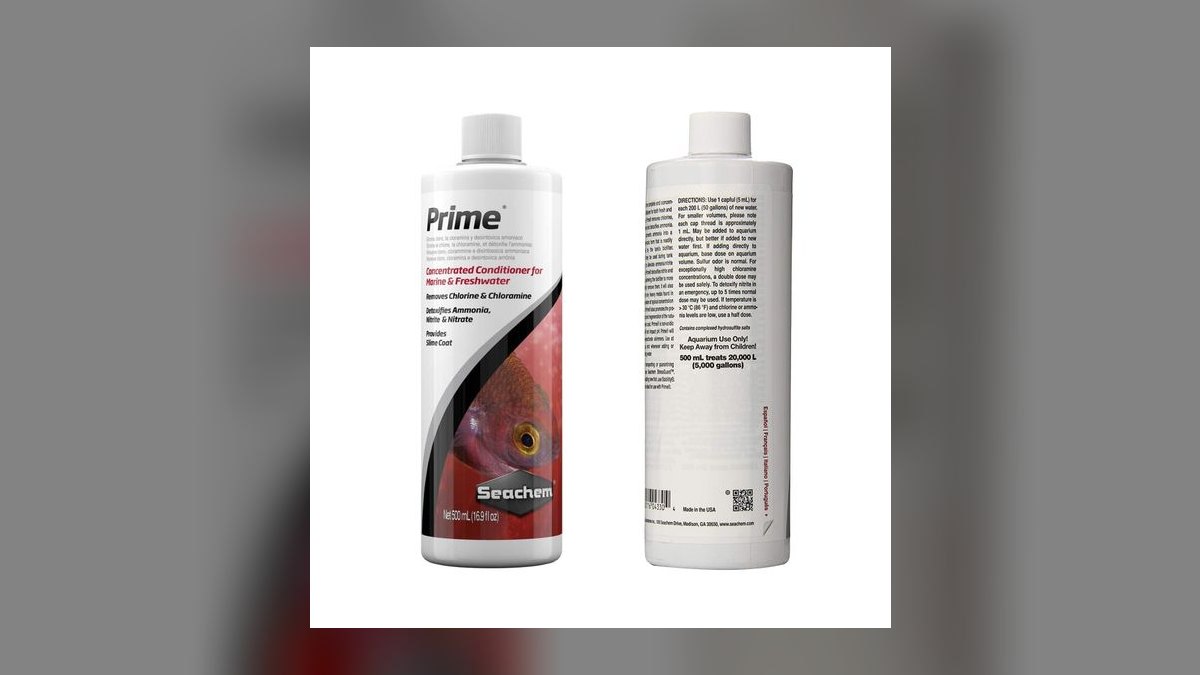
Seachem Prime ranks first because it is the most capable conditioner per dollar, treating 200 gallons per 5 mL capful, so a 500 mL bottle handles 20,000 gallons for about $13. It removes chlorine and chloramine and detoxifies ammonia, nitrite, and nitrate into a non-toxic form for 24 to 48 hours, making it an emergency tool during cycle stalls. Its concentration delivers the lowest cost per gallon among liquid formulas, roughly $0.0007 per gallon.
Prime is for keepers who measure carefully, as over-pouring can temporarily drop dissolved oxygen and require surface agitation. It also skews Nessler-type ammonia test kits, so a salicylate kit like Seachem MultiTest is needed. Compared to API Tap Water Conditioner, Prime adds ammonia detox that API lacks, justifying its slightly higher price per bottle for anyone with a new or unstable tank. It is the default choice for most freshwater and reef systems.
2. API Tap Water Conditioner
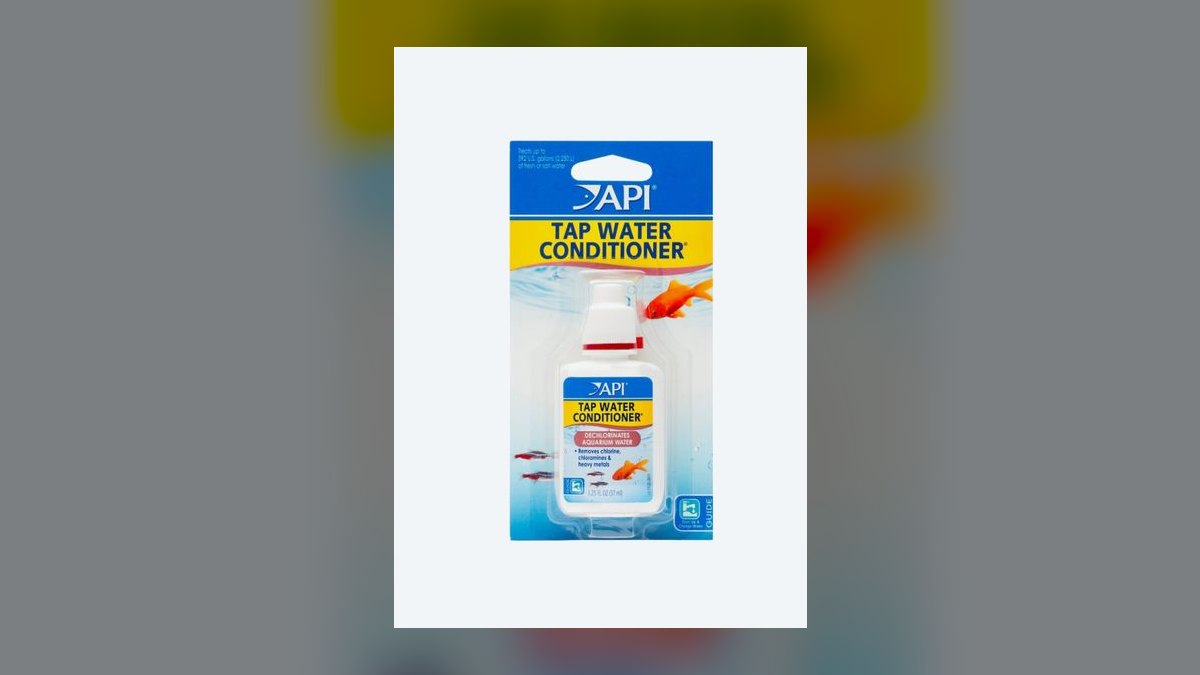
API Tap Water Conditioner ranks second as the best value for routine changes, with 1 mL treating 20 gallons, so a 473 mL bottle clears over 9,000 gallons for about $15. It removes chlorine and chloramine and binds heavy metals, making it the cheapest serious dechlorinator per gallon from a trusted brand. For a cycled community tank doing weekly water changes, it is the lowest cost per change available. Its concentration rivals Prime for the narrow job of dechlorination.
The trade-off is scope: it does not detoxify ammonia or nitrite and lacks a slime-coat additive, so it is not an emergency tool. This is fine for established tanks where the biofilter handles nitrogen, but new setups need Prime or Kordon AmQuel Plus instead. Compared to Seachem Prime, API is simpler and cheaper but less protective during spikes. It is the pick for stable systems where cost matters most.
3. Tetra AquaSafe Plus
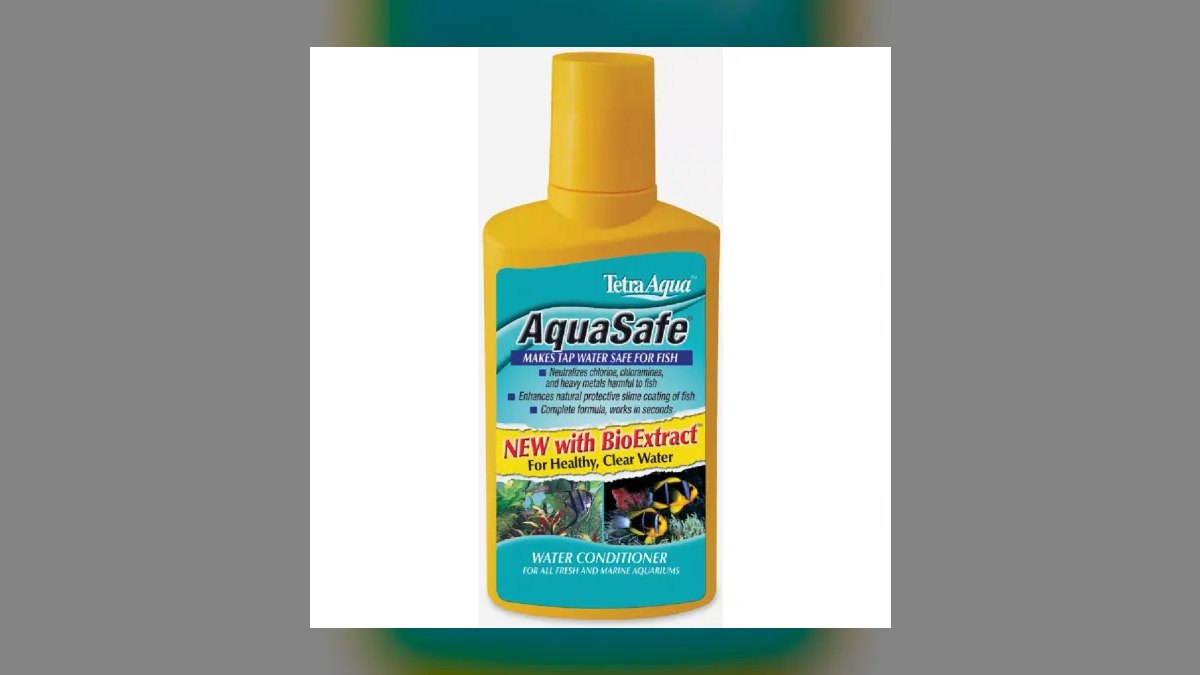
Tetra AquaSafe Plus ranks third because it is the friendliest bottle for beginners, with gentle dosing at 5 mL per 10 gallons that forgives over-pouring. It removes chlorine and chloramine, neutralizes heavy metals, and adds colloids and vitamin B to support the slime coat and reduce stress. A 100 mL bottle treats about 200 gallons for roughly $8, making it easy to measure without a syringe. Its mild concentration is a deliberate design for new keepers.
The cost is higher per gallon than Prime or API, and it does not detoxify ammonia, so it is not for emergencies. Compared to API Tap Water Conditioner, Tetra is less economical but more forgiving and adds slime-coat support. It pairs well with beginner kits and is widely stocked at pet stores. For a first-time fishkeeper who wants simple, safe dosing, this is the most user-friendly option.
4. Fluval Water Conditioner AquaPlus
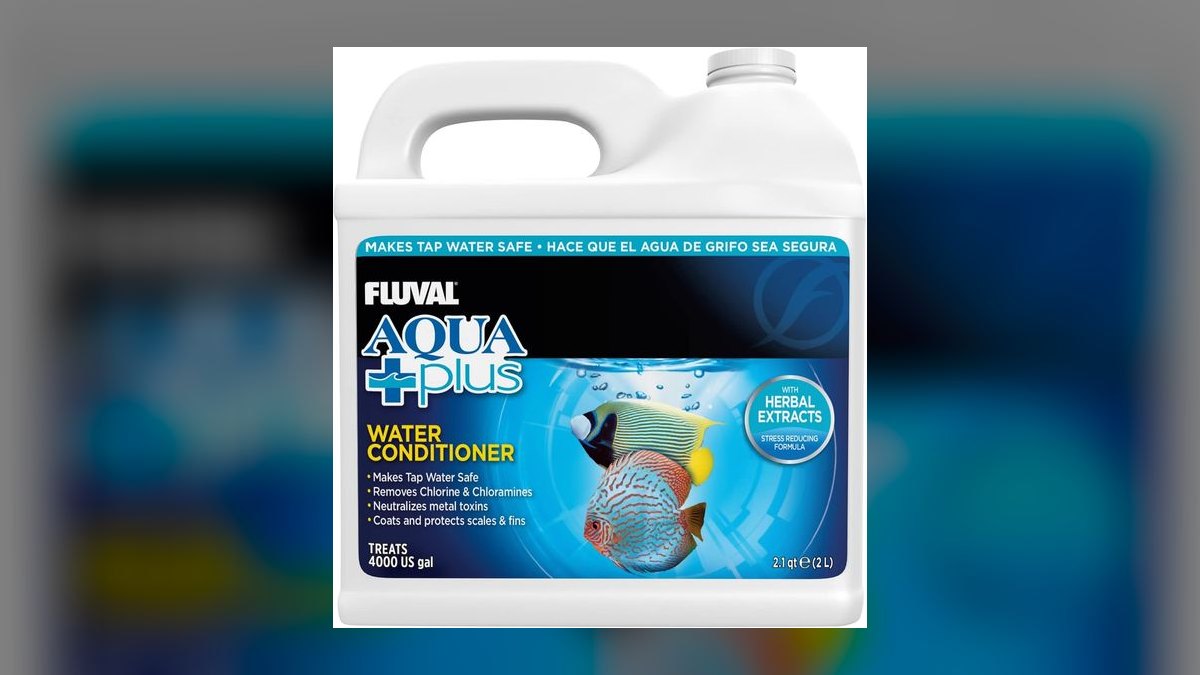
Fluval Water Conditioner AquaPlus ranks fourth as a well-rounded community formula that strips chlorine and chloramine, neutralizes heavy metals, and adds an aloe-based synthetic slime coat. Dosing at 5 mL per 10 gallons places it in the easy-measuring class, and the 120 mL bottle treats about 240 gallons for roughly $9. The aloe additive genuinely helps after netting or shipping fish by reducing handling stress. It is a solid mid-priced product from a respected hardware brand.
It does not address ammonia or nitrite, so a stronger bottle like Seachem Prime is needed for emergencies. Compared to Tetra AquaSafe Plus, Fluval offers a thicker aloe coat but similar concentration and price per gallon. For day-to-day changes on a stocked community tank where coat protection matters, it delivers reliable performance. It is a good choice for keepers who want a trusted brand with a slime-coat boost.
5. Seachem Safe
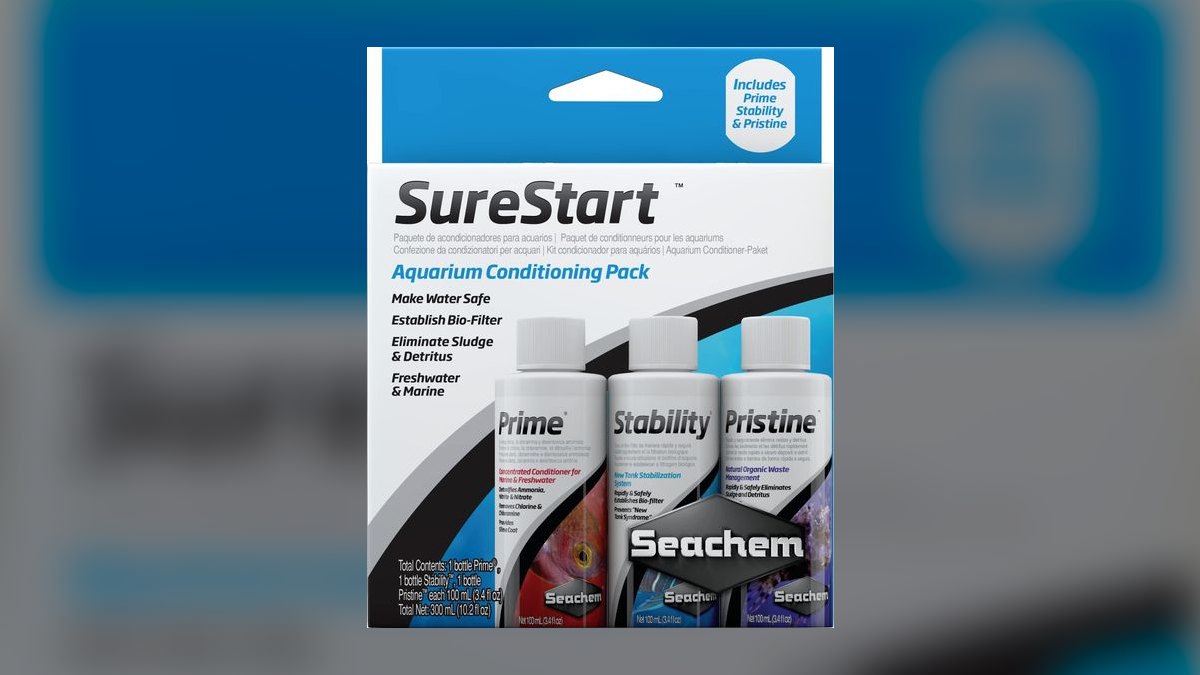
Seachem Safe ranks fifth as the powdered, ultra-concentrated sibling of Prime and the most economical conditioner by a wide margin. A 250 g jar treats roughly 250,000 gallons for about $18, making the per-gallon cost almost negligible. It uses the same chemistry to detoxify chlorine, chloramine, ammonia, and nitrite, matching Prime's scope. Large-system keepers, fish rooms, and pond owners buy it specifically for this math.
The catch is handling: you must measure micro-scoops by weight, and many keepers pre-mix a liquid stock solution, adding a step and shelf-life concern. Over-dosing carries the same oxygen caution as Prime. Compared to liquid Prime, Safe is cheaper per gallon but less convenient for small tanks. It is unbeatable for anyone running multiple tanks or very large systems who is comfortable with careful measuring.
6. Kordon AmQuel Plus
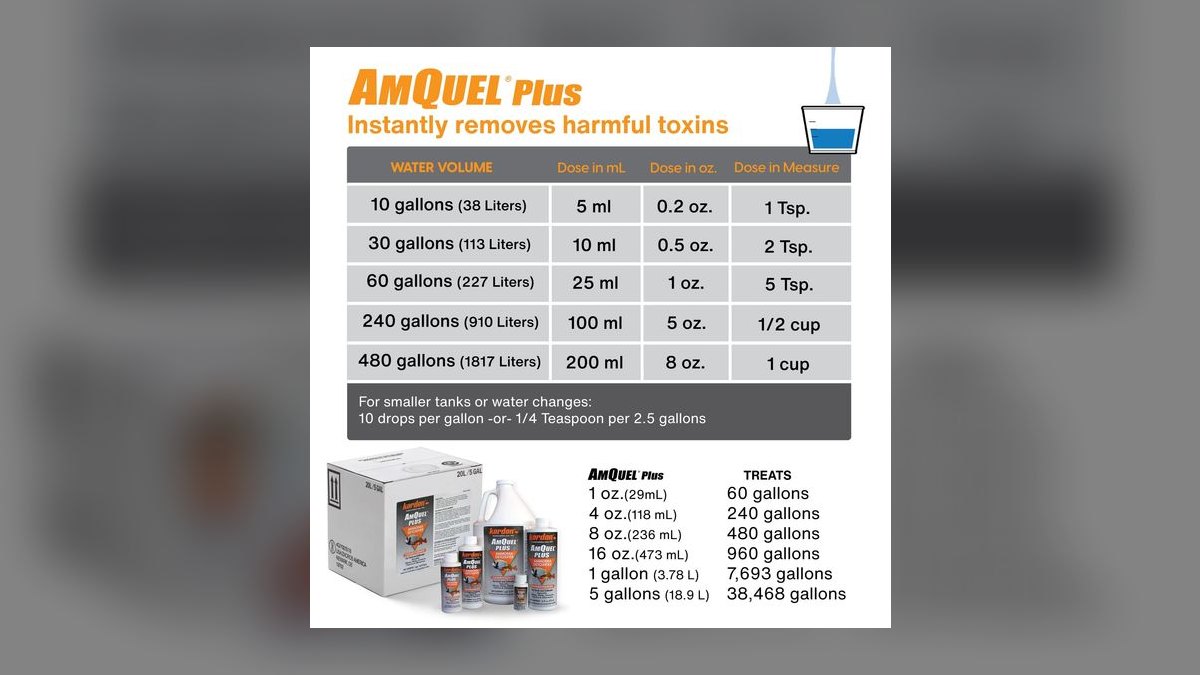
Kordon AmQuel Plus ranks sixth as a long-trusted detox specialist that removes chlorine and chloramine and actively binds ammonia, nitrite, and nitrate, much like Prime. Dosing at 5 mL per 10 gallons is easier to measure than Prime's tiny capful, and the 473 mL bottle treats about 940 gallons for roughly $13. It is a favorite for keepers fighting a mini-cycle or stocking heavily. Its formula has decades of credibility in the hobby.
It costs more per gallon than Prime despite similar capability, and many keepers pair it with NovAqua Plus for slime-coat and electrolytes. Compared to Seachem Prime, AmQuel Plus is less economical but more forgiving to dose. For a dedicated detox bottle during cycling trouble, it is a dependable choice. It works well for community tanks and is widely available at local fish stores.
7. API Stress Coat+
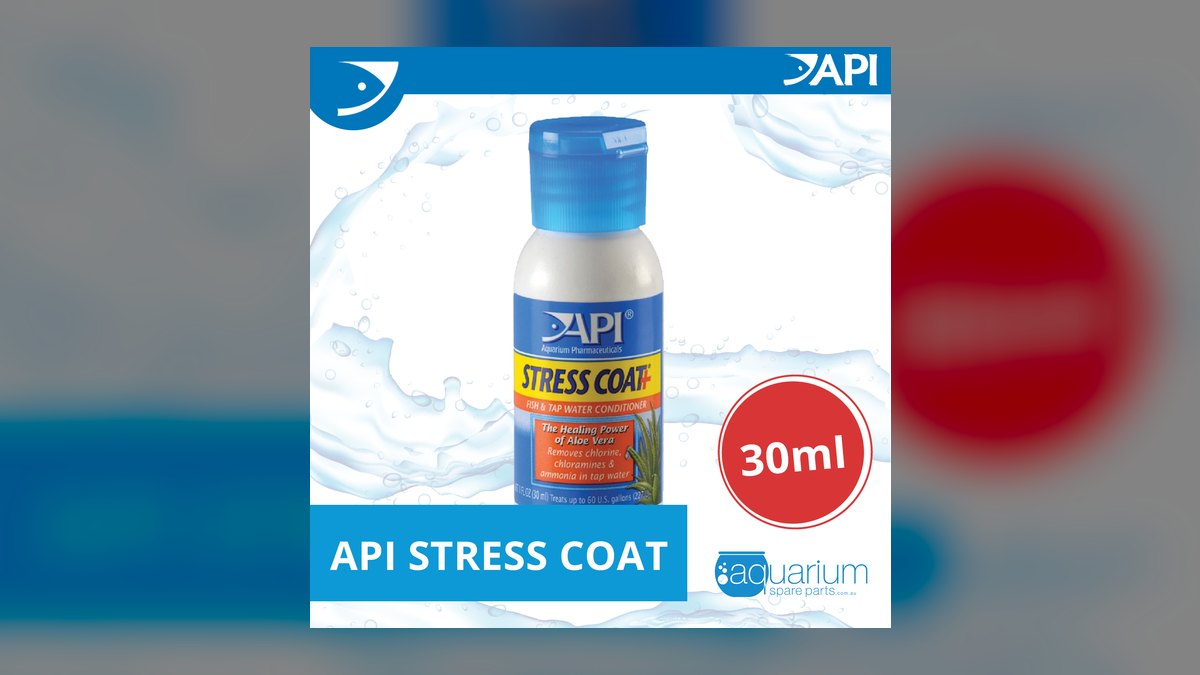
API Stress Coat+ ranks seventh as the best-known slime-coat conditioner, using real aloe vera to build a protective coat that helps heal torn fins and reduce transport damage. It removes chlorine and chloramine and neutralizes heavy metals, with dosing at 5 mL per 10 gallons that is forgiving for beginners. The 237 mL bottle treats about 470 gallons for roughly $10, placing it at a mid-tier price.
It does not detoxify ammonia, and the aloe makes the liquid slightly viscous, which can affect surface gas exchange if heavily overdosed. Compared to Fluval AquaPlus, Stress Coat+ has a stronger aloe concentration but similar scope and price. For moving fish or recovering injured ones, it is worth keeping next to your main bottle. It is the go-to for stressed or injured fish in a community tank.
8. Hikari Ultimate
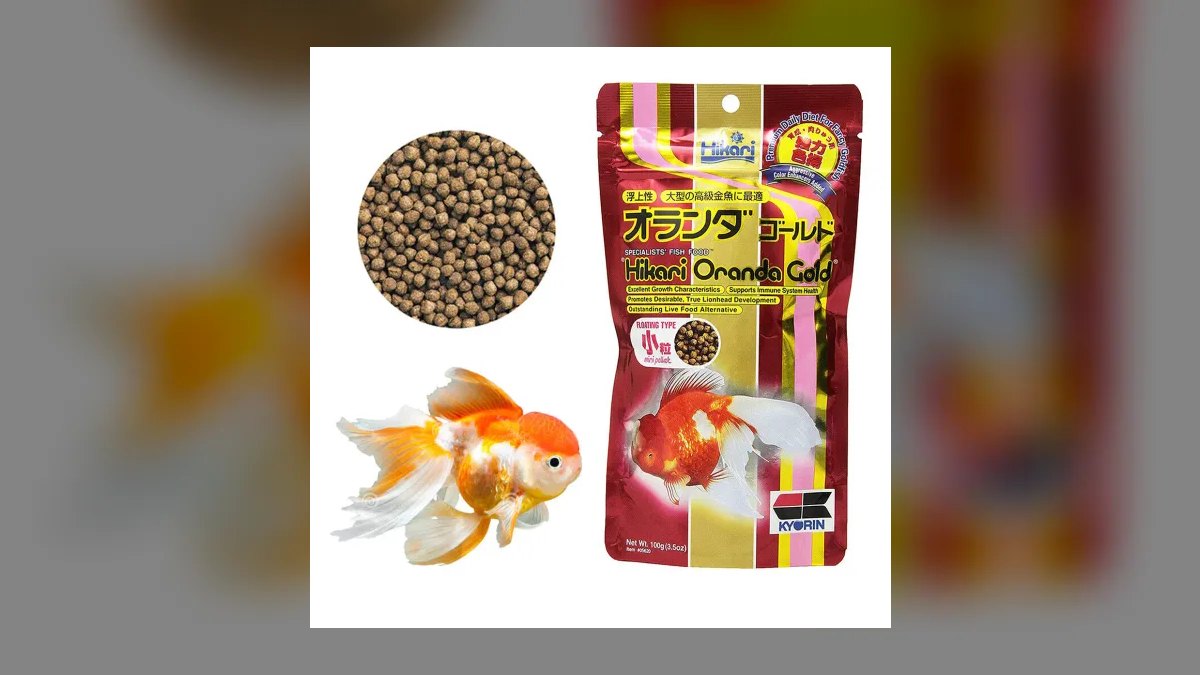
Hikari Ultimate ranks eighth as a premium all-in-one conditioner aimed at koi, goldfish, and sensitive show fish. It removes chlorine and chloramine, detoxifies ammonia and nitrite, binds heavy metals, and adds electrolytes plus a slime-coat polymer in one pour. Dosing is 5 mL per 5 to 10 gallons, and the 500 mL bottle treats roughly 500 gallons at koi dose for about $20. It is well regarded by pond and fancy-goldfish keepers for its broad protection.
It is one of the more expensive options per gallon, and the additive package is overkill for a simple community tank. Compared to API Stress Coat+, Hikari adds ammonia detox and electrolytes, justifying the higher price for high-value fish. For pond owners or keepers of prized goldfish who want detox and recovery support in a single bottle, it is a premium choice. It is less economical than Prime but more complete for sensitive species.
9. Aqueon Water Conditioner
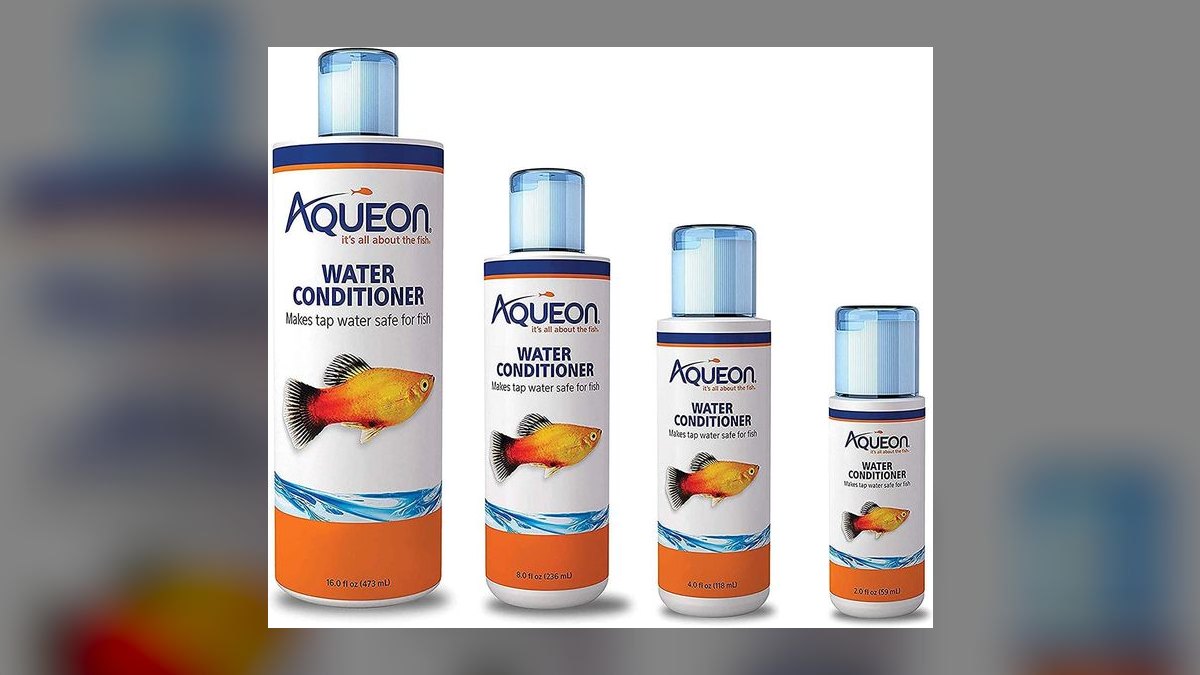
Aqueon Water Conditioner ranks ninth as the affordable, widely stocked house-brand bottle found beside Aqueon tanks and kits. It removes chlorine and chloramine, detoxifies heavy metals, and adds basic slime-coat support, with dosing at a tidy 5 mL per 10 gallons. The 237 mL bottle treats about 470 gallons for roughly $7, placing it mid-pack on value. It is a no-drama conditioner that ships with many starter kits.
It does not handle ammonia or nitrite, and its additive package is thin compared to brands like API Stress Coat+. Compared to Tetra AquaSafe Plus, Aqueon is cheaper but lacks vitamin B and colloids. For a beginner who wants a cheap, easy-to-find bottle that works, it is a perfectly sound everyday choice. It is dependable but not exceptional, making it a solid budget pick for stable tanks.
10. Brightwell Aquatics Erase-Cl
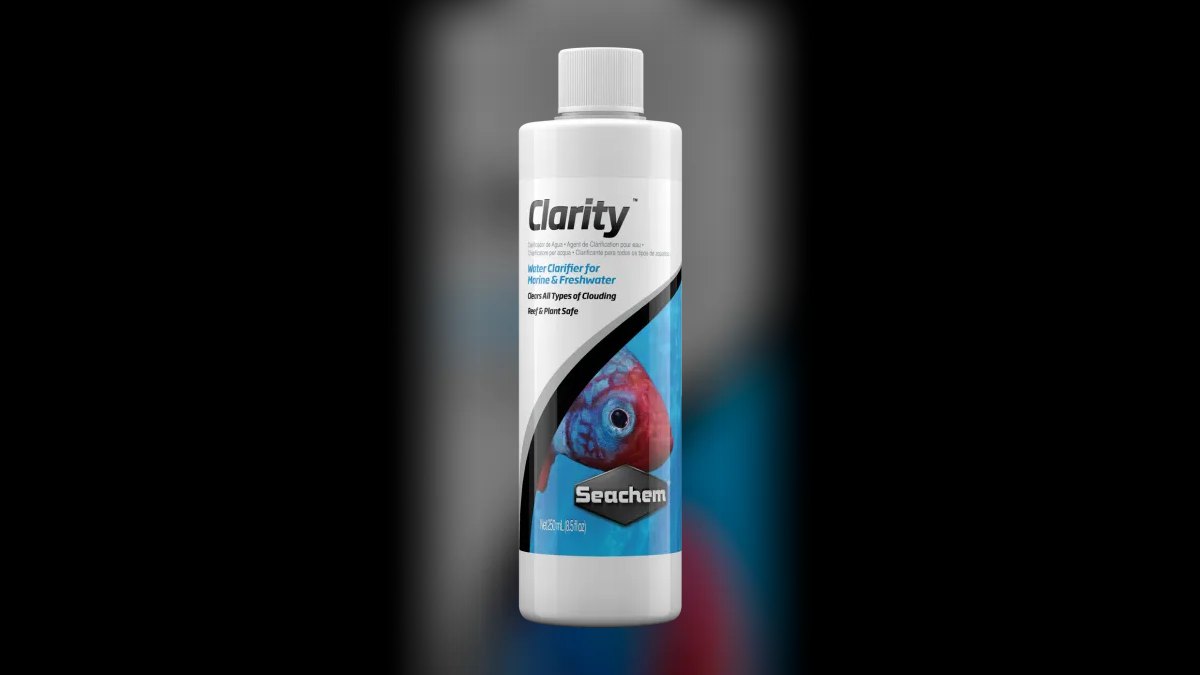
Brightwell Aquatics Erase-Cl ranks tenth as the reef and marine specialist's dechlorinator, with a focused formula that rapidly removes chlorine and chloramine without adding dyes, phosphates, or extra organics. Dosing is roughly 1 mL per 10 gallons, and the 250 mL bottle treats about 2,500 gallons for roughly $13. This purity is exactly why saltwater keepers mixing RO/DI top-off or batch saltwater favor it. It leaves ammonia to the skimmer and biofilter.
It is not a detox-everything bottle, targeting chlorine and chloramine only, so freshwater keepers needing ammonia protection should choose Seachem Prime instead. Compared to Aqueon Water Conditioner, Erase-Cl is more concentrated and reef-safe but harder to find. For reef and marine systems where additive purity matters, it is the clean pick. It is a niche product for a specific audience, which is why it ranks last overall.
How we ranked these
We ranked conditioners by dosing economy (gallons treated per bottle), scope of detoxification (chlorine, chloramine, ammonia, nitrite, metals), concentration and ease of measuring, interaction with test kits and biofilters, and real-world shelf price. Each factor was weighted for a beginner-to-intermediate freshwater audience, with extra credit for emergency ammonia binding and slime-coat support.
We deliberately ignored brand prestige, marketing claims about "natural" ingredients, and unverifiable anecdotal reviews. We also did not penalize products for lacking ammonia detox if they were positioned purely as dechlorinators, since a cycled tank does not need that feature. Our focus stayed on measurable, repeatable criteria that affect daily use and long-term cost.
What to look for
What matters is matching the conditioner to your water source and tank maturity. If your tap uses chloramine, you need a product that removes it, not just chlorine. For a cycled tank, a cheap concentrated dechlorinator like API Tap Water Conditioner is all you need. For new tanks or ammonia spikes, choose Seachem Prime or Kordon AmQuel Plus. Reef keepers should prioritize a phosphate-free formula like Brightwell Erase-Cl.
The biggest mistake is over-dosing hyper-concentrated products like Prime or Safe, which can drop oxygen levels and stress fish. Another common error is using a Nessler-type ammonia test with an ammonia-binding conditioner, causing false high readings. Always measure with a syringe, dose for the full tank volume, and use a salicylate test kit if you rely on ammonia detox.
Related questions
What is the difference between a dechlorinator and a water conditioner?
A dechlorinator specifically neutralizes chlorine and chloramine. A water conditioner does that plus more, such as detoxifying ammonia, nitrite, or heavy metals, and may add slime-coat or electrolyte additives. Most products labeled as conditioners include dechlorination as their base function, but not all dechlorinators offer the extra detoxification or recovery benefits.
How do I choose a water conditioner for a planted aquarium?
For planted tanks, avoid conditioners with aloe vera or other organic additives that can promote biofilm or algae. Choose a pure dechlorinator like Seachem Prime or API Tap Water Conditioner, which don't add unnecessary organics. Also ensure the product doesn't skew your ammonia test, as some binders can cause false readings that complicate fertilizer dosing.
Can water conditioner be used with a protein skimmer in a reef tank?
Yes, but choose a reef-safe formula like Brightwell Erase-Cl that contains no dyes, phosphates, or silicates. These additives can fuel algae and interfere with coral health. Standard freshwater conditioners are generally safe for fish-only saltwater tanks, but for reefs, a purity-focused product is the safer choice.
What is the best water conditioner for a goldfish tank?
Goldfish produce high ammonia loads, so a conditioner that detoxifies ammonia is beneficial. Hikari Ultimate is a top choice because it combines dechlorination, ammonia binding, and slime-coat support in one bottle. Seachem Prime also works well and is more economical, but Hikari's electrolyte blend is tailored for sensitive show fish.
How do I measure water conditioner for a small tank?
Use a 1 mL syringe or a small measuring spoon to avoid over-dosing, especially with concentrated products like Seachem Prime. For a 10-gallon tank, Prime requires only 1 mL (about 1/5 of a capful). Always dose for the full tank volume, not just the new water added, to protect the biofilter and fish.
Does water conditioner remove heavy metals like copper?
Many quality conditioners, including Seachem Prime, API Tap Water Conditioner, and Tetra AquaSafe Plus, bind heavy metals like copper, lead, and zinc. This is important if your tap water has old pipes. However, not all conditioners do this, so check the label. For copper in medication, a dedicated metal remover may be needed.
Can I use water conditioner for pond water?
Yes, but choose a product designed for ponds or dose accordingly. Seachem Safe is a dry powder that treats up to 250,000 gallons per 250g jar, making it ideal for large volumes. Hikari Ultimate is also suitable for koi ponds. Always follow the label for pond-specific dosing to ensure effective dechlorination.
What happens if I forget to add water conditioner during a water change?
Chlorine and chloramine in untreated tap water will damage fish gills and burn their slime coat, causing stress and potential death. If you realize the mistake immediately, add a double dose of conditioner to the tank as soon as possible. The detoxification is fast, but monitor fish for signs of distress.
FAQ
Can I use a water conditioner meant for freshwater in a saltwater tank?
Yes, most freshwater conditioners work fine in saltwater for dechlorinating tap water used in mixing salt. However, reef keepers should check that the product doesn't contain phosphates or silicates, which can fuel algae blooms. A few conditioners are specifically labeled for reef use and are safer for sensitive corals.
How often do I need to add water conditioner to my aquarium?
You only need to add conditioner to new tap water during water changes or when topping off evaporation. It's not added directly to the tank between changes unless you're treating an ammonia spike or adding new fish. Overdosing can be wasteful but is generally safe with most formulas.
Does water conditioner expire or lose effectiveness over time?
Most liquid conditioners have a shelf life of 2–5 years if stored in a cool, dark place. Once opened, exposure to air and light can slowly degrade active ingredients. If the liquid changes color, develops a strong odor, or forms sediment, it's best to replace it.
Can I use too much water conditioner?
With most brands, a double or triple dose is safe and sometimes recommended for high chloramine levels or when adding new fish. Extremely excessive doses (like 10x the label) can temporarily lower oxygen levels or stress fish, so follow the bottle's emergency dosing guidelines. Seachem Prime, for example, is safe up to 5x the normal dose.
Will water conditioner affect my biological filter or beneficial bacteria?
Quality conditioners like Seachem Prime and API Tap Water Conditioner are designed to be safe for biological filters at normal doses. Some cheaper conditioners may contain binders that temporarily reduce filter efficiency, but this is rare. Always dose for the full tank volume, not just the new water, to avoid shocking the bacteria.
Do I still need a water conditioner if I use RO/DI water?
RO/DI water is already free of chlorine and chloramine, so a standard dechlorinator isn't needed. However, some keepers add a conditioner to replenish trace minerals or provide slime-coat protection for new fish. If you're mixing RO/DI with tap water, treat the tap portion with conditioner first.
What is the difference between Seachem Prime and Seachem Safe?
Prime is a liquid concentrate, while Safe is the same chemistry in a dry powder form. Safe is far more economical per gallon, treating up to 250,000 gallons per 250g jar, but requires careful measuring and often pre-mixing into a stock solution. Prime is easier to dose for small tanks but costs more per gallon.
How does a water conditioner detoxify ammonia?
Ammonia-binding conditioners like Prime convert toxic free ammonia into a non-toxic, bound form (ammonium) that is still available to beneficial bacteria. This detoxification lasts 24–48 hours, giving your biofilter time to process it. It does not remove ammonia, so regular water changes are still necessary.
Can water conditioner help with fish stress during transport?
Yes, conditioners with aloe vera or synthetic slime-coat polymers, like API Stress Coat+ or Fluval AquaPlus, help reduce stress and heal damaged skin during netting, shipping, or handling. They also neutralize chlorine and metals in new water. For best results, add the conditioner to the bag or quarantine tank before introducing fish.
What should I do if my water conditioner causes foam in the tank?
Foaming is usually caused by over-dosing or by the surfactant properties of some conditioners. It's generally harmless and will dissipate within a few hours. To prevent it, measure doses accurately and avoid pouring directly into a high-flow area. If foam persists, check for protein buildup or dead fish.
Sources
- https://seachem.com/prime.php
- https://seachem.com/safe.php
- https://www.apifishcare.com/product/tap-water-conditioner
- https://www.tetra.net/us/en/products/aquarium/water-conditioner/aquasafe-plus
- https://fluvalaquatics.com/us/shop/product/aqua-plus-water-conditioner-8-4-fl-oz-250-ml
- https://www.kordon.com/kordon/products/water-conditioners/amquel-plus
- https://www.brightwellaquatics.com/products/erase-cl/
- https://www.hikariusa.com/product/ultimate-water-conditioner/
Related on PULSE
- [More aquarium water conditioners 2027 rankings and buying guides](/knowledge)
- [PULSE Tools and calculators](/tools)
- [Everything on PULSE RevOps](/)
 pulse-aquariumsTop 10 Aquarium Filters 2027
 pulse-aquariumsTop 10 Canister Filters 2027
 aqTop 10 Hang-On-Back Aquarium Filters 2027
 pulse-reviewsTop 10 Cabin Cruiser Boats 2027
 mvTop 10 Horror Movies of All Time in 2027
 pulse-toolsHow Many Sales Reps Do I Need to Hire for My Office Furniture Dealership?
 pulse-skillsSkill Drill: Active Listening for Automotive Dealerships
 pulse-skillsSkill Drill: Cold Calling for Commercial Real Estate
 pulse-moviesTop 10 Action Movies of All Time in 2027
 pulse-toolsHow Many Staff Should I Schedule Each Shift at My Sushi Restaurant?