
What causes algae blooms in aquariums and how do you stop them?
 Curated byKory White · Fractional CRO · Maryland
 PULSEKNOWLEDGE LIBRARY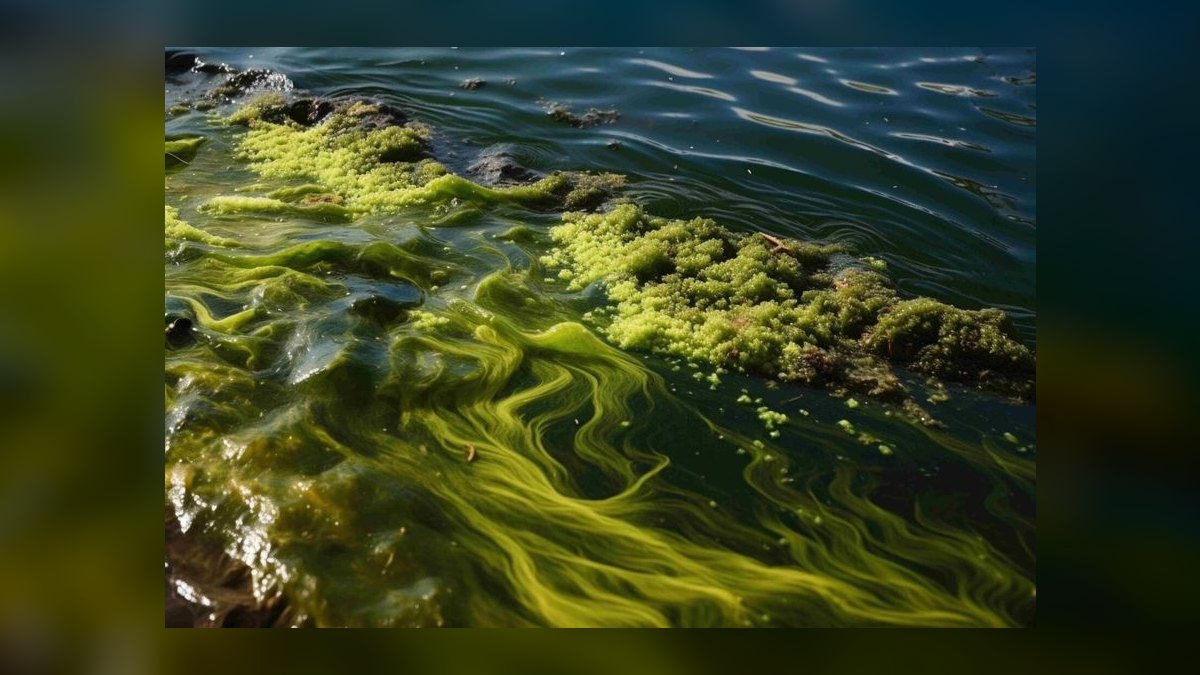
Algae blooms are caused by an imbalance between available nutrients and light versus the demand from plants and the tank's natural controls. The three drivers are excess nutrients (nitrate and phosphate from overfeeding, overstocking, and poor maintenance), too much light (intensity or duration), and an immature or unbalanced ecosystem. You stop blooms by cutting the fuel: reduce feeding, increase water changes, lower light duration to about 6-8 hours a day, remove visible algae manually, and add cleanup crew or fast-growing live plants to outcompete it. A green-water bloom (free-floating algae) is best cleared with a UV sterilizer or a 3-4 day blackout. Patience matters; most blooms fade once nutrients, light, and biology come back into balance.
What Causes Algae Blooms
Algae are always present in a healthy aquarium as spores and films; a "bloom" is simply algae growing faster than the tank's controls can keep up. Three conditions feed that growth.
Excess nutrients. Nitrate and phosphate are algae fertilizer. They come from overfeeding, too many fish, decaying plants, dirty filters, and tap water that already contains phosphate. When nutrient levels rise without enough live plants to consume them, algae take over.
Too much light. Algae thrive on long, intense lighting, especially direct sunlight hitting the tank. A photoperiod longer than 8-9 hours, an overly bright fixture, or a window-side placement all push algae growth.
An immature or unbalanced system. New tanks routinely go through diatom (brown) and other algae phases in the first weeks as bacteria, biofilms, and any live plants establish. Until that balance settles, algae exploit the open niche.
Identify the Algae Type First
Different algae signal different causes, so identify what you have before treating it.
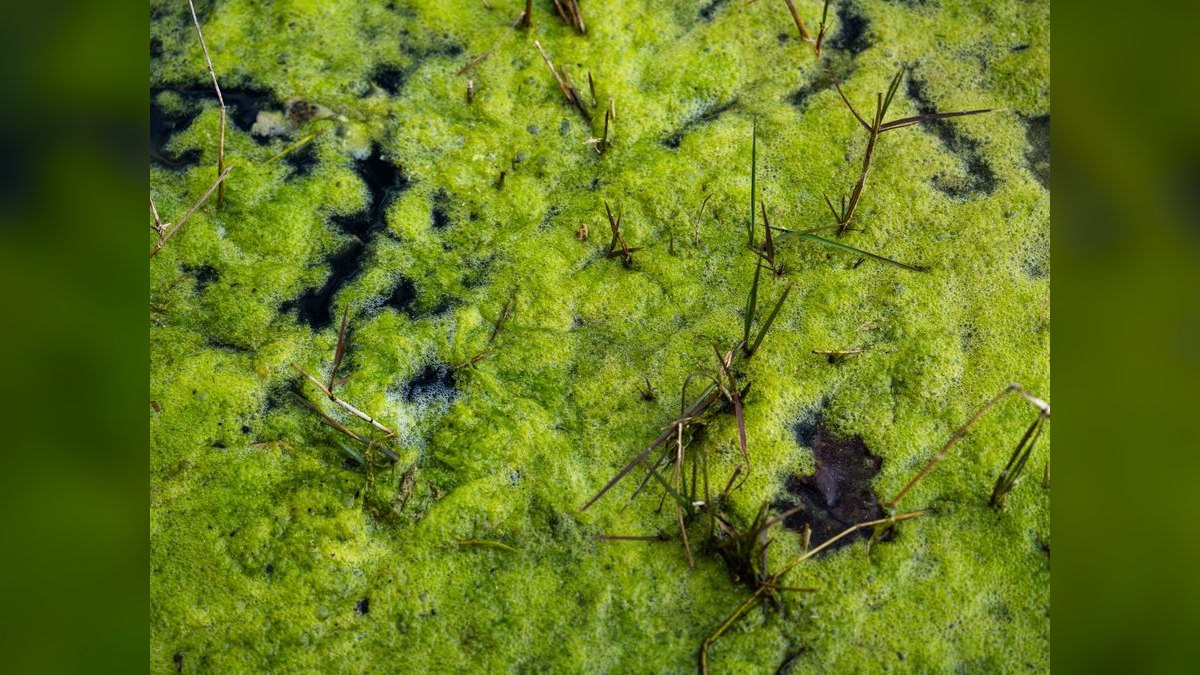
Brown algae (diatoms) coat glass and substrate in a dusty film, common in new tanks and tied to silicates and low light. They usually fade as the tank matures.
Green spot and green dust algae form on glass and slow-growing plants, often linked to bright light and low phosphate relative to light.
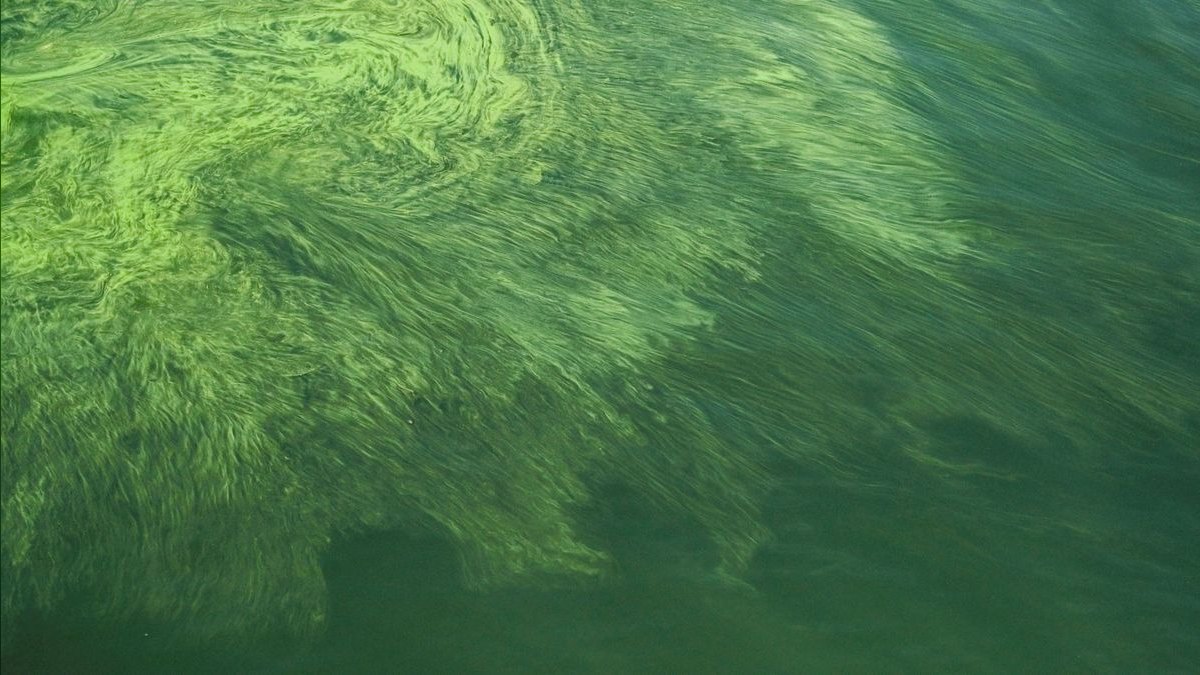
Green water is a free-floating algae bloom that turns the whole tank pea-soup green, driven by excess nutrients and light, often after a sunlight exposure or a nutrient spike.
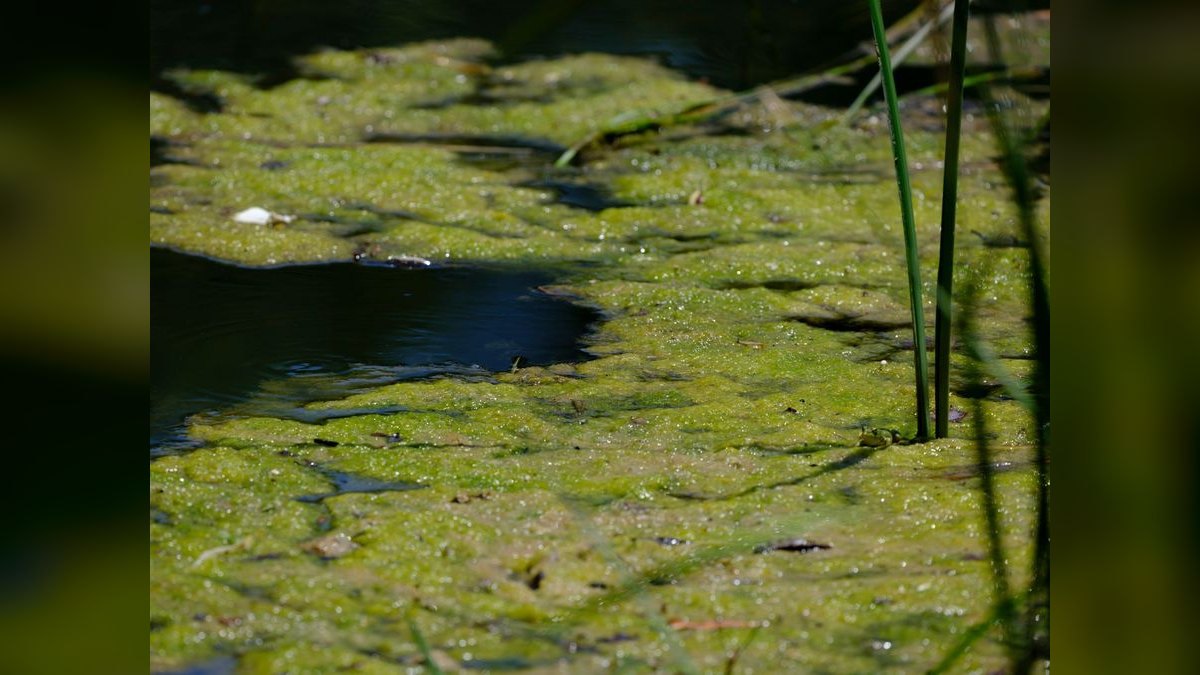
Hair and thread algae form green strands, usually from high nutrients combined with strong light and inconsistent CO2 in planted tanks.
Black beard algae (BBA) is a tough, dark tuft on hardscape and plant edges, linked to fluctuating CO2 and high organics.
Cyanobacteria (technically bacteria, not algae) appears as a slimy red, blue-green, or dark sheet and signals high nutrients with low flow and dead spots.
How to Stop and Prevent Algae Blooms
The cure is the same family of actions regardless of type: remove the fuel and restore balance.
Cut the nutrients. Feed less and less often, removing uneaten food. Reduce stocking if the tank is overcrowded. Do regular water changes (20-30% weekly) with low-nutrient RO/DI or dechlorinated tap water to dilute nitrate and phosphate. Rinse filter media to remove trapped detritus, and vacuum the substrate.
Control the light. Set the photoperiod to 6-8 hours a day with a timer for consistency. Move the tank out of direct sunlight or cover the affected side. If your fixture is very bright, reduce intensity or raise it.
Remove algae manually. Scrape glass, siphon off films during water changes, and pull hair algae out by hand or with a toothbrush twist. Physical removal exports the nutrients locked in the algae.
Add biological competition. Fast-growing live plants (hornwort, water sprite, floating plants) consume the same nitrate and phosphate algae need, starving it out. A cleanup crew, nerite snails, amano shrimp, otocinclus, or in saltwater a varied snail-and-hermit crew, grazes algae continuously.

Clear green water. Free-floating algae does not respond to grazers. Run a UV sterilizer, which kills the suspended algae as water passes through, or do a 3-4 day total blackout (cover the tank, no light) which the floating algae cannot survive while established plants can.
Target Water Parameters to Keep Algae in Check
In freshwater community tanks, aim to keep nitrate under about 20-40 ppm and phosphate low (under roughly 1 ppm) through water changes and feeding control. Ammonia and nitrite should always read 0 ppm in a cycled tank; any reading above zero signals a problem that also feeds algae. In planted tanks, the goal is balance rather than starvation: enough nutrients and CO2 for the plants to grow vigorously so they, not algae, consume the surplus. In reef tanks, nitrate around 1-10 ppm and phosphate around 0.03-0.1 ppm keeps both corals healthy and nuisance algae and cyano suppressed. Improve flow to eliminate dead spots, which is especially important for stopping cyanobacteria.
Why Patience Matters
Algae blooms, especially the diatom and green phases in new tanks, often resolve on their own as the system matures and biological balance establishes. Resist the urge to dump chemicals or tear the tank down. Most algae problems are a symptom of an underlying imbalance, so chasing the algae directly without fixing nutrients, light, and flow only delays the real solution. Make one change at a time, give it a week or two, and let the tank settle. A stable, balanced aquarium with healthy plants and a sensible photoperiod keeps algae as a minor film you wipe off occasionally, not a recurring bloom.
Identifying Which Algae You Actually Have
Stopping a bloom is far easier once you know which type you're fighting, because each one points to a different root cause. Matching the fix to the species saves you weeks of guesswork.
Brown algae (diatoms) coat glass, gravel, and decorations in a dusty film that wipes away easily. It's the classic new-tank algae, fueled by silicates and an immature biofilter. It usually disappears on its own within a few weeks—no chemical warfare required.
Green spot algae forms hard, dot-like patches on glass and slow-growing leaves. It signals low phosphate (yes, *low*—the opposite of most blooms) combined with strong light. A magnetic scraper or razor blade handles the glass.
Green dust/green water turns the whole tank into pea soup. These free-floating single cells are the hardest to manually remove because they're suspended, not attached—this is the bloom a UV sterilizer or blackout targets.
Black beard algae (BBA), a red algae, appears as dark fuzzy tufts on driftwood, plant edges, and equipment. It thrives in fluctuating CO2 and high-flow areas. Spot-treating with liquid carbon (glutaraldehyde) or a 1:20 hydrogen peroxide dip on affected hardscape knocks it back.
Hair/thread algae drapes in long green strands and indicates excess nutrients with imbalanced CO2. Twirl it out with a toothbrush like cotton candy, then fix the nutrient imbalance.
Knowing your enemy turns a frustrating, repeated battle into a targeted, one-time correction.
A Practical Two-Week Reset Plan
When a bloom has already taken hold, a structured reset clears it faster than random tweaking. Run this for roughly two weeks.
Days 1–3: Starve and shade. Cut the photoperiod to 6 hours and move the tank away from any window. Stop fertilizing entirely. Feed fish lightly every other day—uneaten food is pure algae fuel. If you're battling green water, begin a full blackout now: cover the tank with a towel and keep the light off for 72–96 hours straight (fish tolerate this fine).
Days 4–7: Export nutrients. Do a large water change—around 40–50%—and gravel-vacuum the substrate to pull out detritus. Rinse filter media in old tank water, never tap, to preserve beneficial bacteria. Manually remove every bit of algae you can reach. Add or refresh fast-growing stem plants or floating plants like hornwort and duckweed; they're nutrient sponges that directly outcompete algae.
Days 8–14: Rebalance and hold. Resume a slightly shorter photoperiod (7 hours) and watch closely. Test nitrate and phosphate so you're working from numbers, not vibes—aim to bring nitrate under control rather than to zero, since plants still need some. Introduce or bolster a cleanup crew suited to your tank: nerite snails, Amano shrimp, otocinclus, or Siamese algae eaters each graze different surfaces.
The discipline is in *not* declaring victory early. Resist cranking the light back up the moment glass looks clear—give the biology a full week of stability before relaxing the routine.
Preventing the Next Bloom
The real win is a tank that stays clear without constant intervention. Prevention comes down to a handful of habits that keep nutrients, light, and biology in lasting balance.
Feed like a minimalist. Offer only what fish finish in two minutes, once a day, and skip a day each week. Overfeeding is the single most common bloom trigger, and fish are far healthier slightly hungry than overfed.
Automate your lighting. Put the light on a timer set to a consistent 6–8 hours. Steady, moderate light beats long or erratic light every time. If your fixture is brighter than your plants need, dim it or raise it—intensity matters as much as duration.
Stay ahead with water changes. A weekly 25–30% change keeps nitrate and phosphate from creeping upward. Consistency outperforms occasional heroic cleanouts. If your tap water tests high for phosphate or nitrate, consider an RO/DI source or a phosphate-removing filter media.
Stock plants generously. A well-planted tank rarely blooms because the plants claim the nutrients first. Fast growers establish that advantage quickest, then you can transition to slower species once the tank matures.
Don't overstock. More fish means more waste, more food, and more nutrient load. Give your filter and plants a livestock level they can actually keep up with.
Maintain your gear. Clean the filter monthly, replace worn lighting (older bulbs shift spectrum in ways algae exploit), and keep flow strong enough to prevent dead spots.
Build these into a routine and algae stops being a recurring crisis—it becomes the rare, easily-corrected blip it should be.
Frequently Asked Questions
Why did my aquarium suddenly turn green? A sudden pea-soup green is a free-floating algae bloom (green water), caused by excess nutrients and light, often triggered by direct sunlight, a nutrient spike from overfeeding, or disturbing the substrate. Grazers and water changes alone rarely clear it; a UV sterilizer or a 3-4 day blackout is the reliable fix, combined with cutting feeding and light going forward.
How long should my aquarium light be on to avoid algae? For most tanks, 6-8 hours a day is a safe photoperiod. Use a timer so it is consistent, and keep the tank out of direct sunlight. Planted tanks may run longer with strong plant growth and CO2, but if algae appears, shortening the photoperiod is one of the first and most effective adjustments.

Will algae go away on its own? The early diatom (brown) and green phases of a new tank often fade on their own within a few weeks as the system matures. Established blooms tied to ongoing overfeeding, too much light, or poor maintenance will not disappear until you fix those root causes. Patience helps for new tanks; action is needed for chronic blooms.
Do algae eaters actually control algae? Grazers like nerite snails, amano shrimp, and otocinclus genuinely help control film and some hair algae by eating it continuously, and they export nutrients in the process. But they cannot fix a nutrient or light imbalance on their own, and they do nothing for free-floating green water. Treat them as one tool alongside water changes, feeding control, and light management.
Is the green or brown stuff on my glass harmful to fish? Most common algae is harmless to fish and is primarily an aesthetic and balance issue. The exception is cyanobacteria (a slimy red or blue-green sheet), which can produce toxins and indicates poor water quality and low flow; it should be removed and its cause addressed. Otherwise, algae is a sign to tune your maintenance, not an emergency.
Does adding live plants reduce algae? Yes. Fast-growing live plants consume the same nitrate, phosphate, and CO2 that algae need, directly outcompeting it for nutrients. A well-planted, vigorously growing tank is one of the most effective long-term defenses against algae, which is why heavily planted tanks often stay remarkably algae-free.
Sources
- Aquarium algae identification and control guides, Aquarium Co-Op (https://www.aquariumcoop.com)
- Algae control resources, The Spruce Pets aquarium section (https://www.thesprucepets.com)
- Planted tank algae guides, Tropica Aquarium Plants (https://tropica.com)
- Reef nuisance algae and cyanobacteria control, Bulk Reef Supply (https://www.bulkreefsupply.com)
- UV sterilizer and green water resources, Aqueon (https://www.aqueon.com)
- Diatom and new-tank algae references, Seachem Laboratories (https://www.seachem.com)
Related on PULSE
- [What are dinoflagellates and how do you get rid of them in a reef tank?](/knowledge/aq1123)
- [Top 10 Magnetic Algae Scrubbers for Acrylic Aquariums](/knowledge/aq0963)
- [Top 10 Magnetic Algae Scrapers for Acrylic Aquariums](/knowledge/aq0838)
- [Top 10 Algae Eaters for Planted Aquariums Without Eating Plants](/knowledge/aq0734)
- [Top 10 Snail-Free Algae Eaters for Small Community Aquariums in 2027](/knowledge/aq0467)
- [Top 10 Aquarium Magnetic Algae Scrapers for Glass Tanks](/knowledge/aq0916)
Recently Added — Related
- [What size aquarium is best for beginners?](/knowledge/aq0991)
Read it free — or make it yours for $1.
@Kory-White- · if Venmo asks, the last 4 of my number are 2012
 pulse-aquariumsHow do you set up a low-tech planted shrimp tank?
 pulse-aquariumsWhat is the best food for tropical aquarium fish?
 pulse-aquariumsWhat is the true cost of a 200-gallon custom acrylic reef tank setup in 2027
 pulse-aquariumsTop 10 Reef-Safe Tangs for Saltwater Aquariums in 2027
 pulse-aquariumsTop 10 Reef Salt Mixes in 2027
 pulse-aquariumsTop 10 Anemone Species for Clownfish Tanks in 2027
 pulse-aquariumsTop 10 Planted Tank Substrates in 2027
 pulse-aquariumsHow do you set up a betta fish tank?
 pulse-aquariumsTop 10 Aquarium Controllers for Smart Tanks in 2027
 pulse-aquariumsWhat is the nitrogen cycle in an aquarium?