
How do you acclimate new fish to an aquarium?
 Curated byKory White · Fractional CRO · Maryland
 PULSEKNOWLEDGE LIBRARY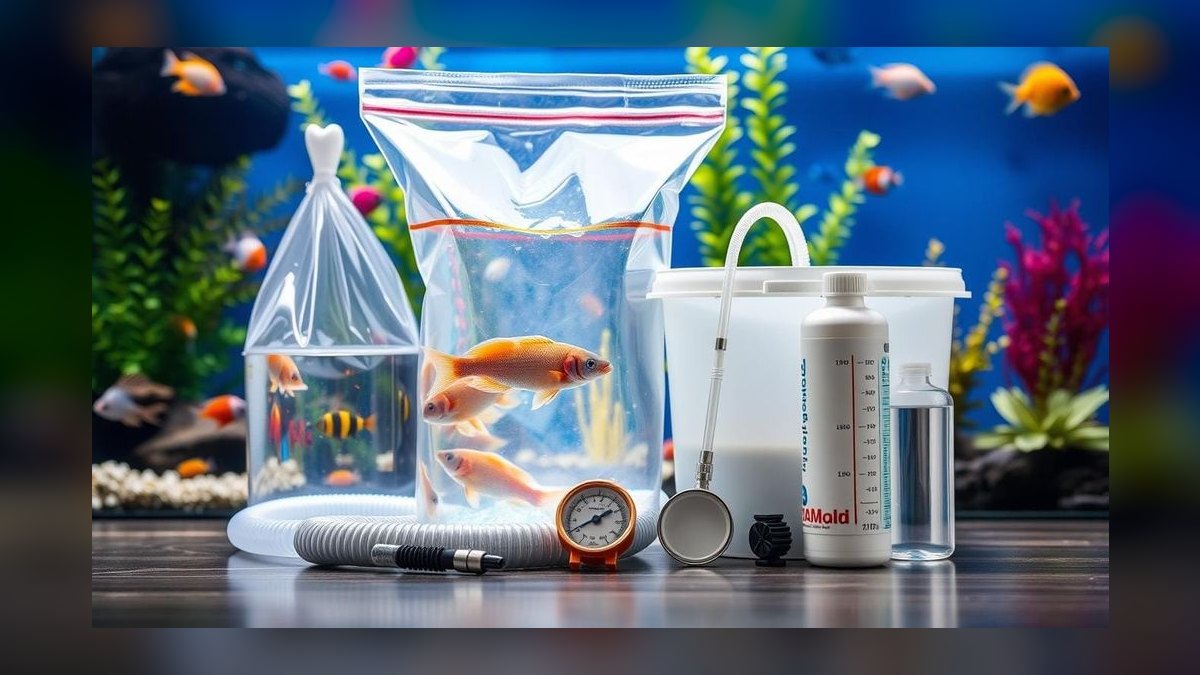
You acclimate new fish by slowly adjusting them to your tank's temperature and water chemistry before releasing them, which prevents the shock that comes from sudden changes in temperature, pH, and salinity. The two standard methods are the floating method (float the sealed bag 15-20 minutes to match temperature, then gradually mix in tank water) and the more gentle drip method (slowly drip tank water into the fish's container over 30-60 minutes). Never pour the bag water into your tank, always net the fish across, and quarantine new arrivals in a separate tank for 2-4 weeks whenever possible to avoid introducing disease. Keep the tank lights off and minimize stress throughout.
Why Acclimation Matters
A fish at the store lives in water that may differ from yours in temperature, pH, hardness, and, for saltwater, salinity. Dropping it straight into your tank forces its body to cope with abrupt changes all at once, which causes osmotic stress, pH shock, and temperature shock. These can be fatal immediately or weaken the fish so it succumbs to disease days later. Acclimation gives the fish time to adjust gradually, the same way you would not jump into ice water without easing in. The colder or more chemically different the shipping or store water is from yours, the more important slow acclimation becomes.
Before the Fish Arrives: Quarantine
The single best practice, especially for established tanks, is to acclimate new fish into a separate quarantine tank rather than your main display. A quarantine tank is a simple, cycled (or filter-seeded) tank where new arrivals spend 2-4 weeks under observation. This lets you watch for ich, velvet, internal parasites, and other diseases, and treat them, before the fish ever touches your healthy stock. Introducing a single sick fish to a display tank can wipe out an entire collection. If you cannot run a full quarantine, at minimum acclimate carefully and observe the new fish closely in the days after introduction.
Method 1: The Floating Method
The floating method is simple and works well when the store water and your tank water are reasonably similar.
- Turn off the tank lights and dim the room to reduce stress.
- Float the sealed bag in the tank for 15-20 minutes so the temperature inside the bag slowly matches the tank. Temperature is the fastest and most dangerous variable, so this step is essential.
- Open the bag and roll the top down to keep it floating.
- Add a small amount of tank water to the bag, about a half cup, every 5 minutes for 15-20 minutes. This gradually shifts the fish toward your water chemistry.
- Net the fish out of the bag and place it gently into the tank. Do not pour the bag water in; it may carry disease, ammonia, or unwanted chemistry.
- Discard the bag water down the drain.

Method 2: The Drip Method
The drip method is gentler and preferred for sensitive species, invertebrates, and all saltwater livestock, where the difference in salinity and pH demands a slow transition.
- Pour the fish and its water into a clean bucket or container, ideally so the fish is fully submerged.
- Set up a drip line using airline tubing with a control valve or a loose knot, running from the tank down into the bucket. Start a siphon and adjust the valve to a slow drip of about 2-4 drips per second.
- Let it drip for 30-60 minutes until the volume in the bucket has roughly doubled or tripled. This slowly equalizes temperature, pH, and salinity.
- Discard half the water if the bucket fills, and continue dripping to extend the process for very sensitive species.
- Net the fish into the tank and discard the bucket water.
The drip method is the gold standard for corals, shrimp, snails, and marine fish because their tolerance for sudden salinity and pH swings is very low.
Key Water Parameters During Acclimation
Acclimation is about smoothing transitions in the parameters the fish is sensitive to. Temperature should match within a degree or two; most tropical fish live at 74-80°F (23-27°C). pH differences are common between store and home water, and a swing of more than about 0.3 in a short time stresses fish, which is why gradual mixing matters. Salinity in saltwater is measured by specific gravity (around 1.024-1.026 for reef tanks) and must be matched slowly, since marine fish and inverts are very sensitive to salinity swings. Make sure your own tank is fully cycled first, ammonia and nitrite at 0 ppm, before adding any fish; acclimating a fish into an uncycled tank exposes it to toxic ammonia no matter how careful the transition.

After You Release the Fish
Leave the tank lights off for several hours, or for the rest of the day, so the new fish can settle without the stress of bright light and curious tankmates. Do not feed immediately; wait until the next day so uneaten food does not foul the water while the fish is hiding. Watch for signs of stress such as gasping at the surface, clamped fins, hiding excessively, or rapid breathing. Over the next two weeks, observe closely for any signs of disease, since stress from moving can trigger latent infections. If you skipped quarantine, this observation period is your main line of defense.
Common Acclimation Mistakes and How to Avoid Them
Even experienced aquarists can make errors during acclimation that stress or kill new fish. One frequent mistake is rushing the temperature-matching step. While floating the bag for 15-20 minutes is standard, if your tank water is more than 5°F (2-3°C) different from the bag water, extend that time to 30-40 minutes. Use a thermometer to confirm, not just a timer. Another common error is dumping the entire bag—including the store water—into your tank. This can introduce pathogens, parasites, or chemical treatments (like copper or medications) that harm your established fish. Always net the fish out and discard the bag water. A third mistake is over-handling. Fish have a protective slime coat that is easily damaged by dry hands or rough nets. Wet your net first, and never touch the fish with bare hands. Also avoid using a net with rough mesh; soft, fine-mesh nets are gentler. Finally, many people skip the drip method for sensitive species like discus, neon tetras, or saltwater fish. The drip method reduces osmotic shock far better than the floating method alone. If you don't have a drip acclimation kit, you can make one with airline tubing and a simple knot to control flow—aim for 2-4 drips per second. For fish that are clearly stressed (pale, gasping at surface, clamped fins), slow the drip rate even further, to 1 drip every 2 seconds, and extend acclimation to 90 minutes.
Acclimation for Different Fish Types and Tank Setups
Not all fish need identical acclimation. Freshwater community fish like guppies, tetras, and danios are relatively hardy and tolerate a 20-30 minute floating method with gentle water mixing. However, sensitive freshwater species—such as wild-caught angelfish, discus, or South American cichlids—benefit from a 45-60 minute drip acclimation. For these fish, even a 0.5 pH difference can cause shock, so test both bag and tank pH before starting. If the difference is more than 1.0 pH, drip acclimation over 90 minutes is recommended. Saltwater fish, especially those from coral reefs (clownfish, tangs, gobies), are far more sensitive to salinity and pH swings. Always use the drip method for at least 45-60 minutes, and test salinity with a refractometer. A salinity difference of just 0.002 specific gravity can stress marine fish. For invertebrates like shrimp, snails, and crabs, acclimation is even more critical. They are extremely sensitive to sudden changes in water chemistry—especially copper, nitrates, and temperature. Drip acclimate them over 60-90 minutes, and never expose them to air if possible (use a container fully submerged). For planted tanks, the acclimation process is similar, but be aware that some fish (like Siamese algae eaters or otocinclus) are often wild-caught and carry more stress. Quarantine them for a full 4 weeks, and use a gentle drip method. If you have a tank with strong current (from powerheads or canister filters), turn off the flow during the first hour after introduction to let the fish adjust without being swept around.
Post-Acclimation Care: The First 72 Hours
Once the fish is in your tank, the acclimation isn't over—the first three days are critical. Keep the tank lights off for at least 24 hours (preferably 48) to reduce stress and allow the fish to explore without feeling exposed. Dim lighting also helps shy species like catfish or loaches feel secure. Do not feed the new fish for the first 24-48 hours. Their digestive systems are stressed from transport, and food can cause bloating or water quality spikes. After 48 hours, offer a small amount of high-quality food—start with something they recognize from the store (often flake or pellet). If they don't eat within 10 minutes, remove the uneaten food to avoid ammonia buildup. Observe the fish closely for signs of disease: white spots (ich), clamped fins, rapid gill movement, or rubbing against decorations. These symptoms often appear within 48-72 hours due to stress. If you see any, treat the quarantine tank immediately—never add medication to your main display unless absolutely necessary. Also, monitor water parameters daily for the first week. New fish can cause a mini-cycle in an established tank due to increased bioload. Test ammonia and nitrite every 24 hours; if they rise above 0.25 ppm, perform a 20-30% water change. Finally, avoid adding any other new fish for at least two weeks after introducing the first batch. This prevents cross-contamination and gives the new arrivals time to establish themselves without competition. Patience during these first few days dramatically increases the chance your fish will thrive long-term.
Frequently Asked Questions
How long should I acclimate a new fish? For the floating method, plan on about 30-40 minutes total: 15-20 minutes to match temperature, then 15-20 minutes of gradually adding tank water. For the drip method, allow 30-60 minutes, and longer for very sensitive species, corals, and invertebrates. Slower is safer; the goal is a gradual transition, not a fast one.
Can I pour the bag water into my tank? No. Never add the bag or store water to your tank. It can carry disease, parasites, accumulated ammonia, and medications from the store system. Always net the fish out and transfer just the fish, discarding the bag or bucket water down the drain.
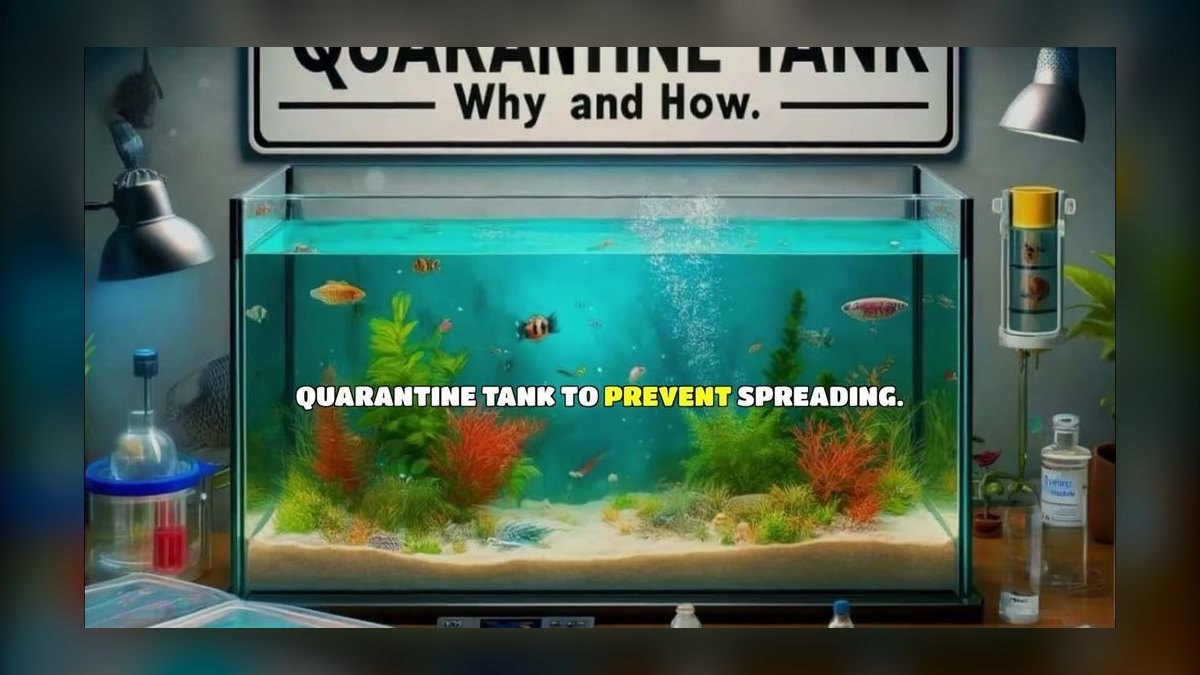
Do I need to quarantine new fish? Quarantining new fish for 2-4 weeks in a separate tank is the best way to protect an established tank from disease, and it is strongly recommended, especially for valuable or stocked displays. A single sick fish can infect your whole tank. If you cannot quarantine, acclimate carefully and observe the new fish closely for two weeks.
What's the difference between the floating and drip methods? The floating method matches temperature and then gradually mixes in tank water by hand; it is quick and fine for hardy freshwater fish with similar water. The drip method slowly drips tank water into the fish's container over a longer period and is gentler, making it the standard for sensitive species, invertebrates, and all saltwater livestock.
Should I feed a new fish right after adding it? No. Wait until the next day to feed. A newly added fish is stressed and often hides, so food offered immediately usually goes uneaten and fouls the water. Giving the fish time to settle overnight and feeding the following day reduces stress and keeps water quality stable.
Why did my new fish die after acclimation? Common causes include too-fast acclimation (temperature or pH shock), adding the fish to an uncycled tank with ammonia or nitrite present, an undetected disease the fish arrived with, or aggression from existing tankmates. Slow acclimation, a fully cycled tank, quarantine, and matching tankmate compatibility all reduce these losses.
Sources
- Fish acclimation guides, Aquarium Co-Op (https://www.aquariumcoop.com)
- Drip acclimation and quarantine resources, Bulk Reef Supply (https://www.bulkreefsupply.com)
- Acclimating new fish, The Spruce Pets aquarium section (https://www.thesprucepets.com)
- Quarantine and fish health references, Seachem Laboratories (https://www.seachem.com)
- Saltwater acclimation and specific gravity guidance, Red Sea (https://www.redseafish.com)
- Reef2Reef community acclimation and quarantine guides (https://www.reef2reef.com)
Related on PULSE
- [How to acclimate saltwater fish from the LFS without drip acclimation?](/knowledge/aq0483)
- [Top 10 Easy Saltwater Fish for New Marine Hobbyists](/knowledge/aq0495)
- [How do you cycle a new aquarium?](/knowledge/aq0973)
- [Top 10 Dry Rock Brands for Starting a New Saltwater Aquarium](/knowledge/aq0956)
- [How do you quarantine and dip new corals?](/knowledge/aq1121)
- [Best way to quarantine new plants to avoid snail infestation?](/knowledge/aq0488)
Read it free — or make it yours for $1.
@Kory-White- · if Venmo asks, the last 4 of my number are 2012
 pulse-aquariumsHow do you get started with Aquariums in 2027?
 pulse-aquariumsWhat size aquarium is best for beginners?
 pulse-aquariumsWhat is the true cost of a rimless 90-gallon planted tank with a canister filter and CO2 in 2027
 pulse-aquariumsTop 10 Freshwater Aquarium Plants for Beginners in 2027
 pulse-aquariumsHow do you do a fishless cycle with ammonia?
 pulse-aquariumsHow do you choose the right filter for your aquarium?
 pulse-aquariumsWhat is old tank syndrome and how do you avoid it?
 pulse-aquariumsTop 10 Dwarf Cichlids for Planted Aquariums in 2027
 pulse-aquariumsWhat are the most common mistakes in Aquariums in 2027?
 pulse-aquariumsTop 10 Livebearer Fish for Beginner Aquariums in 2027