
What size aquarium is best for beginners?
 Curated byKory White · Fractional CRO · Maryland
 PULSEKNOWLEDGE LIBRARY
The best beginner aquarium size is a 20-gallon tank (or a 20-gallon "long"), with a 29-gallon as the next step up. Counterintuitively, bigger tanks are easier and more forgiving than tiny ones: a larger water volume dilutes waste, resists rapid temperature and pH swings, and gives you room for a proper filter and a small school of fish. Avoid the 1-5 gallon "starter" bowls and cubes — their water chemistry crashes fast and they are unforgiving of beginner mistakes.
Why Bigger Is Easier for Beginners
New aquarists often assume a small tank means less work and less risk. The opposite is true. The single most important concept in fishkeeping is water stability, and stability scales with volume. In a 2-gallon bowl, a single missed water change, one overfeeding, or one dead snail can spike ammonia to lethal levels within hours. The same mistake in a 20-gallon tank is diluted across ten times the water, buying you time to notice and correct it. Temperature behaves the same way: a small tank heats and cools with the room, while a 20-gallon holds its temperature far more steadily. For a beginner who is still learning to read a test kit and build a maintenance routine, that buffer is the difference between a thriving tank and a string of dead fish.
The Sweet Spot: 20 to 29 Gallons
A 20-gallon tank hits the balance of forgiving water volume, manageable footprint, affordable equipment, and enough room to keep an interesting community. It fits on most furniture or an inexpensive stand, and standard 20-gallon kits with a filter and heater are widely available. The 20-long (30 x 12 inches) is especially good because its larger footprint gives bottom-dwellers and schooling fish more swimming room than the taller 20-high. A 29-gallon adds height and stocking room without a much bigger footprint. Either size lets you keep a tidy community — a school of tetras or rasboras, a few corydoras catfish, and a centerpiece fish — which is far more rewarding than a single fish in a bowl.
Why to Avoid Tiny Tanks and Bowls
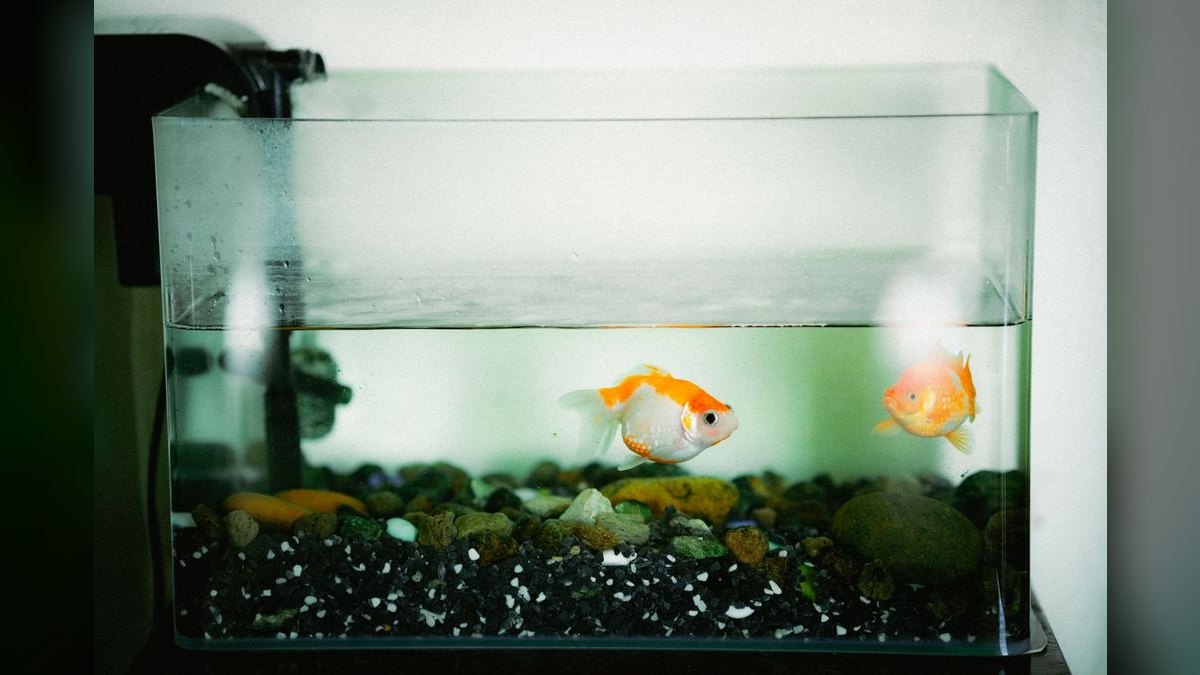
The classic fishbowl and the 1-3 gallon desktop cube are marketed as beginner-friendly, but they are the hardest tanks to keep alive. They have no room for a real filter, their water parameters swing wildly, and they cannot be properly cycled or stocked. The infamous "betta in a cup-sized bowl" leads to short, stressed lives; even a single betta does far better in a heated, filtered 5-gallon minimum. If your only option is small, a 5-gallon with a gentle sponge or internal filter and a heater is the realistic floor, and it still demands more attention than a 20-gallon.
What About a 10-Gallon?
A 10-gallon is the common "first tank" and it can work, but understand the trade-off: it is small enough that mistakes still escalate quickly, yet large enough for a modest stock of nano fish like a school of small rasboras, a betta with snails, or a shrimp colony. It is a fine choice if space or budget forces it, as long as you stock lightly, cycle it fully, and stay on top of weekly water changes. For most people with room for a 20, the 20 is the smarter buy.
Equipment a Beginner Tank Needs
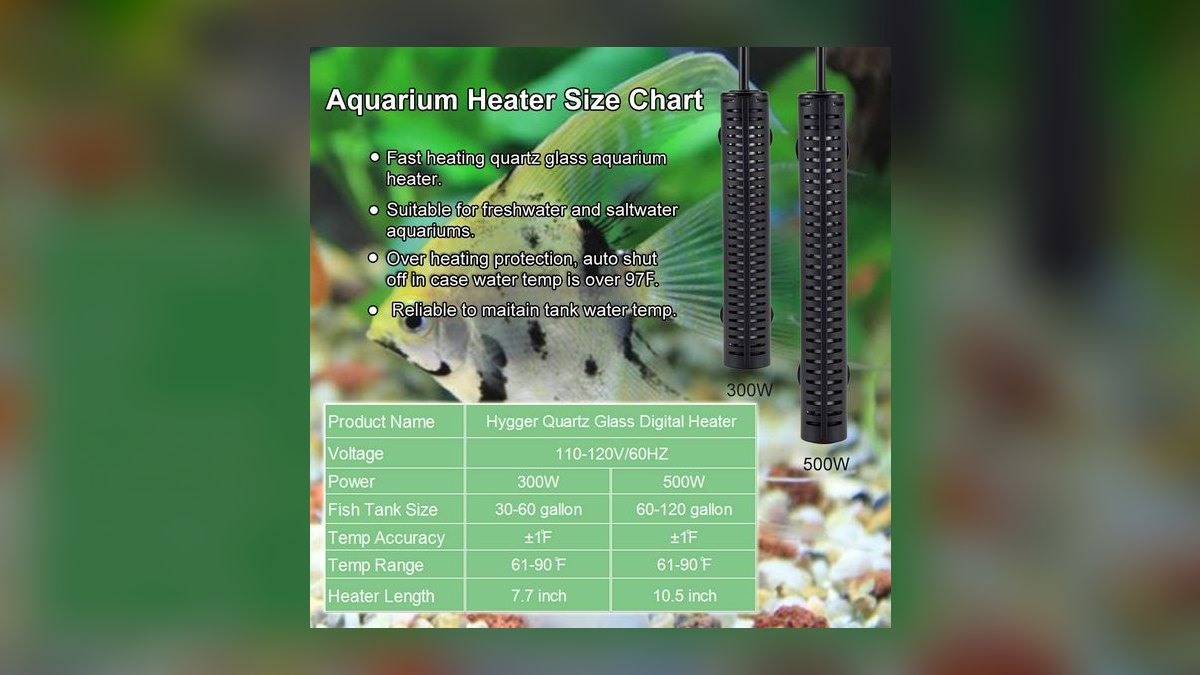
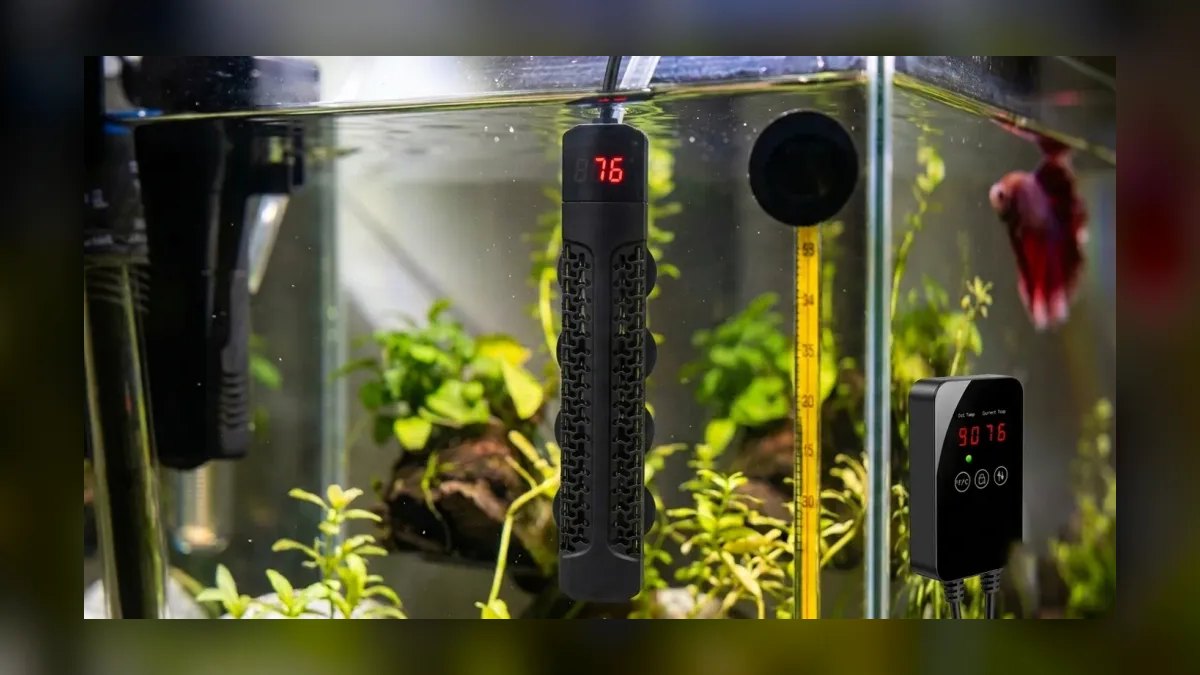
Regardless of size, a healthy beginner tank needs the same core gear: a filter rated for the tank volume (hang-on-back or sponge), a heater for tropical fish (a 50W heater suits a 10-gallon, 100W a 20-gallon, roughly 3-5 watts per gallon), a thermometer, a water test kit (liquid kits like API are more accurate than strips), and a dechlorinator for tap water. You'll also want a gravel vacuum for water changes and a bottle of beneficial bacteria to help start the cycle. Buying a slightly larger tank rarely costs much more in equipment but pays back in stability.
Cycle Before You Add Fish
Whatever size you choose, the make-or-break step is the nitrogen cycle. Run the tank with a source of ammonia for several weeks before adding fish so beneficial bacteria can establish and convert toxic ammonia and nitrite into far less harmful nitrate. A larger tank cycles a touch more slowly but holds the established cycle far more stably afterward. Test until ammonia and nitrite both read 0 ppm, then add fish a few at a time. Skipping the cycle is the number-one cause of beginner fish deaths, and a bigger tank only delays — not prevents — a crash if you stock too fast.
Essential Equipment for a 20-Gallon Beginner Tank
Setting up a 20-gallon aquarium requires more than just the tank itself. Beginners should budget for a complete system that includes a filter rated for at least 30–40 gallons per hour (GPH), a heater with 75–100 watts, a thermometer, a hood or lid with LED lighting, and a water test kit. A good canister or hang-on-back filter provides mechanical, chemical, and biological filtration, while a submersible heater with an adjustable thermostat keeps the water stable at 76–80°F (24–27°C) for most tropical fish. LED lights with a timer (8–10 hours daily) support live plants and prevent algae overgrowth. The initial equipment cost for a 20-gallon setup typically ranges from $100 to $250, depending on brand and features. Avoid cheap "all-in-one" kits that include undersized filters or weak lights—they often lead to frustration. A reliable test kit (liquid drop type, not strips) for ammonia, nitrite, nitrate, and pH is non-negotiable; it costs $20–$40 and lasts for months. Gravel or sand (1–2 inches deep), a bucket for water changes, and a siphon for cleaning are also essential. Many beginners overlook a sturdy stand—a 20-gallon tank weighs roughly 225 pounds when full, so a dedicated aquarium stand or reinforced furniture is critical to avoid catastrophic failure.
Common Beginner Mistakes and How to Avoid Them
Even with a 20-gallon tank, beginners frequently make errors that can crash their aquarium. The most common is overstocking: adding too many fish too quickly. A 20-gallon tank can safely house about 10–15 small fish (like neon tetras, guppies, or corydoras) once fully cycled, but new aquarists often add 20–30 fish immediately, overwhelming the biological filter. Another mistake is overfeeding—fish only need as much food as they can eat in 2–3 minutes, once or twice daily. Uneaten food decays into ammonia, causing water quality crashes. Skipping the nitrogen cycle is perhaps the biggest error: a new tank must be cycled for 4–8 weeks before adding fish, using an ammonia source (pure ammonia or fish food) to grow beneficial bacteria. Without cycling, fish suffer from deadly ammonia and nitrite spikes. Ignoring water changes is another pitfall: a 20-gallon tank needs a 25–30% water change every 1–2 weeks, depending on stocking and feeding. Beginners also often choose incompatible fish (e.g., aggressive cichlids with peaceful tetras) or fail to quarantine new fish, introducing diseases. Finally, placing the tank near direct sunlight or drafts causes temperature swings and algae blooms. Avoiding these mistakes saves money, time, and fish lives—and makes the hobby far more enjoyable.
Stocking Ideas for a 20-Gallon Beginner Tank
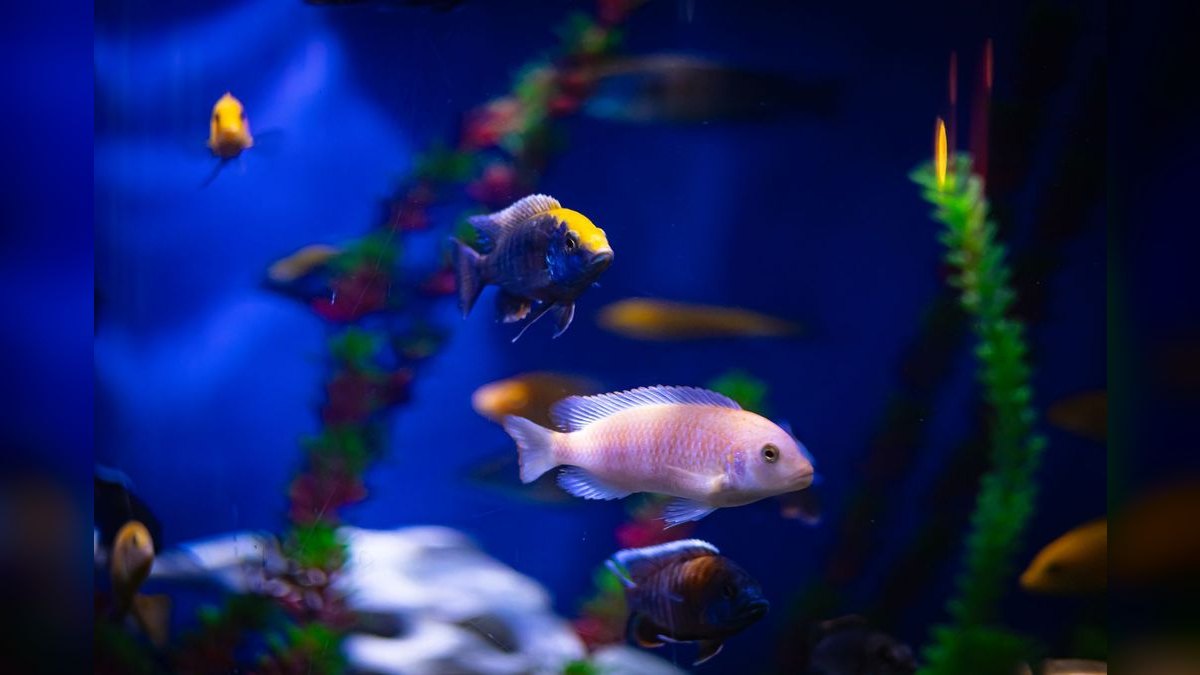
A 20-gallon tank offers enough space for a vibrant community without being overwhelming. A classic beginner-friendly stocking list includes 6–8 neon or cardinal tetras (small, colorful, and peaceful), 3–4 corydoras catfish (bottom-dwellers that clean up leftovers), and 2–3 guppies or platies (hardy, active, and easy to breed). This combination stays within the tank's bioload and provides visual interest at all levels. For a slightly more advanced setup, consider a single betta fish (male or female) with 6–8 harlequin rasboras and 2–3 nerite snails for algae control. Bettas are territorial but coexist peacefully with non-fin-nipping tankmates in a 20-gallon. Avoid goldfish—they produce excessive waste and need much larger tanks (minimum 30 gallons for one, plus 10 gallons per additional fish). For a planted tank, choose low-light, undemanding plants like Java fern, Anubias, and Amazon sword; these thrive under standard LED lights and help absorb nitrates. Always research each species' adult size, temperament, and water parameters before buying—many pet store fish are sold as juveniles but grow too large for a 20-gallon. A well-planned community can thrive for years with consistent care, and the 20-gallon size allows for easy adjustments as you gain experience.
Frequently Asked Questions
Is a 5-gallon tank too small for a beginner? A 5-gallon is the realistic minimum and can work for a single betta with snails or a small shrimp colony, but it offers little margin for error. If you can fit a 10 or 20-gallon, choose the larger size — it is genuinely easier to keep stable.
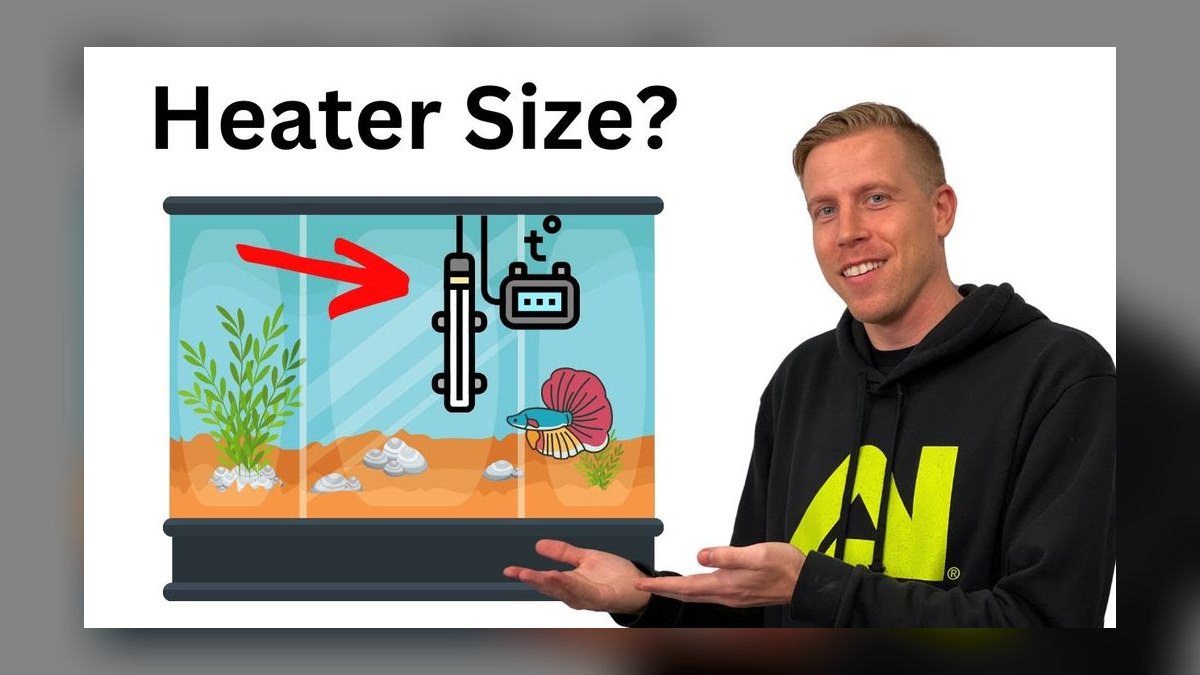
Can I start with a betta fish? Yes, a betta is a hardy, beautiful beginner fish, but it needs a heated, filtered tank of at least 5 gallons — not a bowl. A 10-gallon gives a betta a much better life and room for tankmates like snails or a few corydoras.
How many fish can I keep in a 20-gallon tank? A lightly stocked 20-gallon community might hold a school of 6-8 small tetras or rasboras, a few corydoras, and a centerpiece fish, once fully cycled. Stock slowly, watch your water parameters, and avoid the old "one inch of fish per gallon" rule, which oversimplifies adult size and waste output.
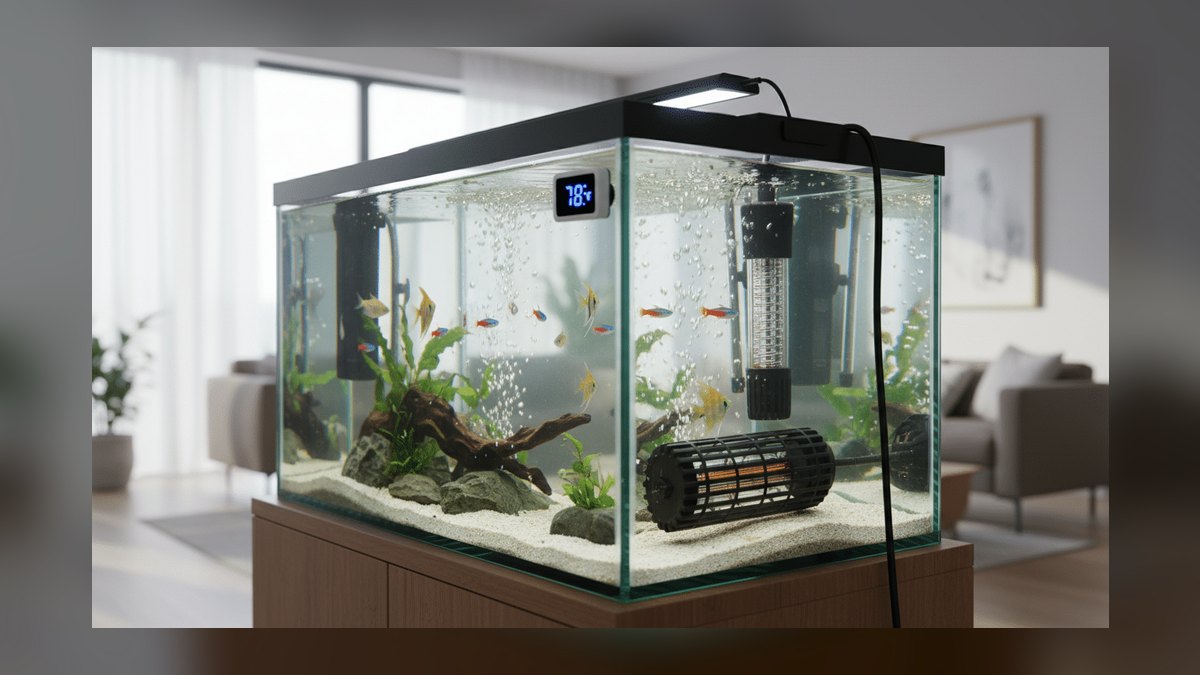
Do I need a heater? For tropical community fish (tetras, guppies, bettas, most popular species) yes — they need a stable 74-80°F. Coldwater species like goldfish and white cloud minnows do not need a heater but need a larger tank than people expect, since goldfish grow large and produce heavy waste.
Glass or acrylic for a first tank? Glass is the better beginner choice. It is cheaper, far more scratch-resistant, and stays clearer over time. Acrylic is lighter and stronger against impact but scratches easily during cleaning, which frustrates new keepers.
How long before I can add fish? Plan on roughly 2-6 weeks to cycle a new tank, depending on method and temperature. Using bottled bacteria and an established filter media or substrate can shorten this. Add fish only after ammonia and nitrite both read 0 ppm and nitrate is present.
Related on PULSE
- [What size aquarium heater is safe for a 20-gallon tall tank?](/knowledge/aq0487)
- [Top 10 Firemouth Cichlid Tank Size 2027](/knowledge/aq0229)
- [Top 10 angelfish tank size guide 2027](/knowledge/aq0112)
- [Top 10 Freshwater Aquarium Plants for Beginners](/knowledge/aq1110)
- [How do you set up a planted aquarium for beginners?](/knowledge/aq0987)
- [Top 10 Freshwater Aquarium Plants for Beginners in 2027](/knowledge/aq0708)
Sources
- Aqueon — Choosing the right aquarium size for beginners: https://www.aqueon.com/
- Tetra — Beginner aquarium setup guidance: https://www.tetra-fish.com/
- The Spruce Pets — Best aquarium size for beginners: https://www.thesprucepets.com/
- API Fishcare — Cycling and water testing basics: https://www.apifishcare.com/
- Aquarium Co-Op — Beginner tank size and stocking advice: https://www.aquariumcoop.com/
- Fishlab / hobby reference — Heater wattage and stocking guidelines: https://www.fishlab.com/
Recently Added — Related
- [Top 10 Wave Maker Pumps for SPS Coral Flow in 2027](/knowledge/aq0829)
- [Top 10 Substrate Options for Caridina Shrimp Tanks in 2027](/knowledge/aq0933)
- [Top 10 Sailfin Molly Centerpiece Livebearers 2027](/knowledge/aq0405)
- [Top 10 Sicce Return Pumps 2027](/knowledge/aq0300)
- [Top 10 West African Cichlids 2027](/knowledge/aq0208)
Read it free — or make it yours for $1.
@Kory-White- · if Venmo asks, the last 4 of my number are 2012
 pulse-aquariumsHow do you prevent and treat fish fungal infections?
 pulse-aquariumsHow do you treat ich in a freshwater aquarium?
 pulse-aquariumsWhat are dinoflagellates and how do you get rid of them in a reef tank?
 pulse-aquariumsTop 10 Freshwater Aquarium Plants for Beginners in 2027
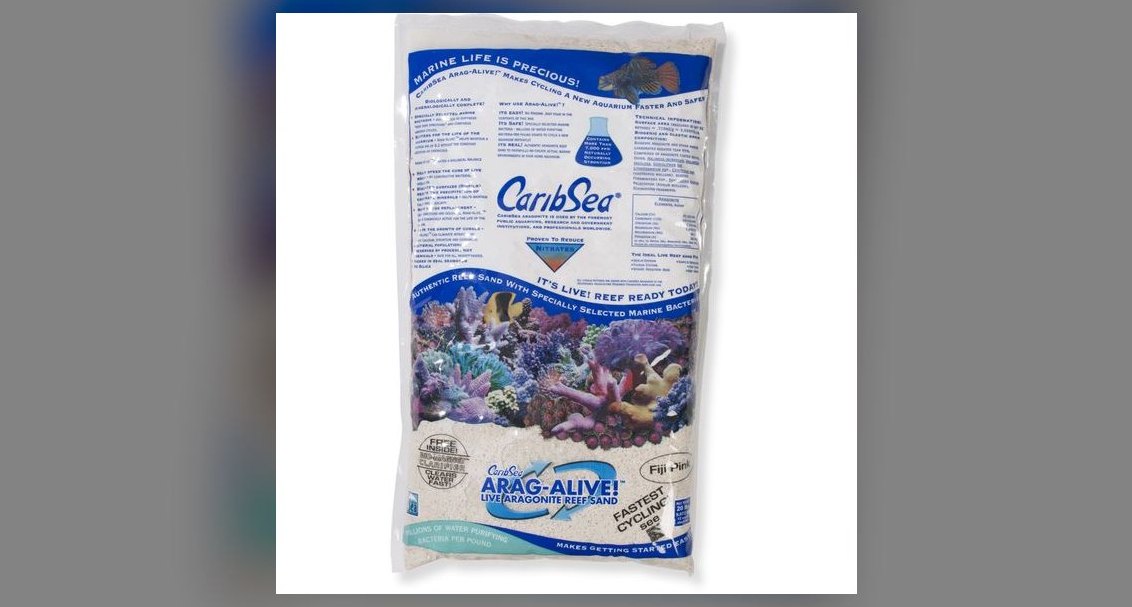 pulse-aquariumsTop 10 Aquarium Sand Substrates for Saltwater Tanks in 2027
 pulse-aquariumsTop 10 Wavemakers for Reef Aquariums in 2027
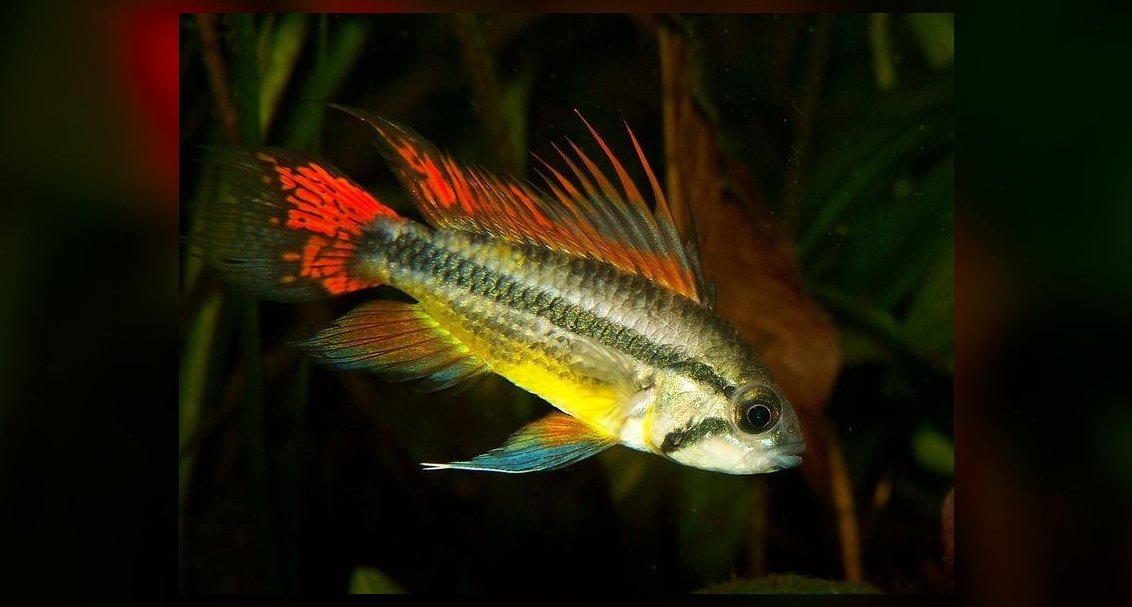 pulse-aquariumsTop 10 Dwarf Cichlids for Planted Aquariums in 2027
 pulse-aquariumsTop 10 Aquarium Driftwood Types for Aquascaping in 2027
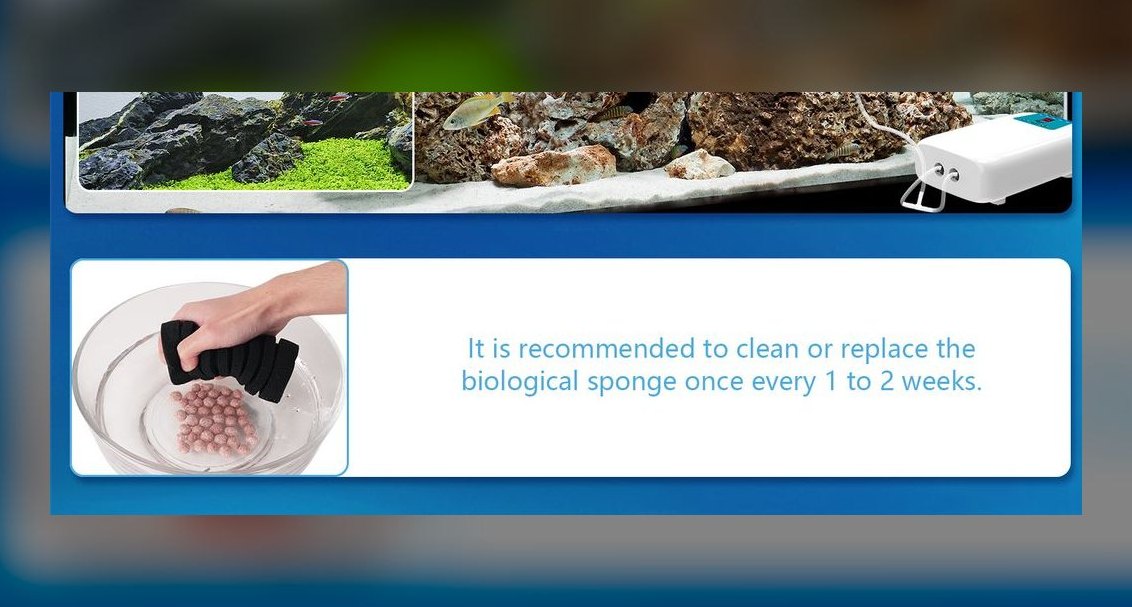 pulse-aquariumsTop 10 Sponge Filters for Shrimp Tanks in 2027
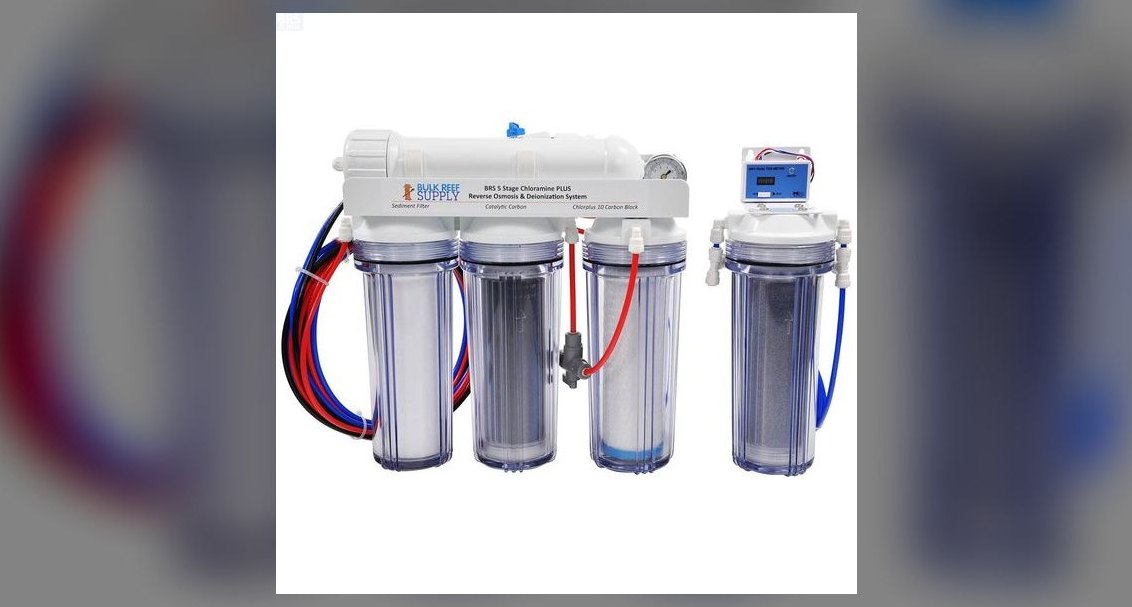 pulse-aquariumsTop 10 RO/DI Systems for Reef Keepers in 2027