
How do you raise water hardness in a shrimp tank?
 Curated byKory White · Fractional CRO · Maryland
 PULSEKNOWLEDGE LIBRARY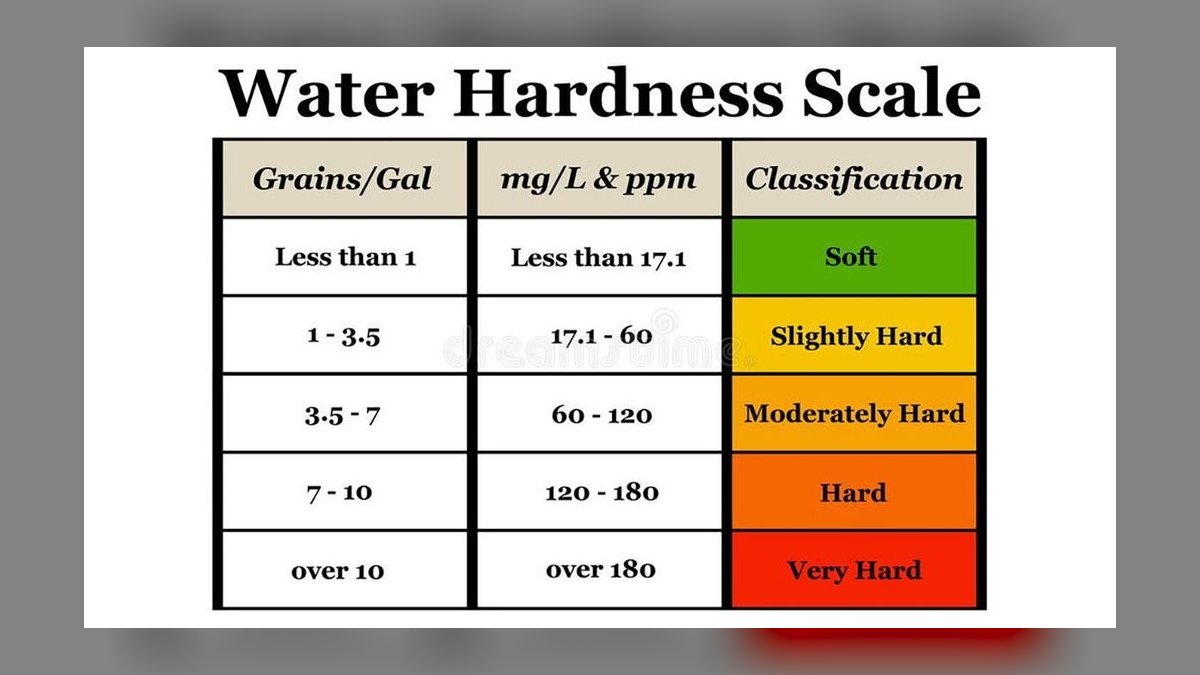
Raise shrimp tank hardness by adding calcium and magnesium — a shrimp-specific remineralizer like Salty Shrimp or Seachem Equilibrium dosed into fresh water, or crushed coral in the filter for slow passive lift. Test GH and KH with a liquid kit first, then raise no faster than roughly 1–2 dGH per day.
The outcome you should expect
The measurable result of a successful hardness program is boring, and that is the point. A stable Neocaridina tank sits at roughly 6–8 dGH, 2–4 dKH, 150–250 ppm TDS, and a pH somewhere between 6.5 and 7.5 that does not move more than about 0.2 units across a week. A Caridina tank sits lower and softer — GH around 4–6, KH at or near 0–1, pH in the 5.8–6.5 band held down by an active buffering soil. Whichever species you keep, the target is not a number you hit once. It is a number you hit every single week, on the same day, with the same measured dose, in water that came out of the same source.
What that stability buys you shows up in the animals rather than the test tube. Successful molts are the primary readout. A shrimp that molts cleanly leaves behind a translucent, intact exuvia that floats around the tank for a day or two before the colony picks it apart — that shed shell is a receipt, and seeing them regularly means your calcium supply is adequate. When hardness is too low, the molt fails partway: the shrimp cannot separate the old carapace at the seam behind the head, gets stuck, thrashes, and dies within hours. Keepers call the visible symptom the "white ring of death," a bright opaque band at the junction where the shell should have split. One or two over a year in a large colony is noise. Three in a week after a water change is a chemistry problem, and hardness is the first thing to check.
The second readout is reproduction. A colony with correct hardness and steady parameters produces berried females continuously — you should see saddles (developing eggs visible through the carapace behind the head) and berried females (eggs carried under the tail) at essentially all times once the population passes a couple dozen adults. Females molt immediately before mating, so a hardness deficiency that impairs molting also silently suppresses breeding, and the tank goes quiet without any dead bodies to tell you why. A tank that stops producing shrimplets for six weeks with no mortality is often a soft-water tank, not an infertile one.
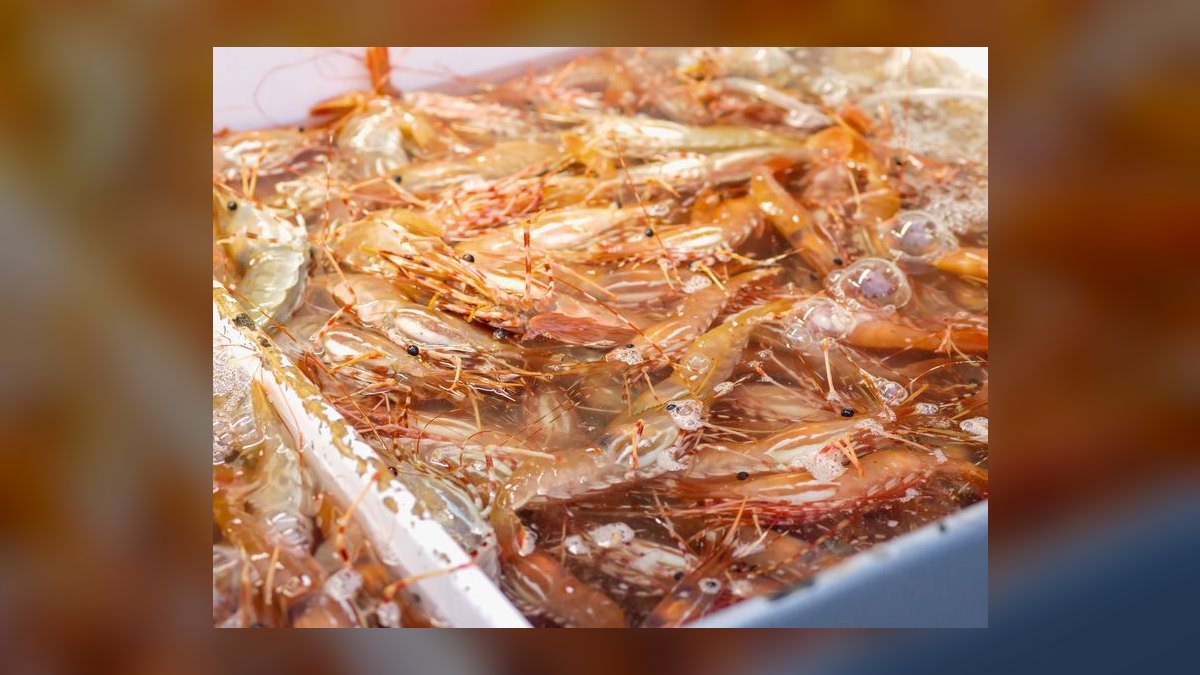
The third readout is behavior and color. Well-mineralized Neocaridina graze constantly, spread across every surface, and hold saturated color. Shrimp under osmotic stress cluster near the surface or at the filter outflow, stop grazing, and go pale or milky. Milky, opaque flesh in the tail is a distinct sign — it usually means muscle necrosis or bacterial infection rather than hardness alone, but it frequently follows a chemistry swing that stressed the animal into vulnerability.
Set your expectations on timeline honestly. If you are correcting a soft tank, plan on two to four weeks to walk hardness up safely through water changes rather than two days. If you are starting a new tank with remineralized water, you hit target on day one and then simply never let it drift. The passive methods — crushed coral, aragonite, mineral blocks — respond over days to weeks, not hours, so they are a maintenance strategy and a poor rescue strategy. And if you're keeping shrimp alongside a planted setup, expect the plants and the shrimp to compete a little for the same ions: heavy stem growth and fast-growing floaters draw down calcium and magnesium measurably in a small tank, which is one reason a densely planted 10-gallon drifts soft faster than a bare one.
What drives that outcome
Hardness is not one thing. General Hardness (GH) measures divalent cations — practically, calcium and magnesium — and it is the number that governs molting and osmoregulation. Carbonate Hardness (KH, also called alkalinity) measures carbonate and bicarbonate, and it governs how strongly your water resists a pH change. These two move independently depending on what you add, and confusing them is the single most common reason a keeper "raises hardness" and kills a tank anyway.
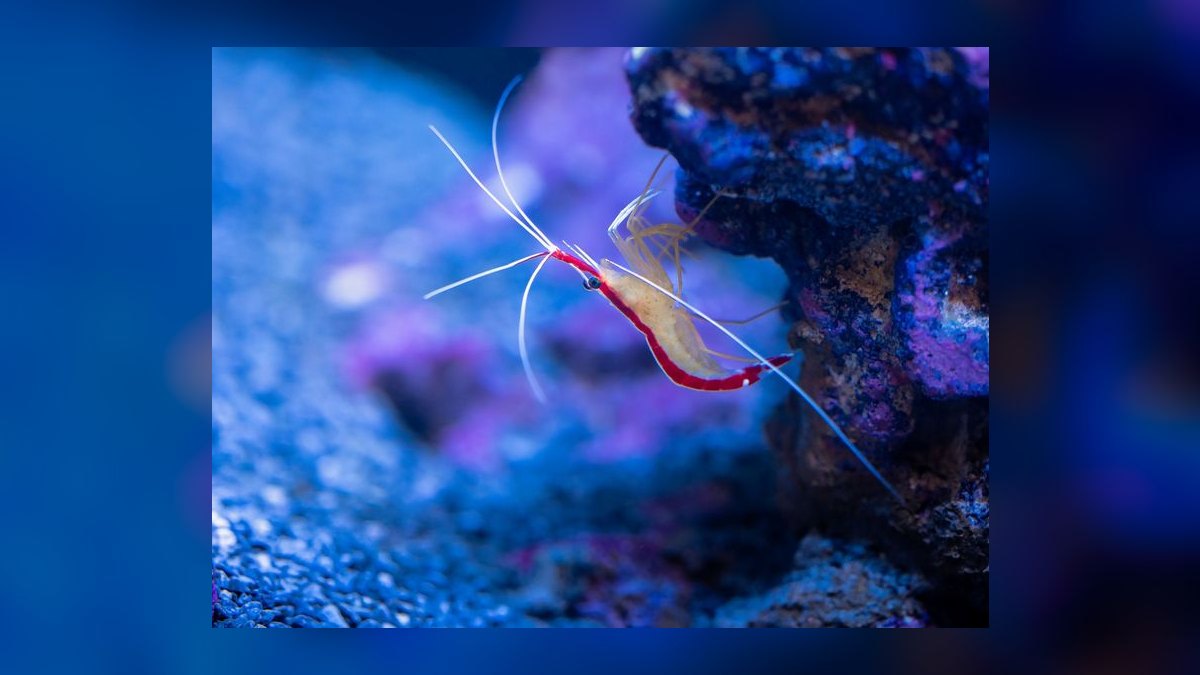
Calcium is the structural mineral. The shrimp's exoskeleton is largely calcium carbonate laid into a chitin matrix, and after each molt the animal must reharden a completely new shell from dissolved calcium in the water plus whatever it reabsorbed from the old one before shedding. That reabsorption is why you should never remove molts — the colony eats them and recycles the mineral. Magnesium is the cofactor. It participates in enzyme function and in the mineral matrix itself, and natural shrimp habitats run calcium and magnesium in something close to a 3:1 to 4:1 ratio by weight. A tank dosed with Epsom salt alone climbs in GH on the test kit while starving the shrimp of the calcium they actually needed — the number rises, the molts still fail, and the keeper concludes the test kit is broken.
KH drives the other half of the system. Water with 0–1 dKH has almost no buffering capacity, so the ordinary daily swing of CO2 from respiration and photosynthesis, or a slug of acid from decaying food, can drop pH by a full point overnight. That is a pH crash, and it kills shrimp fast. Caridina keepers deliberately run near-zero KH — but they do it on top of an active buffering substrate (aquasoil) that chemically pins pH low and stable, which substitutes for the buffer that KH would otherwise provide. Copying the low-KH number without the soil is how beginners lose a tank of expensive bee shrimp in a week.
TDS ties it together as a proxy. A TDS meter reads total dissolved ionic content in ppm and costs very little, so it becomes the daily check while GH/KH liquid tests become the weekly audit. TDS cannot tell you *which* ions are present — a tank at 220 ppm from nitrate and dissolved organics is chemically nothing like a tank at 220 ppm from a remineralizer — but for a tank you built yourself from RO water and a known powder, TDS drift is an excellent early-warning signal. Rising TDS between water changes usually means evaporation top-off with the wrong water or accumulating waste; falling TDS means plants and shells are consuming minerals faster than you replace them.
The final driver is delivery method, and it matters more than product choice. Minerals added to a bucket of change water arrive pre-mixed and pre-dissolved at a known concentration, so the tank experiences a small, gradual shift as the new water blends in. Minerals dumped as powder into a running tank create a local spike — a shrimp sitting in that plume experiences a chemistry change of several dGH in seconds. Same product, same total dose, completely different biological outcome. Every reliable hardness routine is built around remineralizing the change water, never the display.
Benchmarks and realistic ranges
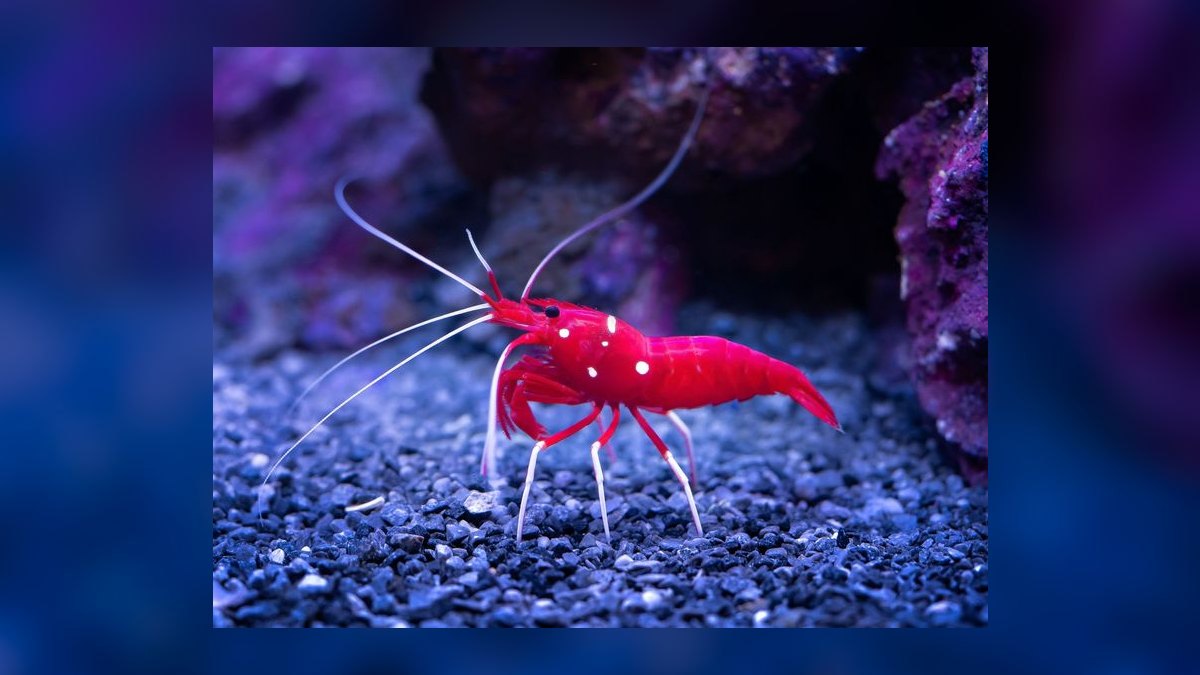
Start with the species table, because every downstream decision hangs off it. Neocaridina davidi — cherry, blue dream, orange sakura, and every other color morph of the same animal — want GH 6–8 dGH, KH 2–4 dKH, TDS 150–250 ppm, pH 6.8–7.6, temperature 68–76°F. They tolerate more than that. Plenty of keepers run them at GH 10 or KH 6 in hard tap water and get colonies. Above roughly 12 dGH, though, molting problems return from the other direction — the shell hardens too fast and too thick, and shrimp get stuck in shells they cannot split.
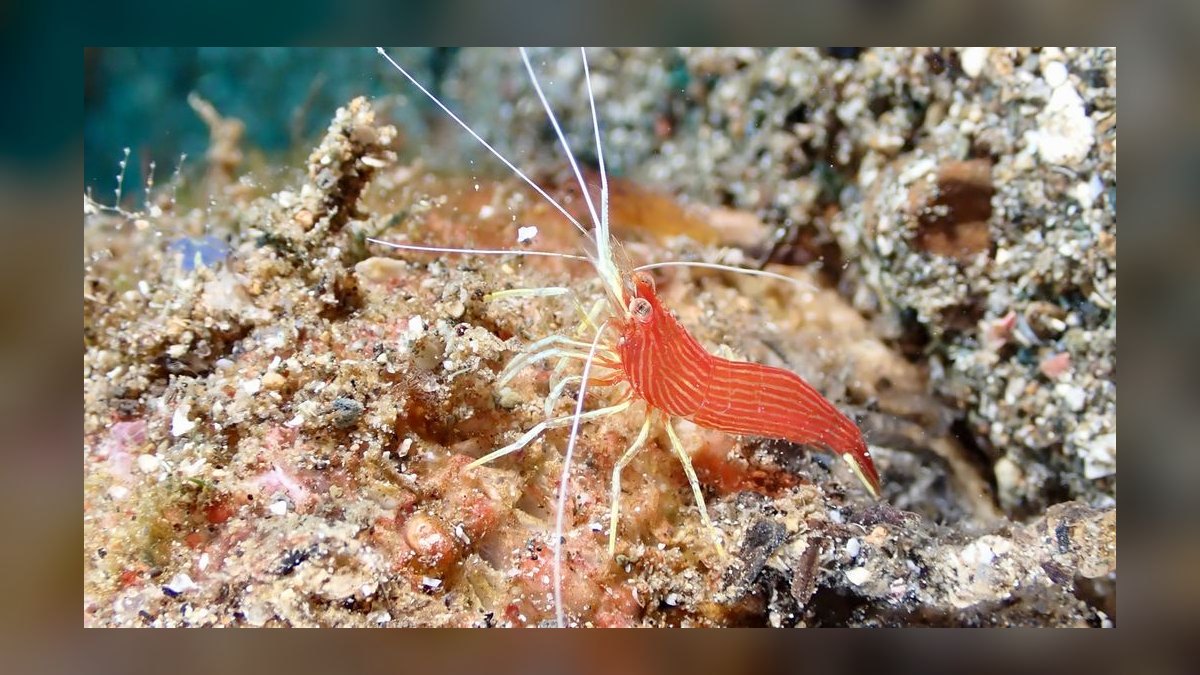
Caridina cantonensis — crystal red, crystal black, taiwan bee, king kong — want GH 4–6 dGH, KH 0–1 dKH, TDS 100–150 ppm, pH 5.8–6.5, temperature 68–72°F. These are the shrimp that punish sloppiness. They are also the reason the GH-only remineralizers exist as a separate product category: you need calcium and magnesium without carbonate, so the buffering soil can do its job unopposed. Sulawesi shrimp invert the whole thing again, wanting high pH around 7.8–8.2 and warm water, which is a genuinely different chemistry project.
On dosing rates, commercial powders are formulated to roughly 1 gram per 10 liters raising GH by about 1 dGH, but this varies by brand and you must verify against your own test kit rather than trusting the scoop. The practical procedure: fill a bucket with a known volume of RO water, add the label dose, stir until fully dissolved (this takes longer than you think — several minutes, and cold water is slower), let it sit an hour, then test. Write down grams-per-gallon-per-dGH for your specific product and your specific test kit. That single number turns every future water change into arithmetic instead of guesswork.
For passive mineral sources, a reasonable starting point is about a cup of crushed coral per 10 gallons in a mesh media bag, placed where flow passes through it. Dissolution is pH-dependent: below about 7.5 the coral gives up carbonate steadily, and above 8.0 it nearly stops, which is a self-limiting mechanism that makes coral safer than it sounds. Expect GH to climb slowly over one to three weeks. Aragonite behaves similarly with finer grain and faster surface-area-driven dissolution. Seiryu stone and other calcareous hardscape rocks do the same thing incidentally — if your tank is drifting hard and you never added anything, look at your rocks.
On rate of change, the operative limit is roughly 2 dGH or about 50 ppm TDS in 24 hours, and slower is better. A 20% weekly water change with water that is 2 dGH harder than the tank shifts the tank by only about 0.4 dGH — deliberately gentle. That is the mechanism you want for correcting a soft tank: four to six weeks of slightly-harder change water, no drama, no shock. Acclimating newly purchased shrimp follows the same logic in miniature: drip acclimate over 1.5 to 3 hours, and if the shop's TDS differs from yours by more than about 100 ppm, stretch it longer.
Cost benchmarks are worth knowing before you over-engineer this. A commercial shrimp remineralizer runs a few dozen doses for a 10-gallon tank out of a single container that lasts most keepers a year. Bulk calcium chloride and Epsom salt cost dramatically less per dose and are the standard move once you are running multiple tanks or anything over 50 gallons. An RO unit pays for itself against bottled distilled water somewhere around the second or third tank. For one small tank, the commercial powder is the right answer and the DIY route is a hobby project, not an economy.
Risks, edge cases, and failure modes
The fastest way to kill shrimp while raising hardness is speed. Osmotic shock happens when the ionic concentration outside the animal changes faster than its physiology can compensate, and shrimp — small, thin-shelled, with a large surface-to-volume ratio — are far more sensitive to it than fish in the same tank. This is why a 50% water change that a betta shrugs off can wipe a shrimp colony. The failure often appears delayed: shrimp look fine for six hours, then start swimming erratically around the glass, then die over the following day. If you see frantic swimming immediately after a water change, that is the diagnostic sign, and the fix is to stop, not to add anything else.
Dumping dry powder into a stocked tank is the second failure mode, and it is entirely avoidable. Undissolved granules sitting on substrate create hot spots that a grazing shrimp will find. Always dissolve first, in a cup of tank water at minimum, ideally in the change bucket.
Third: mismatching the method to the species. Crushed coral raises GH, KH, and pH together. In a Neocaridina tank that is fine and often desirable. In a Caridina tank running aquasoil, it is a slow disaster — the coral neutralizes the soil's buffering capacity, pH climbs out of range, the soil exhausts months early, and the shrimp decline without any single dramatic event to point at. If you keep Caridina, keep every calcareous material out of the system, including hardscape rock and the "shrimp mineral balls" sold ambiguously.
Fourth: raising GH without addressing why it fell. If a tank drops from 7 dGH to 4 dGH over two months, something is consuming minerals — a heavy plant load, a large colony building shells, snails (Ramshorn and Malaysian trumpet snails are significant calcium sinks in a small tank), or top-off with RO water diluting the whole system. Adding more remineralizer treats the symptom and works, but if the driver is RO top-off you will chase the number forever. Top off evaporation with plain RO/DI — evaporation removes only water, so the minerals stayed behind and adding more with the top-off is what causes creeping TDS.
Fifth, and this is the one that catches careful keepers: copper. Shrimp are invertebrates and are acutely sensitive to copper, which appears in many fish medications, some plant fertilizers, and — relevantly here — occasionally in tap water from copper plumbing, especially the first draw in the morning after water has sat in the pipes overnight. A keeper who "raised hardness with tap water" and lost the colony sometimes did not have a hardness problem at all. If you use tap, run it a minute first, and check whether your municipality treats with chloramine (which requires a conditioner that specifically breaks the chloramine bond, not just dechlorinator).
Sixth: test kit error. Liquid titration kits for GH and KH work by counting drops until a color flip, so one miscounted drop is a full degree of hardness. Reagents also age — a kit past its shelf life reads low, and a keeper chasing a phantom low reading can overdose badly. Swirl the vial rather than shaking, count out loud, and cross-check against a fresh kit or a TDS meter once or twice a year. Test strips for GH/KH are convenient but coarse enough that they should be treated as a screen, not a measurement.
Finally, the adjacent-system failure: seasonal municipal water changes. Water utilities blend sources and their hardness genuinely shifts across the year, sometimes substantially between a spring surface-water blend and a summer well blend. A keeper on straight tap who tested once in January and never again can find their tank two or three dGH different in July with no change in their own routine. This is the single strongest argument for RO plus remineralizer even when your tap is nominally suitable: you are not buying better water, you are buying the same water every time.
A practical rollout plan
Week zero is measurement. Before you buy anything, test your source water — tap and RO if you have both — for GH, KH, and TDS, and test the tank separately. Test the tap twice, a week apart, so you know whether it is stable. Decide your species target from the benchmark ranges above and write it on a piece of tape on the tank. Everything downstream is just closing the gap between two numbers you now actually know.
Week one is method selection and calibration. If your source is RO or distilled, buy the remineralizer that matches your species — a GH/KH+ product for Neocaridina, a GH-only product for Caridina — and calibrate it in a bucket as described earlier, so you know your own grams-per-gallon-per-degree. If your source is moderately hard tap and you keep Neocaridina, you may need nothing but a bag of crushed coral in the filter and patience. Do not run both a remineralizer and coral at once during setup; you will not know which one moved the number.
Weeks two through five are the correction, and the correction lives entirely inside your normal water changes. Prepare change water at your target hardness (or slightly above the tank's current level if you're walking upward), let it sit aerated overnight so temperature and gas equilibrate, and change 15–20% weekly. Test the tank 24 hours after each change and log it. Four changes at 20% with water 2 dGH above the tank moves you roughly 1.5 dGH total — slow on purpose. If you are in a genuine emergency with shrimp actively failing molts, you can go faster, but "faster" means two smaller changes 48 hours apart, not one big correction.
From week six onward the job is maintenance and log discipline. Keep a simple record — date, GH, KH, TDS, pH, water change percentage, anything unusual — because hardness problems announce themselves as trends long before they announce themselves as dead shrimp. A notebook beside the tank beats an app you will not open.
Two adjacent workflows are worth folding into the same routine, because they share the same water and the same schedule. First, plant fertilization: many all-in-one fertilizers contain magnesium and some contain calcium, so a heavily dosed planted tank is quietly contributing to GH. If your numbers do not add up, read the fertilizer label before you blame the test kit. Second, the food side of the calcium equation — shrimp obtain some mineral from diet, and calcium-fortified shrimp foods, blanched vegetables, and leaf litter all contribute. Leaf litter (Indian almond, oak, beech) leaches tannins that gently lower pH and slightly soften water, which is a plus for Caridina and a mild counterweight in a Neocaridina tank. Neither replaces dissolved hardness, but both stabilize a colony that is otherwise borderline.
If you keep multiple tanks, standardize. One source water, one remineralizer, one target per species, mixed in one larger container on one day of the week. The failure rate across a shrimp room is almost entirely a function of how many different procedures are running in it.
Related questions
What is the difference between GH and KH?
GH measures calcium and magnesium and controls molting and osmoregulation. KH measures carbonates and bicarbonates and controls pH stability. Products can raise one, the other, or both. Neocaridina need both; Caridina need GH with near-zero KH plus a buffering substrate.
Can I raise hardness without changing pH?
Yes. Use a GH-only remineralizer or a calcium chloride plus magnesium sulfate mix — these add calcium and magnesium without carbonate, so pH stays where it was. Crushed coral, aragonite, and baking soda all raise KH and push pH upward.
How fast can I safely raise GH in a stocked tank?
Roughly 1–2 dGH per 24 hours is the practical ceiling, and slower is safer. The preferred method is incremental weekly water changes with slightly harder water rather than direct dosing, which spreads the change across weeks with no single shock event.
Do I need RO water to keep shrimp?
Not necessarily. If your tap water tests within the Neocaridina range and is stable across seasons, tap plus conditioner works well. RO plus remineralizer becomes necessary for Caridina, for unusually hard or soft tap, or when your municipal supply shifts through the year.
Will more calcium fix failed molts on its own?
Sometimes, but not always. Failed molts also follow rapid parameter swings, protein-poor diets, high nitrate, and copper exposure. Confirm GH is genuinely low before dosing; if GH is already in range, look at stability and water quality rather than adding more minerals.
FAQ
How often should I test water hardness in a shrimp tank?
Weekly during the first month of a new tank or after any change to your routine, then every two weeks once the numbers hold steady. A TDS meter check takes ten seconds and can be done at every water change as a cheap early-warning system, with the full GH/KH liquid test reserved for the monthly audit or any time TDS moves unexpectedly.
Can I use tap water to raise hardness in a shrimp tank?
Only after you test it. Municipal hardness varies enormously by region and shifts seasonally as utilities blend sources. If your tap tests in range and stays there across two or three months of checks, it is a fine and cheap option — just condition it for chlorine or chloramine and run the faucet briefly to clear water that has been sitting in copper plumbing.
What is the ideal GH for cherry shrimp?
Roughly 6–8 dGH with KH 2–4 dKH, TDS 150–250 ppm, and pH between about 6.8 and 7.6. Cherry shrimp are forgiving and colonies survive outside this band, but breeding rate and molt success are best inside it. Consistency matters more than hitting the exact center of the range.
Will crushed coral raise pH too much?
It can, and that is the main reason to match method to species. Coral raises GH, KH, and pH together, typically settling a tank around 7.5–8.0. For Neocaridina that is acceptable. For Caridina, which need low pH and near-zero KH, coral is the wrong tool entirely — use a GH-only remineralizer and keep calcareous material out of the tank.
Can I use Epsom salt by itself to raise GH?
No. Epsom salt is magnesium sulfate and supplies only magnesium. Shrimp need calcium as the primary structural mineral, at roughly three to four times the magnesium level. A tank dosed with Epsom alone shows a rising GH number while the shrimp still fail to molt, which is a genuinely misleading failure mode.
What should I do if I overshoot the hardness target?
Dilute gradually. Small water changes with unremineralized RO or distilled water, spread across several days, bring the number down without creating the shock you were trying to avoid. Never do one large dilution to fix an overshoot — the correction becomes a bigger stressor than the original error.
Sources
- Aquarium Co-Op — Neocaridina shrimp care
- The Shrimp Farm — GH, KH and TDS explained
- Seachem Equilibrium product page
- API GH & KH Test Kit
- CaribSea aragonite substrates
- USGS Water Science School — water hardness
- EPA — drinking water regulations and contaminants
- Britannica — Caridea (shrimp) biology
Related on PULSE
- [How do you set up a low-tech planted shrimp tank?](/knowledge/aq1135)
- [Can cherry shrimp and neon tetras thrive together in a 10-gallon tank?](/knowledge/aq0475)
- [Top 10 Sponge Filters for Shrimp Tanks in 2027](/knowledge/aq0992)
- [Top 10 Species of Freshwater Shrimp for Community Tanks](/knowledge/aq0966)
- [Top 10 water hardness facts 2027](/knowledge/aq0139)
 pulse-aquariumsTop 10 Clownfish Varieties for Saltwater Aquariums in 2027
 pulse-aquariumsTop 10 Aquariums strategies for 2027
 pulse-aquariumsHow do you set up a low-tech planted shrimp tank?
 pulse-aquariumsTop 10 Reef-Safe Tangs for Saltwater Aquariums in 2027
 pulse-aquariumsTop 10 Aquarium Air Pumps in 2027
 pulse-aquariumsHow do you choose the right filter for your aquarium?
 pulse-aquariumsHow do you set up a planted aquarium for beginners?
 pulse-aquariumsTop 10 Aquarium Controllers for Smart Tanks in 2027
 pulse-aquariumsHow do you treat ich in a freshwater aquarium?
 pulse-aquariumsWhat are dinoflagellates and how do you get rid of them in a reef tank?