
How do you keep a goldfish tank healthy?
 Curated byKory White · Fractional CRO · Maryland
 PULSEKNOWLEDGE LIBRARY
A healthy goldfish tank requires consistent water quality management, proper filtration, and a stable environment. This means performing weekly partial water changes of 20-30% using a gravel vacuum, maintaining a cycled filter with biological media, and avoiding overfeeding. The tank should be at least 20 gallons for a single fancy goldfish, with a thermometer keeping water between 68-74°F and a pH of 7.0-8.4. Regular testing for ammonia, nitrite, and nitrate using a liquid test kit like the API Freshwater Master Test Kit is non-negotiable for long-term health.
---
Why Water Quality is the Non-Negotiable Foundation
Goldfish are among the messiest freshwater fish, producing high amounts of ammonia through gills and waste. Without a properly cycled biological filter, ammonia and nitrite will spike, causing gill damage and death within days. The nitrogen cycle is the core process: beneficial bacteria convert toxic ammonia to nitrite, then to less toxic nitrate. A healthy tank must have zero ammonia and zero nitrite, with nitrate kept below 20 ppm. This is achieved through a combination of mechanical, chemical, and biological filtration.
The Nitrogen Cycle in Practice
- Ammonia (NH3): Produced by fish waste, uneaten food, and decaying plants. Toxic at 0.25 ppm.
- Nitrite (NO2): Produced by Nitrosomonas bacteria. Toxic at 0.5 ppm.
- Nitrate (NO3): Produced by Nitrobacter bacteria. Less toxic but harmful above 40 ppm.
To cycle a new tank, add a bottled bacteria product like Seachem Stability or API Quick Start and a small ammonia source (fish food or pure ammonia). Test daily until ammonia and nitrite read zero for 7 consecutive days. This process takes 4-8 weeks. Never add fish to an uncycled tank.
Filtration: The Heart of the System
A goldfish tank needs a filter rated for 2-3 times the tank volume. For a 40-gallon tank, use a filter rated for 80-120 gallons per hour. The best options are canister filters (e.g., Fluval FX4 or Eheim Classic 2215) or hang-on-back (HOB) filters (e.g., AquaClear 70). Both provide mechanical (sponge/pad), chemical (activated carbon), and biological (ceramic rings/bioballs) filtration.
- Mechanical: Removes solid waste. Clean the sponge monthly in tank water (never tap water, which kills bacteria).
- Chemical: Activated carbon removes tannins and medications. Replace every 4-6 weeks.
- Biological: Ceramic rings or bioballs house nitrifying bacteria. Never replace all at once; rinse in tank water only.
Water Changes: The Weekly Ritual
Weekly water changes of 20-30% are mandatory. Use a gravel vacuum (e.g., Python No-Spill Cleaner) to siphon debris from the substrate. Replace water with dechlorinated tap water using a conditioner like Seachem Prime (detoxifies ammonia, nitrite, nitrate for 24-48 hours). Temperature match the new water to within 2°F of the tank to avoid shock.
Step-by-Step Water Change
- Turn off heater and filter.
- Siphon 20-30% of water into a bucket.
- Vacuum gravel thoroughly.
- Fill a clean bucket with tap water, add dechlorinator, and temperature match.
- Slowly pour new water into tank.
- Turn equipment back on.
Feeding: Less is More
Goldfish have no stomachs and produce massive waste if overfed. Feed a high-quality sinking pellet like Hikari Goldfish Sinking Wafers or New Life Spectrum Thera-A. Feed only what they can consume in 1-2 minutes, twice daily. For variety, offer blanched vegetables (peas, zucchini) once a week. Never feed floating flakes exclusively, which can cause swim bladder issues.
Tank Size and Stocking
The common myth "one inch per gallon" is dangerously wrong for goldfish. Fancy goldfish need 20 gallons for the first fish plus 10 gallons for each additional. Single-tail goldfish (commons, comets) need 40 gallons for the first and 20 gallons for each additional. A 55-gallon tank is the minimum for two fancy goldfish. Overstocking leads to ammonia spikes and stunted growth.
Temperature and Lighting
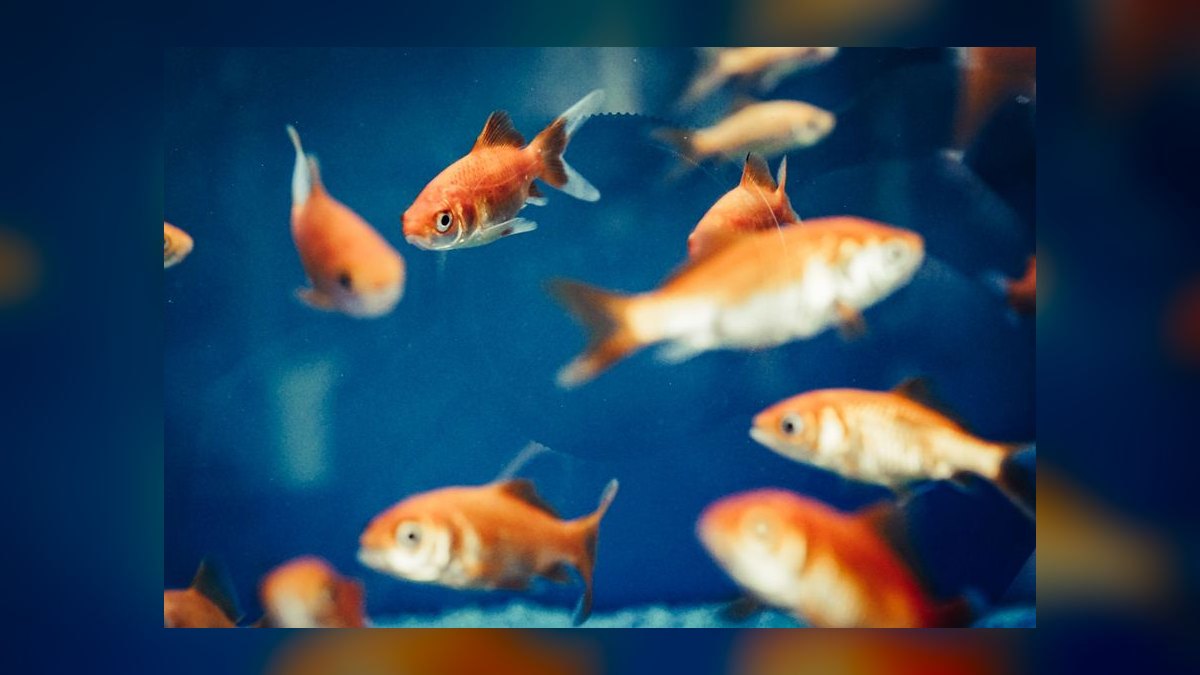
Goldfish are coldwater fish, but they thrive in a stable range of 68-74°F. Use a reliable heater like Eheim Jager 100W for tanks below 70°F. Avoid temperature swings above 5°F per day. Lighting should be 8-10 hours daily to prevent algae blooms. Use a timer for consistency.
Common Diseases and Prevention
- Ich (white spot): Caused by stress or temperature swings. Treat with API Super Ick Cure and raise temperature to 80°F for 3 days.
- Fin rot: Bacterial infection from poor water quality. Treat with Maracyn and improve water changes.
- Swim bladder disorder: Caused by overfeeding or floating food. Fast for 3 days, then feed a blanched pea.
Prevention is always better than cure: maintain water quality, quarantine new fish for 2 weeks, and avoid sudden changes.
Feeding Habits: The Most Common Mistake Goldfish Owners Make
Overfeeding is the single fastest way to destroy water quality in a goldfish tank. Goldfish have no true stomach and will eat continuously if food is available, leading to excess waste and undigested food rotting in the tank. A single pinch of food per fish, once or twice daily, is sufficient for most adult goldfish. For young, growing fish, three small feedings per day may be appropriate, but always remove any uneaten food after 2 minutes.
Choosing the Right Food: Goldfish require a varied diet to thrive. High-quality sinking pellets are preferable to floating flakes, as goldfish are natural bottom-feeders and swallowing air from the surface can cause buoyancy issues (swim bladder disorder). Look for foods with at least 30-40% protein for growth and 5-10% fiber for digestion. Hikari Goldfish Pellets and TetraFin Goldfish Flakes are reliable options, but rotate in frozen or live foods like bloodworms, brine shrimp, or daphnia once or twice a week for essential nutrients. Blanched vegetables (peas with skins removed, zucchini, spinach) provide fiber and help prevent constipation, a common cause of swim bladder problems.
The "No-Feed Days" Rule: Goldfish can easily go 2-3 days without food without harm. Skipping one feeding per week allows their digestive system to clear out and reduces waste buildup. This is especially important in smaller tanks or tanks with heavy bioloads. Never feed more than what your fish can consume in 2 minutes—if food reaches the substrate, you've overfed.
Signs You're Overfeeding:
- Cloudy water within 24 hours of feeding
- Visible food particles on the gravel or in the filter
- Fish with bloated bellies or stringy, white feces (signs of constipation or internal parasites)
- Ammonia or nitrite spikes on test kits
- Algae blooms (excess nutrients from waste)
Feeding Schedule Example:
- Monday: 1 pinch of sinking pellets
- Tuesday: 1 pinch of frozen bloodworms (thawed)
- Wednesday: Skip feeding
- Thursday: 1 pinch of sinking pellets
- Friday: 1 blanched pea (peeled, mashed)
- Saturday: 1 pinch of sinking pellets
- Sunday: 1 pinch of spirulina flakes (for color)
Adjust portion sizes based on fish size—a single fancy goldfish the size of your palm needs about 2-3 pellets per feeding. Monitor your fish's body condition: a healthy goldfish should have a rounded belly but not a distended one.
Tank Decor and Substrate: Creating a Safe Environment
The wrong decor can injure goldfish or trap waste, leading to chronic health issues. Goldfish are curious, clumsy swimmers that can easily scrape themselves on sharp edges or get stuck in tight spaces. Choose smooth, rounded decorations without jagged points—avoid plastic plants with sharp stems, rough lava rock, or small gravel that fish can swallow.
Substrate Selection: Bare-bottom tanks are easiest to clean and safest for goldfish, as they prevent waste from settling and reduce the risk of impaction. If you prefer a natural look, use large, smooth river stones (at least ½ inch in diameter) that goldfish cannot fit in their mouths. Avoid small gravel or sand, as goldfish constantly sift through substrate looking for food and can ingest tiny particles, leading to intestinal blockages. A thin layer of pool filter sand (1 inch deep) is acceptable if you vacuum it weekly, but bare-bottom is recommended for beginners.
Plants: Real vs. Artificial: Goldfish are notorious plant-eaters and uprooters. Most live plants will be destroyed within days, but a few hardy species can survive: Java fern, Anubias, Java moss, and hornwort are tough, fast-growing, and goldfish-resistant. Attach them to rocks or driftwood with fishing line or super glue (cyanoacrylate) rather than planting them in substrate. Artificial silk plants are safer than plastic ones—avoid anything with sharp edges. Never use dyed or painted decorations, as the coating can leach toxins into the water over time.
Hiding Spots and Open Space: Goldfish are social but need places to retreat if startled. Provide one or two smooth caves or large PVC pipes (cut to size, smooth edges) for hiding. However, leave at least 60-70% of the tank open for swimming—goldfish are active swimmers and need unobstructed space. Avoid over-decorating, which can create dead zones where waste accumulates and water flow is blocked.
Driftwood and Tannins: Adding a piece of Malaysian driftwood or mopani wood can release beneficial tannins that lower pH slightly (goldfish tolerate this) and have mild antibacterial properties. Boil the wood for 1-2 hours before adding to remove excess tannins and prevent clouding. Tannins will tint the water a tea color, which is harmless and actually mimics goldfish's natural habitats. Replace driftwood every 2-3 years as it breaks down.
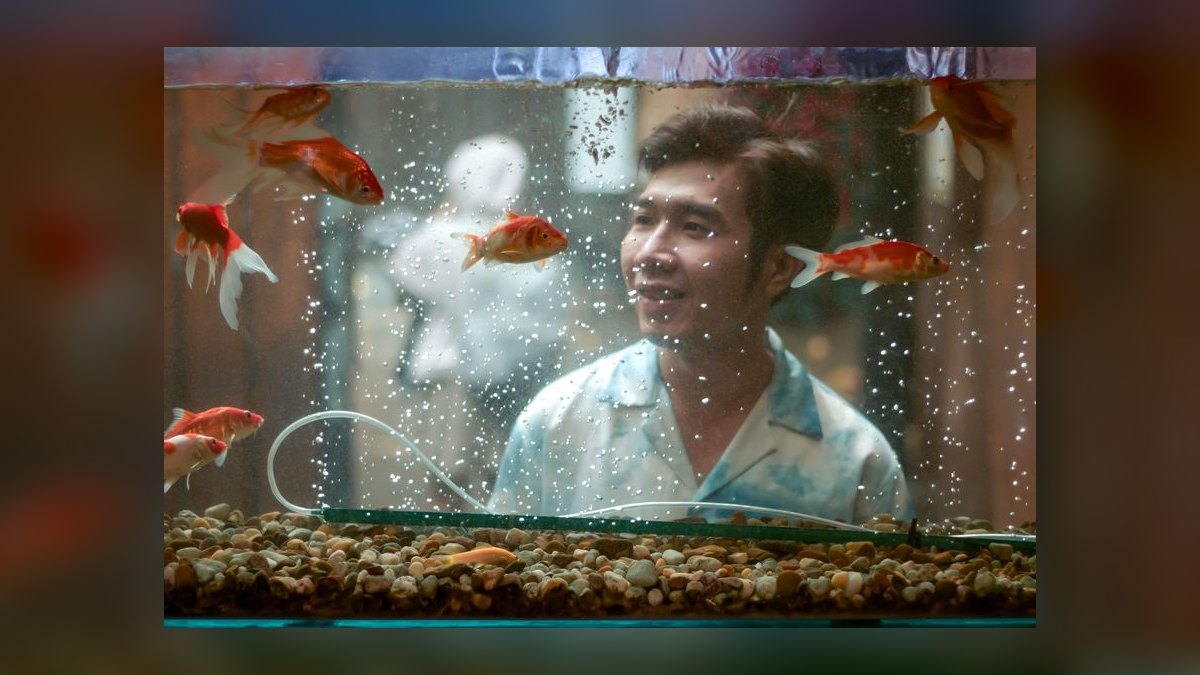
Lighting: Goldfish don't require intense lighting—8-10 hours per day is sufficient for a standard tank. Bright lights can stress fish and promote algae growth. Use a timer to maintain a consistent day/night cycle. If you have live plants, choose low-light species and adjust lighting duration accordingly.
Disease Prevention and Quarantine: The Often-Ignored Safety Net
Most goldfish diseases are preventable with proper tank maintenance, but even the best-kept tanks can experience outbreaks. The number one cause of disease in goldfish is stress from poor water quality, temperature fluctuations, or aggressive tankmates. A stressed fish has a weakened immune system and is vulnerable to parasites, bacteria, and fungi.
The Quarantine Tank: Every goldfish keeper should have a quarantine tank—a separate 10-20 gallon tank with a sponge filter, heater, and simple decor. Any new fish should be quarantined for 4-6 weeks before adding to the main tank. During this time, observe for signs of illness: clamped fins, white spots (Ich), red streaks (septicemia), or flashing (rubbing against objects). Treat with appropriate medications in the quarantine tank, never in the display tank, as medications can harm beneficial bacteria.
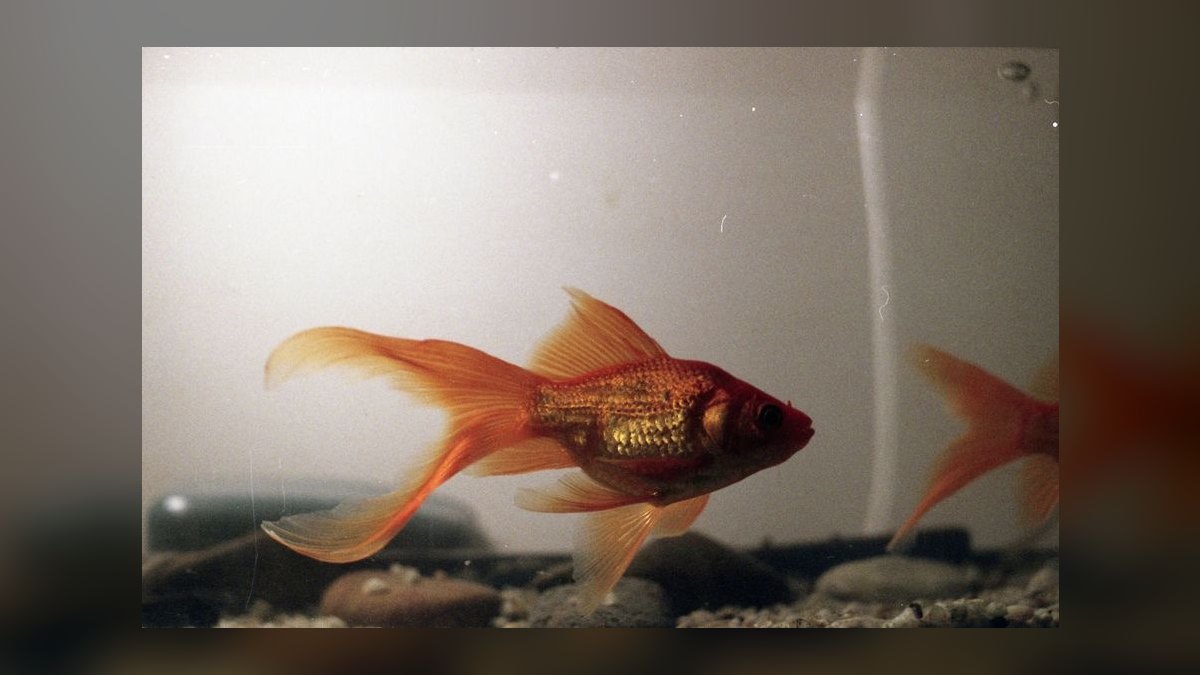
Common Goldfish Diseases and Early Signs:
- Ich (White Spot Disease): Tiny white dots on fins and body; fish scratch against decor. Treat with API Ich Cure or Seachem Paraguard at first sight.
- Fin Rot: Ragged, frayed fins with white edges; caused by poor water quality. Improve water changes immediately; treat with API Melafix if bacterial.
- Swim Bladder Disorder: Fish floats upside down, sinks to bottom, or swims erratically. Fast for 2-3 days, then feed a blanched pea. Avoid floating foods.
- Dropsy: Severe bloating with raised scales (pinecone appearance). Usually fatal; caused by internal bacterial infection. Isolate and treat with Kanaplex or Maracyn Two early.
- Anchor Worms or Fish Lice: Visible parasites on body; treat with API General Cure or manual removal with tweezers.
Preventive Measures:
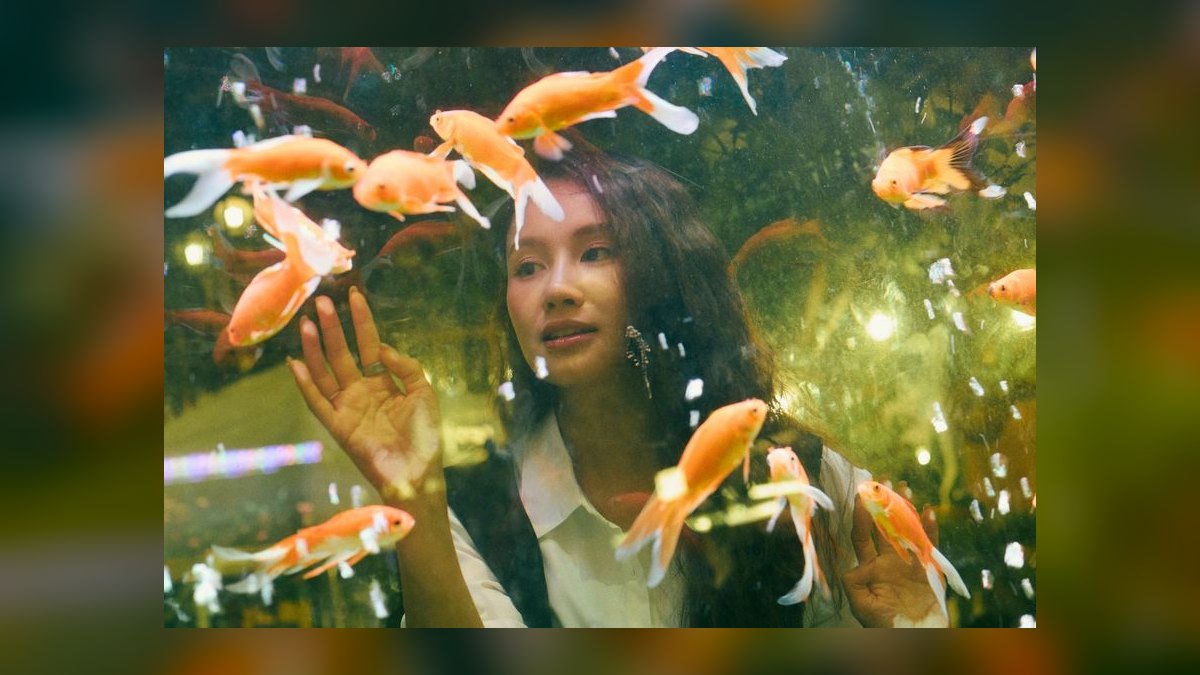
- Weekly partial water changes (20-30%) are the best disease prevention.
- Quarantine all new fish, plants, and decorations for at least 2 weeks.
- Disinfect nets and equipment between tanks with a 10% bleach solution (rinse thoroughly).
- Avoid sudden temperature changes—never change more than 2°F in 24 hours.
- Use a UV sterilizer (optional but helpful) to kill free-floating pathogens and reduce algae.
- Maintain stable water parameters—test weekly and keep ammonia/nitrite at zero.
When to Medicate: Never medicate "just in case"—most medications are harsh and can stress healthy fish. Only treat when you've identified a specific disease through symptoms or a microscope (scrape of skin or gills). Always remove activated carbon from filters during treatment, as it absorbs medications. After treatment, do a 50% water change and add fresh carbon to remove residual chemicals.
Emergency Preparedness: Keep a basic goldfish first-aid kit: a bottle of Seachem Prime (detoxifies ammonia/nitrite), API Stress Coat (heals slime coat), aquarium salt (for mild infections and osmoregulation), and a sponge filter for quarantine. Know your local fish store's return policy and have a plan for power outages (battery-powered air pump). A healthy goldfish can live 10-20 years with proper care—disease prevention is the foundation of that longevity.
FAQ
How often should I clean the filter? Clean mechanical media monthly in tank water. Never clean biological media; rinse only if clogged. Replace carbon every 4-6 weeks.
Can I use tap water directly? No. Tap water contains chlorine and chloramines that kill fish. Always use a dechlorinator like Seachem Prime.
Why is my water cloudy? Usually a bacterial bloom from overfeeding or new tank syndrome. Reduce feeding, test water, and wait 1-2 weeks. If persistent, increase water changes.
How can I lower nitrate without water changes? Add live plants like Anubias or Java Fern, which absorb nitrate. But water changes remain the primary method.
What substrate is best? Fine gravel or sand (1-2 mm). Avoid sharp gravel that can injure mouths. Bare bottom tanks are easiest to clean but can stress fish.
Can goldfish live with other fish? Only with other coldwater fish like white cloud mountain minnows or dojo loaches. Avoid tropical fish that need warmer water.
How big should my goldfish tank be? Minimum 20 gallons for one fancy goldfish, 40 gallons for one single-tail goldfish. Add 10 gallons per additional fancy goldfish and 20 gallons per additional single-tail.
How long do goldfish live? With proper care, goldfish can live 10-20 years. Poor water quality and small tanks significantly shorten lifespan.
Related on PULSE
- [What are the signs of a healthy aquarium water cycle?](/knowledge/aq0490)
- [How do you keep a betta and other fish together peacefully?](/knowledge/aq1139)
- [How do you keep aquarium plants from melting after planting?](/knowledge/aq1117)
- [Can I keep multiple male fancy guppies together without aggression?](/knowledge/aq0480)
- [What type of gravel is safe for goldfish that might eat it?](/knowledge/aq0482)
Sources
- API Freshwater Master Test Kit
- Seachem Prime
- Fluval FX4 Canister Filter
- AquaClear 70 HOB Filter
- Hikari Goldfish Sinking Wafers
- Eheim Jager Heater
- Python No-Spill Cleaner
- Maracyn for Fin Rot
- Aquarium Co-Op Goldfish Care Guide
- Spruce Pets Goldfish Tank Guide
Bottom Line
A healthy goldfish tank is built on a cycled filter, weekly water changes, and proper feeding. Invest in a large tank (20+ gallons), a quality canister filter, and a reliable test kit. Avoid overstocking and overfeeding, and your goldfish can live 10-20 years. Keep your goldfish tank healthy with proper filtration, water changes, and feeding.
People also search for: keep a goldfish tank healthy · how to keep a goldfish tank healthy · goldfish tank maintenance guide
Read it free — or make it yours for $1.
@Kory-White- · if Venmo asks, the last 4 of my number are 2012
 pulse-aquariumsWhat are dinoflagellates and how do you get rid of them in a reef tank?
 pulse-aquariumsWhat is the best food for tropical aquarium fish?
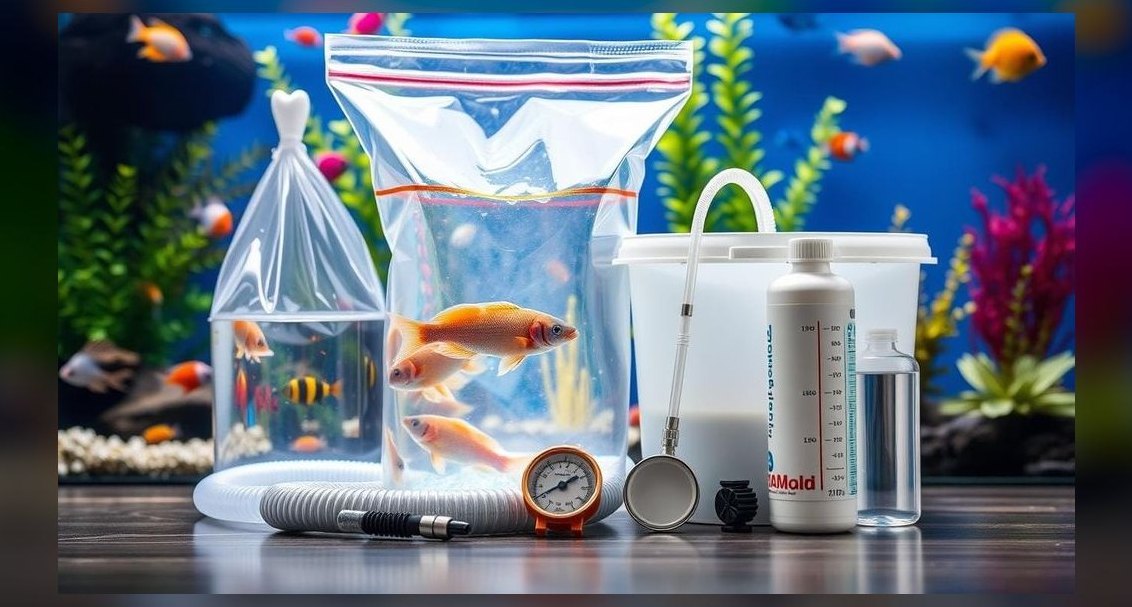 pulse-aquariumsHow do you acclimate new fish to an aquarium?
 pulse-aquariumsHow do you do a fishless cycle with ammonia?
 pulse-aquariumsBest auto feeder for vacation in 2027
 pulse-aquariumsTop 10 best Aquariums options in 2027
 pulse-aquariumsTop 10 Clownfish Varieties for Saltwater Aquariums in 2027
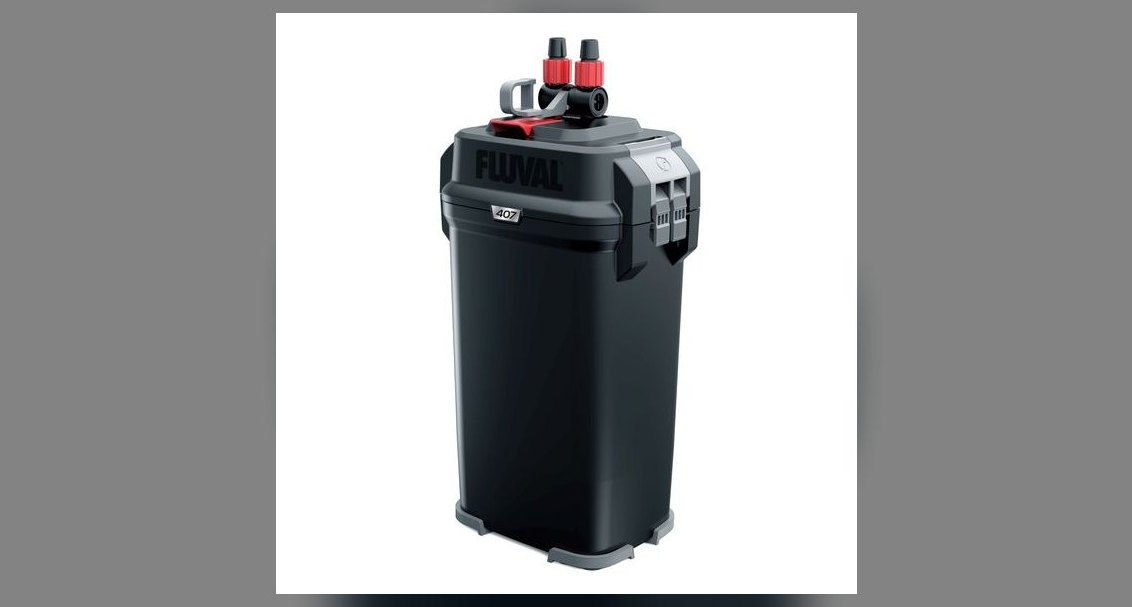 pulse-aquariumsTop 10 Internal Aquarium Filters in 2027
 pulse-aquariumsTop 10 Aquarium Controllers for Smart Tanks in 2027
 pulse-aquariumsTop 10 Nano Saltwater Corals for Beginners in 2027