
How do I cycle a reef tank with live rock and live sand in 2027?
 PULSEKNOWLEDGE LIBRARY
Seed a reef tank by adding live rock and live sand, dosing ammonia to about 2 ppm, then testing until ammonia and nitrite both read zero within 24 hours. Fully cured live rock can finish this cycle in one to two weeks; uncured rock takes four to eight weeks and needs water changes throughout.
Cured live rock versus uncured live rock versus dry rock
The single decision that determines how long your cycle takes is what kind of rock goes in the tank. The three practical options behave very differently, and the marketing terms overlap enough that it is worth being precise about what you are actually buying.
Fully cured live rock — rock that has been sitting in a maintained system (a store's holding vat, an aquaculture facility's raceway, or another hobbyist's running display) long enough that all the die-off has already decayed and the rock's nitrifying bacteria population is stable. If this rock is transferred wet, in water, and stays wet for the whole trip, it carries a functioning bacterial bed straight into your tank. Ammonia processing capacity is present on day one. The catch is that "cured" is a claim, not a certification. Rock shipped overnight in a damp bag with no water is not cured on arrival regardless of what it was before shipping — anything that died in transit is now a fresh ammonia source. The practical test is smell: cured rock smells like the ocean or like nothing. Rock that smells like sulfur, rot, or a low-tide mudflat has die-off on it and will need curing whether or not the invoice said cured.
Uncured live rock — rock pulled from the ocean or from an aquaculture site and shipped with everything still attached: sponges, tunicates, worms, small crabs, coralline patches, and a lot of organic matter that will not survive the trip. This is the cheapest per pound and the most biologically diverse, and it is also the option that generates a genuine ammonia spike measured in multiple ppm rather than a gentle rise. Curing uncured rock is a real process with its own timeline: you put it in a separate container with heat, flow, and no light, and you change water aggressively until the ammonia stops coming. Two to six weeks is the honest range, and the smell during week one is memorable.
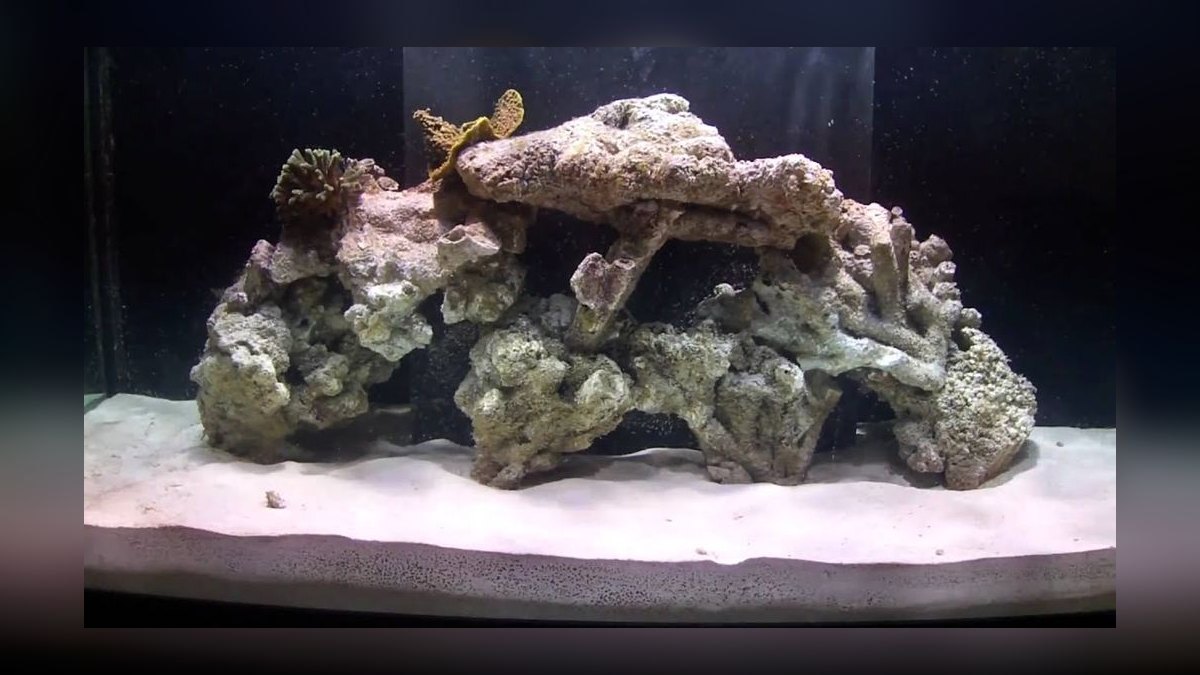
Dry rock — reef rock with no living biology at all, either quarried ancient reef material or manufactured aragonite-based rock. It is the safest option for pest avoidance, the easiest to aquascape because you can glue and mortar it dry before it ever gets wet, and it has zero bacterial capacity on day one. Dry rock does not "cure" in the die-off sense; it colonizes. You are waiting for bacteria to populate an empty substrate, which is the classic four-to-eight-week fishless cycle unless you seed it.
The same three-way split exists for sand. Live sand sold in sealed bags of wet aragonite carries some bacteria, though far less than the marketing suggests, since a bag sitting on a warehouse shelf for months has been oxygen-starved the whole time. Live sand from a running system — a cup or two of substrate from an established reef tank — is the genuinely valuable version and the single most effective seeding material available. Dry aragonite sand is inert, cheap, dust-free after rinsing, and will colonize on the same schedule as dry rock.
Most reef builds in practice are hybrids: a dry rock aquascape for pest control and design freedom, plus a few pounds of real live rock tucked into the back of the scape as a seed, plus dry sand with a cup of live sand scattered on top. That combination gets most of the speed benefit of live rock with most of the pest safety of dry.
How to decide between them
Work backward from three things: how fast you need the tank running, how much pest risk you can tolerate, and whether you have access to a local established system.
If you need livestock in the tank within two weeks — a move, a rescue, an existing fish sitting in a bucket — fully cured live rock transferred wet is the only option that reliably delivers. Accept that you are also importing whatever lives on that rock.
If you are building a display you intend to keep for years and you have never fought aiptasia or vermetid snails, dry rock is worth the extra month. Pest eradication in a stocked reef is genuinely hard: aiptasia spreads from fragments, bubble algae releases spores when popped, and flatworms hide under acropora bases. Preventing them costs you four weeks. Removing them can cost you a year.

If you have a friend with a healthy running reef, or a local shop that will sell you a used filter sock or a cup of their sump sand, the calculus changes completely. Seeding dry rock with material from an established system compresses the colonization timeline dramatically — often to two or three weeks rather than six — while keeping the pest exposure to whatever hitchhiked in that small volume rather than everything living on forty pounds of ocean rock.
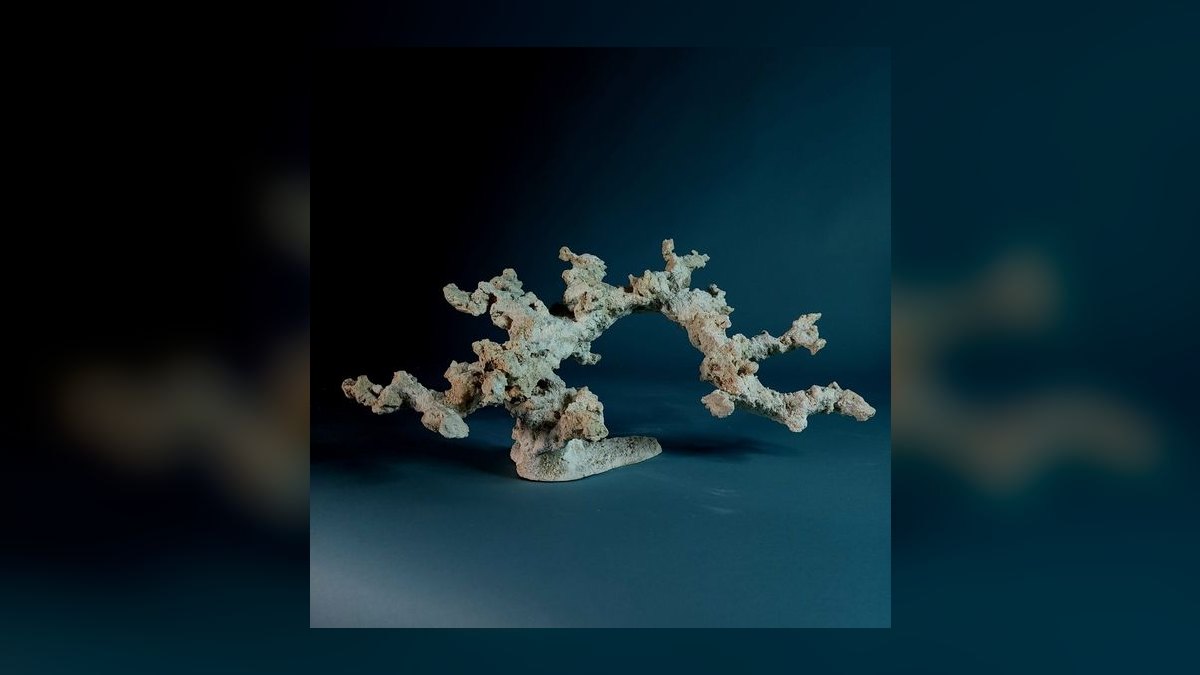
One more axis worth weighing: aquascaping freedom. Dry rock can be drilled, rodded with acrylic rod, and epoxied into shapes that would collapse if you tried to build them wet. Structures that arch, cantilever, or float off the sand bed are far easier to build dry and cure the adhesive in air. If the scape design matters to you aesthetically, dry rock is not just the safe choice, it is the flexible one — and you can seed it afterward.
Concrete numbers behind each path
Ammonia dosing target: 2 ppm total ammonia is the standard fishless cycling setpoint. Use unscented, surfactant-free household ammonia or a dedicated aquarium ammonium chloride product. Higher doses are not better — pushing past roughly 5 ppm can stall nitrite oxidation, and you will sit at a nitrite plateau for weeks wondering what went wrong. If you overshoot, dilute with a water change rather than waiting it out.

What "cycled" actually means numerically: dose to 2 ppm ammonia, wait 24 hours, and test. If ammonia reads 0 and nitrite reads 0 at the 24-hour mark, the tank can process the ammonia load of a modest fish population. Nitrite must be zero too — ammonia hitting zero while nitrite sits at 2 ppm means only the first half of the bacterial chain is established. Repeat the dose-and-wait once to confirm it was not a fluke.
Timelines by starting material, assuming stable temperature and salinity:
- Fully cured live rock, transferred wet: 7 to 14 days to pass the 24-hour test, sometimes immediately.
- Dry rock seeded with live sand or established-system material: 14 to 28 days.
- Dry rock with bottled bacteria only: 21 to 45 days, with wide variance depending on product freshness.
- Uncured live rock, cured in the display: 28 to 60 days, plus heavy water changes.

Parameters to hold during the cycle: temperature 76–80°F (24–27°C), salinity 1.024–1.026 specific gravity or 33–35 ppt, pH 7.9–8.4. Nitrification slows measurably below about 70°F and effectively stalls near 60°F, so a heater is not optional even in a warm room. Alkalinity below roughly 6 dKH will drift pH down as nitrification consumes buffer — nitrification is an acidifying process — so check alkalinity mid-cycle and top it up if it has sagged.
Rock and sand quantities: the old "one to two pounds of rock per gallon" rule is dated. Modern reefs run more open scapes with better flow, and 0.5 to 1.5 pounds per gallon is the practical range, weighted toward the low end if you are using porous manufactured rock. Sand bed depth splits into two regimes: a shallow bed under 1 inch, which is decorative and easy to keep clean, or a deep bed of 4 inches or more, which supports anaerobic denitrification. The 1–3 inch middle zone is the one to avoid, since it is deep enough to go anoxic in patches but not deep enough to reliably complete denitrification.
Lighting during the cycle: keep it off or minimal for the first two to three weeks. Bacteria do not need light, and running full reef lighting over a nutrient-rich cycling tank is an invitation for a diatom and cyanobacteria outbreak. Once the cycle completes, ramp lighting up over several weeks rather than starting at full intensity.
Water changes: during a cured-rock or dry-rock cycle, none are needed and none are helpful — you are trying to build bacteria, and diluting the ammonia just slows that. During an uncured-rock cure, the opposite applies: change 50 percent or more, twice weekly, because the goal there is exporting decomposing organic matter, not building a population. This distinction trips up a lot of first builds.
Test kit reality check: liquid titration kits are the baseline for ammonia, nitrite, and nitrate during a cycle. Dry test strips are not accurate enough to make a stocking decision on. Saltwater ammonia kits reading total ammonia will show a number even when the toxic free-ammonia fraction is low, which is why the same reading is scarier at pH 8.3 than at 7.8 — but for cycling purposes, treat any nonzero ammonia as "not done."
Implementation and sequencing
Order of operations matters more than most guides admit, because several steps are much harder to undo once done.
Days 1–2: build dry, then wet. Rinse dry sand thoroughly outside the tank until the runoff is clear — skipping this leaves a haze that takes days to settle and clogs mechanical filtration. Do not rinse bagged live sand; you would rinse away the point of it. Aquascape dry rock outside the tank first, on a towel, so you can pick it up and look at it from all sides. Bond with cyanoacrylate gel and two-part epoxy putty, or drill and rod with acrylic. Let adhesives set fully. Then place the finished structure in the empty tank, add sand around and under it rather than on top of it — rock sitting on glass, not on sand, prevents burrowing animals from undermining the scape — and fill slowly with premixed saltwater over a plate or bag to avoid blowing the sand bed apart.
Days 2–3: stabilize the physical system. Get the heater, return pump, and powerheads running. Confirm temperature is stable and salinity is on target with a calibrated refractometer, not a swing-arm hydrometer. Let the tank clear. If you are adding cured live rock, it goes in now, and it should have spent as little time out of water as physically possible — minutes, not hours.

Day 3: seed and dose. Add whatever seeding material you have: bottled nitrifying bacteria, a cup of established sand, a used filter sock, a piece of established rock. Then dose ammonia to 2 ppm. Record the exact volume you dosed so you can repeat it precisely later; guessing the second dose is how people end up at 6 ppm.
Days 3–28: test and wait. Test ammonia and nitrite every two to three days, not daily — daily testing burns reagent and encourages meddling. You will see ammonia fall while nitrite climbs, then nitrite fall while nitrate climbs. That sequence is the cycle working. Do not add carbon, do not run a skimmer aggressively, do not change water, and do not dose anything else. When ammonia first reads zero, re-dose to 2 ppm and start the 24-hour clock.
The completion test: dose to 2 ppm, wait 24 hours, read zero ammonia and zero nitrite. Repeat once. Two consecutive passes is a real result.

After completion: reset and stock. Nitrate will be high — often 20 to 80 ppm after a full cycle — and a large water change of 50 percent or more brings it down before the first livestock. This is also the moment to scrape the diatom film that has almost certainly appeared on the glass and sand; a brown dusting is normal and passes. Then stock slowly. The bacterial population you built is sized to roughly 2 ppm of daily ammonia input, and it will grow to match a larger load, but only if the load increases gradually. One or two small fish, wait two weeks, test, add more. A full stocking list added at once will produce an ammonia reading in a tank that tested perfectly cycled the day before.
A note on things that stall a cycle. The four common causes are temperature drift below 70°F, an overdose past 5 ppm ammonia stalling the nitrite step, running chemical filtration or a heavy skimmer that strips the ammonia the bacteria need, and adding a dechlorinator that binds ammonia — some conditioners detoxify ammonia into a form your test kit still reads, producing a permanent-looking ammonia reading in a tank that is actually fine. If your cycle has flatlined for more than ten days with no movement in any parameter, check those four before adding anything new.
What to expect in the first months after the cycle
Passing the ammonia test is the start of a maturation period, not the end of one. The tank you have on the day the cycle completes is biologically thin: it processes ammonia and nitrite competently and does very little else.

Expect an algae succession over the first three to four months, and expect it to look alarming. Diatoms come first as a brown dust on sand and glass, feeding on silicates leached from new rock and sand, and they fade on their own in a few weeks. Cyanobacteria may follow as red or purple slime sheets in low-flow areas, usually a sign of excess nutrients plus insufficient flow. Green hair algae or bryopsis can show up around month two or three. None of these mean the cycle failed. They mean the tank has nutrients and no established competition yet. Improving flow, adding a small cleanup crew of snails and hermits, and running lights on a modest photoperiod handle most of it without chemicals.
Coral timing: soft corals and hardy LPS can generally go in a few weeks after the cycle completes, once nutrients have stabilized and the diatom bloom has passed. SPS corals are far less forgiving of the parameter swings a young tank produces, and most reefers wait three to six months before attempting acropora. The limiting factor is not the nitrogen cycle — it is alkalinity stability, and a young tank with a small coral load has very little buffering inertia.
Bacterial diversity keeps expanding for months. The denitrifying bacteria that live in low-oxygen zones inside porous rock and deep sand take considerably longer to establish than the aerobic nitrifiers you cycled for, which is why nitrate in a young reef tends to climb steadily and only levels off later. Water changes carry that export load in the meantime.
Related questions
Can I cycle a reef tank without dosing ammonia?
Yes — uncured live rock supplies its own ammonia from die-off, and a raw shrimp left to decompose does the same. Both work but give you no control over the dose, so you cannot run the clean 2 ppm 24-hour completion test. Dosed ammonia is more measurable.
Does bottled bacteria actually shorten the cycle?
Often, but inconsistently. Product freshness, storage temperature, and whether the bottle sat on a hot shelf all matter. Treat it as a hedge that may cut a week or two, not a guarantee of an instant cycle, and still run the full ammonia test before stocking.
Should I run a protein skimmer during the cycle?
Not aggressively. A skimmer exports the dissolved organics your bacteria are trying to consume and can slow colonization. Run it only during an uncured rock cure, where the goal is exporting decay products. Turn it on properly once the cycle has completed.
How much live sand do I actually need to seed a tank?
A cup or two of substrate from a healthy running system is enough to seed a typical display. Bacteria multiply; you are providing an inoculum, not a population. More seed material speeds things slightly but the returns flatten quickly.
Will the cycle restart if I add more rock later?
No. Adding cured or established rock adds capacity without adding load. Adding dry rock adds surface area that colonizes passively. Adding uncured rock does add an ammonia source, so cure it separately first if the tank already holds livestock.
FAQ
How long does cycling a reef tank with live rock and live sand actually take in 2027?
With fully cured live rock transferred wet, one to two weeks is realistic and sometimes it is effectively immediate. Dry rock seeded with live sand runs two to four weeks. Uncured live rock cured in the display can take four to eight weeks plus heavy water changes. The variable is not the year, it is what biology arrived on the rock.
How do I know the cycle is finished rather than just quiet?
Dose ammonia to 2 ppm and read both ammonia and nitrite exactly 24 hours later. Both at zero means finished. Ammonia at zero with nitrite still elevated means only the first bacterial step is established and the tank is not ready. Confirm with a second dose before trusting the result.
Is bagged live sand from a store worth buying?
It is convenient but modest. Bagged live sand has been sealed and oxygen-starved for an unknown period, so the surviving bacterial population is much smaller than the packaging implies. A cup of sand from a friend's running reef tank is worth more than a whole bag off a shelf.
Do I need to change water while the tank is cycling?
Not during a normal cured-rock or dry-rock cycle — you would be diluting the ammonia the bacteria need. The exception is curing uncured live rock, where 50 percent changes twice weekly are the whole point, because there you are exporting decay rather than building population.
Why did my nitrite stop dropping?
Usually an ammonia overdose past roughly 5 ppm, which inhibits nitrite-oxidizing bacteria and produces a plateau lasting weeks. Temperature below 70°F does the same thing more slowly. Fix it with a large water change to bring ammonia back under control, verify the heater, then wait without adding anything else.
Can I put fish in as soon as ammonia hits zero the first time?
No. Wait for the confirmed 24-hour test with nitrite at zero as well, do a large water change to drop the accumulated nitrate, and then add one or two small fish. The bacterial bed is sized to the load you cycled with and needs weeks to scale up to a full stocking list.
Sources
- https://www.epa.gov/nutrientpollution/issue — EPA overview of nitrogen cycling and nutrient pollution
- https://oceanservice.noaa.gov/facts/coralreef.html — NOAA Ocean Service, coral reef basics
- https://coralreefwatch.noaa.gov/ — NOAA Coral Reef Watch, reef temperature and stress monitoring
- https://www.usgs.gov/special-topics/water-science-school/science/nitrogen-and-water — USGS Water Science School, the nitrogen cycle in water
- https://ocean.si.edu/ocean-life/invertebrates/corals-and-coral-reefs — Smithsonian Ocean, corals and coral reefs
- https://www.reef2reef.com/ — Reef2Reef, large saltwater aquarium community with extensive cycling threads
- https://reefs.com/ — Reefs.com, long-running reef aquarium publication
- https://www.reefkeeping.com/ — Reefkeeping Magazine archive, water chemistry and husbandry articles
- https://www.aqua.org/ — National Aquarium, marine husbandry and animal care resources
- https://www.nature.com/subjects/nitrogen-cycle — Nature subject page on nitrogen cycle research
Related on PULSE
- How do I choose between dry rock and live rock for a new reef aquascape?
- What salinity and temperature ranges should a mixed reef tank hold?
- How do I get rid of aiptasia in an established reef tank?
- What does the diatom bloom in a new saltwater tank mean?
- How deep should a reef tank sand bed be?
- When can I add the first corals to a newly cycled reef tank?
 pulse-aquariumsTop 10 Zebra Danio Beginner Fish 2027
 pulse-recentHow do I cycle a reef tank for the first time in 2027?
 pulse-aquariumsTop 10 Foxface Rabbitfish 2027
 pulse-aquariumsTop 10 best fish wholesale sites 2027
 pulse-aquariumsTop 10 Canister Filters 2027
 pulse-aquariumsTop 10 ich medication tips 2027
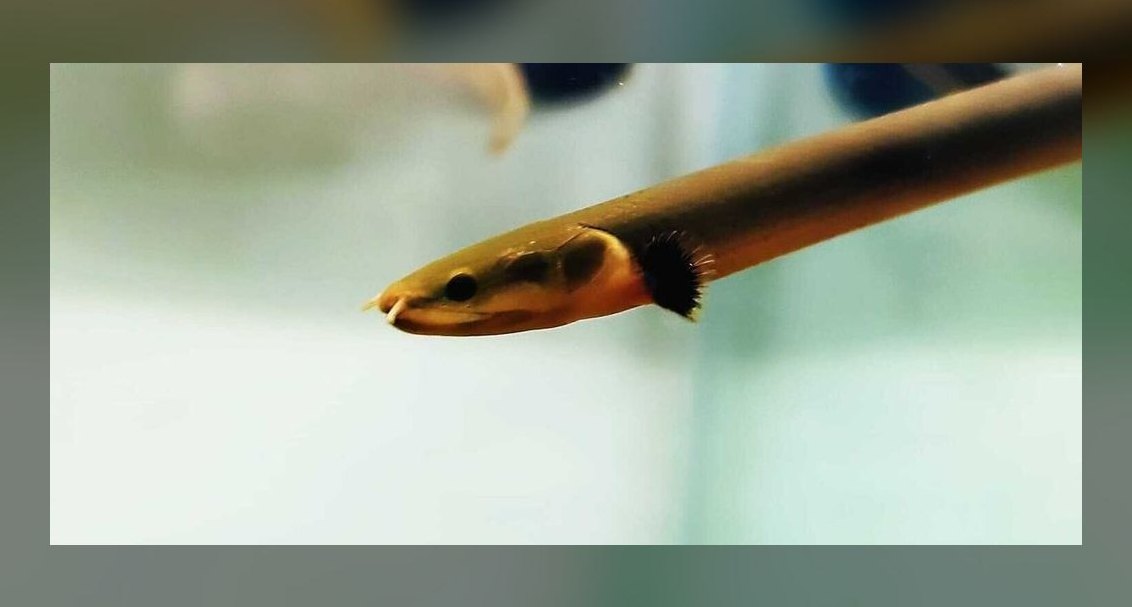 pulse-aquariumsTop 10 Rope Fish Eel-Like Oddballs 2027
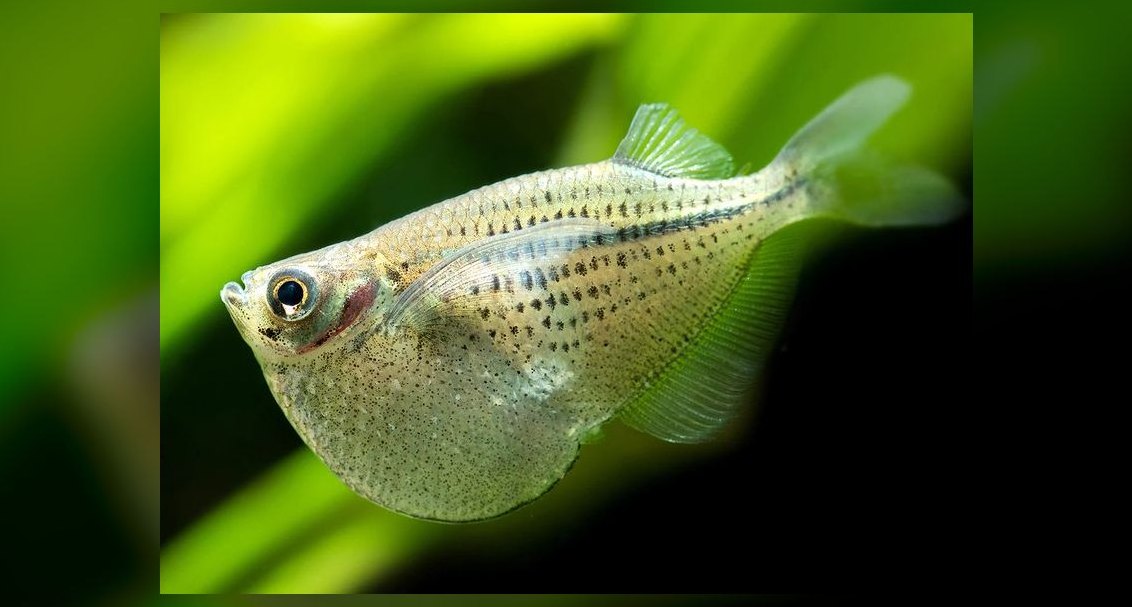 pulse-aquariumsTop 10 Hatchetfish Surface Swimmers 2027
 pulse-aquariumsTop 10 Eheim Canister Filter Models for Reliability in 2027
 pulse-aquariumsTop 10 Fairy Wrasse Colorful Reef Fish 2027