
When Should I Demolish an Old Building Versus Build-to-Suit?
 Curated byKory White · Fractional CRO · Maryland
 PULSEKNOWLEDGE LIBRARY
The decision between demolition and build-to-suit isn't a philosophical one — it's a math problem with three variables: the condition of what exists, the value of the land it sits on, and the speed at which you need to occupy. Start by getting a structural engineer and environmental consultant on site simultaneously. Their reports will tell you whether the existing building has 20 years of useful life left or is approaching structural failure. The old appraiser's rule of thumb — demolish when renovation hits 70% of new construction cost — still works as a first pass, but it breaks in three critical directions. First, in supply-constrained urban markets where land is the real asset, demolishing a structurally sound building can make sense even at 40–50% of replacement cost because the dirt underneath supports higher-density use. Second, if the existing building is grandfathered into zoning allowances you could never replicate today — tighter setbacks, higher floor-area ratio, more parking spaces — that nonconforming envelope is worth protecting at almost any cost. Third, time is money: a renovation that delivers occupancy in 8 months versus a ground-up build that takes 20 months means a full year of operating income or rent savings. At $35 per square foot on 30,000 square feet, that's over $1 million the spreadsheet often ignores. The single most expensive mistake in commercial real estate is demolishing a building you didn't need to tear down. Demolition is 100% sunk cost — every dollar spent on the wrecking ball is gone forever with zero recoverable value. Renovation dollars, by contrast, buy you usable square footage that generates income. Before you sign anything, run the full net present value analysis over a 10-year horizon: demolition plus new construction plus soft costs and carrying costs, versus renovation plus the value of earlier occupancy. And if a landlord is pushing you toward demolition on a build-to-suit lease, remember that their incentives are not yours — they make money on construction fees and long-term rent premiums, while you bear the cost and risk. Make them carry the demolition cost in the rent math, not you.
What Is the 70% Rule and When Should You Trust It?
The 70% rule comes from the appraisal world: if renovating a building costs more than 70% of what it would cost to replace it entirely, the economics favor demolition. But this is a heuristic, not a law, and it fails in predictable ways that cost people real money. The rule assumes the existing building is a neutral asset — that the shell, foundation, and location have no special value beyond their physical condition. In practice, that's almost never true.
Location premium overrides it. Consider a 1950s single-story retail strip in a downtown infill location where land prices have tripled in the last decade. The building itself might be perfectly functional — good roof, solid foundation, adequate parking — but the site is zoned for 5-story mixed-use development. The land is worth $300 per square foot of buildable area; the existing building generates $20 per square foot in rent. The math is simple: demolish the building, build 5 stories of apartments over retail, and capture $80 per square foot in rent. The 70% rule never gets you there because it doesn't account for the highest-and-best-use value of the land. In supply-constrained markets like San Francisco, Seattle, or downtown Austin, this scenario plays out constantly. The building's physical condition is irrelevant — the dirt is the asset.
Historic or zoning constraints override it. This is the counterpoint to the location premium. Many older buildings sit on sites that are "grandfathered" into zoning allowances that modern codes would never permit. A 1920s manufacturing building might have a floor-area ratio (FAR) of 3.0 in a district now zoned for 1.5. It might have zero parking in a neighborhood that now requires 1 space per 1,000 square feet. It might have a 5-foot setback on a lot line where current code requires 15 feet. Demolish that building and you lose those nonconforming rights forever. The new building will be smaller, have less parking, and sit further from the property line. In older urban cores, this nonconforming envelope can be worth 20–40% of the building's total value. The 70% rule ignores it entirely.
Time value overrides it. The third break is pure finance. A renovation that takes 8 months to deliver versus a ground-up build that takes 20 months means 12 months of lost revenue or rent savings. On a 50,000-square-foot building at $30 per square foot annual rent, that's $1.5 million. If you're borrowing at 7% on a $10 million construction loan, each month of delay costs $58,000 in interest alone. When you factor in property taxes, insurance, and the opportunity cost of capital tied up in construction, the time premium can easily swing a borderline decision toward renovation even when renovation costs hit 80–85% of replacement cost. The 70% rule doesn't have a column for time, but your bank account does.

Always price the all-in number: demolition plus new construction plus soft costs (design, permits, financing carry) versus renovation plus the lost time. Soft costs run 15–25% of hard construction on either path and people forget them constantly. Architectural fees alone can eat 8–12% of hard costs on a ground-up project, while renovation projects often command lower design fees because the shell constrains the options. Permitting costs also diverge — a renovation inside an existing envelope typically moves through plan review in 4–8 weeks, while a new build can sit in entitlement purgatory for 6–18 months, accruing carrying costs the whole time. For a deeper dive into the financial mechanics, see our piece on how to evaluate a build-to-suit lease rate.
What Are the Real Costs of Commercial Demolition?
Demolition pricing is wildly variable, so get three competitive bids. Standard commercial demolition runs $4–$8 per square foot for single-story steel or wood-frame structures with shallow foundations, minimal utilities, and easy site access. Strip malls, warehouses, and light industrial buildings typically fall in this range. A 20,000-square-foot warehouse with a concrete slab and steel frame might cost $100,000–$160,000 to demolish, assuming no hazardous materials and good access for equipment.

Heavy industrial or multi-story concrete structures cost $8–$12 per square foot and up. Reinforced concrete buildings, structures with deep pile foundations, or multi-story parking garages require specialized equipment and longer timelines, driving costs higher. A four-story concrete office building with basement parking can easily hit $15–$18 per square foot. The structural columns alone may require hydraulic splitters or diamond wire sawing, which adds days to the schedule and dollars to the bid. Asbestos abatement adds $15–$40 per square foot of affected area — and it's mandatory, not optional, under EPA NESHAP rules. Buildings constructed before 1980 are the highest risk, but even structures from the 1990s can contain asbestos in floor tiles, pipe insulation, or roofing materials. The abatement cost often exceeds the demolition cost itself. A 50,000-square-foot building with asbestos-containing mastic on the floor tiles and asbestos-wrapped ductwork could add $750,000–$2 million to the demo budget before the first wall falls.
Foundation and slab removal is often quoted separately; deep footings can double a demo bid. A 4-foot-thick foundation for heavy equipment or a multi-story structure might require hydraulic breakers and hauling that adds $3–$6 per square foot on top of the superstructure demo. If the building has a basement with 8-foot concrete walls, the foundation removal cost can approach the cost of demolishing the superstructure itself. Tipping and haul-off fees are also rising fast; ask whether the bid includes disposal or passes it through. In dense urban markets like San Francisco or New York, hauling and tipping can represent 25–35% of the total demo cost. Some jurisdictions have banned construction debris from landfills entirely, forcing costly recycling or transport to distant facilities. A 100,000-square-foot building generates roughly 5,000–8,000 tons of debris; at $100–$150 per ton for disposal, that's $500,000–$1.2 million in hauling alone. The hidden upside: salvage and deconstruction credits. Selling steel, copper, fixtures, and structural timber can claw back 5–15% of demo cost, and donated materials may generate a tax deduction. Always ask demo contractors to bid both "demolition" and "deconstruction" so you can compare. Deconstruction — carefully dismantling the building to salvage reusable materials — takes longer but can yield significantly higher recovery rates, especially for buildings with architectural features, heavy timber framing, or valuable mechanical equipment. In some markets, deconstruction tax credits or grants are available for buildings in designated historic districts. A heavy-timber warehouse might yield $50,000–$100,000 in salvaged lumber alone.
Who Actually Pays for a Build-to-Suit?
In a build-to-suit (BTS) deal, a developer or landlord constructs a building to your specs and leases it back to you, usually on a 10–20 year term. The catch: you pay for all of it through rent. BTS rent is typically priced as a cap rate spread on total project cost — if the developer's all-in cost is $200 per square foot and they want a 7.5% return, your rent floor is $15 per square foot before profit margin and financing spread. But that's just the starting point — the developer's financing costs, overhead, and profit margin get layered on top, often pushing the effective rent to $18–$22 per square foot. The developer is not a charity; they're a financial intermediary taking construction risk and leasing risk, and they charge for it. Levers that protect you in a BTS include negotiating the cap rate, not just the rent. Every 25 basis points off the developer's return saves you real money over 20 years. Make them show you the cost stack. If the developer is targeting a 7.5% return but you can push them to 7.0%, on a $10 million project that's $50,000 per year in savings — $1 million over a 20-year lease.
Cap the soft costs and developer fee. Developer fees of 3–5% are normal; anything above that is negotiable. Soft costs — architecture, engineering, permits, legal, financing — should be capped at 15–20% of hard costs. If the developer tries to pass through uncapped soft costs, you're writing a blank check. A 25% soft cost overrun on a $10 million project adds $500,000 to the cost stack, which at a 7.5% cap rate means $37,500 per year in additional rent. Over 20 years, that's $750,000. Demand an open-book construction contract so cost savings flow back to you, not into the developer's pocket. If the contractor comes in under budget, you should share in those savings, not watch the developer pocket the difference. A cost-plus with a guaranteed maximum price (GMP) structure is the standard here. The GMP protects you from cost overruns, while the open-book provision ensures you can see every line item. If the developer resists, ask yourself why they don't want you to see the numbers. Get a purchase option at a pre-agreed cap rate so you can buy the building later instead of renting forever. A 10-year purchase option at a 6.5% cap on project cost gives you the right to acquire the asset at a known price, protecting you from market appreciation and giving you an exit strategy if your business needs change. Without a purchase option, you're renting forever — and the landlord captures all the value you create by occupying and improving the space. For more on this dynamic, read our guide on how to avoid getting screwed on a ground-up build-to-suit.
How Not to Get Screwed by the Landlord
If a landlord is steering you toward demolition or a BTS, assume their incentives are not yours. Landlords make money on construction — they earn development fees, financing spreads, and long-term rent premiums on new builds — while you bear the cost and risk. Watch for these traps. The "free" demolition that isn't: Landlords love to fold demo and rebuild cost into rent at a marked-up cap rate. A $1 million demo financed at an 8% cap costs you $80,000 a year, forever. Demand the cost itemized. If the landlord insists on including demolition in the rent calculation, negotiate a cap on the demo cost or insist on a separate line item with a lower cap rate applied. A 50-basis-point reduction on the demo cost alone saves you $5,000 per year on that $1 million — $100,000 over a 20-year lease.
The spec-creep markup: Once you commit, change orders become a profit center. Lock the scope and unit prices in an exhibit before signing the LOI. Every change order should reference the original unit prices in the exhibit, and you should have the right to approve or reject any change order that exceeds a de minimis threshold, say $5,000 or 2% of the total project cost. Without this protection, a $50,000 change order for "unforeseen conditions" can appear on your desk with no recourse. The landlord knows you're already committed and will pay. The TI-allowance shell game: On a major rebuild, landlords sometimes label structural work as your "tenant improvement" so it eats your TI allowance instead of their base building budget. Get a written base building definition that puts shell, roof, and core systems on the landlord. Everything from the slab to the roof deck, including structural columns, exterior walls, and core mechanical systems, should be explicitly excluded from your TI allowance. If the roof needs replacing, that's the landlord's cost. If the HVAC system is 20 years old and failing, that's the landlord's cost. Don't let them redefine "improvements" to include things that are clearly base building. The restoration clause: Some leases require you to demolish your own improvements at lease end ("restore to base building"). On a heavy buildout that can cost six figures. Negotiate it out or cap it at a reasonable amount, say $1 per square foot. If the landlord insists on a restoration clause, at least limit it to removing only your specialized equipment and restoring the space to "open floor plate" condition. A 50,000-square-foot buildout with $200 per square foot in improvements could cost $500,000–$1 million to demolish at lease end. That's a liability you don't want on your books. Demising and code-trigger costs: A renovation that crosses a code threshold can trigger sprinklers, ADA upgrades, or seismic work landlord-wide. Make the landlord carry code-mandated base-building upgrades. If your renovation requires upgrading the building's fire alarm system or adding an ADA-compliant entrance, those costs belong to the landlord, not your TI budget. The legal theory is simple: the building must meet code regardless of your tenancy. If the landlord has deferred maintenance to the point that a renovation triggers code compliance, that's their problem, not yours. For a comprehensive checklist, see our article on base building versus tenant work.
How Do Hidden Costs Break the Renovation-versus-Rebuild Comparison?
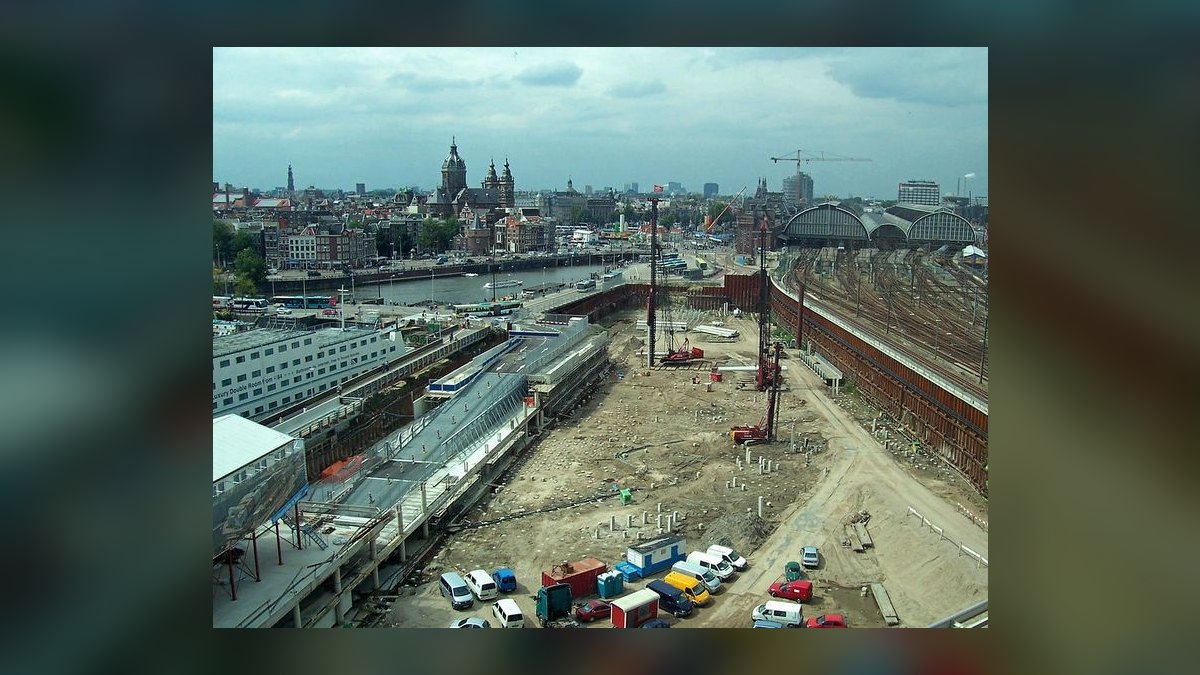
The renovation-versus-rebuild math looks clean on a spreadsheet, but four line items routinely blow up the comparison. Hazardous material abatement is the big one — asbestos, lead, PCBs in old transformers, and underground storage tanks can add $5–$30 per square foot to a demolition that looked cheap on paper, and you can't know the full scope until you open walls. A building that passed a Phase I with flying colors can still harbor asbestos in the mastic under old floor tiles or lead paint behind decades of repainting. Budget 10–15% of your renovation cost for abatement surprises, and don't proceed without an asbestos survey that includes destructive testing. A $10,000 survey can save you $500,000 in unplanned abatement costs.
Zoning non-conformity is the second: if your existing building is "grandfathered" at a density, height, or setback that current code no longer allows, tearing it down can mean you legally cannot rebuild the same footprint. That single fact has killed more demolition plans than cost ever did. A building that's 5 feet closer to the property line than current code permits is nonconforming — demolish it and you lose that 5 feet, potentially reducing your buildable area by 10–15%. In some jurisdictions, the loss of nonconforming status can trigger a complete rezoning review that takes 6–12 months and is subject to public hearing. The third is entitlement and permitting time. A renovation inside an existing shell often moves through plan review in weeks; a ground-up build-to-suit can trigger site-plan approval, traffic studies, stormwater review, and public hearings that stretch 6–18 months. Every month of delay is carrying cost — interest, taxes, and rent you're still paying somewhere else. At a 7% interest rate on a $5 million construction loan, each month of delay costs $29,000 in interest alone. If the entitlement process adds 12 months, that's $350,000 in carrying costs before you pour a single yard of concrete. And that's before you factor in the lost revenue from delayed occupancy. The fourth is utility and site work that build-to-suit budgets routinely underestimate: new service drops, grading, detention ponds, and ADA-compliant parking can quietly add 15–25% on top of the per-square-foot construction number. A site that looks flat can require significant grading for stormwater management, and utility companies often charge $50,000–$200,000 for new service connections depending on distance from existing lines. These costs rarely appear in the initial pro forma but always appear in the final bill. A $10 million build-to-suit with $2 million in unanticipated site work suddenly becomes a $12 million project, and your rent jumps accordingly.

Why Should You Consider Adaptive Reuse as a Third Option?
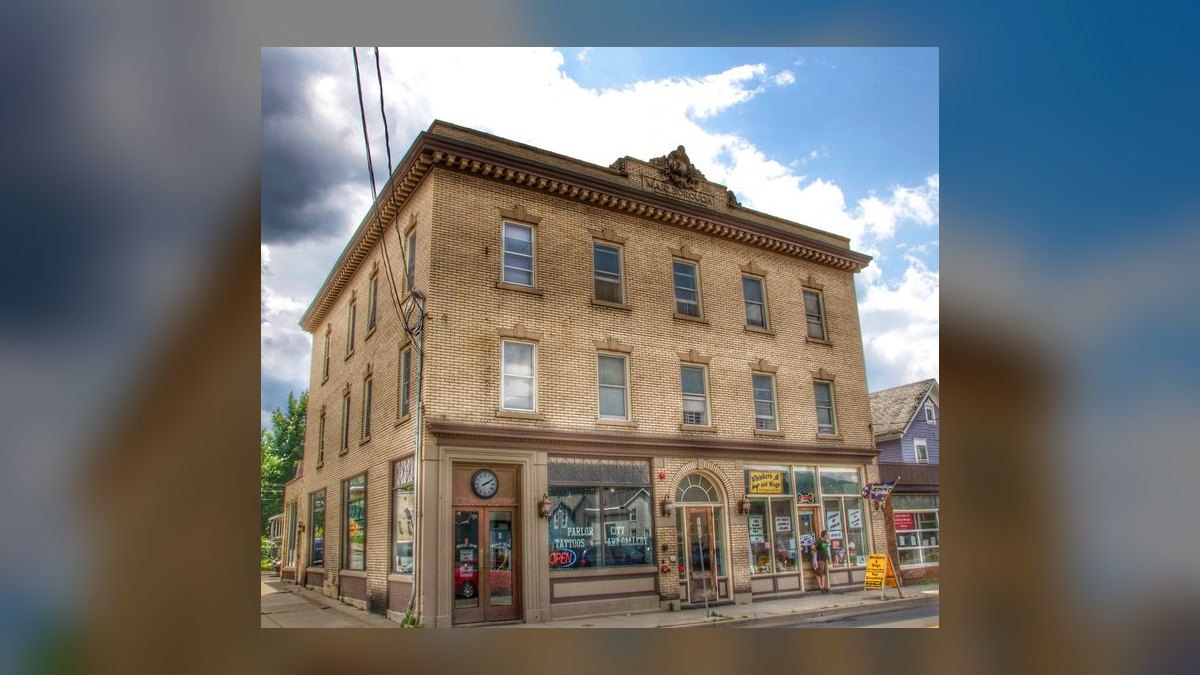
The demolish-versus-build framing hides a middle path that often wins on both cost and timeline: adaptive reuse. Keeping the foundation, structural frame, and roof while gutting everything inside lets you avoid the most expensive and slowest parts of new construction. A heavy-timber warehouse becomes office or retail; a defunct big-box becomes medical or fitness space. You preserve the grandfathered zoning, dodge most of the entitlement gauntlet, and frequently qualify for historic tax credits (up to 20% federal on certified structures) or local redevelopment incentives that ground-up construction can't touch. Some states offer additional credits that stack with the federal program, potentially covering 30–40% of eligible renovation costs.
Adaptive reuse makes sense when the structure's "bones" outlast its finishes — and structure is the costliest thing to replace. Run a quick triage: if the frame, foundation, and envelope are sound but the systems (HVAC, electrical, plumbing) and layout are dead, reuse usually beats both alternatives. If the structure itself is compromised — sagging frame, failing foundation, inadequate floor loads — that's when demolition stops being optional. Get a structural engineer's report before you commit to any path; it's the cheapest insurance you'll buy on the whole project. A $5,000 structural report on a 50,000-square-foot building can save you from making a $500,000 mistake. The timeline advantage of adaptive reuse is often the deciding factor. A gut renovation of an existing shell can move from design to occupancy in 8–14 months, while a ground-up build-to-suit typically takes 18–30 months. For a business that needs to relocate quickly — or wants to avoid another year of triple-net lease payments on their current space — that time savings can be worth millions. Adaptive reuse also typically carries lower financing costs because lenders view it as lower-risk than ground-up construction, and the existing building may already have utilities, parking, and site improvements in place. A renovation loan might carry 50–100 basis points lower interest than a construction loan, which on a $10 million project saves $50,000–$100,000 per year.
Related questions
How do I know if my building is functionally obsolete?
A building is functionally obsolete when its layout, ceiling heights, column spacing, or mechanical systems can't support modern tenants without major structural changes. Common signs include low floor-to-ceiling clearance (under 12 feet for office or 18 feet for industrial), narrow bay depths (under 30 feet for warehouse), or outdated electrical capacity (less than 10 watts per square foot for office). If you need to raise the roof, move columns, or install a new electrical substation, the cost to modernize often exceeds 50% of a new building's cost.
What is the 70% rule for renovation versus demolition?
The 70% rule states that if renovating a building costs more than 70% of what it would cost to replace it entirely, demolition is usually more economical. However, this heuristic fails when land value is high, the building has nonconforming zoning rights, or time-to-occupancy is critical. Always run a full NPV analysis over a 10-year horizon that includes depreciation, financing, and carrying costs before relying on this rule.
How much does commercial demolition actually cost per square foot?
Standard commercial demolition runs $4–$8 per square foot for single-story steel or wood-frame structures. Heavy industrial or multi-story concrete buildings cost $8–$12 per square foot and up. Asbestos abatement can add $15–$40 per square foot of affected area, and foundation removal is often quoted separately. Always get three competitive bids that include tipping and haul-off fees.
Who pays for demolition in a build-to-suit lease?
In a build-to-suit lease, the tenant ultimately pays for demolition through rent, as the landlord folds the cost into the project's total cost stack and applies a cap rate to determine rent. Negotiate a cap on the demo cost or insist on a separate line item with a lower cap rate applied. Make the landlord carry the demolition cost in the rent math, not you.
What hidden costs break the renovation-versus-rebuild comparison?
The four biggest hidden costs are hazardous material abatement (asbestos, lead, PCBs), loss of nonconforming zoning rights, entitlement and permitting delays (6–18 months), and underestimated utility and site work (15–25% on top of construction). Budget a 15–20% contingency for unknown conditions, especially in buildings over 30 years old.
Should I consider adaptive reuse instead of demolition or build-to-suit?
Yes, adaptive reuse often wins on both cost and timeline by keeping the foundation, structural frame, and roof while gutting the interior. It preserves grandfathered zoning, avoids most entitlement delays, and can qualify for historic tax credits (up to 20% federal). It makes sense when the structure's bones are sound but the finishes and systems are outdated.
FAQ
What does “functionally obsolete” mean for a building? A building is functionally obsolete when its layout, ceiling heights, column spacing, or mechanical systems can’t support modern tenants without major structural changes. Common signs include low floor-to-ceiling clearance (under 12 feet for office or 18 feet for industrial), narrow bay depths (under 30 feet for warehouse), or outdated electrical capacity (less than 10 watts per square foot for office). If you need to raise the roof, move columns, or install a new electrical substation, you're functionally building a new shell inside the old one. The test is simple: if the cost to modernize the structure exceeds 50% of what a new building would cost, the building is functionally obsolete regardless of its physical condition.
How do I estimate whether renovation costs exceed 70% of new construction? Get at least three contractor bids for both full renovation and new build-to-suit, then compare the total hard and soft costs. If renovation quotes land above roughly 70% of the new-build price, demolition usually becomes the more economical long-term choice because you avoid hidden structural fixes and gain a modern shell. But don't stop at 70% — run a full net present value (NPV) analysis over a 10-year holding period that includes depreciation differences, financing costs, and the time value of earlier occupancy. The 70% rule is a starting point, not a finish line. A renovation at 75% of replacement cost that delivers occupancy 12 months earlier can easily beat a ground-up build at 65% of replacement cost that takes 18 months to complete.
Does the land value ever justify demolition even if the building is in decent shape? Yes—if the land’s highest and best use (e.g., denser zoning, mixed-use potential) yields significantly more value than the existing building can generate, demolition can unlock that upside. Run a residual land value analysis to see if the empty site is worth more than the current structure plus renovation costs. A one-story building on a site zoned for five stories is almost always a demolition candidate, regardless of the building's condition. The land is the asset; the building is just occupying space that could be more productive. In markets with low vacancy rates and rising rents, the opportunity cost of not maximizing density is enormous.
What are the biggest hidden costs in renovating an old commercial building? Asbestos abatement, lead paint removal, foundation repairs, and bringing outdated plumbing/electrical up to current code are common surprises. These can add 15–30% or more to a renovation budget, so always budget for a Phase I environmental assessment and a structural inspection before committing. Also budget for "unknown conditions" — walls that look straight on the outside but are bowing inside, floors that appear level but slope 2 inches across the bay, or roof decks that rot out when you strip the old membrane. A 15% contingency is the minimum; 20% is safer for buildings over 30 years old. On a $5 million renovation, that extra 5% contingency is $250,000 — and it's the cheapest insurance you can buy.
How long does a typical demolish-and-rebuild take versus a major renovation? Demolish-and-rebuild often takes 12–24 months from permit to occupancy, while a deep renovation can run 8–18 months depending on complexity. The timeline difference narrows if the renovation requires extensive structural work, so factor in carrying costs (loan payments, lost rent) when comparing total project cost. For a 50,000-square-foot office building, a 6-month delay in occupancy at $25 per square foot annual rent means $625,000 in lost revenue. That alone can make a more expensive renovation cheaper than a cheaper build-to-suit. The time value of money is the most underappreciated variable in this decision.
Should I always choose build-to-suit if I’m a tenant looking for a long-term lease? Not necessarily—build-to-suit gives you a custom space but ties you to a longer lease (often 10–15 years) and higher rent to amortize construction costs. If a renovated existing building can meet 80–90% of your needs at a lower rent and shorter term, it may be the smarter financial move. A BTS lease also locks you into the landlord's cost structure — if construction costs rise during the build, you pay for it through rent escalations. With a renovation, you control the budget and can stop if costs spiral. Flexibility has value, especially in uncertain markets. The question isn't "can I get exactly what I want?" but "can I get what I need at a price that works?".
What are the tax implications of demolishing a building I own? When you demolish a building you own, the IRS generally requires you to add the building's remaining basis plus demolition cost to the land value — meaning you lose the depreciation you'd otherwise capture and can't deduct that loss immediately. For a building with $2 million in remaining depreciable basis and $500,000 in demolition costs, you just added $2.5 million to your land basis, which is non-depreciable. Renovation costs, by contrast, are often depreciable over a much faster schedule, and cost segregation studies can accelerate write-offs on a buildout dramatically. A cost segregation study on a $5 million renovation might classify 20–30% of costs as 5-year or 7-year property instead of 39-year commercial real estate.
How do I negotiate a purchase option in a build-to-suit lease? A 10-year purchase option at a pre-agreed cap rate (e.g., 6.5% on project cost) gives you the right to acquire the asset at a known price, protecting you from market appreciation. Negotiate this into the lease before signing the LOI. The purchase price should be based on the total project cost, not market value, and the cap rate should be fixed. This gives you an exit strategy if your business needs change and prevents the landlord from capturing all the value you create by occupying and improving the space.
Sources
- CBRE — U.S. Construction Cost Trends
- JLL — Construction Outlook
- Cushman & Wakefield — Build-to-Suit and Development Services
- NAIOP — Commercial Real Estate Development Research
- RSMeans (Gordian) — Construction Cost Data
- BOMA International — Base Building Standards
- U.S. EPA — NESHAP Asbestos Regulations
- The Appraisal Institute — Replacement Cost Methodology
- Historic Tax Credit Coalition — Federal and State Credits
- National Trust for Historic Preservation — Adaptive Reuse Resources
Related on PULSE
- [How Do I Avoid Getting Screwed on a Ground-Up Build-to-Suit?](/knowledge/bo0082)
- [How Do I Negotiate a Build-to-Suit Lease Rate (Cost x Cap)?](/knowledge/bo0224)
- [How much does a ground-up build-to-suit cost per square foot in 2027?](/knowledge/bo350)
This page will be disappearing soon. Save it to your device for $1 — or read it free while it is here.
@Kory-White- · if Venmo asks, the last 4 of my number are 2012
 buildoutsWhat Is a Tenant Improvement (TI) Allowance and How Do I Get the Landlord to Pay for It?
 pulse-buildoutsWhat should you know before investing in Buildouts in 2027?
 pulse-buildoutsIs Buildouts worth it in 2027?
 pulse-buildoutsHow do you get started with Buildouts in 2027?
 pulse-buildoutsHow much does a 5,000 sq ft quick-service restaurant buildout cost in 2027?
 pulse-buildoutsTop 10 best Buildouts options in 2027
 pulse-buildoutsWhat are the most common mistakes in Buildouts in 2027?
 pulse-buildoutsWhat is the best way to approach Buildouts in 2027?
 pulse-buildoutsTop 10 Buildouts strategies for 2027
 pulse-buildoutsHow much does Buildouts cost in 2027?