
How Do I Get the Landlord to Deliver the Space in Better Condition (Warm Shell vs Turnkey) in 2027?
 Curated byKory White · Fractional CRO · Maryland
 PULSEKNOWLEDGE LIBRARY
Quality
Certified
Get the exact delivery condition in writing before you sign, then push the landlord up the ladder from cold shell toward turnkey — every rung is money out of their pocket, not yours. A warm shell delivers HVAC, restrooms, ceiling, and sprinklers already installed, cutting your buildout from $80-150 to roughly $30-60 per square foot. On a long lease, demand turnkey or a $50-100/sq-ft tenant-improvement allowance.
Understand the delivery-condition ladder before you negotiate
Delivery terms get thrown around loosely, and the gap between what a landlord *says* and what you actually receive is where tenants lose six figures. Pin down which rung of the ladder you're being offered, and define it in the lease itself rather than trusting the marketing flyer.
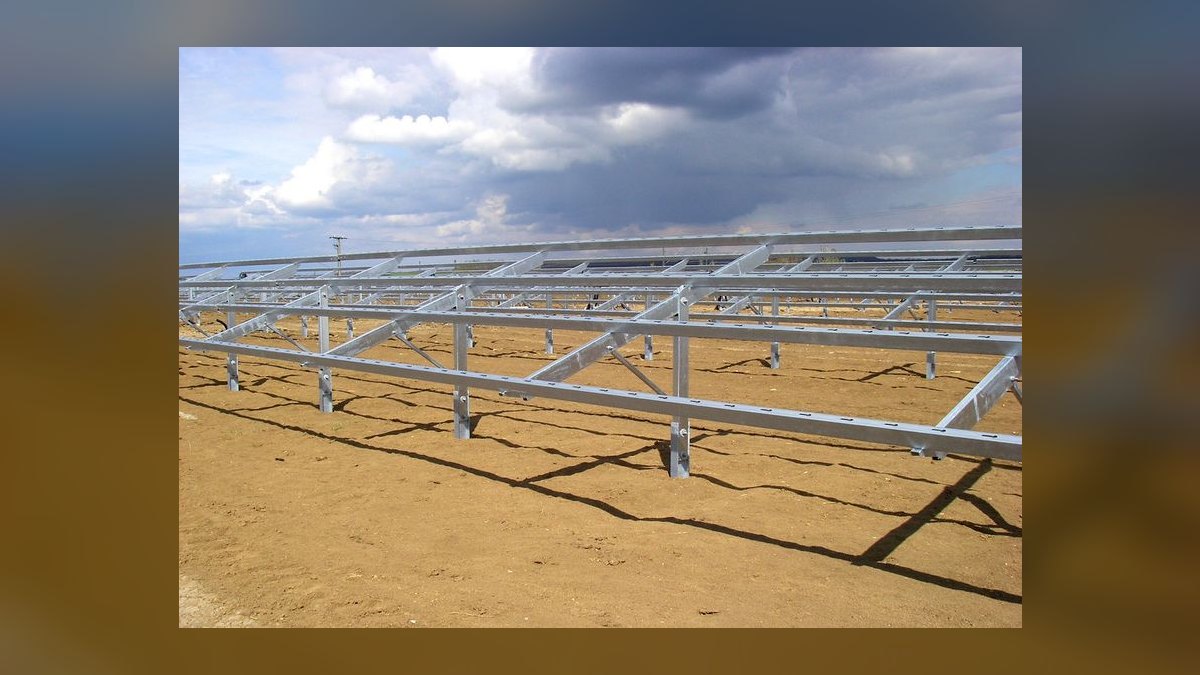
A cold shell (also called a gray shell) is the barest starting point: a structural concrete slab, exterior walls, an electrical panel at the property line, and a water/sewer stub. There is no HVAC distribution, no ceiling grid, no interior or demising walls, and often no finished restrooms. You are building nearly everything, and your out-of-pocket cost typically runs $80 to $150 per square foot depending on your use and finish level. Restaurants, medical, and lab space push toward the top of that range; simple storage or open office sits near the bottom.
A warm shell — frequently marketed as a vanilla shell or vanilla box — includes everything in a cold shell plus the expensive base systems: distributed HVAC that actually reaches the space, code-complete restrooms, a smooth sealed floor, a drop ceiling with basic lighting, distributed electrical, fire sprinklers, and sometimes a finished storefront. Because the landlord has already funded the costly mechanical spine, your remaining buildout drops to roughly $30 to $60 per square foot — you're mostly adding interior walls, finishes, and your own fixtures.
A second-generation (2nd-gen) space is a previous tenant's existing buildout. If their layout roughly fits your use, this can be the cheapest path of all — you inherit HVAC, restrooms, ceilings, lighting, and sometimes a kitchen or specialized buildout worth hundreds of thousands of dollars. The catch is deferred maintenance: an aging rooftop unit or a worn interior can quietly become your problem, so a 2nd-gen bargain always demands a full inspection first.
At the top of the ladder is turnkey: the landlord builds the entire space to your approved plans and hands you the keys. Your construction cost is effectively $0 — though you still fund furniture, fixtures, and equipment (FF&E), which the landlord never covers. The trade-off is control, which we'll get to. The point of naming these rungs precisely is simple: you cannot negotiate a move up the ladder if you and the landlord don't agree on which rung you're standing on.
How lease length and market conditions set your leverage
Landlords don't upgrade delivery condition because you asked politely. They do it because the math or the market pushes them, and the single biggest lever you control is lease term.
A landlord amortizes every dollar they spend on your space over the length of your lease. On a three-year deal, they have almost no runway to recover a turnkey buildout, so they'll resist hard. Stretch to a seven- or ten-year term — ideally with renewal options — and suddenly delivering the space warm or turnkey pencils out for them, because they recover the cost through your rent over time. The systems they install (HVAC, restrooms, roof, sprinklers) are building improvements they depreciate and keep when you leave, which makes funding them structurally cheaper for the landlord than for a tenant trying to amortize the same dollars over a single lease term. If you can commit to length, trade it explicitly for delivery condition — say it out loud at the table.

Vacancy is leverage you didn't create but can absolutely use. A space that has sat dark for eight or more months is a bleeding line on the landlord's income statement, and the longer it's been empty, the more motivated they are to make a deal. Ask your broker — or pull it yourself — how long the unit has been vacant and how much other space in the building or submarket is empty. High vacancy means you push harder on delivery condition, free rent, and TI dollars simultaneously.
Make the alternative visible. Landlords move when they genuinely believe you'll walk. Keep two or three comparable spaces authentically in play and let that be known. You're not bluffing about a unicorn — you're demonstrating that another building a block away will deliver warmer for the same rent, which reframes the entire conversation.

Trade rent for condition deliberately. Face rent sets a comp for the whole building, so landlords often refuse to cut it. But capital spent on the space is a one-time number that never shows up in the rent roll, which means many landlords would rather spend $200,000 improving your suite than drop the rate by a dollar. If you're stuck on rate, pivot the negotiation toward delivery condition and TI allowance — that's frequently where the real give lives.
What to demand in the delivery-condition exhibit
Vague delivery language is exactly where tenants get crushed. A landlord who promises "delivery in shell condition" can legally hand you a slab with a dead twenty-year-old HVAC unit and call it done. The defense is a detailed Delivery Condition Exhibit attached to the lease that itemizes every system and finish. Never let the lease simply read "warm shell" or "in good condition" — those phrases mean whatever the landlord later decides they mean.
At a minimum, force these specifics into the exhibit:

- HVAC: Installed and *distributed to the space* — not merely stubbed at the roof — sized to roughly one ton per 250 to 400 square feet for typical office or retail use. Require it delivered new or in documented good working order with a one-year warranty and a signed condition report at handover. A twenty-year-old unit "in working condition" is a deferred capital expense the landlord just quietly transferred to you.
- Restrooms: Built to current code and ADA-compliant, with the fixture count specified. Accessibility retrofits are expensive and easy to hide behind vague language.
- Electrical: Specify the panel size and amperage (for example, 400-amp, 3-phase) *distributed to the suite*, not just delivered to the property line. The distance between "power at the boundary" and "power at your outlets" can be tens of thousands of dollars.
- Floors: Level within a stated tolerance, smooth, and sealed, ready for your finish. If your use is sensitive (medical, precision equipment), define "level" with an actual flatness tolerance.
- Ceiling: Grid and tile installed, lighting included, with the ceiling height stated.
- Roof: Watertight with a transferable warranty — get the roof's age and remaining warranty term in writing, because a failing roof over your inventory is a disaster you'll be blamed for.
- Sprinklers and life safety: Installed and inspected to current code, distributed to an empty-shell layout so you can reconfigure around your plan.
- Storefront, glass, and demising walls: Specify who builds them and to what finish, and require demising walls insulated.
Then add two clauses that quietly do the heaviest lifting. First, a compliance-at-delivery clause stating the space will be delivered in compliance with all applicable codes, including ADA, as of the delivery date. Without it, *you* can inherit the cost of bringing the base building up to code when you pull permits — a number that routinely blows past the entire buildout budget. Second, a walkthrough-and-punch-list clause requiring a joint inspection before your delivery date, a written list of deficiencies, and a fixed cure window for the landlord to fix them at their own cost.

TI allowance versus turnkey: which one to fight for
Both a tenant-improvement allowance and a turnkey delivery shift construction cost onto the landlord, but they behave very differently and suit different situations.
A turnkey delivery carries the least cash risk for you — the landlord builds everything to your approved plans and you pay nothing toward construction. But that "free" buildout is rarely actually free. When the landlord holds the checkbook, they hire the cheapest qualified general contractor and value-engineer wherever they can, because it's their capital at stake. Finishes, fixtures, and craftsmanship trend toward "leasable" rather than "yours." Worse, if the landlord's turnkey spend exceeds their standard allowance, the overage typically comes back to you as additional rent amortized at interest — often in the 8 to 10 percent range — spread across the lease term. Always ask three questions before accepting turnkey: what's the base allowance, what's the interest rate on anything above it, and what's the all-in rent once that amortization is baked in?
A TI allowance flips the control equation. You hire the contractor, you set the spec, and you decide where every dollar goes — then the landlord reimburses you up to the negotiated cap. A $75-per-square-foot allowance on a 5,000-square-foot space is $375,000 of landlord money, which is well worth fighting hard for on a multi-year deal. In a tenant's market, TI packages of $50 to $100 per square foot plus a few months of free rent are common for longer terms, and a tenant-rep broker will benchmark the local norm for you.

The trade-offs to negotiate inside a TI deal matter as much as the headline number. Demand that the allowance be disbursed on a draw schedule tied to construction progress so you're not floating the entire buildout on your own credit for months. Insist that unused TI dollars convert to free rent or otherwise stay with you rather than reverting to the landlord — a capped allowance where leftover money simply vanishes quietly rewards you for overspending. And read the recapture math carefully: some leases let the landlord claw back the *unamortized* portion of TI if you default early, which can turn a business setback into a catastrophic liability.
The simple rule of thumb: take turnkey when your buildout is generic — basic office, straightforward retail — and you'd rather not manage a construction project. Take warm shell plus TI when your space is specialized to your design, equipment, or brand, and controlling the build is worth the added effort and cash-flow management.

Traps hiding in "as-is" and shell deliveries
Even a careful tenant can walk into predictable traps if they don't know the pattern. Each of these has cost real businesses real money, and each has a specific defense.
"As-is, where-is." This language means you accept whatever physically exists — broken HVAC, non-compliant restrooms, and all. Only accept as-is on genuinely cheap, short-term, or 2nd-gen space, and only after a complete inspection that tells you exactly what you're inheriting. On a long lease or a shell you'll invest heavily in, "as-is" is a red flag, not a convenience.

Phantom HVAC. The rooftop unit physically exists, so the landlord checks the "HVAC included" box — but it's fifteen years old and quietly failing. Demand a documented working-condition warranty at delivery, not just proof that a unit is present. A replacement rooftop package unit is a five-figure surprise you don't want in month three.
Capped TI with no carry-over. The landlord funds $50 per square foot, but any dollars you don't spend simply disappear back to them. Negotiate conversion of unused TI to free rent so the incentive isn't to burn every dollar on marginal upgrades.
TI clawback on default. Some leases quietly let the landlord recover the unamortized TI if you exit early. Model out that recapture number before you sign — it can transform a manageable early termination into a crushing bill.

Permit and code gaps. A "shell" delivered without code-required base-building items can stall your certificate of occupancy, which means you're paying rent on a space you legally can't occupy. Put code compliance to base-building standard squarely on the landlord in writing, and tie your rent-commencement date to the substantial completion of the landlord's work rather than a fixed calendar date. That way, every day the landlord is late becomes a day of genuinely free rent — not a day quietly eaten out of your free-rent allowance.
The unifying principle behind every trap is the same: the landlord's vague word today becomes your expensive obligation tomorrow. Convert every promise into a specific, dated, itemized contractual term, and require a joint walkthrough with a punch list before you accept possession. If you inspect nothing and sign broad language, you've agreed to whatever the space happens to be — including everything wrong with it.
Related questions
What's the fastest way to tell if a "warm shell" is actually warm?
Ask for the delivery specification exhibit in writing. If the landlord can't itemize HVAC tonnage, restroom count, electrical amperage, and ceiling status on paper, the "warm shell" label is marketing, not a commitment — and you should assume the missing systems are your cost until proven otherwise.
How much TI allowance is realistic to ask for?
In a soft or balanced market on a seven-to-ten-year lease, $50 to $100 per square foot plus a few months of free rent is a common range. Short terms and hot markets compress it. A tenant-rep broker will benchmark your specific submarket, which stops you from anchoring too low or asking for something no landlord will fund.
Should I ever take a cold shell?
Yes — when you need a highly specialized buildout (restaurant, lab, medical) where the base systems would have to be torn out anyway, a cold shell plus a large TI allowance gives you full control. It's usually paired with a long term and heavy landlord funding, since you're absorbing the most construction risk.
Can I make the landlord fix code issues after I move in?
Only if the lease says so. A compliance-at-delivery clause plus a punch-list clause with a defined cure window are what obligate the landlord to remedy code and defect issues at their cost. Without those clauses, code gaps discovered during permitting typically become the tenant's problem.
FAQ
What's the difference between cold shell, warm shell, and turnkey? Cold shell is bare concrete, walls, and a roof with no distributed utilities or finishes — you build nearly everything at $80-150 per square foot. Warm shell adds the expensive base systems: distributed HVAC, code restrooms, sealed floors, ceiling, lighting, and sprinklers, dropping your cost to $30-60. Turnkey means the landlord builds a fully finished space to your plans and you pay zero construction cost.
How do I negotiate a better delivery condition without increasing rent? Use the TI allowance as your lever. Landlords often refuse to cut face rent because it sets a comp for the whole building, but they'll spend one-time capital on the space because it never shows up in the rent roll. Ask for a higher allowance per square foot or specific system upgrades, and pivot the conversation from rate to condition and TI dollars.
What should I put in the lease to lock in the condition? Attach a written delivery-condition exhibit that lists every element: HVAC tonnage and warranty, restroom count and ADA status, electrical amperage and distribution, floor tolerance, ceiling type, sprinkler layout, and demising walls. Add a code-compliance-at-delivery clause and a walkthrough-with-punch-list clause. Without this itemization, a landlord can deliver a raw slab and call it "warm."
Can I ask for turnkey if the landlord usually only offers warm shell? Yes, but expect pushback and be ready to trade for it. Offer to extend the lease term by a year or two, since a longer runway lets the landlord amortize the buildout. You can also split the work — the landlord funds structural and mechanical, you fund finishes. Just confirm how any spend above the standard allowance gets amortized back into your rent.
What if the space is already built out from a previous tenant? A 2nd-gen space can be a bargain if the layout fits your use — you inherit HVAC, restrooms, ceilings, and sometimes a kitchen worth six figures. But get a structural and MEP inspection first, because outdated layouts and worn systems can carry hidden deferred maintenance. If the buildout doesn't fit, negotiate an as-is credit or have the landlord strip it back to warm shell before you rebuild.
How do I enforce the delivery condition after signing? Include a punch-list clause giving you 30 to 60 days after possession to identify defects and missing items that the landlord must cure at their cost. Tie rent commencement to substantial completion of the landlord's work rather than a fixed date, and consider conditioning a portion of TI disbursement on successful completion of the punch list.
Sources
- https://www.cbre.com/insights — CBRE research on tenant advisory, buildout, and delivery-condition benchmarking.
- https://www.jll.com/en-us/insights — JLL Project & Development Services on TI allowances and turnkey delivery.
- https://www.cushmanwakefield.com/en/united-states/insights — Cushman & Wakefield occupier-services guidance on shell condition and TI negotiation.
- https://www.boma.org — BOMA International building-condition and base-building measurement standards.
- https://www.naiop.org — NAIOP research on office and industrial shell delivery and tenant improvements.
- https://www.irem.org — Institute of Real Estate Management on landlord buildout and capital-improvement practices.
- https://www.aia.org — American Institute of Architects on core-and-shell and vanilla-shell construction standards.
- https://www.ada.gov — U.S. Department of Justice ADA standards for accessible design in commercial space.
Related on PULSE
- How do I document the pre-existing condition of the space before accepting a warm shell?
- As-Is vs Warm Shell vs Turnkey: Which Delivery Saves Me the Most?
- How do I terminate a lease early if the landlord fails to deliver the buildout as promised?
- How do I handle asbestos or mold discovered midway through a landlord's warm shell delivery?
- How do I document the space's condition with photos the landlord can't dispute?
- How Do I Use Anchor-Tenant Leverage to Get a Better Lease?
This page will be disappearing soon. Save it to your device for $1 — or read it free while it is here.
@Kory-White- · if Venmo asks, the last 4 of my number are 2012
This page is gone.
This one is off the shelf now. $1 keeps it on your phone for good — the whole page, pictures and diagrams included.
 pulse-recentWhat interest rate do landlords typically charge when they amortize a TI allowance into rent instead of paying it as cash in 2027?
 pulse-recentWhat is the average landlord-funded buildout allowance for a 5,000 sq ft retail space in 2027?
 pulse-recentHow do I complete a commercial buildout step by step from lease signing to move-in in 2027?
 pulse-recentWhat Percentage of My Total Buildout Budget Will the Landlord Actually Fund Through the TI Allowance in 2027?
 pulse-recentHow Do I Budget for the Landlord's Contribution When It's Paid in Installments Instead of Upfront in 2027?
 pulse-recentHow much extra cash should I budget beyond a landlord's TI allowance so I don't run out mid-buildout in 2027?
 pulse-recentHow do I budget a buildout when the landlord only agrees to fund 50% of my total construction cost in 2027?
 pulse-recentWhat is the average cost of a landlord-funded tenant improvement allowance in 2027?
 pulse-recentHow much of my total buildout budget should I plan to come from the landlord versus my own cash in 2027?
 pulse-recentHow do I insure landlord-installed HVAC and electrical systems separately from my own buildout equipment in 2027?