
How Do I Negotiate Exclusive Loading-Dock and Storage Rights in 2027?
 Curated byKory White · Fractional CRO · Maryland
 PULSEKNOWLEDGE LIBRARY
Quality
Certified
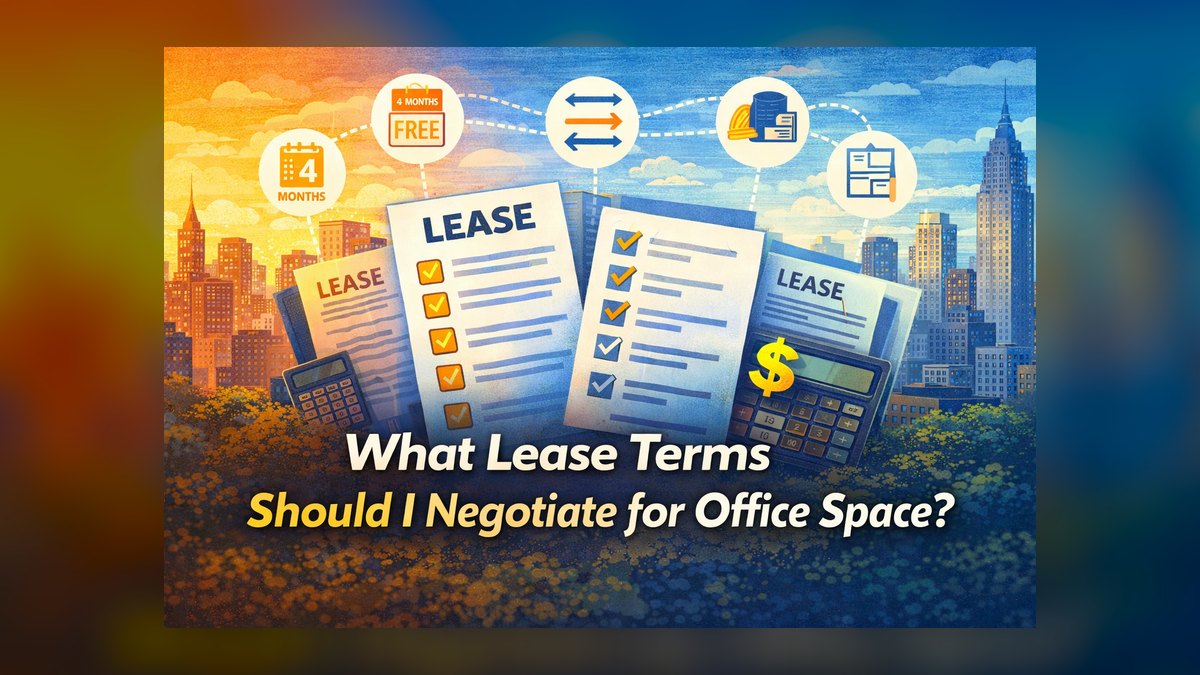
Get loading-dock and storage rights written into the lease as exclusive, defined, and discounted, drawn on an attached exhibit floor plan. Pin down a named dock door or a guaranteed daily dock window instead of "first come, first served," price storage at 40–60% of base rent, and confirm you are not billed for that square footage twice.
Why dock and storage rights are the last thing tenants negotiate and the first thing landlords exploit
Loading docks and storage feel like logistics, not money, so tenants leave them vague until the final walkthrough. The landlord's incentive runs the opposite direction, and the gap between "we'll figure it out" and a signed exhibit is where thousands of dollars quietly leak out every year. A shared dock you cannot count on, or a storage cage billed as premium space, commonly costs a mid-size tenant somewhere in the range of $5,000 to $50,000 annually in lost productivity, detention fees, and double-charged square footage.
Consider how each arrangement pays the landlord when it stays undefined. A shared dock lets one landlord effectively sell the same two dock doors to five tenants — full rent collected from all five, guaranteed access owed to none. Storage priced at your finished-space rate turns an unheated basement cage into a profit center. And a dock classified as "common area" means you reimburse its repaving, striping, and repairs through CAM while holding no exclusive right to use it during your busiest hours. Every one of these is fixable, but only before you sign. Afterward you are arguing about intent, and the leasing agent who made the verbal promise is rarely in the room.
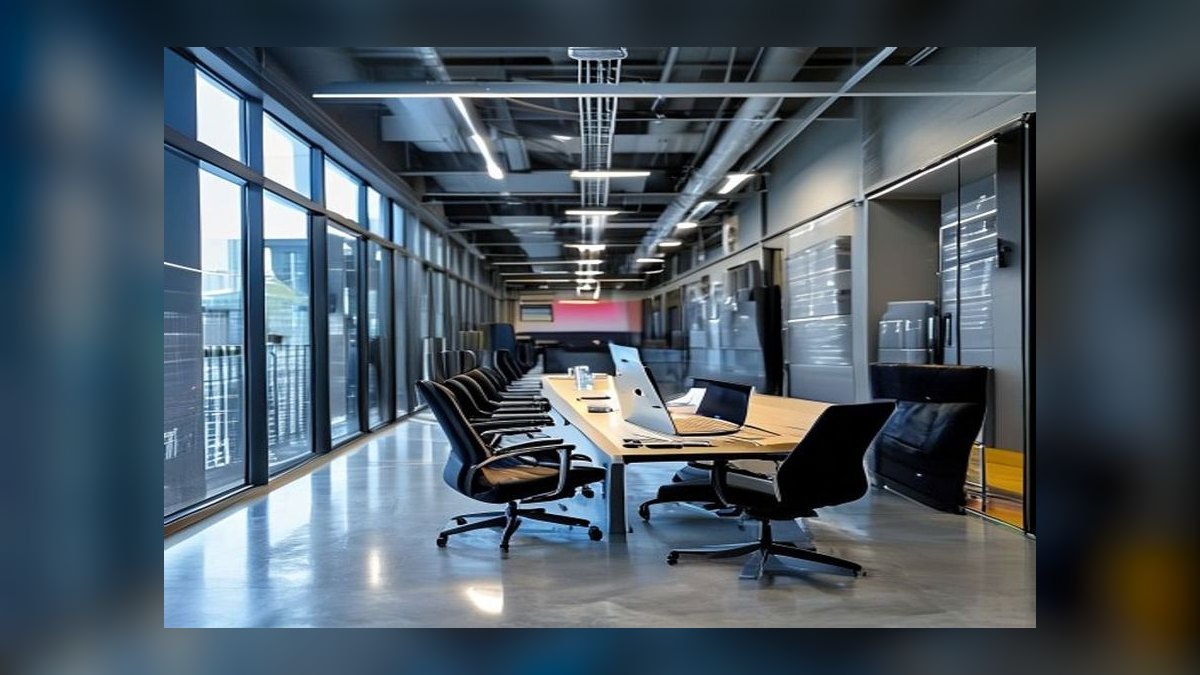
The fix is the same across all of them: convert vague, shared, fully-priced arrangements into defined, exclusive, discounted ones, keyed to a floor plan and incorporated into the lease. That single discipline — put a number, a location, and an exclusivity grant on everything — is what separates a tenant who controls their operations from one who negotiates the same headache every peak season.
What a real exclusive dock right looks like, in order of strength
Not every property can grant a named dock door, so negotiate down a ladder of options and take the strongest one the building allows. The goal is to eliminate the daily race for access, not merely to feel reassured by friendly language.

The gold standard is a named exclusive dock door: "Tenant shall have the exclusive use of Dock Door No. 3," shown on the attached Exhibit A floor plan. This is the right to demand for industrial, warehouse, and high-volume retail space. It is yours, full stop, and it survives new neighbors.
If doors genuinely must be shared, get an exclusive scheduled dock window matched to your actual delivery pattern — for example, "Tenant has priority dock access 6:00 a.m. to 11:00 a.m. daily." A generic block is worthless if your carriers arrive at 5:30 a.m.; tie the window to when your trucks really show up. Alongside that, secure a minimum-doors guarantee in a shared yard: "no fewer than two dock positions available to Tenant during business hours." Put an integer on it so "shared" cannot silently mean "one door split among eight tenants."

Beyond the door itself, spell out the supporting rights. If you receive full trailers, negotiate designated trailer-parking stalls and drop-lot rights so carriers can stage without blocking the yard. If your operation runs early, late, or on weekends, define 24/7 access explicitly, including any security, gate-code, or lighting obligations the landlord must maintain — otherwise "access" evaporates the moment the gate locks at 6 p.m. Finally, define dock equipment responsibility: who maintains the dock levelers, seals, bumpers, and overhead doors. Push for these to be a landlord-maintained building-system obligation rather than a tenant CAM pass-through, because dock levelers fail expensively and you do not want that bill landing on you for infrastructure the landlord owns.
How to get storage priced like storage instead of like your showroom
Storage is where tenants overpay the most, because they treat it as an afterthought and accept whatever number the landlord folds in. A back room, mezzanine, or basement cage is unfinished, windowless, often unconditioned space with no street presence — and it should be priced accordingly, not at the rate you pay for finished, HVAC-served, customer-facing square footage.

Anchor the negotiation at 40% to 60% of your base per-square-foot rent. If your office or retail space rents at $30 per square foot, a basement or mezzanine cage should land somewhere around $12 to $18 per square foot. Raw, unimproved basement can go lower still — $5 to $10 per square foot is achievable in softer markets or for genuinely rough space. The landlord's opening number will almost always be full rate; the discount only exists if you ask for it and justify it by pointing at the missing finishes.
Next, confirm the measurement basis in writing: "Is the storage area included in the stated rentable square footage, or billed separately?" This single question defuses the most common trap. If the storage is already inside your rentable area, you are already paying base rent on it — and a separate "storage charge" on top would be charging you twice for the same floor. Make the landlord pick one treatment and put it in the lease.

Then lock down exclusivity and access. A shared storage room you cannot lock is a shrinkage and liability problem waiting to happen. Specify exclusive use, a locked cage or room, and defined access hours, and name who pays for the lock, the lighting, and any racking. Address the CAM treatment too: storage should not carry the same operating-expense load as finished space, because you are not using the lobby, the conditioned common areas, or the premium HVAC that those charges fund. Negotiate a reduced or zero CAM allocation on storage square footage.
Finally, right-size it. Do not lease 1,000 square feet "to be safe" — unused storage is pure margin for the landlord and dead cost for you. Lease what your inventory plan actually needs, and negotiate a right to expand or a right of first refusal on adjacent space if you grow into it. That gives you the safety valve without paying for empty racks for five years.

The comparison math, so you can see the dollars
Numbers make this concrete. Suppose you need 500 square feet of storage. The landlord's first offer bundles it into your space at the full $30 per square foot — that is $15,000 a year, or $75,000 across a five-year term. You instead negotiate it as discounted unfinished space at $14 per square foot with reduced CAM, which comes to roughly $7,000 a year, or $35,000 over the same term. That is $8,000 saved every year and $40,000 over the lease, earned by one well-drafted paragraph and an exhibit showing where the cage sits.
Now layer the dock side on top. Detention fees from carriers commonly run $50 to $150 per hour when your trucks wait behind another tenant's shipment at a shared dock during peak season. A handful of blown delivery windows a month adds up fast, and that is before you count the internal labor standing idle. When you total right-priced storage against dock exclusivity, the effective savings on a typical industrial or retail space land in the range of $3 to $8 per square foot versus paying full rent on storage and eating dock conflicts. On even a modest footprint, that is the difference between a lease that works for your operation and one that taxes it quietly for years.

The point of the math is not the exact figures, which vary by market, but the ratio: storage and dock terms are among the highest-leverage, lowest-effort concessions in a commercial lease. They rarely cost the landlord much to grant, and they compound over every year of the term. Spend your negotiating capital here and it pays back many times over.
Put every right on paper, drawn on an exhibit
A dock or storage right that is not drawn on an exhibit floor plan attached to and incorporated into the lease is a right you will lose. A leasing agent saying "you'll have the dock, don't worry" is unenforceable the moment the building changes hands or a larger tenant moves in next door. Written, keyed, and signed is the only version that survives.

The lease language should do five things. First, identify the dock door and storage area by number and location, keyed to the attached plan, so there is no ambiguity about which door or which cage. Second, state that the grant is exclusive — or, if shared, define the precise shared-use schedule with times and priority. Third, ensure the grant survives a sale or re-tenanting: "this exclusive grant shall bind successors and assigns," so a new owner cannot quietly reassign your dock. Fourth, bar the landlord from relocating you without comparable replacement space and your written consent, which stops the classic move of shoving you into the worst corner of the property to accommodate a bigger arrival. Fifth, define maintenance and CAM treatment for the dock and storage explicitly, so responsibility and cost are settled up front rather than litigated later.
If the landlord refuses to draw the dock and storage on a plan, treat that refusal as the answer: the promise is not real. Before you sign, walk the property and verify the dock and storage exist as described — measure them yourself, or bring your tenant-rep broker and a contractor to confirm door height, dock dimensions, clearances, and that the storage cage is where and how big the landlord claims. Verifying on-site costs an hour; discovering a phantom dock after signing costs the whole term.

The mistakes that cost tenants the most
A short list of the errors that show up again and again, each one avoidable with a single line of lease language:
- Accepting "first come, first served" docks. That is not a right; it is a daily race you will sometimes lose, and you will lose it most during your busiest weeks when losing hurts most.
- Letting storage be billed at full rent. Always price it as discounted unfinished space at 40–60% of base, and lower for raw basement.
- Ignoring the double-count. Storage inside your rentable square footage plus a separate storage fee means you are paying twice for the same floor. Force one treatment.
- Paying CAM on a common-area dock you cannot control. If the dock is not exclusively yours, carve its upkeep out of your CAM share — do not reimburse maintenance on infrastructure you have no guaranteed right to use.
- No exhibit plan. A right not drawn on the attached plan is a right you will lose the day ownership or tenancy changes.
- No relocation protection. Without it, the landlord can move your dock and storage anywhere on the property to serve a larger tenant, and you have no recourse.

Run this list against any draft lease before you sign. Each item maps to one clause; fixing all six is an afternoon of redlines that protects your operation for the length of the term.
Related questions
Should I ever accept a non-exclusive dock if I can't get exclusivity?
Only with teeth: convert non-exclusive into "priority" during your delivery hours, add a minimum-positions guarantee, and negotiate a remedy if the dock is unavailable more than a set number of times per month. Bare non-exclusive with no priority language is worth little.
How does lease term length affect dock and storage concessions?
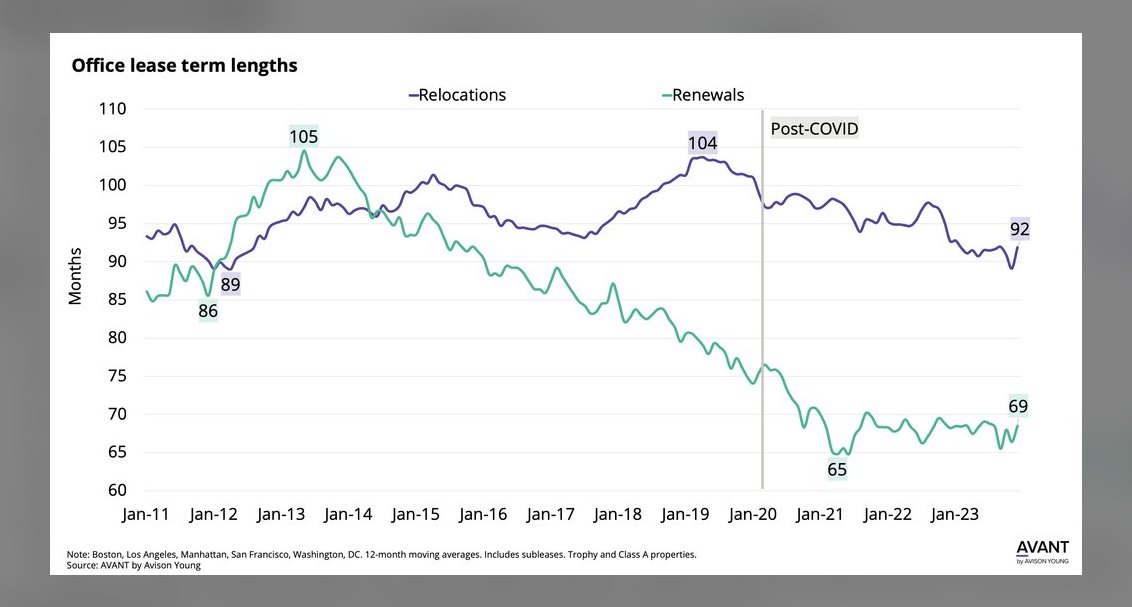
Longer initial terms unlock concessions. Landlords trade exclusivity, reduced storage rates, or a rent-free cage for the certainty of a longer commitment. If you can commit to a five- or seven-year term, use it as leverage specifically on these operational rights rather than only on base rent.
What if I only need storage seasonally?
Negotiate a right of first refusal on nearby space at a preset rate, typically below market, so you get priority on extra storage during your peak without paying for it year-round. Landlords often accept because it guarantees them a tenant during their slower periods.
Who should draft the exhibit floor plan?
Insist the plan be prepared or verified by the landlord's architect and attached to the lease, then have your tenant-rep broker and, ideally, a contractor confirm the drawn dimensions match reality on-site. The plan is only protective if what it shows matches what exists.
Does dock exclusivity survive if the building is sold?
Only if the lease says so. Include "binds successors and assigns" language so the exclusive grant runs with the property. Without it, a new owner may treat your verbal or weakly-worded arrangement as unenforceable and reassign the dock to a different tenant.
FAQ
What is a loading-dock exclusive and why does it matter?
A loading-dock exclusive means only your business may use a specific dock or set of docks during defined hours. Without it, your trucks can wait behind other tenants, delaying shipments and stalling operations. It matters most in multi-tenant industrial and retail buildings where dock demand is high and peak seasons collide.
How do I get exclusive dock rights without paying extra rent?
Frame it as a standard operational necessity, not a premium amenity. Offer a "non-exclusive but priority" clause as a fallback, and tie the request to lease term length — a longer commitment often unlocks the concession. Many landlords grant exclusivity in exchange for a longer initial term or a larger footprint.
Can I negotiate free or reduced storage in the lease?
Often yes. In softer markets, landlords may offer a small storage area at no charge; in tighter markets, expect a reduced rate rather than free — commonly well below finished-space rent. Whatever the outcome, define the exact location, square footage, and access rights in the lease itself.
What should I watch for in the exclusive-rights clause?
Confirm it specifies dock dimensions, door height, and any shared-access rules, and that "exclusive" genuinely means no other tenant may use the dock during your hours — not "first come, first served." Vague or aspirational language is the most common source of later disputes.
How do I handle storage if I only need it part of the year?
Negotiate a right of first refusal for seasonal storage at a preset, below-market rate so you get priority on extra space without paying for it in your slow months. Landlords frequently agree because it fills space they would otherwise struggle to lease during off-peak periods.
What if the landlord says exclusive dock rights are impossible?
Propose a scheduling system that gives you first priority on dock slots during your peak hours, plus a remedy clause if the dock is unavailable more than a set number of times per month. This protects your operations without requiring full exclusivity the building genuinely cannot grant.
Sources
- https://www.cbre.com/insights
- https://www.jll.com/en-us/insights
- https://www.cushmanwakefield.com/en/united-states/insights
- https://www.naiop.org/research-and-publications/
- https://www.boma.org/BOMA/Research-Resources/BOMA/Research-Resources/
- https://www.irem.org/resources
- https://www.sciencedirect.com/topics/economics-econometrics-and-finance/commercial-real-estate
- https://www.uslegalforms.com/commercial-lease-agreements/
Related on PULSE
- How Do I Negotiate Signage Rights in a Commercial Lease?
- How Do I Budget a Cold Storage Warehouse Buildout?
- How Do I Negotiate Parking Ratios for My Business?
- How Do I Negotiate a Build-to-Suit Lease Rate (Cost x Cap)?
- Institutional vs Mom-and-Pop Landlord: How Do I Negotiate Each?
- How Do I Negotiate My Lease When the Building Is Being Sold?
This page will be disappearing soon. Save it to your device for $1 — or read it free while it is here.
@Kory-White- · if Venmo asks, the last 4 of my number are 2012
This page is gone.
This one is off the shelf now. $1 keeps it on your phone for good — the whole page, pictures and diagrams included.
 pulse-recentHow do I budget for a landlord-funded buildout without hidden out-of-pocket costs in 2027?
 pulse-recentHow much longer does my lease term need to be before a landlord will fund 100% of my buildout instead of a partial allowance in 2027?
 pulse-recentHow Do I Estimate the Total Landlord Fund I'll Need Before Signing the LOI in 2027?
 pulse-recentHow Do I Calculate My Real Cost When the Landlord Funds the Buildout in 2027?
 pulse-recentHow do I budget a buildout when the landlord only agrees to fund 50% of my total construction cost in 2027?
 pulse-recentHow much cash reserve should I keep on hand while waiting for the landlord to reimburse my TI allowance draws in 2027?
 buildoutsHow Do I Negotiate a Dollar Cap on My Personal Guarantee in 2026?
 pulse-recentHow do I calculate the total landlord-funded buildout budget for a 15,000 sq ft office in 2027?
 pulse-recentWhat effective interest rate am I paying when a landlord amortizes my buildout cost into rent instead of cash in 2027?
 pulse-recentWhat Percentage of My Total Buildout Budget Will the Landlord Actually Fund Through the TI Allowance in 2027?