
How Do I Budget an Escape Room Buildout?
 Curated byKory White · Fractional CRO · Maryland
 PULSEKNOWLEDGE LIBRARY
Quality
Certified

Budget $45 to $85 per square foot for an escape room buildout. A typical 2,500 to 5,000 sq ft venue with three to six rooms runs $150,000 to $450,000 all-in. Most of that money goes into set construction, theming, and puzzle technology — not heavy structure — so cheap second-generation space plus a hard TI negotiation protects your budget.
What actually drives the buildout number
Escape room economics revolve around revenue per square foot of playable room, so every construction dollar should push guest immersion or throughput rather than raw square footage. Unlike a trampoline park or a restaurant, you are not fighting heavy structure, deep grease-trap plumbing, or oversized HVAC. Your money instead flows into finish carpentry, theming, and low-voltage technology — the layers a guest actually sees and touches.
- Set construction per room: $20,000 to $60,000. This covers framed theme walls, flooring, ceilings, painting, aging and distressing, and custom set pieces. A single magnet-locked prop puzzle runs $300 to $1,500; a custom mechanical puzzle can climb to $2,000 to $8,000. Figure $25,000 to $40,000 for a solid mid-tier room with quality props and custom millwork.
- Puzzle technology and control systems: $3,000 to $15,000 per room for maglocks, RFID readers, relays, Raspberry Pi or Arduino controllers, and game-master control software. A custom MQTT rig or a packaged control platform manages the flow of each puzzle sequence and lets your game master trigger hints, reset props, and monitor progress.
- Game master control room: $8,000 to $20,000 for cameras, audio feeds, monitors, and the desk that runs every room simultaneously. This is your nerve center; skimping here means blind spots and stranded groups.
- Lobby and waiting area: $15,000 to $40,000. This is your first impression, your merch counter, your waiver station, and the all-important post-game group photo zone that every group posts to social media for free.
- Low-voltage and theatrical electrical: $6 to $14 per square foot. Escape rooms are electrically dense — LED lighting, sound, and prop actuators everywhere — even though total amperage draw stays modest.
- Sound isolation between rooms: $2 to $6 per square foot. Adjacent rooms bleeding audio through a shared wall destroys immersion and shows up fast in reviews.
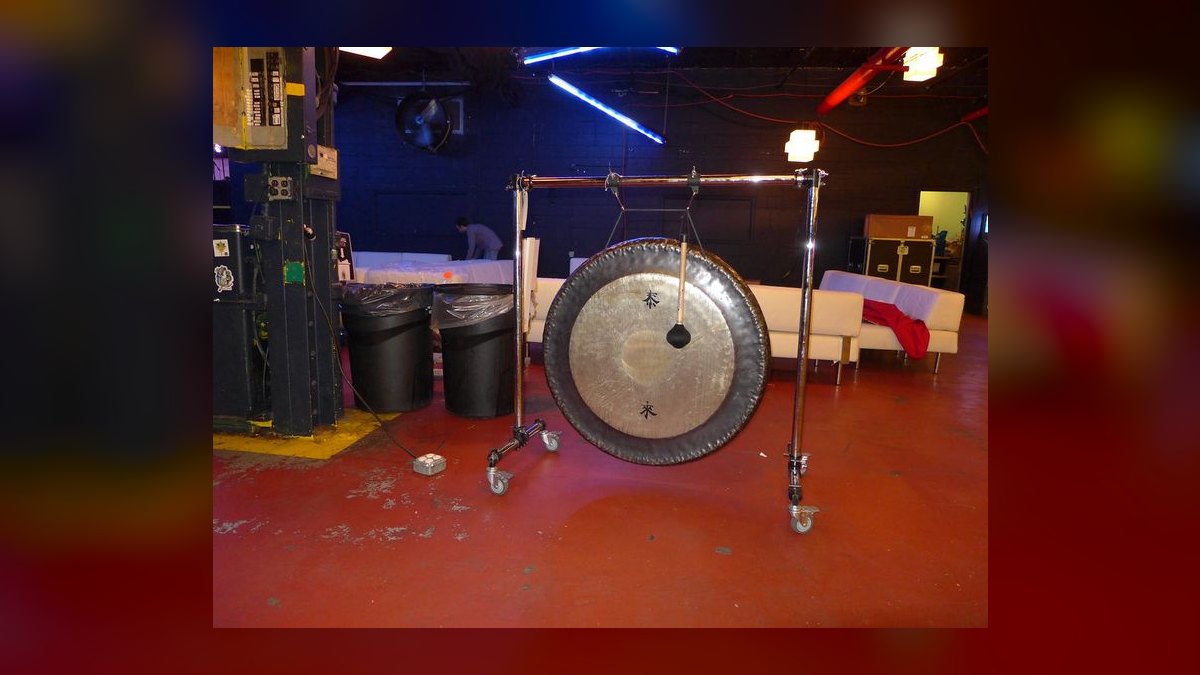
Cheap rooms built in the $8,000 to $15,000 range read as cheap on camera and in person, earn mediocre reviews, and never get rebooked. The floor for a room that survives is roughly $20,000; below that you are buying a refund liability.
Room count and throughput drive how much you should spend
Your budget should be dictated by how many groups you can cycle through per day, not by a desire for a big impressive footprint. A room typically runs a 60-minute game plus 15 minutes of reset and briefing, so each room turns roughly 8 to 10 groups on a busy weekend day. At $30 to $40 per player with four to six players per group, a single room can gross $1,000 to $2,200 on a peak day. Multiply that across your rooms and you can see why room count, not square footage, is the real budgeting lever.
That math points to a clear sweet spot: four to six rooms. With fewer than four rooms you cannot absorb a school group or a corporate team-building booking — and those are your highest-margin revenue, often $40 to $55 per head because they book multiple rooms at once and buy add-ons. But more than six rooms in a small or mid-size market and you start cannibalizing your own bookings, spreading marketing thin across inventory you cannot fill on a weeknight.
The smart allocation splits your rooms by role. Put serious money into two flagship rooms at $40,000 or more — these earn the five-star reviews and the word-of-mouth that fills your calendar. Then build two value rooms at $22,000 to $28,000 to handle overflow volume and give returning guests something new without a flagship price tag. This barbell approach protects your review average while keeping your blended cost per room reasonable, and it gives your booking software a range of price points to sell across different customer segments.
Negotiate the lease so the landlord doesn't win
Because escape rooms are quiet, low-impact, low-power tenants, landlords systematically undervalue you and assume you are cheap to build for. Flip that assumption into leverage instead of accepting a bad deal.
- Target the right space. You need almost nothing structurally, so there is no excuse to overpay. Chase second-generation office or retail inline space at $14 to $28 per square foot NNN — a former call center, a defunct gym, or a vacant big-box junior anchor. You do not need clear height, heavy power, or grease plumbing, which are the things that make good space expensive.
- Demand TI even though your needs look light. Landlords assume "escape rooms are cheap to build" and offer little or nothing. Counter with the truth: you are committing $150,000 to $450,000 of fixed improvements that stay with the space and raise its re-lease value. Push for $10 to $25 per square foot in tenant improvement allowance, plus a three-to-five-month free-rent buildout period. Because your improvements are mostly non-structural set walls and electrical, much of that TI converts directly into playable rooms.
- Write a broad use clause. Get "entertainment and amusement use," not "escape room only." A narrow clause traps you if the concept needs to evolve into VR, axe-throwing, or adding a bar. A broad clause lets you pivot later without begging the landlord for re-approval.
- Make the landlord deliver a clean shell. Demising walls, demolition, code-compliant egress, and ADA-roughed restrooms should be landlord-delivered. The set-wall framing inside is yours; the base building is not — do not pay to fix their building.
- Cap CAM and exclude capital items. Negotiate a 3 to 5% annual CAM cap and explicitly exclude roof, structure, and parking-lot resurfacing from your pro-rata share.
- Lock in parking and signage. Escape rooms peak on evenings and weekends, so guarantee parking during those hours and secure monument plus building signage — not a tiny directory listing that nobody finds.
- Burn off the personal guaranty. Push the personal guarantee to expire after 24 to 36 months of on-time rent. A multi-year personal guaranty on a niche entertainment concept is a real and avoidable risk to your household finances.
Hire contractors without getting change-ordered to death
Most escape room construction is light commercial carpentry, electrical, and low-voltage work — which means inexperienced contractors either over-quote out of unfamiliarity or under-quote and then change-order you into insolvency. Structure the work so neither happens.
- Split the scope. A licensed general contractor handles the permitted base buildout — demising walls, ADA restrooms, fire and life-safety, and HVAC tie-in. A separate set and theming fabricator (or your own build crew) handles the room interiors. Many escape room sets are decorative and do not require the same permitting as base building, which saves you the GC's markup on the fun stuff.
- Get a fixed-price contract for the permitted work. Insist on a lump-sum contract for the base buildout and hold 10% retainage until certificate of occupancy. Time-and-materials on unfamiliar work is how budgets detonate.
- Guard against electrical change orders. Theatrical low-voltage is the single most common place contractors pad their bills. Provide a detailed prop and lighting schedule up front so the electrician bids to a real, itemized scope instead of guessing high.
- Carry a 10 to 15% contingency. Older second-generation shells hide bad wiring, asbestos floor tile, undersized restroom plumbing, and non-compliant egress. Assume the walls will surprise you, because they will.
- Keep puzzle tech with a specialist. Do not let the GC subcontract your maglock-and-relay puzzle wiring to a generalist electrician who has never wired a game system. Keep control and puzzle work in-house or with a specialist, or you will pay to have it done twice.
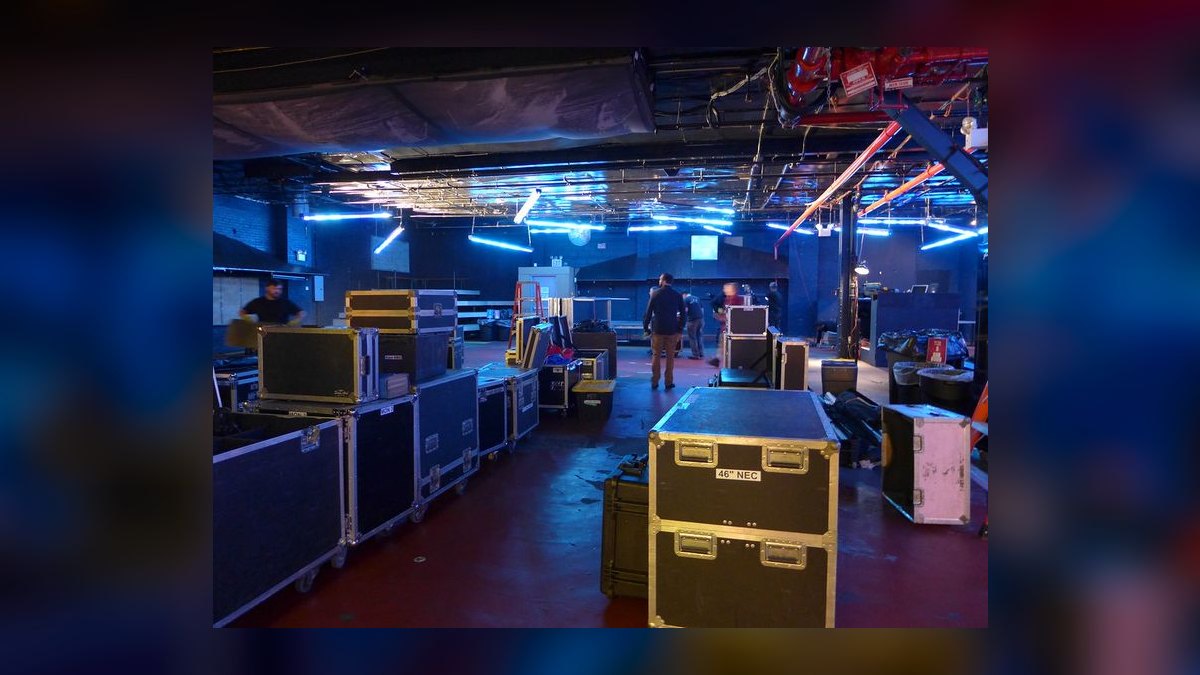
Where the smart money trims without killing bookings
The most effective way to cut day-one capital is to phase your room count. Open with three strong rooms, then build the fourth and fifth from operating cash once your booking calendar proves demand exists. This alone drops your opening capital requirement by roughly $50,000 to $120,000 and lets you read real customer behavior before committing another round of theme dollars.
Design for reuse from the start. Modular, reusable set walls let you re-skin a tired theme for $8,000 to $15,000 instead of a full $40,000 rebuild every 18 to 24 months. That re-theming cadence is exactly what keeps your reviews fresh and locals rebooking, so build the infrastructure to make it cheap.
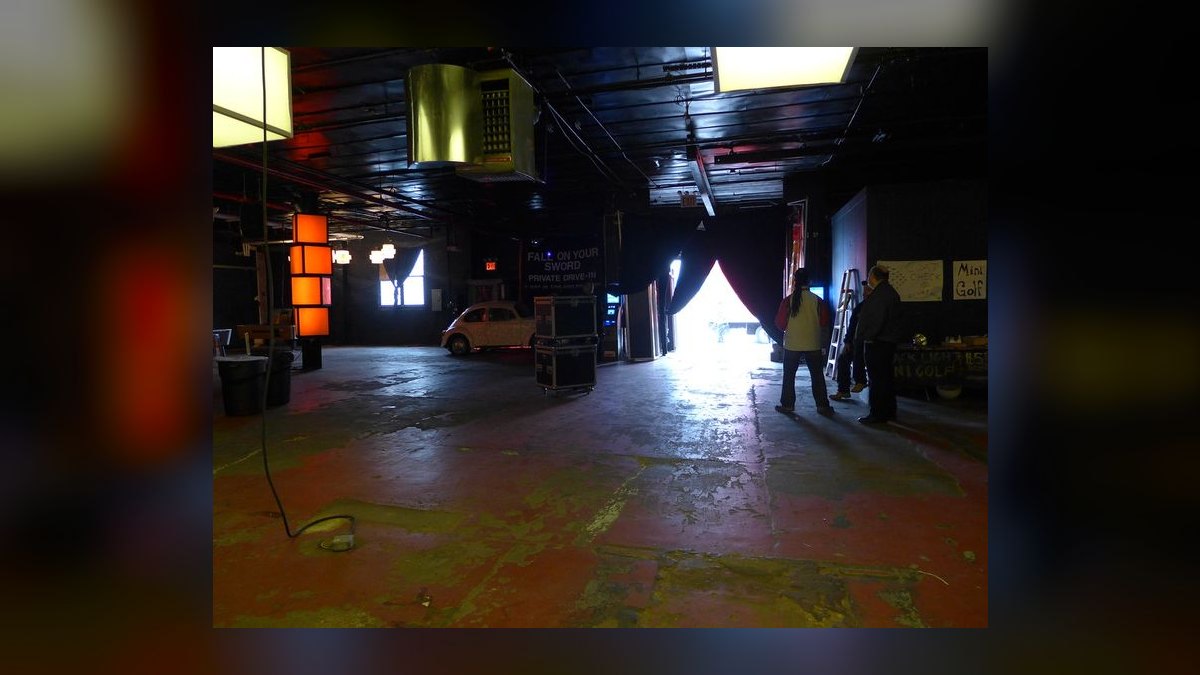
There are places you must not cut. Do not trim puzzle reliability — a glitchy maglock that strands a group is an instant refund and a one-star review that costs you far more than the part you saved on. Do not trim game-master sightlines and audio, because blind spots create stranded, frustrated guests. And do not trim the lobby photo zone, which is free marketing that every single group posts for you. Spend generously anywhere the guest sees or feels; cut hard anywhere they never will, like storage, back-of-house finishes, and office space.
Budget the soft costs, contingency, and refresh reserve
The hard construction number is only part of your spend. Budget another 15% to 25% on top of hard costs for the line items that quietly sink first-time operators: booking and game-management software (often $100 to $300 per month plus setup), business and liability insurance, permits and a possible occupancy-change inspection, professional sound and lighting design, and branding, signage, and a bookable website. If you hire a professional design firm to engineer puzzles end to end, expect their fee to add meaningfully to the per-room figures above rather than replace them.
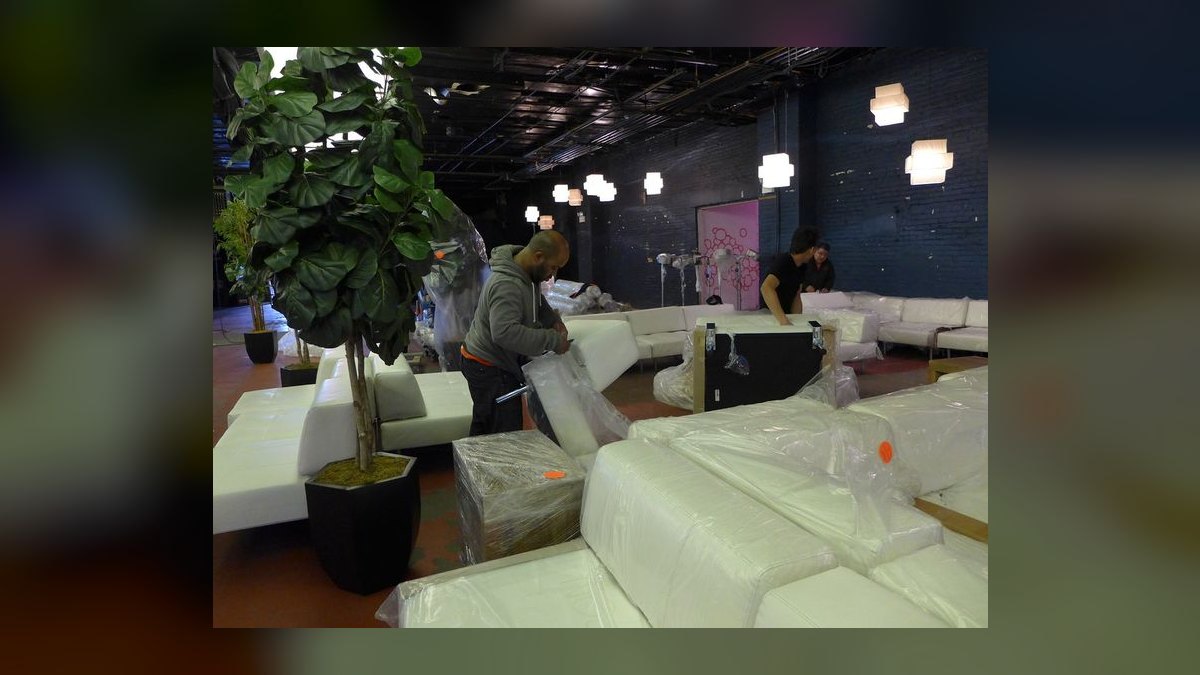
Hold a 10% to 15% contingency in liquid reserve, not committed to initial scope — themed buildouts almost always surface surprises behind the drywall, and custom prop fabrication reliably runs long. Phasing helps here too: lenders generally view a smaller, proven first phase more favorably than one large ask for an unopened concept, and staggering rooms keeps your best builder from being stretched across six rooms at once.
Finally, treat your first buildout as a platform, not a finished product. Repeat play and word-of-mouth depend on rotating or refreshing rooms every 18 to 36 months, so set aside a modest annual refresh reserve now. When your rooms are built with reusable infrastructure — modular walls, standardized lock and prop wiring, reconfigurable control systems — each future reinvention costs a fraction of a gut rebuild, and your refresh cost drops every cycle.
Related questions
How much does a single escape room cost to build?
A single professionally themed room runs $20,000 to $60,000, with $25,000 to $40,000 typical for a mid-tier room including quality props, custom millwork, and $3,000 to $12,000 in puzzle technology and electromagnetic locks. Rooms built under $15,000 read as cheap and rarely get rebooked.
How many escape rooms should I open with?
Aim for a four-to-six-room venue, but you can open with three to protect cash and fund later rooms from revenue. Fewer than four rooms cannot absorb high-margin corporate or school group bookings; more than six in a small market cannibalizes your own calendar.
What square footage do I need for an escape room facility?
A typical footprint is 2,500 to 5,000 sq ft for a three-to-six-room venue, including lobby, control room, and back-of-house. Decide your room count first, then size the space to it — sizing the space first usually leaves you paying rent on square footage you cannot monetize.
Can I get a tenant improvement allowance for an escape room?
Yes. Landlords assume escape rooms are cheap to build and lowball TI, but you can push for $10 to $25 per square foot by pointing to the $150,000 to $450,000 of fixed improvements that stay with the space and raise its re-lease value.
FAQ
Does the $45–$85 per square foot range include the puzzle and tech buildout? Yes, that range is meant to cover the core buildout — construction, theming, and the puzzle and automation work that separates an escape room from an ordinary retail fit-out. The lower end reflects simpler mechanical puzzles and lighter sets; the higher end leans into electronics, automation, and elaborate theming. Always get a line-item breakdown so you know what sits inside that number versus what is billed separately.
Why is an escape room more expensive per square foot than typical retail space? You are paying for custom set design, themed construction, layered lighting and sound, and puzzle mechanics rather than open floor and shelving. Much of the cost is labor-intensive finish work and low-voltage technology that a standard retail tenant never touches, which is why the per-square-foot figure runs meaningfully higher than a plain commercial fit-out.
Can I lower the cost by building fewer rooms at first? Yes. Fewer rooms means less themed construction and fewer puzzle systems to fund up front, pulling your all-in number toward the lower end of the range. Many operators phase the buildout, opening with two or three rooms and reinvesting revenue into more rooms later. Just make sure your lease and floor plan leave room to expand without redoing core infrastructure.
Does this budget cover the lease and landlord-side improvements? No. The per-square-foot buildout figure is about constructing the experience inside the space, not the lease itself. Tenant improvement allowances, NNN charges, and other landlord-side terms are negotiated separately and can meaningfully change your out-of-pocket cost. Treat lease negotiation as a distinct line item that can offset a real portion of your buildout.
How does facility size change my total project cost? Total cost scales with both square footage and the number of rooms you build into it, which is why a 2,500–5,000 sq ft footprint lands across a wide all-in range. A larger space with more rooms pushes you toward the upper end, while a tighter footprint with fewer rooms stays lower. Decide room count first, then size the space to match.
Should I pad my budget beyond the estimated range? Yes. A buildout estimate is a planning range, not a guarantee, and themed construction is prone to surprises once walls open up. Hold a 10% to 15% contingency reserve on top of your projected number so unexpected costs do not stall your opening, and keep that cushion liquid rather than committing every dollar to the initial scope.
Sources
- IBISWorld — Escape Room Industry Report (facility size, room count, and pricing benchmarks): https://www.ibisworld.com
- CBRE — Retail and Experiential Real Estate research: https://www.cbre.com/insights
- JLL — Retail and entertainment leasing research: https://www.jll.com/en-us/insights
- RSMeans / Gordian — Building Construction Cost Data: https://www.rsmeans.com
- Cushman & Wakefield — Retail leasing and lease-structuring insights: https://www.cushmanwakefield.com/en/united-states/insights
- NAIOP — Tenant improvement and lease negotiation resources: https://www.naiop.org
- BOMA International — Experience Exchange Report (operating-cost benchmarks): https://www.boma.org
- U.S. Small Business Administration — Startup costs and financing guidance: https://www.sba.gov
Related on PULSE
- [How Do I Budget a Winery Tasting Room Buildout?](/knowledge/bo0169)
- [How Do I Budget a Funeral Home Buildout?](/knowledge/bo0220)
- [How Do I Budget an Ambulatory Surgery Center Buildout?](/knowledge/bo0219)
- [How Do I Budget an Imaging Center (MRI/CT) Buildout?](/knowledge/bo0218)
- [How Do I Budget a Dialysis or Infusion Center Buildout?](/knowledge/bo0217)
- [How Do I Budget a Physical Therapy Clinic Buildout?](/knowledge/bo0216)
This page will be disappearing soon. Save it to your device for $1 — or read it free while it is here.
@Kory-White- · if Venmo asks, the last 4 of my number are 2012
This page is gone.
This one is off the shelf now. $1 keeps it on your phone for good — the whole page, pictures and diagrams included.
 buildoutsHow Do I Budget a Data Center or Colocation Buildout?
 buildoutsHow Do I Budget a Physical Therapy Clinic Buildout?
 buildoutsHow Do I Budget a Distillery Buildout?
 buildoutsHow Do I Budget a Barbershop Buildout?
 buildoutsHow Do I Budget a Florist Shop With a Walk-In Cooler Buildout?
 buildoutsHow Do I Negotiate a Lease and Buildout for Doggy Daycare or Boarding?
 buildoutsHow Do I Budget a Chiropractic Clinic Buildout?
 buildoutsHow Do I Negotiate a Lease and Buildout for an Auto Repair Shop?
 buildoutsHow Do I Budget a Trampoline Park Buildout?
 buildoutsHow Do I Negotiate a Lease and Buildout for a Cigar or Hookah Lounge?