
How Do I Budget an Ambulatory Surgery Center Buildout?
 Curated byKory White · Fractional CRO · Maryland
 PULSEKNOWLEDGE LIBRARY
Budget an ambulatory surgery center buildout at $300–$600 per square foot, driven almost entirely by the operating rooms. Each OR needs piped medical gas, HEPA-filtered positive-pressure HVAC at 20-plus air changes hourly, isolated power, and emergency backup. For an 8,000–15,000 sq ft ASC, plan $2.4M–$9M in hard costs plus $500K–$2.5M in equipment.
Where the money actually concentrates
An ASC is a licensed surgical facility built to Facility Guidelines Institute (FGI) standards and your state's surgical-center code — not office code — which is exactly why its per-foot cost is a multiple of a normal tenant fit-out. The dollars concentrate in the operating rooms and the sterile core, where hospital-grade infrastructure gets compressed into a small building. Understanding this concentration is the whole game: if you budget the ASC like a medical office, you will be short by millions.
Each OR demands certified, alarmed medical gas piping — copper lines for oxygen, nitrous oxide, and medical air, plus a vacuum and waste anesthesia gas disposal (WAGD) system — running roughly $30,000–$80,000 per room. The OR HVAC is the single heaviest mover: dedicated air handlers deliver HEPA-filtered, positive-pressure air at 20–25 air changes per hour through laminar-flow diffusers, with tightly controlled temperature and humidity and a separate exhaust path, costing $150,000–$500,000 across a multi-OR suite. The sterile processing department (SPD) for instrument cleaning and autoclaving adds $150,000–$400,000, carrying its own plumbing, steam supply, and directional pressure relationships between soiled and clean zones.

Then come the life-safety systems that make surgery legal rather than merely possible: emergency power on a generator or equivalent ($80,000–$250,000), isolated power panels in wet procedure rooms, nurse-call and code-blue systems, and fire-rated construction appropriate to the occupancy. Recovery bays — pre-op and PACU — each need medical gas, suction, patient monitoring, and privacy, at roughly $80,000–$200,000 per bay. Seamless welded sheet-vinyl or epoxy flooring with integral cove base runs the surgical zones at $10–$20 per square foot, and lead shielding is required wherever you perform imaging-guided procedures. None of this exists in a standard office shell, so the "shell-to-OR gap" is the true scope of the job — and the number you are really estimating.
Building the number from the ground up
Rather than trusting a single per-foot figure, build the budget line by line, because the mix of specialty scopes swings the total by millions. Take a realistic worked example: a 3-OR, 12,000 sq ft ASC starting from a shell or a second-generation medical building.
- General conditions and supervision: $200,000–$450,000, typically 7–10% of hard cost.
- Demolition and structural prep: $5–$12 per square foot, or $60,000–$144,000.
- Medical gas (3 ORs plus recovery): $120,000–$320,000.
- OR HVAC, air handlers, and HEPA filtration: $300,000–$700,000.
- Sterile processing department: $150,000–$400,000.
- Emergency power and generator: $80,000–$250,000.
- Electrical, isolated power, nurse-call, code-blue: $250,000–$600,000.
- Framing, fire-rated assemblies, and finishes: $40–$70 per square foot, or $480,000–$840,000.
- Seamless flooring on ~5,000 sq ft of surgical zones: $10–$20 per square foot, or $50,000–$100,000.
- Permits, design, engineering, licensure and accreditation prep: $150,000–$400,000.
That lands hard cost at roughly $2,400,000–$5,000,000, or about $200–$420 per square foot, before any equipment enters the picture. Surgical equipment — booms, tables, lights, anesthesia machines, monitors, and SPD autoclaves — adds $500,000–$2,500,000 depending on your specialty and whether you buy new or refurbished. Hold a 15–20% contingency on top of everything, because ASC inspections and accreditation surveys routinely force corrections, and the specialty MEP scopes are precisely where estimates go wrong.
A useful sanity-check figure: a single operating room, fully built with its allocated share of gas, HVAC, isolated power, and finishes, effectively runs $400,000–$900,000 all-in. Keep that number in your pocket — when a contractor or broker quotes you a suspiciously round total for a multi-OR facility, divide it back down per room and see whether the math survives contact with reality.
The occupancy and ceiling-height trap
The ASC is the buildout where the wrong building or a soft lease can sink the entire investment before you swing a hammer. Surgery is not permitted in just any space. Your authority having jurisdiction (AHJ) will require a specific occupancy classification — typically Business or Institutional, depending on your anesthesia and patient-recovery profile — with FGI-compliant construction throughout. A space zoned and built for ordinary business occupancy cannot simply be repainted into a surgical center.
Just as important, and far more often overlooked, is floor-to-floor height. You need roughly 13–15 feet floor-to-floor to route OR ductwork and medical gas above a finished ceiling. The OR HVAC ducts are large, and they compete for the same plenum as gas lines, sprinkler mains, and electrical trays. A landlord who hands you a low-ceiling office shell is handing you a redesign you will pay for — or a code failure you cannot fix without relocating. Before signing anything, get an architect's letter confirming the building can be brought to surgical occupancy and that the plenum is deep enough for FGI-compliant mechanical routing.
Make occupancy upgradability and structural and life-safety adequacy explicit conditions of the lease, with the landlord owning base-building shortfalls. Confirm with code officials and an architect that the building's structure, ceiling height, electrical service, and life-safety systems can support a surgical occupancy before you commit, because retrofitting fire-rated construction and emergency power after the fact is a budget-ending surprise. This single pre-lease diligence step protects more capital than any negotiation over finishes ever will, and it costs a few thousand dollars against a multi-million-dollar downside.
Don't get screwed on power, allowances, and contractors
Three places quietly drain an ASC budget: the base-building dodge, the token TI allowance, and the wrong general contractor. Close each one in writing before you sign, because none of them can be fixed after the fact without paying twice.
The base-building dodge on power and life safety. Emergency power, fire-rated separations, a code-compliant sprinkler grid, and adequate electrical service are large-dollar items. Pin down in a delivery exhibit exactly what the landlord delivers, and require the landlord to fund base-building deficiencies. Otherwise you discover at permit time that you are buying a 250–500 kW generator and upgrading the building's fire rating on your own dime — six figures you never budgeted, discovered at the worst possible moment.
The TI allowance reality. An $80-per-square-foot allowance against a $300–$600-per-square-foot job is a token, not coverage. Landlords commonly offer $50–$150 per square foot for medical space; negotiate toward the top of that band, or to $100–$200 per square foot, on the long terms ASCs typically sign (10–15 years). Take the allowance as reimbursement against paid invoices, and price any amortized balance for what it is — effectively an 8–10% loan folded into your rent. Never treat the allowance as meaningful coverage; for an ASC it is a small fraction of the true cost, and budgeting as if it covers the buildout is how first-timers run out of money mid-project.
The contractor markup. Medical gas, OR HVAC, isolated power, and SPD are specialty scopes a generalist will subcontract blind and pad. Vet the GC ruthlessly: bid three general contractors with documented ASC experience, demand a fixed-price (stipulated-sum) contract, cap change-order markup at 10–15%, hold 10% retainage until your state licensure and accreditation surveys pass, and never release final payment before the surveyor signs off. Retainage held to survey completion is your single strongest lever, because it keeps the contractor financially motivated through the corrections that inspections always produce.
Equipment, FF&E, and the 30–40% budget sink
The physical buildout is only half the story. Medical equipment, furniture, and technology (FF&E) typically consume 30–40% of the total project budget — often $1.5M–$4M for a 10,000 sq ft ASC. Break it into three categories so nothing hides in a lump-sum line, because equipment surprises land after construction money is already spent.
Major capital equipment. Each OR needs a surgical table ($30,000–$80,000), ceiling-mounted booms ($40,000–$100,000 per boom), an anesthesia machine ($50,000–$120,000), and surgical lights ($20,000–$60,000 per light). A two-OR ASC can easily reach $400,000–$700,000 in major equipment alone, before you count monitors, electrosurgical units, and the specialty tools tied to your case mix. Specialty ASCs — orthopedics, spine, cardiology — push the high end.
Sterile processing. A central sterile supply area with autoclaves (steam sterilizers), ultrasonic washers, and storage racks runs $150,000–$400,000 depending on case volume and instrument sets. Under-sizing SPD is a common mistake that throttles throughput on day one; a center that can operate three rooms but can only reprocess instruments for two has quietly capped its own revenue.
IT and AV. OR integration systems — video streaming, PACS viewing, and voice control — add $100,000–$250,000 per room. Do not forget the network backbone: fiber runs, servers, and cybersecurity can cost $50,000–$100,000 for a mid-sized ASC, and it is regulated infrastructure protecting patient data, not an afterthought you bolt on later.
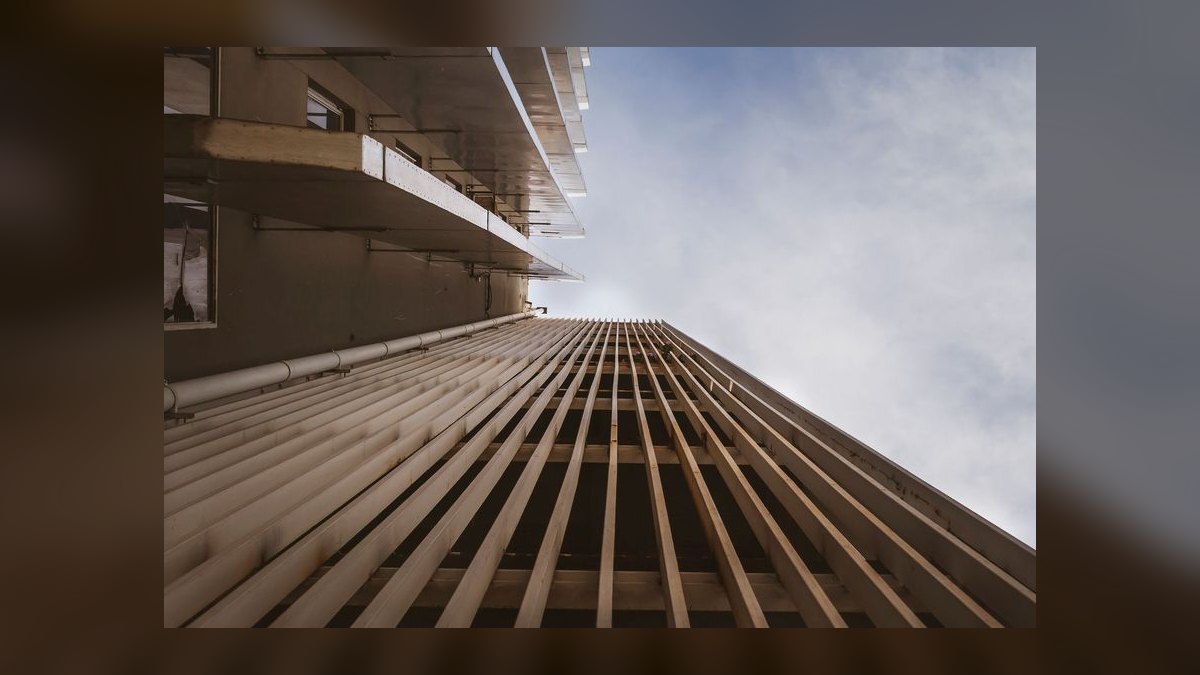
Order major equipment early — ideally 12–18 months before opening — to lock pricing and avoid rush-shipping fees that can add 10–20% to equipment costs. Booms, OR air handlers, and generators are long-lead items; if any of them slip, everything downstream stops, and you pay rent on an empty building while you wait for a crate.
Timeline, soft costs, and cash flow
An ASC buildout runs 24–40 weeks of construction after permits, and the total from lease signing to first patient is commonly 12–18 months. On top of construction, licensure, Medicare certification, and accreditation surveys (AAAHC, The Joint Commission, or a state body) gate your ability to bill and can add 2–6 months after construction completes. Many states also require a Certificate of Need up front, which adds $5,000–$50,000 in filing fees and 3–12 months of review before you can even start — a gate that can dwarf the construction schedule itself.
Soft costs — architecture, engineering, permits, legal, and financing — eat 15–25% of the total budget. Expect $150,000–$350,000 for healthcare architects ($150–$250/hour) and MEP engineers ($100–$175/hour) on a 10,000 sq ft project, plus $20,000–$60,000 in building permits, state health-department plan review, and fire-marshal approvals. If you finance the buildout, construction-loan interest accrues during the build: at 7–9% on a $3M–$5M loan, that is roughly $175,000–$375,000 over twelve months of carry.
Every empty week is expensive. A 12,000 sq ft suite at $38 per square foot annual rent burns roughly $8,800 per week while dark. Negotiate a 9–14 month rent-free buildout-and-survey window so you are not paying rent while waiting on certification — that concession is often the difference between profit and a cash crisis in year one. Finance surgical equipment on its own term, keep 15–20% liquid contingency outside the construction loan for the corrections licensure surveys reliably produce, and consider a design-build delivery method: running the architect and contractor together from day one can shave 3–4 months off the schedule, though it may raise design costs 5–10%. On a project where an empty week costs nearly $9,000, buying back a month of schedule usually pays for itself several times over.
Related questions
How much does a single operating room cost to build?
A fully built OR runs about $400,000–$900,000 all-in once you allocate its share of medical gas ($30,000–$80,000), OR HVAC, isolated power, booms, seamless flooring, and life-safety systems. Specialty case mix and new-versus-refurbished equipment move the number within that band.
Is it cheaper to lease existing medical space or build from a raw shell?
Leasing a second-generation medical space can cut costs 20–40% versus a raw shell, because gas, HVAC rough-ins, and plumbing may already exist. But you still pay to bring anything non-compliant up to current FGI and state surgical code, so verify before assuming savings.
What contingency should I hold on an ASC buildout?
Hold 15–20% contingency, kept liquid and outside the construction loan. ASC accreditation and state licensure surveys routinely force corrections, and the specialty MEP scopes — gas, OR HVAC, isolated power — are exactly where estimates run short.
Do I need a Certificate of Need to build an ASC?
It depends on your state. Many require a Certificate of Need before construction, adding $5,000–$50,000 in filing fees and 3–12 months of review. Confirm your state's CON status early, because it can gate the entire project timeline.
What tenant improvement allowance should I expect for an ASC?
Landlords commonly offer $50–$150 per square foot for medical space, but against a $300–$600-per-square-foot ASC job that is a fraction. Negotiate toward the top of the band on a 10–15 year term, and treat any amortized balance as an 8–10% loan.
FAQ
What is the typical cost per square foot for an ASC buildout?
Most ASC buildouts fall between $300 and $600 per square foot, second only to imaging centers among medical fit-outs. The figure varies with location, existing shell condition, ceiling height, and how many operating rooms and recovery bays the center requires.
How long does an ASC buildout take from start to finish?
Plan 12–18 months from lease signing to first patient. Construction runs 24–40 weeks after permits, and licensure, Medicare certification, and accreditation surveys can add another 2–6 months. A Certificate of Need, where required, adds 3–12 months up front.
What are the biggest hidden costs in an ASC buildout?
The shell-to-OR gap surprises first-timers: structural reinforcement for OR floor loading, a backup generator and UPS, pre-action fire suppression in operating rooms, and utility upgrades to reach warm-shell condition. Together these can add 10–20% to a budget built only on the base per-foot number.
Do I need a separate budget for medical equipment?
Yes. FF&E is typically separate from the construction budget and consumes 30–40% of the total project — often $500,000–$2,500,000 for a mid-sized center. Order booms, tables, anesthesia machines, and autoclaves 12–18 months out to lock pricing and avoid rush fees.
Can I save money by leasing an existing medical space?
Leasing a second-generation medical space can reduce costs 20–40% versus ground-up work, because some gas, HVAC, and plumbing infrastructure may already exist. You will still likely need significant renovation to meet current FGI standards and your state's surgical-center code.
Why is OR HVAC such a large line item?
Operating rooms require dedicated air handlers delivering HEPA-filtered, positive-pressure air at 20–25 air changes per hour, with tight temperature and humidity control and separate exhaust. Across a multi-OR suite this runs $150,000–$500,000 and needs 13–15 feet of floor-to-floor height to route the ductwork.
Sources
- Facility Guidelines Institute — https://fgiguidelines.org/
- NFPA 99, Health Care Facilities Code — https://www.nfpa.org/codes-and-standards/nfpa-99-standard-development/99
- Ambulatory Surgery Center Association (ASCA) — https://www.ascassociation.org/
- Centers for Medicare & Medicaid Services, ASC information — https://www.cms.gov/medicare/health-safety-standards/certification-compliance/ambulatory-surgical-centers
- Accreditation Association for Ambulatory Health Care (AAAHC) — https://www.aaahc.org/
- The Joint Commission, Ambulatory Care accreditation — https://www.jointcommission.org/what-we-offer/accreditation/health-care-settings/ambulatory-health-care/
- CBRE Healthcare Real Estate research — https://www.cbre.com/insights/sectors/healthcare
- JLL Healthcare research and cost guides — https://www.us.jll.com/en/industries/health-care
- Gordian RSMeans construction cost data — https://www.rsmeans.com/
Related on PULSE
- [How Do I Budget an Imaging Center (MRI/CT) Buildout?](/knowledge/bo0218)
- [How Do I Budget a Dialysis or Infusion Center Buildout?](/knowledge/bo0217)
- [How Do I Budget a Garden Center or Nursery Buildout?](/knowledge/bo0202)
- [How Do I Budget a Family Entertainment Center or Mini-Golf Buildout?](/knowledge/bo0204)
- [How Do I Budget a Data Center or Colocation Buildout?](/knowledge/bo0195)
- [How Do I Budget a Call Center or BPO Office Buildout?](/knowledge/bo0191)
Recently Added — Related
- [How Do I Negotiate a Lease and Buildout for a Tattoo Studio?](/knowledge/bo0139)
This page will be disappearing soon. Save it to your device for $1 — or read it free while it is here.
@Kory-White- · if Venmo asks, the last 4 of my number are 2012
 buildoutsHow Do I Budget a Comedy Club or Live-Music Venue Buildout?
 buildoutsHow Do I Budget an Optometry Office With an On-Site Lab?
 buildoutsHow Do I Negotiate a Lease and Buildout for Doggy Daycare or Boarding?
 buildoutsHow Do I Budget and Site a Self-Storage Facility?
 buildoutsHow Do I Budget a Makerspace or Woodworking Shop Buildout?
 buildoutsHow Do I Budget a Garden Center or Nursery Buildout?
 buildoutsHow Do I Budget a Gym or Fitness Studio Buildout?
 buildoutsHow Do I Negotiate a Lease and Buildout for a Vape or Smoke Shop?
 buildoutsHow Do I Budget a Veterinary Clinic Buildout?
 buildoutsHow Do I Negotiate a Lease and Buildout for a Pharmacy?