
How do I negotiate a rent credit if the landlord delays the buildout completion date in 2027?
 Curated byKory White · Fractional CRO · Maryland
 PULSEKNOWLEDGE LIBRARY
Quality
Certified

Lock the rent credit into the lease before signing: for every day the landlord misses the delivery deadline, you get an automatic dollar-for-dollar rent abatement (often 1.5–2x daily rent), a tightly defined "substantial completion" standard, a narrow force-majeure carve-out, and a termination right if the delay exceeds 60–90 days.
Why the clause has to be signed before you take the space
The single biggest mistake tenants make is assuming they can negotiate a rent credit after the delay happens. You can't — not with any real leverage. Once you've signed a lease with a vague completion date and no penalty, the landlord holds all the cards, and your only recourse is an expensive lawsuit with an uncertain outcome. The time to negotiate is during the letter of intent (LOI) and lease-drafting phase, when the landlord still wants your signature and your rent commitment.
Your leverage at that stage is real and specific. Most landlords finance tenant improvements (TI) through a construction loan, and those loans frequently carry covenants requiring a signed lease with a fixed rent commencement date before the lender will fund the buildout. A delay that pushes your rent start also jeopardizes the landlord's draw schedule and debt-service coverage. When you ask for a delay penalty, you're not being difficult — you're aligning your incentives with the landlord's own financing. Point that out. A landlord who plans to deliver on time has nothing to lose by agreeing to a credit that only triggers if they fail.
Frame it plainly during negotiation: a rent credit for delayed delivery is standard language in every major commercial lease form, from the BOMA-influenced institutional leases to AIR CRE forms used across the western U.S. Asking for it signals you're a sophisticated tenant, not a mark. If the landlord fights a standard protection hard, treat that as diagnostic information — they're telling you they expect to be late.

The four elements every enforceable rent credit clause needs
A rent credit clause is only as good as its drafting. Four elements make it enforceable and actually useful rather than decorative.
First, a fixed completion date. Not "within a reasonable time," not "as soon as practicable," but a specific calendar date — "Substantial Completion shall occur no later than [date]." Vague standards are unenforceable in practice because you can never prove the landlord blew a deadline that was never defined.
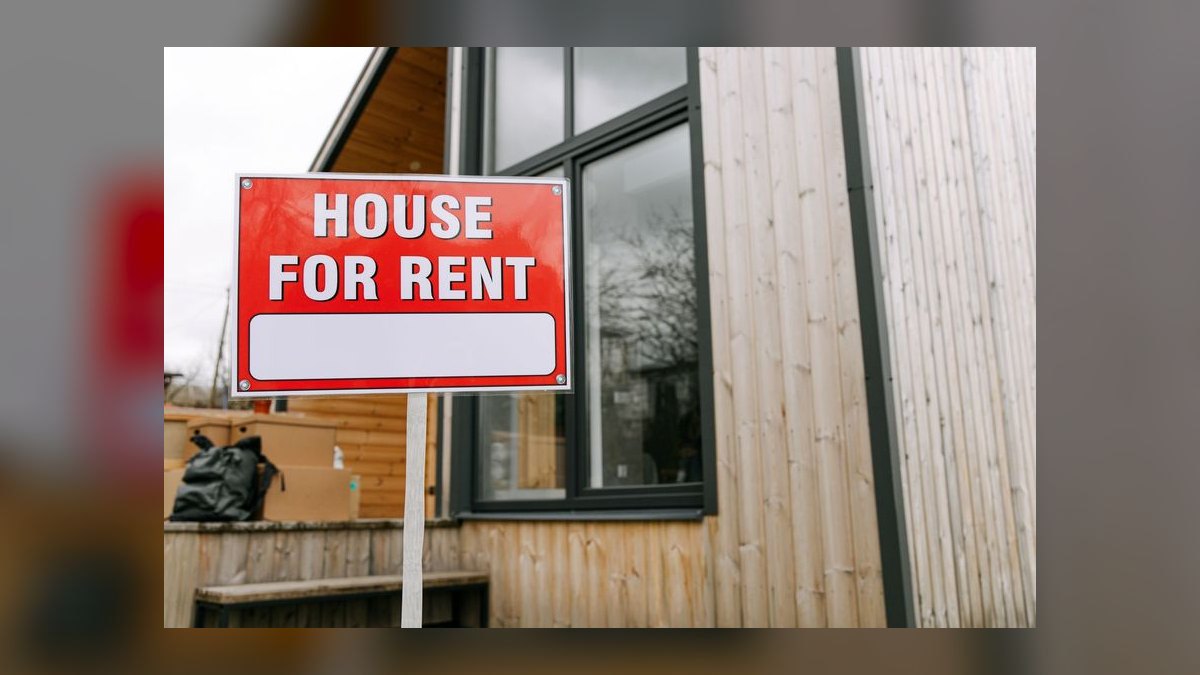
Second, a clear definition of substantial completion (covered in depth below). The space must be legally occupiable, with all building systems operational and required permits issued.
Third, a daily credit rate with a transparent formula. The baseline is your monthly base rent divided by 30 — a $30,000 monthly rent yields roughly $1,000 per day. That's the floor. As covered later, you often want a multiple of that when a delay causes measurable business harm.
Fourth, an automatic trigger. The credit should begin accruing the day after the completion date with no requirement that you send notice, prove damages, or ask permission. The moment you have to "request" a credit, you've handed the landlord a negotiation you should already have won on paper.
Two more provisions separate a good clause from a great one: a cap (commonly 90–180 days of accrued credits, after which the remedy shifts to termination) and an explicit statement that any grace period is zero. Landlords routinely try to slip in a 10- or 15-day cushion before credits start. Reject it — a grace period is just a delay window they'll use every single time, on every project, for free.
Defining substantial completion so the landlord can't game it
Nearly every buildout-delay fight turns on what "substantial completion" actually means. Landlords love to declare a space "substantially complete" when the drywall is up and the toilets flush — even if the fire alarm isn't tied in, the HVAC hasn't been commissioned and balanced, the permanent power isn't live, or the internet provider physically can't get into the building. If your lease leaves the term undefined, you'll lose that argument.
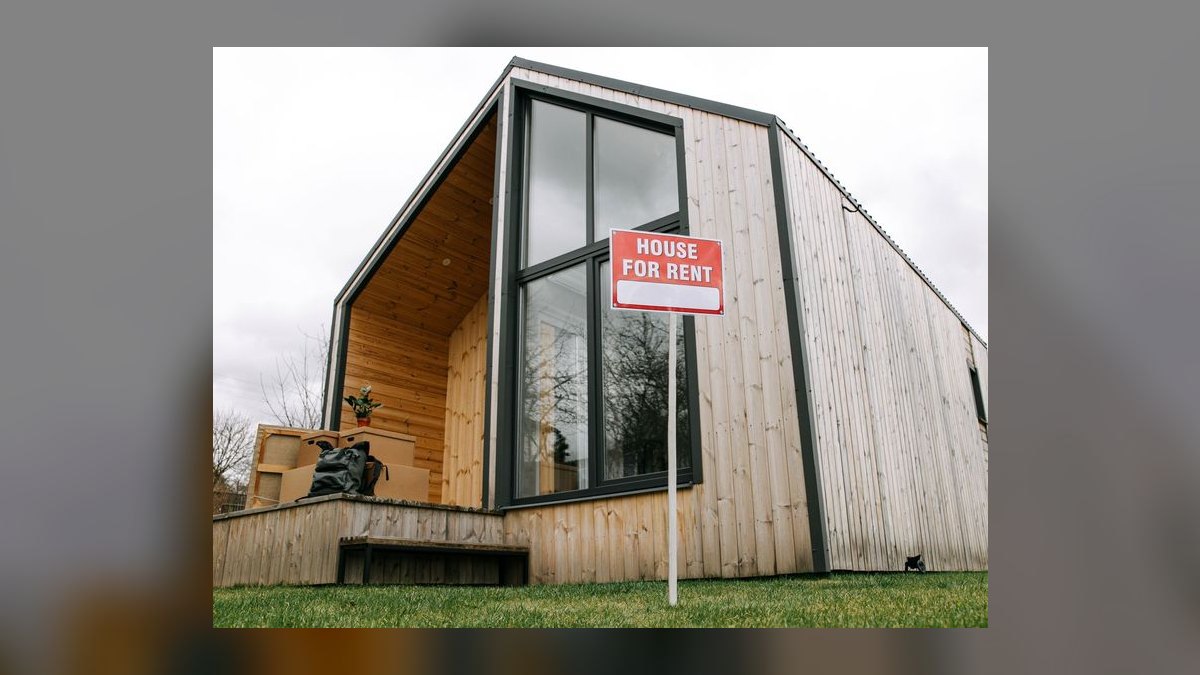
Define it with a checklist written directly into the lease, tied to the final approved construction drawings attached as an exhibit. A strong definition requires all of the following before the space counts as delivered:
- A temporary or permanent certificate of occupancy issued by the local building department. This is the gold standard — if the city won't let people occupy the space, it isn't complete, full stop.
- All life-safety systems — sprinklers, fire alarms, emergency lighting, exit signage — tested, connected, and approved by the fire marshal.
- All mechanical, electrical, and plumbing systems fully functional and, for HVAC, balanced to design specification rather than merely "turned on."
- All finishes — flooring, walls, ceilings, paint, and millwork — installed to the approved plans, not roughed in.
- Permanent power live (not a temporary generator) and any exterior signage installed if it's part of the landlord's scope.
- Access — the landlord can't claim completion while the parking lot is a mud pit or the entry sidewalk is blocked.
Add a punch-list process: you get a defined window (10 business days is common) after the claimed completion date to inspect and document deficiencies, and the space isn't substantially complete until material punch items are cured. That gives you a second look if the landlord tries to rush you across the line to stop the clock. If the landlord resists a clear definition, ask why directly — the only reason to keep the term fuzzy is to preserve a loophole.

Narrowing force majeure — the landlord's favorite escape hatch
Every lease carries a force majeure clause that excuses delays caused by events outside the landlord's control. The problem is that landlords stretch it to cover things that are entirely their responsibility. A well-drafted tenant clause narrows force majeure to genuinely unforeseeable, unavoidable events and explicitly excludes the ordinary friction of construction.
Include as force majeure: natural disasters (earthquakes, floods, hurricanes), war and terrorism, government-imposed shutdowns that physically halt construction, and major utility failures like a ruptured gas main or grid outage.

Explicitly exclude the items landlords most often abuse:
- Permitting delays — the landlord controls when they apply and how complete the submittal is; they should have started early.
- Contractor scheduling problems — they selected the general contractor.
- Subcontractor defaults — the GC's vendor is the landlord's problem, not yours.
- Foreseeable material shortages or price spikes — lumber getting expensive is a business risk, not an act of God.
- Normal regional weather — routine rain in a rainy market is not a catastrophe; only genuinely abnormal weather events should qualify.
Then bolt on procedure. Require the landlord to give written notice within 48–72 hours of any claimed force majeure event, with a specific explanation and a revised completion estimate; if they don't notify you in time, the delay doesn't count against your credits. Put a hard cap on cumulative force majeure extensions — 60 to 90 days is typical — after which your credits resume or your termination right activates. Without that cap, a landlord will label a six-month "supply-chain disruption" as force majeure and collect nothing but your rent while you sit on an unusable space.

Setting the daily credit amount — and going beyond base rent
Your daily credit should be at least your full daily base rent, and more when a delay causes measurable harm. Start with the arithmetic: a $25,000 monthly rent divided by 30 is about $833 per day. That's your baseline abatement.
But abatement only makes you whole on rent — it does nothing for lost revenue. If you're a retail tenant missing the holiday season, a restaurant that blew its grand-opening window, or a medical or dental practice turning away booked patients, your real damages dwarf the daily rent. In those cases negotiate liquidated damages at a multiple of daily rent — 1.5x to 3x, roughly $1,250 to $2,500 per day on the example above. Liquidated damages are enforceable when they represent a reasonable pre-estimate of actual harm rather than a punitive penalty, so tie the number to a plausible business-loss rationale you could defend, not an arbitrary large figure.

You can also structure the credit around milestones. If HVAC commissioning isn't done by a stated date, add an incremental daily amount on top of the base credit until it is. Another common structure: a threshold that converts delay into free months — for example, 30 days late triggers the first full month of rent abated outright.
Insist the remedy be a direct reduction against rent owed, not a "free rent" period tacked on later. This distinction matters more than most tenants realize. Deferred free rent doesn't help your cash flow during the delay, and it frequently doesn't reduce your operating-expense obligations — under a triple-net (NNN) lease you can be paying CAM, insurance, and property taxes on a space you can't occupy. Push to have the credit apply to total rent, including the NNN charges, since you're getting zero use of the premises. If the landlord counters with free rent, run the numbers before accepting — you may still be bleeding cash on pass-through charges.
The termination right — your leverage when credits aren't enough
A rent credit is a bandage; if the delay stretches into months you need the ability to walk away entirely. Negotiate a tenant termination right that activates after a cure period of 60 to 90 days past the scheduled completion date. The mechanics should read cleanly: if the landlord fails to reach substantial completion within X days of the deadline, you may deliver written notice and the lease terminates automatically 30 days later with no further obligation.

Pair the termination right with recovery. On termination you want the return of your security deposit and any prepaid rent within a short window — 10 business days is reasonable. Push further for reimbursement of your documented out-of-pocket costs: architect and space-planning fees, the moving-company deposit, legal fees for lease review, and any lost business income you can substantiate. Landlords resist consequential damages hardest, but a negotiated cap — say, up to a fixed dollar figure that covers your hard costs — is often achievable and far better than nothing.
Read the landlord's reaction as data. A reputable landlord with a competent GC won't blink at a 90-day termination clause, because they intend to deliver well inside it. A landlord who fights it tooth and nail is quietly telling you they expect to be late.
Documenting and enforcing the credit once the delay hits
Even a flawless clause needs a paper trail to enforce. From day one of construction, keep a dated construction log — photos, emails, meeting notes — capturing progress and every missed internal deadline. Send a brief weekly status email to the landlord and GC summarizing where things stand and flagging slippage; this builds a contemporaneous record that's hard to rewrite later.
When the completion date passes without delivery, send a formal notice of delay the very next day, by certified mail and email, citing the lease clause and stating that rent credits have begun accruing. Attach a running spreadsheet showing the daily credit amount and cumulative total so there's no ambiguity about the number.
Critically, do not withhold rent unilaterally. Almost every commercial lease prohibits self-help rent withholding and treats it as a default — withhold, and you can be evicted even though you're substantively right. Instead, pay full rent under protest with a written reservation of rights, then pursue the credit through negotiation or your lease's dispute-resolution process. Many leases require mediation before litigation, which is faster and cheaper than court, and where your detailed log becomes decisive evidence. One useful addition to negotiate up front: a provision that unpaid credits accrue interest at the same rate the lease charges you for late rent (commonly 1.5% per month). That flips the incentive — now the landlord loses money by dragging it out.
Related questions
What if the landlord blames the general contractor for the delay?
That's the landlord's problem. They selected the GC, so the lease should make the landlord solely responsible for the contractor's performance. Refuse any "contractor delay" carve-out — it would gut the entire clause by excusing the most common cause of delay.
Does the rent credit cover CAM, taxes, and insurance too?
Only if you negotiate it. A base-rent abatement typically excludes NNN pass-throughs unless the lease says otherwise. Push for the credit to apply to total occupancy cost, since you're paying operating charges on space you can't use during the delay.
Should I accept "free rent" later instead of a credit now?
Usually no. Deferred free rent does nothing for cash flow during the delay and often doesn't offset your NNN obligations. A direct reduction against current rent is almost always the stronger remedy — run both numbers before deciding.
How late does a delay have to be before I can terminate?
Whatever your lease says. A common structure is a 60–90 day cure period past the scheduled completion date, after which written notice triggers termination and return of your deposit. Set the threshold based on how long your business can survive without the space.
FAQ
What if the landlord blames the contractor for the delay? The landlord chose the general contractor, so the delay is theirs to own. Your rent credit clause should have no "contractor delay" exception — that carve-out would excuse the single most frequent cause of buildout delays and render the clause meaningless.
Can I get a rent credit if the delay is only a few days? Yes, if your clause has no grace period the credit accrues from day one. Whether you press for a handful of days is a judgment call, but many landlords will honor a short credit as goodwill — and enforcing the principle protects you against larger delays later.
Does a rent credit apply to CAM and tax charges too? It depends on your drafting. A base-rent abatement usually covers base rent only, not NNN charges, unless you specifically negotiate the credit to apply to total rent including CAM, insurance, and taxes. Since you can't use the space, push for the broader coverage.
What if the landlord offers "free rent" later instead of a credit? Weigh it carefully and usually decline. Free rent later doesn't help your cash flow during the delay and often doesn't reduce NNN pass-throughs. A direct credit against current rent, applied to total occupancy cost, is typically the better deal.
Can I withhold rent if the landlord doesn't pay the credit? Rarely, and it's dangerous. Most leases prohibit rent withholding and treat it as a default that can lead to eviction even when you're right. Pay under protest with a written reservation of rights, then pursue the credit through mediation or litigation.
How do I prove the space isn't substantially complete? Use the lease's completion checklist plus a dated punch list, photos, and if needed a third-party inspector. The certificate of occupancy is the strongest single proof — if the local building department hasn't issued one, the space is not legally occupiable and therefore not complete.
Sources
- https://www.boma.org/
- https://www.aircre.com/
- https://www.icsc.com/
- https://www.corenetglobal.org/
- https://www.nar.realtor/commercial
- https://www.americanbar.org/groups/real_property_trust_estate/
- https://www.rer.org/
- https://www.sior.com/
Related on PULSE
- How Do I Get a Rent Credit for Landlord Delays?
- What happens to my deposit if the buildout runs past the rent commencement date
- How Do I Avoid Construction Delays That Cost Me Rent?
- How Do I Get a Commercial Lease With Bad or Thin Credit?
- How do I negotiate a clause that credits my TI allowance against future rent if I underspend
- Should I negotiate a penalty for the landlord if their preferred GC misses the occupancy deadline
This page will be disappearing soon. Save it to your device for $1 — or read it free while it is here.
@Kory-White- · if Venmo asks, the last 4 of my number are 2012
This page is gone.
This one is off the shelf now. $1 keeps it on your phone for good — the whole page, pictures and diagrams included.
 boWhat’s the average timeline for a full-service restaurant buildout approval in 2027
 boWhat happens if the landlord’s construction inspects my buildout and finds violations in 2027?
 boWhat’s the average TI allowance per square foot for medical office space in 2027
 boHow do I handle asbestos or mold discovered midway through a landlord’s warm shell delivery in 2027
 boHow do I handle a landlord who refuses to allow weekend or night construction in 2027?
 boShould I hire a tenant rep broker to oversee my buildout or manage it myself in 2027?
 boWhat are the tax implications of taking TI cash versus amortized rent in 2027?
 boHow do I negotiate a co-tenancy clause that triggers reduced rent if my buildout is delayed in 2027?
 boCan I get a landlord contribution for my move costs after the buildout finishes in 2027
 boWhat’s the cheapest way to add a kitchenette to a raw shell office without triggering new fire sprinklers in 2027