
Top 10 Personal Watercraft (Jet Skis) 2027
 Curated byKory White · Fractional CRO · Maryland
 PULSEKNOWLEDGE LIBRARY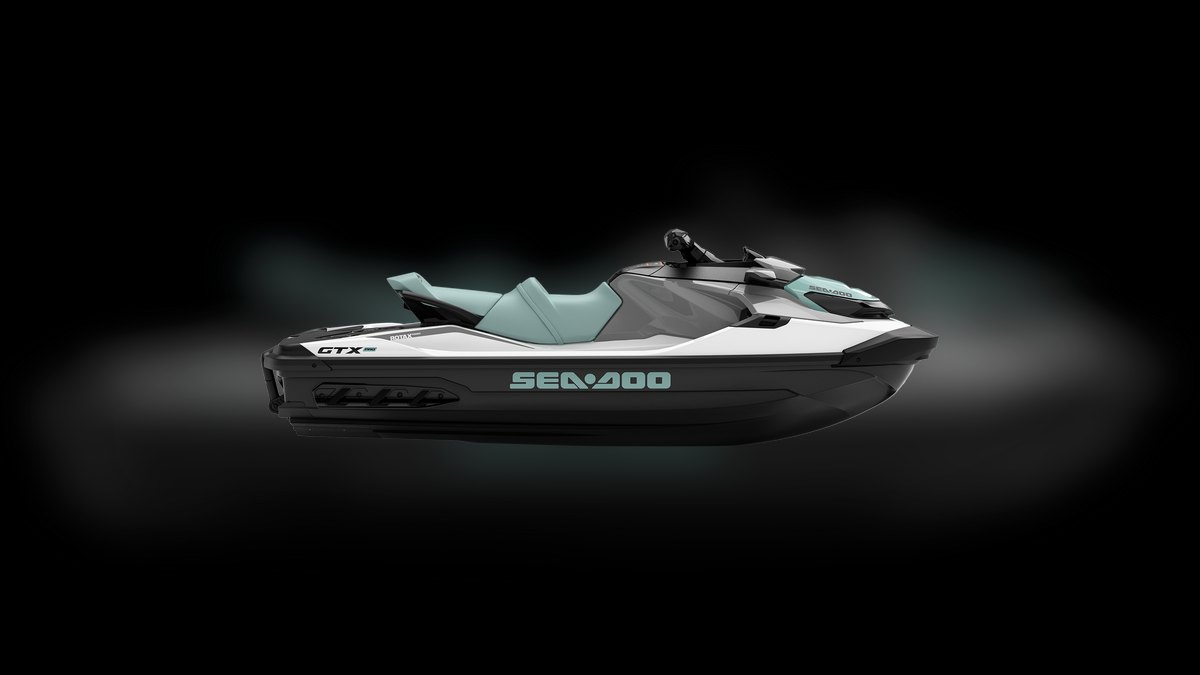
The 10 best personal watercraft (jet skis) 2027 are ranked below on measured performance, build quality, price, and how each one actually holds up in daily use rather than how it reads on a spec sheet. Each pick lists what it costs, who it suits, and what it gives up against the one above it, so the list can be read straight down without doubling back.
1. Sea-Doo GTX 300
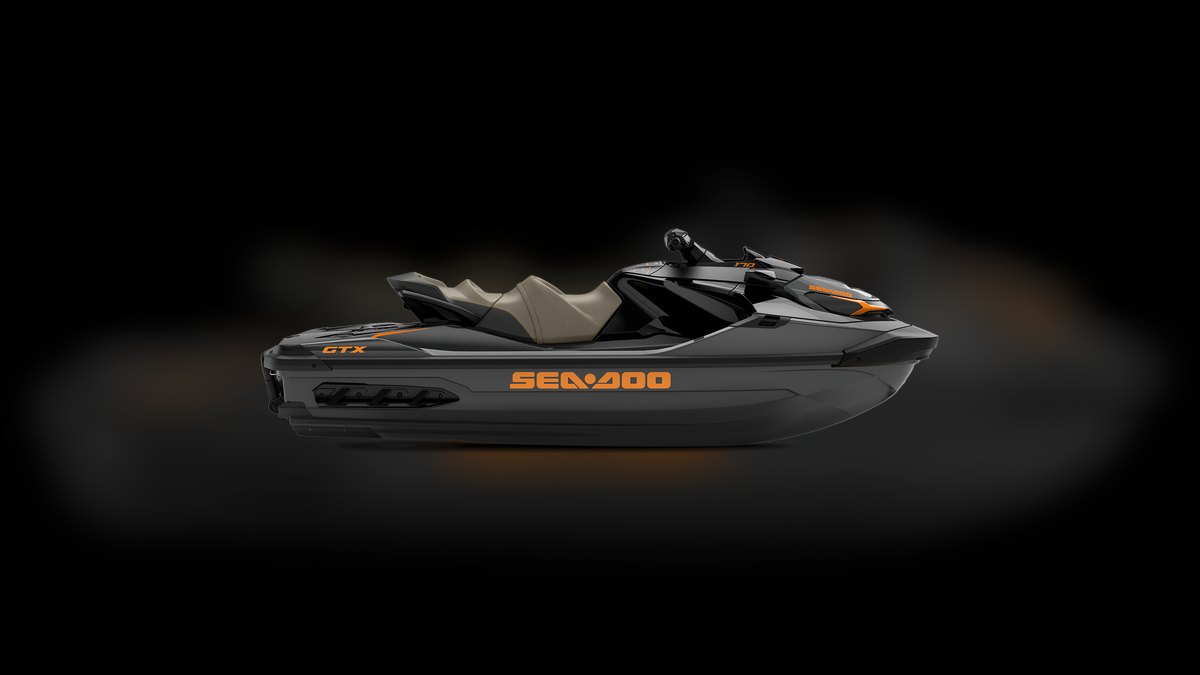
The Sea-Doo GTX 300 ranks first because it pairs the most horsepower in a touring craft with the best safety tech and biggest storage in its price class. The supercharged Rotax 1630 ACE engine makes 300 hp, pushing the stable ST3 hull to roughly 67 mph. A 15.9-gallon fuel tank, 40.5 gallons of storage, iBR braking, and a 7.8-inch display round out a package with no major weakness for everyday touring or family use.
This craft suits families and touring riders who want one machine that handles cruising, towing, and long days on the water without swapping skis. It trades away the razor-sharp cornering of a dedicated sport model for a planted, predictable ride. Against the Yamaha FX Cruiser SVHO ranked below, it wins on horsepower and braking, while the Yamaha counters with more fuel capacity and slightly more storage.
2. Yamaha FX Cruiser SVHO
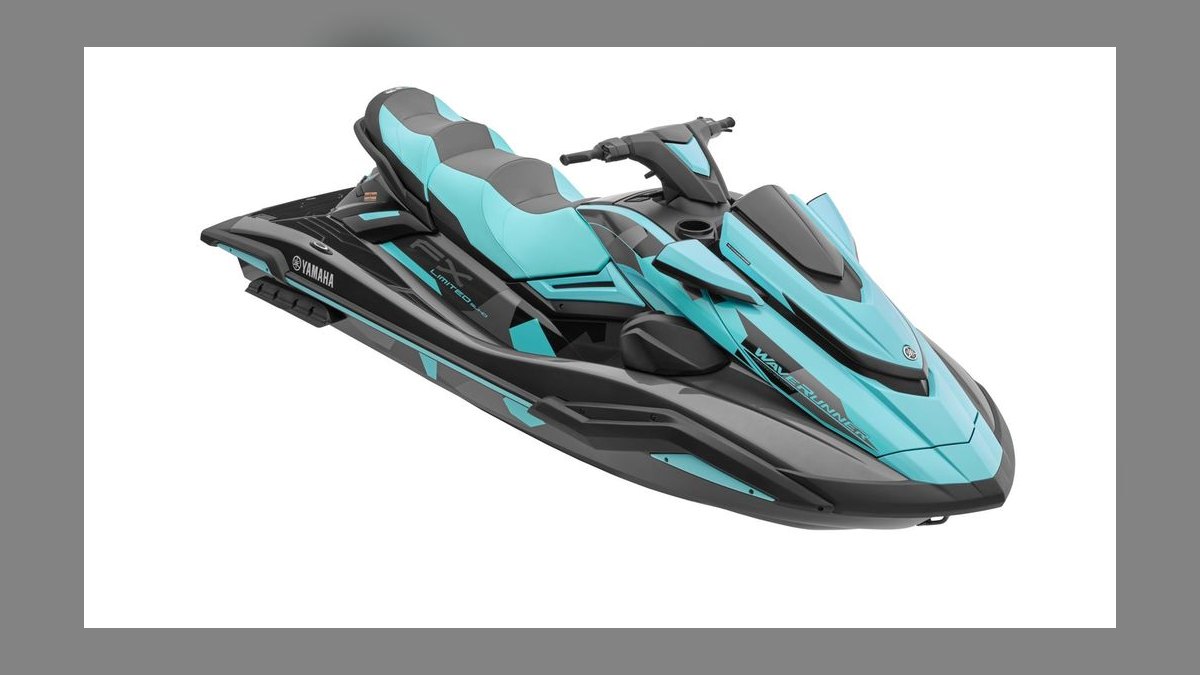
The Yamaha FX Cruiser SVHO ranks second on the strength of its long-range touring capability and refined ride quality. Its supercharged 1.9L SVHO engine makes about 250 hp for a top speed near 67 mph on the lightweight NanoXcel2 hull, while an 18.5-gallon fuel tank is the largest in this lineup. A Connext 7-inch touchscreen, adjustable handlebars, and RiDE dual-throttle braking add ergonomic and safety polish.
This model suits riders who value range and comfort over outright acceleration, with a plush two-tier seat and 44.3 gallons of storage for multi-day trips. It gives up the GTX 300's higher horsepower and slightly more advanced braking system. Where the Sea-Doo above is the better all-rounder, the FX Cruiser SVHO wins for extended excursions where fuel stops are scarce.
3. Sea-Doo RXP-X 325
The Sea-Doo RXP-X 325 lands third as the most powerful production personal watercraft, built purely for acceleration and cornering. Its supercharged Rotax 1630 ACE engine produces a class-leading 325 hp, launching the aggressive T3-R hull to a top speed near 70 mph. An ergonomic race seat, adjustable handlebars, iBR braking, and launch control keep that power usable through hard turns rather than just in a straight line.
This craft suits experienced performance riders chasing top-end speed and sharp handling above comfort or cargo room. It trades away the storage and plush ride of the touring models ranked above it, making long days punishing. Compared with the Yamaha GP HO below, it delivers far more power but at a higher price and heavier maintenance burden, making it a performance investment rather than an all-rounder.
4. Yamaha GP HO
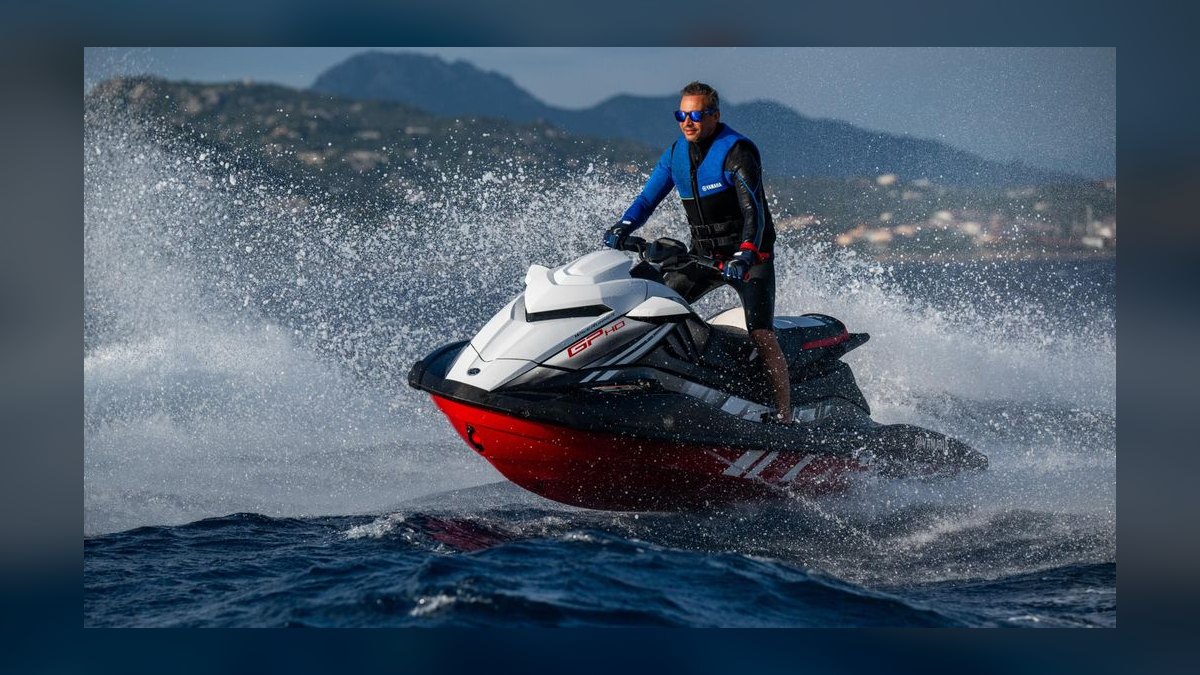
The Yamaha GP HO ranks fourth for race-bred handling and a strong power-to-value ratio without a supercharger's upkeep. Its naturally aspirated 1.9L HO engine makes about 200 hp, reaching a top speed near 62 mph on the sharp-cornering GP hull. An 18.5-gallon fuel tank gives excellent range for a sport model, RiDE braking adds a safety layer, and a starting price of $13,499 keeps flagship-level handling accessible.
This craft suits sport riders who want agile, responsive handling for buoy racing without premium fuel costs or supercharger maintenance. It trades away the raw power of the RXP-X 325 above, but its lighter weight and predictable cornering make it usable across a wider range of skill levels, making it the more approachable sport pick of the two.
5. Kawasaki Ultra 310LX
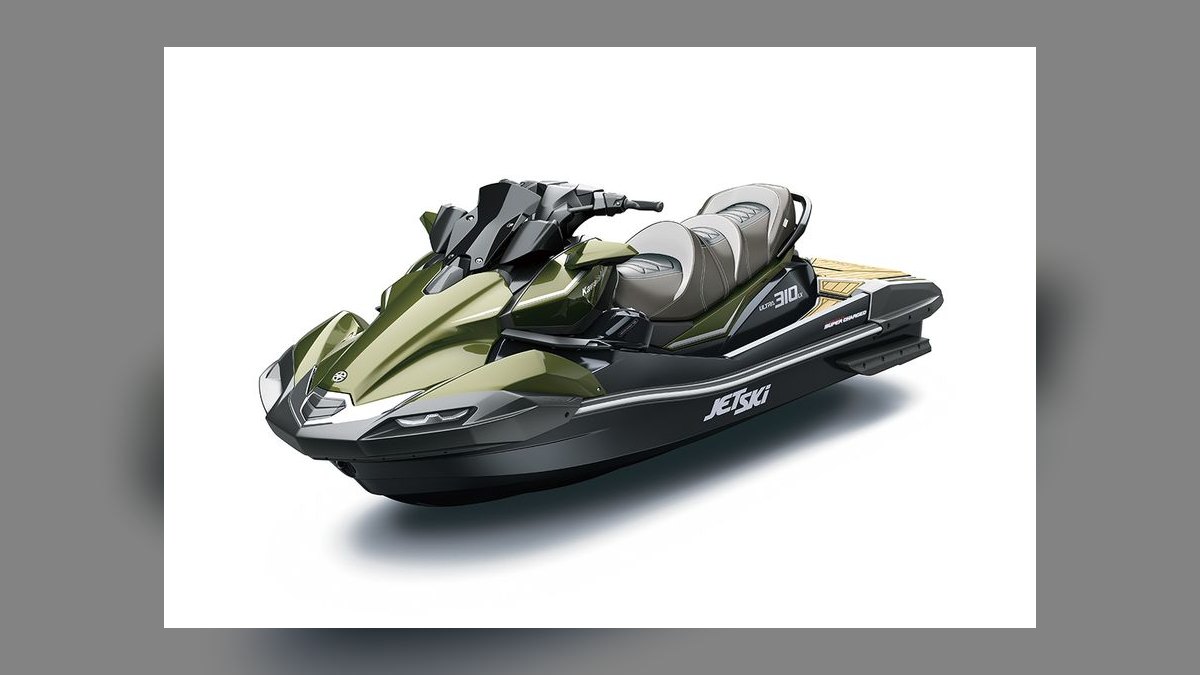
The Kawasaki Ultra 310LX ranks fifth on unmatched big-water stability, range, and cargo capacity. Its supercharged 1,498cc inline-four makes 310 hp, driving the class's largest and heaviest hull to a top speed near 67 mph. A 20.6-gallon fuel tank and 56 gallons of storage are the most generous figures in this comparison, making it the strongest choice for offshore trips that demand carrying gear over distance.
This model suits riders tackling open water who need a dry, planted platform for extended runs. It trades away the braking systems on the Sea-Doo and Yamaha models above, a real consideration for docking and emergency stops. Against the Yamaha GP HO above, it offers vastly more storage and range but is heavier and less agile, making it a dedicated cruiser rather than a sport machine.
6. Yamaha VX Cruiser HO
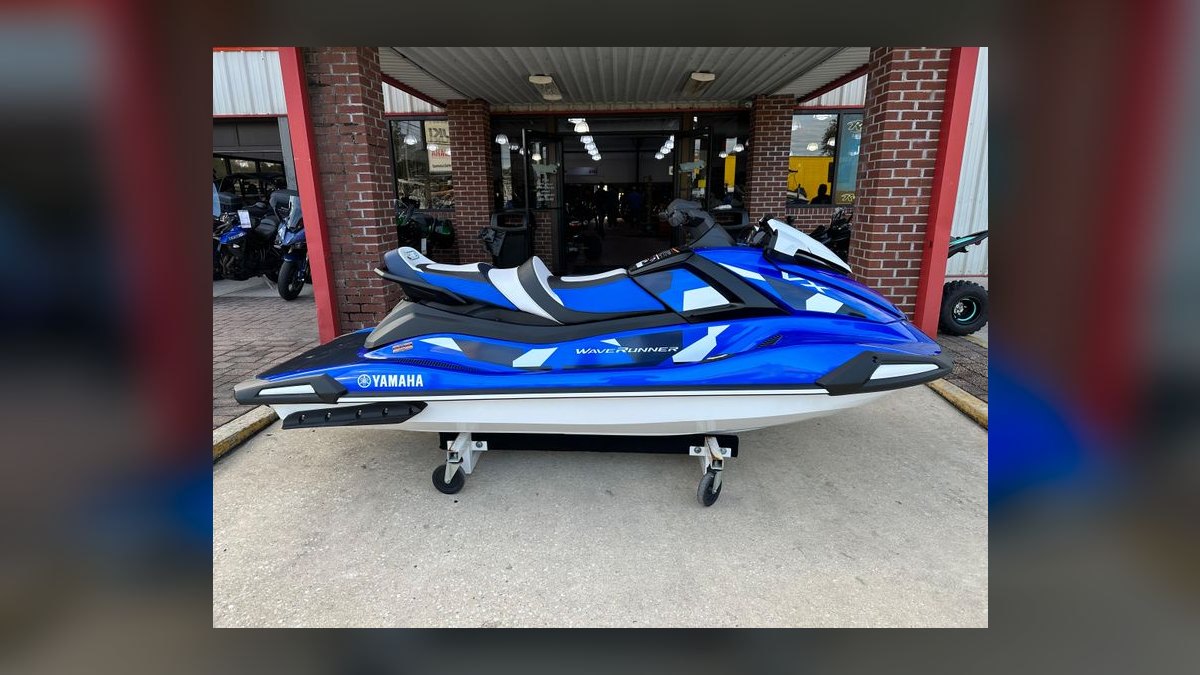
The Yamaha VX Cruiser HO ranks sixth as the best-selling recreational platform, balancing reliability, comfort, and value. Its naturally aspirated 1.9L HO engine makes about 180 hp for a top speed near 60 mph on a forgiving, stable hull. An 18.5-gallon fuel tank supports long days on the water, and RiDE braking plus a Connext 4.3-inch display keep the family-focused feature set practical rather than flashy.
This craft suits families wanting a do-it-all machine for tubing, cruising, and light towing without a supercharger's complexity. It gives up the power and premium features of the Kawasaki Ultra 310LX ranked above, but its lower price and simpler maintenance make it the more practical ownership choice for value-conscious buyers prioritizing reliability over top-end performance.
7. Kawasaki STX 160LX
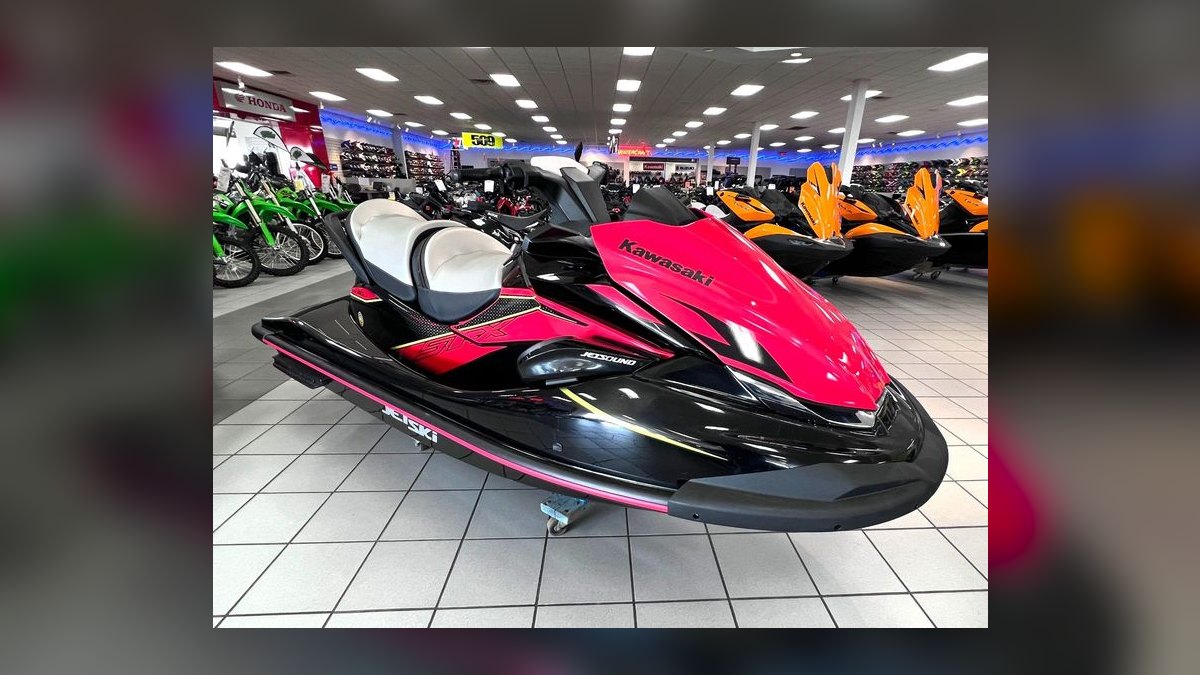
The Kawasaki STX 160LX ranks seventh for pairing a large, stable hull and long range with a budget-friendly price. Its naturally aspirated 1,498cc inline-four makes 160 hp for a top speed near 62 mph, and a 20.6-gallon fuel tank is among the biggest in this class. The LX trim adds JETSOUND Bluetooth audio, mirrors, and a fuel-economy mode on top of the base three-seat layout.
This craft suits budget-minded families wanting a full-size, low-maintenance three-seater. It trades away the braking system and more refined electronics of the Yamaha VX Cruiser HO above, a drawback in crowded marinas. Its larger fuel tank and storage give it an edge for longer excursions, making it a strong value pick for buyers who prioritize range and simplicity over advanced features.
8. Sea-Doo GTI SE 170
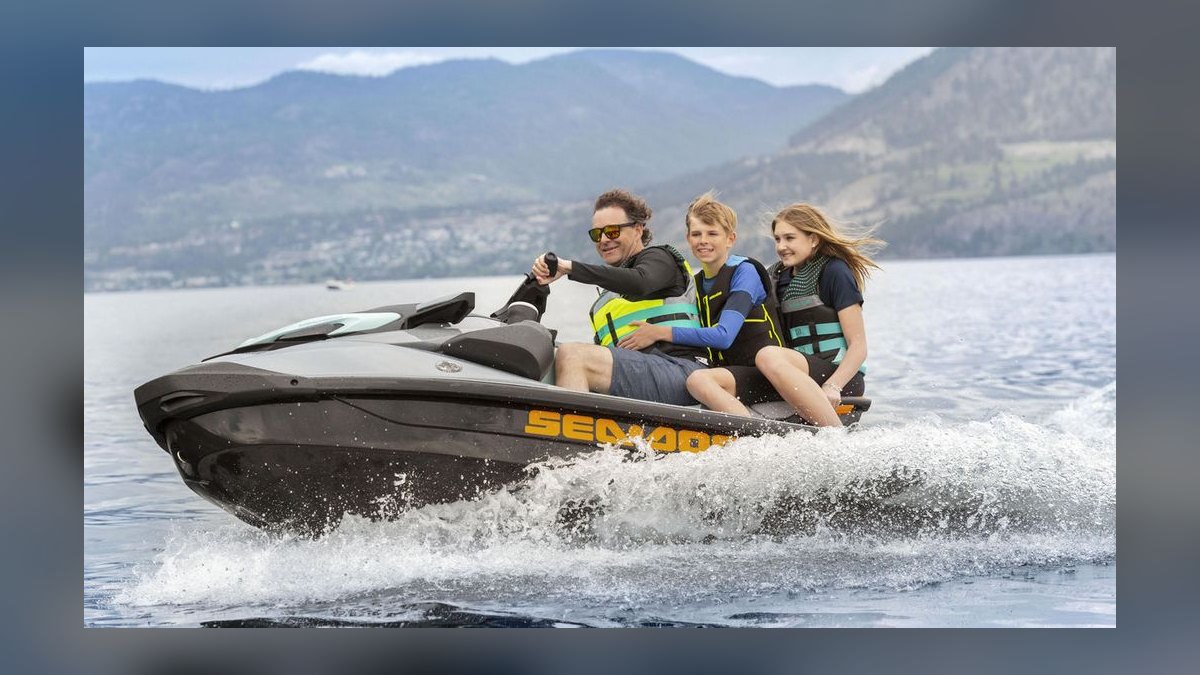
The Sea-Doo GTI SE 170 ranks eighth for a stable, beginner-friendly ride backed by iBR braking at a mid-tier price. Its naturally aspirated Rotax 1630 ACE engine makes 170 hp for a top speed near 56 mph on the easy-turning GTI hull. A 15.9-gallon fuel tank and 30.8 gallons of storage cover day trips, while a wide touring seat and adjustable handlebars add comfort for new riders.
This model suits families and first-time buyers who want braking-system confidence in a stable, full-size craft. It trades away the higher top speed and larger fuel tank of the Kawasaki STX 160LX above, but its safety features and smoother handling make it a more reassuring pick for novices learning the controls.
9. Sea-Doo Spark 2-Up
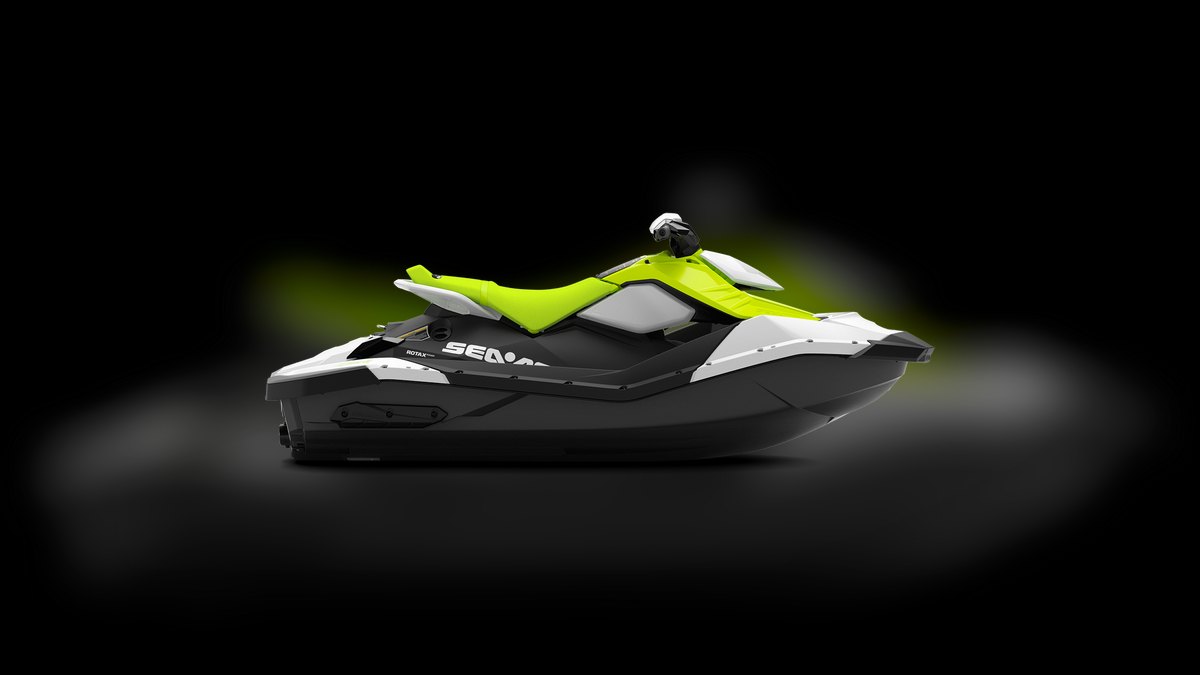
The Sea-Doo Spark 2-Up ranks ninth as the best value pick, delivering genuine jet ski fun at the lowest entry price and lightest weight here. Its Rotax 900 ACE engine makes 60 hp (90 hp with the HO option) for a top speed near 50 mph on a featherweight Polytec hull weighing just 425 lb dry. A 7.9-gallon fuel tank and minimal storage suit short, spirited rides rather than touring.
This craft suits first-time buyers and budget-conscious riders who want a light, easy-to-tow machine. It trades away the comfort, storage, and top speed of the Sea-Doo GTI SE 170 above, ruling out long tours or rough-water passengers. Its low running costs and playful handling still make it the most fun-per-dollar option for casual lake use.
10. Sea-Doo Spark Trixx
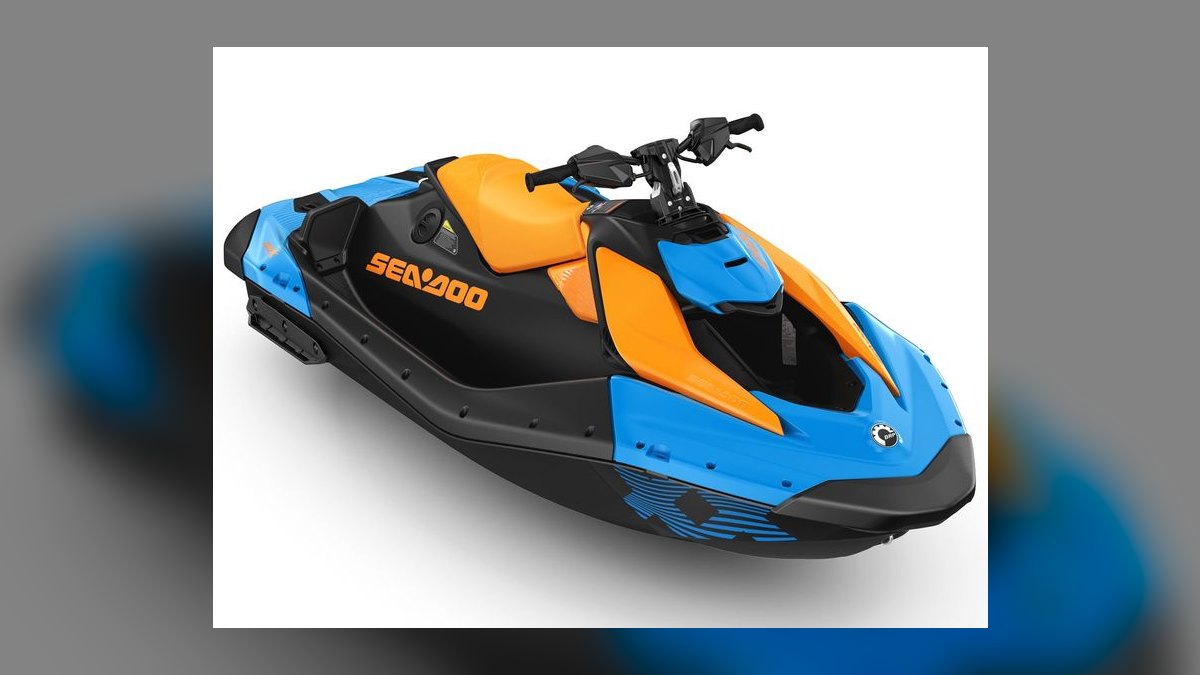
The Sea-Doo Spark Trixx rounds out the list as a dedicated trick-riding specialist rather than an all-purpose craft. Its Rotax 900 ACE HO engine makes 90 hp for a top speed near 50 mph on an extremely light 439-lb hull. Extended-range VTS for nose-up wheelies, an adjustable riser bar, and step wedges are purpose-built for freestyle moves, and iBR braking keeps stunt attempts safer.
This model suits thrill-seekers and budget trick riders who want to carve tight turns and perform stunts, not tour or cruise with family. It trades away the minimal storage of the Spark 2-Up above for stronger trick capability, but neither craft in this pair functions as a practical all-rounder for everyday use.
How we ranked these
We weighted each personal watercraft against six criteria drawn from what real shoppers and dealers report caring about: build quality and reliability (25%), on-water performance (20%), value and price (15%), comfort and layout (15%), features and technology (15%), and resale value (10%). Data came from Boating Magazine, BoatTEST, Discover Boating, boats.com, Watercraft Journal, and manufacturer specifications from Sea-Doo, Yamaha, and Kawasaki, focused on confirmed 2026-2027 model-year figures rather than projections.
We deliberately ignored marketing hype, brand loyalty, and minor spec gaps like a 2-3 mph top-speed difference, since those rarely change how a craft feels after the first season. Dealer incentives, regional pricing swings, and aftermarket accessories were also excluded because they vary by buyer and location. The goal was a ranking that holds up against real ownership costs, not promotional claims or short-lived trends that fade once the newness wears off.
What to look for
What actually matters is matching the craft to primary use, not chasing horsepower. Families should prioritize braking systems like Sea-Doo iBR or Yamaha RiDE, 40+ gallons of storage, and a stable hull. Performance riders should weight horsepower and hull sharpness over comfort, accepting a stiffer ride. Budget buyers should look at dry weight and running costs first. Fuel capacity matters too — bigger tanks mean fewer stops, and resale favors Sea-Doo and Yamaha over Kawasaki.
The biggest mistake is buying on horsepower alone. Shoppers pick a 300-hp supercharged model for speed, then discover it wants premium fuel, more maintenance, and a harsh ride for casual cruising. Others buy the cheapest Spark and find its limited storage and 60-hp base engine feel underpowered with two adults aboard. Assess passenger count, towing needs, and storage first, then test ride — and factor in trailer weight against your tow vehicle's actual rated capacity.
Related questions
What is the most reliable jet ski brand for 2027?
Yamaha and Sea-Doo lead on reliability, with naturally aspirated models like the Yamaha VX Cruiser HO and Sea-Doo GTI SE 170 offering proven, low-maintenance engines. Kawasaki's STX 160 is also dependable. Supercharged engines deliver more power but demand more upkeep. For long-term ownership with fewer surprises, choose a non-supercharged 160-200 hp model from one of these three brands.
How much should I budget for a new jet ski in 2027?
Entry-level models like the Sea-Doo Spark start around $6,499, while mid-range recreational craft such as the Yamaha VX Cruiser HO and Kawasaki STX 160LX run $12,799 to $13,199. Performance and touring models like the Sea-Doo RXP-X 325 and Yamaha FX Cruiser SVHO cost $18,000 to $19,300. Budget extra for a trailer, safety gear, storage, and applicable sales tax.
What is the fastest production jet ski in 2027?
The Sea-Doo RXP-X 325, with its supercharged 325-hp Rotax engine, is the fastest at a top speed near 70 mph. The Sea-Doo GTX 300 and Yamaha FX Cruiser SVHO follow at roughly 67 mph. These figures reflect ideal conditions with a lightweight rider — real-world speed drops with passengers, cargo, and rough water.
Are jet skis with braking systems worth the extra cost?
Yes, especially for families and new riders. Sea-Doo's iBR and Yamaha's RiDE significantly shorten stopping distances and improve low-speed control, which makes docking and emergency stops safer. Kawasaki currently doesn't offer this feature on its lineup. The added confidence and safety margin justify the cost, particularly if you ride in crowded marinas or carry passengers regularly.
What is the best jet ski for towing a skier or tuber?
Choose a naturally aspirated engine for smooth power delivery and a rated tow hook. The Yamaha VX Cruiser HO (180 hp) and Sea-Doo GTI SE 170 (170 hp) both offer strong torque and stability for towing. The Sea-Doo GTX 300 also works well but costs more. Favor a model with iBR or RiDE for safer stops while towing.
How much storage do I need on a jet ski for a day trip?
For a day trip with two people, aim for at least 20-30 gallons of storage. The Yamaha VX Cruiser HO offers 24.6 gallons and the Sea-Doo GTI SE 170 has 30.8 gallons. For longer tours, step up to the Sea-Doo GTX 300 at 40.5 gallons or the Kawasaki Ultra 310LX at 56 gallons. The Spark's minimal storage suits short rides only.
Can I tow a jet ski with a small car?
Yes, if the jet ski is lightweight. The Sea-Doo Spark (425-439 lb dry) can be towed by many small SUVs and even some compact cars, as long as combined trailer weight stays within the vehicle's rated towing capacity. Heavier models like the Kawasaki Ultra 310LX (1,047 lb) need a full-size SUV or truck. Always check your vehicle's actual rated number, not the advertised max.
What is the difference between supercharged and naturally aspirated jet skis?
Supercharged engines, roughly 300-325 hp, deliver significantly more acceleration and top speed but require premium fuel, more frequent maintenance, and higher running costs. Naturally aspirated engines, around 160-200 hp, are simpler, cheaper to maintain, and more fuel-efficient, making them better suited to families and recreational riders. Choose based on whether you value outright speed or lower long-term ownership costs.
FAQ
Which personal watercraft is the best overall for 2027?
The Sea-Doo GTX 300 takes our top spot for balancing a 300-hp Rotax engine, class-leading iBR braking, 40.5 gallons of storage, and a stable touring hull with no major weakness. It suits families and touring riders who want one craft that handles everything well, from calm-day cruising to rougher water, despite its premium price tag compared to entry models.
What is the best value jet ski?
The Sea-Doo Spark 2-Up, starting around $6,499, delivers genuine on-water fun at the lightest dry weight in its class, about 425 lb, with very low running costs. It's ideal for first-time buyers who want a real jet ski without a five-figure check, though its storage is minimal and the 60-hp base engine feels underpowered with two adults aboard.
What is the most powerful jet ski available in 2027?
The Sea-Doo RXP-X 325, with its supercharged 325-hp Rotax engine, is the most powerful production PWC on the market. It reaches a top speed near 70 mph and uses a race-tuned hull for aggressive cornering. The tradeoff is a stiffer ride and higher running costs from premium fuel and more frequent maintenance.
Which jet ski has the largest fuel tank?
The Kawasaki Ultra 310LX and Yamaha FX Cruiser SVHO offer the largest tanks in this class, at 20.6 and 18.5 gallons respectively. The Kawasaki also leads on storage with 56 gallons. Both are built for long-distance touring and offshore runs where fuel stops are scarce and range matters more than agility.
Are there jet skis with braking systems?
Yes. Sea-Doo's iBR and Yamaha's RiDE are available on many models, including the Sea-Doo GTX 300, RXP-X 325, and GTI SE 170, plus the Yamaha FX Cruiser SVHO, GP HO, and VX Cruiser HO. Kawasaki does not currently offer a dedicated braking system on any model in its lineup, which is worth weighing for docking and low-speed control.
What is the lightest jet ski for easy towing?
The Sea-Doo Spark 2-Up is the lightest mainstream PWC at roughly 425 lb dry, with the Spark Trixx close behind at about 439 lb. Both tow easily behind small SUVs and are simple to manage alone at the ramp. Heavier models like the Kawasaki Ultra 310LX, at 1,047 lb, need a stouter vehicle and usually two people to launch.
Which jet ski is best for beginners?
The Sea-Doo GTI SE 170 is an excellent beginner choice thanks to its stable, easy-turning hull, iBR braking, and a 170-hp naturally aspirated engine that stays forgiving yet capable. The Yamaha VX Cruiser HO is another strong option, pairing reliable performance with RiDE braking. Both are comfortable, predictable, and genuinely safer for new riders learning the basics.
What is the best jet ski for tricks and freestyle riding?
The Sea-Doo Spark Trixx is purpose-built for tricks, with extended-range VTS for nose-up wheelies, an adjustable riser bar, and step wedges for stand-up moves. Its featherweight hull, about 439 lb, and 90-hp engine make it highly maneuverable and genuinely fun for budget-minded thrill-seekers who want to progress past basic cruising.
How much does it cost to maintain a supercharged jet ski?
Supercharged models like the Sea-Doo RXP-X 325 and Kawasaki Ultra 310LX need premium fuel, more frequent oil changes, and periodic supercharger service, which can add several hundred dollars a year. Naturally aspirated models, such as the Yamaha VX Cruiser HO, are simpler machines with lower fuel bills and cheaper, less frequent service intervals overall.
What is the best jet ski for offshore and rough water?
The Kawasaki Ultra 310LX is the top pick for big water, thanks to its heavy, stable hull at 1,047 lb, a massive 20.6-gallon fuel tank, and 56 gallons of storage. It stays dry and planted in chop, making it ideal for offshore runs, though it lacks a braking system found on rival Sea-Doo and Yamaha models.
Sources
- https://www.boatingmag.com/
- https://boattest.com/
- https://www.discoverboating.com/
- https://www.boats.com/
- https://watercraftjournal.com/
- https://www.sea-doo.com/
- https://www.yamahamotorsports.com/
- https://www.kawasaki.com/
Related on PULSE
- [More personal watercraft (jet skis) 2027 rankings and buying guides](/knowledge)
- [PULSE Tools and calculators](/tools)
- [Everything on PULSE RevOps](/)
 pulse-reviewsTop 10 Cabin Cruiser Boats 2027
 pulse-aquariumsTop 10 Canister Filters 2027
 aqTop 10 Hang-On-Back Aquarium Filters 2027
 pulse-aquariumsTop 10 Aquarium Filters 2027
 pulse-toolsWhat Service Fees Should a Law Firm Charge?
 pulse-toolsHow Many Staff Should I Schedule Each Shift at My BBQ Restaurant?
 pulse-toolsHow Many Staff Should I Schedule Each Shift at My Sushi Restaurant?
 pulse-moviesTop 10 Action Movies of All Time in 2027
 pulse-toolsHow Many Sales Reps Do I Need to Hire for My Window Replacement Company?
 pulse-toolsHow Many Employees Should I Schedule Each Shift at My Bowling Alley?