
Is the 2027 Grady-White 275 Freedom worth the premium over the 2027 Pursuit OS 285?
 PULSEKNOWLEDGE LIBRARY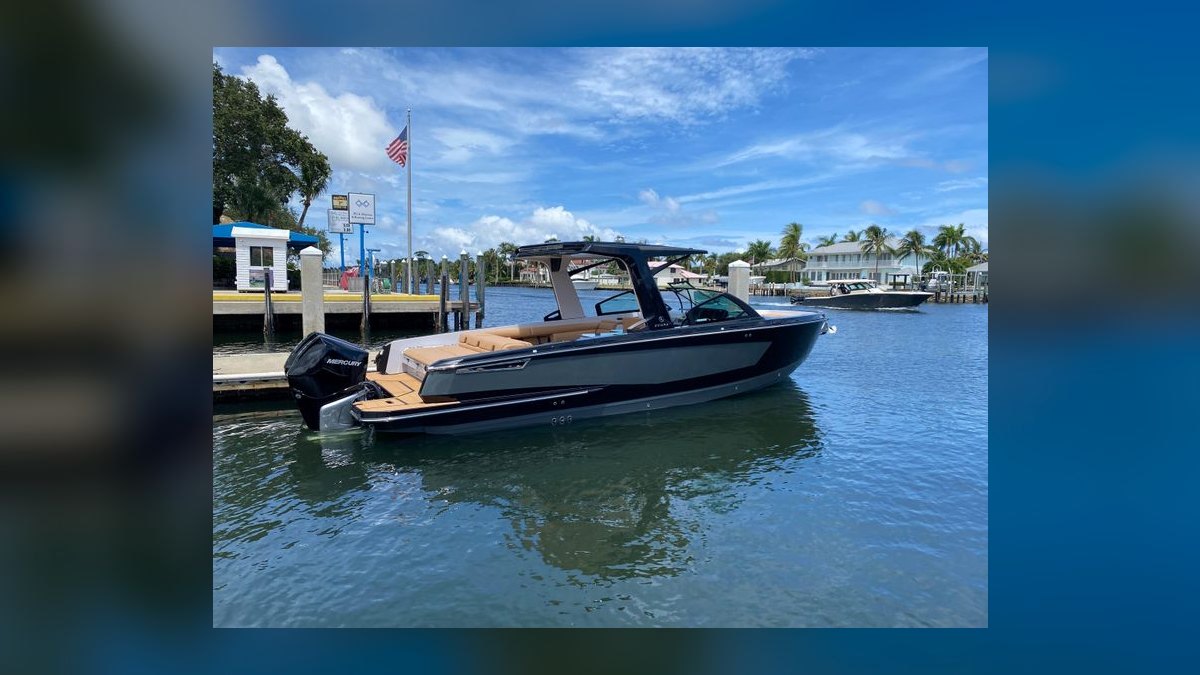
It depends — on how you actually use the boat. The 2027 Grady-White 275 Freedom typically commands a premium for its dual-console family versatility, legendary hull quality, and class-leading resale, while the 2027 Pursuit OS 285 is an offshore-oriented center console built for serious fishing. If your priority is mixed family cruising plus fishing with dry, protected seating, the Grady's premium is often justified; if you're a dedicated offshore angler who wants 360-degree fishability, the Pursuit is arguably the better value even at a similar price.
Choosing between these two is less about which boat is "better" in the abstract and more about matching hull layout, resale math, and dealer support to your real-world boating pattern. Below we break down the categories that actually move the decision — build quality, layout intent, resale, total cost of ownership, and buyer fit — so the "premium" question resolves into a concrete answer for *your* situation rather than a brand loyalty argument.
What actually separates the Grady-White 275 Freedom from the Pursuit OS 285?
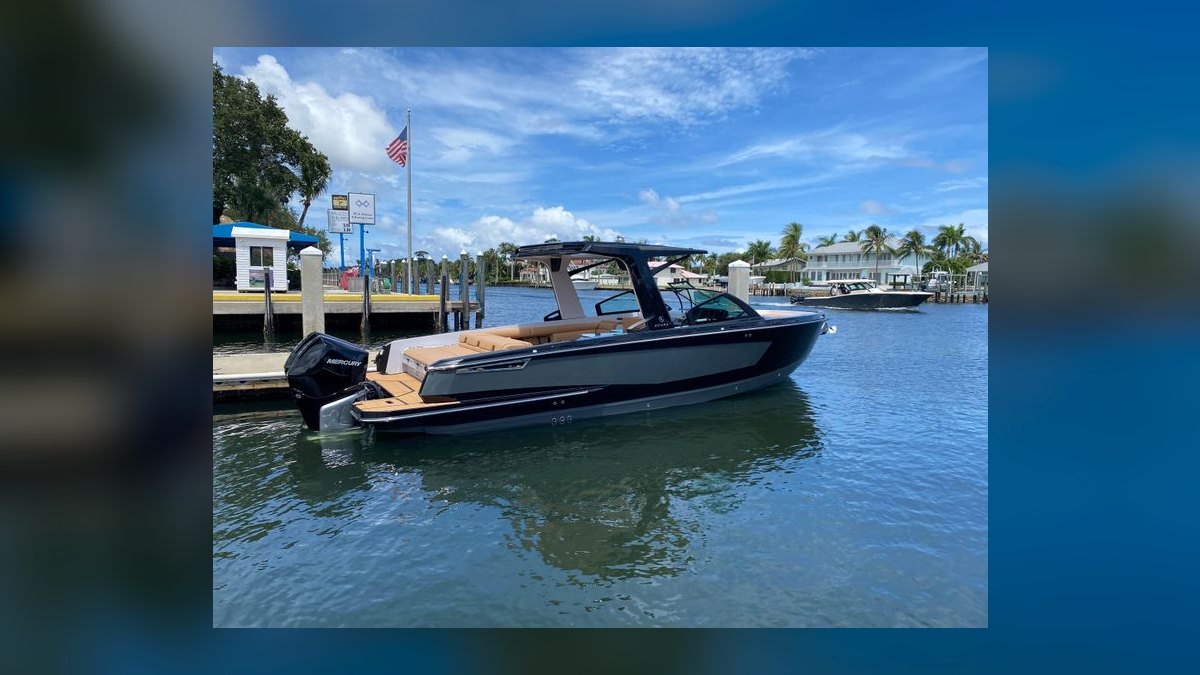
The most important distinction is hull *type*, not just brand. The Grady-White 275 Freedom is a dual console — a bow-seating, windshield-protected layout with a walkthrough that keeps passengers dry and comfortable, making it a strong family and day-cruising platform that can still fish capably. The Pursuit OS 285 sits in Pursuit's Offshore Series as a center console, a layout purpose-built for walk-around fishability, casting room, and open deck access on all sides. Comparing them is genuinely a cross-category comparison, which is why raw price is a misleading yardstick.
Both builders occupy the premium tier of the fiberglass outboard market, so you are not choosing between a budget and a luxury boat — you are choosing between two philosophies of a premium boat. Grady-White leans into all-weather family versatility and a reputation for a soft, dry ride from its SeaV2 variable-degree hull. Pursuit leans into offshore fishing pedigree, hardtop-forward rigging, and the fit-and-finish lineage it shares as part of the same corporate family that builds Tiara yachts. Understanding these design intents up front prevents the classic mistake of buying the "nicer badge" and discovering the layout fights how you boat. For a broader framing on how to weigh trade-offs like this, see the buying-decision guidance at https://pulserevops.com/knowledge/aq1158.
Is the Grady-White's build quality and resale premium worth paying for?
Grady-White has one of the strongest resale reputations in the outboard boat market, and that is the single biggest financial argument for paying its premium. Boats depreciate, but a brand that holds value more slowly effectively refunds part of that premium when you sell. If you tend to trade boats every several years, a slower depreciation curve can make a higher sticker price cheaper on a total-cost-of-ownership basis than a "cheaper" boat that sheds value faster. This is where the premium stops being a vanity cost and becomes a math problem worth running honestly.
That said, Pursuit is also a premium, well-regarded builder with strong resale of its own — it is not a discount alternative whose value collapses. The gap in resale between two top-tier brands is real but narrower than the gap between either of them and a mass-market builder. So the resale argument favors the Grady-White at the margin, not overwhelmingly. The decision framework below shows how to convert these soft reputational factors into a defensible choice.

The flow above matters because the "worth the premium" question is really two questions stacked: *does the boat fit your use*, and *does the money math survive contact with your ownership horizon*. A buyer who keeps a boat fifteen years cares far less about resale spread and far more about which hull rides the way they like on their home waters.
How should offshore fishing versus family use drive the choice?
If you fish offshore seriously, the Pursuit OS 285's center-console layout gives you fishability the dual-console Grady simply can't match — clear walkaround access, room to fight fish around the entire cockpit, and a rigging-first deck plan. Center consoles are the default offshore choice for a reason: they put the angler, not the passenger, at the center of the design. For a buyer whose weekends are about tuna, mahi, or bottom fishing well past the inlet, the Pursuit's design intent aligns directly with the mission, and paying a Grady premium for a layout that fishes less effectively would be money spent against your own use case.

Conversely, if your typical outing is a family day — kids in the bow, a run to a sandbar, some trolling on the way home, and a strong preference for staying dry and out of the wind — the 275 Freedom's protected dual-console layout is the more livable boat. The windshield, walkthrough, and bow seating turn choppy or cool-weather days into comfortable ones, extending your usable season. Many buyers over-index on fishing capability they rarely use and under-value the comfort that determines how *often* the family actually wants to go out. Honest self-assessment of your real outings — not your aspirational ones — is the most valuable input to this decision. The comfort-versus-capability trade-off is explored further at https://pulserevops.com/knowledge/q11133.
What does total cost of ownership look like beyond the sticker premium?
The purchase premium is only the first line of the spreadsheet. Both boats are typically rigged with twin outboards, and running costs — fuel, insurance, storage, winterization, and routine service — scale with size and power rather than with badge. Because these two boats are close in size and both premium-built, their *operating* costs tend to land in a similar range, which means the sticker premium is the main financial variable rather than a proxy for years of higher bills. That's actually good news: it makes the premium a one-time, quantifiable decision rather than a recurring tax.

Depreciation, however, is the quiet giant of ownership cost, and it usually dwarfs fuel over a typical ownership period. This is where the Grady-White resale strength can partially or fully offset its higher entry price, especially for buyers on a shorter ownership horizon. The chart below sketches how the two cost curves can converge or cross over time — the exact numbers depend on your region, usage hours, and how the used market moves, so treat it as a way of thinking rather than a forecast.
The practical takeaway: run the numbers on *your* likely ownership length before letting the sticker premium scare you off — or seduce you. A premium that looks large on day one can shrink dramatically once you account for what each boat returns at trade-in. Dealer relationships and parts availability in your area also feed this equation, since a nearby, well-run dealer lowers the real cost and hassle of ownership regardless of which hull you choose. More on framing recurring-cost decisions lives at https://pulserevops.com/knowledge/aq1158.

Which buyer profile should choose which boat?
The cleanest way to resolve the premium question is to map yourself onto a buyer profile. The Grady-White 275 Freedom buyer is typically a family-first owner who wants one boat to do cruising, sandbar days, watersports, and competent fishing — someone who values a dry, protected ride, strong resale, and a boat that keeps everyone aboard comfortable across a wide weather window. For this buyer, the premium buys genuine, frequently-used comfort and a resale cushion, and it is usually worth it.
The Pursuit OS 285 buyer is typically a fishing-first owner who wants offshore capability, walkaround fishability, and a rigging-forward hardtop platform, and who still gets premium fit and finish from a respected builder. For this buyer, paying a Grady premium for a less fish-focused layout would be spending against their own priorities — the Pursuit is not the "cheaper compromise," it's the *correct tool*. The premium question, properly asked, isn't "which brand is better," it's "which boat is built for the days I actually spend on the water," and once you answer that honestly the money usually sorts itself out.

Related questions
Is Grady-White worth the higher resale reputation it carries?
Generally yes — Grady-White consistently holds value well in the used market, which can offset a meaningful portion of its higher purchase price, especially for owners who resell within a few years rather than keeping the boat for decades.
Is a dual console or a center console better for offshore fishing?
For dedicated offshore fishing, a center console like the Pursuit OS 285 is usually better because it offers 360-degree walkaround fishability. A dual console like the 275 Freedom trades some fishability for a drier, more protected family layout.
Are Grady-White and Pursuit in the same quality tier?
Yes. Both are premium fiberglass outboard builders with strong reputations for construction and finish. The choice is about layout philosophy and resale nuance, not a quality gap between a luxury and a budget brand.
Does a bigger sticker price mean higher running costs?
Not necessarily. For two similarly sized, similarly powered premium boats, fuel, insurance, and maintenance land in comparable ranges. The premium is mostly a one-time purchase difference rather than a signal of higher recurring costs.
Should I prioritize dealer support over the boat itself?
Dealer quality and proximity matter a lot. A strong local dealer lowers real ownership cost and hassle, so a slightly less ideal boat with excellent nearby support can beat a "perfect" boat with distant, weak service.
FAQ
Is the 2027 Grady-White 275 Freedom a fishing boat or a family boat? It's a versatile dual console that leans toward family and all-weather cruising while remaining capable of fishing. The protected windshield-and-walkthrough layout keeps passengers dry, and it can still troll, bottom fish, and handle inshore-to-nearshore angling well, but it is not as single-mindedly optimized for offshore fishing as a dedicated center console.
Is the 2027 Pursuit OS 285 a good offshore boat? Yes. As part of Pursuit's Offshore Series, the OS 285 is designed with offshore fishing as its primary mission — a center-console layout with walkaround fishability, a hardtop-forward rigging plan, and the deck access serious anglers want. It's a purpose-built fishing platform from a premium builder.
Why does Grady-White cost more? Grady-White commands a premium for its long-standing reputation for hull quality, a soft and dry ride from its variable-deadrise hull design, strong build integrity, and class-leading resale value. Part of what you pay for is the resale cushion, which can return a meaningful share of the premium at trade-in.
Will the Pursuit OS 285 hold its value? Pursuit is a respected premium builder and its boats generally hold value well, though Grady-White's resale reputation is often considered marginally stronger. The resale gap between two top-tier brands is real but narrower than the gap between either and a mass-market builder, so the Pursuit is not a value-collapse risk.
Which boat is better for mixed use — some fishing, some family? For a genuine mix that skews toward family comfort with occasional fishing, the 275 Freedom's dual-console layout is usually the better all-rounder. If the mix skews toward serious fishing with occasional family use, the OS 285's center-console fishability is the stronger fit. Decide which side of the mix dominates.
How much should resale value factor into the premium decision? It should factor heavily if you plan to resell within a few years and lightly if you plan to keep the boat long-term. Depreciation usually outweighs fuel costs over a typical ownership period, so a slower-depreciating brand can be cheaper on a total-cost basis despite a higher sticker price.
Do these two boats have similar operating costs? Broadly yes. Because they are similar in size and both premium-built with twin outboards, fuel, insurance, storage, and routine maintenance tend to fall in comparable ranges. The main financial variable between them is the upfront purchase premium and each boat's depreciation curve, not day-to-day running costs.
Should I sea-trial both before deciding? Absolutely. Ride quality, dryness, layout ergonomics, and how each boat behaves on your home waters are things spec sheets can't capture. A back-to-back sea trial in real conditions is the single best way to know whether the Grady premium feels worth it to *you*.
Sources
- Grady-White Official Site
- Pursuit Boats Official Site
- BoatUS — Boat Buying Resources
- Boat Trader — Research & Reviews
- NADA Guides / J.D. Power Boat Values
- Discover Boating (NMMA)
- BoatTEST — Boat Reviews
- Salt Water Sportsman — Boat Reviews
Related on PULSE
- [Top 10 Grady-White Models 2027](/knowledge/bt0045)
- [Best Grady-White Boat Models (Ranked) in 2027](/knowledge/bt0349)
- [Top 10 Go-Fast Boats 2027](/knowledge/bt451)
- [Top 10 Boats for Lake Erie 2027](/knowledge/bt450)
 pulse-boatsWhat is the best way to approach Boats in 2027?
 pulse-boatsHow do you get started with Boats in 2027?
 pulse-boatsIs Boats worth it in 2027?
 pulse-boatsWhat should you know before investing in Boats in 2027?
 pulse-boatsHow much does a 30-foot center console cost in 2027?
 pulse-boatsTop 10 Boats strategies for 2027
 pulse-boatsHow much does Boats cost in 2027?
 pulse-boatsWhat are the most common mistakes in Boats in 2027?
 pulse-reviewsTop 10 Cabin Cruiser Boats 2027
 pulse-boatsBest Ranger Boat Models (Ranked) in 2027