
What should you know before investing in Boats in 2027?
 PULSEKNOWLEDGE LIBRARY
Boats can be a defensible investment in 2027, but only under narrow, disciplined conditions — and for most buyers the honest answer is that a boat is a lifestyle purchase first and an investment a distant second. The overwhelming majority of production boats depreciate steadily from the moment they leave the dealer, and the ongoing costs of dockage, insurance, maintenance, and storage routinely erode any paper gains. Where boats *do* behave like investments in 2027 is in three specific pockets: genuinely scarce assets (well-kept classic and collectible craft, and top-tier luxury yachts sold through specialist brokers), income-producing assets (boats put to work through chartering, fractional platforms, or peer-to-peer rental), and forward-compatible assets (electric and low-emission boats positioned ahead of tightening environmental rules). If your candidate boat does not clearly fit one of those buckets, treat the money as spending, not investing.
Before committing capital, you should know six things. First, understand total cost of ownership, not sticker price — the annual carrying cost is the number that decides whether an investment thesis survives. Second, know which segments retain value and why. Third, understand how higher-for-longer interest rates and firmer insurance markets have raised the cost of financing and holding a boat. Fourth, know your income model in detail if you plan to charter or rent — the returns are real but thin and operationally demanding. Fifth, watch the regulatory direction of travel on emissions, because it is quietly repricing older engines. Sixth, respect timing and liquidity: boats are seasonal, illiquid assets, and buying and selling at the right point in the calendar and the cycle can swing your return by double digits. The rest of this guide walks through each of these so a reader can build a realistic thesis rather than a hopeful one.
What Are the Key Trends Shaping the Boating Market in 2027?
The 2027 boating market is being reshaped by a handful of durable forces that directly change how you should think about value.
Electrification and cleaner propulsion. Major manufacturers have broadened their electric and hybrid outboard and inboard offerings, and the direction is one-way. This is driven by a combination of emissions regulation in Europe and parts of the United States and by genuine consumer demand for quieter, low-vibration, low-maintenance boating. Electric boats remain more expensive up front and are concentrated in the recreational and premium segments, but their value proposition improves as charging and shore-power infrastructure matures at marinas. For an investor, the practical takeaway is to track battery technology closely: range, cycle life, and replacement cost are the variables that will determine whether an electric boat holds value or becomes an expensive orphan.
Boating-as-a-service and access over ownership. Peer-to-peer and on-demand platforms such as Boatsetter and GetMyBoat have normalized renting a boat for a day instead of owning one. For the mass-market entry-level segment, this suppresses ownership demand — why buy a $40,000 bowrider you use eight weekends a year when you can rent one? But the same platforms create an income channel for owners willing to operate, which is precisely where an investment case can form. The trend bifurcates the market: casual users rent, while owners increasingly need a reason (income, prestige, or genuine heavy use) to justify the capital.

Strength at the top, softness in the middle. The luxury and superyacht end continues to see robust demand from high-net-worth buyers seeking custom, technology-rich, and increasingly efficient vessels; this segment is comparatively insulated from interest-rate swings because buyers are less reliant on financing. Mid-market production boats, by contrast, are the most exposed to rate-sensitive, financed demand and see the sharpest price pressure when borrowing gets expensive.
Normalizing supply and inventory. The acute supply-chain disruptions of the early 2020s have largely eased, and dealer inventories have rebuilt from their pandemic lows. That reduces the artificial scarcity that briefly propped up used-boat prices, meaning buyers in 2027 have more negotiating leverage on common production models — and sellers of ordinary boats have less pricing power.
Taken together, these trends argue for a barbell strategy: lean toward scarce/premium assets that resist depreciation or income-producing assets that pay their own way, and be skeptical of ordinary mid-market boats bought purely on the hope of appreciation.
What Types of Boats Hold Their Value Best in 2027?
Value retention, not headline price, is the core of any boat investment thesis. Three categories consistently outperform.
Top-tier luxury yachts. Established premium builders retain value through craftsmanship, brand cachet, limited production, and a buyer pool that shops on quality rather than payment size. Kept in excellent condition and sold through brokers who specialize in the marque, these vessels depreciate far more gently than production boats — and the rarest, best-provenance examples can hold flat or firm over a holding period. The catch is that the carrying costs scale with the asset: crew, dockage, and maintenance on a large yacht are substantial.
Classic and collectible boats. Well-documented vintage craft — think heritage runabouts and wooden classics from storied American builders — behave like collectibles rather than depreciating equipment. Condition, originality, and provenance drive value, and a pristine, restoration-complete example with a paper trail can appreciate. This is the closest boats come to a true alternative-asset play, but it demands genuine expertise, meticulous storage, and patience; a botched restoration destroys value rather than adding it.
Proven electric watercraft. As the electric segment matures, boats from the credible early leaders with demonstrated range and reliability are developing real secondary markets, and they are holding up better than comparable gas boats as buyers price in future fuel and emissions costs. The risk is technology obsolescence — battery and drivetrain advances can date an older electric boat quickly — so the value case is strongest for recent, well-supported models from manufacturers likely to still exist and service the boat in five years.
At the other end, ordinary gas-powered production boats — especially those past roughly a decade old, with high engine hours or a two-stroke outboard — depreciate quickly and can become genuinely hard to sell as emissions norms tighten and buyers gravitate toward cleaner, cheaper-to-run options. Across every category, three levers move resale value: brand reputation and build quality, documented maintenance history, and hours/condition. A comprehensive service record is often worth more at resale than any cosmetic upgrade.
How Do Financing and Insurance Costs Affect Boat Investment?
Financing a boat in 2027 is meaningfully more expensive than it was during the ultra-low-rate era. Marine loans commonly run 10 to 20 years, but they typically price above comparable auto loans, and rates rise with the boat's age and fall with the borrower's credit strength. The higher rate environment does two things to an investment case: it raises your monthly carry, and it thins the pool of financed buyers when you go to sell, which pressures resale prices for rate-sensitive mid-market boats.
The most common and costly mistake is anchoring on the purchase price and underestimating total cost of ownership — dockage, maintenance, insurance, fuel or electricity, and storage. Insurance in particular has firmed considerably in recent years, driven by more frequent and severe weather events, rising repair costs for advanced electronics and electric drivetrains, and higher overall claim severity. Premiums vary widely by cruising area, storm exposure, boat value, and the operator's experience.
Several moves materially improve the math:
- Buy slightly used. A boat a few years old has already absorbed the steepest early depreciation, and you inherit that discount rather than paying it.
- Insure on agreed value, not actual cash value. Agreed-value policies pay a pre-negotiated sum in a total loss, which protects an investment far better than a depreciated cash-value settlement.
- Shop specialists. Marine-specific lenders and credit unions frequently beat general banks on marine terms, and marine insurance specialists price risk more accurately than generalist carriers.
- Reduce risk visibly. Safety and anti-theft equipment, a clean claims record, and completed boating-safety education can lower premiums.
- Bundle where it helps. Combining policies can yield discounts, though always compare against a standalone marine policy on coverage, not just price.
Model financing and insurance as recurring line items in a multi-year budget before you buy. An investment that pencils out at the sticker price frequently falls apart once realistic carrying costs are included.
What Are the Best Strategies for Generating Income From a Boat?
For most people, the only path to treating a boat as a genuine investment rather than a depreciating toy is to make it earn. Three models dominate in 2027.
Managed chartering. Handing your boat to a professional charter-management company in a strong destination can offset — and sometimes exceed — operating costs, with returns that depend heavily on location, vessel type, utilization, and season. Sought-after cruising grounds and the right hull (a comfortable catamaran, a well-equipped sportfisher, a family-friendly cruiser) command premium rates in peak season. Success is operationally real work: it requires disciplined maintenance, professional presentation, marketing or a strong management partner, and strict compliance with local maritime and commercial-use rules. Many owners find chartering covers costs rather than producing large profits — which, for an otherwise depreciating asset, can still be a win.
Fractional ownership. Sharing a high-value boat among several owners spreads the capital and carrying cost while giving each participant scheduled use. This suits expensive vessels that a single owner would badly underutilize. The trade-offs are governance and exit: you need a clear usage agreement, a maintenance-funding mechanism, and a defined process for a co-owner to sell their share.
Peer-to-peer rental. Listing your boat on a P2P platform lets you rent it out by the day or weekend, keeping flexibility for personal use. It works best with broadly appealing, easy-to-operate boats and demands attention to insurance coverage for rental use, wear-and-tear scheduling, and local regulations that may treat frequent rental as a commercial activity.
Across all three, insurance must explicitly permit commercial or rental use — a standard recreational policy can be voided by undisclosed charter activity. Tax treatment matters too: depreciation and legitimate business-expense deductions can materially improve after-tax returns when a boat is genuinely operated as a business, but the rules are specific and jurisdiction-dependent, so involve a qualified tax professional before assuming any benefit. The following diagram maps the decision path from a boat purchase to an income outcome.
How Do Environmental Regulations Impact Boat Investment?
Environmental rules are the slow-moving force quietly repricing the used-boat market, and ignoring their direction is how investors end up holding a depreciating, hard-to-sell asset.
The regulatory trend across major markets is consistently toward lower emissions and cleaner propulsion. In the European Union, recreational craft placed on the market must meet the exhaust-emission and noise requirements of the Recreational Craft Directive, and the long-run trajectory tightens rather than loosens. In the United States, federal engine-emission standards and state-level clean-air initiatives — California being the most aggressive — continue to pressure older two-stroke and high-emission engines. The precise dates, thresholds, and exemptions differ by jurisdiction and change over time, so confirm the current rules for your specific market and engine before you buy; treat any secondhand claim about a specific ban date as something to verify at the source, not to act on blindly.
The investment consequence is a two-tier market. Compliant, cleaner-running boats increasingly command a premium and enjoy unrestricted marina access, while older non-compliant engines face softening demand, potential access limits at some facilities, and thinner buyer pools. Retrofitting an older hull with a modern compliant engine is expensive and frequently fails to recoup its cost at resale, so it is rarely a value-additive move on an ordinary boat.
For an investor, the defensive posture is to favor modern compliant engines or electric/hybrid propulsion, which reduces obsolescence risk and broadens the future buyer pool. In some jurisdictions, cleaner boats may also qualify for incentives or preferential mooring treatment, which can modestly improve the ownership economics. The core lesson: buy on the right side of the regulatory trend, because the regulations are moving in a predictable direction and the market is already pricing it in.
What Are the Hidden Costs of Boat Ownership in 2027?
The gap between a good and a bad boat investment is usually hidden in the carrying costs, not the purchase price. Budget for these before you buy, not after.
- Dockage and slips. Marina fees have climbed in desirable coastal and urban locations, and prime slips can be waitlisted. Costs scale with length and location and are one of the largest recurring line items.
- Storage. Seasonal haul-out and winter storage add a meaningful annual cost in colder climates, and heated or covered storage costs more.
- Maintenance and repairs. A widely used rule of thumb puts annual maintenance in the range of roughly 10% to 20% of a boat's value, covering haul-outs, bottom paint, engine service, systems, and electronics. On a higher-value boat this alone can consume a large share of any rental income.
- Insurance. As covered above, premiums have firmed and vary widely by geography and risk profile.
- Fuel or electricity. Gas and diesel costs are volatile; electric boats cut fuel expense but introduce eventual battery-replacement cost, which can be significant depending on the pack and drivetrain.
- Registration, surveys, and safety gear. Registration or documentation fees, periodic professional surveys (often required by insurers and lenders), and safety-equipment replacement are easy to forget and non-optional.
Build a budget that includes a contingency — commonly around 10% — for unplanned repairs, because boats reliably surprise their owners. If your use is light, a boat club, co-op, or fractional arrangement can convert these fixed costs into shared or variable ones and dramatically improve the economics. The diagram below shows how these costs stack up as a share of a typical ownership budget.
How Do Market Cycles and Timing Affect Boat Investment Returns?
Boats are seasonal, illiquid, discretionary assets, which makes timing unusually powerful. Two cycles matter: the calendar and the economy.
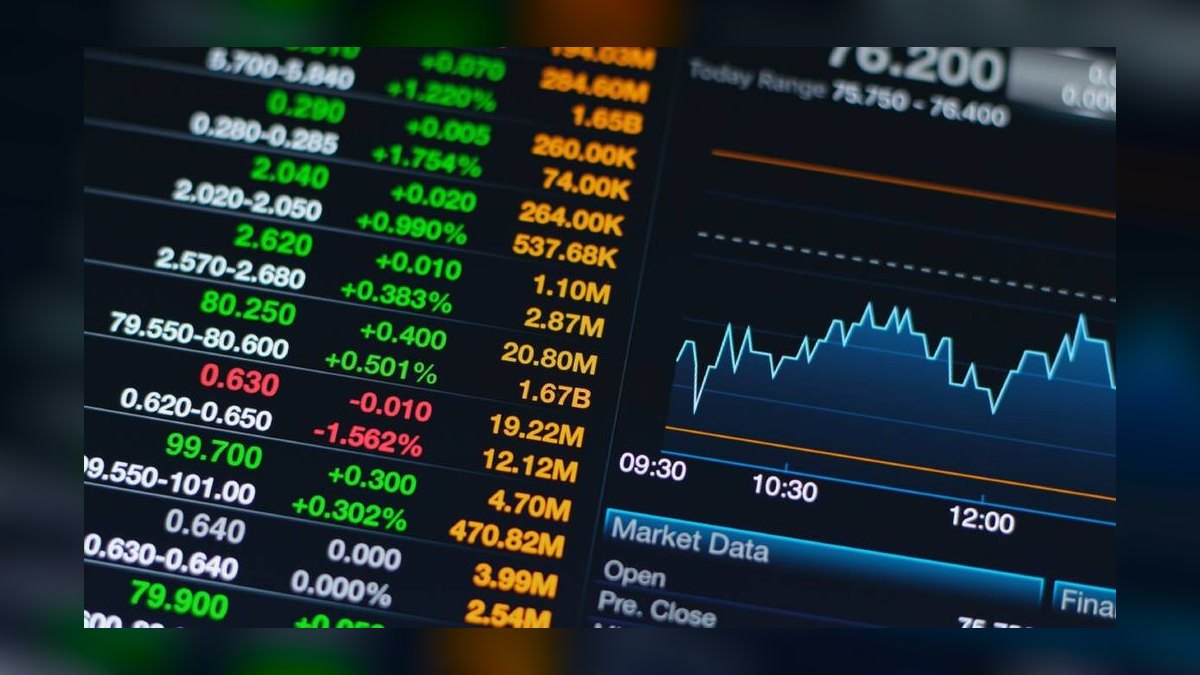
The seasonal cycle. Buying in the off-season — typically fall and winter in temperate markets — tends to yield better prices, because sellers are motivated to avoid another round of storage costs and buyer competition is thin. Selling into spring and early summer, when demand peaks and buyers are eager to be on the water, generally maximizes price, especially for popular models in warm-weather boating regions. Simply moving your buy and sell to the favorable side of the calendar can meaningfully change the round-trip return.
The economic cycle. Rate and confidence conditions move demand. When borrowing is expensive and consumer confidence soft, financed, mid-market demand cools and prices for ordinary boats soften — which is a buying opportunity for a cash buyer and a headwind for a seller. Luxury demand is comparatively insulated because those buyers rely less on financing. Watching broad indicators — rates, consumer confidence, disposable income, and fuel prices — helps you time entry and exit rather than transacting at the worst moment.
Model-year and depreciation timing. Because new boats depreciate fastest in their earliest years, buying a lightly used boat a few model years old often captures the best value-to-condition tradeoff. For resale liquidity, favor popular configurations, keep a complete service record, and avoid heavy personalization or unusual customization that narrows the future buyer pool. Above all, respect that boats are illiquid: a sale can take months, so never buy a boat you might need to liquidate quickly, and factor a realistic selling timeline into any investment thesis.
FAQ
What is the best time of year to buy a boat?
In temperate markets, fall and winter are usually best. Demand is lower, inventory sits longer, and sellers are motivated to avoid another season of storage costs, which improves your negotiating leverage. Conversely, spring and early summer are the best time to sell.
Are electric boats a good investment in 2027?
They are a promising but still-maturing segment. Regulatory momentum and consumer interest support demand, and proven models from credible manufacturers are developing real resale markets. The key risks are battery longevity, replacement cost, charging access, and technology obsolescence — evaluate all four before assuming value retention.
How much does it cost to maintain a boat annually?
A common rule of thumb is roughly 10% to 20% of the boat's value per year, covering haul-outs, bottom paint, engine and systems service, and electronics. Storage, winterization, and insurance are typically on top of that. Actual figures vary widely by boat type, age, size, and where it's kept.
Can you make a profit by chartering your boat?
It's possible, but returns depend heavily on location, vessel type, utilization, season, and how well the boat is managed. Many owners find chartering offsets operating costs rather than producing large profits — which can still be worthwhile for an otherwise depreciating asset. Ensure your insurance explicitly permits commercial use first.
What should I look for in a used-boat inspection?
Prioritize engine hours and condition, hull integrity (including signs of osmosis or prior damage), electrical and plumbing systems, and a complete maintenance record. A professional marine survey is essential — it uncovers hidden problems and gives you leverage to renegotiate price or walk away.
How much does a new boat typically depreciate?
As a general pattern, production boats lose a substantial share of value in the first few years and continue declining thereafter, with much of the drop concentrated early. Luxury, classic, and some electric models can depreciate more slowly or, in rare well-kept collectible cases, hold firm. Exact figures vary by brand, condition, and segment.
Do I need a license to operate a boat?
It depends on where you are. Many U.S. states require a boater-education certificate, and larger or commercially operated vessels can require a captain's license. Rules differ by jurisdiction and boat size — confirm the requirements where you'll operate before buying.
How can I verify a boat's history before buying?
Check the hull identification number, request the full maintenance and ownership records, and use a marine history-report service to review reported damage, title status, and prior claims. Pair this with an independent professional survey for a complete picture.
Sources
- National Marine Manufacturers Association
- BoatUS Foundation
- Discover Boating
- YachtWorld
- U.S. Coast Guard Boating Safety
- European Boating Industry
- Boatsetter
- GetMyBoat
- Marine Industry News
Related on PULSE
- [How to build a marine asset depreciation model](/knowledge/marine-asset-depreciation-strategies)
- [Optimizing boat insurance for investment protection](/knowledge/boat-insurance-optimization)
- [Calculating the total cost of boat ownership](/knowledge/boat-ownership-cost-calculator)
- [Best practices for charter boat management](/knowledge/charter-boat-management)
- [Understanding electric boat battery lifespan](/knowledge/electric-boat-battery-lifespan)
 pulse-boatsIs the 2027 Grady-White 275 Freedom worth the premium over the 2027 Pursuit OS 285?
 pulse-boatsWhat is the best way to approach Boats in 2027?
 pulse-boatsHow do you get started with Boats in 2027?
 pulse-boatsIs Boats worth it in 2027?
 pulse-boatsHow much does a 30-foot center console cost in 2027?
 pulse-boatsTop 10 Boats strategies for 2027
 pulse-boatsHow much does Boats cost in 2027?
 pulse-boatsWhat are the most common mistakes in Boats in 2027?
 pulse-reviewsTop 10 Cabin Cruiser Boats 2027
 pulse-boatsBest Regal Boat Models (Ranked) in 2027