
Can you buy a liveaboard catamaran for under $200,000?
 Curated byKory White · Fractional CRO · Maryland
 PULSEKNOWLEDGE LIBRARY
Quality
Certified
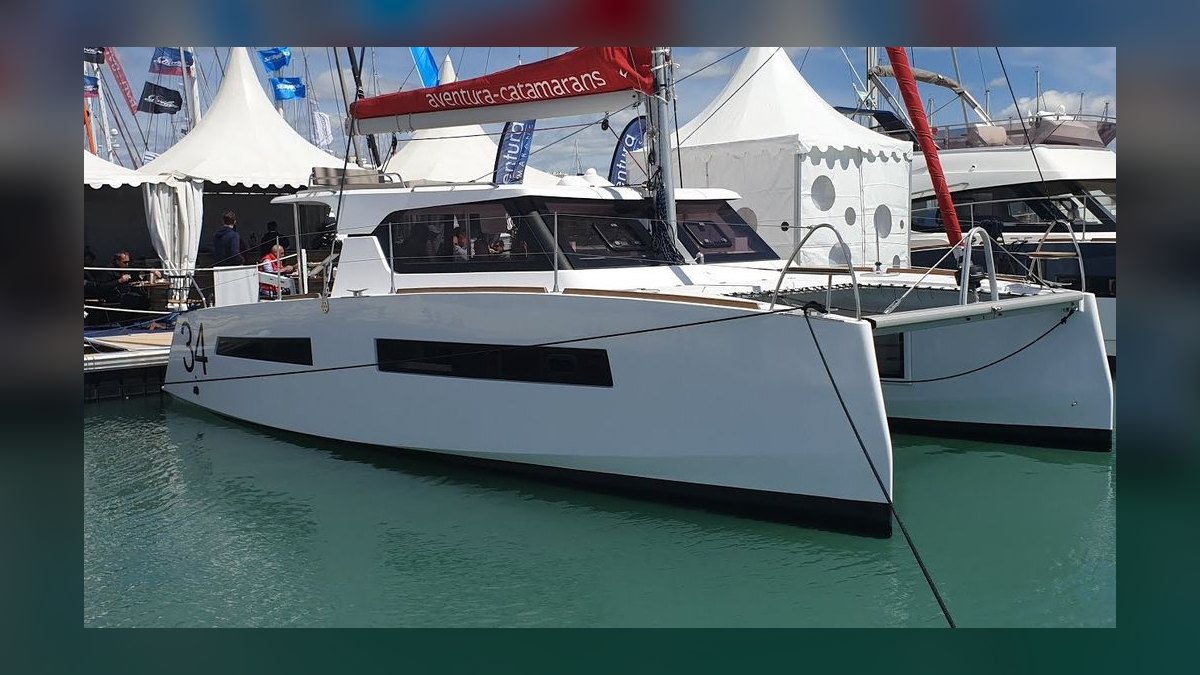
Under $200,000 in 2027, the strongest used liveaboard catamarans cluster around 10-15 year old 40-44 foot models from Lagoon, Fountaine Pajot, and Leopard, plus older Catana and PDQ hulls near the low end. Budget for a fresh survey, rigging, and generator work — the purchase price is only the entry fee; refit costs decide whether the boat is actually livable.
A concrete scenario that frames the problem
Picture a couple in their late 40s who have chartered twice, liked the space a catamaran gives over a monohull, and now want to actually live aboard full-time while cruising the Caribbean and eventually crossing to the Pacific. They have $200,000 total, not $200,000 for the hull alone. They start browsing listings and find a 2011 Lagoon 400 asking $210,000, a 2009 Leopard 40 asking $185,000, and a 2007 Fountaine Pajot Salina 48 asking $199,000. On paper the Salina looks like the steal — more length, more volume, similar price. But the Salina is 20 years old by the time they'd take possession, its standing rigging is original, both engines have over 4,000 hours, and the survey turns up osmosis blistering on one hull. The Lagoon and Leopard, five to eight years newer with lower hours, are the more defensible buys even though they're smaller. This is the core tension in every used catamaran search under $200,000: age, size, and condition trade against each other constantly, and the asking price alone tells you almost nothing about what you're actually buying. The best used liveaboard catamarans in this price band are rarely the biggest boat you can find — they're the boat with the most honest maintenance history relative to its age.
How the mechanism actually works
The used catamaran market under $200,000 is really a depreciation curve intersecting with a maintenance-cost curve, and understanding how those two curves interact is what separates a good buy from an expensive mistake. Catamarans depreciate more slowly than monohulls of comparable length because cruising-catamaran production volumes stayed lower for longer and demand for liveaboard space kept resale values firmer, but depreciation still runs roughly 5-8% a year for the first decade before flattening into the teens-and-beyond age bracket where it slows to 2-4% a year. That flattening is exactly why 12-18 year old boats dominate the sub-$200,000 field: they've already absorbed the steepest depreciation hit, so buyers get disproportionate boat-per-dollar, but they've also crossed into the zone where major systems — standing rigging, engines, generators, canvas, core structure — start needing wholesale replacement rather than incremental repair.
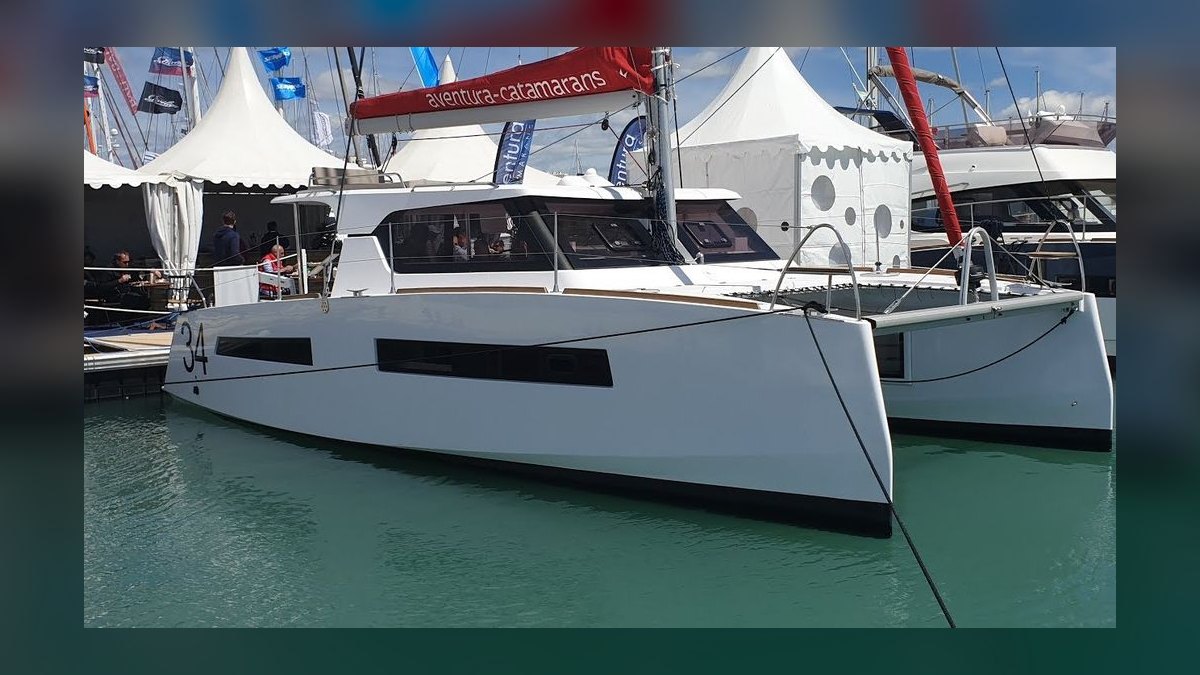
The mechanism a buyer needs to internalize is that a listing price and a "ready to live aboard" price are two different numbers, and the gap between them is driven almost entirely by whether the seller already did the refit work or is passing that cost to the next owner. A used Lagoon 380 or 400 priced aggressively low relative to comparable listings is usually low because the standing rigging is approaching its 10-15 year replacement window, the generator needs a rebuild, or the sail inventory is original and tired — not because the seller is being generous. Brokers and surveyors both describe this as buying the "deferred maintenance," and it applies with particular force to catamarans because two engines, two saildrives, and often a generator mean twice the mechanical exposure of an equivalent monohull.
Real numbers, ranges, and benchmarks
In the sub-$200,000 bracket in 2027, buyers are realistically looking at boats built between roughly 2008 and 2015, in the 38-44 foot range, with a handful of older or larger outliers when condition is compromised. Lagoon 380s and 400s from that window typically ask $160,000-$210,000 depending on hours, sail-drive condition, and equipment level; a well-kept 380 with under 3,000 engine hours per side and recent rigging can sit at the top of that range and still be a defensible buy. Leopard 39s and 40s from the same builder era (Robertson & Caine construction, Leopard/Moorings branding) often land $10,000-$25,000 below comparable Lagoons, reflecting slightly softer brand demand rather than worse build quality. Fountaine Pajot Mahe 36 and Lavezzi 40 models frequently appear in the $130,000-$180,000 band, making them some of the more attainable entries for buyers who want a European-built cat without stretching to the full $200,000 ceiling. On the value end, PDQ 36s and Gemini 105Mc catamarans — both smaller, simpler, US-built designs — routinely trade in the $70,000-$130,000 range, leaving real budget headroom for a refit, which matters because these designs are 20-30 years old in 2027 and will need it.
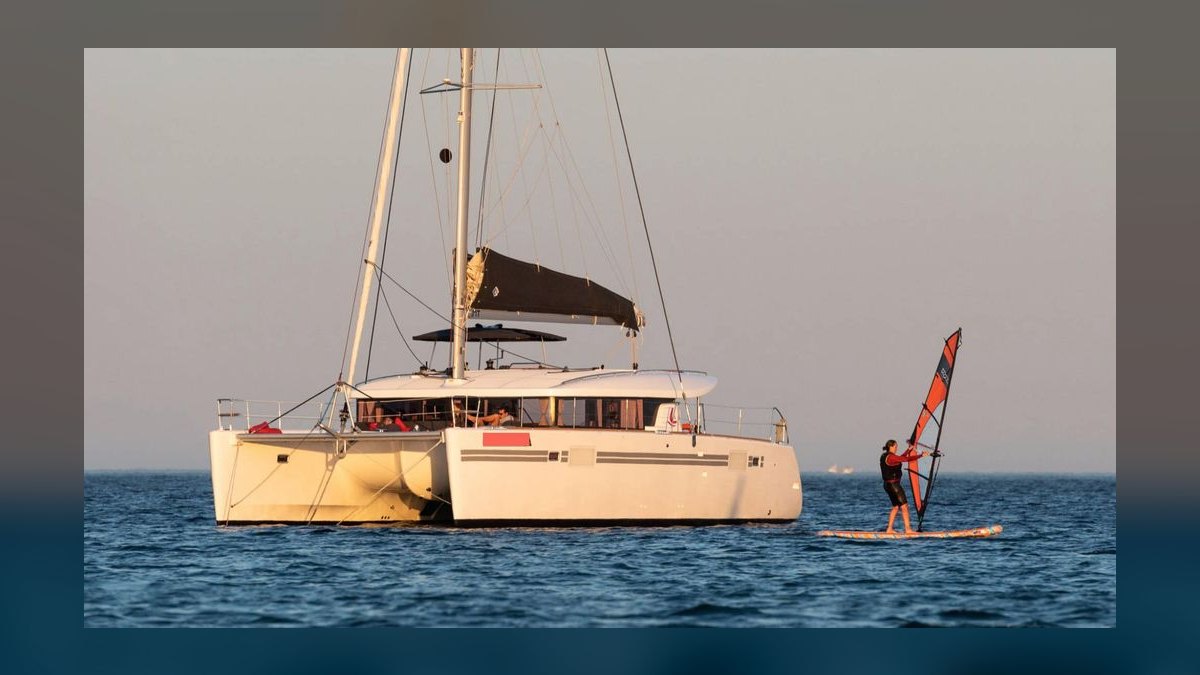
Engine hours are the single most load-bearing number after price and year: under 3,000 hours per engine on a well-maintained diesel is generally considered low for a boat in this age bracket, 3,000-6,000 is normal midlife, and above 6,000-8,000 hours buyers should budget for a rebuild or replacement regardless of what the seller claims about maintenance. Standing rigging has a conventional 10-15 year replacement interval regardless of hours, so a 12-year-old boat with original rigging is a near-certain $15,000-$30,000 line item on a catamaran with two masts of chainplates and a wider shroud base than a monohull. Generators, when present, run $8,000-$18,000 to replace or $3,000-$6,000 to properly rebuild. A realistic all-in budget for a used liveaboard catamaran purchase in this price class is therefore the sale price plus 15-25% for survey-driven repairs and an initial refit — meaning a genuinely all-in $200,000 budget should be shopping boats priced closer to $150,000-$170,000, not $195,000.
Trade-offs and alternatives
The central trade-off in this price band is size versus condition versus brand pedigree, and almost no boat wins on all three. A larger, older catamaran (a 44-48 foot Fountaine Pajot or Catana from the mid-2000s) buys more liveaboard space and better bridgedeck clearance for offshore comfort, but pushes hours, rigging age, and osmosis risk higher. A smaller, newer catamaran (a 2012-2015 Lagoon 400 or Leopard 39) buys lower hours and fresher systems but less interior volume and fewer cabins — a real constraint for a couple planning to host guests or eventually add crew. Buyers coming from monohulls also need to weigh the catamaran-specific trade-off directly: shallower draft and initial stability against harder-to-source parts for less common builders (PDQ, Manta, Prout) and higher haul-out and slip costs almost everywhere, since marinas price catamaran berths by beam, not length, and a 22-24 foot beam routinely costs 1.3-1.8x a monohull slip of the same LOA.
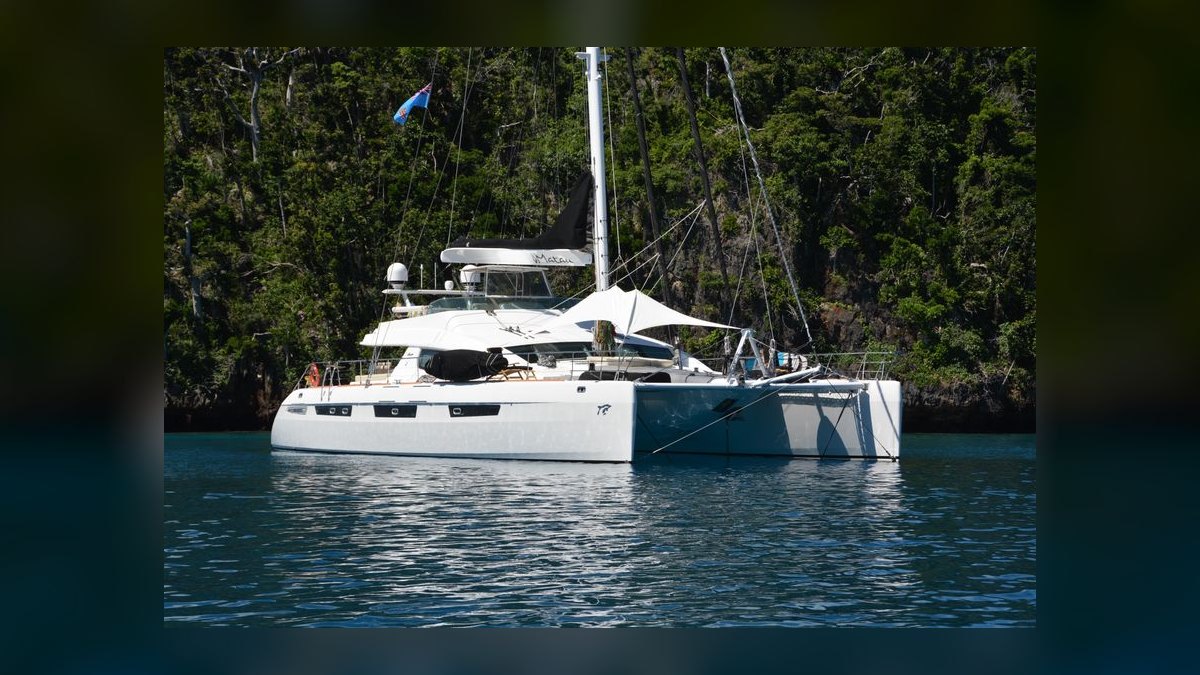
An alternative some buyers overlook: a partially-refit catamaran from a broker who specializes in cruising multihulls (rather than a general yacht broker) often costs slightly more up front but strips out the guesswork, because the seller has already replaced the rigging, updated the electronics, or addressed known issues on that specific model line. It's also worth weighing charter-return catamarans against private-owner boats: ex-charter Lagoons and Leopards (often coming off Moorings or Sunsail fleets around the 5-8 year mark) get disciplined, documented maintenance but harder use — more engine hours, more interior wear — while private-owner boats vary wildly but sometimes carry genuinely light use. Neither category is categorically better; the paperwork trail is what actually distinguishes a good one from a bad one.
Common pitfalls and how to avoid them
The most common pitfall is anchoring on interior photos and layout instead of survey-relevant systems — buyers fall in love with a galley or salon before checking hours, rigging age, or core condition, then rationalize a marginal survey because they've already mentally moved aboard. The fix is mechanical: never make an offer contingent-free, always budget for a full survey including a rig inspection and an out-of-water hull check for osmosis and delamination (particularly on older Catana and early Fountaine Pajot hulls, where specific build-era core issues are well documented by surveyors), and treat the survey findings as a negotiating tool rather than a formality.
A second pitfall is underestimating recurring costs unique to catamarans: two engines mean double the routine service bills, wider beams mean pricier slips and haul-outs, and larger sail plans on newer designs mean costlier sail replacement. Buyers who size their ongoing budget off a monohull mental model routinely run 20-30% over their own estimates in the first year. A third pitfall is skipping a sea trial under sail, not just under power — a catamaran that motors fine can still reveal sloppy steering linkage, worn traveler cars, or mismatched sail trim that only shows up close-hauled. Finally, buyers frequently underweight documentation gaps: a boat with a thin maintenance log isn't automatically bad, but it shifts risk onto the buyer, and that risk should be priced into the offer, not discovered after closing. The single best protective habit across all of this is treating "best" as relative to a specific buyer's use case and risk tolerance rather than chasing the largest or newest boat the budget can technically reach.
Related questions
What size catamaran can you actually live aboard comfortably under $200,000?
Most buyers land in the 38-42 foot range for a couple, sometimes stretching to 44 feet on an older hull. Below 36-38 feet, storage and tankage typically feel tight for full-time liveaboard use rather than seasonal cruising.
Is a used catamaran cheaper to maintain than a used monohull?
Not usually per-boat: two engines, two saildrives, wider beams, and pricier slips often push total costs higher, even though catamarans depreciate more slowly and hold resale value better over time.
How much should you budget beyond the purchase price?
Plan for 15-25% of the purchase price in survey-driven repairs and initial refit work, plus ongoing costs 20-30% above what a comparable monohull budget would suggest, mainly from slip fees and duplicate systems.
Are ex-charter catamarans a good choice under $200,000?
They can be, since fleet maintenance is usually well documented, but expect higher engine hours and more cosmetic wear from heavier guest use than a comparably priced private-owner boat.
FAQ
What's the best used liveaboard catamaran brand under $200,000? Lagoon, Fountaine Pajot, and Leopard dominate this price band because of production volume and strong parts/service networks; Catana and PDQ are also credible, with PDQ generally the more budget-friendly, simpler option.
Is $200,000 enough to buy and refit a liveaboard catamaran? It's workable if the boat itself is priced $150,000-$175,000, leaving real margin for survey-driven repairs, rigging, and a generator or engine rebuild if needed — buyers who spend the full $200,000 on the hull often end up underfunded for the refit.
How old is too old for a used liveaboard catamaran? There's no fixed cutoff, but boats approaching 20 years old need extra scrutiny on standing rigging, core condition, and engine hours; many surveyors treat original rigging past 15 years as an active liability regardless of the boat's overall condition.
Do catamarans hold their value better than monohulls? Generally yes in the cruising-catamaran segment, because demand for liveaboard volume has stayed strong and production numbers were historically lower, which keeps used pricing firmer through the middle years of a boat's life.
What's the biggest hidden cost with a used catamaran? Slip and haul-out fees tied to beam, not length — a 22-24 foot beam can cost 1.3-1.8 times a monohull slip of similar length, and that recurring cost is easy to underweight when comparing purchase prices.
Should first-time catamaran buyers use a specialist broker? It's worth the modest extra cost in most cases; multihull-focused brokers know model-specific weak points (like known core or rigging issues on certain build years) that a generalist yacht broker may not flag.
Sources
- https://www.yachtworld.com
- https://www.sailboatdata.com
- https://www.multihullco.com
- https://www.cruisingworld.com
- https://www.sailmagazine.com
- https://www.practical-sailor.com
- https://www.catamaranguru.com
- https://www.boatus.com
- https://www.lagoon-catamaran.com
- https://www.fountaine-pajot.com
Related on PULSE
- What's the real cost of switching a sales team from monohull-style single-owner deals to team selling?
- How do depreciation curves change how you evaluate a used asset purchase for a growing business?
- What hidden costs get missed when budgeting for a major equipment purchase?
- How do surveyors and auditors protect buyers from deferred-maintenance risk in any big-ticket purchase?
- What's the right way to budget for refit or ramp-up costs after a large capital purchase?
This page will be disappearing soon. Save it to your device for $1 — or read it free while it is here.
@Kory-White- · if Venmo asks, the last 4 of my number are 2012
This page is gone.
This one is off the shelf now. $1 keeps it on your phone for good — the whole page, pictures and diagrams included.
 pulse-boatsTop 10 Princess Yacht Models 2027
 pulse-boatsTop 10 Boats Under $40,000 2027
 pulse-recentTop 10 Speed Boats 1987 — Best Overall + Best Value
 pulse-recentTop 10 Correct Craft Nautique Models in 2027
 pulse-boatsTop 10 Boats for Lake Tahoe 2027
 pulse-recentTop 10 Speed Boats 1972 — Best Overall + Best Value
 pulse-recentTop 10 Catamarans 2010 — Best Overall + Best Value
 pulse-recentTop 10 Speed Boats 1980 — Best Overall + Best Value
 pulse-boatsBest Used Aluminum Fishing Boats Under $10,000 in 2027 (Ranked)
 pulse-boatsBest Used Wakeboard Boats Under $20,000 in 2027 (Ranked)