
Best Audi Models in 2027
 Curated byKory White · Fractional CRO · Maryland
 PULSEKNOWLEDGE LIBRARY
The Best Audi Models in 2027 span roughly $36,000 to $126,000. The Q5 is the best all-around pick near $46,500, the A3 is the value leader near $36,000, the Q7 is the three-row family choice near $61,000, and the RS e-tron GT is the 912-hp halo. Match body style, powertrain, and budget to your life.
A buyer's real scenario: one driveway, three different shoppers
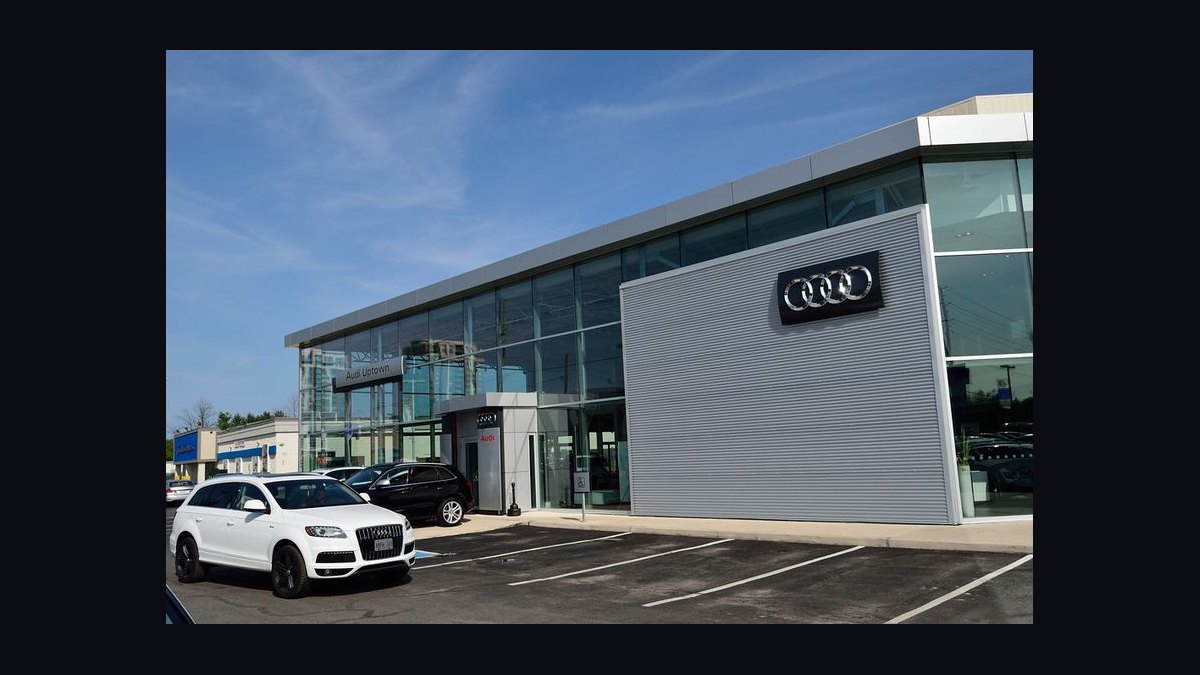
Picture a Saturday morning at an Audi showroom in a snow-belt suburb. Three shoppers walk in within an hour of each other, and each one thinks they want "the best Audi." They leave with three completely different cars, because "best" is not a property of the vehicle — it is a property of the match between the car and the life it has to serve.
The first shopper is 29, single, rents an apartment with a shared garage, commutes 22 miles each way, and has a hard ceiling of $40,000. They want the badge, the digital cockpit, and all-wheel drive for winter, but they cannot stretch to a Q5 once options land. The A3 sedan at roughly $36,000 is the honest answer, and the S3 at 328 hp is the temptation they should probably resist on a first luxury car.
The second shopper is 41, has two kids in car seats, a dog, a boat trailer rated at about 5,000 pounds, and a spouse who refuses to drive anything that feels like a minivan. They need three usable rows, real towing, and a quiet cabin for 400-mile holiday drives. The Q7 at roughly $61,000 with its 335-hp turbo V6 and 7,700-pound tow rating is the model that actually solves their problem — the Q5 is too small, the Q8 has only two rows.
The third shopper is 55, already owns a gas SUV, has a 240-volt charger installed for a different EV, and wants a second car that is fast, electric, and makes them smile on a Sunday canyon road. They have $130,000 to spend and no interest in practicality. The RS e-tron GT at roughly $126,000, with up to 912 hp and 800-volt charging, is the only Audi in the lineup that answers that brief.
The lesson: before you compare spec sheets, write down your budget ceiling, your seating requirement, your charging situation, and your towing or cargo need. Those four variables eliminate most of the lineup before you ever drive anything. A buyer who skips this step ends up cross-shopping a Q3 against a Q7 and wasting a weekend.

How the 2027 Audi lineup is actually structured
Audi's 2027 range is easier to navigate once you understand that it is built on a small number of shared platforms and powertrain families, not a dozen unrelated cars. The A3 and Q3 ride on the compact MQB architecture. The A5 and Q5 share the newer mid-size platform that replaced the old A4. The A6, Q7, and Q8 sit on longitudinal-engine architectures with more expensive suspension hardware. The Q4 e-tron uses the MEB electric platform, while the Q8 e-tron and RS e-tron GT use dedicated electric architectures, with the GT sharing its bones with the Porsche Taycan.
That structure explains almost every pricing and packaging decision you will encounter. Cars on the compact platform get a transverse engine, a seven-speed dual-clutch, and a simpler suspension — cheaper to build, lighter, and more efficient, but with less rear-seat room. Cars on the longitudinal platform get an eight-speed automatic, more sophisticated multi-link suspension, and available air springs — smoother, heavier, and thirstier. Electric models trade the engine for a battery pack and inverters, which changes the weight distribution, the service schedule, and the charging routine.
The practical consequence is that a Q5 and an A5 feel like siblings because they are — same platform, same 2.0-liter turbo family, same dual-clutch behavior, same cabin electronics generation. A Q7 feels like a different species because it is: longer wheelbase, heavier steering, an eight-speed torque-converter automatic that shifts more slowly but tows better, and a ride that prioritizes isolation over agility.
Trim hierarchy is the second structural layer. Every Audi nameplate follows the same ladder: base Premium, mid Premium Plus, top Prestige, then the S performance variant, then the RS halo where one exists. Moving from Premium to Prestige typically adds a few thousand dollars and brings matrix LED headlights, a premium audio system, adaptive cruise, and upgraded seats. The S badge typically adds $10,000 to $20,000 and a substantially more powerful engine. The RS badge adds another tier on top, often $30,000 or more above the base car.
Understanding this ladder prevents the most common buyer mistake: paying Prestige money for a base-engine car when a lightly optioned S model would have cost the same and delivered far more performance. It also explains why two Q5s on the same lot can differ by $20,000 despite looking nearly identical from ten feet away.
Real numbers: prices, power, range, and efficiency benchmarks
The 2027 lineup spreads across a wide band, and the numbers below are the ones that actually drive purchase decisions. Treat them as representative positioning rather than a substitute for a dealer quote, because options, destination charges, and regional incentives move the final figure.
Entry tier, roughly $36,000 to $50,000. The A3 sedan starts near $36,000 with a 2.0-liter turbo four making 184 hp and 221 lb-ft, a seven-speed dual-clutch, available quattro, and up to about 32 mpg combined. The Q3 crossover starts near $40,000 with a 228-hp version of the same engine family, standard quattro, an eight-speed automatic, and about 26 mpg combined. The Q5 starts near $46,500 with 261 hp and 273 lb-ft, standard quattro, and roughly 26 mpg combined. The A5 starts near $48,000 with 268 hp and 295 lb-ft plus mild-hybrid assist, about 28 mpg combined, and the choice of sedan or Sportback body. The Q4 e-tron starts near $50,000 with up to 335 hp in dual-motor form, roughly 285 miles of EPA-estimated range, and a 10-to-80 percent DC fast charge in about 28 minutes.
Mid tier, roughly $58,000 to $75,000. The A6 starts near $58,000 with a 335-hp turbo V6, mild-hybrid assist, quattro, and about 25 mpg combined. The Q7 starts near $61,000 with the same 335-hp V6, an eight-speed automatic, seven seats, and a 7,700-pound tow rating, returning roughly 21 mpg combined. The Q8 starts near $74,500 with the 335-hp V6 and about 20 mpg combined in a two-row coupe-styled body. The Q8 e-tron starts near $75,000 with up to 402 hp, roughly 285 miles of range on the larger battery, and DC fast charging at up to about 170 kW.
Performance and halo tier, roughly $126,000 and up. The RS e-tron GT starts near $126,000 and, in its Performance form, produces up to 912 hp with launch control, reaches 60 mph in roughly 2.5 seconds, offers about 270 miles of EPA-estimated range, and charges on an 800-volt architecture that can add substantial range in the time it takes to drink a coffee.
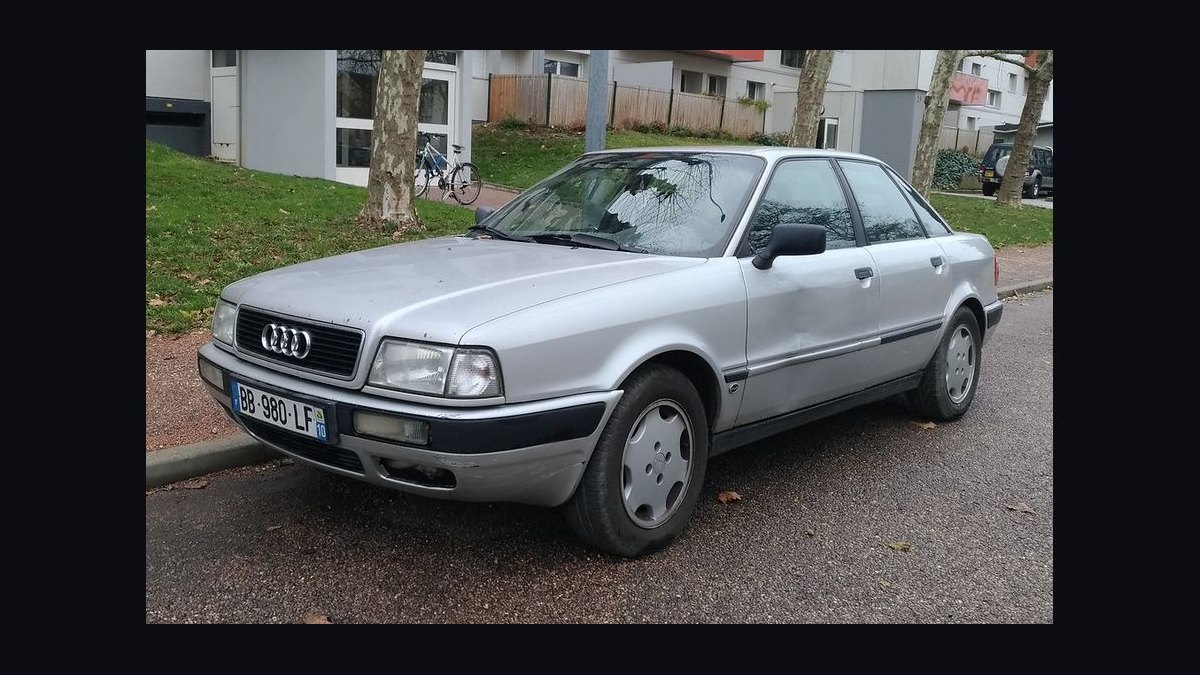
Performance variants worth knowing: the S3 at about 328 hp, the S5 at about 362 hp, the SQ5 at about 362 hp, the S6 at about 444 hp, the SQ7 and SQ8 at about 500 hp from a twin-turbo V8. Each step up the ladder costs real money at the pump and in the service bay — a 500-hp V8 SUV will not return 26 mpg, and its consumables cost meaningfully more than a four-cylinder car's.
Trade-offs and alternatives: where each pick gives something up
Every Audi in the 2027 range is a bundle of deliberate compromises, and the honest way to shop is to name the compromise before you sign. The Q5 is the best all-arounder, but its options list inflates the price quickly and its cargo area trails boxier rivals. The A3 is the value champion, but its rear seat and trunk are genuinely tight for adults on long trips. The Q7 seats seven, but the third row is best reserved for children and its fuel economy trails hybrid three-rows from other brands.

The Q4 e-tron is the accessible EV, but its range trails several premium electric rivals and its infotainment can lag for the first few seconds after startup. The Q8 e-tron is plush and quiet, but it is heavy and consumes energy accordingly, and it costs a large premium over the Q4 for a similar range figure. The Q8 gas model looks dramatic, but the sloped roof cuts cargo height and it returns only about 20 mpg combined. The RS e-tron GT is thrilling, but it is a six-figure car with a tight cabin and limited cargo space.
Alternatives outside the brand matter too. If maximum cargo volume is the priority, a boxier non-Audi crossover will beat the Q5. If three-row fuel economy is the priority, a hybrid three-row from a mainstream brand will beat the Q7. If maximum electric range per dollar is the priority, several non-premium EVs beat the Q4 e-tron. Audi's case rests on cabin quality, quattro all-weather confidence, chassis composure, and resale strength — not on winning every spec-sheet column.
Common pitfalls and how to avoid them
Pitfall one: shopping the badge instead of the brief. Buyers fall in love with an RS model at a car show, then discover the ride is firm, the tires are expensive, and the fuel bill is punishing for a daily commute. Fix: drive the base and mid trims of the model you are considering before you drive the halo variant.
Pitfall two: ignoring the options sheet. Audi base prices are reasonable, but air suspension, premium audio, driver-assist packages, and upgraded wheels add up fast — often $8,000 to $15,000 on a mid-tier model. Fix: build the car online with your must-haves, set a hard ceiling, and refuse to cross it at the dealer.

Pitfall three: buying quattro as an afterthought. In snow country, quattro is worth the upcharge for the confidence it adds on slick roads. In a warm-weather city, it is mostly dead weight and a small efficiency penalty. Fix: decide based on where you actually drive in January, not where you might move someday.
Pitfall four: underestimating ownership cost. Routine service on a premium German sedan commonly runs several hundred dollars per visit, and out-of-warranty repairs on complex air suspension or dual-clutch hardware can be expensive. Fix: budget for maintenance and tires before you buy, and price an extended warranty against your expected ownership length.
Pitfall five: buying an EV without confirming charging. A Q4 e-tron or Q8 e-tron is a joy with a home charger and a chore without one. Fix: confirm a 240-volt outlet or a reliable nearby DC fast charger before you commit.
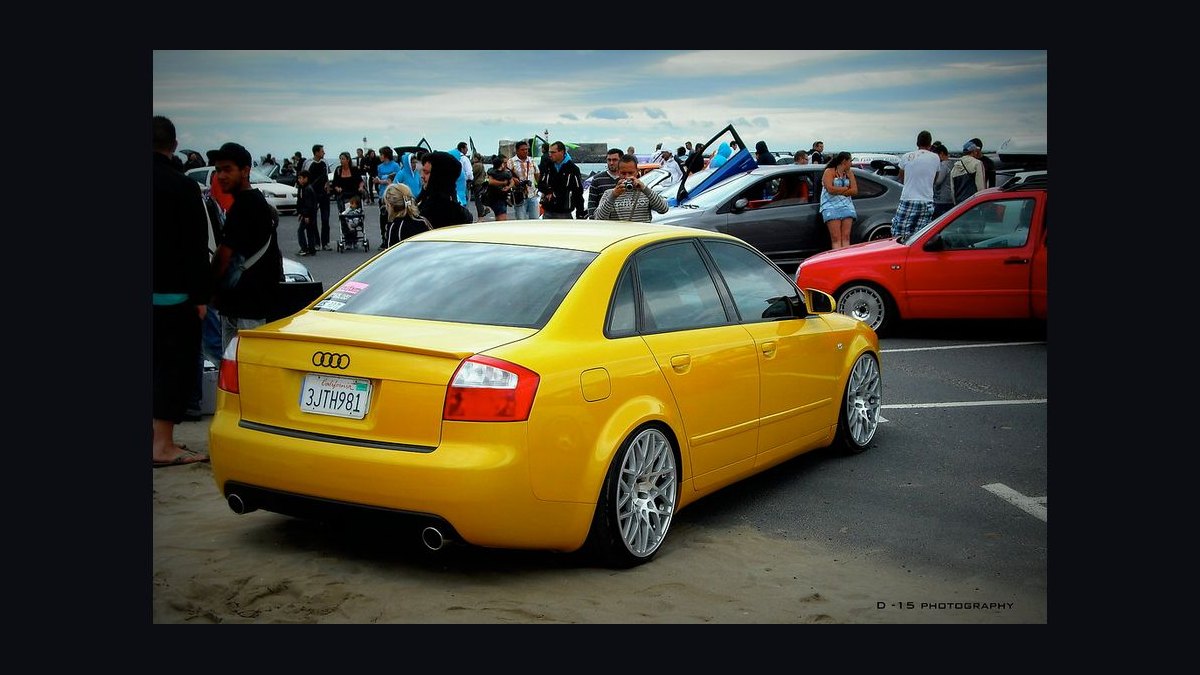
Pitfall six: assuming the biggest wheels look best and drive best. Large wheels with low-profile tires look dramatic but degrade ride quality, cost more to replace, and are more vulnerable to pothole damage. Fix: choose the smallest wheel that clears the brakes and looks acceptable to you.
Pitfall seven: skipping the pre-purchase inspection on a used Audi. If you are shopping a certified pre-owned or older model, an independent inspection is the cheapest insurance you can buy. Fix: pay a specialist to look at the car before you sign anything.
Related questions
What is the best Audi for a family of five in 2027?
The Q5 is the best fit for most families of five, offering standard quattro, a 261-hp turbo four, and a comfortable two-row cabin near $46,500. If you need occasional third-row seating or serious towing, step up to the Q7 near $61,000.
Which 2027 Audi is cheapest to run?
The A3 is generally the cheapest to buy, insure, and fuel, with up to about 32 mpg combined and the lowest entry price near $36,000. The Q4 e-tron can undercut it on energy cost if you charge at home on off-peak rates.
Is the Q4 e-tron or Q8 e-tron the better electric Audi?
The Q4 e-tron is the better value, starting near $50,000 with up to 335 hp and roughly 285 miles of range. The Q8 e-tron is larger, quieter, and more luxurious near $75,000, but it costs far more for a similar range figure.
Do all 2027 Audis come with all-wheel drive?
No. Quattro all-wheel drive is standard on most SUVs and many trims, but it remains optional on some entry models like the A3. Always confirm the specific trim, because front-wheel drive is still offered on certain configurations.
What is the most powerful Audi in 2027?
The RS e-tron GT is the most powerful, producing up to 912 hp with launch control in its Performance form and reaching 60 mph in roughly 2.5 seconds. Among gas models, the SQ7 and SQ8 lead with about 500 hp from a twin-turbo V8.
FAQ
What is the best overall Audi model in 2027? The Q5 is the best overall pick for most buyers, starting near $46,500. It pairs a 261-hp turbo four with standard quattro, a broad trim range up to the 362-hp SQ5, a premium dual-screen cabin, and strong resale — making it the most complete single vehicle in the lineup.
What is the most affordable new Audi in 2027? The A3 sedan is the most affordable, starting near $36,000. It offers a 184-hp turbo four, available quattro, up to about 32 mpg combined, and the same Virtual Cockpit digital dashboard found in far more expensive Audis, making it a genuine entry point to the brand.
Which 2027 Audi has the best fuel economy? Among gas models, the A3 leads with up to about 32 mpg combined, followed by the A5 at roughly 28 mpg. Fully electric models like the Q4 e-tron avoid gasoline entirely and can be far cheaper per mile if you charge at home on off-peak electricity rates.
Are Audi maintenance costs higher than mainstream brands? Yes, generally. Routine service on a premium German model commonly runs several hundred dollars per visit, and complex systems like air suspension or dual-clutch transmissions can be costly out of warranty. Budgeting $800 to $1,200 annually for service is a reasonable planning assumption.
Does Audi offer a three-row SUV in 2027? Yes, the Q7 is Audi's mainstream three-row SUV, starting near $61,000 with a 335-hp turbo V6, standard quattro, seating for seven, and a tow rating up to 7,700 pounds. The third row is best suited to children on longer trips.
How much does the fastest 2027 Audi cost? The RS e-tron GT starts near $126,000 and delivers up to 912 hp with launch control, a 0-to-60 time around 2.5 seconds, roughly 270 miles of EPA-estimated range, and 800-volt fast charging. It is Audi's electric performance flagship and its most expensive mainstream model.
Sources
- Audi USA — official model lineup and pricing
- Car and Driver — Audi reviews, rankings, and specs
- MotorTrend — Audi buyer's guides and performance testing
- Edmunds — Audi pricing, reviews, and ownership costs
- Kelley Blue Book — Audi resale values and pricing
- U.S. News — Best Audi rankings and reviews
- EPA FuelEconomy.gov — fuel economy and EV range ratings
- NHTSA — safety ratings and recall information
Related on PULSE
- [Best Audi A5 Model Years (Ranked)](/knowledge/ca0627)
- [Best Audi A3 Model Years (Ranked)](/knowledge/ca0626)
- [Best Audi Q7 Model Years (Ranked)](/knowledge/ca0624)
- [Best Audi Q8 Model Years (Ranked)](/knowledge/ca0628)
- [Best Audi e-tron Model Years (Ranked)](/knowledge/ca0629)
- [Best Audi TT Model Years (Ranked)](/knowledge/ca0630)
This page will be disappearing soon. Save it to your device for $1 — or read it free while it is here.
@Kory-White- · if Venmo asks, the last 4 of my number are 2012
 pulse-carsBest Hyundai Ioniq 5 Model Years (Ranked) in 2027
 pulse-carsBest Used Off-Road SUVs Under $30,000 in 2027 (Ranked)
 pulse-carsBest Chrysler PT Cruiser Model Years (Ranked) in 2027
 pulse-carsTop 10 Hot Hatchbacks 2027 — Best Overall + Best Value
 pulse-carsBest Acura NSX Generations (Ranked) in 2027
 pulse-carsBest Toyota Yaris Model Years (Ranked) in 2027
 pulse-carsTop 10 Luxury SUVs 2027 — Best Overall + Best Value
 pulse-carsTop 10 Sedans 2010 — Best Overall + Best Value
 pulse-carsTop 10 Diesel Trucks 2027 — Best Overall + Best Value
 pulse-carsTop 10 Electric SUVs in 2027