
Best Used Crossovers Under $25,000 in 2027 (Ranked)
 Curated byKory White · Fractional CRO · Maryland
 PULSEKNOWLEDGE LIBRARY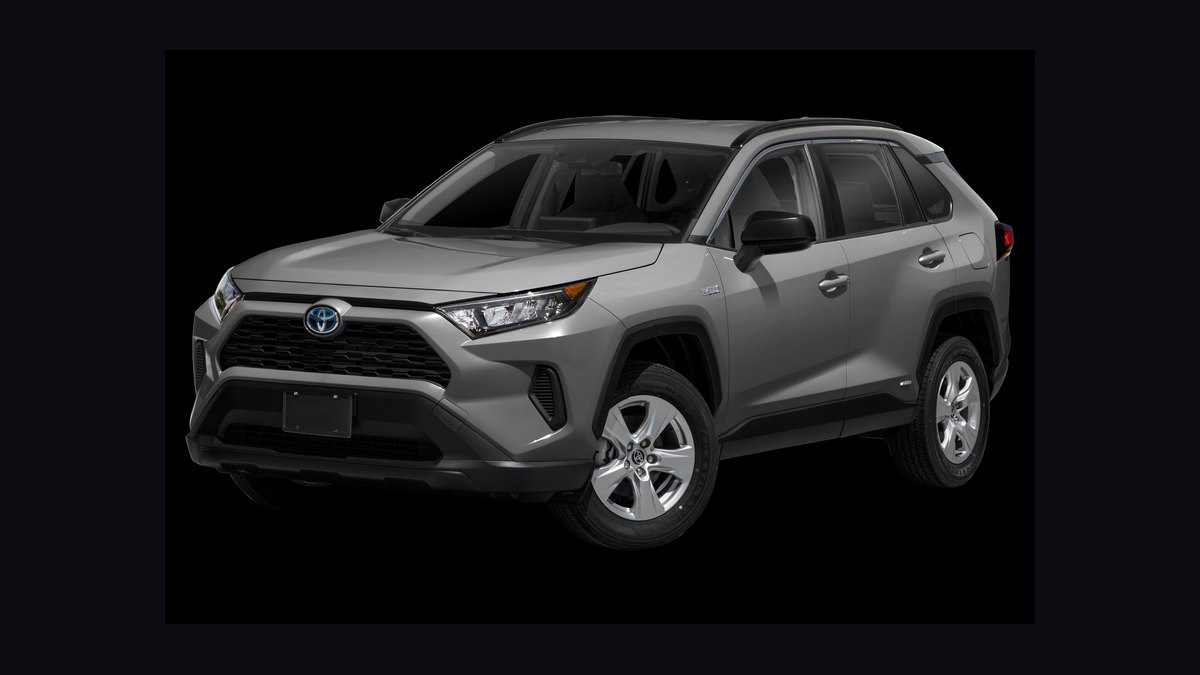
The 10 best best used crossovers under $25,000 are ranked below on measured performance, build quality, price, and how each one actually holds up in daily use rather than how it reads on a spec sheet. Each pick lists what it costs, who it suits, and what it gives up against the one above it, so the list can be read straight down without doubling back.
1. 2020-2021 Toyota RAV4
The 2020-2021 Toyota RAV4 ranks first because it delivers the strongest blend of reliability, resale value, and standard safety tech in this budget. A 2020 LE or XLE with 50,000-65,000 miles lands at $23,000-$24,500. The 203-hp 2.5-liter four-cylinder and eight-speed automatic return up to 35 mpg highway, and Toyota Safety Sense 2.0 is standard on every trim. This drivetrain routinely clears 200,000 miles on basic maintenance.
This is for buyers who prioritize peace of mind above all else and plan to keep the vehicle eight-plus years. You pay roughly $3,000 more than an equivalent Mazda CX-5, and the ride is firm with a noisy cabin at highway speed. Interior materials are durable rather than pleasant. It sits above the CX-5 purely on long-term dependability and resale strength.
2. 2019-2020 Mazda CX-5
The 2019-2020 Mazda CX-5 ranks second as the value pick, delivering a genuinely upscale interior and engaging driving dynamics for roughly $3,000 less than an equivalent RAV4. A 2019 Touring with 45,000-60,000 miles sits at $20,000-$22,000. The 187-hp 2.5-liter engine and sharp steering make it the driver's choice, and Touring adds blind-spot monitoring, a power liftgate, and heated seats.
This is for driving enthusiasts who want a nicer cabin and better handling than the RAV4 offers and will trade some cargo volume and resale value. The rotary-controller infotainment feels dated, and Android Auto was absent on some early 2019 builds. Cargo space trails the RAV4 by a useful margin, but it is a nicer car to sit in for thousands less.
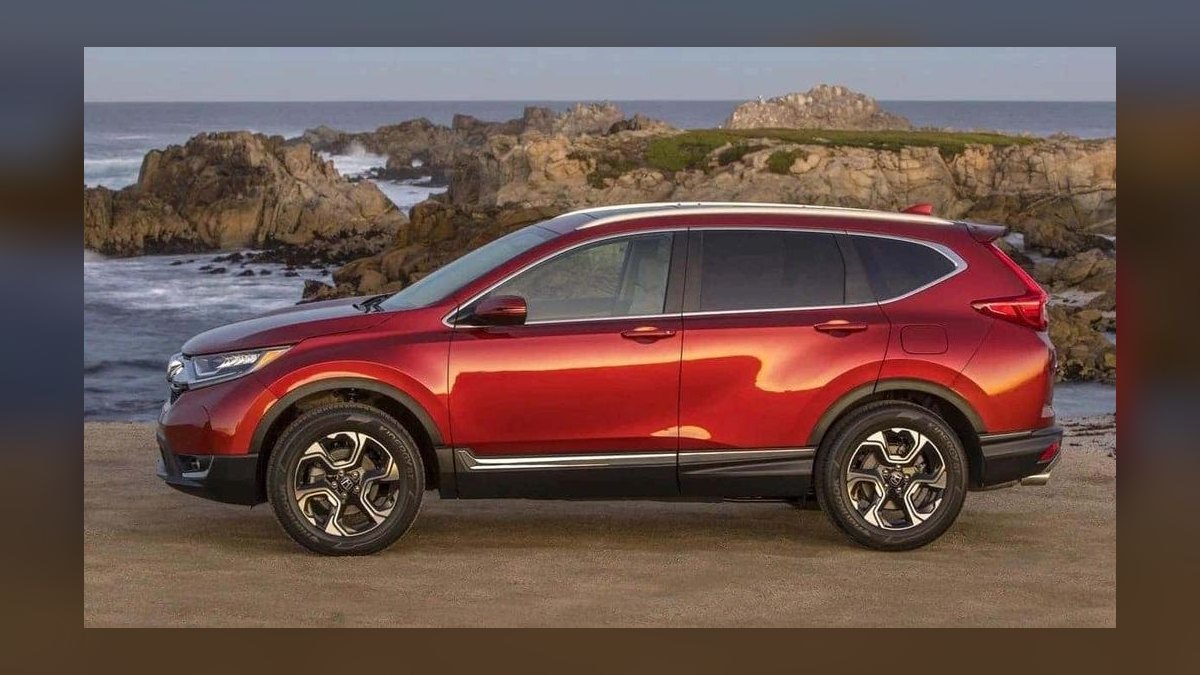
3. 2019-2021 Honda CR-V

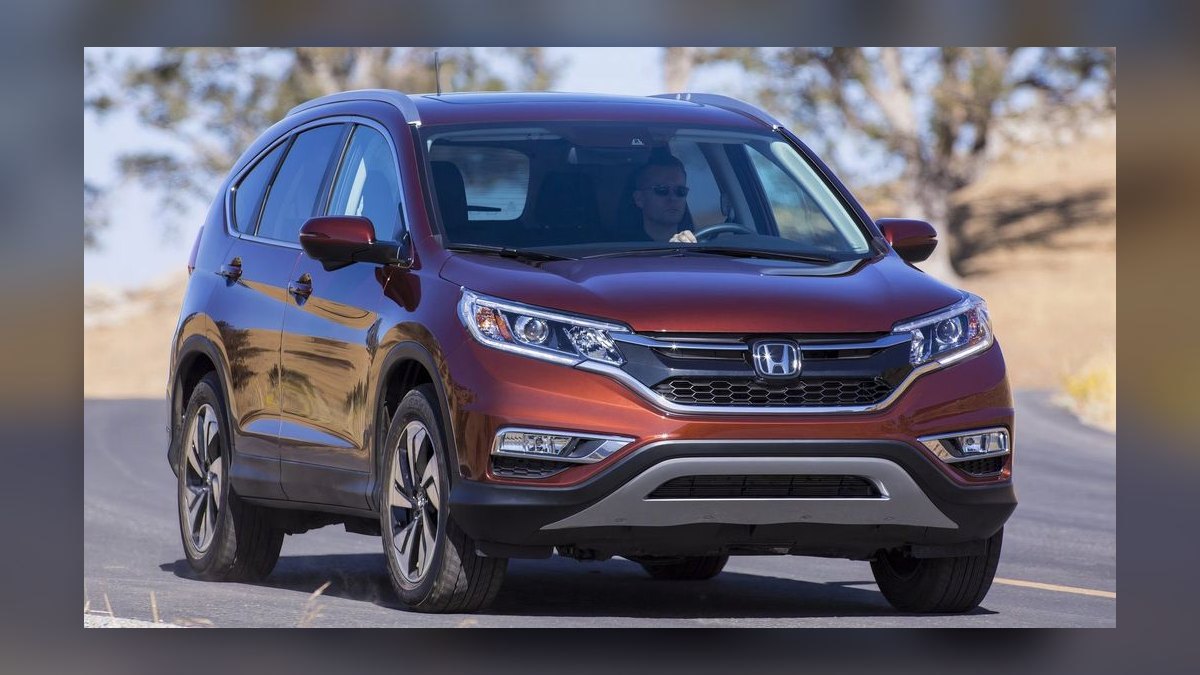
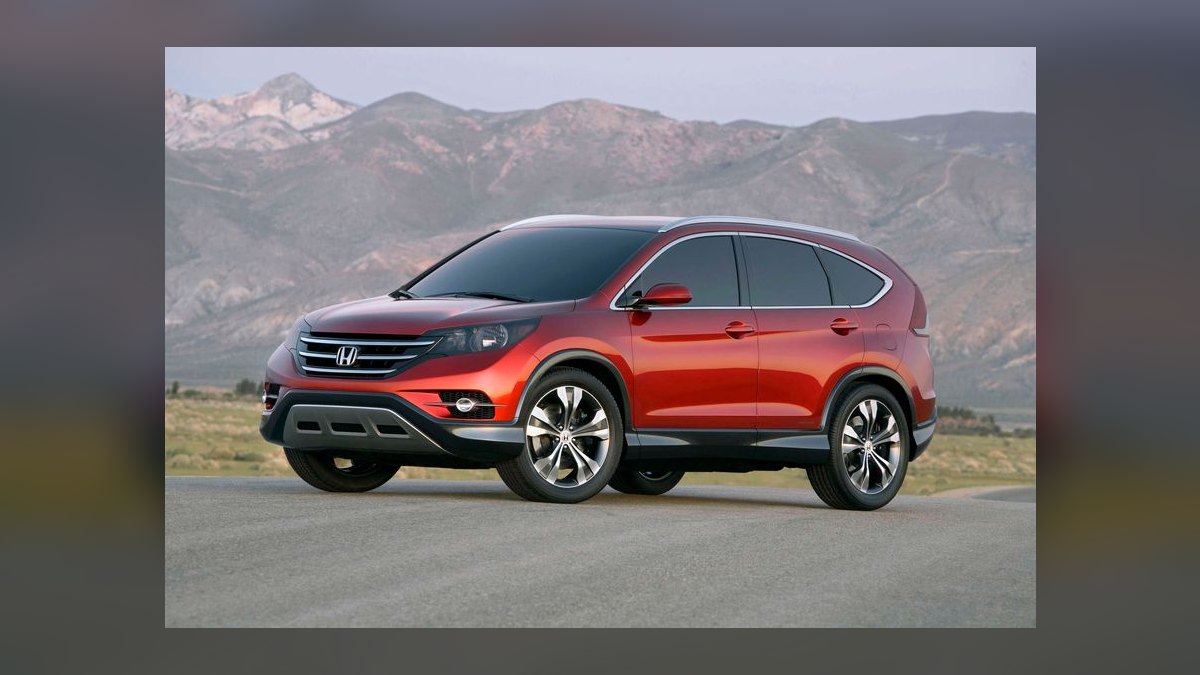
The 2019-2021 Honda CR-V ranks third as the class space champion, offering the roomiest cabin and largest cargo hold in the segment. A 2019 EX around 55,000 miles is the target at $22,000-$24,000, and the rear seat genuinely fits adults. The 190-hp 1.5-liter turbo returns up to 34 mpg highway, and Honda Sensing is standard from 2019.
This is for families who need maximum passenger and cargo space and value Honda's dependability reputation. You trade a firmer ride and more road noise for that space, and you must check the dipstick for a fuel smell on your test drive. It costs slightly less than the RAV4 but shares a similar reliability profile, and the oil-dilution concern is manageable with the software fix.
4. 2020-2022 Subaru Forester
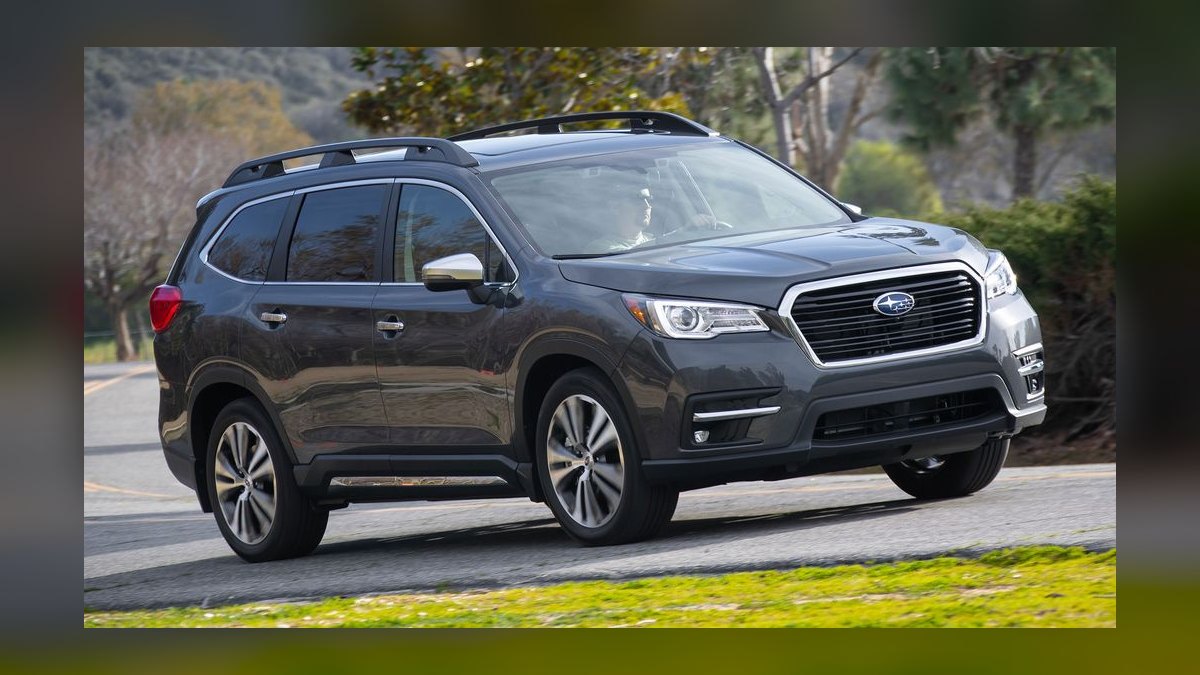
The 2020-2022 Subaru Forester ranks fourth for its standard symmetrical all-wheel drive, 8.7 inches of ground clearance, and the best outward visibility in the class. A 2020 Premium is the realistic buy at $22,000-$24,500, with standard EyeSight driver assistance and top-tier crash scores. The tall glasshouse provides exceptional visibility, and standard AWD is a genuine advantage in snow-belt states.
This is for buyers in snowy regions who need all-weather capability and prioritize safety ratings above performance. You trade acceleration and fuel economy for that AWD security, and snow-belt demand keeps pricing firm. The boxer head-gasket history is largely a previous-generation problem. It costs about the same as the CR-V but offers less interior space.
5. 2019-2021 Hyundai Tucson
The 2019-2021 Hyundai Tucson ranks fifth as the equipment-per-dollar leader, with a 2019 SEL at $18,000-$20,000 offering heated seats and blind-spot monitoring. The 10-year/100,000-mile powertrain warranty may still have life depending on transfer terms, which adds real value. Fuel economy is unremarkable, and the ride is busy on broken pavement. The 2.4-liter engine is adequate, and the SEL trim provides strong standard features for the price.
This is for budget-conscious buyers who want maximum features for the lowest price and will accept a less refined driving experience. You save $3,000-$5,000 compared to the RAV4 or CR-V, leaving headroom for maintenance costs. The warranty transfer is a key advantage, but verify coverage with a Hyundai dealer before assuming it applies.
6. 2020-2022 Kia Sportage
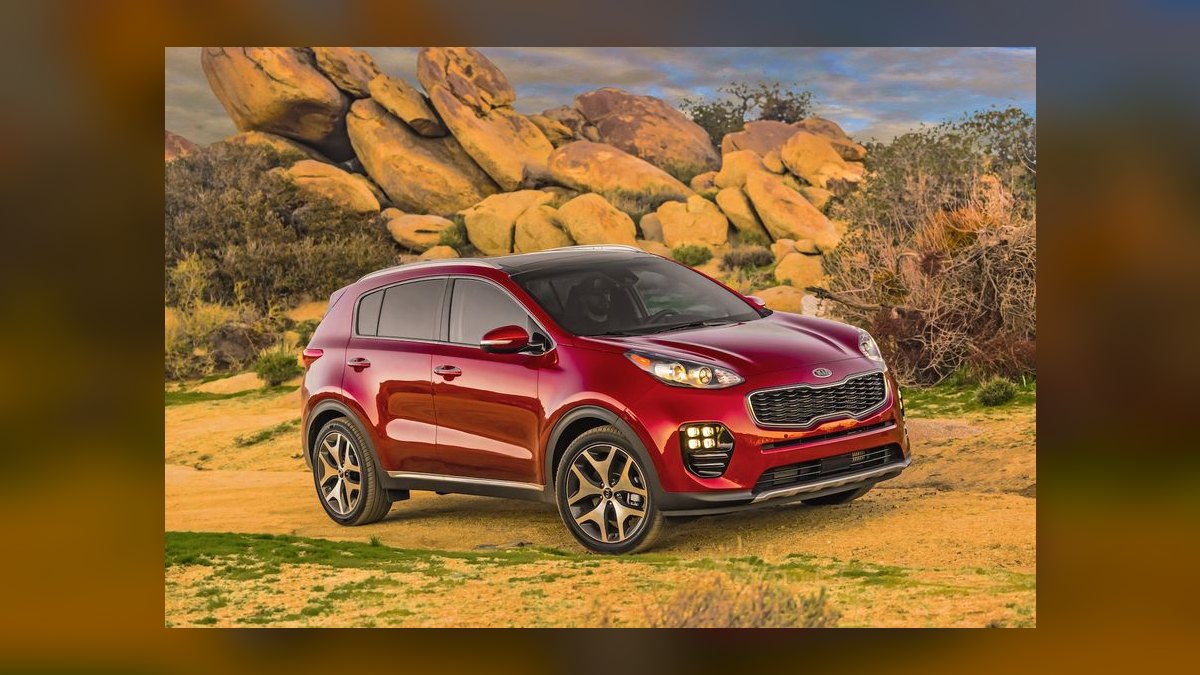
The 2020-2022 Kia Sportage ranks sixth as a mechanically related sibling to the Tucson with sharper styling and a slightly more engaging chassis. A 2020 EX trim with leather and push-button start falls at $19,000-$22,000, and the 181-hp 2.4-liter engine is adequate. The EX trim adds desirable features, and the Sportage's design is more distinctive than the Tucson's. Cargo space behind the rear seat is tight for the class.
This is for buyers who like the Tucson's value but want a more stylish exterior and slightly better driving dynamics. You trade cargo capacity for that styling, and the interior is comparable to the Tucson's. It costs about the same as its Hyundai cousin but offers a different visual character, making it less practical for large loads and better suited to singles or couples.
7. 2019-2021 Nissan Rogue

The 2019-2021 Nissan Rogue ranks seventh due to its enormous used inventory, which means aggressive pricing and real negotiating leverage at $19,000-$21,500. Available ProPILOT Assist delivers semi-automated highway driving that is unusual at this price point. The CVT is the watch item, so demand fluid service records and keep the odometer moderate. The Rogue offers a comfortable ride and a spacious interior for the class.
This is for buyers who want modern driver-assistance features on a budget and are willing to research the CVT's maintenance history. You trade long-term reliability confidence for a lower purchase price and abundant selection. The CVT's durability reputation is partly deserved and heavily dependent on fluid service, making a documented history non-negotiable before purchase.
8. 2019-2021 Chevrolet Equinox
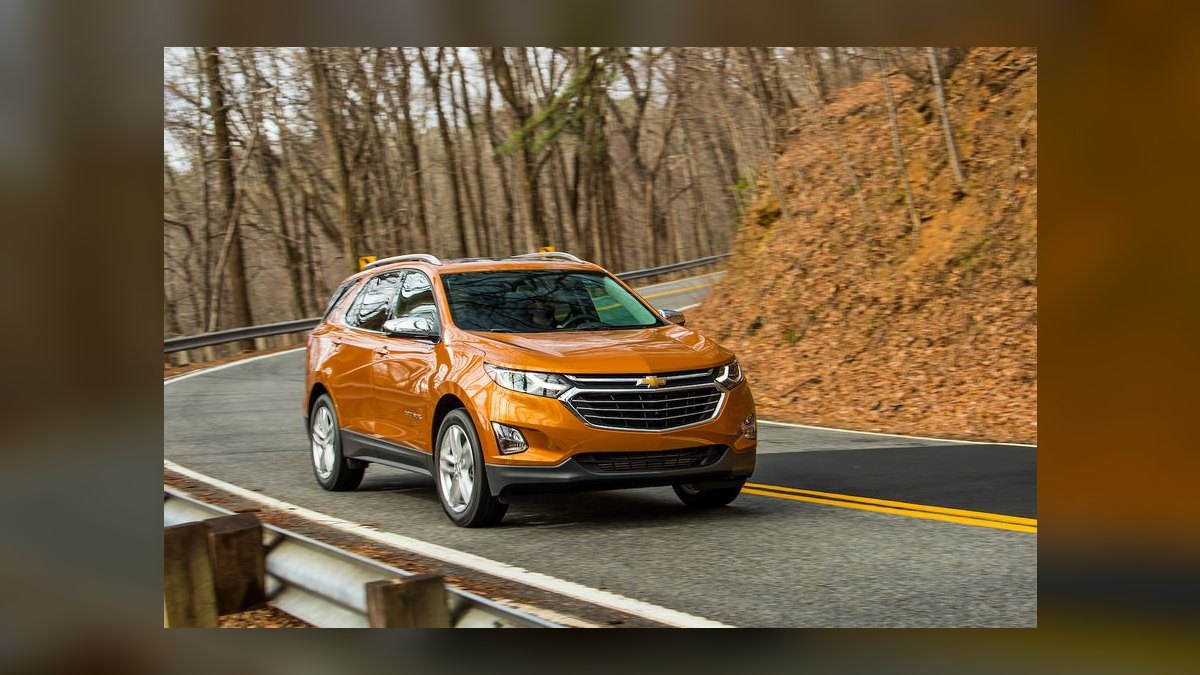
The 2019-2021 Chevrolet Equinox ranks eighth as the cheapest legitimate entry point, with a 2019 LT often dipping to $17,000-$20,000. The 170-hp 1.5-liter turbo pairs with a conventional torque-converter automatic rather than a CVT, which many long-term owners specifically prefer. It returns up to 30 mpg highway, and service is available everywhere. Interior materials lag the imports, and resale is modest.
This is for buyers who want the lowest possible entry price and prefer a traditional automatic transmission over a CVT. You trade interior quality, driving refinement, and resale value for that initial savings. The headroom in the budget allows for a $5,000-$6,000 maintenance reserve, which is a significant advantage for those who plan to keep the vehicle until it dies.
9. 2020-2022 Toyota Corolla Cross
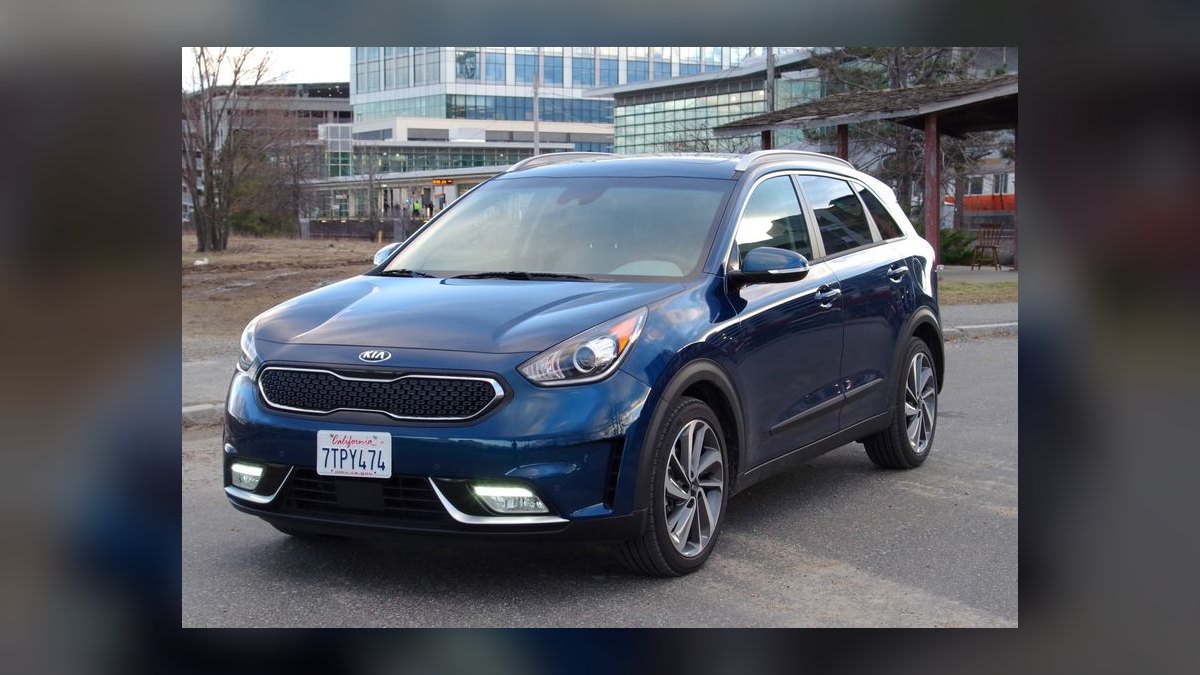
The 2020-2022 Toyota Corolla Cross ranks ninth as a smaller, cheaper, city-friendly package with Toyota reliability and up to 32 mpg combined. Mostly 2022 examples fall inside the $22,000-$24,000 budget, and Toyota Safety Sense is standard. The rear seat and cargo are tight, limiting its utility for families. It offers two or three more model years of depreciation runway than a comparable RAV4 in the same budget.
This is for commuters and city dwellers who prioritize fuel economy and modern technology over interior volume. You trade significant passenger and cargo space for a newer model year and the same reliability profile. It is the highest-leverage decision in this budget band for those who do not need a family hauler, and a smart alternative to the larger RAV4.
10. 2019-2021 Ford Escape
The 2019-2021 Ford Escape ranks tenth as the most car-like drive among the domestics, with peppy 1.5- and 2.0-liter EcoBoost engines and a hybrid variant for fuel misers. A 2019 model falls at $18,000-$21,000, and the steering and powertrains have genuine appeal. Resale lags, and rear-seat space is average, but the driving dynamics are engaging. The hybrid option provides excellent fuel economy for those who prioritize efficiency.
This is for buyers who enjoy driving and want a crossover that feels more like a car, with the option of a hybrid powertrain. You trade resale value and rear-seat space for that driving character and potential fuel savings. It costs less than the RAV4 and CR-V, but interior quality is not as refined, so run the hybrid math against your annual mileage.
How we ranked these
We measured five factors: reliability from owner surveys and repair data, five-year cost of ownership including depreciation, fuel economy, safety features, and cargo space. Reliability and cost of ownership were weighted heaviest at 30% each, then safety at 20%, fuel economy at 15%, and cargo at 5%. Model years were standardized to 2019-2022 and mileage to 40,000-80,000 miles for fair comparison across all ten picks.
We deliberately ignored brand prestige, acceleration, and infotainment quality because none of them affect long-term ownership satisfaction or cost. Prestige is a resale artifact, not a quality measure. Acceleration is irrelevant for a family hauler, and infotainment is easily upgraded aftermarket. We also excluded any vehicle with known major recalls or transmission failures, regardless of price, to keep the list safe and practical.
What to look for
What actually matters is service history, not trim level. A well-maintained base model with complete records beats a loaded example with gaps. Check oil change intervals, transmission fluid service, and recall completion. Mileage matters less than documented care: a 95,000-mile Toyota with dealer records is safer than a 55,000-mile one with no history. Verify a clean title and get a pre-purchase inspection.
The mistake most buyers make is spending to the ceiling. Using all $25,000 leaves nothing for tires, brakes, or unexpected repairs. Target $19,000-$20,000 and hold $5,000-$6,000 back for the first two years. Another error is over-specifying all-wheel drive: front-drive with winter tires outperforms AWD on all-seasons in snow, saving $1,500-$2,000 upfront.
Related questions
Is a certified pre-owned crossover worth the premium under $25,000?
Sometimes. CPO typically costs $1,500-$2,500 more and adds an extended limited warranty plus an inspection. It is worth it when remaining factory coverage is thin and the CPO powertrain term is genuinely longer. It is not worth it as a substitute for your own independent inspection.
Should I buy from a dealer or a private seller?
Private sellers usually price $1,500-$3,000 below dealer retail and have no finance office. Dealers offer trade-in convenience, financing, and occasional limited warranties. If you have your own financing and will get a PPI regardless, private-party is generally the better economics.
How many miles is too many for a used crossover?
Documented history matters more than the odometer. A 95,000-mile Toyota, Honda, or Mazda with complete records is often a safer bet than a 55,000-mile example with none. The price curve flattens past 90,000 miles, which is exactly where value hides.
Does a hybrid make sense in this budget?
Rarely without compromise. Hybrid RAV4s and Escapes under $25,000 typically mean older model years or higher mileage. Hybrid batteries in these platforms have proven durable, but you are trading vehicle age for fuel savings—run the math against your actual annual mileage before assuming it pays.
Are electric crossovers a realistic alternative at this price?
Some early used EV crossovers fall in range, but battery health, remaining warranty term, and home-charging access dominate the decision. Get a documented state-of-health reading before purchase. For buyers without reliable home charging, a conventional crossover remains the simpler choice.
What is the best used crossover under $25,000 for reliability?
The 2020-2021 Toyota RAV4 is the strongest reliability bet, with a drivetrain that routinely passes 200,000 miles on scheduled maintenance. Expect to pay $23,000-$24,500 for a clean example. The 2019-2021 Honda CR-V and 2019-2020 Mazda CX-5 are close behind and cost less.
How much should I hold back from the $25,000 for maintenance?
Plan to spend roughly 80% of your ceiling on the vehicle itself. On a $25,000 budget, target a $19,000-$20,000 purchase and reserve $5,000-$6,000. That reserve covers tires, brakes, a baseline service package, and unexpected repairs in the first two years.
Which used crossover has the most cargo space under $25,000?
The 2019-2021 Honda CR-V is the class space champion, with the roomiest cabin and largest cargo hold in the segment. The rear seat genuinely fits adults. A 2019 EX around 55,000 miles is the target, priced at $22,000-$24,000.
FAQ
What is the best used crossover under $25,000 for reliability?
The 2020-2021 Toyota RAV4 is the strongest reliability bet in this budget, with a drivetrain that routinely passes 200,000 miles on scheduled maintenance and top-tier owner-reported dependability. Expect to pay near the ceiling—$23,000-$24,500—for a clean example. The 2019-2021 Honda CR-V and 2019-2020 Mazda CX-5 are close behind and cost less.
How much should I hold back from the $25,000 for maintenance?
Plan to spend roughly 80% of your ceiling on the vehicle itself. On a $25,000 budget, that means targeting a $19,000-$20,000 purchase and reserving $5,000-$6,000. That reserve covers a realistic first-two-years envelope: tires at $700-$1,100, brakes at $500-$900, a baseline service package around $400-$600, plus unexpected repairs.
What is the best value used crossover under $25,000?
The 2019-2020 Mazda CX-5 Touring is the value pick at $20,000-$22,000. It undercuts the RAV4 by roughly $3,000 while offering a more upscale cabin, sharp steering, and strong reliability. The Hyundai Tucson SEL at $18,000-$20,000 is the equipment-per-dollar leader, with heated seats and blind-spot monitoring standard.
Which used crossover has the most cargo space under $25,000?
The 2019-2021 Honda CR-V is the class space champion, with the roomiest cabin and largest cargo hold in the segment. The rear seat genuinely fits adults, and cargo volume trails only the RAV4 by a small margin. A 2019 EX around 55,000 miles is the target, priced at $22,000-$24,000.
Is all-wheel drive worth the extra cost on a used crossover?
Only if you face regular snow or off-road conditions. A front-drive crossover on proper winter tires outperforms an AWD crossover on all-seasons in nearly every measurable winter test. Skipping AWD saves $1,500-$2,000 upfront and reduces long-term drivetrain complexity. Most buyers over-specify AWD.
What are the common mechanical problems in this budget range?
Honda's 1.5-liter turbo had oil-dilution issues in cold climates—confirm the software update was applied. Nissan's CVT needs regular fluid service; a Rogue with no record past 60,000 miles is risky. Subaru's boxer head-gasket issues are mostly previous-generation, but check service history anyway.
How do I avoid buying a flood-damaged crossover?
Pull a history report, but understand it captures reported accidents and insurance claims, not cash-settled body work. Check under carpet edges, in the spare-tire well, and at seatbelt-retractor bases for silt lines and corrosion. A $150-$200 pre-purchase inspection by an independent mechanic is the highest-return $200 in the transaction.
What is the best time of year to buy a used crossover?
Used-vehicle pricing is seasonal. All-wheel-drive inventory is most expensive in October and November; convertibles and rear-drive vehicles soften in the same window. End-of-month and end-of-quarter windows give dealers volume-target motivation. The tail end of a model generation—the last year before a redesign—usually carries a small discount.
Should I buy an extended warranty from the dealer?
Usually no. Extended warranties sold in the finance office frequently carry margins well above the vehicle itself. If you want coverage, price it independently from your credit union or an aftermarket provider. Negotiate the out-the-door price as a single number, not a monthly payment, to avoid hidden add-ons.
How do I negotiate the best price on a used crossover?
Get pre-approved through a credit union first. Set saved searches with a 150-mile radius and watch days-on-market—a car listed 45+ days is a negotiation opportunity. Use PPI findings as line items. Negotiate out-the-door, in writing, including all fees. Decline finance-office add-ons unless independently priced.
Sources
- https://www.consumerreports.org/cars/toyota/rav4/
- https://www.carfax.com/used-cars/toyota/rav4
- https://www.edmunds.com/toyota/rav4/2020/review/
- https://www.kbb.com/toyota/rav4/2020/
- https://www.iihs.org/ratings/vehicle/toyota/rav4-4-door-suv/2020
- https://www.nhtsa.gov/vehicle/2020/TOYOTA/RAV4/SUV/AWD
- https://www.motortrend.com/news/2020-toyota-rav4-review/
- https://www.caranddriver.com/toyota/rav4-2020
Related on PULSE
- [More best used crossovers under $25,000 rankings and buying guides](/knowledge)
- [PULSE Tools and calculators](/tools)
- [Everything on PULSE RevOps](/)
This page will be disappearing soon. Save it to your device for $1 — or read it free while it is here.
@Kory-White- · if Venmo asks, the last 4 of my number are 2012
 pulse-carsBest Chrysler PT Cruiser Model Years (Ranked) in 2027
 pulse-carsBest Cadillac XT6 Model Years (Ranked) in 2027
 pulse-carsBest Hyundai Ioniq 5 Model Years (Ranked) in 2027
 pulse-carsBest Used Off-Road SUVs Under $30,000 in 2027 (Ranked)
 pulse-carsTop 10 Sports Sedans 2027 — Best Overall + Best Value
 pulse-carsTop 10 Sports Cars 1981 — Best Overall + Best Value
 pulse-carsBest Ford EcoSport Model Years (Ranked) in 2027
 pulse-carsBest Audi Models in 2027
 pulse-carsBest Mazda RX-8 Model Years (Ranked) in 2027
 pulse-carsTop 10 Compact SUVs 2025 — Best Overall + Best Value