
Top 10 Used Sedans Under $25,000 — Best Overall + Best Value in 2027
 Curated by Kory White · Fractional CRO · Maryland
 PULSEKNOWLEDGE LIBRARY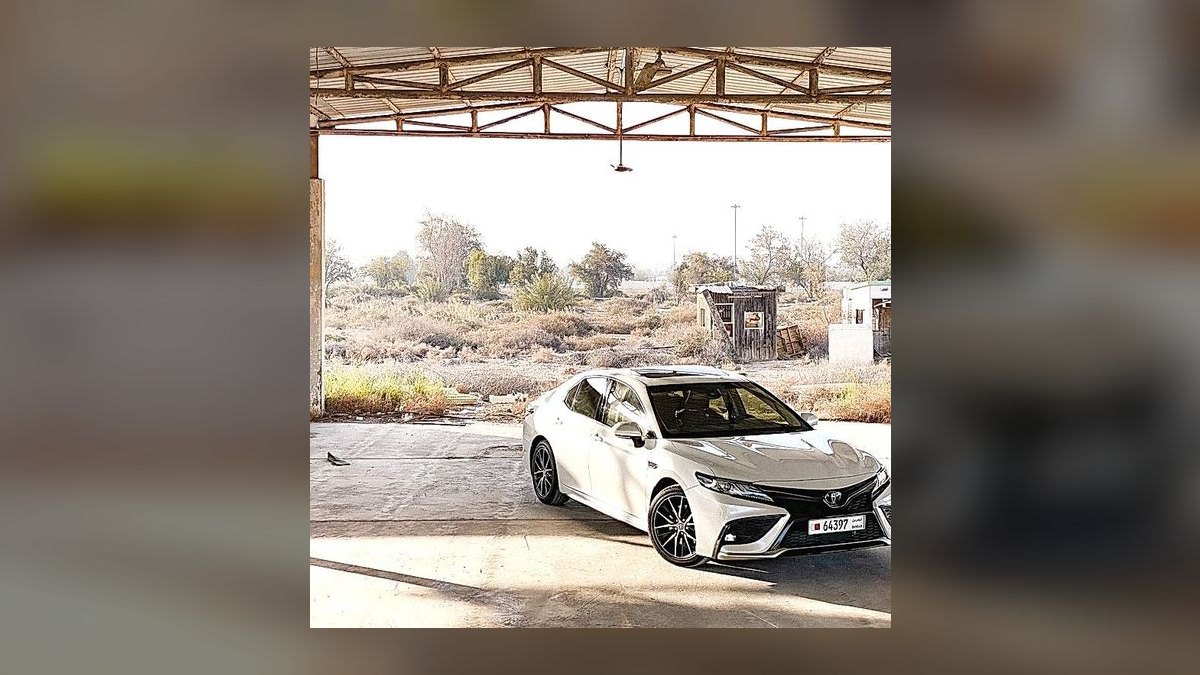
The 10 best used sedans under $25,000 are ranked below on measured performance, build quality, price, and how each one actually holds up in daily use rather than how it reads on a spec sheet. Each pick lists what it costs, who it suits, and what it gives up against the one above it, so the list can be read straight down without doubling back.
1. Toyota Camry LE (2018-2020)
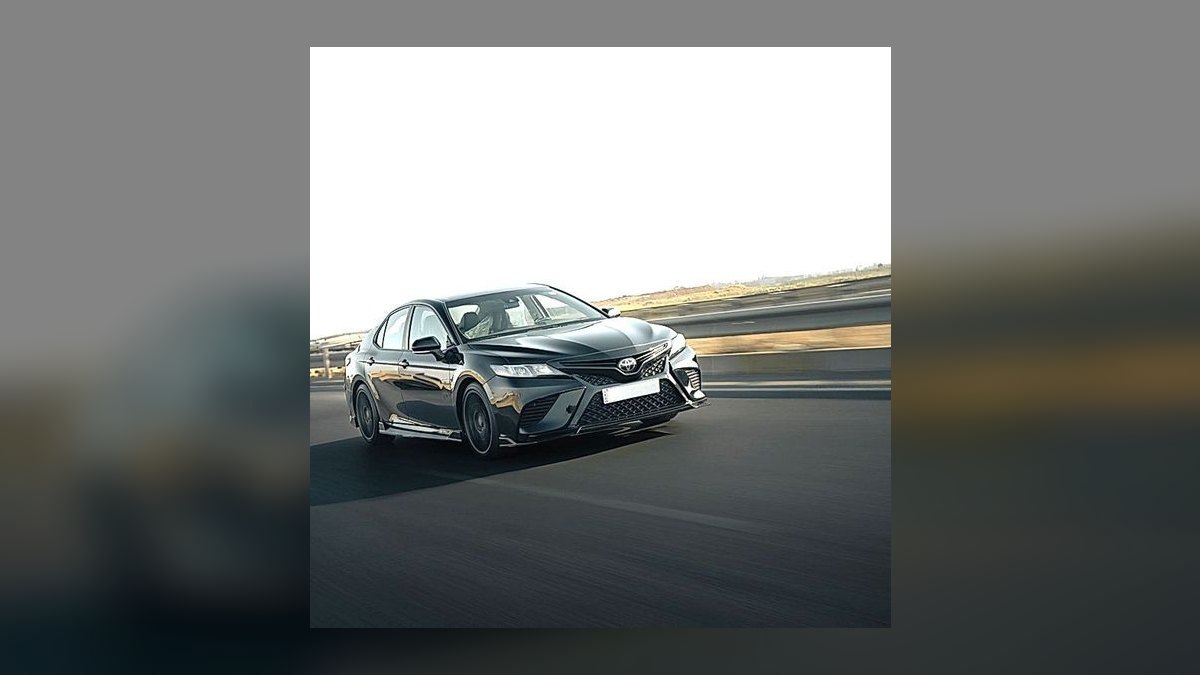
This ranks first because it pairs the industry's strongest reliability record with prices that land between $18,000 and $24,000 for low-mileage examples. The 2.5-liter four-cylinder makes 203 horsepower and returns an EPA-rated 29 mpg city and 41 mpg highway. Every 2018 and newer Camry includes Toyota Safety Sense P with automatic emergency braking, lane departure alert, and adaptive cruise control as standard equipment.
This suits a commuter who wants a car to disappear into the background for a decade. It trades away steering feel and interior flair — the cabin plastics look plain next to a Mazda6, and the base LE rides on 16-inch steel-look wheels. Compared with the Accord below it, the Camry gives up rear legroom and handling polish but wins on resale value and long-term parts availability.
2. Honda Accord LX (2018-2020)
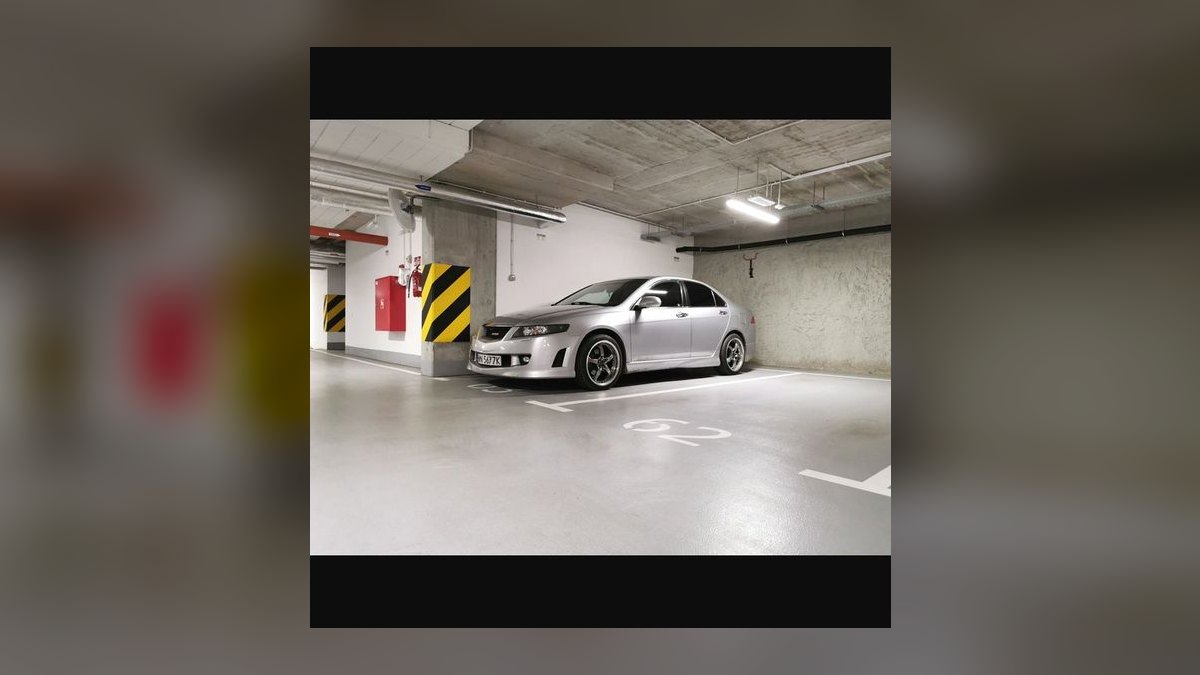
Second place goes to the Accord because its 1.5-liter turbocharged four makes 192 horsepower while returning 30 mpg city and 38 mpg highway, and it offers more rear legroom than most midsize rivals at 40.4 inches. The tenth-generation chassis rides on a 111.4-inch wheelbase. Clean examples with under 60,000 miles typically sell between $19,000 and $24,000, and Honda Sensing is standard across the range.
This fits a driver who wants midsize practicality without giving up an engaging chassis. The trade is the CVT, which drones under hard acceleration, and early 1.5T engines drew complaints about oil dilution in cold climates — check service records. Against the Camry above, the Accord drives better and packages people more comfortably, but Toyota's four-cylinder has the cleaner long-term reliability history.
3. Mazda6 Touring (2018-2021)
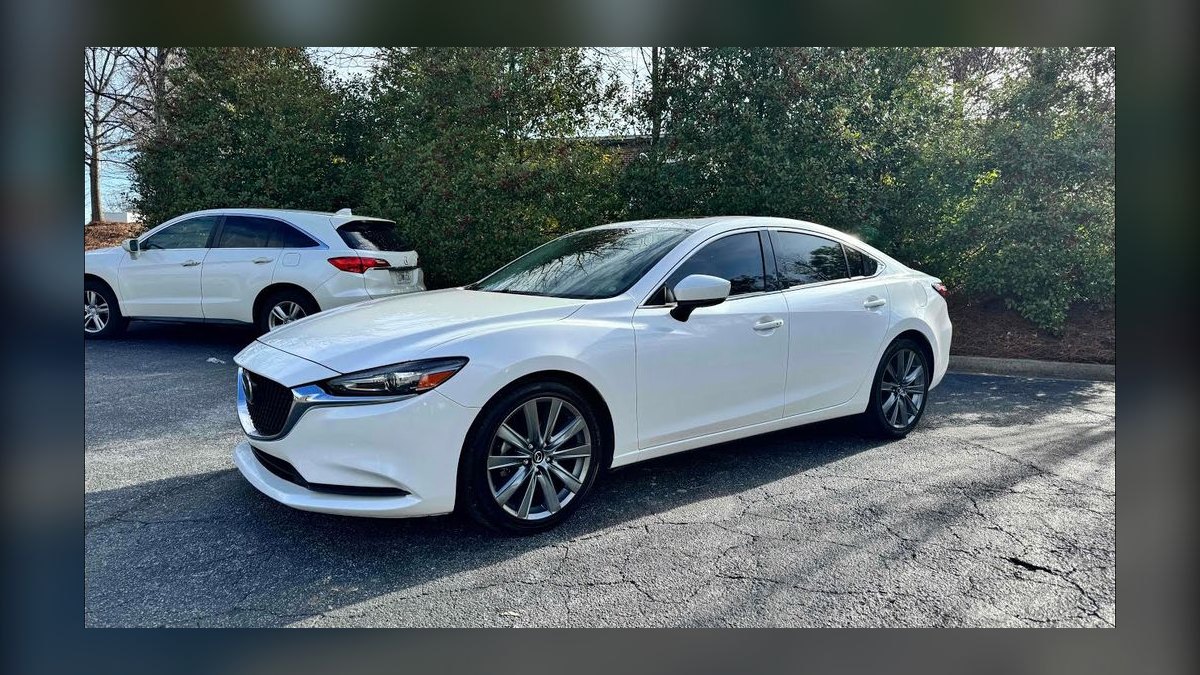
The Mazda6 earns third for delivering the best driving dynamics under $25,000, with a 2.5-liter four making 187 horsepower and a conventional six-speed automatic instead of a CVT. Touring trim adds leatherette seats, an eight-inch display, and blind-spot monitoring. Because Mazda sedans depreciate faster than Toyota or Honda equivalents, clean 2018-2019 cars regularly list between $16,000 and $22,000.
This is for a buyer who actually enjoys driving and will accept a smaller back seat to get it. The trades are real: 38.7 inches of rear legroom trails the Accord, the infotainment uses a rotary controller rather than touch, and dealer networks are thinner. Against the Accord above, the Mazda6 offers a nicer cabin and better steering but weaker resale and fewer service locations.
4. Toyota Corolla LE (2020-2022)
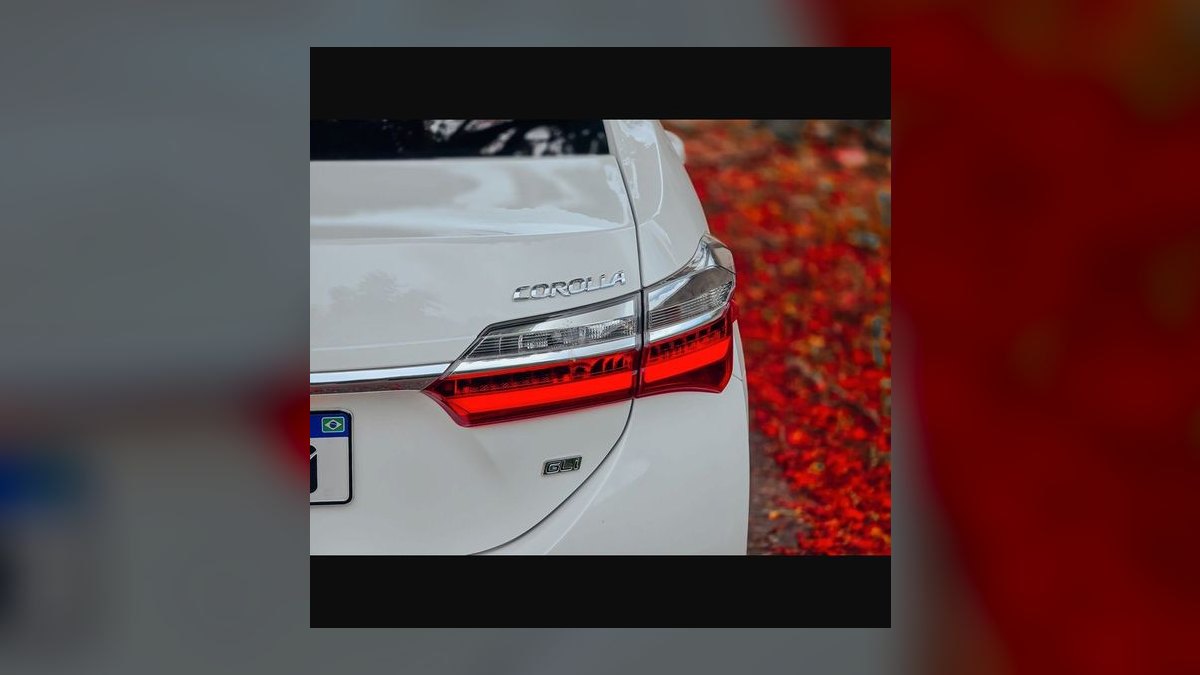
Fourth place reflects the cheapest path to Toyota reliability, with clean 2020-2021 Corolla LE sedans commonly priced between $17,000 and $22,000. The twelfth-generation car uses the TNGA-C platform, makes 139 horsepower from its 1.8-liter four, and returns an EPA-rated 30 mpg city and 38 mpg highway. Toyota Safety Sense 2.0 is standard, adding lane tracing assist and road sign recognition.
This works for a first-time buyer, a student, or anyone whose priority is a low monthly payment and near-zero surprise repairs. It gives up midsize space and power — merging on a short ramp requires planning, and the trunk holds 13.1 cubic feet. Compared with the Camry at the top of this list, the Corolla costs less to buy and insure but is measurably slower and noisier at highway speed.
5. Honda Civic EX Sedan (2019-2021)

The Civic ranks fifth on the strength of a 1.5-liter turbo making 174 horsepower in EX trim, which is unusually strong for a compact, paired with 32 mpg city and 42 mpg highway. Tenth-generation sedans offer 97.8 cubic feet of passenger volume and a 15.1-cubic-foot trunk — larger than several midsize rivals. Clean examples generally trade between $18,000 and $24,000.
This fits someone who wants compact running costs with enough power to feel quick. The trades are a firm ride on the standard 17-inch wheels and road noise that intrudes above 65 mph. Against the Corolla above it, the Civic is noticeably faster and roomier inside, but the turbocharged engine adds maintenance complexity the Corolla's naturally aspirated 1.8 simply does not have.
6. Hyundai Sonata SEL (2018-2020)
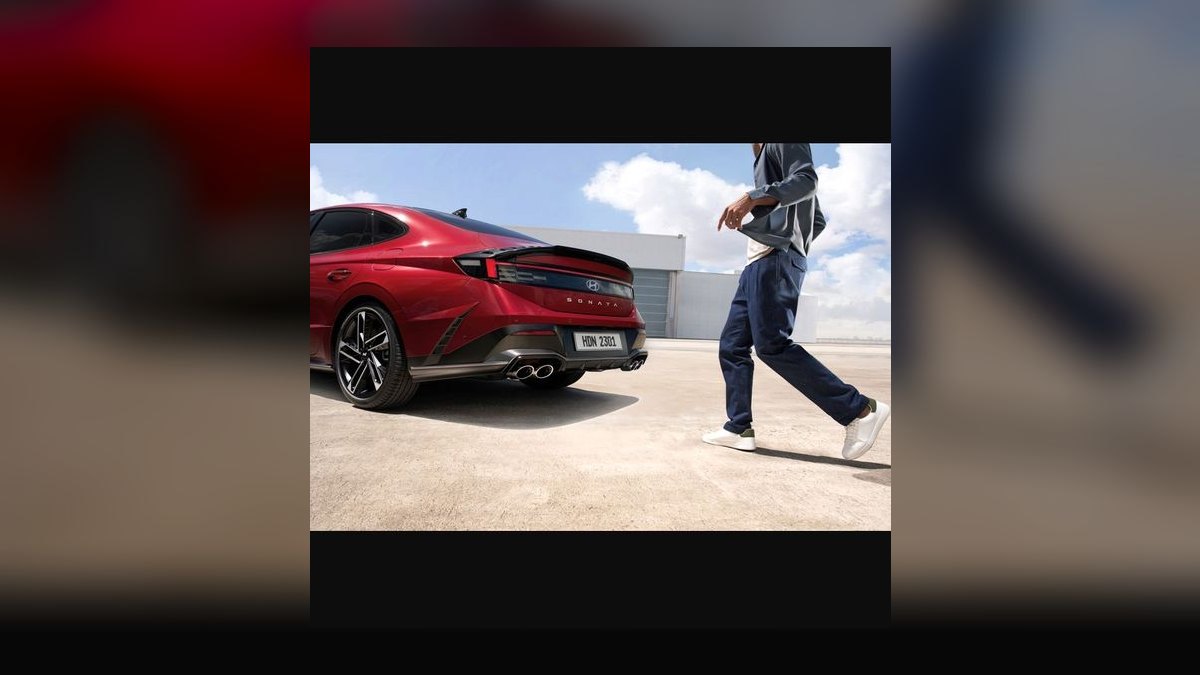
The Sonata places sixth because heavy depreciation makes it the value play here — well-equipped 2018-2019 SEL cars often list between $14,000 and $19,000, thousands under a comparable Camry. The 2.4-liter four produces 185 horsepower, and SEL trim includes blind-spot collision warning, rear cross-traffic alert, and heated front seats. Remaining coverage under Hyundai's 10-year, 100,000-mile powertrain warranty applies only to the original owner.
This is for a buyer stretching a budget who wants features rather than badge prestige. The trades are weaker resale value, and 2011-2019 Theta II engines were subject to multiple recalls and an extended warranty for connecting-rod bearing failure — verify the recall work was performed. Against the Mazda6 above, the Sonata costs less and carries more equipment but is duller to drive.
7. Kia Optima EX (2018-2020)
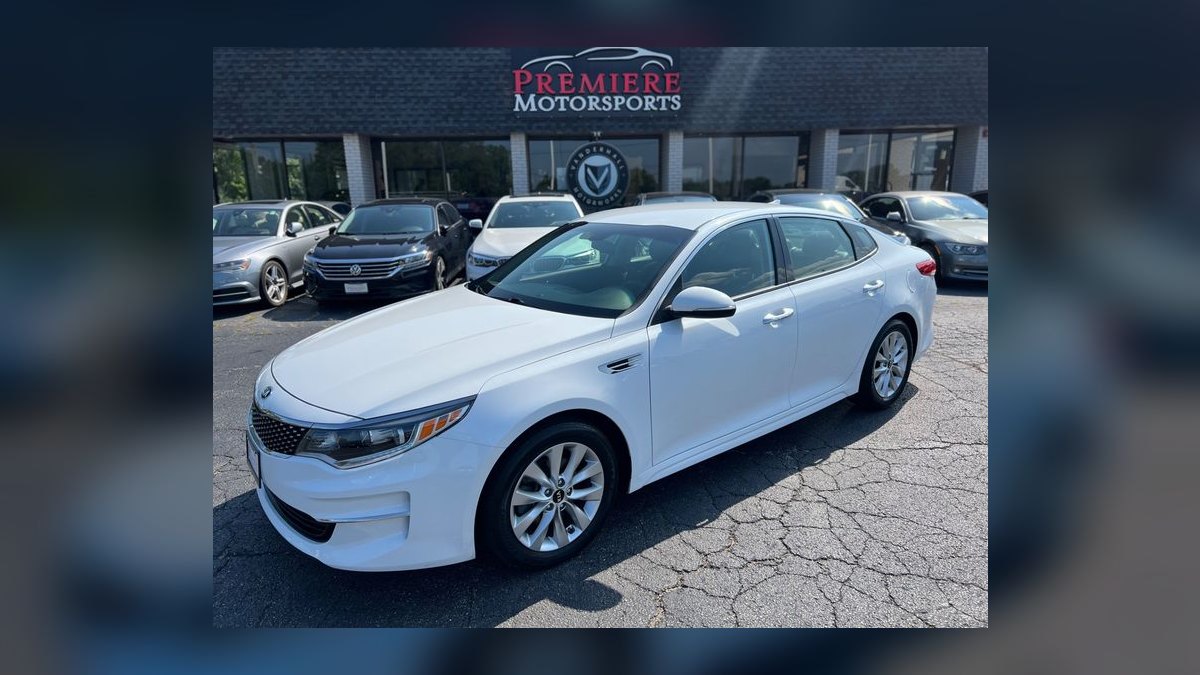
The Optima lands seventh as the Sonata's mechanical twin with a stronger interior, and clean EX examples typically sell between $15,000 and $20,000. The 2.4-liter four makes 185 horsepower, and EX trim adds leather seating, dual-zone climate control, and a UVO infotainment system with standard Apple CarPlay and Android Auto. EPA ratings land at 26 mpg city and 35 mpg highway.
This suits a shopper who wants near-luxury equipment at a mainstream price and plans to keep the car rather than trade it. It shares the Sonata's depreciation curve and the same Theta II engine recall history, so a service-record check is not optional. Compared with the Sonata directly above, the Optima offers better cabin materials and a slightly firmer chassis tune for roughly the same money.
8. Subaru Legacy Premium (2018-2020)
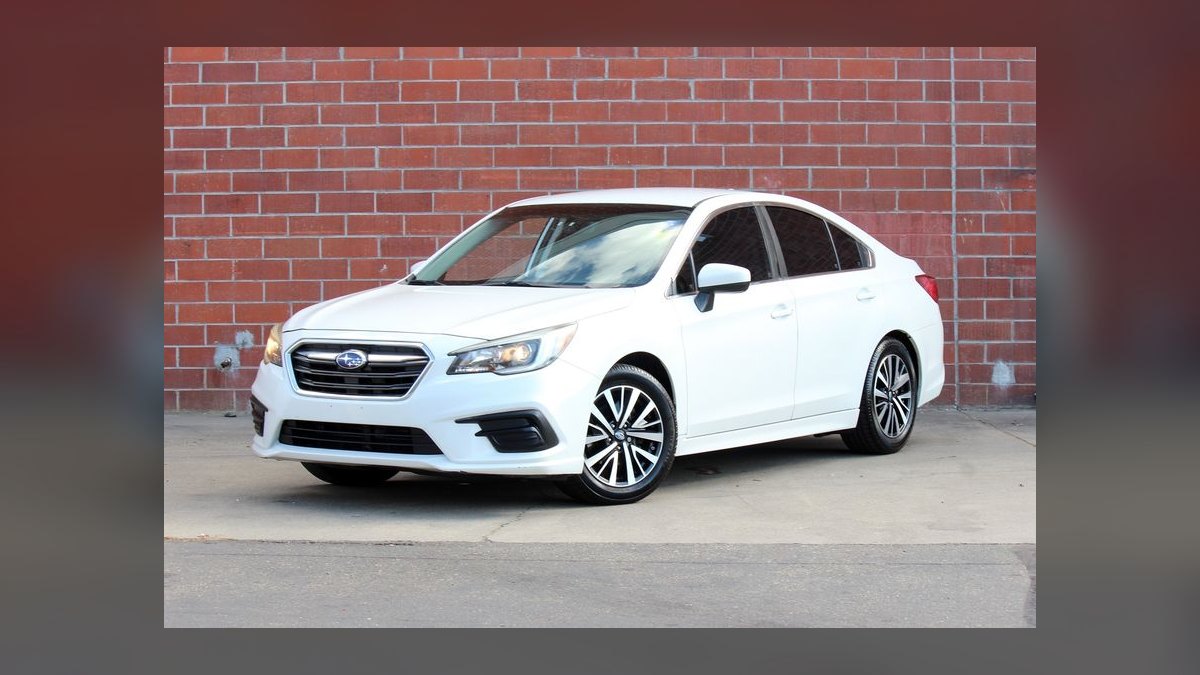
Eighth place goes to the Legacy because it is the only mainstream midsize sedan here with standard symmetrical all-wheel drive, which matters in snow states. The 2.5-liter boxer four makes 175 horsepower, and EyeSight driver assist with pre-collision braking and adaptive cruise is included on Premium trim. Clean examples usually price between $16,000 and $22,000, and ground clearance measures 5.9 inches.
This is for a buyer in the snowbelt who does not want a crossover. The trades are meaningful: 27 mpg combined trails every front-drive rival on this list, the CVT is uninspiring, and head gasket and oil consumption histories on older Subaru fours warrant a records check. Against the Optima above, the Legacy costs more to fuel but adds genuine all-weather capability.
9. Nissan Altima SV (2019-2021)

The Altima ranks ninth on rental-fleet depreciation that puts clean 2019-2020 SV cars in the $15,000 to $20,000 range despite modern equipment. The 2.5-liter four makes 188 horsepower and returns 28 mpg city and 39 mpg highway, and SV trim adds ProPILOT Assist, blind-spot warning, and a remote engine start. Optional intelligent all-wheel drive is available on this generation.
This fits a value hunter comfortable buying an ex-fleet car and running it for several years. The trades are the weakest resale value in the segment and a Jatco CVT with a documented history of failures on prior Altima generations — confirm fluid service and check for the extended warranty coverage. Against the Legacy above, the Altima is cheaper and more efficient but lacks standard all-wheel drive.
10. Volkswagen Jetta SE (2019-2021)

The Jetta closes the list because its 1.4-liter turbo returns 30 mpg city and 40 mpg highway while delivering 147 horsepower and 184 lb-ft of torque, giving it more low-end pull than most compacts. The MQB-platform seventh generation offers 37.4 inches of rear legroom and a 14.1-cubic-foot trunk. Clean SE examples typically sell between $15,000 and $21,000, and SE trim adds a sunroof and heated front seats.
This suits a driver who wants German road manners and highway composure on a compact-car budget. The trades are the reason it ranks last: Volkswagen's reliability and repair-cost records trail Toyota and Honda, and out-of-warranty electrical and turbo repairs run expensive. Against the Altima above, the Jetta is more fun to drive and better assembled inside, but riskier to own past 100,000 miles.
How we ranked these
Ranking weighted five signals for used sedans in the $15,000–$25,000 window: long-term reliability records from owner-survey and repair-frequency data, real-world fuel economy against EPA figures, total cost of ownership over five years including insurance and parts pricing, crash-test performance from IIHS and NHTSA, and depreciation curve steepness. Cars with documented powertrain defects in the model years that land in this price band were penalized regardless of how well the nameplate scores overall.
Deliberately ignored: 0-60 times, horsepower figures, infotainment screen size, and brand prestige. A sedan at this price is bought to work for another eight years, not to win a stoplight. Trim-specific option packages were excluded because used inventory rarely lets you choose them. Enthusiast-forum consensus was set aside in favor of aggregate repair data — vocal owners skew toward extremes in both directions and distort a small sample.
What to look for
Mileage matters less than maintenance records. A 90,000-mile sedan with stamped service history and receipts for its transmission fluid beats a 55,000-mile car with a blank book. Check whether the specific model year uses a CVT, a conventional automatic, or a dual-clutch, then price the worst-case replacement before you commit. Timing-belt engines need the belt interval verified in writing; timing-chain engines need oil-change frequency verified instead.
The common mistake is shopping by monthly payment and stretching the loan to 72 or 84 months on a car that is already six years old. You end up underwater on an asset with a shrinking service life. The second mistake is skipping the $150 pre-purchase inspection at an independent shop — it is the cheapest insurance available and regularly finds $2,000 of deferred work sellers describe as nothing.
Related questions
Is a used Toyota Camry or Honda Accord the safer buy under $25,000?
Both post excellent reliability records, so the decision usually comes down to the individual car. Accords in this band often carry a CVT or turbocharged four; Camrys more often use a conventional automatic and naturally aspirated engine. If you plan to keep the car past 150,000 miles, the simpler powertrain carries less repair risk. Inspect the specific vehicle rather than trusting the badge.
How many miles is too many on a used sedan in this price range?
There is no universal ceiling. A well-maintained Camry or Accord at 110,000 miles frequently outlasts a neglected car at 60,000. What matters is service history, rust in road-salt regions, and whether major intervals — transmission fluid, coolant, timing belt where fitted — were completed. Above 120,000 miles, budget for suspension bushings, struts, and at least one significant repair within two years.
Should I buy certified pre-owned or a private-party sedan?
Certified pre-owned adds a manufacturer-backed warranty and a reconditioning inspection, typically for $1,500 to $3,000 above private-party pricing. That premium is worth it if you cannot absorb a surprise transmission bill. If you can, private-party buying with an independent pre-purchase inspection usually delivers more car for the money, since you skip dealer overhead and reconditioning margin entirely.
Do hybrids make sense at this price point?
Often yes. Toyota and Honda hybrid systems in this era have proven durable, and the battery packs commonly outlive the loan. The savings depend on your annual mileage — under 8,000 miles a year, the fuel advantage rarely offsets a higher purchase price. Verify hybrid battery health with a scan tool before purchase; a degraded pack is the one genuinely expensive failure mode.
What does a pre-purchase inspection actually check?
A good independent shop puts the car on a lift and checks frame and undercarriage for accident or rust damage, measures brake and tire wear, pulls stored and pending diagnostic codes, inspects fluid condition and leaks, tests suspension components, and evaluates the cooling system. Expect to pay $100 to $200. Ask for photographs and a written list separating urgent repairs from upcoming maintenance.
How much should I budget for the first year of ownership?
Beyond the purchase price, plan on roughly $1,500 to $2,500 for the first year. That typically covers tires if they are near the wear bars, brake pads and rotors, a full fluid service, and registration and taxes. Cars in this age bracket are usually due for at least one of those items. Treating it as part of the purchase price prevents an unpleasant surprise.
Are salvage or rebuilt-title sedans worth the discount?
Generally no for a daily driver. The 20 to 40 percent discount looks appealing, but insurers may decline comprehensive coverage, resale value stays depressed permanently, and repair quality varies wildly between rebuilders. Structural repairs can compromise crash performance in ways no visual inspection detects. If you proceed anyway, require documentation of the original damage and a frame measurement from an independent body shop.
Which sedans in this range hold value best over the next five years?
Toyota and Honda mid-size sedans consistently show the flattest depreciation curves, followed by Mazda. Domestic and Korean sedans depreciate faster but are usually cheaper going in, which partly offsets the difference. Since these cars have already absorbed the steepest depreciation years, your realistic loss over five years is modest across the board compared with buying new.
FAQ
What is a fair price to pay for a used sedan under $25,000?
Compare the specific year, trim, mileage, and region against recent sold listings rather than asking prices. Kelley Blue Book and Edmunds provide baseline valuations, but actual transaction data on a marketplace with sold filters is more accurate. Expect private-party prices roughly $2,000 to $3,000 below dealer retail for equivalent cars, with certified pre-owned commanding the highest premium.
Is it better to finance or pay cash for a used sedan?
If you can pay cash without draining your emergency fund, do it — used-car interest rates run several points above new-car rates. If financing, secure pre-approval from a credit union before visiting a dealer, keep the term at 48 months or shorter, and put down enough that you are never underwater. Dealer financing is negotiable; treat the rate as a separate negotiation from price.
How do I check a vehicle's accident history reliably?
Run both a Carfax and an AutoCheck report — they draw from different data sources and each misses incidents the other catches. Neither is complete, since accidents settled without an insurance claim never appear. Supplement reports with a physical inspection: mismatched paint texture, uneven panel gaps, overspray on trim, and replacement glass with a different manufacturer stamp are all reliable indicators.
Does a CVT transmission mean I should walk away?
Not automatically, but it changes your due diligence. Some CVTs have solid records; others, particularly certain mid-2010s applications, have well-documented failures. Research the exact model year and engine combination, verify that CVT fluid was changed on schedule, and drive the car at highway speed listening for whine or shudder. Replacement typically runs $4,000 to $6,000, so this is worth the research time.
How important are the tires when evaluating a used sedan?
More important than most buyers realize, both as an expense and a signal. A full set of quality tires costs $600 to $1,000. Uneven wear across an axle points to alignment or suspension problems, and mismatched brands on the same axle suggest an owner who deferred maintenance. Check the DOT date code — tires older than six years should be replaced regardless of remaining tread.
Should I worry about rust on a used sedan?
Yes, if the car spent its life in a road-salt region. Surface rust on brake rotors is normal and harmless. Flaking or perforated metal on rocker panels, subframes, brake lines, or suspension mounting points is a structural and safety problem that only worsens. Inspect the underside on a lift, not from a crouch in the driveway, and treat significant frame corrosion as a deal-breaker.
What warning signs should end a test drive immediately?
A check-engine light the seller explains away, a transmission that hesitates or flares between gears, brakes that pulse or pull, blue or white exhaust smoke after warm-up, and any milky residue under the oil cap. Also walk away from a seller who refuses an independent inspection or pressures you to decide today. None of these are negotiating leverage; they are reasons to leave.
How long will a used sedan in this price range realistically last?
A well-maintained Japanese or Korean mid-size sedan bought at 70,000 to 100,000 miles commonly reaches 200,000 miles with routine service. That is typically eight to ten more years of ordinary driving. Longevity depends far more on maintenance discipline and climate than on the odometer reading at purchase. Budget roughly $800 to $1,200 annually for maintenance and repairs across that span.
Is an extended warranty worth buying on a used sedan?
Usually not from a third-party administrator — exclusions are extensive, claims processes are adversarial, and the pricing builds in substantial profit. A manufacturer-backed extension on a certified pre-owned car is a different product and can make sense. The stronger alternative is self-insuring: set aside what the warranty would have cost each month and keep it available for actual repairs.
Can I negotiate the price on a used sedan at a dealership?
Yes, though margins are thinner than on new cars. Negotiate the out-the-door price rather than the sticker, and address financing, trade-in, and add-ons separately so nothing gets shuffled between columns. Documentation fees are often non-negotiable by state law; dealer add-ons like paint protection and nitrogen-filled tires almost always are. Being willing to leave remains the strongest position available.
Sources
- https://www.iihs.org/ratings
- https://www.nhtsa.gov/ratings
- https://www.fueleconomy.gov
- https://www.consumerreports.org/cars/
- https://www.kbb.com/car-values/
- https://www.edmunds.com/appraisal/
- https://www.jdpower.com/cars/ratings/quality
- https://www.caranddriver.com/features/
- https://www.consumerfinance.gov/consumer-tools/auto-loans/
Related on PULSE
- [More used sedans under $25,000 rankings and buying guides](/knowledge)
- [PULSE Tools and calculators](/tools)
- [Everything on PULSE RevOps](/)
 pulse-recentTop 10 Most Affordable Used Sedans Under $10,000 in 1977 (Ranked)
 pulse-recentTop 10 Most Affordable Used Sedans Under $10,000 in 2004 (Ranked)
 pulse-recentTop 10 Most Affordable Used Sedans Under $10,000 in 1969 (Ranked)
 pulse-recentTop 10 Most Affordable Used Sedans Under $10,000 in 1961 (Ranked)
 pulse-recentTop 10 Supercars Under $100k — Best Overall + Best Value in 2027
 pulse-recentTop 10 Supercars Under $500,000 — Best Overall + Best Value in 2027
 pulse-recentTop 10 Most Affordable Used Sedans Under $10,000 in 2008 (Ranked)
 pulse-recentTop 10 Used Sedans Under $10,000 with the Lowest Cost of Ownership in 2027
 pulse-recentWhat is the real-world range of a 2027 electric sedan in freezing weather in 2027?
 pulse-recentTop 10 Supercar Ownership Costs — Best Overall + Best Value in 2027