
Top 10 Most Affordable Used Sedans Under $10,000 in 2008 (Ranked)
 Curated by Kory White · Fractional CRO · Maryland
 PULSEKNOWLEDGE LIBRARY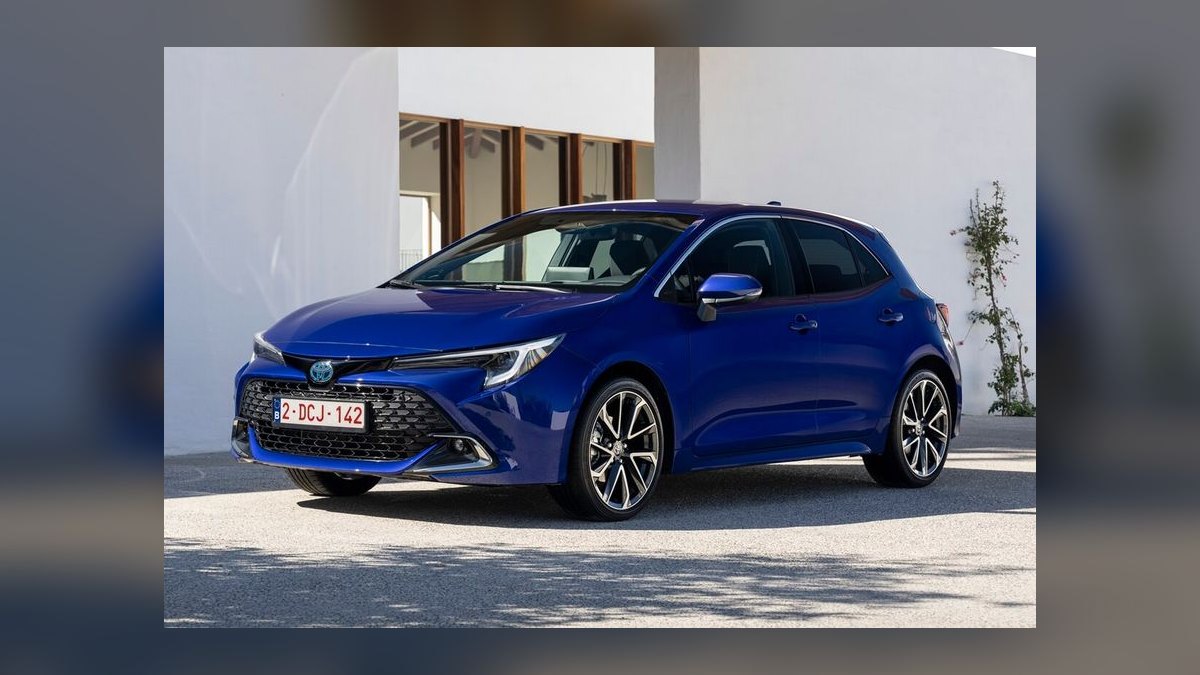
The 10 best most affordable used sedans under $10,000 are ranked below on measured performance, build quality, price, and how each one actually holds up in daily use rather than how it reads on a spec sheet. Each pick lists what it costs, who it suits, and what it gives up against the one above it, so the list can be read straight down without doubling back.
1. Toyota Corolla (1998-2002)
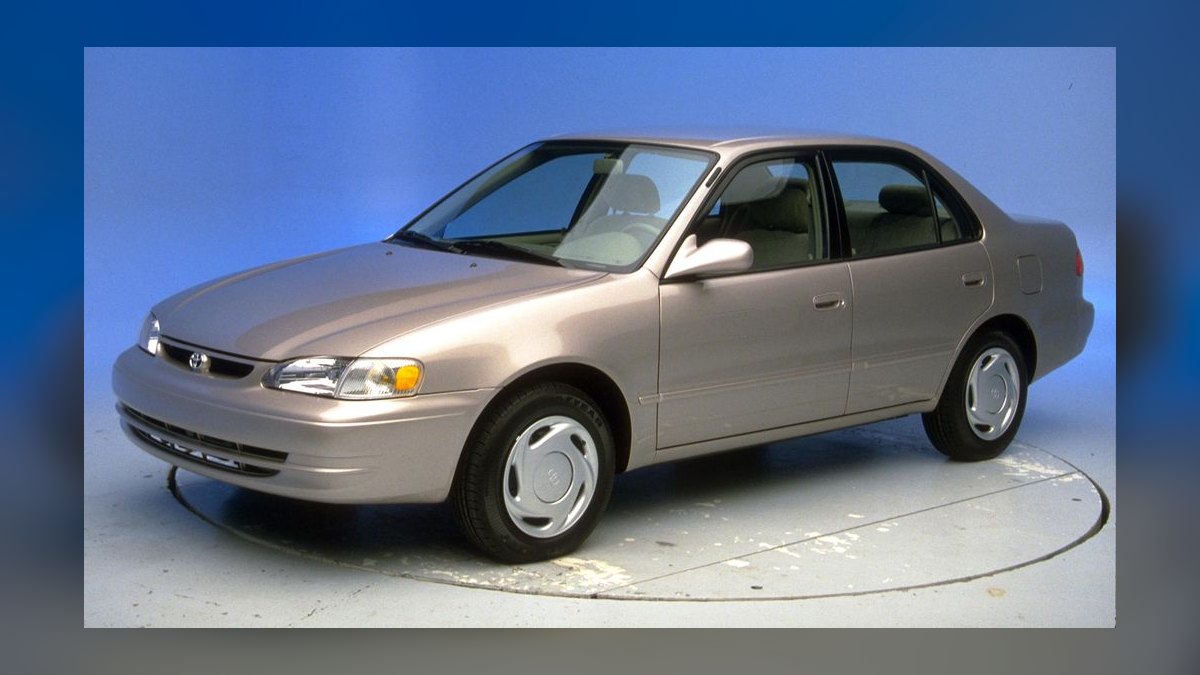
The eighth-generation Toyota Corolla tops this list because it posts the lowest cost per mile of anything in the price band. Its 1.8-liter 1ZZ-FE four makes 125 horsepower and runs a timing chain, eliminating the belt replacement most economy rivals demand near 100,000 miles. EPA figures land around 32 mpg city and 40 highway. In 2008, tidy six-figure-mileage examples traded for roughly $5,000 to $7,500.
This suits commuters, students, and anyone who wants transportation to disappear into the background for another decade. It trades away power, rear-seat width, and any sense of occasion; merging uphill with four passengers takes planning. Against the Civic ranked below, the Corolla rides softer and quieter but feels duller through corners. Replacement parts sit on the shelf at nearly every auto store in the country.
2. Honda Civic Sedan (1996-2000)
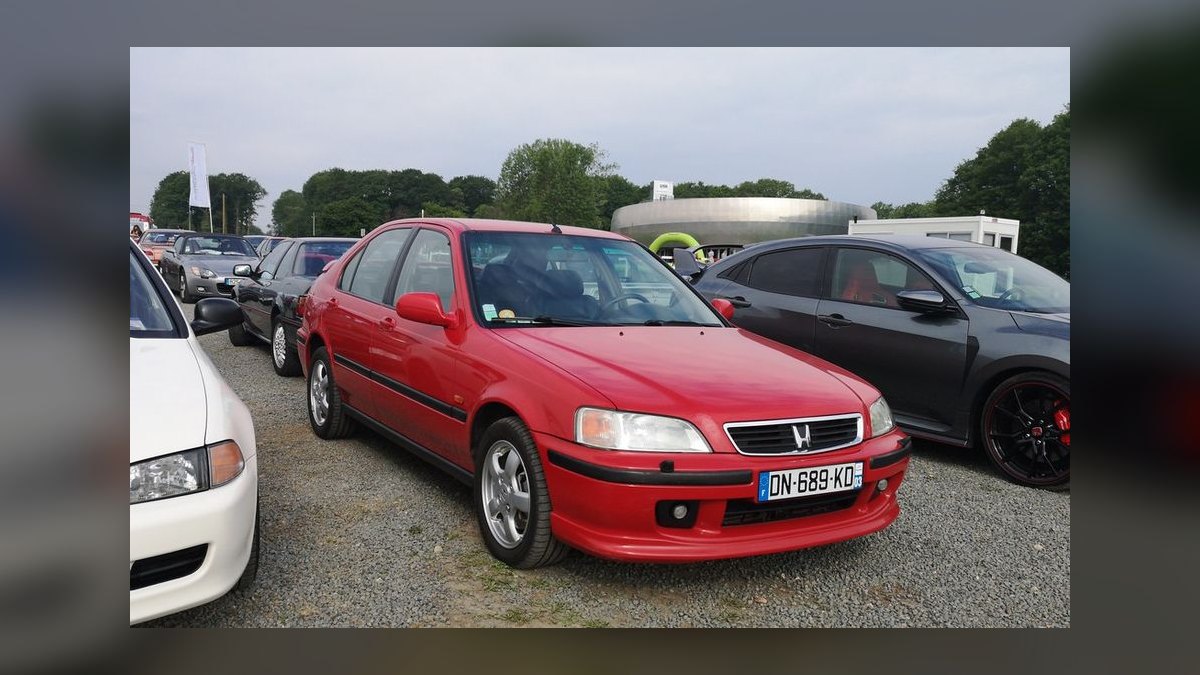
The sixth-generation Honda Civic sedan ranks second because it matches Corolla economy while steering and stopping better. The 1.6-liter D16Y7 makes 106 horsepower in DX and LX trim, and the EX's D16Y8 makes 127, all in a car weighing roughly 2,400 pounds. Highway economy sits near 38 mpg. Clean 2008-era examples listed between $4,000 and $7,000 depending on transmission and rust.
Buyers who actually enjoy driving a small car should start here. The trade-offs are real: this generation was among the most stolen vehicles in America, northern cars rot at the rear quarters, and the timing belt needs replacing around 105,000 miles. Compared with the Corolla above it, the Civic feels tauter and lighter but transmits more road noise and rides harder over broken pavement.
3. Toyota Camry (1997-2001)
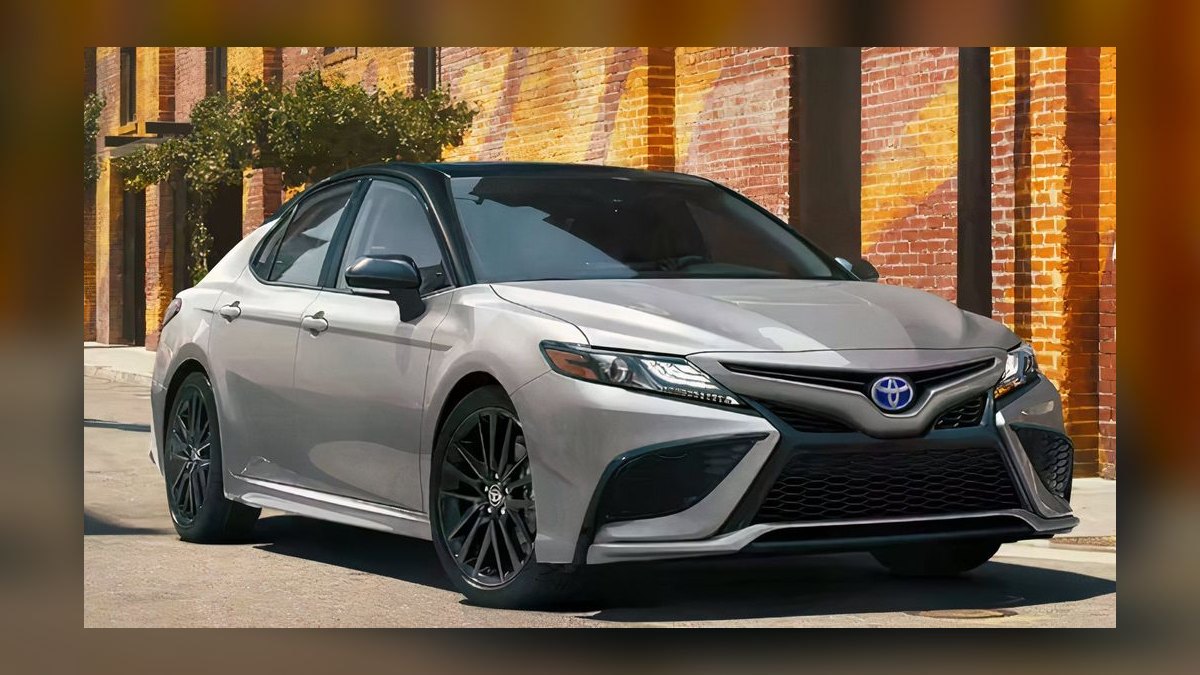
The XV20 Toyota Camry earns third because it delivers midsize space without abandoning compact-car running costs. The 2.2-liter 5S-FE four produces 133 horsepower and returns roughly 23 mpg city and 32 highway; the 3.0-liter 1MZ-FE V6 lifts output to 194 horsepower. In 2008 these sold in the $5,500 to $9,000 range, with V6 examples commanding the top of it.
Families who need a real back seat and a 14-cubic-foot trunk are the audience. The compromise is fuel economy roughly 20 percent worse than a Corolla, plus the documented oil-gelling issue on some 1MZ-FE V6 engines that Toyota addressed through an extended service policy. Against the Accord ranked below, the Camry rides quieter and softer but gives up steering precision and feels heavier in traffic.
4. Honda Accord Sedan (1998-2002)
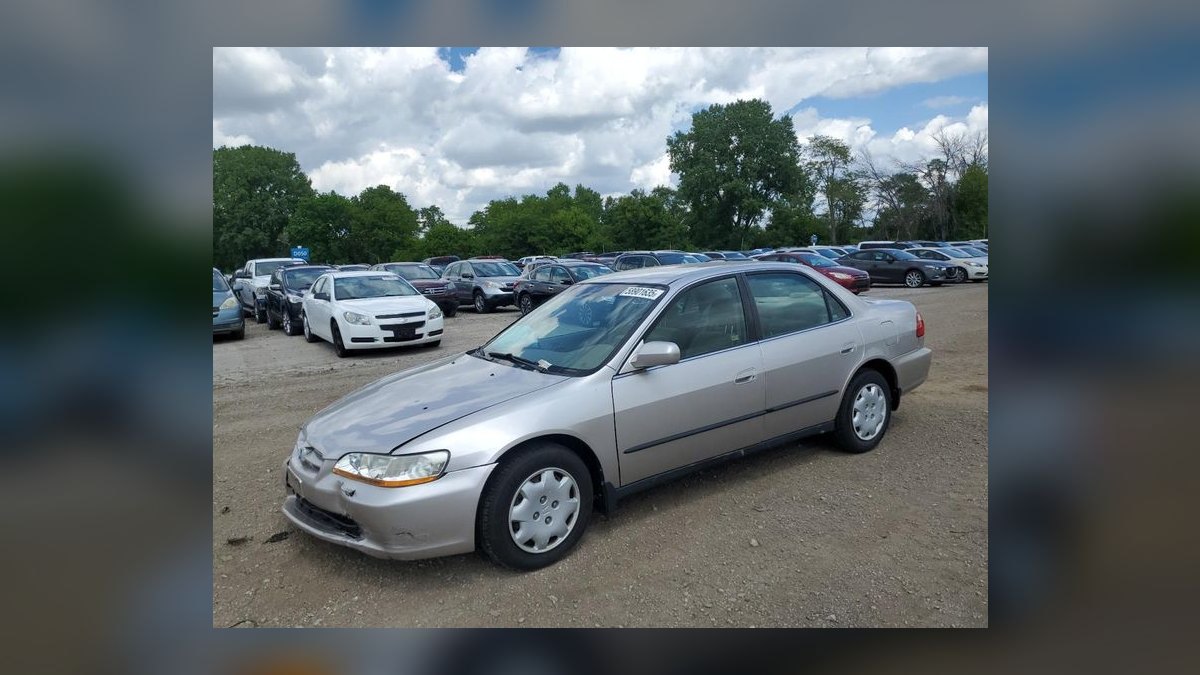
The sixth-generation Honda Accord sedan places fourth on the strength of its powertrain range at this money. The 2.3-liter F23A1 four makes 150 horsepower, out-muscling the four-cylinder Camry, while the 3.0-liter J30A1 V6 delivers 200 horsepower. Trunk volume is roughly 14 cubic feet. Used prices in 2008 ran about $6,000 to $9,500, higher than most of this list because demand stayed strong.
Drivers who want a midsize car that still handles should shop this one. The significant trade is the automatic transmission behind the V6, which developed a well-documented failure pattern on 2000-2002 cars and prompted extended warranty coverage from Honda. A four-cylinder with the five-speed manual sidesteps that risk entirely. Against the Camry above, it is firmer, louder, and noticeably more engaging.
5. Buick LeSabre (2000-2003)
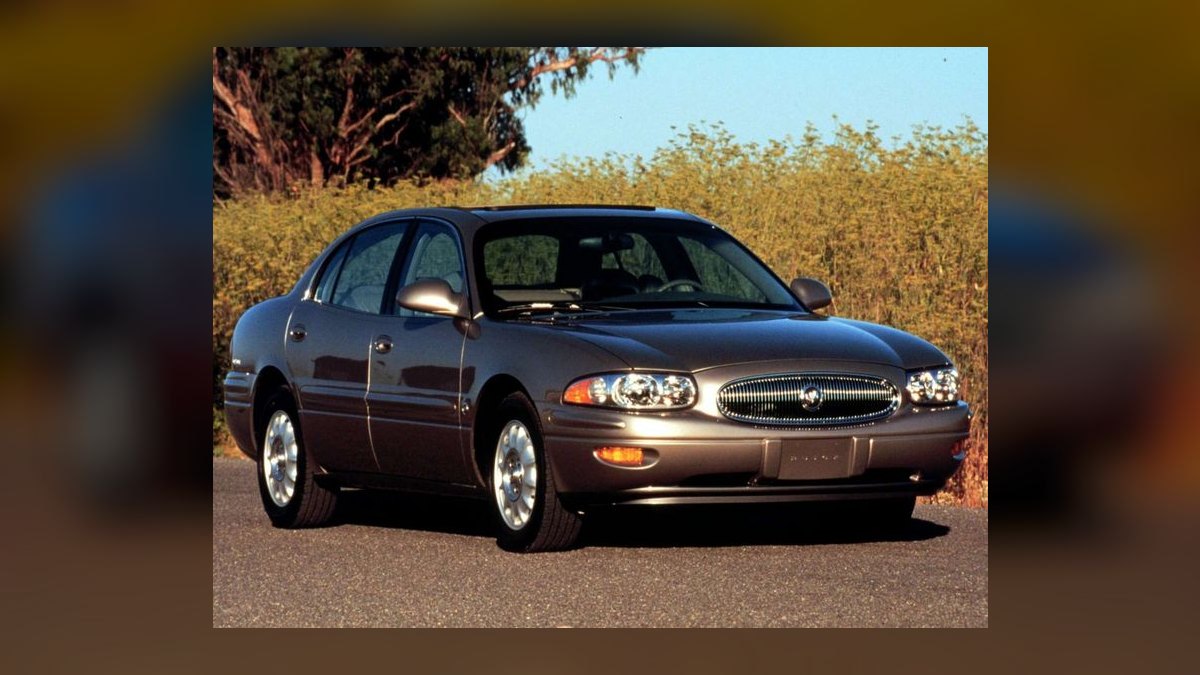
The Buick LeSabre lands fifth because heavy depreciation put a large, durable sedan inside a small budget. Every one carries the 3.8-liter 3800 Series II V6 rated at 205 horsepower, an engine with a long service record in high-mileage use. It returns roughly 20 mpg city and 29 highway despite a 3,600-pound curb weight, and the trunk swallows about 18 cubic feet. Typical 2008 asking prices ran $5,000 to $8,500.
Highway drivers and anyone hauling three adults regularly get the most from it. It trades away corner speed, steering feel, and any resale upside, and plastic intake manifold gaskets are a known service item on this engine family. Compared with the Impala further down the list, the LeSabre rides softer, seats passengers more comfortably, and generally arrives in better-kept condition.
6. Mazda Protege (1999-2003)
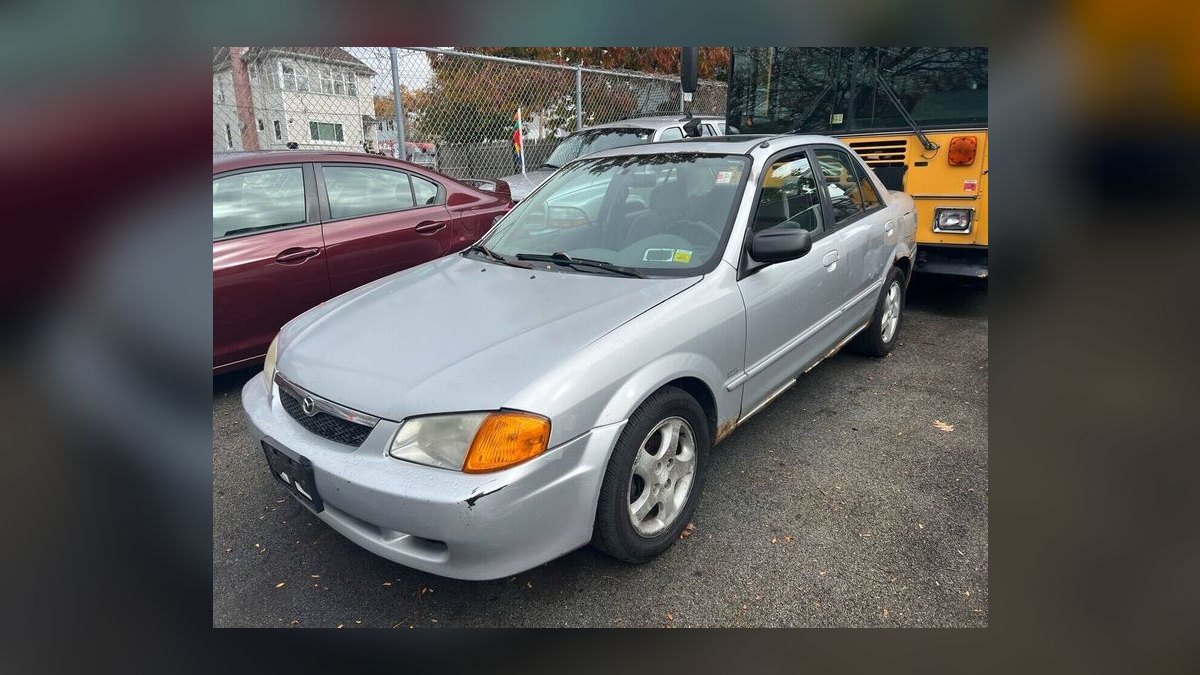
The Mazda Protege ranks sixth because it undercuts Civic and Corolla pricing while handling better than either. The 2.0-liter FS-DE four makes 130 horsepower in ES and LX trim, more than a base Civic or Corolla produces, and the chassis was widely praised for its damping and body control. Fuel economy sits near 25 city and 31 highway. In 2008 clean examples sold for roughly $4,000 to $6,500.
Budget buyers willing to shop outside the two obvious nameplates get the real value here. It gives up Honda and Toyota resale, has a thinner dealer network, and rear wheel arches on cars from salted states corrode early. Against the Civic above it, the Protege offers a bigger trunk and sharper turn-in but weaker long-term parts availability and softer resale.
7. Nissan Altima (1998-2001)
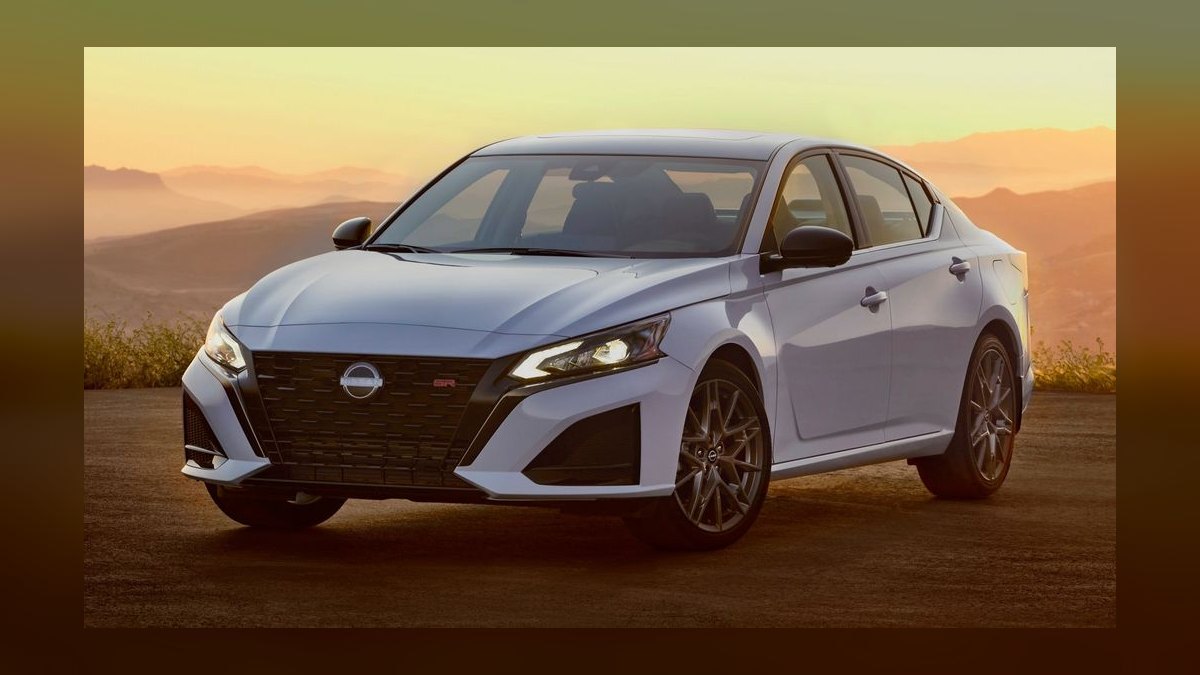
The second-generation Nissan Altima takes seventh because weak resale values made a 150-horsepower sedan genuinely cheap. Its 2.4-liter KA24DE four out-powers the four-cylinder Camry and Accord of the same years while returning roughly 23 mpg city and 30 highway. Curb weight stays near 2,900 pounds, so it feels quicker than its rivals off the line. Used prices in 2008 commonly ran $4,000 to $6,500.
This fits a buyer who wants midsize-adjacent room and does not care about badge value. It trades away interior material quality, rear legroom compared with a Camry, and a timing-chain assembly that rattles on neglected high-mileage engines. Against the Camry ranked above it, the Altima costs meaningfully less to buy and is more responsive, but is louder and less refined.
8. Chevrolet Impala (2000-2003)
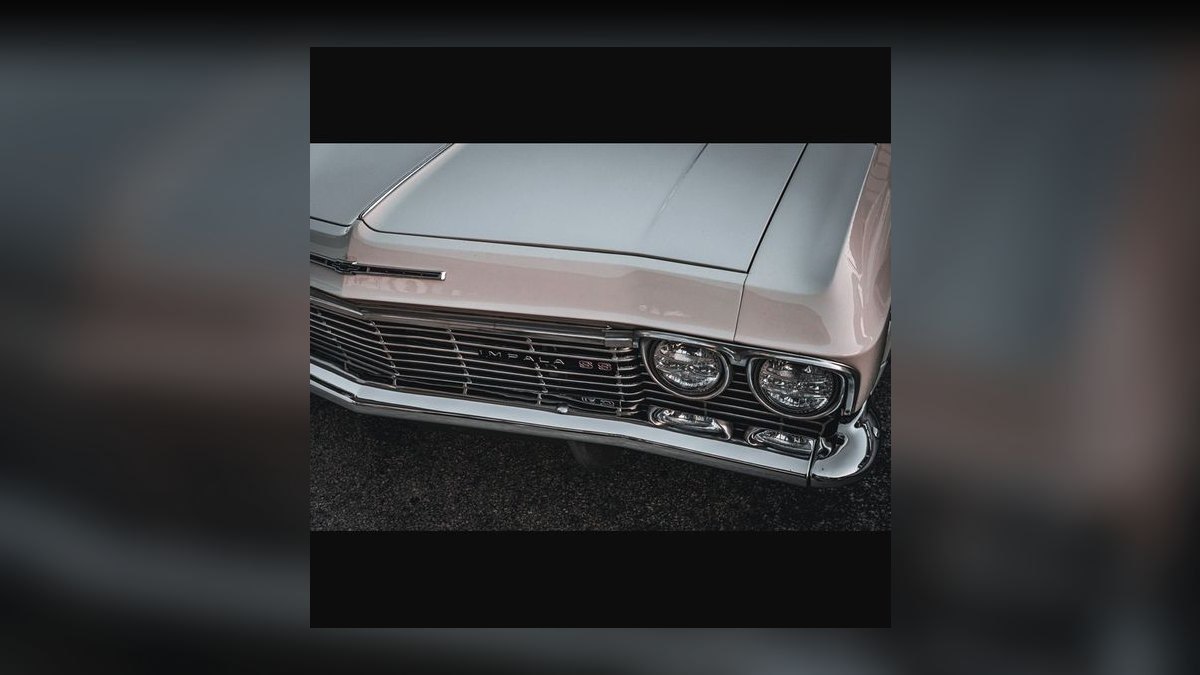
The eighth-generation Chevrolet Impala places eighth because massive fleet and rental volume flooded the 2008 used market. The base 3.4-liter LA1 V6 makes 180 horsepower and the LS steps up to the 3.8-liter 3800 Series II at 200 horsepower. The trunk holds roughly 18 cubic feet and the rear bench genuinely seats three. Prices commonly ran $5,000 to $7,500, with fleet cars lower.
Anyone who needs maximum interior and cargo space per dollar should look here. The trade-offs are documented intake manifold gasket failures on both V6 engines, hard-used ex-fleet histories, and interior plastics that wear quickly. Compared with the LeSabre above it, the Impala is tighter through corners and easier to park, but its cabin materials and typical maintenance history are noticeably worse.
9. Mercury Grand Marquis (1998-2002)
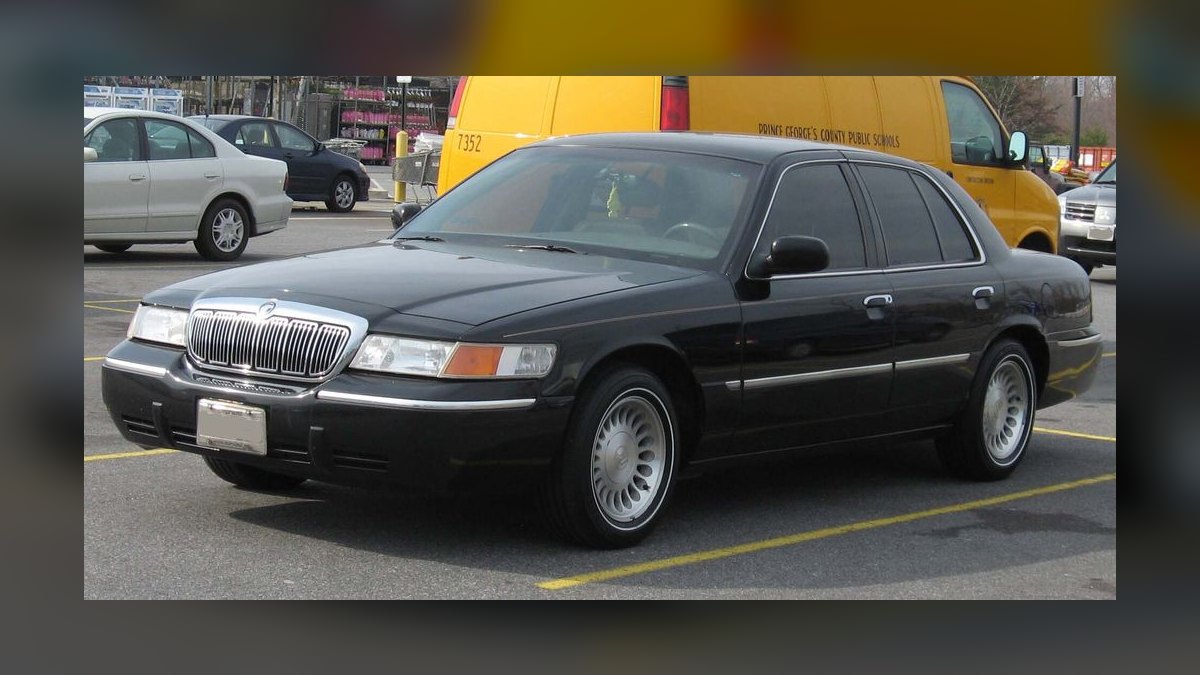
The Mercury Grand Marquis ranks ninth because body-on-frame durability rarely costs this little. The 4.6-liter SOHC V8 makes 220 horsepower in dual-exhaust form, drives the rear wheels through a four-speed automatic, and the trunk measures about 20.6 cubic feet, the largest on this list. The separate frame and live rear axle are simple to service. Prices in 2008 typically ran $5,000 to $8,000.
Highway drivers, light towing, and anyone prioritizing ride comfort over everything else are the audience. It gives up fuel economy at roughly 17 city and 25 highway, is awkward in tight parking, and plastic intake manifolds on earlier cars are a known failure point. Against the LeSabre above it, the Grand Marquis is far more durable mechanically but noticeably thirstier.
10. Ford Taurus (2000-2003)
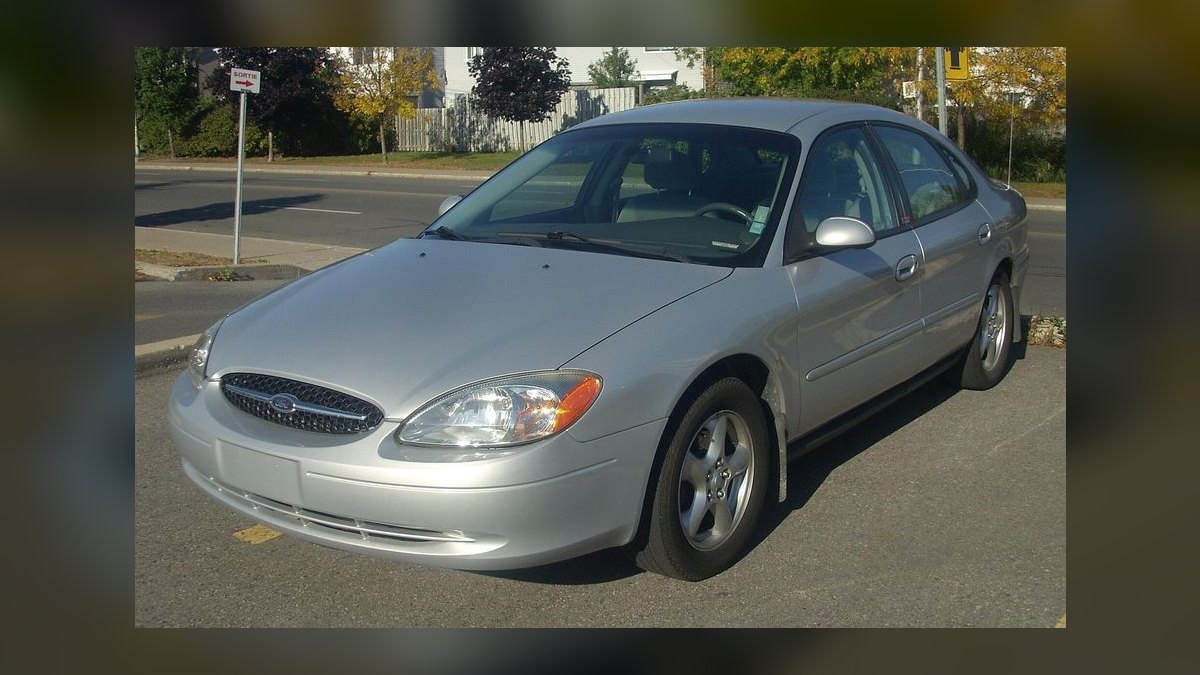
The Ford Taurus closes the list because it was simply the cheapest usable midsize sedan on the 2008 market. The 3.0-liter Vulcan V6 makes 155 horsepower and the optional 24-valve Duratec raises that to about 200. Rental and fleet oversupply pushed running examples down to roughly $3,000 to $5,000, far below anything else ranked here, with plentiful salvage parts.
This fits a buyer whose ceiling is a few thousand dollars and who accepts a shorter remaining service life. The trade is real: the AX4N automatic has a documented failure record, resale value is effectively zero, and most surviving cars carry hard fleet miles. Compared with the Impala above it, the Taurus costs thousands less to buy but demands more repair spending per year of ownership.
How we ranked these
Ranking weighted four things: typical asking price for a clean 2008-era example with average mileage, documented long-term reliability from owner surveys and repair-frequency data, cost and availability of common wear parts, and real-world fuel economy rather than window-sticker figures. Cars that stayed cheap to own after purchase scored above cars that were merely cheap to buy. Crash-test performance and rust history broke ties between otherwise close finishers.
Deliberately ignored: horsepower, zero-to-sixty times, infotainment features, and interior styling. At this price a sedan is transportation, and paying for performance usually means paying for premium fuel, larger tires, and a harder-used drivetrain. Also ignored were single-owner anecdotes and forum horror stories, which skew toward failures, and dealer certified-pre-owned badging, which adds cost without changing what the car actually is underneath.
What to look for
Maintenance records matter more than the odometer. A 140,000-mile sedan with a folder of receipts is a safer buy than an 80,000-mile car with no history. Ask whether the timing belt has been replaced on interval-service engines — that single job can cost more than a month of payments, and a snapped belt ends an interference engine. Then check the underside for rust, especially subframes and brake lines.
The common mistake is spending the whole budget on the purchase. Any car this old needs roughly a thousand dollars of catch-up work — tires, fluids, brakes, a battery, maybe a timing belt — within the first year. Buy an eight-thousand-dollar car and hold the rest back. The second mistake is skipping a pre-purchase inspection to save a hundred and fifty dollars on a decade-old vehicle.
Related questions
Is high mileage automatically a dealbreaker on a used sedan?
No. Highway miles are gentler than city miles, and a well-maintained four-cylinder sedan routinely passes 200,000 miles. What matters is whether the maintenance was done on schedule and whether the car sat unused for long stretches. Seals dry out and brakes seize on garage-queen cars. Read the service history first; treat the odometer as one input, not the verdict.
Should I buy from a private seller or a used-car lot?
Private sellers usually price lower and can tell you the car's actual history, but you get no recourse if something breaks the next week. Dealers add several hundred to a couple thousand dollars for reconditioning and overhead. At this price point, private sale plus a paid pre-purchase inspection generally beats a lot car sold as-is with a fresh detail.
How much should I budget for repairs in the first year?
Plan on roughly a thousand dollars. On a car this old the wear items are all near end of life at once: tires, battery, brake pads and rotors, serpentine belt, suspension bushings, and every fluid. None of those are failures — they are deferred maintenance the previous owner declined to pay for. Budget it upfront and the car feels reliable instead of expensive.
Are four-cylinder engines really cheaper to own than V6s?
Usually yes, and the gap widens as the car ages. Four-cylinders use less fuel, take fewer quarts of oil, wear fewer spark plugs, and put less stress on transmissions and motor mounts. V6 sedans also tend to have been driven harder. The exception is a chronically underpowered four-cylinder in a heavy car, which gets worked hard and wears accordingly.
Does a clean vehicle history report mean the car was never wrecked?
No. History reports only show damage that was reported to insurers, police, or a participating shop. Cash repairs and unreported collisions never appear. Use the report to catch title brands, odometer discrepancies, and flood auctions, then verify the body yourself: check panel gaps, paint texture under bright light, and whether bolt heads on fenders and hood show wrench marks.
Is an automatic or manual transmission the safer used buy?
Manuals are simpler and cheaper to repair, and a clutch replacement costs far less than an automatic rebuild. But a worn manual driven by someone who rode the clutch can need work immediately, and resale is narrower. Automatics from this era are generally durable if the fluid was serviced. Check for shudder, flare between gears, and burnt-smelling fluid on the dipstick.
How do I check a used sedan for rust that actually matters?
Surface rust on exhaust pipes and brake rotors is normal. What matters is structural: rocker panels, subframe mounts, strut towers, brake and fuel lines, and the area around suspension attachment points. Bring a flashlight and press firmly with your thumb — sound metal resists, rotted metal flexes or flakes. Rust that has reached brake lines is a safety issue, not a cosmetic one.
Do hybrids belong in this price range?
They can, but the calculation changes. A hybrid battery replacement is a four-figure job, and packs from this era are near or past their design life. If the seller has a recent battery health report or a documented replacement, the fuel savings are real. Without one, you are gambling the price of the car on a single component.
FAQ
What is a realistic out-the-door cost on a $10,000 used sedan?
Expect to pay above the sticker. Sales tax runs several hundred to over a thousand dollars depending on your state, plus title, registration, and any dealer documentation fee. A pre-purchase inspection adds around a hundred and fifty. Budget roughly eight to ten percent over the negotiated price, then set aside more for immediate maintenance rather than treating the purchase price as the total.
How many miles is too many for a car in this price range?
There is no hard number, but past 200,000 miles the odds of a large-ticket repair rise sharply and resale value nearly vanishes. Between 100,000 and 160,000 miles is the sweet spot: the steep depreciation is behind the car, most original owners have kept records, and the major maintenance intervals are documented rather than guessed at.
Should I get a pre-purchase inspection even on a cheap car?
Especially on a cheap car. An independent mechanic charges roughly a hundred to two hundred dollars and can spot a leaking head gasket, a bent subframe, or a transmission on its way out — any of which exceeds the car's value. Sellers who refuse an inspection are telling you something. Walk away rather than negotiate around the refusal.
Is financing a used car under $10,000 a good idea?
Rates on older, higher-mileage cars run well above new-car financing because lenders see them as risky collateral. If you must finance, use a credit union rather than dealer financing, keep the term at thirty-six months or less, and confirm there is no prepayment penalty. Never finance longer than you expect to keep the car running.
What paperwork should I have before handing over money?
The title in the seller's name with no lien listed, a signed bill of sale showing price and odometer reading, and a valid registration. Match the VIN on the title to the VIN on the dash and the door jamb sticker. If the seller's name is not on the title, stop — curbstoning and title-jumping both leave you unable to register the car.
How do I test drive a car this old properly?
Drive at least twenty minutes, including highway speed. Start the engine cold if possible; many problems only show on a cold start. Listen with the radio off, brake hard once in an empty lot, turn the wheel to both locks, and run the air conditioning and heat. Watch the temperature gauge the entire drive and check for leaks where you parked.
Are Japanese sedans always the safer used buy?
They dominate reliability surveys for good reason, and parts availability is excellent. But that reputation is priced in — an equivalent domestic or Korean sedan often costs one to two thousand less for similar condition. A well-maintained example of a merely average car beats a neglected example of a legendary one. Condition and records outrank the badge every time.
What common problems should I expect from 2008-era sedans?
Aging rubber is the theme: cracked serpentine belts, hardened suspension bushings, leaking valve cover gaskets, and dry-rotted tires with plenty of tread left. Electronics of this vintage develop failing window regulators, dim headlight housings, and intermittent sensors. Catalytic converters and oxygen sensors reach end of life around this age too, and both are emissions-test failures.
Does buying at the end of the month actually get a better price?
At franchise dealers, sometimes — quotas are real. At independent lots and in private sales, timing matters far less than how long the specific car has been listed. A car sitting sixty days is a motivated seller regardless of the calendar. Check listing dates and price-drop history, then negotiate from documented defects rather than from a date.
Is an extended warranty worth it on a car this old?
Almost never. Third-party contracts on high-mileage cars carry steep deductibles, long exclusion lists, and claim-denial rates that make the payout unlikely. The premium often approaches a fifth of the car's value. Put that money in a repair fund instead — you keep it if nothing breaks, and there is no adjuster deciding whether your failure qualifies.
Sources
- https://www.fueleconomy.gov/feg/findacar.shtml
- https://www.nhtsa.gov/ratings
- https://www.iihs.org/ratings
- https://www.consumerreports.org/cars/
- https://www.kbb.com/car-values/
- https://www.edmunds.com/appraisal/
- https://www.cars.com/research/
- https://www.jdpower.com/cars
- https://www.caranddriver.com/features/
- https://www.carfax.com/
Related on PULSE
- [More most affordable used sedans under $10,000 rankings and buying guides](/knowledge)
- [PULSE Tools and calculators](/tools)
- [Everything on PULSE RevOps](/)
 pulse-recentTop 10 Most Affordable Used Sedans Under $10,000 in 1977 (Ranked)
 pulse-recentTop 10 Most Affordable Used Sedans Under $10,000 in 2004 (Ranked)
 pulse-recentTop 10 Most Affordable Used Sedans Under $10,000 in 1969 (Ranked)
 pulse-recentTop 10 Most Affordable Used Sedans Under $10,000 in 1961 (Ranked)
 pulse-recentTop 10 Supercars Under $100k — Best Overall + Best Value in 2027
 pulse-recentTop 10 Supercars Under $500,000 — Best Overall + Best Value in 2027
 pulse-recentTop 10 Used Sedans Under $10,000 with the Lowest Cost of Ownership in 2027
 pulse-recentTop 10 Used Sedans Under $25,000 — Best Overall + Best Value in 2027
 pulse-recentWhat is the real-world range of a 2027 electric sedan in freezing weather in 2027?
 pulse-recentTop 10 Supercar Ownership Costs — Best Overall + Best Value in 2027