 Pulse Reviews and Analysis
How do you create coaching playbooks for common rep gaps?
 Curated by Kory White · Fractional CRO, CRO Syndicate
Direct Answer
Build a coaching playbook for each recurring rep gap the same way you build a sales play: name the gap, define what "good" looks like, write the diagnosis questions, script the coaching conversation, attach a drill, and set a measurable bar that proves the gap closed. Start with the three gaps that show up on almost every team — discovery, closing, and objection handling — and create one short, reusable playbook per gap so any manager can run it without reinventing the wheel.
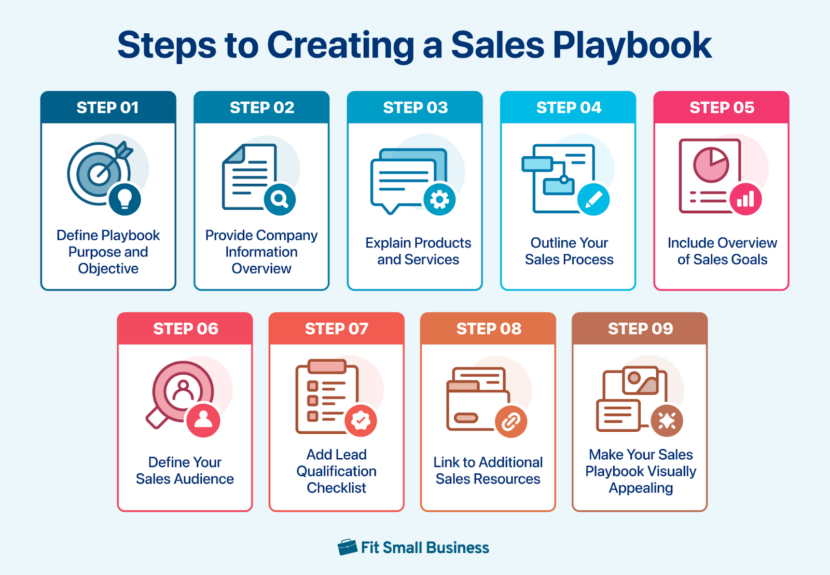
The playbook is a one-page asset: trigger, root-cause diagnosis, verbatim coaching script (lean on the GROW model), a 2-week drill cadence, and a scorecard with leading indicators. In 2027, you populate these playbooks from real call data in Gong or Chorus so the examples are your reps' actual calls, not generic theory.
Why This Happens — Diagnose Before You Coach
Most "rep gaps" are really four different problems wearing the same jersey: skill (they don't know how), will (they don't want to), knowledge (they don't know what), or system (territory, comp, lead quality, or tooling is broken). A playbook that treats every weak closer as a skill problem will fail half the time, because half of them are actually a confidence/will problem or a pipeline-math problem.
The job of the playbook is to route a manager from the visible symptom to the real cause before any coaching language comes out of your mouth.
That is why every coaching playbook opens with a diagnosis branch, not a script. A rep who "can't close" but consistently runs strong discovery and gets multi-threaded usually has a will/confidence gap — they're afraid to ask. A rep who "can't close" but skips mutual action plans and never quantifies pain has a skill/process gap.
Same symptom, opposite coaching. The named common gaps library (discovery, closing, objections, prospecting, forecasting accuracy) each get their own decision tree so the diagnosis is repeatable across your whole front line.
The Coaching Conversation
Every playbook ships with a verbatim script built on the GROW model — Goal, Reality, Options, Will — so the manager asks instead of tells. The point is to make the rep do the thinking; reps own what they help author. Here are the copy-pasteable scripts for the three core playbooks.
Discovery gap script (Goal/Reality):
- "On the [Acme] call, walk me through what you learned about how they decide and who signs. What did you not get?"
- "If a competitor had that same call, what would they know that you don't?"
- "What's one question you wish you'd asked? Let's write it into your discovery framework now."
Closing gap script (Reality/Options):
- "At what point in this deal did you confirm next steps in writing? Show me the mutual action plan."
- "What specifically are you afraid will happen if you ask for the close?" (This surfaces will vs. Skill in one question.)
- "Let's script the exact ask for the [Acme] deal. Say it to me now, out loud."
Objection-handling gap script (Options/Will):
- "Replay the moment they said 'too expensive.' What did you say next?"
- "What was the objection underneath the objection — budget, authority, or fear of change?"
- "Give me three ways to respond. Pick the one you'll use and we'll role-play it twice before your next call."
Close every conversation the same way: "What will you do differently on your next call, and when is that call?" That single Will question converts a conversation into a commitment and gives you the next observation point.
The Coaching Plan / Cadence
A playbook is worthless without a loop that runs it. Each gap gets a 2-week cycle that nests inside a standing weekly 1:1: Week 1 you diagnose and co-author the fix, Week 2 you observe a live or recorded call and check the leading indicator. Across a quarter, the 30/60/90 view is: days 1–30 close the most expensive single gap, days 31–60 stabilize it and add the second gap, days 61–90 verify the behavior holds without you in the room.
The manager never coaches more than two gaps at once per rep — more than that and nothing sticks.
Drills & Role-Play
The script changes the thinking; the drill changes the muscle. Each playbook attaches one specific, repeatable rep:
- Discovery drill: Pull two recent Chorus/Gong calls and have the rep score their own discovery against a 5-question checklist (pain, impact, decision process, economic buyer, timeline). Then role-play the call again with you as the prospect, withholding answers until they ask the right question.
- Closing drill: "Ask for it 10 ways." The rep delivers ten different closing asks in five minutes — trial close, summary close, calendar close, etc. Repetition kills the fear faster than any pep talk.
- Objection drill: Rapid-fire role-play. You fire the team's top five objections (price, timing, incumbent, "send me info," no budget) and the rep responds in under ten seconds each. Record it, play it back, run it again Friday.
- Call-review circle: Once a week, the team reviews one anonymized call together against the playbook scorecard. Peer pressure and peer ideas do work you can't do solo.
What to Measure
Coach to the leading indicators, because quota is a lagging number that tells you the answer too late. Each playbook names its own metric so you can prove the gap is closing inside two weeks, long before the deal closes.
- Discovery playbook: percent of opps with a documented economic buyer and decision process; stage-1-to-stage-2 conversion.
- Closing playbook: percent of late-stage deals with a written mutual action plan; win rate on stage-3+ opps; slipped-deal count.
- Objection playbook: talk-to-listen ratio and "longest monologue" from Gong on objection calls; conversion after a price objection.
- Behavior change everywhere: does the new behavior show up on the *next* recorded call without you prompting it? That binary is the truest signal a playbook worked.
Track all of it on one scorecard per rep so trend, not anecdote, drives the next 1:1.
Common Mistakes Managers Make
- Coaching the deal, not the skill. Saving one Acme deal in a 1:1 teaches the rep nothing reusable. Fix the gap that loses ten deals, not the symptom of one.
- Rescuing the rep. Jumping on the call and closing it for them feels heroic and builds zero capability. Let them run it; debrief after.
- No follow-through. A brilliant coaching session with no next observation point is a conversation, not coaching. Always schedule the re-check.
- Coaching everyone identically. Your top rep and your struggling rep need different playbooks; a single template applied to all wastes your strongest people.
- Confusing a will problem with a skill problem. More training won't fix a motivation, comp, or wrong-fit issue. Name it honestly — sometimes the right answer is a PIP, not another role-play.
- Building the playbook and never opening it. A playbook in a drive folder is decoration. It only works when it's the agenda of the actual 1:1.
FAQ
How many coaching playbooks should I build first? Start with three — discovery, closing, and objection handling — because they cover the gaps on nearly every B2B team. Add prospecting and forecast-accuracy playbooks once the first three are in regular use. Resist building twelve at once; an unused playbook library is worse than three you actually run.
What goes on a single coaching playbook page? Six blocks: the trigger (what symptom opens it), the diagnosis branch (skill/will/knowledge/system), the verbatim GROW script, the drill, the 2-week cadence, and the scorecard metric. Keep it to one page so a manager can run it live in a 1:1 without studying.
How do I keep playbooks from going stale? Refresh the example calls quarterly from Gong or Chorus so the role-play uses your reps' real, recent calls. Tie each playbook to a leading indicator and retire or rewrite any playbook whose metric stops moving.
Should every manager use the same playbooks? Yes for the structure, no for the examples. A shared playbook library creates a common gaps vocabulary across the org, but each manager localizes the example calls and the bar to their team's deals and segment.
When is a gap NOT a coaching problem? When it's will, comp, territory, or fit. If a rep can demonstrably do the behavior but consistently won't, and the system is fair, that's an accountability or performance issue — handle it with a clear plan and a deadline, not endless drills.
How is this different from generic sales training? Training teaches a concept to a room; a coaching playbook closes one named gap for one named rep with their own calls, a script, a drill, and a measured re-check. Training is broadcast; the playbook is targeted and looped.
Bottom Line
Treat each recurring gap as a product: one-page playbook with a diagnosis branch, a verbatim coaching script, a drill, a cadence, and a scorecard. Build discovery, closing, and objection handling first, populate them with real call data, run them on a 2-week loop, and coach to leading indicators — not quota.
The one move that matters: diagnose skill vs. Will vs. Knowledge vs.
System *before* you open your mouth, because the wrong playbook fails even when it's run perfectly.
Sources
- Gong Labs — Sales Coaching Research
- Harvard Business Review — The Best Sales Coaches Do These Things
- RAIN Group — Sales Coaching Guide
- Sales Hacker — How to Build a Sales Coaching Program
- Sandler — Sales Coaching Best Practices
- Winning by Design — Coaching Frameworks
- Salesforce Blog — Sales Coaching Techniques
*Sales coaching for common rep gaps — how to build coaching playbooks, sales manager coaching guide, rep coaching framework, and a coaching playbook for discovery, closing, and objections in 2027.*