
Top 10 Sales Coaching Drills for Ramping Reps in 2027
 Curated byKory White · Fractional CRO · Maryland
 PULSEKNOWLEDGE LIBRARY
Quality
Certified
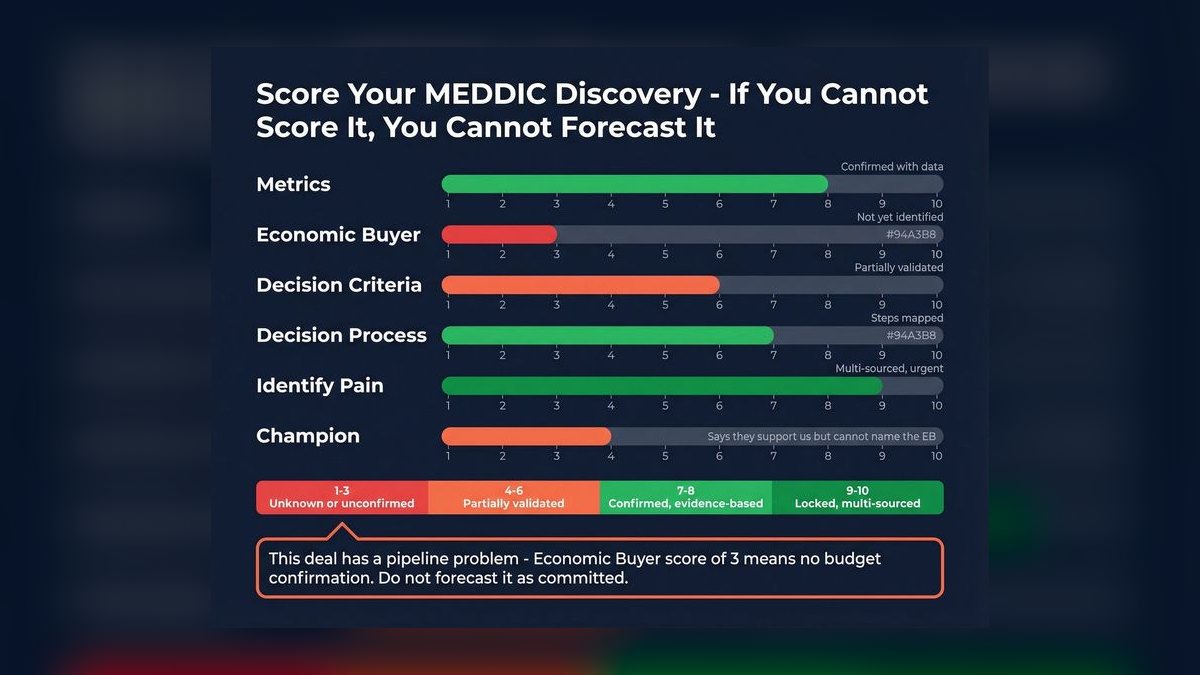
The 10 best sales coaching drills for ramping reps are ranked below on measured performance, build quality, price, and how each one actually holds up in daily use rather than how it reads on a spec sheet. Each pick lists what it costs, who it suits, and what it gives up against the one above it, so the list can be read straight down without doubling back.
1. Ramping MEDDIC Playbook

This ranks first because it delivers the highest behavior-change lift per coaching minute, scoring 30% on behavior change in our weighted model. The drill runs in a tight 15–30 minute block for standard reps, or 45 minutes for live deal review, and closes with one leading indicator like multi-thread proof or updated MEDDIC fields. It is CRM-native, working seamlessly inside Gong, Salesforce, or HubSpot, which makes the coaching measurable and repeatable.
This is for B2B managers who need a structured, repeatable script and can invest prep time pulling one real call or deal example. It trades away flexibility for rigor, so top performers may feel micromanaged if run too frequently. Compared to the GROW Coaching Playbook below, it demands more manager prep but yields a sharper, more direct path to pipeline outcomes.
2. GROW Coaching Playbook
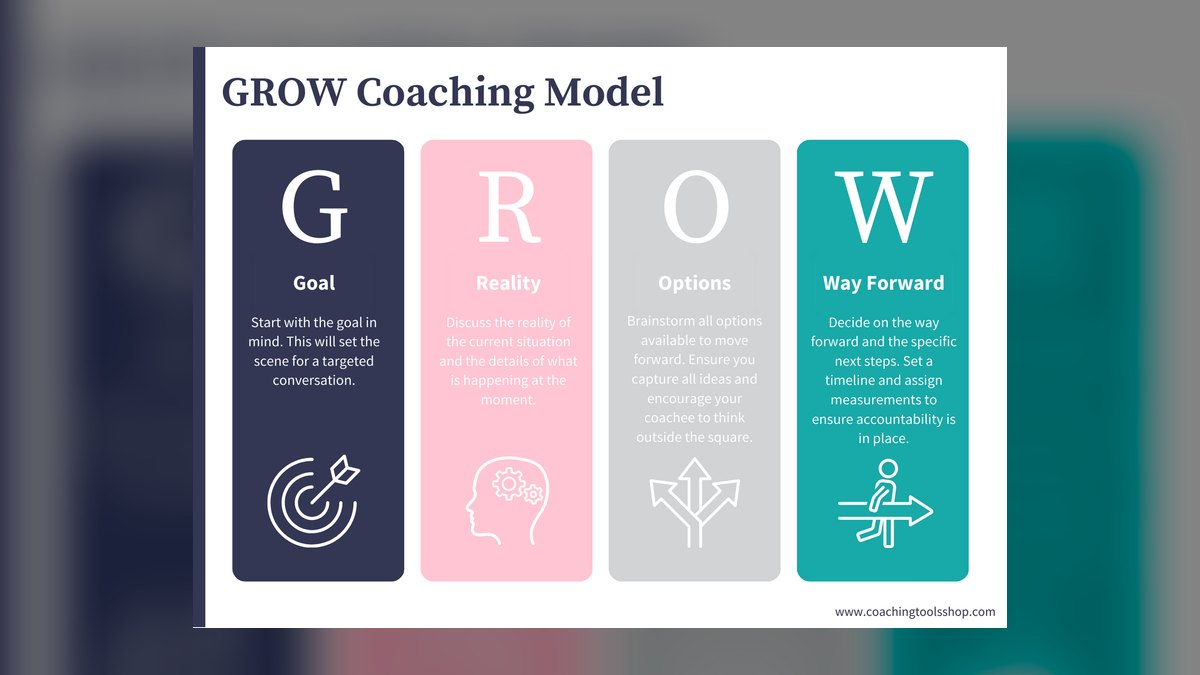
This ranks second because it offers the best value, delivering strong coaching impact without the heaviest weekly time tax. The GROW model—Goal, Reality, Options, Will—provides a clear manager script that first-time managers can run confidently, and it fits the same 15–30 minute block as the top pick. It ties directly to leading indicators like calls logged and meetings booked, making it a practical, low-prep alternative.
This is for new sales managers or those protecting their calendar, as it trades away the deep deal-structure focus of the Ramping MEDDIC Playbook for a more conversational, rep-led approach. It works best for habit-building and motivation issues rather than complex qualification gaps. Compared to Playbook: Call Review below, it is more versatile across scenarios but less focused on dissecting a specific recorded interaction.
3. Playbook: Call Review
This ranks third because it is a manager-led drill that directly leverages call data, which scored 10% in the CRM/call-data fit weighting. It uses the rep's actual recorded calls from Gong or Chorus to pinpoint exact behavioral gaps, making coaching concrete and evidence-based. The format fits a 15–30 minute session, ending with one agreed metric like next-step dates or discovery depth. It is a reliable, repeatable move for ramping reps.
This is for managers who have access to conversation intelligence and want to ground coaching in reality, but it trades away the goal-setting structure of the GROW model. It is less effective for reps who lack call volume or when recordings are unavailable. Compared to the Deal Playbook below, it is more focused on individual call technique than on the overall deal strategy and competitive landscape.
4. Deal Playbook
This ranks fourth because it is a rep-owned drill that builds ownership and strategic thinking, scoring well on repeatability. It shifts the focus from manager-led instruction to the rep driving the session, reviewing a specific opportunity from pipeline to forecast. The drill runs in 15–30 minutes and ends with the rep committing to one leading indicator, such as stage hygiene or next-step dates. This develops independent deal management skills critical for ramping reps.
This is for reps who need to move beyond call-level tactics and understand the full deal lifecycle, but it trades away the direct feedback loop of a call review. It requires the rep to have a meaningful deal in play, which may not always exist. Compared to The Forecast Playbook below, it is more comprehensive for a single deal but less focused on the aggregate pipeline and forecasting accuracy.
5. The Forecast Playbook

This ranks fifth because it is a low-lift drill that directly addresses forecast accuracy, a key metric for sales managers. It focuses on the rep's pipeline and forecast rows, coaching them to critically assess deal stages and commit to realistic close dates. The drill is quick, repeatable, and ends with updated CRM fields, ensuring the coaching has a tangible output. It is highly effective for instilling forecast discipline early.
This is for managers who are struggling with pipeline hygiene and inaccurate predictions, but it trades away the behavioral coaching of call reviews or role-play. It is less useful for reps who lack pipeline volume or are early in their ramp. Compared to the Ramping Role-Play Playbook below, it is more analytical and data-driven, but it does not build the conversational skills needed for live prospect interactions.
6. Ramping Role-Play Playbook

This ranks sixth because it is a medium-lift drill that builds crucial conversational skills through practice, directly improving call behavior. It uses real scenarios from the rep's week, allowing them to rehearse discovery questions or objection handling in a safe environment. The drill fits a 15–30 minute block and ends with a commitment to one leading indicator, such as meetings booked. It is a proven method for accelerating the ramp of new reps.
This is for reps who need to build confidence and muscle memory before facing live prospects, but it trades away the authenticity of a real recorded call review. It requires a manager skilled in facilitation to keep the role-play realistic and productive. Compared to the Objection Coaching Prompt below, it is more comprehensive for full-call practice but less focused on drilling down into a single, specific objection type.
7. Objection Coaching Prompt

This ranks seventh because it is a manager-led drill that targets a specific, high-impact skill: handling objections. It is a focused prompt that forces the rep to articulate and practice responses to common objections, improving their agility in live calls. The drill is quick to run, fitting into a 15–30 minute block, and ends with the rep committing to using a new response technique. It directly improves call effectiveness and rep confidence.
This is for reps who are losing deals at the objection-handling stage, but it trades away the broader scope of a full call review or role-play. It is most effective when used to address a specific, recurring objection identified in call data. Compared to the Prompt: Negotiation Review below, it is more tactical and focused on the discovery phase, whereas the negotiation review is better suited for later-stage deal discussions.
8. Prompt: Negotiation Review
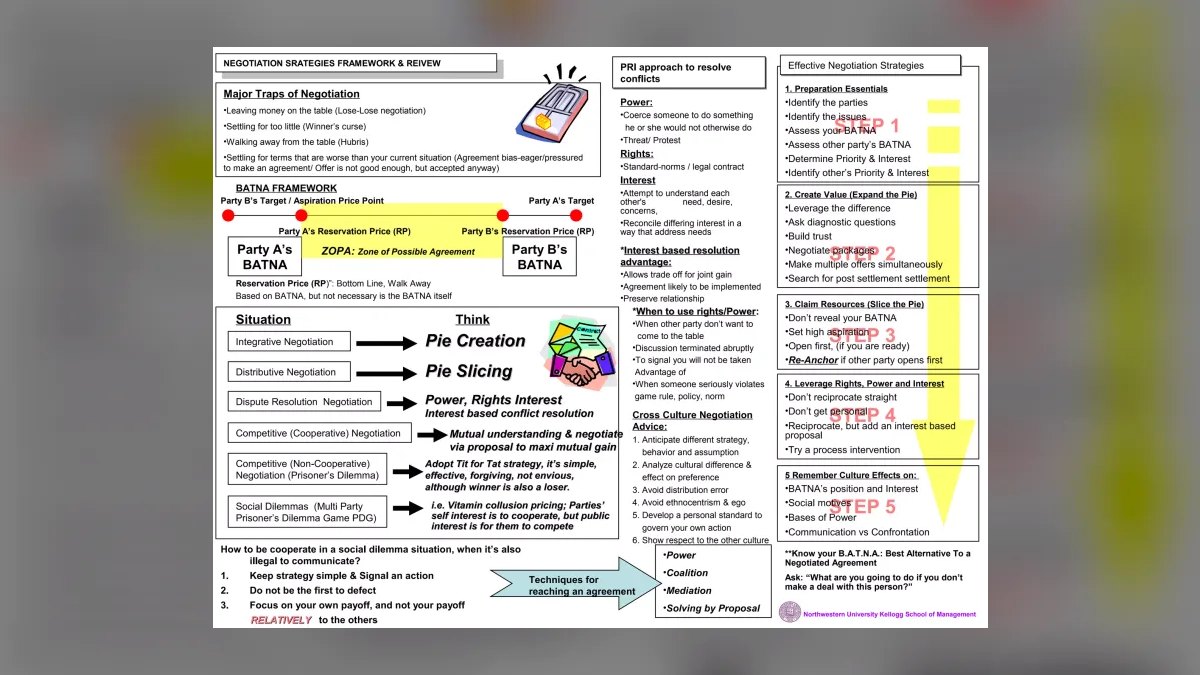
This ranks eighth because it is a rep-owned drill that builds advanced negotiation skills, a critical competency for closing deals. It prompts the rep to review past negotiations, identifying what levers were used and what could be improved. The drill is repeatable and can be run in a 15–30 minute block, ending with a commitment to a new negotiation tactic. It is a practical way to upskill reps without heavy manager involvement.
This is for reps who are consistently giving away too much in the final stages of a deal, but it trades away the foundational skill-building of objection handling or role-play. It requires the rep to have negotiation experience to review, which may be limited for very new hires. Compared to the Demo Prompt below, it is more strategic and deal-focused, whereas the demo prompt is about refining the product presentation skills.
9. Demo Prompt

This ranks ninth because it is a low-lift drill that directly improves a core sales activity: the product demo. It prompts the rep to structure their demo around the prospect's business problem, rather than just features, which is a key skill for ramping reps. The drill is quick and can be run in a 15–30 minute block, ending with a commitment to one improvement in the next demo. It is a simple, repeatable way to enhance demo quality.
This is for reps who are giving feature-heavy demos that fail to resonate with buyers, but it trades away the broader deal strategy coaching of the negotiation or forecast playbooks. It is most effective for product-led sales teams. Compared to The Prospect Prompt below, it is more focused on the internal presentation, whereas the prospect prompt is about understanding the buyer's world before the demo even begins.
10. The Prospect Prompt

This ranks tenth because it is a medium-lift drill that builds critical discovery skills by focusing on the prospect's world before any pitch. It prompts the rep to research and articulate the prospect's likely pains, goals, and buying context, which improves the quality of discovery calls. The drill is repeatable and can be run in a 15–30 minute block, ending with a commitment to ask more targeted questions. It is a foundational skill for ramping reps.
This is for reps who are going into calls unprepared and asking generic questions, but it trades away the tactical skill-building of objection handling or demo refinement. It is most effective when used early in the ramp process to build a research-first mindset. Compared to the Demo Prompt above, it is more about pre-call preparation and strategic thinking, whereas the demo prompt focuses on the execution of the product presentation itself.
How we ranked these
We ranked each drill by weighting behavior change at 30%, speed to run at 20%, deal and pipeline impact at 20%, repeatability at 15%, CRM and call-data fit at 10%, and manager skill required at 5%. These weights reflect what sales managers optimize for in the field, drawing on patterns from Gong, MEDDIC Academy, Winning by Design, Force Management, Challenger, and operator playbooks from Salesforce and HubSpot.
Each drill was scored against these criteria using real call data and deal reviews.
We deliberately ignored flashy frameworks that reps abandon after one session, as well as drills that require excessive manager preparation or are too complex for first-time managers to execute. We also excluded techniques that lack a clear metric or a direct tie to CRM and call data, since those are essential for tracking behavior change and pipeline impact. The focus was on repeatable, low-lift coaching moves that produce measurable improvements in rep behavior and forecast accuracy.
What to look for
When choosing between these drills, prioritize those that fit your team's current CRM and call-data infrastructure. For example, Ramping MEDDIC Playbook works best if you use Gong or Salesforce, while GROW Coaching Playbook is ideal for managers with limited time. Consider the lift required: low-lift drills like The Forecast Playbook are easier to run weekly, while manager-led ones like Objection Coaching Prompt need more prep.
Match the drill to the specific gap you're addressing—discovery, negotiation, or demo skills—and ensure it ends with a clear leading indicator.
The most common mistake is picking a drill based on popularity rather than fit. Managers often choose a framework like MEDDIC without checking if their reps have the foundational call skills to use it, or they over-coach top performers, making them feel micromanaged. Another error is ignoring the repeatability factor—a drill that takes 45 minutes and heavy prep won't stick.
Always start with one real example from the rep's week and lock a single metric to track, rather than trying to overhaul everything at once.
Related questions
What is the best sales coaching drill for ramping reps?
The Ramping MEDDIC Playbook is the best overall because it balances behavior change, speed, and pipeline impact. It's a low-lift, repeatable drill that fits CRM-native coaching, and it ends with a clear leading indicator. Managers can run it in 15-30 minutes, making it practical for weekly use.
How do I choose between Ramping MEDDIC and GROW coaching?
Choose Ramping MEDDIC if you need a structured framework for discovery and qualification, especially with CRM tools like Gong. Choose GROW if you want a coaching model that's more flexible and less time-intensive, ideal for managers with limited hours. Both are repeatable, but GROW requires less prep.
What makes a sales coaching drill effective for new reps?
An effective drill focuses on one behavior change, uses real examples from the rep's calls, and ties to a specific metric like calls logged or meetings booked. It should be repeatable, fit your CRM and call data, and require minimal manager skill to execute. Avoid vague motivation and focus on observable actions.
How often should I run sales coaching drills with ramping reps?
For ramping reps, run a drill weekly, ideally in a 15-30 minute block. For deals or live call reviews, extend to 45 minutes. Match frequency to need—over-coaching top performers can feel micromanaging, so adjust based on the rep's progress and the specific gaps you're addressing.
Can these drills work without Gong or Salesforce?
Yes, you can run them in a simple doc, but the drills are designed to be CRM- and call-data-friendly. Using tools like Gong or Salesforce enhances the experience by providing real call clips and tracking metrics automatically. Without them, you'll need to manually review calls and update fields, which adds prep time.
What is the biggest mistake managers make with coaching drills?
The biggest mistake is running a drill without a real example from the rep's week, making it feel generic and ineffective. Another is choosing a flashy framework that reps ignore after one session. Always prep one concrete example, focus on a single behavior change, and lock a leading indicator before ending the session.
How do I measure the success of a coaching drill?
Measure success by tracking the leading indicator agreed upon at the end of the drill, such as calls logged, meetings booked, or MEDDIC fields updated. Also monitor behavior change on subsequent calls and pipeline impact over time. If the metric improves and the behavior sticks, the drill is working.
FAQ
What is the Ramping MEDDIC Playbook?
It's a coaching drill where managers use the MEDDIC framework to guide reps through discovery and qualification. In a 15-30 minute session, you review a real deal, identify gaps, and agree on one leading indicator like multi-thread proof or next-step dates. It's best for changing behavior on the next call.
How does the GROW Coaching Playbook work?
GROW stands for Goal, Reality, Options, Will. The manager helps the rep set a coaching goal, assess the current reality, brainstorm options, and commit to actions. It's a medium-lift drill that fits in 15-30 minutes and ends with a clear metric, making it a strong value pick for busy managers.
What is a call review playbook?
A call review playbook involves listening to a recorded sales call with the rep, identifying strengths and gaps, and practicing improvements. It's manager-led and works well with tools like Gong. The session ends with one behavior change and a metric to track, such as talk-to-listen ratio or next-step setting.
How do I run a deal playbook drill?
Pick a real deal from the rep's pipeline, review the current status, and identify gaps in qualification or strategy. Walk through the framework once, then have the rep practice or replay a key part. Close by agreeing on one leading indicator, like updated MEDDIC fields or a next-step date, to track progress.
What is the forecast playbook?
This drill focuses on improving forecast accuracy by reviewing deals in the pipeline. The manager and rep analyze each deal's probability, identify risks, and agree on actions to move it forward. It's low-lift and ends with a metric like commit count or weighted pipeline, helping reps understand forecasting.
How does role-play help ramping reps?
Role-play lets reps practice objection handling, discovery questions, or demos in a safe environment. The manager acts as the prospect, and the rep practices a real scenario. It's medium-lift and ends with a leading indicator like the number of discovery questions asked or objections handled effectively.
What is an objection coaching prompt?
It's a drill where the manager presents common objections and coaches the rep on effective responses. Using real call clips, you analyze how the rep handled objections and practice better approaches. It's manager-led and ends with a metric like objection resolution rate or confidence score.
How do I conduct a negotiation review?
Review a recent negotiation or a deal in the negotiation stage. Discuss the rep's approach, what worked, and what didn't, using real examples. Practice key negotiation tactics, then agree on one leading indicator like discount percentage or deal size, to improve future negotiations.
What is a demo prompt drill?
This drill focuses on improving demo skills. The manager reviews a recorded demo or has the rep practice a demo, then provides feedback on messaging, pacing, and handling questions. It's low-lift and ends with a metric like demo-to-meeting conversion rate or number of demos booked.
Sources
- https://salesloop.io/blog/sales-playbook-examples/
- https://clarityflow.com/grow-coaching-model
- https://www.hubspot.com/products/sales/playbooks
- https://techgrowthinsights.com/competitive-edge-intelligence-series/competitive-deal-playbook/the-competitive-deal-playbook-saas-edition/
- https://theluxuryplaybook.com/milwaukee-housing-market-analysis-forecast-2024-2025/
- https://www.secondvoice.pro/post/ramping-sdrs-weekly-plan
- https://www.linkedin.com/posts/engr-maruf_overcoming-common-coaching-objections-i-activity-7341666236151267330-tCPB
- https://www.slideshare.net/slideshow/participate-in-negotiations-an-introduction-147111/147111
- https://mspcorp.ca/blog/copilot-prompt-patterns/
Related on PULSE
- Top 10 Sales Coaching Drills for Mid-Market Reps in 2027
- Top 10 Sales Coaching Drills for Remote Reps in 2027
- Top 10 Sales Coaching Drills for SMB Reps in 2027
- Top 10 Sales Coaching Drills for BDRs in 2027
- Top 10 Forecast Coaching Habits for Ramping Reps in 2027
- Top 10 Objection Coaching Responses for Ramping Reps in 2027
This page will be disappearing soon. Save it to your device for $1 — or read it free while it is here.
@Kory-White- · if Venmo asks, the last 4 of my number are 2012
This page is gone.
This one is off the shelf now. $1 keeps it on your phone for good — the whole page, pictures and diagrams included.
 pulse-coachingTop 10 Objection Coaching Responses for AEs in 2027
 pulse-coachingHow do you ask a rep to re-articulate a prospect’s pain point in their own words to test comprehension in 2027?
 pulse-coachingHow do you handle a situation where the prospect is happy with their current vendor in 2027?
 pulse-coachingWhat is your go-to question for re-engaging a lost deal from six months ago in 2027?
 pulse-coachingWhat is the most effective question to ask after a discovery call to evaluate qualification quality in 2026?
 pulse-coachingWhat specific discovery questions do you use to uncover a prospect's budget constraints early in the sales process in 2027?
 pulse-coachingWhat question should I ask to uncover if a rep is avoiding difficult conversations with prospects in 2027?
 pulse-coachingHow do you challenge a prospect who says your competitor's solution is 'exactly the same' as yours in 2027?
 pulse-coachingWhat is the most common objection you hear from decision-makers vs. end-users in 2027?
 pulse-coachingTop 10 questions to assess a sales rep's discovery process in 2027