
How do you coach a rep to improve their follow-up game without being pushy
 Curated byKory White · Fractional CRO · Maryland
 PULSEKNOWLEDGE LIBRARY
Quality
Certified

Coach a rep to improve follow-up by reframing it from chasing to helping: every touch must carry a specific trigger and a genuine asset, never a "just checking in." Build a value cadence, role-play tone, and let CRM signals dictate timing. Persistence stops feeling pushy when each message earns the prospect's attention.
When the pipeline stalls: a scenario every RevOps leader recognizes
Picture a rep named Dana. She closes fast when a deal is hot, but her second-stage pipeline leaks badly — deals go quiet after the demo and she never revives them. You pull her activity report and see the pattern: three emails to one prospect, all variations of "Just following up — any thoughts?" spaced two days apart, then silence. She either abandons the deal by day five or, worse, fires off a fourth message with a faint edge of frustration. Both outcomes cost you revenue, and both stem from the same root problem: Dana has no reason to reach out except her own quota clock.
This is the exact moment a coach earns their keep. The instinct is to tell Dana to "follow up more" or "be more persistent," but that advice makes the problem worse — it increases volume without improving relevance, which is what makes a rep feel pushy in the first place. The real fix is to change what a follow-up *is* in Dana's mind. Before she can improve her cadence, she has to believe that a follow-up is a service she performs for the buyer, not a favor she extracts from them.

Start the coaching conversation by pulling up three of her recent stalled deals and reading the last message she sent in each. Ask one question: "If you were the buyer, would you open this or delete it?" Most reps hesitate, and that hesitation is the opening. It reveals they already sense the message is thin — they just lack a framework to make it thicker. Your job as their coach is to supply that framework, and to do it without shaming the rep, because a defensive rep learns nothing. Frame the whole exercise as "let's make your follow-ups impossible to ignore," which is a goal Dana wants too.
The scenario matters because it grounds the abstract idea of "non-pushy follow-up" in a concrete, measurable failure the rep can see in their own CRM. A RevOps team that treats follow-up as a coachable skill — not a personality trait some reps have and others lack — will systematically recover the 20 to 30 percent of pipeline that typically evaporates in the gap between first meeting and close.
How the value-cadence mechanism actually works
The mechanism that separates helpful follow-up from pushy follow-up is simple to state and hard to execute: every touch must be justified by a trigger and paid for with an asset. A trigger is a reason the outreach is timely — the prospect downloaded a case study, a competitor announced a price hike, their company posted an earnings miss, a new regulation landed in their industry, or you simply promised in the last call to send something by Thursday. An asset is the thing of value you attach — a recap, an article, a relevant metric, a template, a customer story, or a specific, well-formed question that does the prospect's thinking for them.

The workhorse structure is a three-touch value cadence where only the final touch asks for a decision. Touch one is the recap-and-resource, sent within 24 hours of a call: a four-line summary of what you agreed plus one relevant asset. Touch two, three to five business days later, is the trigger-based insight: a piece of news or content tied directly to the pain the prospect named. Touch three, another few days on, is the soft ask — a single question like "What's the biggest open question you still have?" The first two touches build the right to make the third. Coach the rep to write all three *before* sending the first, so the sequence is deliberate rather than reactive.
When a prospect goes cold after touch three, the mechanism doesn't repeat — it *changes channel and angle*. This is the single most important thing to teach: never send the same type of message twice in a row. A stalled email thread gets a LinkedIn comment or a 20-second voicemail, not a fourth email. A rep who internalizes "new angle every time" naturally stops feeling pushy, because they're never nagging — they're always offering something new.
The coach's role in the mechanism is to review the actual sequences, not the volume. Sit with the rep monthly, open one live deal, and audit each touch against two tests: "What was the trigger?" and "What did the buyer get?" If either answer is empty, that touch was pushy, and you rewrite it together on the spot. Over six to eight weeks of this, the rep internalizes the discipline and you can move to spot-checks.

Real numbers, ranges, and benchmarks to coach against
Reps feel pushy partly because they have no sense of what "normal" persistence looks like, so give them real ranges. Widely cited sales research consistently shows that a large share of deals require five or more follow-up touches to close, yet a large share of reps stop after one or two attempts. Put those two facts side by side for your rep: the data says the deals live in the touches most reps never send. Persistence isn't the problem — untimed, low-value persistence is.
Set concrete cadence benchmarks the rep can measure against. A healthy multi-touch sequence runs roughly five to eight touches spread over two to four weeks, not seven emails in seven days. Space touches three to five business days apart in the active window, stretching to weekly as a deal cools. Keep each written touch to two sentences — one that acknowledges context, one that delivers value or asks a single question. Two-sentence messages get read; nine-line paragraphs get archived. These are targets a rep can hold themselves to without your supervision.
Shift the scoreboard from volume metrics to quality metrics, because tracking emails-sent literally rewards pushiness. Coach three numbers instead. First, response rate by touch type — have the rep tag each touch as resource-share, question, trigger, or social, and watch which category earns replies; most reps discover their generic check-ins convert near zero while trigger-based touches convert several times higher. Second, touches-to-meeting ratio — a rep who needs a dozen touches to book one meeting has a relevance problem, not a persistence problem; the goal is fewer, sharper touches. Third, the value-to-check-in ratio of their sent messages — run the exercise where the rep categorizes a month of their own follow-ups, and set a target that at least 70 to 80 percent are value-driven.
One more benchmark worth coaching: the breakup email reply rate. A well-written "I'll assume the timing isn't right — reach out if that changes" often pulls a meaningful response rate from a thread that had gone silent, precisely because it removes pressure. Track it, because it teaches the rep the counterintuitive truth that the least pushy message in the sequence frequently produces the reply. When a rep sees that in their own numbers, the whole philosophy clicks — and their follow-up game improves faster than any pep talk could drive it.

Trade-offs and alternatives: where the framework bends
No single cadence fits every deal, and coaching that pretends otherwise produces robotic reps. The clearest trade-off is automation versus personalization. Sequenced tools let a rep stay consistent across 40 open deals without dropping any, but automated cadences drift toward generic, and generic is exactly what feels pushy. The workable middle: automate the *structure and timing*, but require the rep to hand-write the trigger sentence in every touch. A template that says "I saw [specific thing] and thought of you" only works if the rep fills the bracket honestly. Coach the rep to treat automation as a reminder system, not a message-writing system.
A second trade-off is speed versus patience. High-intent, short-cycle deals reward fast, frequent follow-up; a rep who waits five days on a buyer who asked for pricing yesterday loses the deal to a faster competitor. Long-cycle enterprise deals reward the opposite — a monthly, low-pressure touch that keeps the door open for two quarters. The mistake is applying one tempo everywhere. Teach the rep to read the deal's clock: budget urgency, a named decision date, or a triggering event means compress the cadence; vague timelines mean stretch it and lean on nurture.
Third is channel choice. Email is the safe default for value-added content, but it's also the most crowded inbox. A brief voicemail referencing a shared connection, or a genuine comment on a prospect's LinkedIn post, often lands harder because it's human and rare. The trade-off is effort and scale — you cannot personally voicemail 200 prospects a week. Coach reps to reserve high-effort channels for high-value deals and let email carry the long tail, and never to blast all three channels in a single day, which reliably reads as desperate.
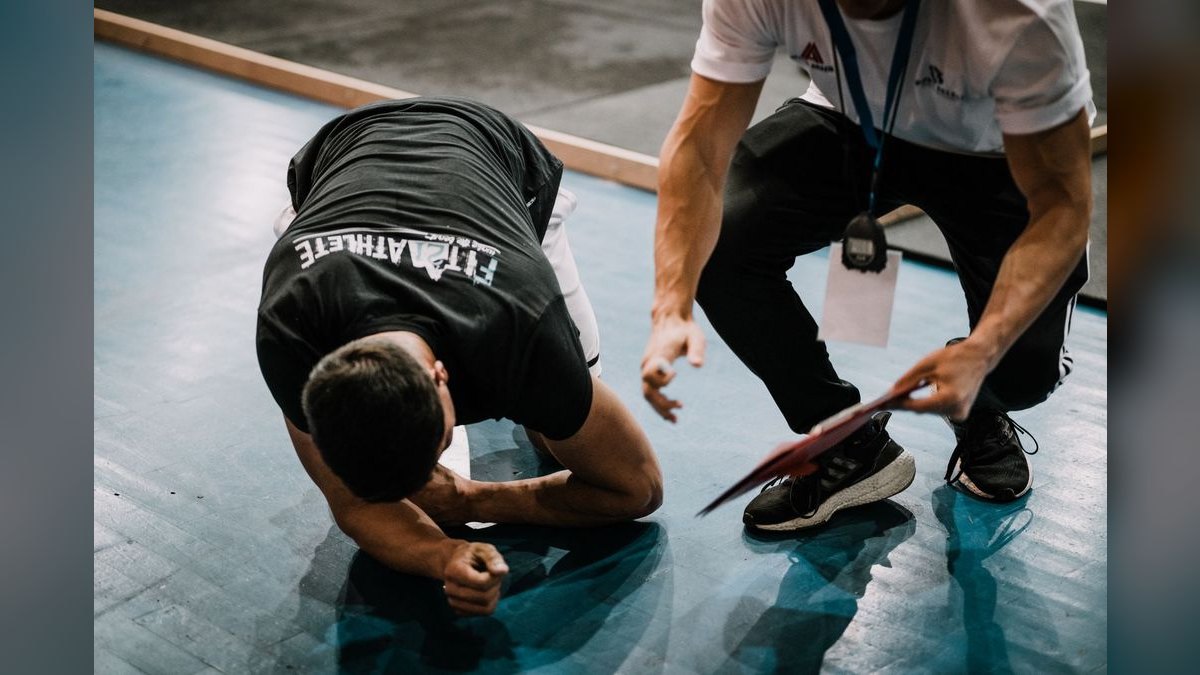
The alternative some managers reach for — scripting reps word-for-word — trades authenticity for control and usually backfires. A rep reading a script can't respond to "not now" with genuine grace. The better alternative is to coach *principles* (trigger plus asset, new angle every time, two-sentence rule) and let the rep own the wording. Principles travel across situations; scripts shatter the moment a prospect goes off-script.
Common pitfalls and how to avoid them
The most common pitfall is coaching volume instead of relevance. A manager who says "you need more activity" trains the rep to send more low-value touches, which is the definition of pushy. Avoid it by never praising raw activity numbers in a one-on-one — praise the rep who booked a meeting in four sharp touches over the one who sent fifteen. What you celebrate is what you get more of.
A second pitfall is the rep who reads silence as rejection. Many reps interpret a non-response as "no," which triggers either avoidance (they ghost the deal) or frustration (they get pushy). The fix is a mindset reframe you rehearse out loud: silence means "wrong time, wrong context, or wrong message," not "never." Have the rep practice the internal line "this buyer is busy, not disinterested — my job is to make it easy to say yes when the time is right." Lowering the emotional stakes of each touch is what removes the desperation that reads as pushy.

Third is the naturally aggressive rep who genuinely doesn't hear their own tone. Telling them to "soften" rarely works. Instead, run a pushy-to-helpful rewrite drill: take five of their real sent emails and rewrite each one together into a value-based version — "Are you ready to move forward?" becomes "What's the biggest question you still have?" and "Just checking in" becomes "I came across this and thought of you." Doing it with their own messages, repeatedly, retrains the reflex in a way abstract advice never will.
Fourth is ignoring the explicit stop signal. If a prospect says "stop emailing me," the rep must halt immediately, log it, and send a single gracious line. A rep who keeps pushing past a hard no doesn't just lose the deal — they damage the brand and can create compliance exposure. Coach this as non-negotiable, separate from all cadence advice.
Finally, avoid the pitfall of treating a graceful exit as a failure. When a rep responds to "not now" with "thanks for letting me know — I'll check back in a few months," they've preserved a relationship and a future opportunity. If your coaching only rewards booked meetings this quarter, you train reps to squeeze dying deals instead of parking them warmly. A strong RevOps operating rhythm counts preserved relationships as pipeline health, and reps who feel safe letting go are precisely the reps who follow up without ever tipping into pushy. That safety, more than any script, is what lets a rep improve their follow-up game for good.
Related questions
How long should I wait between follow-ups?
In an active deal, space touches three to five business days apart; stretch to weekly or monthly as the deal cools. Match tempo to urgency — a named budget or decision date means compress; a vague timeline means slow down and lean on nurture.
What's the single fastest way to make follow-ups less pushy?
Require a trigger and an asset in every touch. If the rep can't name why now and what the buyer gets, the message doesn't send. That one rule eliminates the generic "just checking in" that makes follow-up feel like nagging.
Should follow-up coaching differ for SDRs versus AEs?
Somewhat. SDRs need high-volume cadence discipline and channel-switching skills; AEs need deal-clock reading and relationship patience across longer cycles. The core principles — trigger plus asset, new angle every time, graceful exits — apply to both roles equally.
How do I coach a remote rep on follow-up I can't observe live?
Audit their sent sequences in the CRM, review call recordings, and run monthly sequence reviews on one live deal. Ask "what was the trigger?" and "what did the buyer get?" for each touch. The artifacts tell you everything without watching over their shoulder.
Can automation and non-pushy follow-up coexist?
Yes, if automation handles timing and structure while the rep hand-writes the trigger sentence in every touch. Automate the reminder, never the relevance. A template with an honestly personalized opening line stays human; a fully canned blast does not.
FAQ
How many follow-ups should a rep send before giving up? Aim for five to eight value-driven touches over two to four weeks, then send a polite breakup note. If there's no response, move the prospect to a nurture sequence and revisit in a quarter rather than pushing harder.
What if the prospect says "stop emailing me"? Stop all outreach immediately and log the objection in the CRM. Send one gracious line — "Understood, I'll remove you from my list; best of luck" — and honor it. Preserving goodwill protects future opportunity and keeps you compliant.
How do you coach a rep who is naturally aggressive? Run a pushy-to-helpful rewrite drill on their own real emails, and have them listen to recordings of their own follow-ups. Hearing and rewriting their actual tone retrains the reflex far better than abstract "be softer" feedback ever does.
Can follow-ups be automated without feeling robotic? Yes, but only the cadence and timing. Every message still needs a hand-written sentence referencing the prospect's specific situation. Use templates for structure, never for the trigger — the personalized line is what keeps an automated touch from reading as spam.
What's the best channel for non-pushy follow-up? Email is safest for value-added content, but a short voicemail referencing a shared connection or a genuine LinkedIn comment often feels more human. Mix channels deliberately, reserve the high-effort ones for high-value deals, and never hit all three in one day.
How do you measure if follow-up coaching is working? Track response rate by touch type and follow-up-to-meeting conversion, not raw volume. A rep with high opens but zero replies has a relevance problem — coach sharper triggers and assets. Rising reply rates and fewer touches per meeting mean the coaching is landing.
Sources
- https://blog.hubspot.com/sales
- https://www.gong.io/blog/
- https://www.saleshacker.com/
- https://www.sandler.com/resources/
- https://business.linkedin.com/sales-solutions/blog
- https://hbr.org/topic/subject/sales
- https://www.salesforce.com/blog/
- https://www.rainsalestraining.com/blog
Related on PULSE
- [How do you coach reps to ask for the sale without being pushy?](/knowledge/cg0082)
- [What question do you ask to uncover the prospect's real budget without being pushy?](/knowledge/cg0942)
- [How do you coach a rep to follow up without being annoying?](/knowledge/cg0030)
- [How do you position a follow-up question after a prospect gives a vague answer about their timeline?](/knowledge/cg0918)
- [How do you coach a rep to write better follow-up emails?](/knowledge/cg0045)
- [Top 10 questions to review a rep's follow-up process with prospects](/knowledge/cg0873)
This page will be disappearing soon. Save it to your device for $1 — or read it free while it is here.
@Kory-White- · if Venmo asks, the last 4 of my number are 2012
This page is gone.
This one is off the shelf now. $1 keeps it on your phone for good — the whole page, pictures and diagrams included.
 cgHow do you coach a rep to get past gatekeepers on the first call without sounding pushy
 cgHow do you coach a rep to handle price objections without flinching in 2027
 cgHow do you coach a rep to ask for referrals without feeling awkward
 cgHow do you coach a rep to prospect effectively into enterprise accounts with no existing relationship
 cgHow do you coach a rep to build champions inside a prospect's organization in 2027
 cgHow do you coach a rep who only wants to chase the easy leads
 cgHow do you coach a rep who is afraid to ask for the close?
 cgHow do you coach a rep to stop apologizing for their pricing during negotiations
 cgHow do you coach a rep to structure a follow-up email that actually gets a reply in 2027
 cgHow do you coach a rep to stop interrupting their manager during coaching sessions