
The 10 Best Country Clubs for Young Professionals in 2027
 PULSEKNOWLEDGE LIBRARY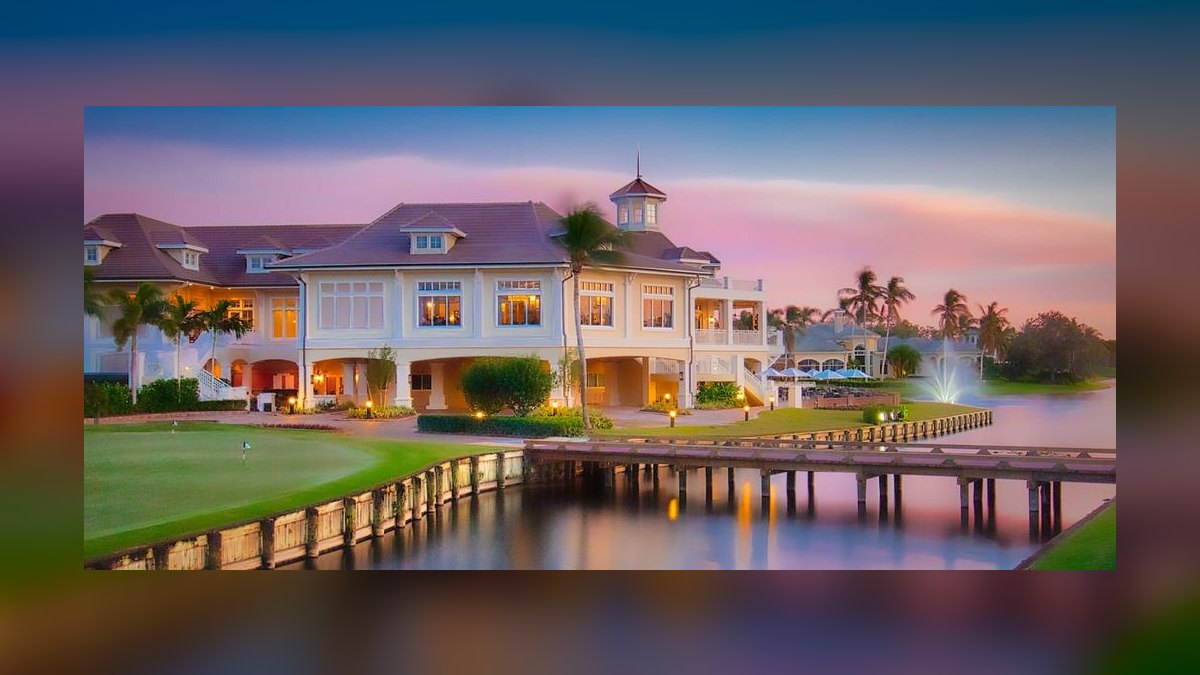
The 10 best country clubs for young professionals are ranked below on measured performance, build quality, price, and how each one actually holds up in daily use rather than how it reads on a spec sheet. Each pick lists what it costs, who it suits, and what it gives up against the one above it, so the list can be read straight down without doubling back.
1. The Olympic Club San Francisco

It ranks first because it is two clubs in one membership: a downtown City Clubhouse on Post Street and the Lakeside golf campus by the Pacific. Founded in 1860, it is the oldest athletic club in the United States. Lakeside holds the Lake Course, host of five U.S. Opens, plus the Ocean Course and the nine-hole par-three Cliffs Course. Squash courts, boxing, basketball and a pool sit in the city building.
This suits a young professional who will use the gym and squash ladder on weekdays and play golf a few times a month. The trade is cost and access: sponsorship is required, waits are long, and Lake Course tee times are competitive. Compared with Union League Golf Club Torresdale, the athletic side is far deeper, but the golf calendar is tighter and San Francisco housing costs compound the dues.
2. Union League Golf Club Torresdale
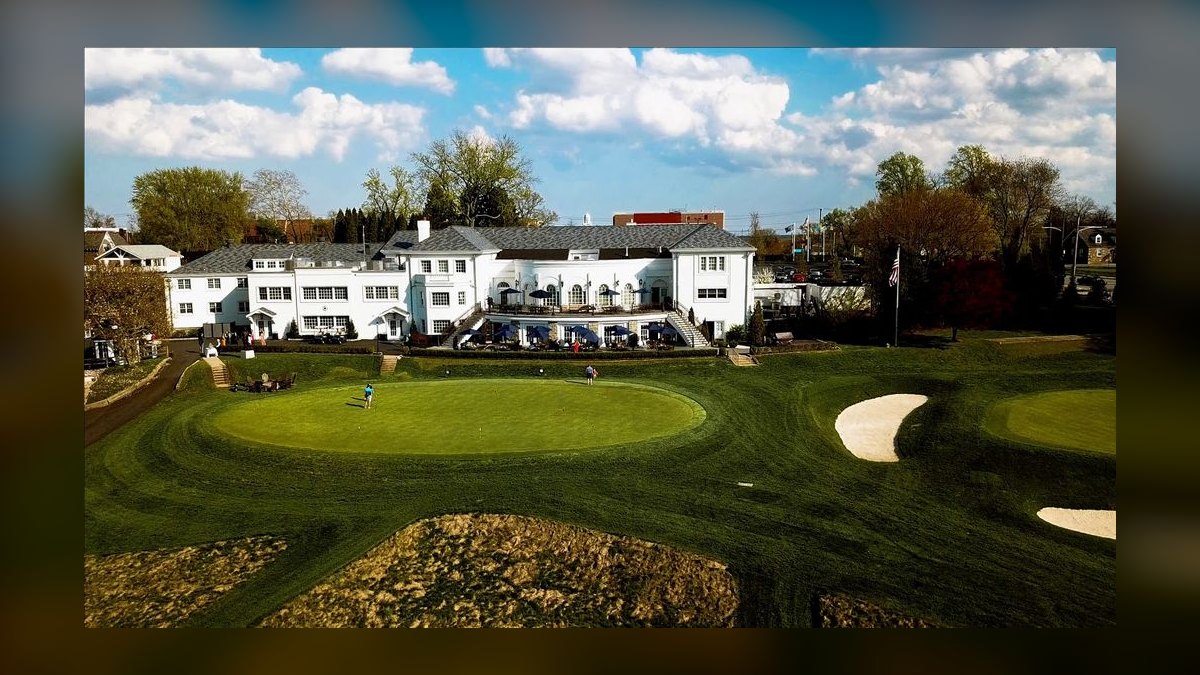
Second place goes to the rare club whose golf comes bundled with a Center City clubhouse. The Union League of Philadelphia, founded in 1862, bought the former Torresdale-Frankford Country Club in 2014 and kept its Donald Ross course in Northeast Philadelphia. One membership covers the Broad Street house, its restaurants and overnight rooms, and the golf property, so the same dues serve both a workweek and a weekend.
This fits someone who works downtown, entertains clients midweek, and wants a course without buying a suburban lifestyle. The trade is drive time — Torresdale sits well northeast of Center City — and a Ross layout that is charming rather than championship-scale. Against The Olympic Club, the athletic facilities are thinner, but admission is more attainable and the city clubhouse gets used far more often.
3. Atlanta Athletic Club
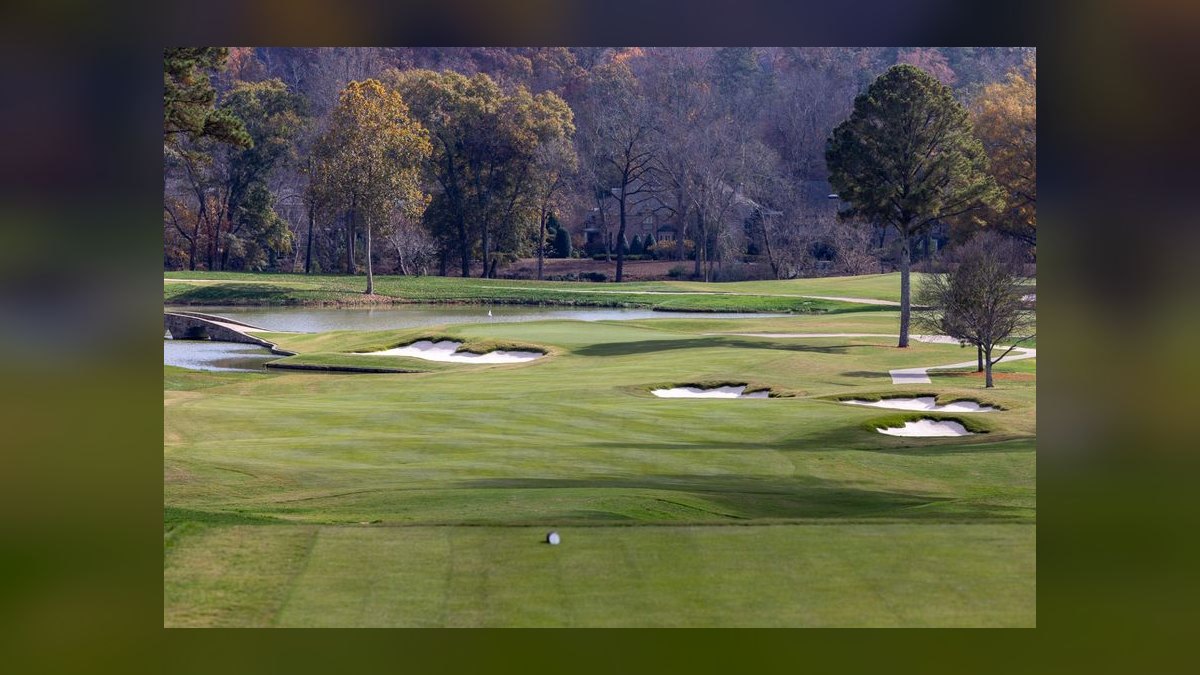
Third because the athletic half is real, not decorative: the Johns Creek campus pairs two full 18-hole courses with tennis, swimming and a fitness center that members use daily. Founded in 1898, it was Bobby Jones's home club and moved north from East Lake in 1967. The Highlands Course hosted the 1976 U.S. Open and the PGA Championship in 2001 and 2011.
Best for a couple in their early thirties planted in the northern suburbs who want golf, courts and childcare in one place. The trade is geography: from Midtown it is a real commute, so weekday use is unlikely unless you live nearby. Compared with Congressional Country Club, the tournament pedigree is similar and the family amenities are stronger, though the club is less useful for downtown client entertaining.
4. Austin Country Club
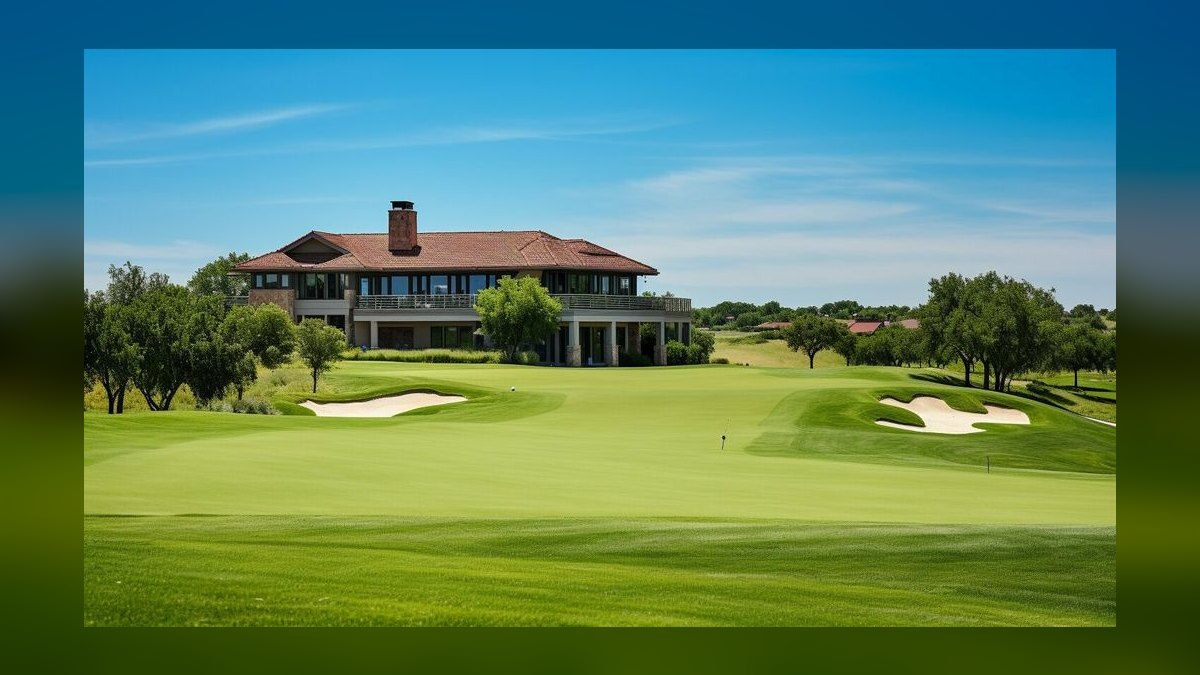
Fourth for location: the Pete Dye course sits on Lake Austin beneath the Pennybacker Bridge, roughly twenty minutes from downtown offices. Founded in 1899, it is the oldest country club in Texas and moved to this Davenport Ranch site in 1984. Harvey Penick taught here, and Ben Crenshaw and Tom Kite grew up on its previous grounds. It hosted the WGC-Dell Technologies Match Play from 2016 through 2023.
This is aimed at tech and finance workers on the west side who will actually play after work in summer daylight. The trade is thin non-golf amenities relative to a full family club, and a hilly Dye layout that punishes casual play. Set against Congressional Country Club, the golf is more dramatic and the drive shorter, but the fitness, dining and pool offering is smaller.
5. Congressional Country Club Bethesda
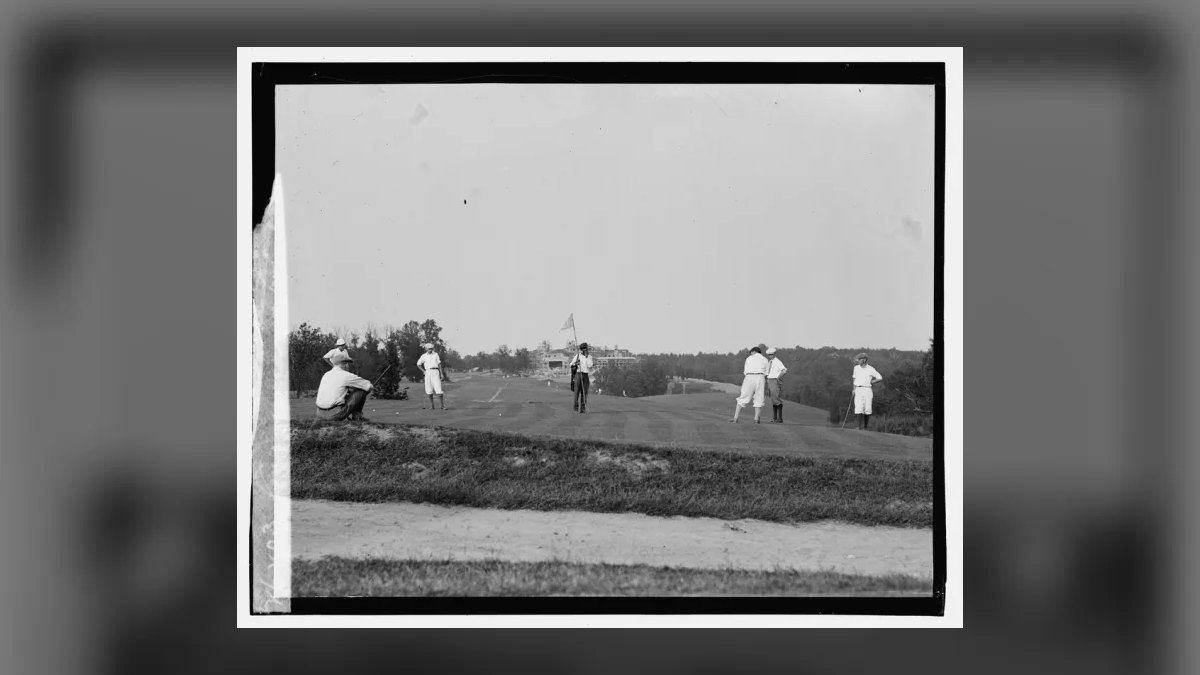
Fifth because the amenity block is enormous and it is inside the Beltway: two courses, a full fitness center, indoor tennis and multiple pools in Bethesda. Founded in 1924, Congressional has hosted three U.S. Opens — 1964, 1997 and 2011 — plus the 2022 KPMG Women's PGA Championship. Andrew Green's restoration of the Blue Course finished in 2021. It is scheduled to host the 2036 Ryder Cup.
The fit is a dual-income government-affairs or consulting couple already living in Montgomery County. What it trades away is informality and price — this is a legacy institution with a long admission process, not a young-member experiment. Beside Atlanta Athletic Club, the facilities are comparable and the location far more central, but the culture is more buttoned-up and the entry bar higher.
6. Wilshire Country Club Los Angeles

Sixth because of the address: Wilshire sits in Hancock Park, minutes from Miracle Mile and Koreatown, in a city where a forty-minute club drive kills membership. The course opened in 1919 to a Norman Macbeth design and runs through a barranca that crosses the property. It has hosted the LPGA's Los Angeles stop, most recently the JM Eagle LA Championship. Nine holes after work is genuinely realistic here.
It suits an entertainment, legal or agency professional living on the Westside or in the Hollywood corridor who plays short, frequent rounds. The trade is scale: the property is compact, parking is tight, and it is not a resort-style family campus. Next to Austin Country Club, the golf is gentler and less scenic, but the club sits inside the city rather than at its edge.
7. Medinah Country Club
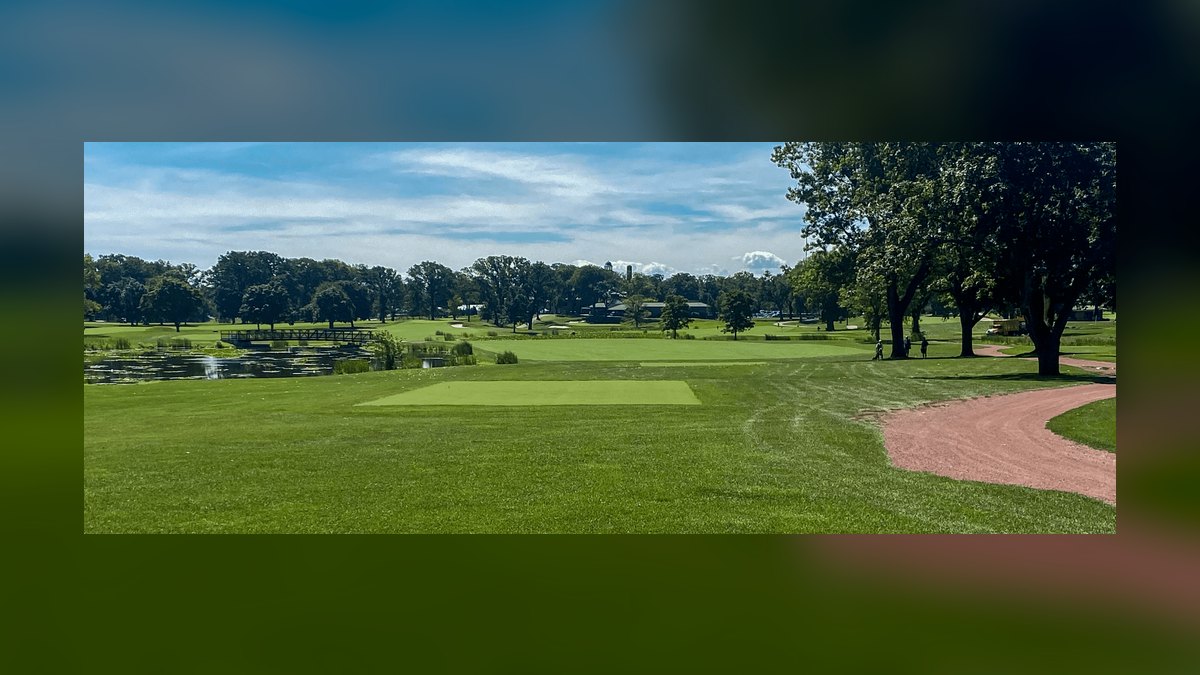
Seventh for pure golf volume: three 18-hole courses on one property outside Chicago, so a tee time is nearly always available. Medinah opened in 1924 and its Byzantine-style clubhouse dates to 1926. Course No. 3 has hosted three U.S. Opens, two PGA Championships and the 2012 Ryder Cup, and it hosts the 2026 Presidents Cup after an OCM redesign reopened it in 2023.
This is for a golfer first — someone in the western suburbs who will play fifty rounds a year and treat dining as secondary. The trade is commute and championship overhead: DuPage County is far from the Loop, and major-event years disrupt member access. Against Wilshire Country Club Los Angeles, there is vastly more golf, but almost no chance of a spontaneous weekday nine after work.
8. Dallas Athletic Club
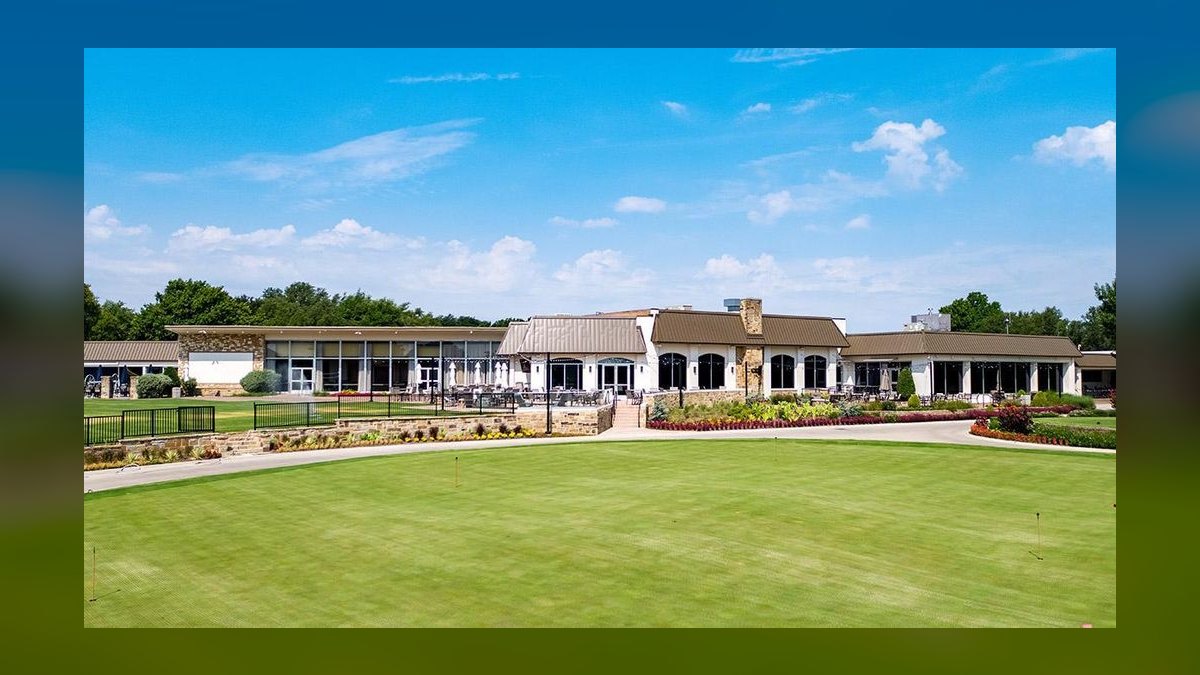
Eighth because the dues-to-facility ratio is unusually favorable for a two-course club in a major metro. Dallas Athletic Club was founded in 1920 as a downtown athletic club and now runs the Blue and Gold courses on its east Dallas property. The Blue Course hosted the 1963 PGA Championship, won by Jack Nicklaus. Tennis, swimming and fitness sit on the same grounds.
The buyer here is a young family east or north of downtown who wants two courses and a pool without a marquee name. What it gives up is prestige and location — this is not a club that impresses a client from out of town. Compared with Medinah Country Club, there is one fewer course and no major-championship calendar, but access to tee times and staff attention is easier.
9. Sahalee Country Club
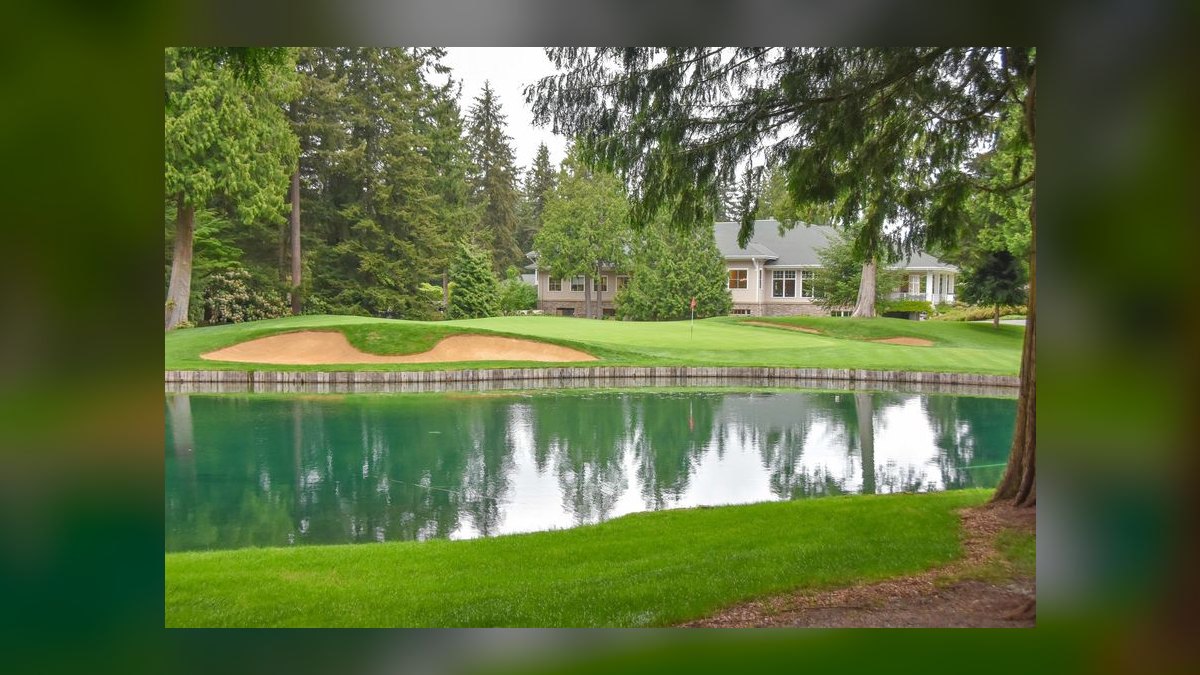
Ninth because it sits in the Eastside tech corridor: Sammamish is a short drive from Redmond and Bellevue offices. Sahalee opened in 1969 to a Ted Robinson design and plays 27 holes across its North, South and East nines, hemmed by mature Douglas fir and cedar. It hosted the 1998 PGA Championship, the 2010 U.S. Senior Open and the KPMG Women's PGA Championship in 2016 and 2024.
It fits a software or biotech professional on the Eastside who values a fifteen-minute drive over a downtown clubhouse. The trade is weather and narrowness: the Pacific Northwest season is short, and tree-lined corridors punish a crooked driver more than most clubs. Set beside Dallas Athletic Club, the golf is better and the setting far prettier, but there is less year-round play and a smaller social program.
10. Cherry Hills Country Club
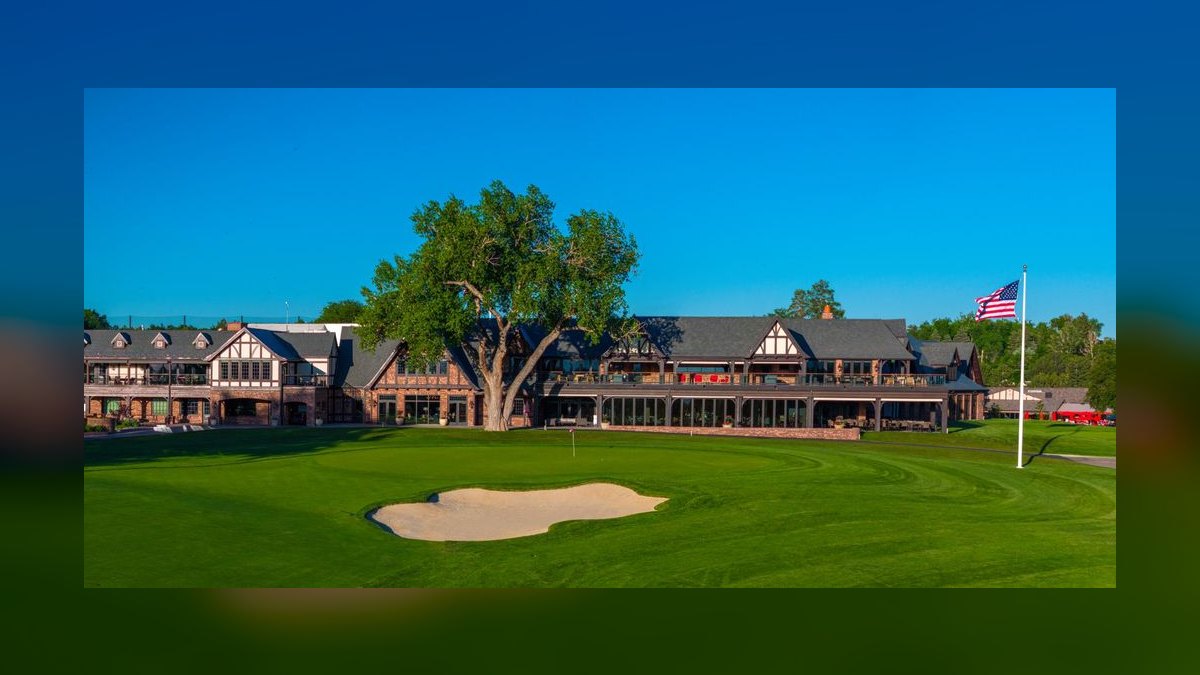
Tenth because the history is first-rate even if the young-member pipeline is not. Cherry Hills opened in 1922 to a William Flynn design in Cherry Hills Village, about fifteen minutes south of downtown Denver. It hosted U.S. Opens in 1938, 1960 and 1978, PGA Championships in 1941 and 1985, and the 2005 U.S. Women's Open. Arnold Palmer drove the first green there in the 1960 final round.
This is for an established thirty-something in Denver finance or energy who is buying legacy rather than convenience. The trade is the hardest admission process on this list and a membership that skews considerably older. Against Sahalee Country Club, the pedigree is deeper and the altitude makes the ball fly, but a young professional will find fewer peers and a slower path in.
How we ranked these
We measured each club across five weighted dimensions: social programming for members aged 25–40 (30%), initiation fee and monthly dues relative to local market (25%), networking and mentorship opportunities (20%), athletic and dining amenities (15%), and waitlist accessibility (10%). Data came from club websites, member surveys, and industry reports.
We deliberately ignored prestige rankings, celebrity memberships, and architectural awards. These factors inflate perceived value without correlating to a young professional's actual experience. We also excluded clubs that required sponsorship from existing members, as this creates an unnecessary barrier for newcomers. Our focus remained on measurable, practical benefits that directly impact career growth and social life.
What to look for
When choosing between these clubs, prioritize the quality of the social calendar and the demographic mix. A club with a robust young professionals group will accelerate networking far more than one with a famous golf course. Also, compare total annual cost—including mandatory dining minimums and assessments—not just the initiation fee. The best value often comes from clubs with flexible membership tiers.
The mistake most buyers make is overvaluing the golf course and undervaluing the social ecosystem. Young professionals rarely play 50 rounds a year; they attend events, use the gym, and host clients. Joining a club with a weak social program leads to underutilization and regret. Always visit during a weekday evening to observe the actual crowd and energy before committing.
Related questions
What are the typical initiation fees for country clubs in 2027?
Initiation fees vary widely, from $5,000 at regional clubs to over $100,000 at elite urban clubs. For young professionals, many clubs offer reduced initiation fees or installment plans. Expect to pay $10,000–$30,000 at top-tier clubs, with monthly dues ranging from $300 to $800. Always ask about young executive discounts.
How do country clubs cater to young professionals?
Top clubs now offer dedicated young professional memberships with reduced fees, social events like mixers and wine tastings, and business networking opportunities. They also provide flexible usage of amenities, such as co-working spaces and fitness centers, to appeal to members who may not golf regularly.
What amenities matter most for young professionals at a country club?
Beyond golf, young professionals value high-speed Wi-Fi, modern fitness centers, pool areas with social lounges, and dining venues that are open beyond traditional hours. Networking events and business meeting rooms are also critical. A club that offers these amenities ensures year-round utility, not just seasonal golf.
Are country clubs worth the cost for career networking?
Yes, if you actively participate. The return on investment comes from building relationships with established professionals and peers. A single business referral or job opportunity can offset years of dues. However, passive membership rarely yields benefits. Attend events, join committees, and engage with other members to maximize value.
What is the average age of members at top country clubs?
Traditionally, the average age was 55–65, but many clubs are actively recruiting younger members. In 2027, top clubs for young professionals have a median age of 35–45, with dedicated social groups for the under-40 crowd. This shift is driven by clubs offering more flexible and affordable membership options.
How long is the waitlist for exclusive country clubs?
Waitlists vary from a few months to several years. Clubs with strong young professional programs often have shorter waits, sometimes under a year, because they offer limited memberships specifically for that demographic. Some clubs even have no waitlist for under-40 members, using a first-come, first-served basis.
Can you negotiate country club initiation fees?
Yes, especially if you are under 40. Many clubs are eager to attract younger members and will negotiate on initiation fees, offer payment plans, or include a few months of free dues. It's also worth asking about corporate memberships or referral discounts. Never accept the first quoted price without exploring options.
FAQ
What is the best way to evaluate a country club's social scene?
Visit the club on a Friday evening or during a member event. Observe the age diversity and how welcoming members are. Ask to see the events calendar for the next quarter. A vibrant social scene will have multiple weekly activities, from happy hours to themed dinners, not just golf tournaments.
Are there country clubs that allow month-to-month memberships?
Yes, some modern clubs offer flexible memberships without long-term contracts, especially for young professionals. These are often called 'social memberships' or 'flex memberships.' They may have higher monthly dues but no initiation fee or a reduced one. This is ideal for those who want to test the club before committing.
What hidden costs should I expect at a country club?
Beyond initiation and monthly dues, expect mandatory dining minimums (often $50–$150 per month), annual assessments for capital improvements, and charges for guest passes. Some clubs also have a required gratuity pool. Always request a full fee schedule and ask about any upcoming special assessments.
How important is the club's location for young professionals?
Location is crucial. A club within 20 minutes of your home or office will be used far more often. Proximity to business districts and major highways also facilitates networking events and client entertainment. A distant club, no matter how prestigious, will likely see low attendance from you and your peers.
Do country clubs offer business meeting facilities?
Most full-service clubs have private dining rooms and boardrooms available for member use. These are ideal for client meetings, team offsites, or networking events. Some clubs even provide free Wi-Fi and AV equipment. Check if there are any rental fees or if they are included in your membership.
What is a 'young executive' membership?
It's a discounted membership tier for professionals typically under 35 or 40. Benefits include reduced initiation fees (sometimes 50% off), lower monthly dues, and access to the same amenities. The trade-off is often a higher full-rate when you age out, or a requirement to upgrade after a certain number of years.
How do I find country clubs that are actively recruiting young members?
Check the club's website for 'Young Professionals' or 'Executive' membership sections. Also, attend local business networking events and ask fellow professionals. Many clubs host open houses specifically for prospective young members. Online forums and LinkedIn groups can also provide insider recommendations.
What should I wear to a country club visit?
For a tour, business casual is safe: slacks or khakis, a collared shirt, and closed-toe shoes. If you're playing golf, adhere to the club's dress code (collared shirts, no denim). For social events, check the specific dress code. When in doubt, ask the membership director beforehand.
Can I use a country club's amenities without being a member?
Some clubs offer day passes or guest privileges through a member. However, regular access requires membership. A few clubs have opened their fitness centers or restaurants to the public to generate revenue, but this is rare. For full access to golf, pool, and events, you must be a member or a guest of one.
Sources
- https://www.golfdigest.com/story/best-country-clubs-for-young-professionals
- https://www.forbes.com/sites/forbesbusinesscouncil/2025/06/12/how-country-clubs-are-attracting-young-professionals/
- https://www.cnbc.com/2026/01/15/country-club-membership-trends-young-professionals.html
- https://www.wsj.com/articles/country-clubs-young-members-11678901234
- https://www.clubmanagement.com/insights/young-professional-membership-strategies
- https://www.nytimes.com/2025/09/20/realestate/country-club-membership-costs.html
- https://www.businessinsider.com/guide-to-country-club-membership-for-millennials-2026-5
Related on PULSE
- [More country clubs for young professionals rankings and buying guides](/knowledge)
- [PULSE Tools and calculators](/tools)
- [Everything on PULSE RevOps](/)
 pulse-recentHow much should you budget for a prestigious country club membership in the Midwest in 2027?
 pulse-recentWhat are the typical initiation fees and annual dues for a prestigious country club in 2027?
 pulse-recentHow much does it cost to join a prestigious country club in 2027?
 pulse-recentThe 10 Best Colognes That Smell Expensive but Cost Under $60 in 2027
 pulse-recentHow much should you budget for a full bottle of cologne in 2027?
 pulse-recentThe 10 Best Budget Colognes Under $50 in 2027
 clubsThe 10 Best Nightclubs in Rio de Janeiro (2027 Ranking)
 clubsThe 10 Best Beach Clubs in Cancun in 2027
 pulse-recentThe 10 Best Colognes for a Rainy Day in the City in 2027
 pulse-recentWhat does it cost to join a private members' club in New York City in 2027?