


How do you get started with Dining in 2027?
Quality
Certified

Getting started with dining in 2027 means treating a restaurant meal as one node in a connected digital system rather than a standalone decision. In practice, that comes down to five concrete moves: set up a single dining profile that holds your preferences, allergies, and payment method; connect that profile to one or two reservation and discovery apps you trust; learn how demand-based (dynamic) pricing works so you can dine at cheaper off-peak windows; verify a venue's sustainability and allergen claims instead of taking marketing at face value; and decide where the line sits between eating out, ordering delivery, and cooking restaurant-grade meals at home. If you do only those five things, you are fully set up — everything else in this guide is refinement.
The reason the "getting started" question even exists is that dining has absorbed the same forces reshaping travel and retail: AI-assisted discovery, real-time pricing, tighter supply-chain transparency, and a strong consumer expectation around sustainability. None of this requires you to be an early adopter or to buy special hardware. A smartphone, an email address, and a willingness to keep one profile up to date are enough. The people who get the most out of 2027 dining are not the ones with the most gadgets — they are the ones who set clear preferences once, keep their data accurate, and stay flexible about *when* they eat. This guide walks through the setup step by step, explains the technologies you will actually encounter, and flags where hype outruns reality so you can spend money and attention where it pays off.
Step one: build a single dining profile
The foundation of modern dining is a consolidated profile — one authoritative place that stores who you are as a diner. At minimum it should contain your dietary restrictions and allergies, cuisine preferences, typical party size, a default payment method, and any loyalty memberships. The value of consolidation is that you stop re-entering the same information into every app and every restaurant's booking form, and you reduce the chance that a critical allergy note gets lost between the reservation and the kitchen.
You do not need a specialized product to do this. Most mainstream reservation platforms and even the built-in profile on a phone's wallet app can hold these details. The important discipline is to keep the profile accurate and minimal: share the dietary and payment information a restaurant genuinely needs, and withhold data that offers you no benefit. Before you connect anything, read how each platform handles your information — whether it sells or shares it, how long it retains it, and whether you can delete it. Treat your allergy and health data as the most sensitive field in the profile and only entrust it to services with a clear, plain-language privacy policy.
A practical starting checklist:

- List every allergy and intolerance, and distinguish between a preference (you dislike cilantro) and a medical restriction (celiac disease). Restaurants handle these very differently.
- Set a default party size and a couple of go-to cuisines so discovery tools have a baseline.
- Add one payment method and confirm the app supports contactless or in-app payment, which most venues now expect.
- Decide, deliberately, what you will *not* share — location history and calendar access are optional conveniences, not requirements.
How AI and smart assistants change meal discovery
By 2027, finding somewhere to eat has shifted from manual searching toward assisted, and sometimes predictive, recommendation. Instead of scrolling a list of nearby restaurants, you can describe what you want in natural language — "somewhere quiet for a gluten-free dinner near the office, under a 20-minute wait" — and let a discovery tool filter across venues by cuisine, ambiance, wait time, and increasingly by sustainability rating. The assistant can cross-reference practical constraints like your schedule and travel time, which removes a lot of the back-and-forth that used to make group dining decisions painful.
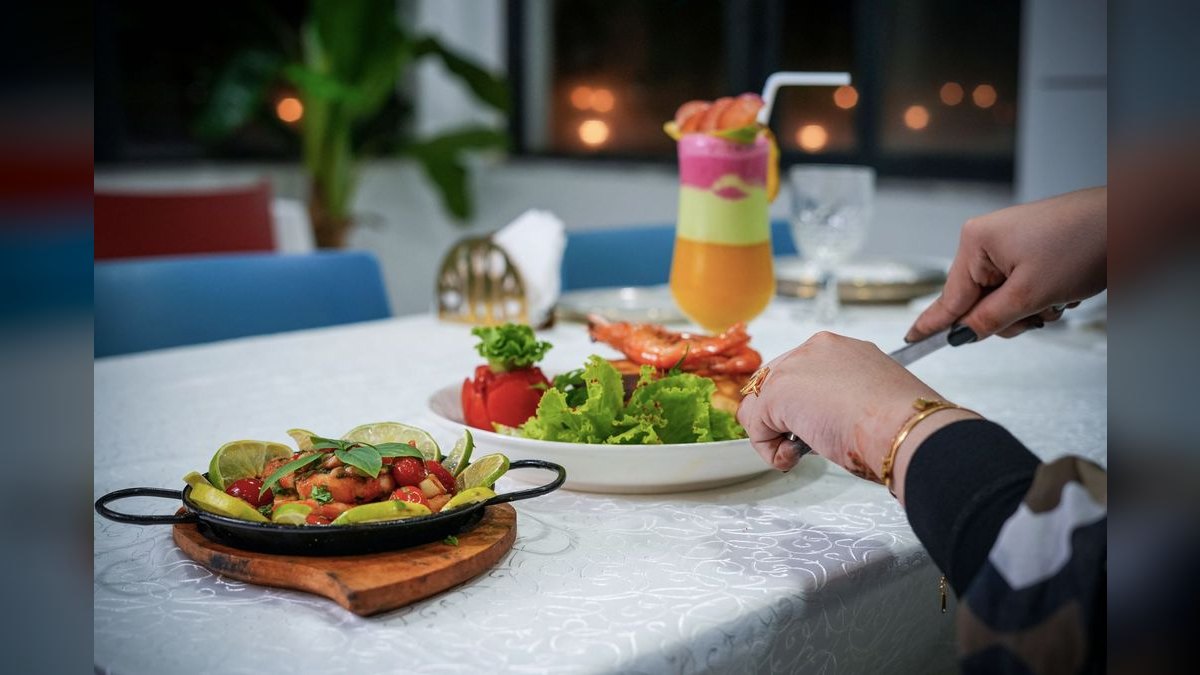
To benefit, you need to connect the discovery tool to the parts of your life that make its suggestions relevant — typically your dining profile and, if you choose, your calendar. This is an opt-in trade: the more context you provide, the more useful the recommendations, but the more data you expose. A reasonable middle path is to grant access to preferences and rough location while keeping full calendar and health-app integration off unless a specific feature clearly earns it.
A word of caution that matters more in 2027 than it did a few years ago: recommendation engines are shaped by the incentives of whoever runs them. A "top pick" may reflect a paid placement, a platform's commission structure, or simply popularity rather than genuine fit. Treat AI suggestions as a strong first draft, not a verdict. Read a couple of recent human reviews, check whether the venue is promoted, and keep your own shortlist of places the algorithm doesn't know you love. The goal is to use automation to shorten the search, not to outsource your judgment entirely.
Sustainability: how to choose without getting greenwashed
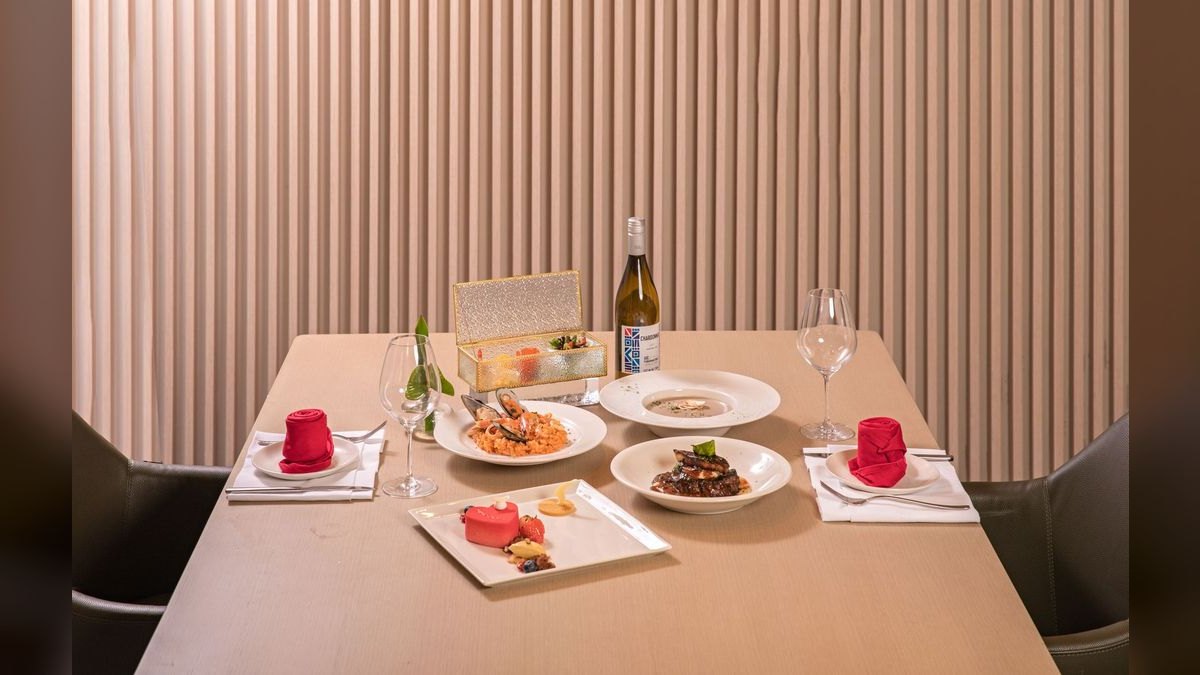
Sustainability has moved from a niche concern to a mainstream filter in restaurant choice. Diners increasingly weigh how a venue sources ingredients, manages waste, and treats its supply chain, and many discovery platforms now surface some form of environmental rating alongside star reviews. Local and seasonal sourcing, reduced single-use plastic, and lower food waste are the practices most commonly highlighted, and some venues publish third-party certifications to back up their claims.
The challenge is that "sustainable" is an easy word to print and a hard one to verify. The useful skill in 2027 is telling a substantiated claim from a marketing one. Favor specifics over slogans: a named local farm, a recognized certification, published sourcing details, or a concrete waste-reduction practice tells you far more than a vague "eco-friendly" badge. Independent certifications and standards — the kind issued by established third-party bodies rather than self-awarded — carry more weight because someone outside the restaurant checked the work.
Practical ways to build sustainability into your routine without turning every meal into an investigation:
- Prefer venues that publish *how* they source and reduce waste, not just that they do.
- Look for recognized third-party certifications rather than self-declared badges.
- Consider community-supported agriculture (CSA) subscriptions or farmers-market meals to shorten the supply chain directly.
- Take advantage of off-peak pricing, which restaurants use partly to smooth demand and cut waste — dining at 5 p.m. instead of 8 p.m. can be both cheaper and lower-impact.
Be realistic about limits: a single meal choice is a small lever, and no rating system is perfect. The point is directional — steering your regular spending toward venues that can show their work, and treating unverifiable green claims with healthy skepticism.
Navigating dynamic pricing and reservations
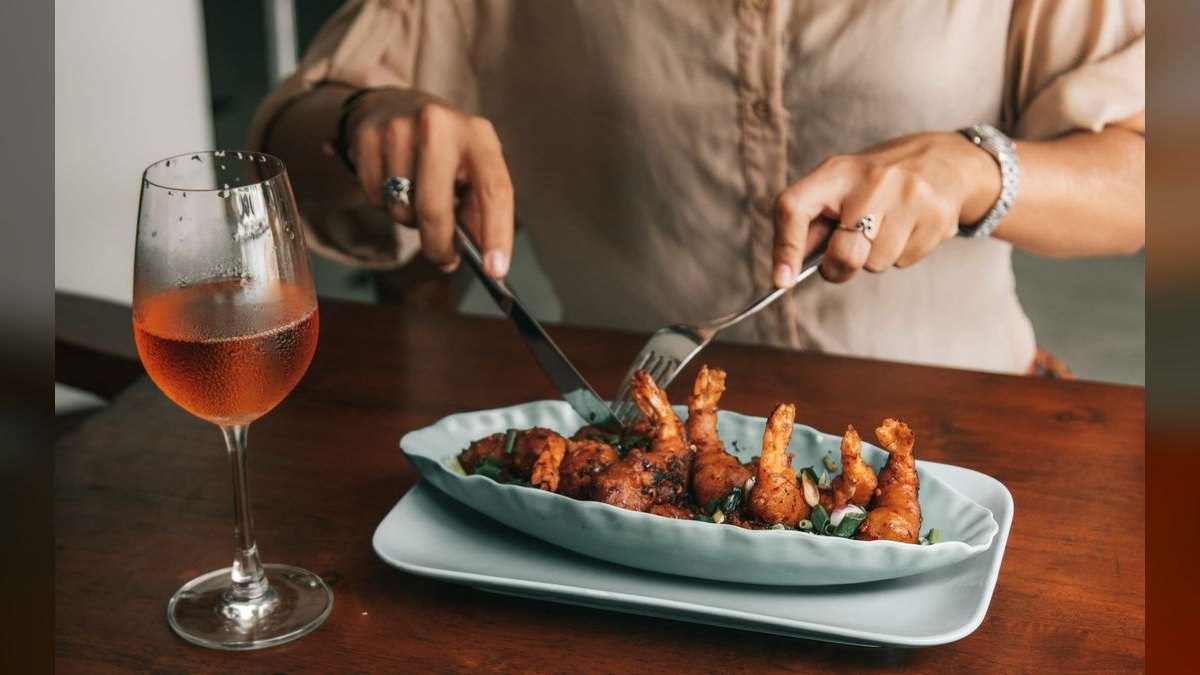
One of the biggest adjustments for new diners in 2027 is demand-based pricing. The same seat can cost more on a Friday night than a Tuesday lunch, and premium windows may carry a surcharge or require a prepaid, non-refundable booking. This mirrors what already happened in air travel and hotels, and the logic is the same: price follows demand. It can feel adversarial, but it also creates real opportunities if you stay flexible.
The core strategy is timing. Off-peak slots — early evenings, weekday lunches, later or earlier than the crush — are consistently cheaper, and many booking systems will show you the price difference before you commit. If you have flexibility about *when* you eat, you hold most of the leverage. Loyalty programs and members' pricing can further lower the cost at places you visit often, and last-minute availability sometimes surfaces steep discounts as restaurants try to fill unsold tables.
A few habits keep dynamic pricing working for you rather than against you:
- Check the price for two or three different times before booking; the gap is often larger than people expect.
- Read cancellation terms carefully. Prepaid and non-refundable bookings are increasingly common at in-demand venues, so confirm what happens if plans change.
- Join loyalty programs only where you dine regularly enough to benefit — otherwise you are trading data for little return.
- Compare dine-in, takeout, and delivery pricing for the same meal; they can differ significantly at the same time of day.
Transparency is the thing to watch. A fair system shows you the price and terms up front. If a platform obscures fees until checkout or makes cancellation deliberately hard, treat that as a reason to look elsewhere.
The technologies you'll actually encounter
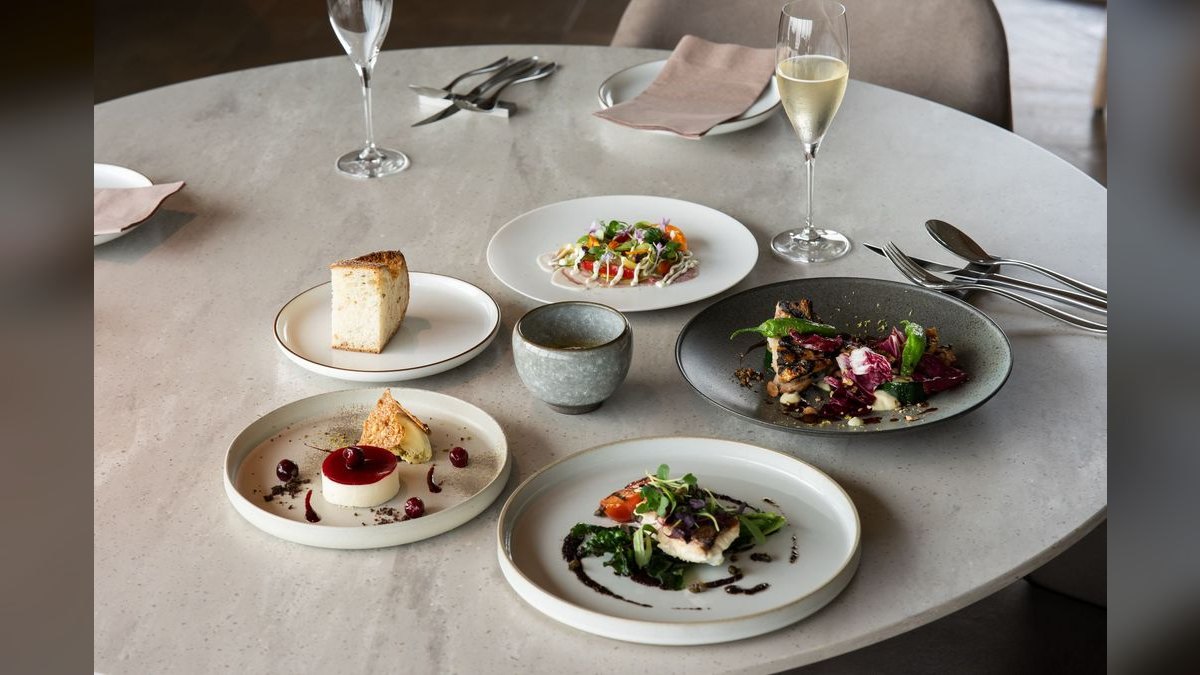
The 2027 dining stack sounds futuristic, but most of what you will meet in a typical week is incremental. Contactless and in-app payment is now the default. QR-code and digital menus are ubiquitous. Many venues offer app-based ordering, and some experiment with augmented-reality menu previews, tableside tablets, or automated food-running for routine tasks. Behind the scenes, restaurants increasingly use supply-chain tracking to document where ingredients come from, which is what makes stronger allergen and sourcing claims possible.
For getting started, you do not need to master any of this — you need your phone to handle two or three basics reliably: contactless payment, opening a digital menu (usually via a QR code or link), and, where you choose to use it, a venue or platform app for booking and ordering. Everything beyond that is optional polish. Augmented-reality dish previews and voice ordering at the table are genuinely useful in some settings and gimmicky in others; try them, but don't feel you're missing out if a favorite spot still hands you a paper menu and a friendly server.
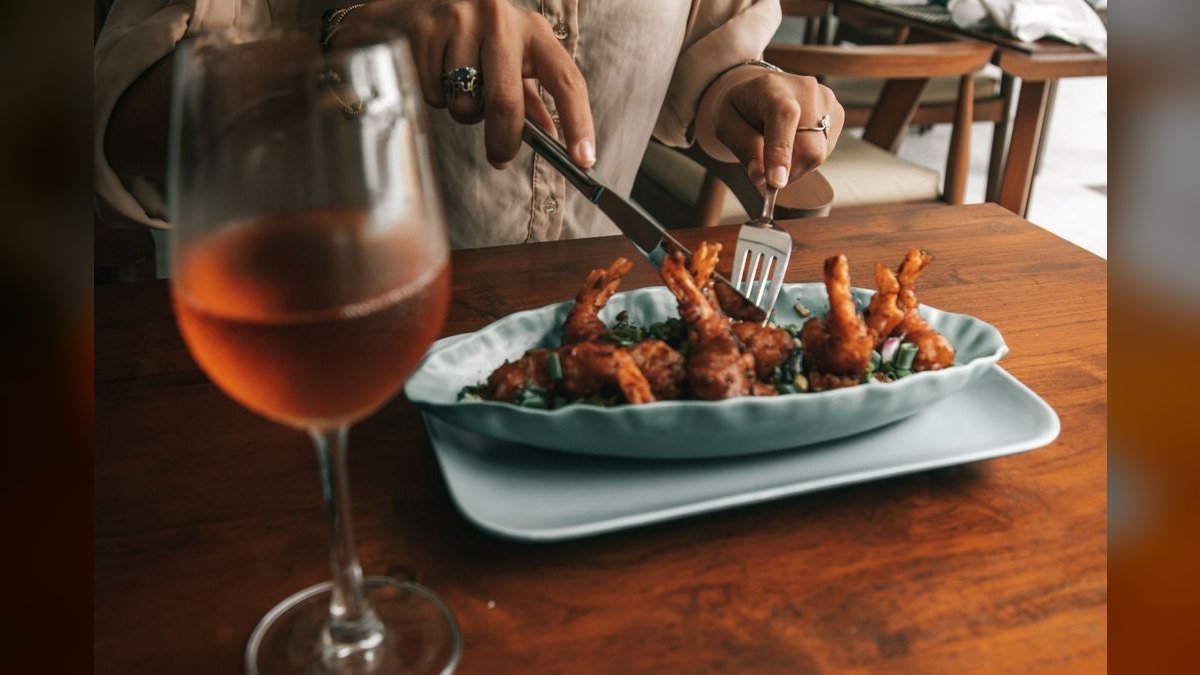
A grounded way to think about the tech: it exists to remove friction, not to add steps. If a feature makes ordering slower, forces you to download yet another app for a single meal, or gates basic service behind a device you don't want to use, it has failed at its own job. Reward the venues that use technology to make your visit smoother and feel free to ignore the rest.
Handling dietary restrictions and allergies safely
For anyone with a food allergy or a medical dietary condition, 2027's tooling is genuinely helpful but must never be treated as a safety guarantee. The good news: a well-maintained profile can pass your restrictions to a restaurant at the point of booking, digital menus increasingly flag common allergens, and supply-chain tracking lets some kitchens document ingredient sourcing more precisely than before. This reduces the chance of a note getting lost and makes it easier to spot obvious risks before you order.
The essential caveat is that no app removes the need for direct human confirmation when the stakes are high. Cross-contamination happens in kitchens, not in databases, and a menu label reflects intent rather than a promise. For a serious allergy, the durable practice is the same as it has always been: state the allergy clearly to your server or the kitchen, ask how the dish is prepared, and confirm rather than assume. Use the digital tools to communicate early and to narrow your options, then verify in person.

Concrete steps for diners managing restrictions:
- Distinguish preferences from medical restrictions in your profile so kitchens prioritize correctly.
- Use booking notes and in-app messaging to flag an allergy *before* arrival, giving the kitchen time to plan.
- Always confirm a critical allergy verbally at the table, even when the menu shows it as safe.
- If a venue can't give you a straight answer about preparation, that itself is information — choose somewhere that can.
Automation should lower your effort on the routine cases and raise your confidence on the serious ones — but the final safety check stays with you and the kitchen, together.
Home dining and delivery: where the line sits
The last piece of getting started is deciding how you split your dining between eating out, ordering in, and cooking at home. In 2027 these have blurred. Delivery-only "ghost" kitchens and virtual brands let restaurants offer focused menus with lower overhead. Meal-kit subscriptions have matured into a reliable middle ground between takeout and from-scratch cooking. And at the premium end, some restaurants offer in-home or "restaurant-at-home" experiences where the meal, and sometimes a chef, come to you.

For a newcomer, the smart move is to match the format to the occasion rather than chasing novelty. Delivery aggregators are convenient for a fast weeknight meal but layer on fees and, often, dynamic pricing — compare the all-in cost against ordering directly from the restaurant, which increasingly pays the kitchen better too. Meal kits suit people who want to cook but not plan or shop. In-home restaurant experiences are worth it for a celebration, not a Tuesday. The waste, cost, and environmental footprint of delivery are real, so it pays to be intentional: convenience is a feature you're buying, and it's worth knowing the price.
A simple framework: cook or order direct when you can, use aggregators when convenience genuinely outweighs the markup, and save premium at-home experiences for occasions that justify them. That keeps your spending honest and your options open without locking you into any single platform's ecosystem.
Common mistakes when getting started
A few predictable missteps trip up newcomers, and all are easy to avoid:
- Over-sharing data. More integrations feel powerful, but each one widens your exposure. Grant only what a feature clearly earns.
- Trusting the top result. Recommendation rankings can reflect ads or commissions. Cross-check with recent human reviews.
- Ignoring cancellation terms. Prepaid, non-refundable bookings are common at busy venues; read the terms before you commit.
- Treating allergen labels as guarantees. Always confirm a serious allergy in person.
- Defaulting to delivery. The convenience is real, but so are the fees and the markup. Compare against ordering direct.
- Collecting apps. You do not need ten. One or two reliable platforms plus your phone's wallet cover nearly everything.
FAQ

What is the very first step to start dining in 2027?
Build one accurate dining profile with your preferences, allergies, and a payment method, then connect it to a single reservation or discovery app you trust. That one step removes most of the repeated setup work and reduces the chance an allergy note gets lost between booking and kitchen.
Do I need AI or smart-home devices to dine well in 2027?
No. AI discovery tools and smart devices add convenience — voice search, predictive suggestions, hands-free ordering — but they are optional. A smartphone for contactless payment and digital menus is enough to enjoy the full experience, and many excellent restaurants still operate with paper menus and human servers.
How do I keep my data safe when everything is connected?
Share only what a feature genuinely needs, and read each platform's privacy policy before connecting it — specifically how it retains, shares, and lets you delete your data. Treat allergy and health information as your most sensitive field, and keep optional integrations like full calendar or location history switched off unless a specific benefit justifies them.
How does dynamic pricing work and how do I avoid overpaying?

Restaurant prices increasingly rise and fall with demand, so the same seat costs more at peak times. The simplest defense is flexibility: check two or three time slots, favor off-peak windows like weekday lunches and early evenings, and read cancellation terms before booking a prepaid table. Comparing dine-in, takeout, and delivery prices for the same meal also helps.
Can I still handle a food allergy without a digital profile?
Yes. Digital profiles make communication faster and more consistent, but restaurants still take verbal allergy requests. Whether or not you use an app, always confirm a serious allergy directly with your server or the kitchen and ask how the dish is prepared — in-person confirmation remains the real safety step, not the label.
How do I tell a genuinely sustainable restaurant from marketing?
Look for specifics rather than slogans: named local sources, recognized third-party certifications, published waste practices, and clear sourcing details. Self-awarded "eco-friendly" badges mean little on their own. Independent certifications carry more weight because an outside body verified the claim.
Is delivery worth it, or should I order directly?
Delivery aggregators are convenient but add fees and often apply dynamic pricing. For everyday meals, compare the all-in delivery cost against ordering directly from the restaurant, which is frequently cheaper and tends to pay the kitchen better. Save premium at-home or in-home dining experiences for special occasions where the cost is justified.
Sources
- National Restaurant Association — research and industry reports
- McKinsey & Company — retail and consumer insights
- Harvard Business Review — artificial intelligence topic
- Food and Agriculture Organization of the UN — sustainable food value chains
- World Economic Forum — food systems
- Cornell University — Nolan School of Hotel Administration research
- U.S. Food and Drug Administration — food allergies
- Pew Research Center — internet and technology
Related on PULSE
- How does dynamic pricing work in the hospitality industry?
- How do you evaluate a sustainability claim before you buy?
- What data should you share with a recommendation app?
- How do AI assistants change consumer discovery?
- How do you manage food allergies when eating out?
People also search for: get started with dining · how to get started with dining · get started with dining guide
This page will be disappearing soon. Save it to your device for $1 — or read it free while it is here.
@Kory-White- · if Venmo asks, the last 4 of my number are 2012
This page is gone.
This one is off the shelf now. $1 keeps it on your phone for good — the whole page, pictures and diagrams included.
 pulse-diningWhat are the most common mistakes in Dining in 2027?
 pulse-diningHow much does a private chef cost in 2027?
 pulse-diningHow much does a reservation at Noma cost in 2027?
 pulse-diningTop 10 Dining strategies for 2027
 pulse-diningWhat is the best way to approach Dining in 2027?
 pulse-diningHow much does Dining cost in 2027?
 pulse-diningWhat should you know before investing in Dining in 2027?
 pulse-diningTop 10 best Dining options in 2027
 pulse-diningTop 10 Places to Dine in Flagstaff in 2027
 pulse-diningTop 10 Places to Dine in Louisville for Hot Brown Sandwiches in 2027