


How much does a meal at a top-rated restaurant cost in 2027?
Quality
Certified
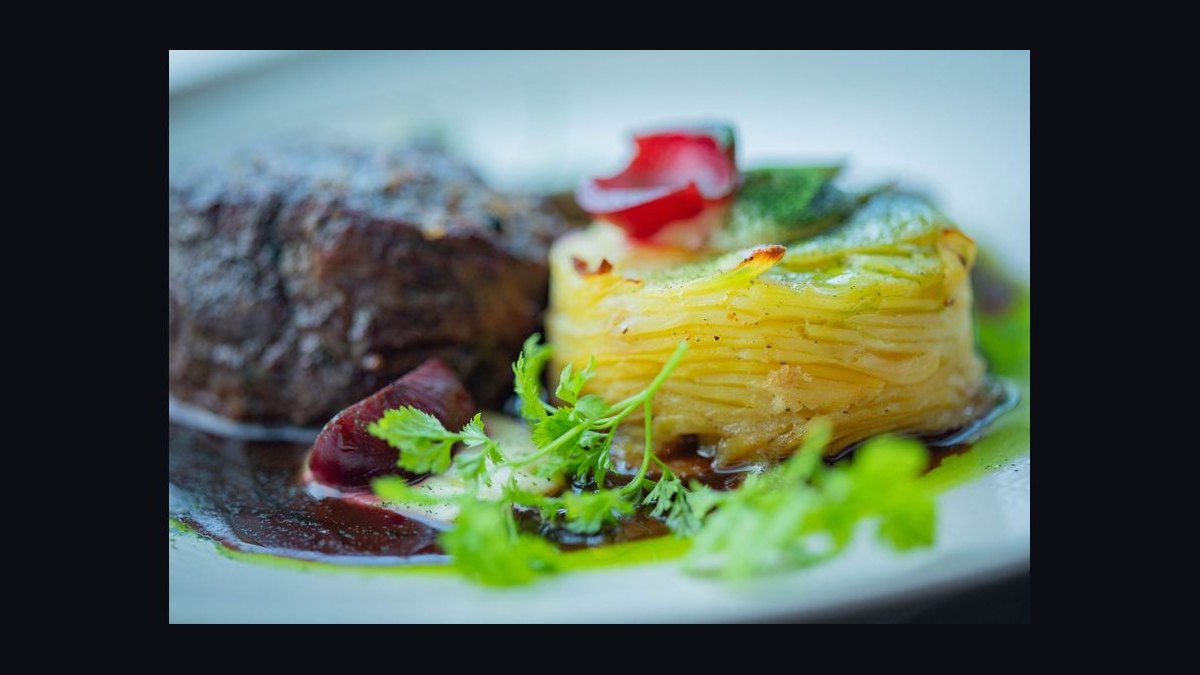
A meal at a top-rated restaurant in 2027 typically costs between $150 and $450 per person for a full tasting menu with wine pairings, while à la carte dining at a Michelin-starred establishment averages $80–$200 per person. The final cost depends on the restaurant's rating tier, city, number of courses, and beverage selections, with luxury establishments in major metropolitan areas commanding the highest prices.
What it is and why it matters
Understanding the cost of a meal at a top-rated restaurant in 2027 requires recognizing that "top-rated" encompasses several distinct tiers. At the entry level of fine dining, restaurants rated as "Excellent" by major review platforms typically charge $60–$120 for a three-course meal without beverages. Moving up to one-Michelin-star establishments, the average cost per person lands between $120 and $250. Two-star restaurants generally command $250–$400 per person, while three-star establishments—the pinnacle of restaurant ratings—rarely serve meals for under $400 per person, with many exceeding $600 when wine pairings are included.
Why does this matter? For travelers, food enthusiasts, and business professionals, knowing these figures helps with budgeting, setting expectations, and making informed reservations. A meal at a top-rated restaurant is often the centerpiece of a special occasion or a business meeting, and the cost difference between tiers can be substantial. For example, dining at a three-star restaurant in Paris like a traditional haute cuisine establishment might cost €350–€500 per person, while a one-star restaurant in the same city averages €120–€180. The rating system itself—whether from Michelin, World's 50 Best, or review aggregators—directly correlates with price, though not perfectly.

The economics behind these prices are worth understanding. Top-rated restaurants operate on thin margins despite high prices because of labor intensity, ingredient costs, and the need for constant innovation. A kitchen brigade at a three-star restaurant might include 20–30 cooks for a 40-seat dining room, and the front-of-house staff often outnumbers guests. Rent in prime locations, specialized equipment, and the cost of sourcing rare ingredients all contribute to the final bill. When you pay $400 for a meal, roughly 30–35% covers food costs, 30–35% covers labor, 15–20% covers overhead, and the remainder is profit—which is often reinvested into the restaurant.
The step-by-step process of pricing a top-rated meal
Understanding how a restaurant arrives at its 2027 prices involves a systematic process that diners can use to predict what they might pay. This framework helps you estimate costs before you book, avoiding sticker shock at the table.

The first step is identifying the rating tier. Michelin stars remain the most reliable indicator: one star means "excellent cooking worth a stop," two stars mean "exceptional cooking worth a detour," and three stars mean "extraordinary cuisine worth a special journey." In 2027, the World's 50 Best list also heavily influences pricing, with restaurants in the top 10 often charging premiums of 20–30% over comparable Michelin-starred establishments. Review platforms like TripAdvisor and Yelp provide broader ratings, but these correlate less directly with price.
The second step is location. A meal at a top-rated restaurant in New York, London, Paris, Tokyo, or Singapore costs 30–50% more than the same restaurant's rating tier in secondary cities. For example, a one-star restaurant in Lyon, France, might charge €90 for a tasting menu, while the equivalent in Paris costs €130. In the United States, a two-star restaurant in Chicago averages $250 per person, while the same tier in San Francisco or Manhattan pushes $300–$350. Currency fluctuations in 2027 also matter—the euro, yen, and dollar exchange rates can shift effective costs by 10–15% for international travelers.
Third, choose the dining format. Tasting menus dominate top-rated restaurants, with most requiring all guests to order the same multi-course format. A typical tasting menu runs 8–12 courses and lasts 2.5–3.5 hours. Lunch service, where offered, costs 30–40% less than dinner. Some restaurants offer a shorter "discovery" menu at a lower price point, and à la carte options are increasingly rare at the highest tiers. In 2027, roughly 70% of Michelin-starred restaurants offer only tasting menus, up from about 50% a decade earlier.
Fourth, add beverages. Wine pairings typically add $80–$200 per person, depending on the restaurant's cellar and the pairing's ambition. A standard pairing at a one-star restaurant runs $80–$120; at three-star establishments, pairings frequently exceed $200. Non-alcoholic pairings, which have grown in popularity, cost 40–60% of the wine pairing price. If you bring your own bottle, corkage fees at top-rated restaurants range from $50–$150, with some restaurants requiring that the bottle be from their list.

Fifth, account for service and tax. In the United States, a 20% service charge is standard, though some restaurants include it in the menu price. In Europe, service is typically included, but a 5–10% discretionary tip is customary. Value-added tax (VAT) ranges from 5% in Japan to 20% in most of Europe and is always included in the menu price outside North America. In the United States, sales tax of 8–10% is added to the bill. These add-ons can increase the base price by 25–35% in the United States and by 0–10% elsewhere.
Costs, timelines, and typical ranges
The concrete numbers for 2027 reveal significant variation across the top-rated restaurant landscape. For budgeting purposes, here are the realistic ranges you should expect, broken down by rating tier and city type.
At the one-star level, expect to pay $120–$200 per person for dinner in a major city, excluding beverages. This typically covers a 6–8 course tasting menu. In secondary cities, the range drops to $90–$150. Lunch at the same restaurants costs $70–$120. A one-star restaurant in Tokyo might charge ¥15,000–¥25,000 (approximately $100–$170), while one in Copenhagen runs 800–1,200 DKK (approximately $115–$175).
Two-star restaurants command $250–$400 per person for dinner in major cities. The tasting menu expands to 10–12 courses, and the wine program becomes more serious. In cities like Las Vegas, where many top-rated restaurants cluster in hotels, prices run at the higher end due to overhead. A two-star restaurant in Barcelona averages €180–€250 (approximately $195–$270), while the same tier in London runs £200–£300 (approximately $255–$385).

Three-star restaurants represent the top of the market. In 2027, dinner at a three-star restaurant in a major city costs $400–$700 per person, with wine pairings adding $200–$400. The full experience, including pairings and service, frequently exceeds $800 per person. In New York, a three-star tasting menu runs $450–$550 before beverages. In Paris, expect €350–€500 (approximately $380–$540). In Tokyo, the most expensive three-star restaurants charge ¥40,000–¥60,000 (approximately $270–$400), though some traditional kaiseki establishments exceed this.
Beyond Michelin, the World's 50 Best list creates its own pricing dynamics. Restaurants ranked in the top 10 often charge 20–30% more than their Michelin tier would suggest, capitalizing on international demand. A restaurant ranked #5 globally might charge $300–$400 for a tasting menu even if it holds only one Michelin star. These restaurants typically have booking windows of 60–90 days, and securing a reservation often requires setting an alarm for the moment bookings open.
Timelines matter as much as costs. Top-rated restaurants in 2027 typically release reservations 30–90 days in advance. Three-star restaurants and World's 50 Best establishments often sell out within minutes of release. Some restaurants use lottery systems or waitlists. For popular Friday and Saturday evening slots, you may need to book 3–6 months ahead. Cancellation policies are strict—most charge 50–100% of the meal cost if you cancel within 48–72 hours. This means the financial commitment extends beyond the meal itself; you're committing to the full price when you book.

Additional costs to factor in: transportation to the restaurant (top-rated establishments are often in central locations but parking or rideshare adds $20–$50), dress code compliance (some restaurants require jackets, and valet or coat check adds $10–$20), and the opportunity cost of the 2.5–3.5 hour meal. For special occasions, many restaurants offer chef's table experiences or private dining rooms at a 50–100% premium over the standard menu.
Where teams get it wrong
The most common mistake when budgeting for a top-rated restaurant meal in 2027 is underestimating the total cost by focusing only on the menu price. A $250 tasting menu becomes a $350–$400 experience once you add wine pairing, service charge, tax, and a modest tip. For a couple, this transforms a $500 dinner into a $700–$800 evening. Travelers frequently make this error, leading to uncomfortable moments when the bill arrives or having to skip courses they wanted.
Another frequent error is assuming that higher ratings always mean proportionally higher quality. The jump from one star to three stars costs 2–3 times more, but the incremental improvement in food quality is modest—perhaps 15–20%. What you're paying for at three-star level is the complete experience: more courses, more staff per guest, more elaborate plating, and a more extensive wine cellar. If you care primarily about exceptional food, a one-star restaurant often delivers 85% of the experience at 40% of the cost. Many experienced diners argue that the sweet spot is two-star restaurants, which offer the full tasting menu experience without the three-star premium.

Booking mistakes also plague diners. Showing up without a reservation at a top-rated restaurant in 2027 is essentially impossible—most won't seat you even at the bar. Using third-party reservation services that charge premiums for hard-to-get bookings can add $50–$150 per person on top of the meal cost. Some services require prepayment of the full tasting menu price, and if your plans change, you may lose that money. Direct booking through the restaurant's website is always cheapest, but requires planning ahead.
Dietary restrictions and preferences create another layer of cost miscalculation. Most top-rated restaurants accommodate vegetarian, vegan, or pescatarian menus, but these sometimes cost the same as the standard menu despite using less expensive ingredients. Some restaurants charge a supplement for alternative menus, typically $30–$80 per person. If you have allergies, inform the restaurant well in advance—most can adapt, but the kitchen's flexibility varies. A restaurant that can't accommodate a dietary requirement might still charge the full tasting menu price if you cancel late, which is why you should clarify policies before booking.
Finally, people ignore the cost of the experience beyond the restaurant walls. A meal at a top-rated restaurant often requires travel, accommodation, or a special occasion wardrobe. If you're flying to a city specifically for a meal, the total cost multiplies. A $400 meal might become a $2,000 weekend when you factor in flights, hotel, and other expenses. This doesn't make it not worthwhile, but it should inform your decision. Similarly, celebrating a milestone at a three-star restaurant adds pressure to the experience—many diners report that the expectation makes the meal less enjoyable, not more.
Decision framework: when to choose what
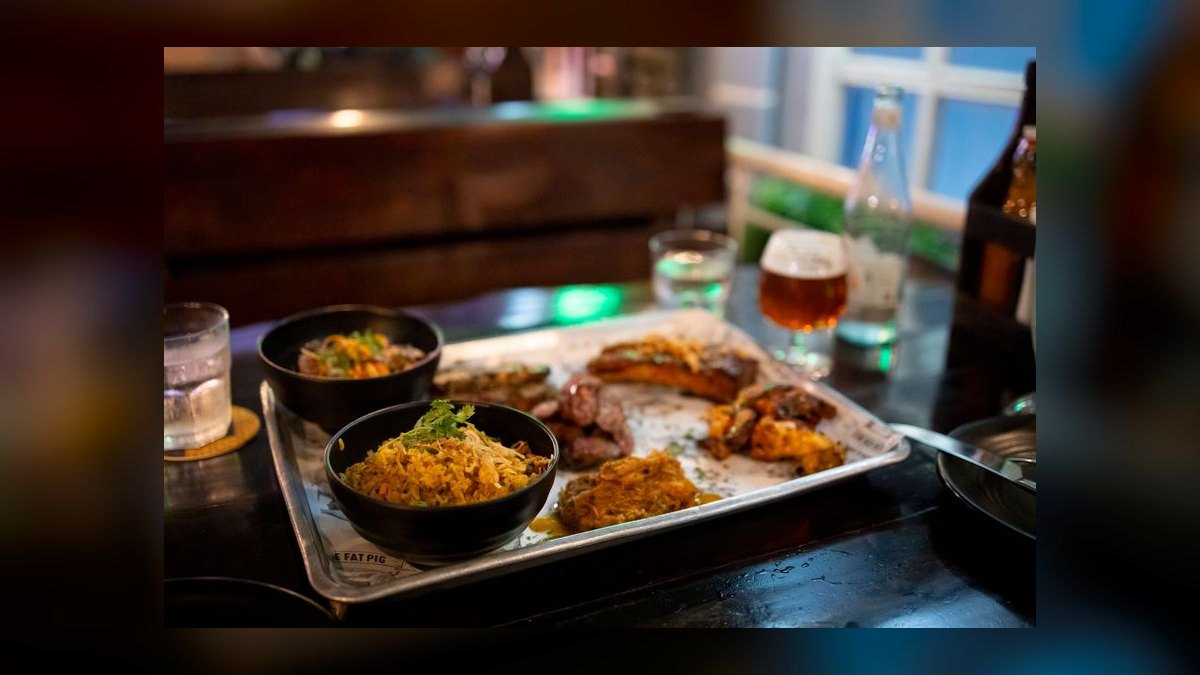
Choosing which tier of top-rated restaurant to visit in 2027 depends on your goals, budget, and context. This framework helps you make the right call rather than defaulting to the most expensive option.
For a casual celebration—an anniversary, a promotion, or simply a desire to experience fine dining—a one-star restaurant or a highly rated non-Michelin establishment offers the best value. You'll experience exceptional cooking, attentive service, and a memorable evening without the formality or cost of higher tiers. Budget $100–$200 per person, book 2–4 weeks ahead, and feel free to order à la carte if offered. This tier also allows more flexibility with dress code and dining pace.
For a significant milestone—a 25th wedding anniversary, a major birthday, or an important client dinner—a two-star restaurant hits the sweet spot. The experience is undeniably special, with a longer tasting menu, more elaborate presentations, and a wine program that can handle serious pairings. Budget $250–$400 per person, book 1–3 months ahead, and plan for the full 3-hour experience. This tier impresses without intimidating, and the food quality is close to the top tier.
For a bucket-list experience—something you've dreamed about for years, a pilgrimage to a legendary chef, or a once-in-a-lifetime trip—a three-star restaurant or a World's 50 Best top-10 establishment justifies its cost. Budget $400–$800+ per person, book 3–6 months ahead, and treat the meal as the centerpiece of your day. Arrive early, allow time for the full 3.5-hour experience, and consider the wine pairing to complete the experience. This tier is about more than food—it's about theater, precision, and memory-making.
Consider the trade-offs carefully. A three-star meal costs 2–3 times a one-star meal, but the experience is not 2–3 times better—it's different. The three-star experience is more formal, more theatrical, and more demanding. Some diners find this enhances the occasion; others find it creates distance. If you want to focus on conversation and connection, a one-star restaurant with a private table might serve you better than a three-star with its constant procession of courses and explanations.
Timing also matters. Lunch at a top-rated restaurant costs 30–40% less than dinner, and the experience is often more relaxed. Many three-star restaurants offer abbreviated lunch menus that showcase the kitchen's skill at a fraction of the dinner price. For a first visit to a top-rated restaurant, lunch is a smart way to gauge whether the full dinner experience is worth the investment. Some restaurants also offer bar seating or counter experiences that cost 20–30% less than the main dining room while still featuring the full tasting menu.
Related questions
What is the average cost of a Michelin-starred meal in 2027?
A one-star meal averages $120–$200 per person, two-star averages $250–$400, and three-star averages $400–$700, excluding beverages and service charges. Prices vary by city, with New York, London, Paris, and Tokyo commanding the highest rates.
Do top-rated restaurants include gratuity in the menu price?
In the United States, most top-rated restaurants add a 20% service charge automatically. In Europe and Asia, service is typically included in the menu price, though a 5–10% discretionary tip is appreciated. Always check the restaurant's policy before booking.
How far in advance should I book a top-rated restaurant?
One-star restaurants typically require 2–4 weeks notice. Two-star restaurants need 1–3 months. Three-star and World's 50 Best establishments often require 3–6 months, with reservations selling out within minutes of release.
Are tasting menus worth the higher cost compared to à la carte?
Tasting menus offer a curated experience showcasing the chef's best work, typically 8–12 courses. They cost 30–50% more than à la carte but provide a complete narrative of the restaurant's cuisine. For first-time visitors, tasting menus are usually the recommended choice.
What is the cheapest way to experience a top-rated restaurant?
Book lunch instead of dinner, choose a one-star restaurant over higher tiers, skip the wine pairing, and visit on weeknights. These choices can reduce the cost by 40–60% while still delivering an exceptional meal.
FAQ
What is the cheapest meal at a top-rated restaurant in 2027?
The most affordable option is lunch at a one-star restaurant in a secondary city, which can cost $60–$90 per person. Some top-rated restaurants offer abbreviated lunch menus or bar seating at reduced prices. The absolute minimum for a rated restaurant meal is around $50 per person, excluding beverages.
How much does wine pairing add to the cost?
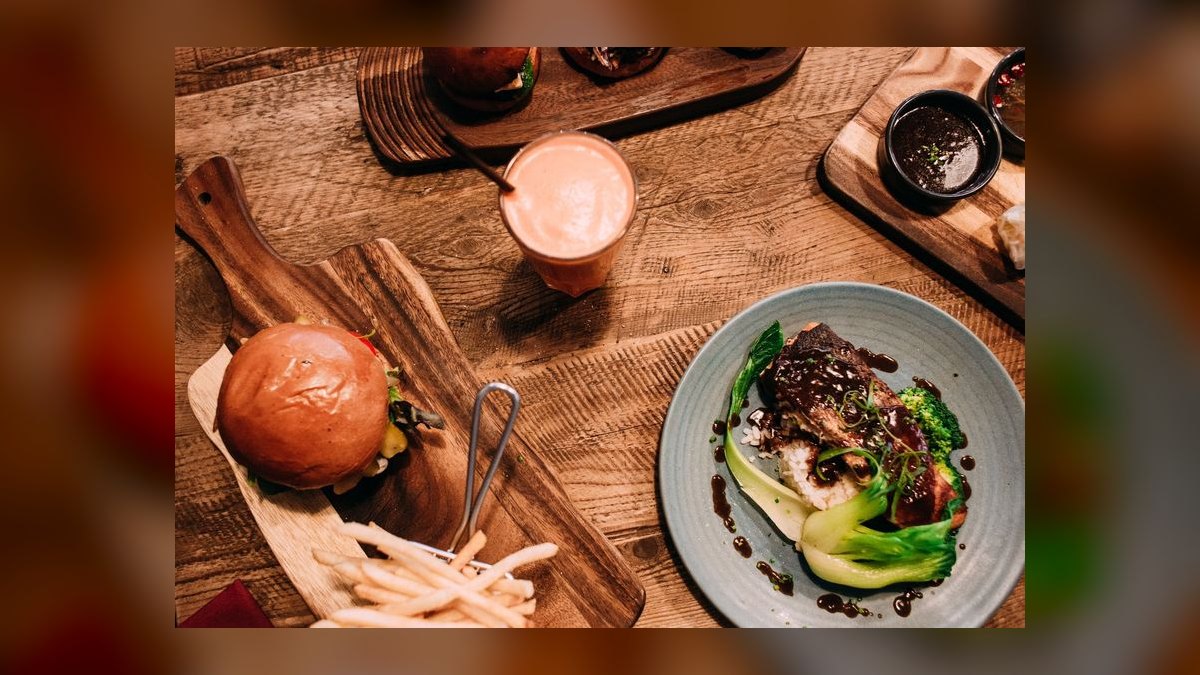
A standard wine pairing at a one-star restaurant costs $80–$120 per person. At two-star restaurants, expect $120–$180. Three-star establishments charge $200–$400 for their most ambitious pairings. Non-alcoholic pairings cost 40–60% of the wine pairing price.
Do top-rated restaurants charge extra for special occasions?
Most do not charge extra for birthdays or anniversaries, and some offer complimentary desserts or champagne. However, if you request a private dining room, chef's table, or custom menu, expect a 50–100% premium. Some restaurants require a deposit for large groups or special requests.
Can I save money by ordering à la carte instead of the tasting menu?
At restaurants that offer both, à la carte is typically 30–50% cheaper. However, in 2027, roughly 70% of Michelin-starred restaurants offer only tasting menus. If à la carte is available, ordering 3–4 courses will cost $100–$180 at a one-star restaurant, compared to $120–$200 for the tasting menu.
How do currency exchange rates affect the cost in 2027?
For international travelers, exchange rates can shift costs by 10–15%. In early 2027, the US dollar is relatively strong against the euro and yen, making European and Japanese restaurants more affordable for American diners. Check current rates before booking.
What should I budget for the total experience, not just the meal?
Add 25–35% to the menu price for service, tax, and tip in the United States. Add 0–10% in Europe and Asia. Include transportation ($20–$50), potential dress code purchases, and any pre- or post-meal drinks. A $250 tasting menu typically becomes a $350–$400 total experience per person.
Sources
https://guide.michelin.com/en/article/features/how-much-does-a-michelin-starred-meal-cost
https://www.theworlds50best.com/list/1-50
https://www.forbes.com/sites/forbestravelguide/2026/11/15/fine-dining-costs-2027/
https://www.eater.com/2026/12/10/24012345/fine-dining-prices-2027
https://www.nytimes.com/2026/11/20/dining/fine-dining-cost.html
https://www.tripadvisor.com/Restaurants
https://www.opentable.com/blog/fine-dining-etiquette-and-costs/
https://www.bonappetit.com/story/michelin-star-restaurant-cost
https://www.wsj.com/articles/fine-dining-prices-rise-2027
https://www.lonelyplanet.com/articles/fine-dining-on-a-budget
Related on PULSE
- How to choose between Michelin-starred and World's 50 Best restaurants
- The complete guide to restaurant reservation systems in 2027
- Wine pairing basics: how to select pairings without overspending
- Fine dining dress codes: what to wear at top-rated restaurants
- Tipping etiquette around the world for fine dining establishments
- How to plan a food-focused trip around top-rated restaurants
This page will be disappearing soon. Save it to your device for $1 — or read it free while it is here.
@Kory-White- · if Venmo asks, the last 4 of my number are 2012
This page is gone.
This one is off the shelf now. $1 keeps it on your phone for good — the whole page, pictures and diagrams included.
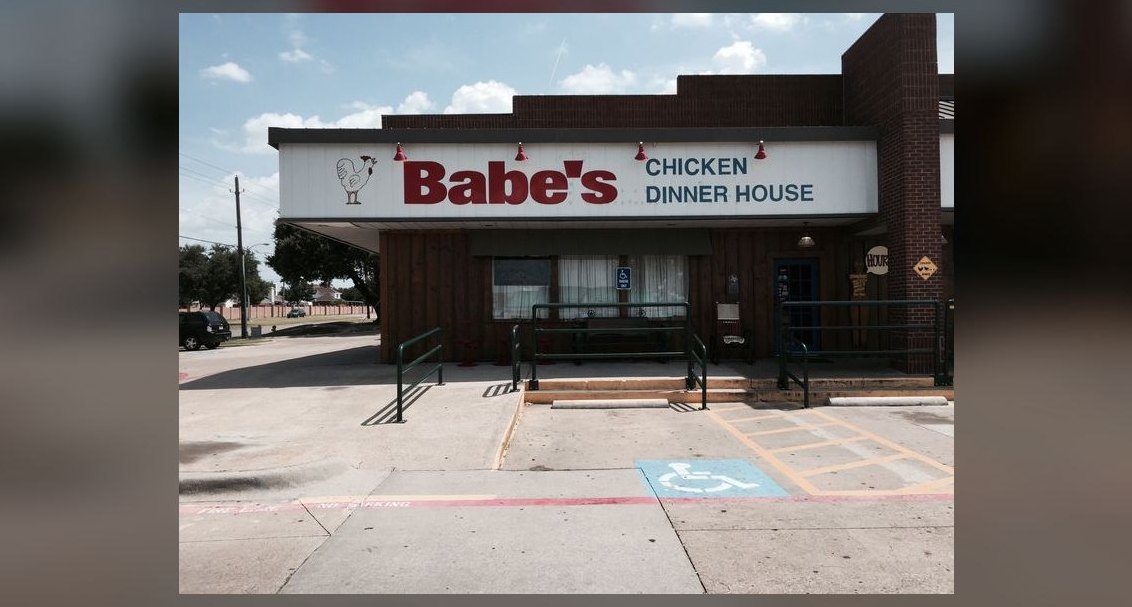 pulse-diningTop 10 Places to Dine in Baton Rouge in 2027
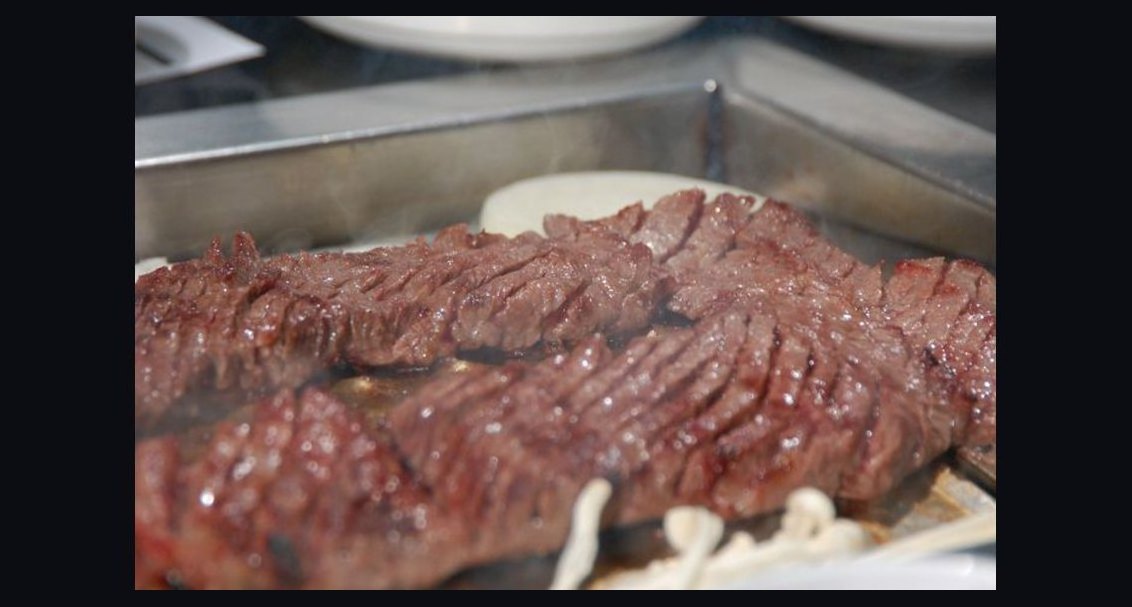 pulse-diningTop 10 Places to Dine in Los Angeles for Korean BBQ in 2027
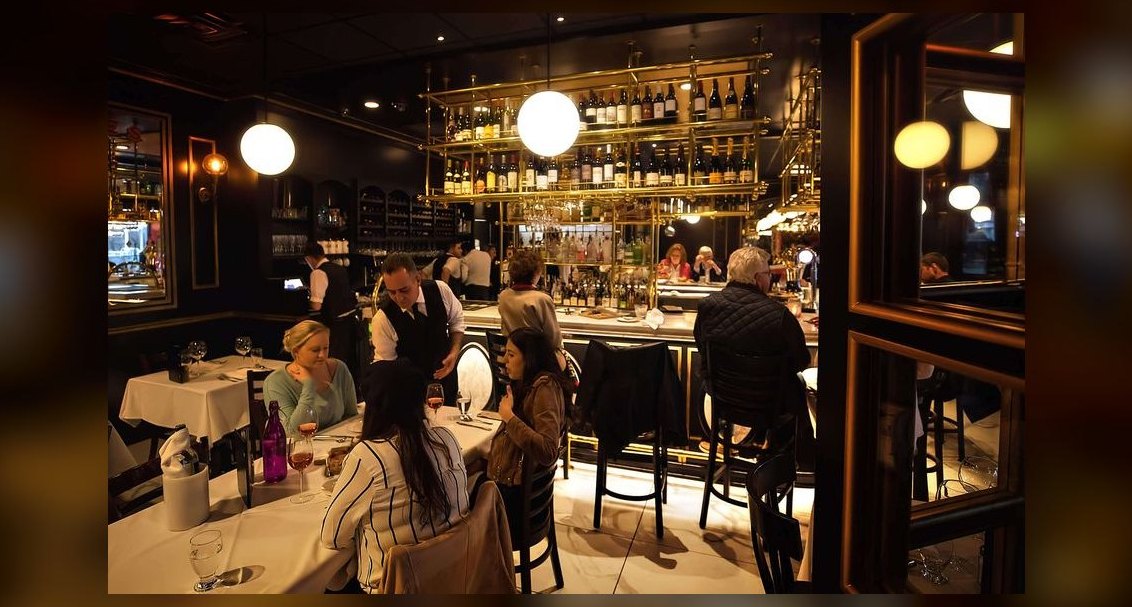 pulse-diningTop 10 Places to Dine in Wichita in 2027
 diningHow to save money on dining out in 2027
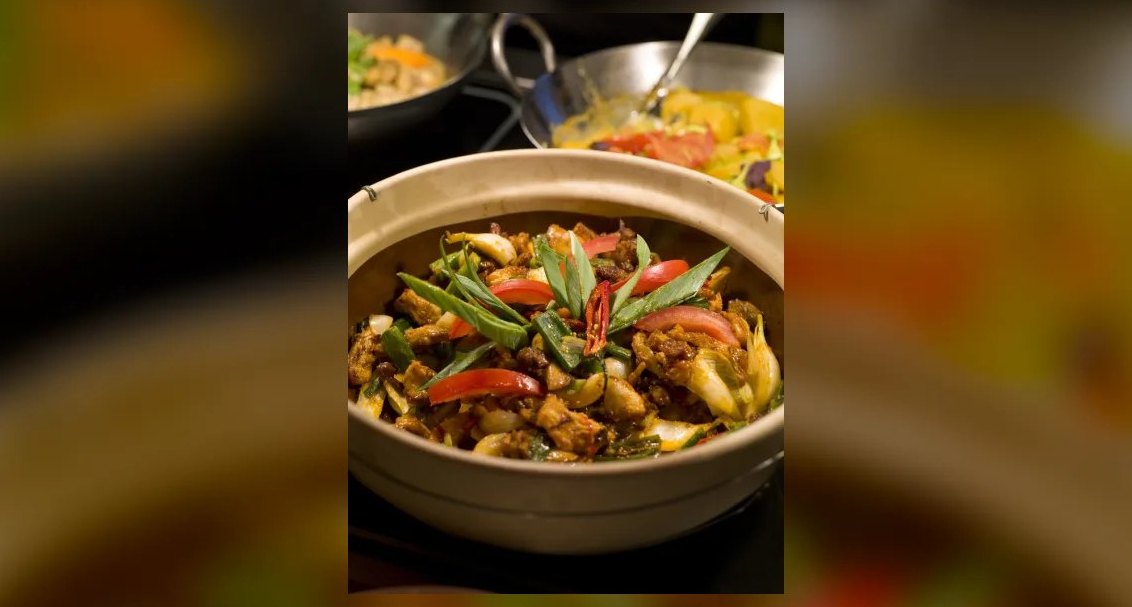 diningWhat drives the cost of a fine dining meal in 2027?
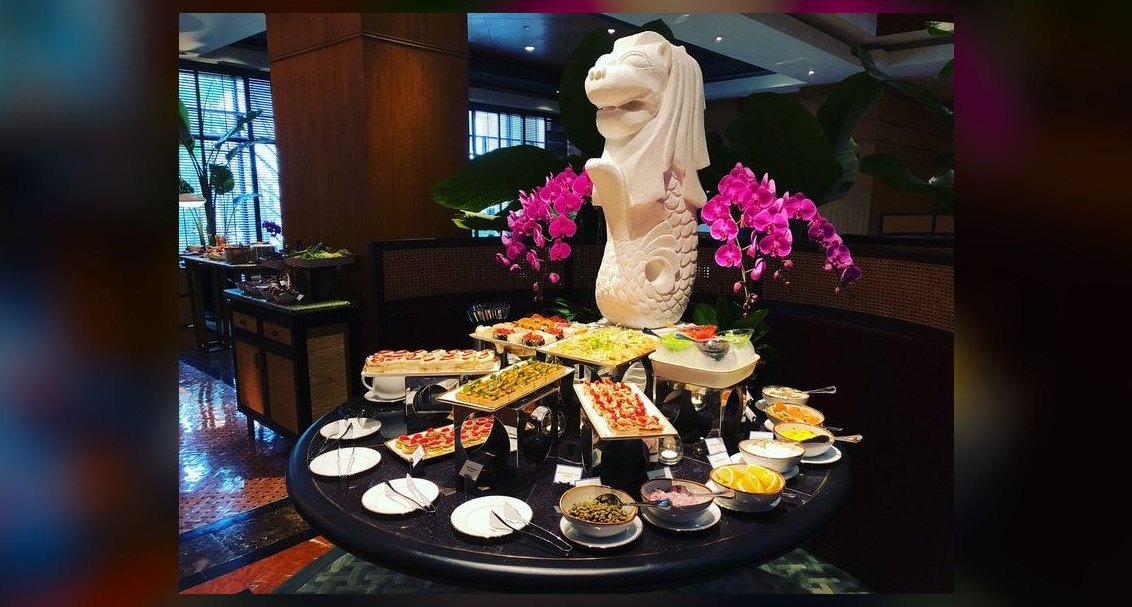 pulse-diningTop 10 Places to Dine in Bangkok in 2027
 pulse-diningTop 10 Places to Dine in Rochester in 2027
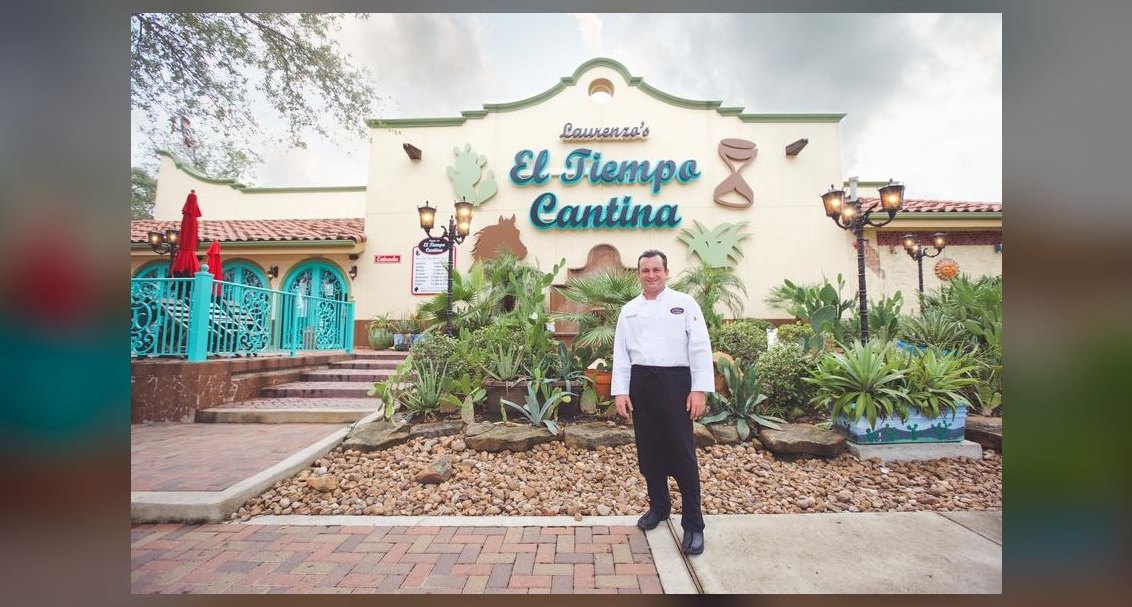 pulse-diningTop 10 Places to Dine in Houston for Tex-Mex Enchiladas in 2027
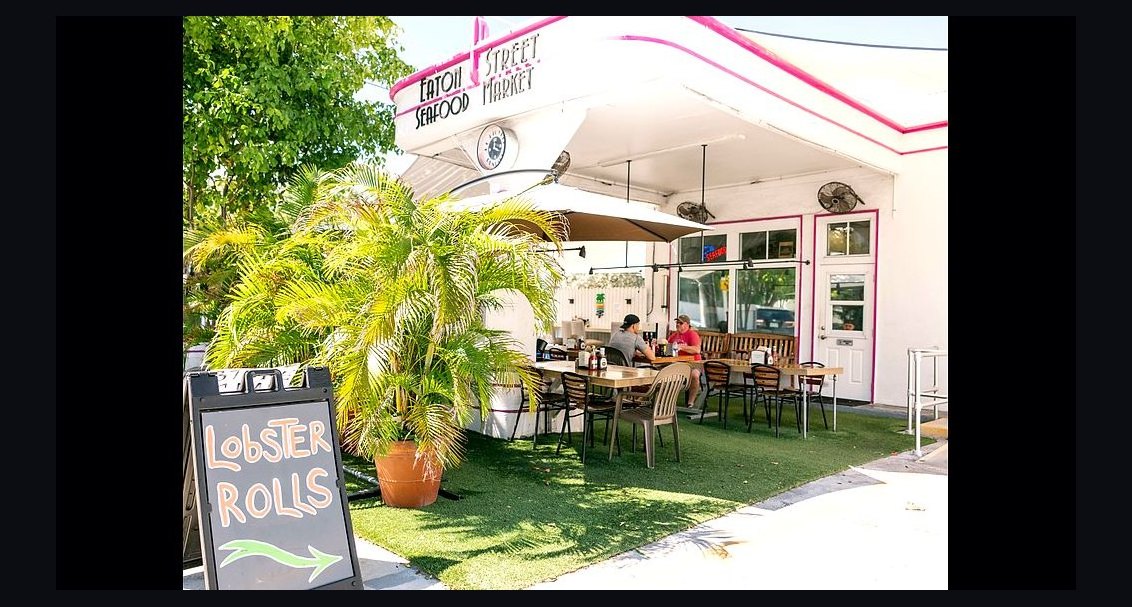 pulse-diningTop 10 Places to Dine in Tampa for Cuban Bread and Pastries in 2027
 pulse-diningTop 10 Places to Dine in Mexico City in 2027