
Should I open or buy a DoodyCalls franchise in 2027?
 Curated byKory White · Fractional CRO · Maryland
 PULSEKNOWLEDGE LIBRARY
Quality
Certified

Buying an established DoodyCalls franchise usually beats opening one from scratch in 2027, because route density — not capital — drives profit. Total investment for a new unit runs roughly $60,000 to $120,000 including a $25,000-$40,000 franchise fee. An existing territory costs more but delivers recurring accounts on day one.
What a DoodyCalls franchise actually is and why the model matters
DoodyCalls is a pet-waste-removal franchise founded in 2000 that services two distinct customer types out of the same truck. The residential side is a subscription: weekly, bi-weekly, or monthly yard cleanup billed on a recurring basis, typically $35 to $55 per visit for weekly service in most suburban markets. The commercial side is business-to-business: pet-waste-station installation and maintenance at HOAs, apartment complexes, condominium associations, and other multi-family properties, plus common-area cleanup on a contracted schedule.
That dual structure is the whole thesis. Most home-service franchises give you one revenue engine — a residential subscription base, or a commercial contract book, rarely both from the same route. DoodyCalls gives you both from the same vehicle, the same technician, and the same territory map. When residential churn spikes in a bad winter, commercial contracts hold. When a property manager consolidates vendors and you lose an apartment complex, your residential subscriptions keep the lights on. Diversification inside a single low-capital operating unit is unusual, and it is the strongest structural argument for this brand over an independent scooping business or a single-channel competitor.
The capital profile is the second thing that matters. This is a home-and-truck business. There is no storefront lease, no build-out, no inventory beyond bags, scoops, and pet-waste-station canisters. Item 7 of the 2026 Franchise Disclosure Document puts total investment at roughly $60,000 to $120,000, which places DoodyCalls near the bottom of the franchise capital ladder — comparable to a mobile services concept, far below food, fitness, or retail. Ongoing royalty sits near 7% to 9% of gross, with a marketing fee of roughly 2% on top. Combined, expect about 9% to 11% of every dollar leaving before you pay a technician.
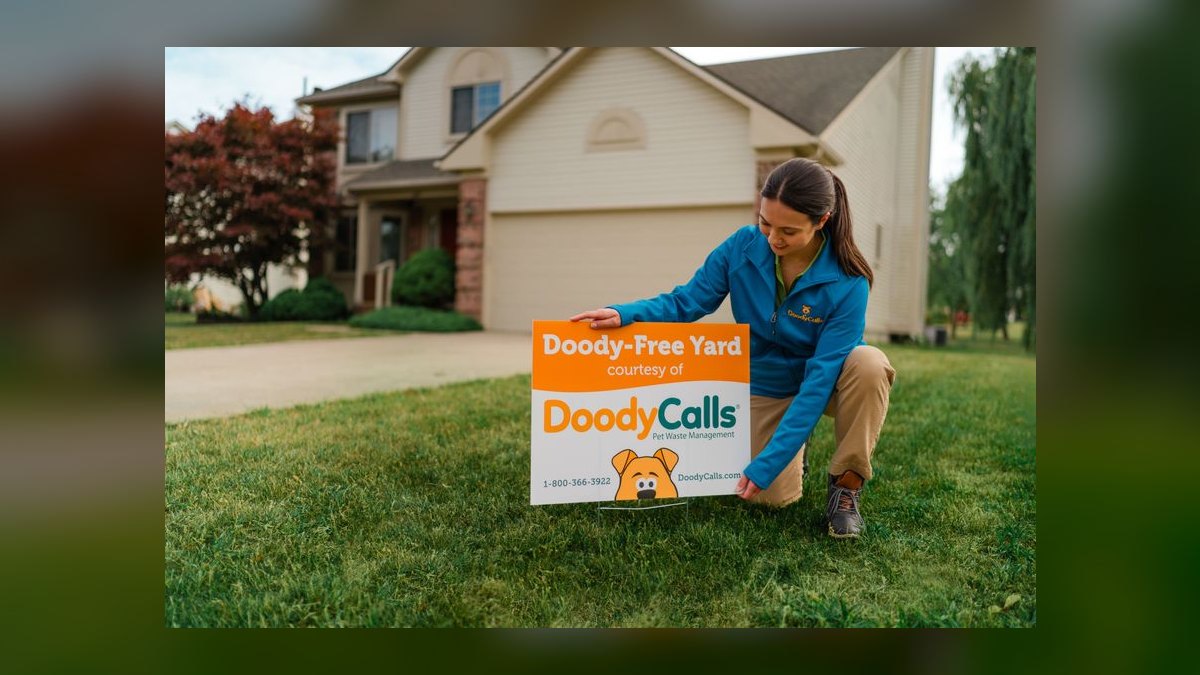
Why does the model matter more than the brand? Because pet-waste removal is a labor-and-logistics business wearing a franchise jacket. The brand supplies the phone number, the software, the sales collateral, the territory map, and the credibility that gets a property manager to return your call. It does not supply route density, technicians, or a local reputation. Those are yours to build, and they determine whether you clear $80,000 or $350,000 on gross revenue that mature units report in the $300,000 to $1,200,000-plus range.
The demand backdrop is genuinely favorable. Pet ownership rose sharply in the early 2020s and has not reverted to pre-2020 levels. Pet-friendly multi-family housing has expanded alongside it, and pet-waste stations have gone from an amenity to something close to a standard expectation in new apartment developments. That creates two independent demand curves — households who want convenience, and properties that need a managed solution to a sanitation and resident-complaint problem. Convenience spending is cuttable in a downturn; a property manager's obligation to keep common areas sanitary is much less so. That asymmetry is why the commercial side deserves more of your attention than most new franchisees give it.
The honest counterweight: this is a physical, staff-dependent, low-barrier-to-entry service. Anyone with a truck and a scoop can compete on residential price. What they cannot easily compete with is a commercial insurance certificate, a proposal template, an invoicing system a property manager trusts, and a technician bench deep enough to guarantee service continuity. That is where the franchise fee earns its keep — and where an operator who treats this like a solo scooping gig will underperform badly.
The step-by-step process from inquiry to first profitable route
Run this as a disciplined sequence, not a race. The single most common mistake is signing a territory before validating whether that territory can support the route density the economics require.
Weeks 1-2: read the FDD, especially Item 19. Request the current Franchise Disclosure Document and read Item 7 (estimated initial investment), Item 19 (financial performance representations), Item 12 (territory), and Item 20 (outlet and franchisee information, including transfers and terminations). Item 20 is the one most buyers skip and the one that tells you the most: a system with heavy transfer and termination activity in a given region is telling you something the sales team will not. Item 19 will define the specific cohort being reported — mature units only, all units, top quartile — and you need that definition before any number in it means anything.
Weeks 3-5: interview operators, and interview the right ones. Item 20 gives you a contact list, including former franchisees. Call at least six current operators and at least two who left. Ask them: what is your residential-to-commercial revenue split? How many recurring residential accounts are on each route? What is your technician turnover rate? What did you actually net last year after paying yourself a wage? How long did your first commercial contract take to close? An operator who answers the net-profit question with a revenue figure is dodging; press once, and if they still dodge, weight their input accordingly.
Weeks 6-8: validate the territory on the ground. Map the ZIP codes in the available territory. Count single-family homes with fenced yards, count multi-family properties over 100 units, and count existing competitors by searching the local market for independent scooping services. A territory that looks large on the franchisor's map but spreads your prospects across 25 miles of exurban sprawl is worse than a smaller, denser one. Drive it. Note the distance between candidate neighborhood clusters.
Weeks 9-11: secure financing, insurance, and vehicle. SBA 7(a) loans are commonly used for franchise acquisition and startup; the SBA maintains a franchise directory that affects eligibility, so confirm current listing status. Line up general liability coverage — commercial contracts frequently require $1,000,000 to $2,000,000 in coverage, which adds roughly $1,500 to $3,000 annually versus a residential-only policy. Order the vehicle and wrap early; wraps run $3,000 to $12,000 and have lead times.
Weeks 12-13: hire and train before you launch. Recruit your first technician during training, not after. Background screening and drug testing run $50 to $100 per candidate, and expect to screen three to five people per hire. Launch with a technician already trained on the route software.

Weeks 1 through 13 is the honest timeline to opening day. Revenue ramp is a separate clock: expect six to twelve months to reach a break-even single route.
Costs, timelines, and the ranges you should actually budget
Here is the 2026 FDD investment picture broken into the line items that matter operationally, not just the summary range.
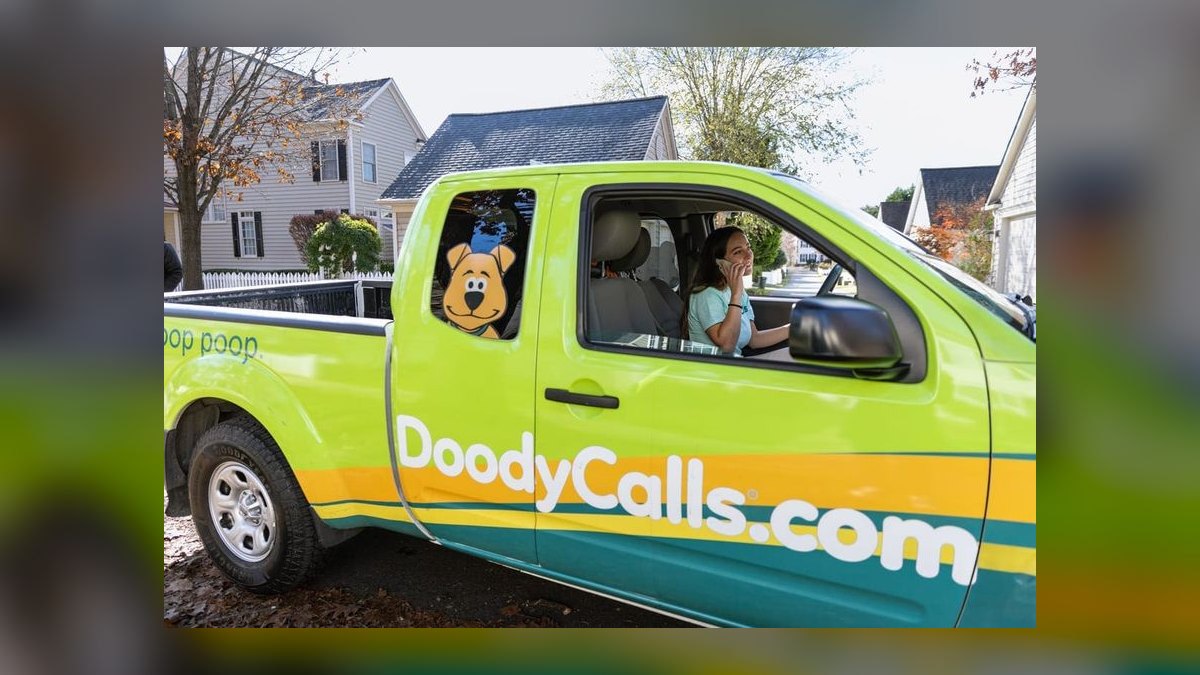
The franchise fee runs $25,000 to $40,000, varying by territory size and population. Vehicle and equipment is $10,000 to $35,000 — the wide spread reflects whether you buy used, buy new, or lease, and whether you are equipping one route or two at launch. Branding and vehicle wrap costs $3,000 to $12,000; a wrapped truck parked in a neighborhood is genuinely one of the highest-ROI marketing assets in this business, so do not cheap out here. Home-office setup is $3,000 to $12,000 for computer, phone system, printer, and software onboarding. Initial marketing is $10,000 to $30,000, and it must be split between residential lead generation and commercial outreach — most new franchisees put nearly all of it into residential and then wonder why they have no HOA contracts in month nine. Training and travel runs $5,000 to $15,000 for you and your initial technicians. Licensing and insurance is $4,000 to $12,000. Working capital is $8,000 to $25,000. Total Item 7: roughly $60,000 to $120,000.

Then the ongoing load: royalty of about 7% to 9% of gross plus a marketing fee near 2%. On $600,000 of gross revenue that is roughly $54,000 to $66,000 a year off the top before a single technician is paid.
Liquidity requirement. Plan on $35,000 to $60,000 in liquid capital beyond financed amounts. Lenders will want to see it, and more importantly you will need it: the gap between launch and route break-even is where undercapitalized operators fail.
A worked unit economic model on $600,000 gross. Technician labor, including payroll taxes and workers' compensation, runs about 38%, or $228,000. Vehicle, fuel, and supplies take roughly 12%, or $72,000. Royalty plus marketing fee at 11% is $66,000. Remaining operating expenses — insurance, software, office, local advertising, administrative help — run about 15%, or $90,000. That leaves owner earnings near $144,000. Shift technician cost to 45% because your routes are spread out and that $144,000 drops toward $102,000. Shift it to 32% because you built tight clusters and it climbs past $180,000. Route density is the swing variable, and it swings six figures.
Single-route math. Franchisee reports suggest break-even on one technician route requires roughly 150 to 200 recurring residential accounts across a weekly and bi-weekly mix. That route grosses about $90,000 to $130,000 annually and nets the owner $25,000 to $45,000 after technician wages, vehicle, insurance, and royalties. Owner income above $200,000 generally requires two to three routes at 250-plus accounts each, plus a commercial book.

Revenue-per-route-hour is the metric to manage weekly. Strong operators hit $150 to $250 per technician hour. Spread-out routes with 45-minute drives between stops fall to $60 to $90 per hour, and at technician wages of $18 to $25 per hour plus burden, labor consumes 30% to 50% of gross. A dense route carries 25 to 35 residential stops per day within a 5- to 8-mile radius.
Timeline to money. Months 1-3: launch, first 40 to 70 accounts, negative cash flow. Months 4-8: 100 to 175 accounts, approaching route break-even, first commercial proposals in play. Months 9-18: first commercial contracts land, second route becomes viable. Years 2-3: mature unit territory. Do not model owner distributions in year one.
Buying versus opening. An existing unit typically transacts at a multiple of seller's discretionary earnings — you are buying the recurring book, the technician bench, and the commercial contracts, which is exactly the asset that takes eighteen months to build. Expect to pay meaningfully more than the $60,000-$120,000 startup range, and expect franchisor approval of the transfer plus possible remodel or re-wrap requirements. The premium buys you time, and time is the scarcest input in this model.

Where operators get it wrong
They market the whole territory instead of a cluster. New franchisees buy broad digital ads across the entire granted territory, win scattered accounts twenty miles apart, and build a route that bleeds drive time. The correct play is a concentrated ZIP-code strategy: pick two or three adjacent neighborhoods with the right home profile, saturate them with door hangers, yard signs, local social groups, and the wrapped truck, and refuse accounts more than fifteen minutes outside the cluster until that cluster is dense. Turning away revenue feels wrong in month four. It is the highest-return decision you will make.
They treat commercial as a someday project. Residential accounts arrive through inbound marketing; commercial accounts require outbound relationship selling with a three- to six-month cycle. If you do not start property-manager outreach in month one, your first contract lands in month twelve instead of month six. The revenue difference compounds, because commercial gross margins run roughly 55% to 70% against 45% to 55% residential — you service 200 units from one parking lot rather than 200 homes across ten miles. A 200-unit complex might pay $400 to $800 monthly for weekly station servicing; a 300-home HOA with a common dog park might pay $600 to $1,200 monthly for stations plus common-area cleanup. Fifteen to twenty-five such accounts at $8,000 to $15,000 monthly covers your entire fixed overhead and turns residential revenue into margin.
They underprice commercial by forgetting station supply costs. Many HOAs expect you to provide and maintain the waste stations — bags, canisters, signage, replacement posts. That runs roughly $50 to $150 per station per month. Bundle it into the contract price knowingly or bill it as a separate line item, but never absorb it silently. The same applies to the elevated liability coverage commercial work requires.

They treat technicians as interchangeable. Rotating technicians across routes destroys accountability, client relationships, and yard knowledge. Give each technician a dedicated route with consistent clients. Pay structure matters more than headline rate: a base of $16 to $20 per hour plus a per-stop commission of $2 to $5 means a technician running 30 stops in a six-hour shift earns roughly $210 for the day. Pay for drive time, not just on-site time. Manual-service franchises commonly see 50% to 70% annual turnover; keeping yours under 30% is worth more than any marketing tactic, because every departure costs you six to eight weeks of recruiting, screening, and training during which service quality slips and churn rises.
They ignore seasonality until it hits them. In northern markets, November through March can cut revenue 30% to 50% as snow covers yards and clients pause service. You either cross-train technicians into a complementary seasonal service or you bank $10,000 to $20,000 to hold payroll through the trough. Losing your best technician in December means recruiting through January and February and entering the spring rush understaffed — the single most expensive sequencing error in this business.
They skip screening to fill a route. Your technicians enter private backyards where children and pets are present. One incident ends your local reputation and threatens your insurance. Screening costs $50 to $100 per candidate and many candidates will not pass. Budget for the failure rate rather than lowering the standard, and set a written substance policy before your first hire rather than improvising when a candidate fails.

They assume the business is passive. It is not. It is a full-time route-and-people operation for at least the first two years. Buyers who want to hire a manager on day one and check in monthly are the ones who show up in Item 20 as transfers.
Decision framework: when to open, when to buy, and when to walk
Match the decision to your capital, your skill set, and — most importantly — the territory available to you.
Open a new unit when: the territory you want has no existing franchisee, the local independent competition is thin, you have $35,000 to $60,000 liquid plus financing, and you can tolerate twelve to eighteen months before meaningful owner income. Opening gives you the lowest entry price and full control over route design from the first account, which matters because retrofitting density into a badly built book is painful.

Buy an existing unit when: the territory you want is already taken, or a seller in a strong market is exiting with a real recurring book. You are buying eighteen months of compounding — accounts, technicians, and commercial contracts. Diligence the book itself, not the revenue headline: monthly churn rate, residential-to-commercial mix, contract expiration dates on the commercial accounts, technician tenure, and whether revenue is concentrated in one or two HOA contracts that could leave with the seller's relationship. Confirm transfer terms and any required refresh spending with the franchisor before you agree on price.
Walk away when: the only available territory is low-density exurban sprawl, you cannot commit full-time for two years, you have no appetite for outbound B2B selling, or you cannot reliably recruit and manage hourly field labor in your market. Those four conditions are not fixable with effort. If the labor market where you live is the binding constraint, no amount of marketing skill compensates.
Consider the alternatives honestly. Competing pet-waste brands exist, and a fully independent scooping business gives you total control with zero royalty — at the cost of the commercial credibility, software, and proposal machinery that make HOA selling work. If your plan is residential-only, the franchise premium is harder to justify. If your plan is commercial-heavy, the franchise is worth the 9% to 11%.
Related questions
How long until a new DoodyCalls unit reaches break-even?
Plan on six to twelve months to break even on a single technician route, which requires roughly 150 to 200 recurring residential accounts. Meaningful owner income — above $100,000 — typically arrives in year two once a second route and commercial contracts are running.
Is it cheaper to open than to buy?
Yes on entry price. A new unit runs roughly $60,000 to $120,000 total investment. An existing unit costs more because you are buying a recurring account book, trained technicians, and commercial contracts that would otherwise take eighteen months to build.
How many technicians does a $500,000 territory need?
Typically two to three, depending on route density. A single technician running dense routes at $150 to $250 per route hour can support roughly $150,000 to $200,000 of annual gross. Spread-out routes require proportionally more labor for the same revenue.
Does the franchisor guarantee territory exclusivity?
Territory terms are defined in Item 12 of the FDD and vary by agreement. Read the exact protected-territory language, including whether protection covers commercial accounts inside your boundaries and how the franchisor handles national multi-property clients.
What financing options apply to a purchase?
SBA 7(a) loans are commonly used for franchise startup and acquisition, subject to the SBA franchise eligibility rules. Equipment financing and seller notes are also common on acquisitions. Confirm current eligibility directly with a lender before budgeting.
FAQ
What is the total investment to open a DoodyCalls franchise?
The 2026 FDD Item 7 puts total initial investment at roughly $60,000 to $120,000, including a franchise fee of $25,000 to $40,000. The range reflects territory size, whether you buy a new or used vehicle, and how aggressively you fund initial marketing. Because the business is home- and truck-based with no storefront, it sits near the low end of the franchise capital spectrum.
How much does a DoodyCalls owner actually make?
Mature units report gross revenue between $300,000 and $1,200,000-plus, with owners clearing $80,000 to $350,000. That is a high ceiling relative to the capital required, but the spread is driven almost entirely by execution: route density, technician retention, and whether the owner built a commercial and HOA book alongside residential subscriptions. Verify against Item 19 rather than relying on ranges.
What are the ongoing fees?
Royalty runs roughly 7% to 9% of gross sales, plus a marketing fee near 2%. Combined, expect about 9% to 11% of every dollar of revenue to leave before you pay labor or vehicle costs. On $600,000 of gross that is $54,000 to $66,000 annually, which is why route density and pricing discipline matter more than raw account count.
Is the revenue genuinely recurring?
Yes. Residential clients subscribe to weekly, bi-weekly, or monthly service, and commercial and HOA clients sign contracted station-maintenance and common-area agreements that renew annually. The recurring structure is the model's strongest feature — but residential churn is real, so track monthly cancellation rate as a core operating metric, not an afterthought.
Why does the commercial and HOA side matter so much?
Commercial gross margins run roughly 55% to 70% versus 45% to 55% residential, because you service hundreds of units from a single parking lot instead of driving between individual homes. Fifteen to twenty-five commercial accounts generating $8,000 to $15,000 monthly can cover your entire fixed overhead, converting residential revenue into near-pure margin.
What is the hardest part of running this business?
Technician staffing, closing commercial and HOA sales, and building route density — in that order for most operators. The work is physically demanding and outdoors in all weather, so turnover is a constant management problem. Commercial selling requires a three- to six-month outbound cycle that residential marketing does not prepare you for.
Sources
- https://www.sba.gov/funding-programs/loans/7a-loans — SBA 7(a) loan program terms and eligibility for franchise financing.
- https://www.ftc.gov/business-guidance/resources/franchise-rule-compliance-guide — FTC guidance on the Franchise Rule and what the FDD must disclose.
- https://www.franchise.org/ — International Franchise Association, industry data on franchise economics and trends.
- https://www.franchisebusinessreview.com/ — independent franchisee satisfaction and financial performance surveys.
- https://www.entrepreneur.com/franchises — franchise rankings and comparative startup cost data.
- https://www.avma.org/resources-tools/reports-statistics — American Veterinary Medical Association pet ownership statistics.
- https://www.americanpetproducts.org/ — American Pet Products Association industry and ownership data.
- https://www.naahq.org/ — National Apartment Association, multi-family property management resources.
- https://www.bls.gov/oes/ — Bureau of Labor Statistics wage data for grounds maintenance and service occupations.
Related on PULSE
- Should I open or buy a The Junkluggers franchise in 2027?
- Should I open or buy a Fish Window Cleaning franchise in 2027?
- Should I open or buy a Shine Window Care franchise in 2027?
- Should I open or buy a Pak Mail franchise in 2027?
- Should I open or buy a PostNet franchise in 2027?
- Should I open or buy an Image360 franchise in 2027?
This page will be disappearing soon. Save it to your device for $1 — or read it free while it is here.
@Kory-White- · if Venmo asks, the last 4 of my number are 2012
This page is gone.
This one is off the shelf now. $1 keeps it on your phone for good — the whole page, pictures and diagrams included.
 pulse-qHow Many Sales Reps Do I Need to Hire for My Dental Equipment Company in 2026?
 pulse-qHow Do I Use Service Fees to Cover Back-Office Payroll in 2026?
 pulse-qShould I open or buy a Body20 franchise in 2027?
 pulse-qHow Many Employees Should I Schedule Each Shift at My Skate Park in 2026?
 pulse-qHow Many Employees Should I Schedule Each Shift at My Wine Bar in 2026?
 pulse-qHow Do I Make My Sales Goals Visible to the Whole Team in 2026?
 pulse-qShould I open or buy a PDQ franchise in 2027?
 pulse-qShould I open or buy a Jacuzzi Bath Remodel franchise in 2027?
 pulse-qHow Do I Raise Contribution Margin Without Raising My Prices in 2026?
 pulse-qWhat Service Fees Should a Junk Removal Company Charge in 2026?