
Should I open or buy a Goodcents franchise in 2027?
 Curated byKory White · Fractional CRO · Maryland
 PULSEKNOWLEDGE LIBRARY
Quality
Certified
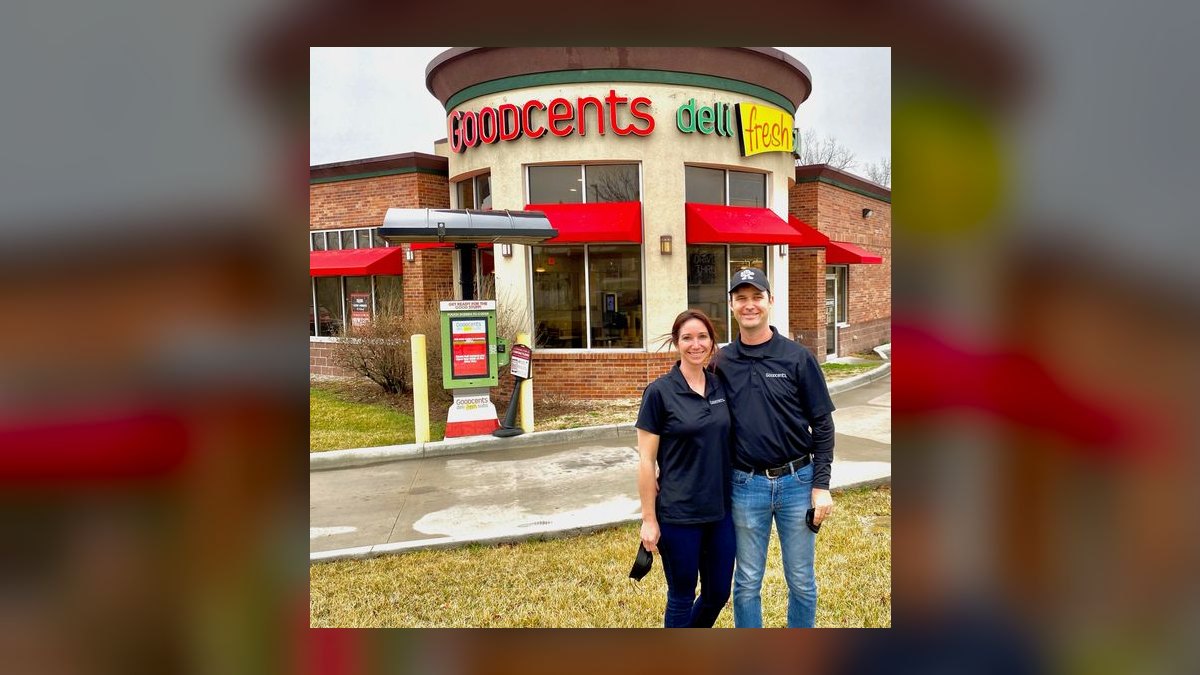
Only if you are inside or adjacent to Goodcents' Midwest footprint, can secure a genuinely high-traffic site, and can fund the roughly $200K–$450K build with $70K–$150K liquid. Outside that footprint the brand pulls almost no recognition against Subway, Jersey Mike's, and Jimmy John's — the revenue math stops working fast.
What a Goodcents unit actually is, and why the footprint question dominates everything else
Goodcents — originally Mr. Goodcents, founded in 1989 out of the Midwest — is a submarine sandwich shop built on three things: bread baked in-store, meats sliced on-site, and value pricing. That is the entire proposition. It is not trying to be a national juggernaut. It is a regional value sub brand with real density in Kansas, Missouri, Nebraska, and Iowa, and thin-to-nonexistent presence almost everywhere else.
That single fact reorders the whole evaluation. For most franchise decisions, you weigh unit economics first and geography second. Here, geography *is* the unit economics. A sub shop is a lunch-rush business dependent on people making a fast, low-consideration decision within a five-minute radius. That decision is driven by name recognition and habit far more than by menu differentiation. When a shopper in Overland Park sees a Goodcents sign, twenty years of local memory does the marketing for you. When a shopper in Phoenix or Charlotte sees the same sign, you are an unknown deli paying franchise royalties for the privilege of being unknown.
Compare it honestly to the alternatives an operator is realistically weighing. Jersey Mike's and Jimmy John's carry national ad weight and national awareness, but they carry higher build costs and, in Jersey Mike's case, notably competitive territory availability. Subway carries the most recognition and the least pricing power, with a franchisee base that has spent a decade grinding through remodel mandates and discount wars. An independent deli carries zero royalty and zero brand. Goodcents sits in an unusual slot: meaningfully cheaper to open than the national subs, with real brand equity — but only inside a geographic box.
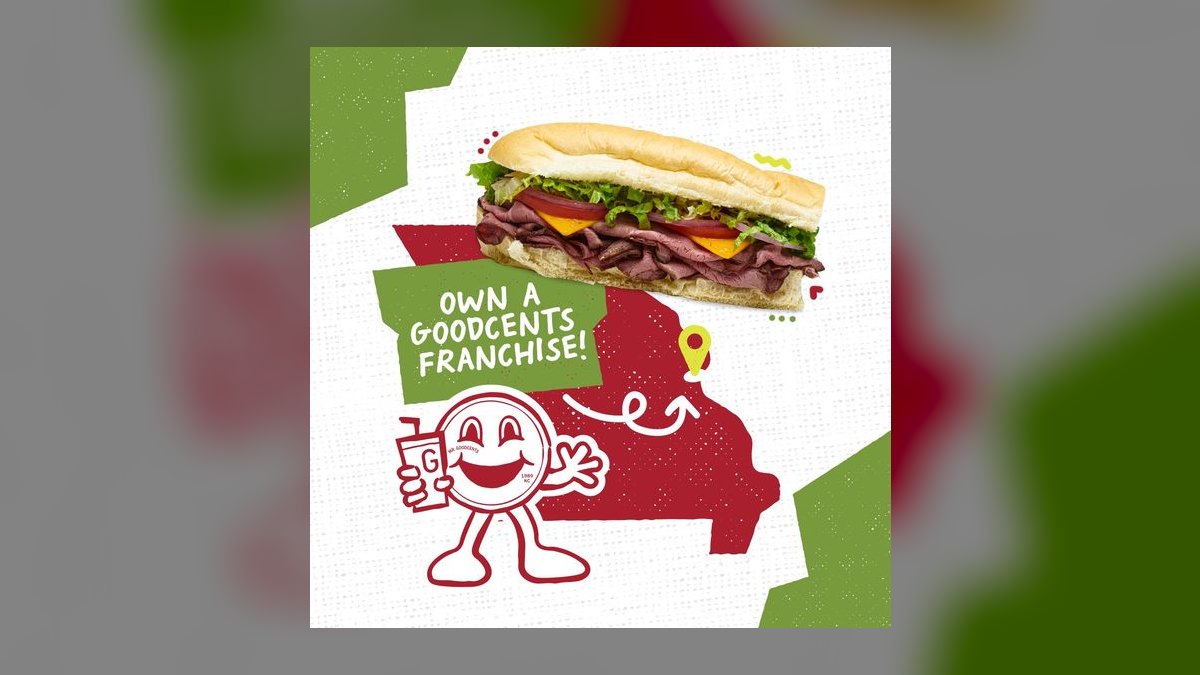
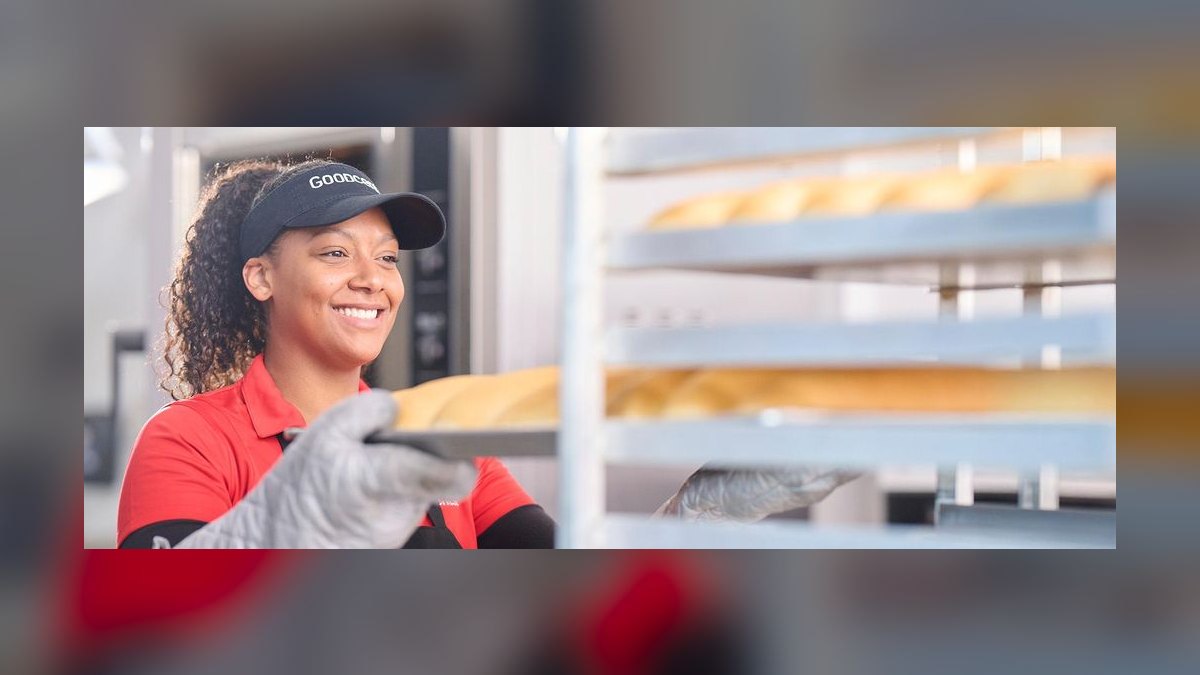
The physical footprint is modest. Units typically run 1,200 to 1,800 square feet with a full prep line, walk-in cooler, bread oven, and a small dining room. That is smaller than a full fast-casual restaurant and correspondingly cheaper to build, which is exactly why the concept appeals to first-time operators who got sticker shock elsewhere. The bread oven is the one non-negotiable piece of equipment, and it drives both your differentiation and your daily labor rhythm — somebody is baking before open, every single day, forever.
The adjacent question worth asking before you go further: are you buying a *job* or an *asset*? A single sub unit at $650K in sales, honestly operated, produces an owner-operator income. It becomes an asset when you are running three to five units with a working general-manager layer, which is where the capital efficiency of a smaller box actually starts to pay. If your plan tops out at one store, model it as a self-employment decision with a capital requirement, not as an investment.
The step-by-step process from first FDD download to opening day
The sequence below is the one that keeps operators out of trouble, and the discipline is in refusing to skip ahead. Almost every franchise disaster I have seen traces back to signing before validation, because the site looked like it was going to get away.
Start with the Franchise Disclosure Document. The FTC requires it to be delivered at least fourteen days before you sign anything or pay any money, and that waiting period exists for a reason — use all of it. Five items carry nearly all the signal. Item 5 gives the initial franchise fee. Item 6 lists every recurring fee, including the royalty and the ad fund contribution. Item 7 gives the estimated initial investment range, broken into line items. Item 19 is the financial performance representation — if it exists, it tells you what units actually gross, and the fine print on how the average was calculated matters more than the average. Item 20 gives you unit counts, openings, closures, transfers, and terminations for the past three years, plus the contact list for current and former franchisees.
Item 20 is where the truth hides. A brand with steady openings and near-zero closures is healthy. A brand where transfers and terminations outpace openings is one where owners are trying to get out. Count them yourself; do not accept a summary from a franchise development rep whose compensation depends on you signing.
Then call owners — not three, not five. Eight to twelve, and deliberately include names from the former-franchisee list. The productive questions are specific and financial: What did your store actually gross last year? What did you actually take home after paying yourself a manager's wage? What did the build cost versus the Item 7 estimate? How long until you were cash-flow positive? Would you do it again? That last question, asked plainly, produces more honesty than any spreadsheet.
Only after validation does the site search begin. For a lunch-driven sub concept, the screening criteria are concrete: 15,000+ vehicles per day on the primary road, a meaningful daytime employment or school population inside a five-minute drive, visible signage from the road, easy in-and-out parking, and a co-tenancy mix that generates midday trips. A center anchored by a grocery store and a gym at 11:30 a.m. is a different business than one anchored by a furniture showroom.
Lease negotiation is where money is genuinely made or lost, and it is the step operators rush. Push for a tenant improvement allowance, a free-rent construction period, a personal-guarantee burn-off after two or three years, and a renewal option that lets you keep the location you spent years building traffic for. The franchisor will approve the site; the franchisor does not sign your lease. That obligation is yours, personally, usually for ten years.
Costs, timelines, and the ranges you should actually plan against
Published ranges and real-world spend diverge, and the gap is almost always in construction. Plan against the top of the range and treat the bottom as a pleasant surprise.
| Line item | Low | High | Notes |
|---|---|---|---|
| Initial franchise fee | $15,000 | $35,000 | Varies; multi-unit deals sometimes discount |
| Leasehold improvements | $100,000 | $240,000 | Prep line, hood, walk-in, bread oven |
| Equipment and POS | $70,000 | $150,000 | Ovens, slicers, refrigeration, POS |
| Signage and decor | $12,000 | $35,000 | Brand-prescribed spec |
| Opening inventory | $8,000 | $22,000 | Fresh plus dry stock |
| Grand opening marketing | $10,000 | $30,000 | Front-loaded, do not skimp |
| Training and travel | $6,000 | $18,000 | Operator plus key staff |
| Working capital | $25,000 | $70,000 | First three months of losses |
| Total | ~$200,000 | ~$450,000 | Plan for the upper half |
Ongoing: royalty runs near 5% of gross, with an advertising fund contribution on top — call the combined draw 7% and stress-test at 8%. On $700,000 in sales that is $49,000 to $56,000 off the top before you have paid a single employee. Model it against a pessimistic sales case, not your pro forma. If the business only works at $800K in year one, it does not work.
On construction: at 1,500 square feet and a realistic $120–$180 per square foot for a food-service turnkey build, you are at $180,000 to $270,000 before equipment — which is why the top of the Item 7 range is where most 2027 builds will land. Negotiate a tenant improvement allowance of $50–$75 per square foot and you have just moved $75,000 to $110,000 off your capital stack. That negotiation is worth more than any menu decision you will make in your first two years.
Revenue: mature units commonly gross in the $400,000 to $900,000 band, with in-footprint stores in strong retail positions clustering toward the upper half and out-of-footprint or low-visibility stores struggling to clear $500,000. Cost structure runs roughly 28–32% food, 26–30% labor, 8–10% occupancy, plus royalty, ad fund, and operating expense. That lands restaurant-level margin around 11–18%, producing $55,000 to $150,000 of owner profit — and it is critical to understand that number typically *includes* your own labor if you are working the store. Subtract a market manager salary of $50,000–$60,000 and the honest return on a single unit gets thin.
Labor deserves a hard look because it is the line that has moved most. Peak lunch on a sub line needs four to six people on the make-line and register between 11 a.m. and 2 p.m. In states with $15–$17 minimum wages, a single unit's annual labor bill runs $180,000 to $250,000. Fast-casual turnover routinely exceeds 100% annually, which means recruiting is not a project you finish — it is a standing weekly cost in your time and your ad spend.
Timeline: budget six to twelve months from signature to open. Site selection and lease negotiation take 60 to 120 days. Permitting varies wildly by municipality — 30 days in a business-friendly suburb, 120+ in a city with a slow plan-review desk. Construction runs 90 to 150 days. Training is two to four weeks. Every one of those phases has slipped for someone, and every month of slip is rent you may be paying on a store that is not selling sandwiches.
Buying an existing unit versus opening a new one
This is the fork most people underweight, and in a regional brand it matters more than usual. A resale gives you an operating history: real P&Ls, a real customer base, trained staff, and a lease with known terms. You can underwrite it. A new build gives you site choice, a clean equipment package, no inherited reputation, and a grand-opening bump — but you are underwriting a forecast.
Resales in this segment typically price on a multiple of seller's discretionary earnings, commonly in the two-to-three-times range for a single food-service unit, adjusted hard for lease term remaining, equipment age, and how much of the earnings depend on the seller personally working the line. If a $700,000-volume store throws off $110,000 in SDE, a two-and-a-half multiple puts the ask near $275,000 — plus you inherit remaining lease obligations and whatever deferred maintenance the seller has been quietly postponing.
The diligence for a resale is different work. Pull three years of tax returns and reconcile them to the POS data, not to a seller-prepared summary. Ask why they are selling and then verify the answer independently. Check the remaining lease term — a store with two years left and no renewal option is a very different asset than one with eight. Get a refrigeration and hood inspection before closing; a failing walk-in or an out-of-code hood system is a five-figure surprise. Confirm the franchisor will approve the transfer and find out what transfer fee and remodel requirements come attached, because franchisors frequently use a transfer as the trigger to force an image update at the buyer's expense.
The general rule: a first-time operator is usually better served by a resale with verifiable numbers in a proven location, even at a premium. Experienced multi-unit operators with a strong real-estate instinct get more value from new builds, because they can pick a site the incumbent owners passed on and capture the full upside of a good location rather than paying the seller for it.

Where operators get this wrong
The most expensive error is falling in love with the concept and then reverse-engineering the market to justify it. Someone eats a great sub while visiting family in Kansas City, decides to bring the brand to a state with zero Goodcents presence, and spends $400,000 discovering that regional brand equity does not travel in a suitcase. Out of footprint, you pay a franchise royalty while doing all the awareness-building an independent would do — the worst of both structures. If you genuinely want to pioneer a new market for a regional brand, that is a real strategy, but it is a multi-unit strategy with a marketing budget, negotiated development terms, and a three-year patience horizon. It is not a single-store plan.
The second error is treating site selection as a real-estate task rather than the core operating decision. Sub shops live and die on midday convenience. A store 400 feet off the main road behind a bank pad, with a hard left turn to enter, will underperform a visibly-sited store a mile away by six figures a year — permanently. No amount of operational excellence fixes a bad site. You can fix bad food, bad staffing, and bad hours. You cannot fix a location nobody drives past at noon.
Third: under-marketing locally. The ad fund buys brand-level presence. It does not knock on the door of the office park across the street, sponsor the middle-school team, or run the catering program that turns a $600K store into an $800K store. Budget $15,000 to $25,000 a year for local store marketing and treat catering as a genuine second revenue line — for sub concepts, party platters and office lunch orders frequently deliver higher ticket at better margin than walk-in traffic, and they are almost entirely a function of whether the owner is out making calls.

Fourth: compromising on the one thing that differentiates you. Fresh-baked bread is the reason a customer chooses Goodcents over the cheaper option down the street. The moment you pull bread early to save labor, or run yesterday's product to avoid waste, you have converted yourself into a generic sub shop paying royalties. The differentiator is also the most labor-intensive part of the operation, which is precisely why it erodes under cost pressure.
Fifth: undercapitalizing working capital. Operators fund the build and open with $20,000 in the bank. Then the first quarter runs behind plan, a compressor fails, and payroll lands on a Friday. Three months of full operating expense in reserve — separate from build cost — is the minimum, and six is better. The SBA 7(a) program is the common financing route for franchise builds and can cover a large share of project cost, but lenders will still want meaningful equity injection and a personal guarantee. Talk to a lender experienced in franchise lending before you sign a lease, not after.

Decision framework: when Goodcents is the right call and when it is not
Open a new Goodcents if you are an in-footprint operator, you can secure a site with real midday traffic, you have $200,000 to $450,000 in project capital with $70,000 to $150,000 liquid, and you intend to be in the store personally for the first eighteen months. Buy an existing Goodcents if a unit with three years of verifiable tax returns, a solid lease term, and a location you would have chosen yourself comes available — pay the premium for certainty, especially on your first store.
Skip it if you are far outside the footprint, if the only site you can afford is a compromise, if you need passive income, or if your capital stack leaves you with no reserve. And skip it if you would not eat there twice a week yourself; conviction about the product is not sentimentality, it is the thing that keeps you baking bread at 6 a.m. in year three.
The adjacent options deserve a fair hearing. National sub brands — Jersey Mike's, Jimmy John's, Firehouse — cost more to open but travel anywhere. Regional players like Cousins Subs and Capriotti's occupy a similar structural position to Goodcents in their own geographies, with the same footprint-dependency. Differentiated concepts such as Cheba Hut trade broad appeal for a defensible niche. And an independent deli gives you full menu control and zero royalty in exchange for building every ounce of awareness yourself — which, if you were going to be out of footprint anyway, is worth seriously modeling side by side against the franchise option. Run the same spreadsheet on all of them before you commit.
Related questions
How much liquid cash do I need before a franchisor will even talk to me?
Expect a floor around $70,000 to $150,000 in liquid assets plus a net worth requirement well above that. Franchisors screen for it in the application, and SBA lenders independently require meaningful equity injection. Borrowing your entire equity contribution is a red flag to both.
Is a resale always safer than a new build?
No. A resale with verified financials in a good location is safer. A resale being sold because the location is failing transfers that problem to you at a price. The safety comes from the verifiable numbers, not from the fact that it already exists.
What royalty load should make me walk away?
Roughly 5% royalty plus a 2% ad fund is normal for this segment. The number that should stop you is not the percentage but the outcome: if your realistic sales case cannot absorb the combined draw and still pay you a manager's wage plus debt service, the deal is too thin regardless of the rate.
Does catering meaningfully change sub-shop economics?
It can. Office and event platter orders often carry higher ticket and better margin than counter traffic, and they smooth demand outside the lunch peak. It requires the owner to actively sell — it does not arrive on its own — but it is one of the few levers that reliably moves a unit up a revenue tier.
How long before a new unit reaches steady-state sales?
Plan on twelve to eighteen months. A grand opening produces an initial spike that fades within a quarter; the real trajectory is set by repeat lunch habit, which builds slowly. Any pro forma that assumes mature volume in month three is not a plan, it is a hope.
FAQ
What is the realistic all-in cost to open a Goodcents in 2027?
Plan on $200,000 to $450,000 total project cost, with construction inflation pushing most 2027 builds toward the upper half of that band. Get the specific current figures from Item 7 of the FDD rather than any secondhand summary, since franchise fees and build specifications change year to year and the document you are given is the only binding version.
How much does a Goodcents owner actually take home?
Reported owner profit lands roughly $55,000 to $150,000 on $400,000 to $900,000 in annual revenue at 11–18% restaurant-level margin. That figure typically assumes the owner is working in the business. Subtract a market-rate manager salary and the passive return on one unit is modest — the model rewards multi-unit ownership more than single-store ownership.
Can I open a Goodcents outside the Midwest?
Contractually, availability depends on the franchisor's development plans. Practically, it is the highest-risk version of this decision. Outside the footprint you pay royalties for a name customers do not recognize, and you carry the full awareness-building burden of an independent. If you pursue it, treat it as a multi-unit market-entry plan with a dedicated marketing budget, not a single-store project.
What is the single biggest determinant of success?
Site quality, by a wide margin. A sub shop is a five-minute-radius lunch business, and visibility, traffic count, daytime population, and ease of access set the ceiling on sales before you make your first sandwich. Operational excellence moves you within that ceiling; it does not raise it.
How is buying an existing unit priced?
Single food-service units commonly trade on a multiple of seller's discretionary earnings, frequently in the two-to-three-times range, adjusted for remaining lease term, equipment condition, and how much earnings depend on the seller's personal labor. Expect a franchisor transfer fee and, often, a required remodel as a condition of approval.
What should I ask current franchisees that the FDD will not tell me?
Ask what the build actually cost versus the estimate, how many months until cash-flow positive, what they take home after paying themselves a manager's wage, how responsive corporate support is when something breaks, and whether they would sign again today. Include former franchisees from the Item 20 list — their answers are the most informative ones you will get.
Sources
- https://www.ftc.gov/business-guidance/resources/franchise-rule-compliance-guide
- https://www.ftc.gov/business-guidance/resources/consumers-guide-buying-franchise
- https://www.sba.gov/funding-programs/loans/7a-loans
- https://www.franchise.org/
- https://www.franchisebusinessreview.com/
- https://www.entrepreneur.com/franchises/franchise500
- https://www.bls.gov/oes/current/oes352021.htm
- https://www.nar.realtor/commercial-research
- https://goodcents.com/
Related on PULSE
- Should I open or buy a Cousins Subs franchise in 2027?
- Should I open or buy a Capriotti's franchise in 2027?
- Should I open or buy a Jersey Mike's franchise in 2027?
- Should I open or buy a PostNet franchise in 2027?
- Should I open or buy a Pak Mail franchise in 2027?
- Should I open or buy a Fish Window Cleaning franchise in 2027?
This page will be disappearing soon. Save it to your device for $1 — or read it free while it is here.
@Kory-White- · if Venmo asks, the last 4 of my number are 2012
This page is gone.
This one is off the shelf now. $1 keeps it on your phone for good — the whole page, pictures and diagrams included.
 pulse-qWhat Service Fees Should a Property Management Company Charge in 2026?
 pulse-qHow Many Sales Reps Do I Need to Hire for My Prefab Home Builder in 2026?
 pulse-qShould I open or buy a Deka Lash franchise in 2027?
 pulse-qHow Do I Calculate the Right Service Fee to Charge in 2026?
 pulse-qHow Many Sales Reps Do I Need to Hire for My Dental Equipment Company in 2026?
 pulse-qHow Many Employees Should I Schedule Each Shift at My Shoe Repair Shop in 2027?
 pulse-qDo I Need a Fractional CRO for My Multi-Unit Retail Business in 2026?
 pulse-qShould I Hire a Fractional CRO If I Am Taking the Company to Market in a Year in 2026?
 pulse-qWhat Service Fees Should a Plumbing Company Charge in 2026?
 pulse-qShould I open or buy a 3 Day Blinds franchise in 2027?