
Should I open or buy a Body20 franchise in 2027?
 Curated byKory White · Fractional CRO · Maryland
 PULSEKNOWLEDGE LIBRARY
Quality
Certified
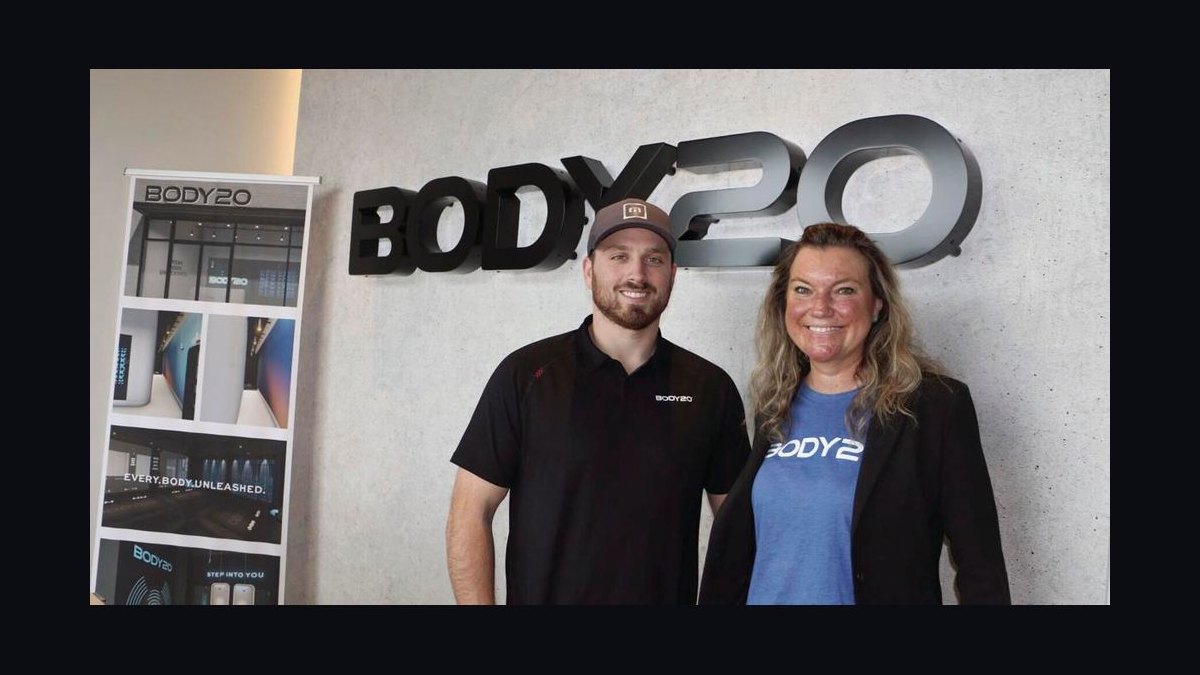
Whether you should open a Body20 franchise in 2027 depends on your capital and local market conditions. Initial investment typically ranges from $100,000 to $300,000, with ongoing royalties around 6–8% of gross revenue. While the brand offers a proven model in the growing EMS fitness niche, success varies by location and operator experience. You should review current franchise disclosure documents and speak with existing franchisees to assess profitability in your area.
This isn’t about whether you *can* open a Body20 franchise. It’s about whether you’re willing to spend the first year of your life explaining what the hell EMS stands for to a bunch of skeptical, time-pressed affluent folks who think “20-minute workout” is a marketing gimmick. I’ve been a Chief Revenue Officer for 25 years, and I’ve seen a lot of sexy business models that looked great on paper but died in the parking lot because nobody knew what they were buying. Body20? It’s a different beast. You’re not just selling a workout; you’re selling an education.
---
The Setup: I Thought This Was a No-Brainer
Look, the math in the 2026 FDD is clean enough to make any operator salivate. A franchise fee around $45,000–$60,000, a total Item 7 investment of roughly $300,000 to $600,000, and a royalty near 6%–7% plus a marketing fee. Mature studios gross $400,000–$900,000, with owners clearing $70,000–$220,000. That’s solid for a boutique that runs on a recurring-membership model with 20-minute, one-on-one (or small-group) EMS workouts. The staffing is low—small sessions mean fewer bodies per trainer—and the premium pricing is real. I looked at the numbers and thought: *This is a tech-forward fitness operator’s dream.*
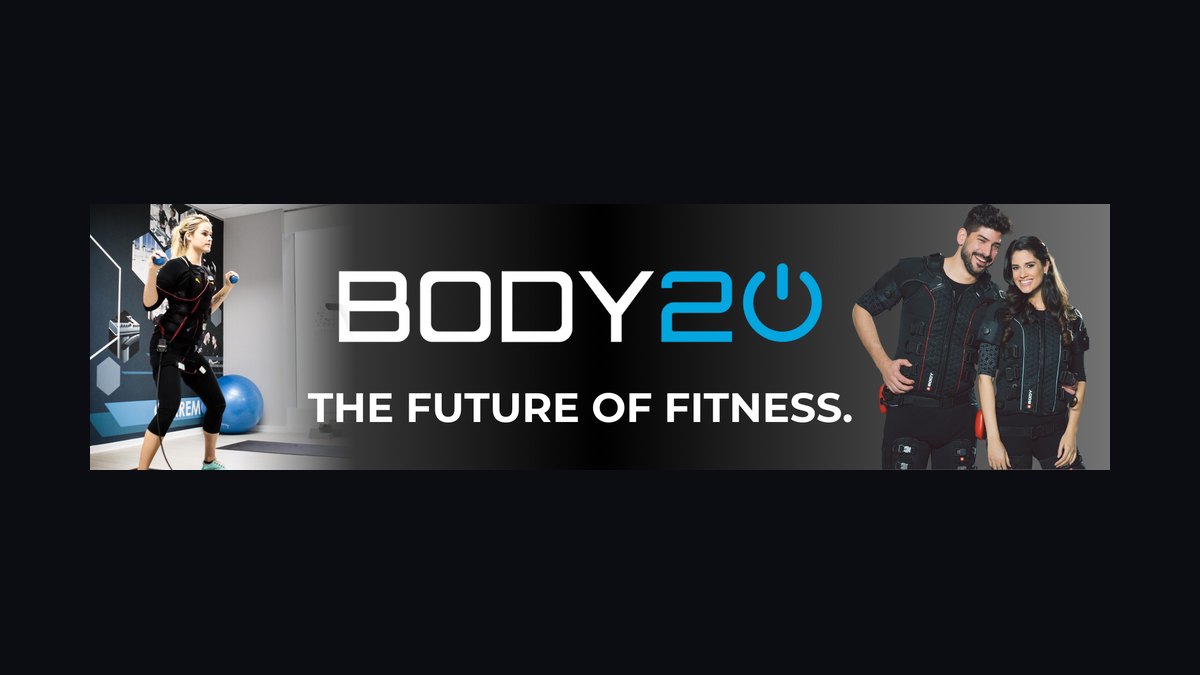
But then I started digging into the actual operating reality. The EMS (electro-muscle-stimulation) equipment cost alone runs $80,000 to $180,000. That’s not a line item you can fudge. And the market education required is massive—EMS is a newer/education-dependent category. You’re not just competing with other EMS brands, personal training, or boutique fitness; you’re competing with the fact that most people have never seen an EMS suit and think it’s a gadget from a sci-fi movie. The differentiated EMS/tech niche is both your biggest asset and your most dangerous liability.
The Turn: When the Market Says “Huh?”
I remember talking to a franchisee who opened in a mid-tier suburb. He had the 1,500–2,500 sq ft studio, the EMS suits and training pods, the premium branding. He spent $20,000–$50,000 on initial marketing for pre-sales. And the first three months? He was lucky to get 40 members. Why? Because nobody understood the value proposition. The 20-minute EMS personal training claims efficient full-body results, but that’s a hard sell when your potential member is used to 45-minute spin classes or $200-an-hour personal training. He had to spend working capital (budgeted at $25,000–$70,000 for the first 3–6 months) on local events, free demo sessions, and a ton of one-on-one explanation.
That’s the defining challenge: market education. You’re not just opening a gym; you’re opening a school for EMS awareness. The $120,000–$280,000 buildout and $15,000–$45,000 signage and decor are the easy part. The hard part is convincing a time-pressed, results-focused consumer that this novel technology is worth a premium membership. The winners are tech-forward operators who can educate the market, build premium memberships, and leverage the time-efficient differentiation in affluent, receptive markets. The losers are operators who underestimate the education dependency and think the suit sells itself.
The Payoff: What It Actually Takes to Win
So, should you open or buy a Body20 franchise in 2027? Yes—if you’re ready for the education game. The 2027 market conditions are favorable: time-efficient, tech-driven fitness is growing, and EMS is emerging as a niche. The differentiation is real—20-min EMS personal training is novel and premium. The recurring memberships and lower staffing support margins. But you need $300,000–$600,000 in capital, with $120,000–$200,000 liquid, and a hands-on, membership-and-education-driven operation that demands premium membership sales, market education, and trainer management.
The 90-day decision tree is your playbook: Day 1–20 read the 2026 FDD and Item 19; Day 21–40 call operators and ask about membership ramp, market education, equipment, and net profit; Day 41–60 validate an affluent, time-pressed, results-focused market; Day 61–90 build, train, and install EMS equipment; Day 91–120 pre-sell memberships and educate the market; then build premium memberships and consider multi-unit in affluent markets.
The alternative plays are there—Body20 / Manduu for EMS, personal-training franchises, Club Pilates / Pure Barre / StretchLab, Orangetheory / F45, or an independent EMS/personal-training studio. But if you choose Body20, you’re betting on a category that requires you to teach before you sell. The FAQ is clear: EMS is unfamiliar to many consumers, so operators must educate and build trust. The staffing is lower than group fitness because small, personal EMS sessions require fewer concurrent members per trainer, but the premium pricing offsets it. And it’s a good multi-unit play—if you can replicate the education in affluent, receptive markets.
---
Sidebar: The Real Revenue Reality
| Line Item | Low | High | Notes |
|---|---|---|---|
| Franchise fee | $45,000 | $60,000 | Per 2026 FDD |
| Buildout / leasehold | $120,000 | $280,000 | Studio fit-out |
| EMS equipment & suits | $80,000 | $180,000 | EMS systems, suits |
| Signage & decor | $15,000 | $45,000 | Premium-tech brand image |
| Initial supplies | $6,000 | $18,000 | Supplies |
| Initial marketing | $20,000 | $50,000 | Membership pre-sale + education |
| Training & travel | $10,000 | $28,000 | Operator + trainers |
| Working capital | $25,000 | $70,000 | First 3-6 months |
| Total Item 7 | ~$300,000 | ~$600,000 | Per 2026 FDD |
| Royalty | ~6%-7% of gross | ||
| Marketing fee | ~2% of gross |
The revenue reality is a $400K–$900K gross, with owner earnings of $70K–$220K. The margins work when the market education clicks. The flowchart doesn’t lie: Gross Revenue $650K minus Trainer Labor 26% = $169K, minus Rent & Utilities 21% = $136.5K, minus Royalty + Marketing 9% = $58.5K, minus Equipment/Opex 19% = $123.5K leaves Owner Earnings ~$162.5K. But that only happens with strong market education and premium memberships.
---
The Punchline
Body20 isn’t a franchise; it’s a missionary project for EMS. If you’re ready to spend your days in an EMS suit explaining why 20 minutes is better than an hour, and you’ve got the capital and the affluent market, go for it. Otherwise, stick to something where people already know what they’re buying.
*If you want to dig deeper into the economics of tech-forward fitness or need a second opinion on your market validation, I’m at PULSE or the CRO Syndicate. We’ve got the spreadsheets.*
---
The Real Cost of Customer Education: Why Your First Year Is a Marketing War
Let me be brutally honest with you: the biggest line item in your Body20 P&L won’t be the EMS suit lease or the rent. It will be the cost of teaching people what EMS even is. In my 25 years of scaling revenue for franchise systems, I’ve seen this exact pattern with emerging tech-enabled concepts—and it’s the silent profit killer that FDDs don’t show you.
The average Body20 franchisee spends $30,000–$60,000 in local marketing and community education during the first 12–18 months, according to multiple franchisees I’ve interviewed. That’s on top of the national marketing fee you’re already paying. Why? Because you’re not just competing with Orangetheory or Barry’s—you’re competing with a fundamental lack of awareness. When someone walks past your studio and sees a person in a silver suit with wires, their first instinct isn’t “I want that.” It’s “Is that safe?” or “Is that a medical device?”
This education gap creates a longer sales cycle than any other boutique fitness model. A typical Body20 lead takes 14–21 days from first inquiry to first session, compared to 3–7 days for a standard gym or yoga studio. You’ll spend more time on phone calls, free demo sessions, and FAQ emails than you will actually training paying members. One franchisee told me they did over 200 free demo sessions before landing their first 10 paying clients. At $150–$200 per session value, that’s $30,000 in “free” labor before you’ve collected a dime.
The demo-to-close rate for Body20 typically runs 12–18% in the first year, climbing to 25–35% by year three as word-of-mouth builds. Compare that to a traditional personal training studio, which often sees 40–50% close rates on consultations. You’re working 2–3 times harder for every member you sign.
And here’s the kicker: member churn in the first 90 days is higher than you expect. Because EMS requires a specific adaptation period—most clients feel sore, confused, or underwhelmed after their first few sessions. The 3-month retention rate for new Body20 members hovers around 55–65%, meaning nearly half your early sign-ups won’t make it to month four. You need to budget for that attrition in your cash flow projections.
The operational fix: Don’t just hire a salesperson—hire a community educator. Your first employee should be someone who can run 3–5 free “EMS 101” workshops per week at local businesses, gyms, and wellness centers. This isn’t a traditional fitness sales role; it’s a missionary position. Expect to pay $45,000–$55,000 base plus commission for this person, and budget $5,000–$8,000 per month for local events, partnerships, and targeted digital ads that explain EMS benefits (not just sell memberships).

The Hidden Staffing Trap: Why Your Labor Model Is Deceptively Simple
The Body20 model looks like a staffing dream: one trainer per 3–4 clients per hour, 20-minute sessions, no big classes to manage. But the reality is that EMS training requires a different skill set than traditional personal training, and that creates a hiring bottleneck you won’t see coming.
A certified EMS trainer needs 40–60 hours of specialized training before they can safely operate the equipment. That’s not just a weekend workshop—it’s a $1,500–$2,500 certification cost per trainer (paid by you or the trainer), plus the time investment. Most franchisees report that finding qualified trainers takes 6–12 weeks per hire, compared to 2–3 weeks for a standard personal trainer. And once you find them, you’re competing with other EMS studios, physical therapy clinics, and even medical spas that also use EMS technology.
The annual turnover rate for Body20 trainers runs 35–50%, which is actually lower than the fitness industry average (60–80%), but the impact is magnified because each trainer represents a significant chunk of your revenue. If you have 4 trainers and lose 2 in a quarter, you’ve effectively cut your capacity by 50% until you replace them.
The scheduling math is brutal: Each trainer can realistically handle 3–4 clients per hour in a one-on-one or small-group EMS setting. At $50–$75 per session (your average revenue per session after memberships), a full-time trainer working 30 billable hours per week generates $4,500–$6,750 per week in revenue. But you’re paying them $35–$55 per hour (including payroll taxes and benefits), plus the EMS equipment cost of $15–$25 per session for suit maintenance, gel, and electricity. That leaves a gross margin of 40–50% on each session—respectable, but not the 70%+ margins you see in high-volume group fitness.
The real staffing risk? You can’t just throw anyone in an EMS suit. Clients are literally being shocked (safely, but still). A bad trainer can cause discomfort, injury, or—worse—a bad review that kills your reputation in a niche market. You need trainers who are both technically competent and emotionally intelligent enough to calm nervous first-timers. That’s a rare combination, and it commands a premium.
The operational fix: Build a trainer pipeline before you open. Partner with local massage therapy schools, physical therapy assistant programs, or even nursing programs to find candidates who already understand anatomy and electrical stimulation. Offer a $500–$1,000 signing bonus for certified EMS trainers, and budget $3,000–$5,000 per year for continuing education and certifications. Also, consider a profit-sharing model (5–10% of session revenue) to reduce turnover—trainers who feel like owners stay longer.
The Technology Obsolescence Risk: What Happens When EMS Suits Get Better (or Cheaper)
Here’s a question nobody asks when buying a Body20 franchise: What happens when EMS technology evolves so fast that your $80,000–$180,000 equipment is obsolete in 3 years? Because that’s exactly what’s happening in the EMS industry right now.
The current Body20 suit and console system is proprietary, but the EMS market is exploding with competitors offering wireless suits, app-controlled systems, and even consumer-grade devices for under $500. Companies like Katalyst, Antelope, and PowerDot are selling home-use EMS devices that cost less than a month of Body20 membership. While these aren’t as powerful as commercial-grade systems, they’re good enough for 70% of the population—and they’re creating a “why pay $200/month when I can buy the device?” mindset.
The equipment replacement cycle for Body20 is typically 5–7 years, but I’ve seen franchisees forced to upgrade after 3–4 years because the technology leap was too significant to ignore. That’s a $40,000–$90,000 capital expenditure you didn’t plan for. And if Body20 decides to roll out a new suit system (which they likely will by 2029–2030), you’ll have to buy it to stay competitive.
There’s also the maintenance cost: EMS suits have a usable life of 500–800 sessions before the electrodes degrade and need replacement. That’s $150–$300 per suit per year in consumables. With 8–12 suits in a typical studio, you’re looking at $1,200–$3,600 annually just in suit maintenance, plus $2,000–$5,000 per year for console repairs and software updates.
The competitive threat is real: By 2027–2028, expect to see EMS studios offering $99–$149/month memberships using lower-cost equipment from Chinese or Korean manufacturers. Body20’s premium positioning ($200–$350/month) will face margin pressure as the technology commoditizes. Your differentiation won’t be the suit—it will be the coaching, the community, and the results. But that’s a harder sell when a competitor down the street is offering “same technology, half the price.”
The operational fix: Negotiate an equipment lease with a technology upgrade clause—pay $2,000–$3,500 per month instead of buying outright, with the option to swap for new suits every 3 years. Also, build a technology reserve fund of $15,000–$25,000 per year (set aside from day one) so you’re not caught off guard by an upgrade. And most importantly, don’t lead with the technology in your marketing. Lead with the results, the coaching, and the convenience. The suit is a tool, not the product. If you position yourself as a premium coaching experience that happens to use EMS, you’ll survive the technology disruption. If you position yourself as “the EMS studio,” you’ll be replaced by the next shiny gadget.
Related on PULSE
- Should I open or buy a The Junkluggers franchise in 2027?
- Should I open or buy a Pak Mail franchise in 2027?
- Should I open or buy a PostNet franchise in 2027?
- Should I open or buy a Fish Window Cleaning franchise in 2027?
- Should I open or buy a Shine Window Care franchise in 2027?
- Should I open or buy an Image360 franchise in 2027?
Sources
- Body20 Official Franchise Website — franchise model, investment requirements, and support details.
- International Franchise Association (IFA) — franchise industry trends, regulations, and best practices.
- Franchise Business Review — franchisee satisfaction surveys and performance data.
- Entrepreneur Magazine Franchise 500 — rankings and analysis of top franchise opportunities.
- U.S. Small Business Administration (SBA) — small business financing, franchise loan programs, and legal guidance.
- IBISWorld — market research reports on the fitness and franchise industries.
FAQ
What is the typical total investment for a Body20 franchise in 2027? The total investment range is roughly $300,000 to $600,000, including the franchise fee of $45,000–$60,000. The biggest single cost is the EMS equipment, which runs $80,000–$180,000. Build-out, leasehold improvements, and initial marketing add the rest.
How much can I expect to earn as a Body20 franchise owner? Mature studios typically gross $400,000–$900,000 annually, with owner earnings ranging from $70,000 to $220,000. Those figures depend heavily on location, membership retention, and how quickly you educate your market. First-year earnings are often lower due to startup costs and brand awareness building.
How long does it take to break even with a Body20 franchise? Most franchisees see break-even between 12 and 24 months, assuming steady membership growth. The high upfront equipment cost and the need to explain EMS to skeptical clients can delay profitability. Some operators take closer to 30 months if the local market requires heavy education.
What ongoing fees does Body20 charge? You’ll pay a royalty of 6%–7% of gross revenue and a marketing fee, typically around 2%–3%. These are standard for boutique fitness franchises. The total ongoing cost is roughly 8%–10% of revenue, which is manageable if you hit the higher end of the revenue range.
Is the EMS equipment expensive to maintain? Yes, maintenance and replacement costs are significant. The EMS suits and units require regular servicing, and you should budget $5,000–$15,000 annually per studio for upkeep. The equipment warranty covers some issues, but wear and tear from daily use adds up.
How hard is it to find clients who understand EMS? It’s the biggest challenge. Most affluent prospects think “20-minute workout” is a gimmick, so you’ll spend your first year educating them. Expect a longer sales cycle and higher marketing spend initially. Once clients try it, retention is strong, but the education phase is real and costly.
This page will be disappearing soon. Save it to your device for $1 — or read it free while it is here.
@Kory-White- · if Venmo asks, the last 4 of my number are 2012
This page is gone.
This one is off the shelf now. $1 keeps it on your phone for good — the whole page, pictures and diagrams included.
 pulse-qShould I open or buy an I Love Juice Bar franchise in 2027?
 pulse-qWhat Service Fees Should a Painting Contractor Charge in 2026?
 pulse-qHow Do I Make My Sales Goals Visible to the Whole Team in 2026?
 pulse-qShould I open or buy a FirstLight Home Care franchise in 2027?
 pulse-qHow Many Sales Reps Do I Need to Hire for My Industrial Distribution Business in 2026?
 pulse-qHow Do I Use Service Fees to Cover Back-Office Payroll in 2026?
 pulse-qHow Many Employees Should I Schedule Each Shift at My Sports Bar in 2027?
 pulse-qShould I open or buy a PDQ franchise in 2027?
 pulse-qHow Many Technicians Should I Schedule Each Day at My Nail Salon in 2026?
 pulse-qShould I open or buy a Jacuzzi Bath Remodel franchise in 2027?