
Should I open or buy a Curry Up Now franchise in 2027?
 Curated byKory White · Fractional CRO · Maryland
 PULSEKNOWLEDGE LIBRARY
Quality
Certified
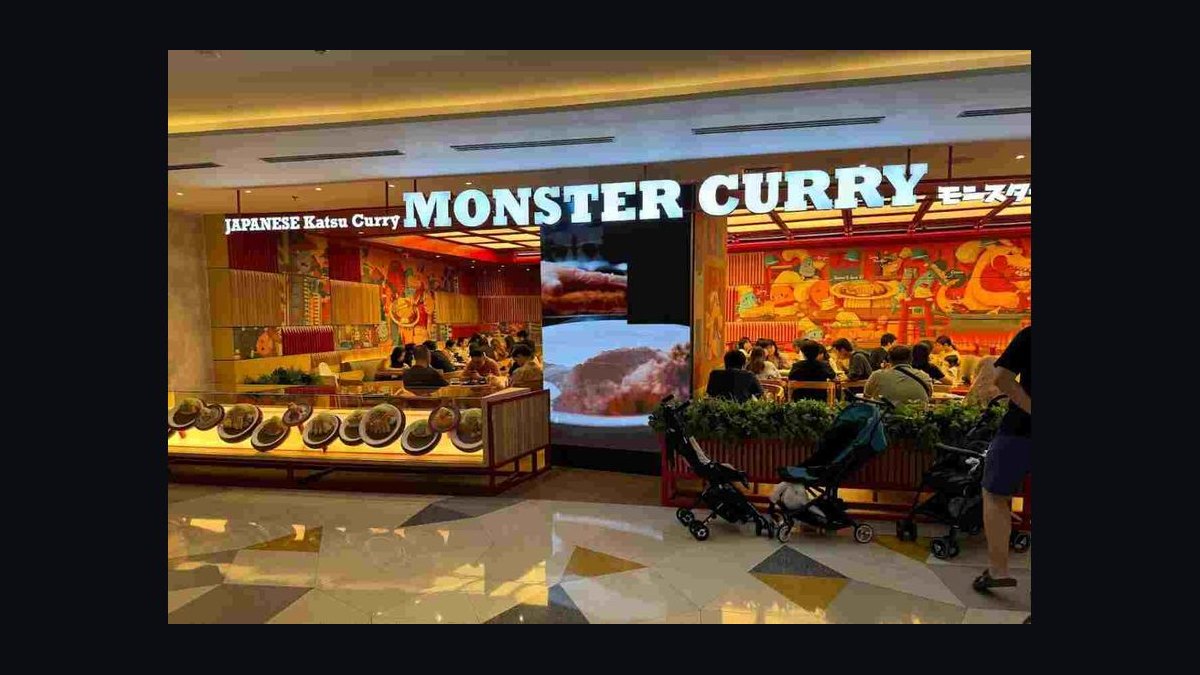
Opening a Curry Up Now franchise in 2027 makes sense only if you can fund $600,000-$1,200,000 in total investment, commit to running a labor-intensive Indian fast-casual kitchen 60-70 hours a week yourself, and operate in a market willing to learn an unfamiliar menu. Buying an existing unit lowers execution risk but usually costs more upfront than building new. Under-capitalized or hands-off buyers should pass.
A Scenario That Decides Everything Before You Sign
Picture a couple, both mid-career professionals, sitting across from a franchise broker with $700,000 in liquid capital and a dream of owning something with soul instead of another generic sandwich shop. They've eaten Curry Up Now on a trip to San Francisco, loved the tikka masala wraps and the "sexy fries," and now they're wondering if that memory can become a business. This is where most franchise decisions actually get made — not in the Item 19 disclosures, but in a moment of emotional attachment to a product. The problem is that Curry Up Now's model punishes exactly this kind of buyer if they stop at the feeling and skip the arithmetic.
Here's what that couple needs to work through before writing a check. First, is their $700,000 enough to open a unit? The 2026 FDD puts total investment at $600,000 to $1,200,000, so they're at the low end, which means they need a market with cheaper real estate, a smaller footprint, or a partner who can inject additional capital if buildout runs over — and fast-casual buildouts almost always run over. Second, do they have 60 to 70 hours a week to give this business for its first two years? Both work full-time jobs with six-figure salaries. If neither is willing to quit and run the kitchen personally, they are already fighting the brand's core operating reality: Curry Up Now units succeed when an owner-operator is on the line, not managing from a spreadsheet.
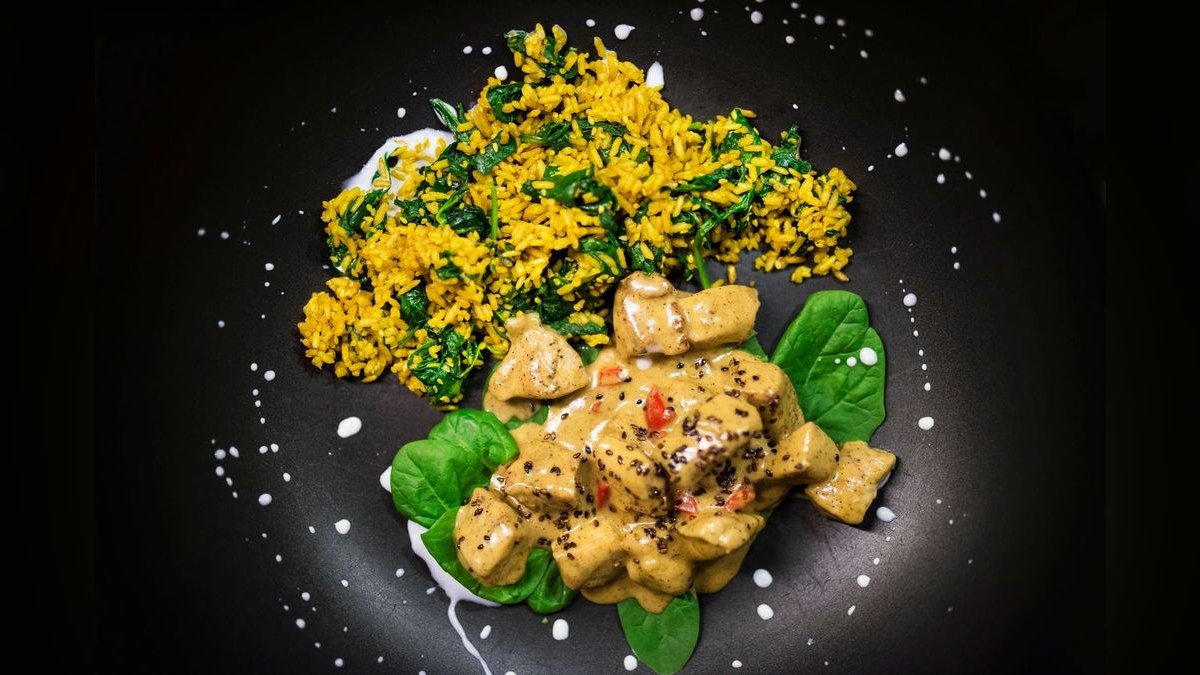
Third — and this is the part almost nobody stress-tests — do they live in a market that will show up for Indian street food? A franchise broker will always say yes, because brokers get paid on signed leases, not on five-year survival. The honest test is narrower: does the trade area have a meaningful population of young professionals, food-adventurous diners, or an existing Indian and South Asian community who already understand what a "tikka masala wrap" is without an explanation? If the answer requires the operator to invent demand from zero, the unit economics in the FDD become aspirational rather than realistic.
This scenario matters because it's the actual decision-making moment for most franchise buyers, not the polished 6% royalty and $900,000-to-$2,000,000 mature-unit AUV numbers that show up in the sales deck. Those numbers are real, but they describe units that already cleared two hard hurdles: adequate capitalization and a market willing to learn a new cuisine fast. Buy-or-open decisions should be built backward from those two filters, not forward from the AUV headline. A buyer who passes both filters is in a genuinely strong position — Curry Up Now has thin direct competition in Indian fast-casual and rides a real tailwind in bold global flavors. A buyer who fails either filter is buying an expensive lesson in market education, funded by their own working capital.
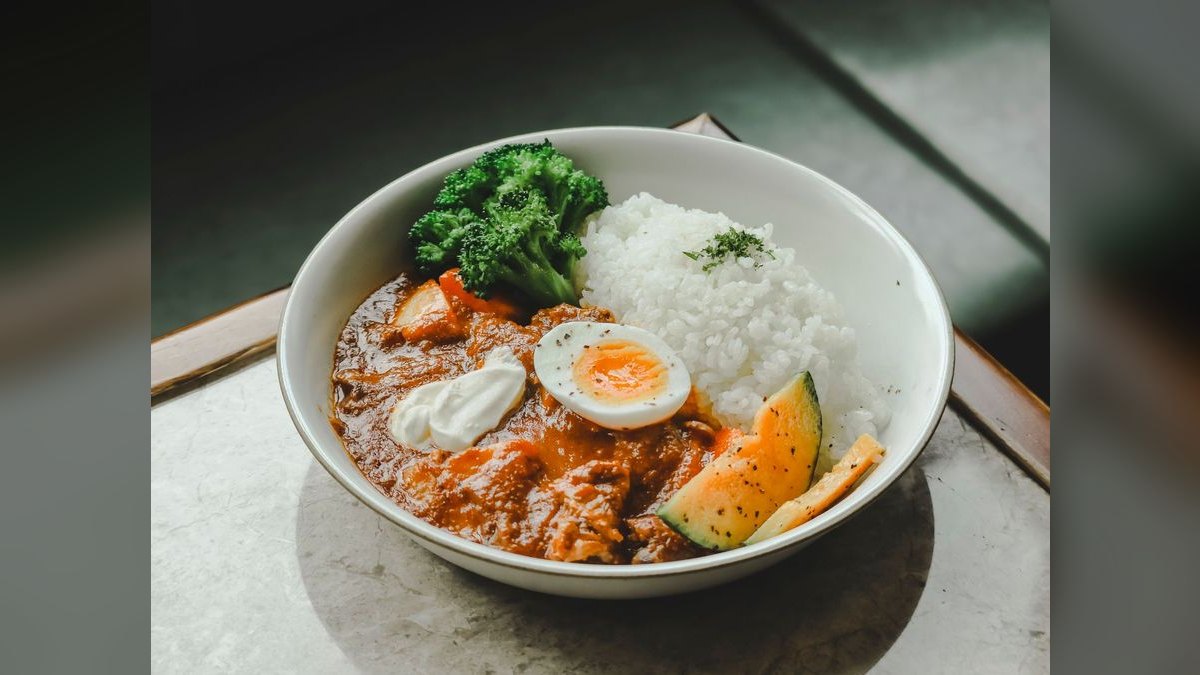
How the Franchise Actually Makes or Loses Money
The mechanism behind a Curry Up Now unit's profitability is simpler than the menu suggests, but it hinges on one conversion point: turning a curious or hesitant customer into a paying, repeat customer. Every dollar the brand makes flows through that single moment at the counter. Unlike a Chipotle or a Subway, where the customer already knows exactly what they're ordering before they walk in, a meaningful share of Curry Up Now's foot traffic — especially in a market new to the brand — needs a translation layer. That's why the best operators post a spice-level scale and train staff to answer "is this spicy?" and "what's paneer?" dozens of times a day without losing patience or slowing the line.
Once that conversion happens, the mechanism looks like any strong fast-casual model: a customer who understands the menu becomes a repeat customer, repeat customers drive the lunch rush that generates roughly 60% of a typical unit's sales, and a loyal local following converts into catering orders — which operators consistently describe as the highest-margin, most stable revenue lever in the model. From there, money moves in a predictable waterfall: gross sales generate a 6% royalty and a 2% marketing fee to the franchisor off the top, food and labor costs (elevated here because of tandoor ovens, daily fresh spice prep, and skilled labor for Indian cooking technique) come out next, and what's left is owner profit, typically $120,000 to $320,000 annually in a mature unit.
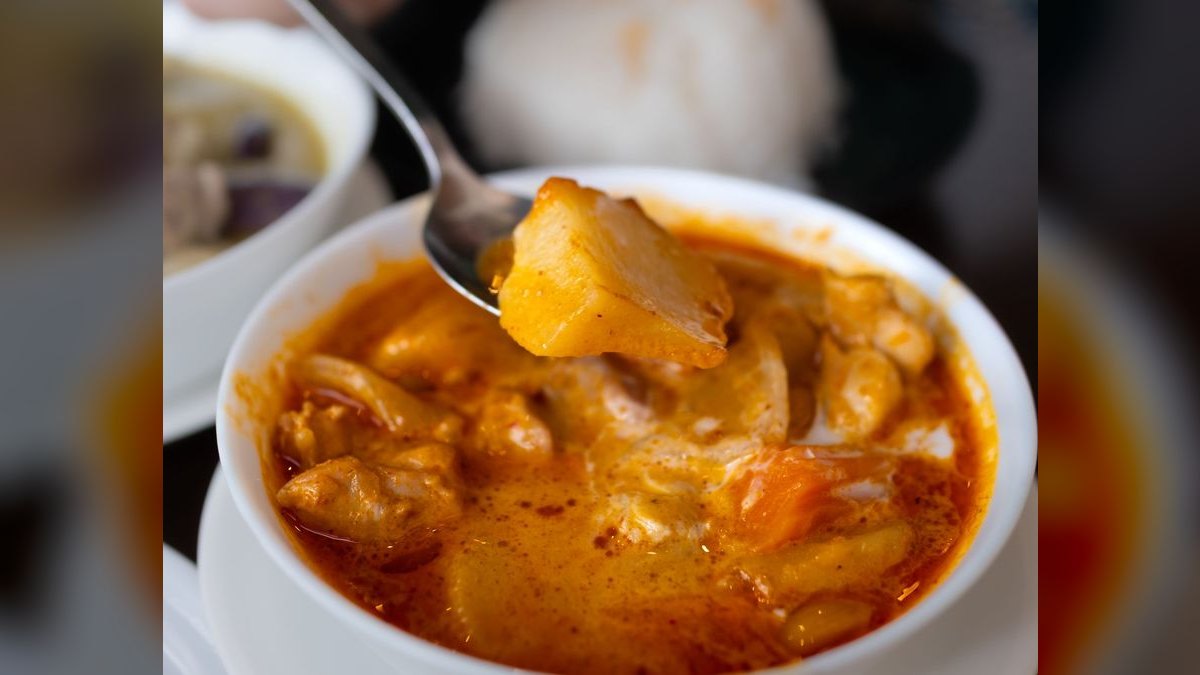
The mechanism breaks in markets where the "customer discovers, staff explains, customer tries" loop doesn't close. If a location doesn't have enough repeat exposure — say, a transient tourist area or a market with no existing curiosity about Indian food — the business spends money on marketing and staff training without ever converting enough first-timers into regulars. That's the operational reason "market education" appears constantly in Curry Up Now franchisee interviews: it isn't a marketing platitude, it's the literal first step in the revenue mechanism, and skipping it or underfunding it stalls everything downstream, including the royalty and marketing fee obligations that keep accruing on gross sales regardless of how well that education is going.
Real Numbers, Ranges, and Benchmarks You Should Model Against
Before signing anything, run your own numbers against these ranges pulled from the 2026 FDD and operator interviews, and don't proceed until your local math clears them with a cushion, not just a pass.
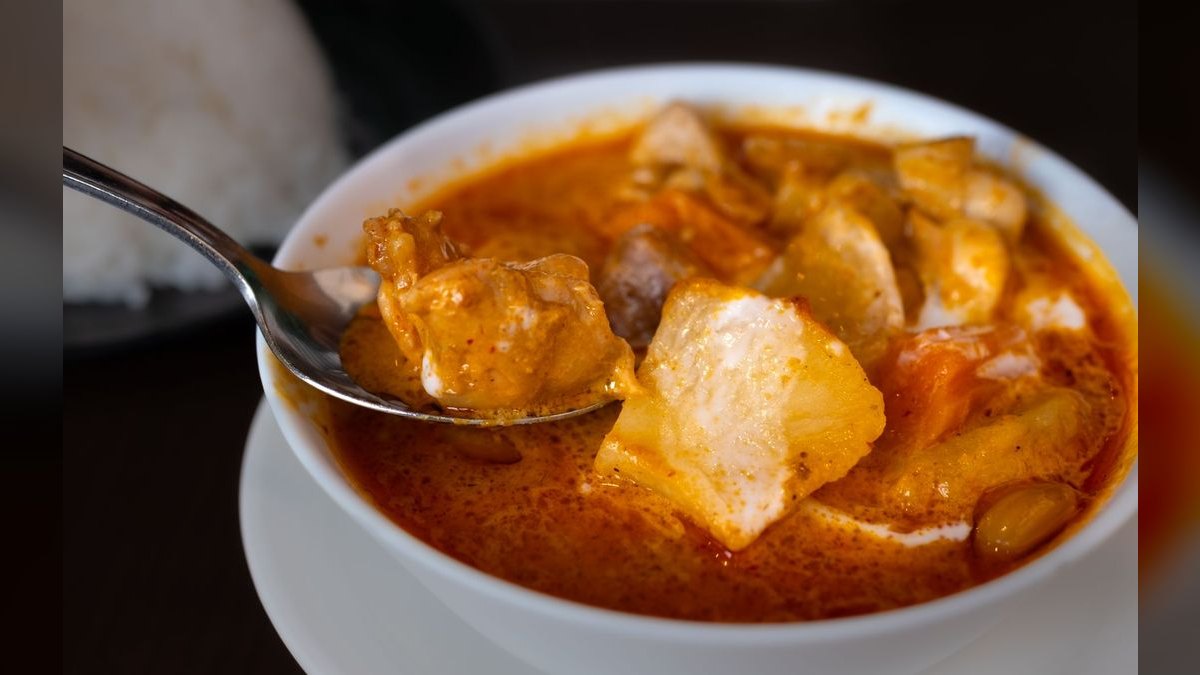
Investment and fees. Total initial investment to open runs $600,000 to $1,200,000, including a $40,000-$50,000 franchise fee, $320,000-$650,000 for buildout and leasehold improvements, $150,000-$320,000 for equipment (tandoor, cook line, POS), $22,000-$70,000 for signage and decor, $12,000-$32,000 for initial inventory, $18,000-$45,000 for opening marketing, $12,000-$35,000 for training and travel, and $40,000-$100,000 in working capital to cover roughly the first three months. Ongoing, you owe a 6% royalty on gross sales and a 2% marketing fee — 8% of top-line revenue before you've paid a single labor or food cost.
Revenue and profit. A mature unit grosses $900,000 to over $2,000,000 annually, with owner profit typically landing between $120,000 and $320,000 after royalties, marketing fees, food cost, and labor. That's a healthy margin band for fast-casual, but it assumes the unit has cleared the market-education curve and is running at or near full lunch-and-dinner capacity.
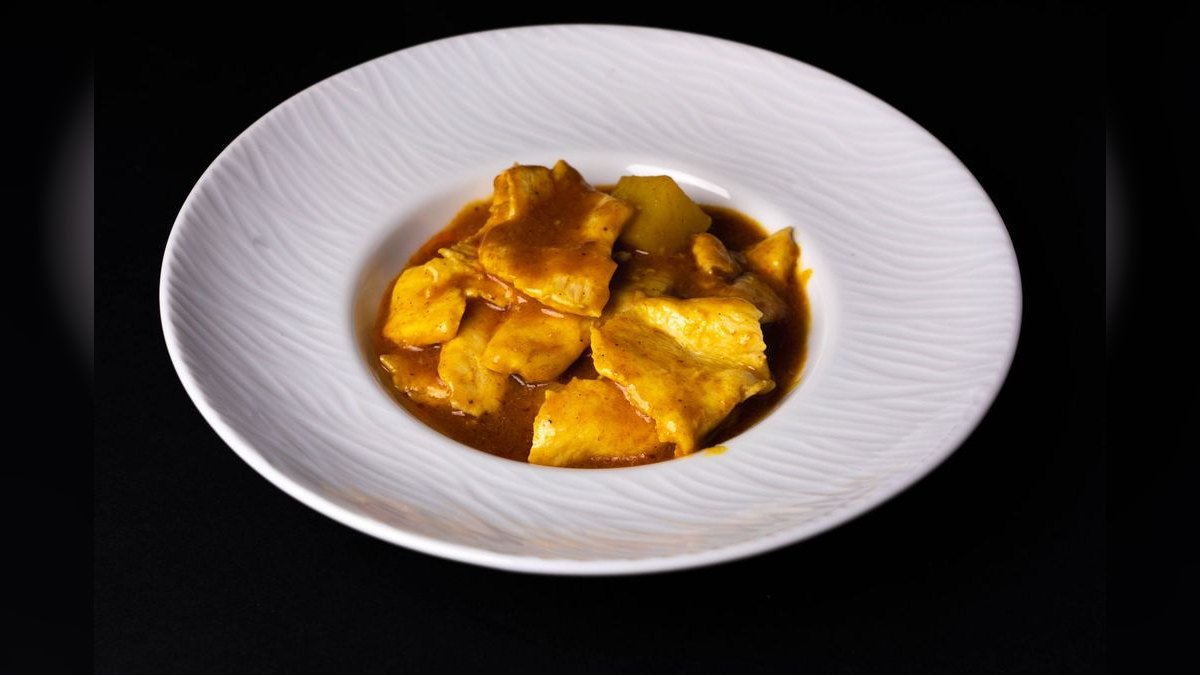
Sales mix. Across roughly 15 operating units analyzed, the typical split is about 60% from lunch and dinner rush, 25% from off-peak hours, and 15% from catering and third-party delivery — though this shifts meaningfully by location type: a downtown office-corridor unit can run 70% lunch-weighted, while a mixed-use residential location can lean 50% dinner and 30% delivery.
Operating volume. A well-run unit moves 80 to 150 pounds of chicken tikka and 40 to 70 pounds of paneer weekly, and handles 80 to 140 transactions per hour during the 11:30 AM-1:30 PM lunch peak — which is why the strongest operators staff five to seven people during peak hours even when it temporarily hurts labor percentage.
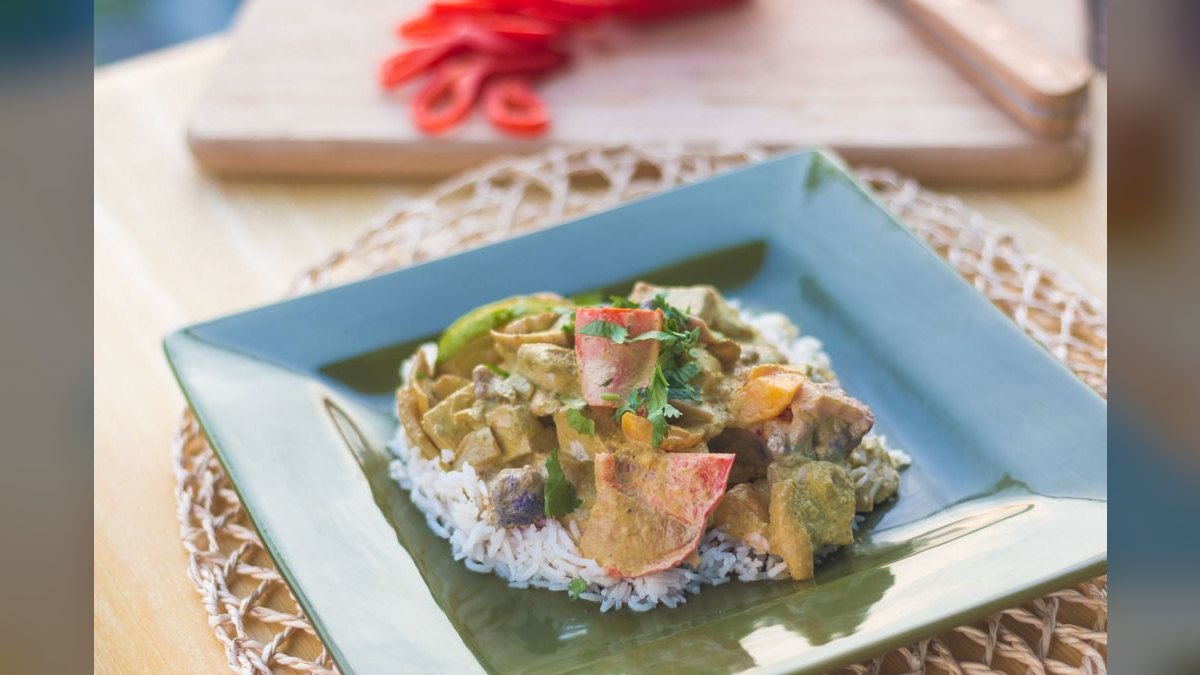
Check averages. Per-person checks run $12-$18, with groups pushing $25-$35 when fries, naan bread pudding, and drinks get added — meaning upselling shareable items is a direct, trackable lever on both average ticket and dinner-hour profitability.
System size. As of early 2027, Curry Up Now runs roughly 35-45 open units with another 20-30 in development — a small enough system that you'll know most other franchisees personally, but also small enough that a single underperforming unit is visible to the whole network.

Timeline. Expect 6 to 12 months from signing to opening, covering site selection, lease negotiation, buildout, and staff training, with permitting or construction delays as the most common cause of slippage past the 12-month mark.
Trade-Offs and Alternatives Worth Comparing First
The core trade-off in a Curry Up Now decision is niche differentiation versus operational difficulty. On the upside, you're entering a category with thin direct competition — there simply aren't many franchised Indian fast-casual brands, and the global-flavors trend among younger and diverse diners is a real tailwind, not a fad claim. The approachable format (wraps, bowls, fries) lowers the barrier for first-time Indian food customers more than a traditional sit-down restaurant would. AUVs in the $900,000-$2,000,000 range for mature units are genuinely strong for fast-casual.
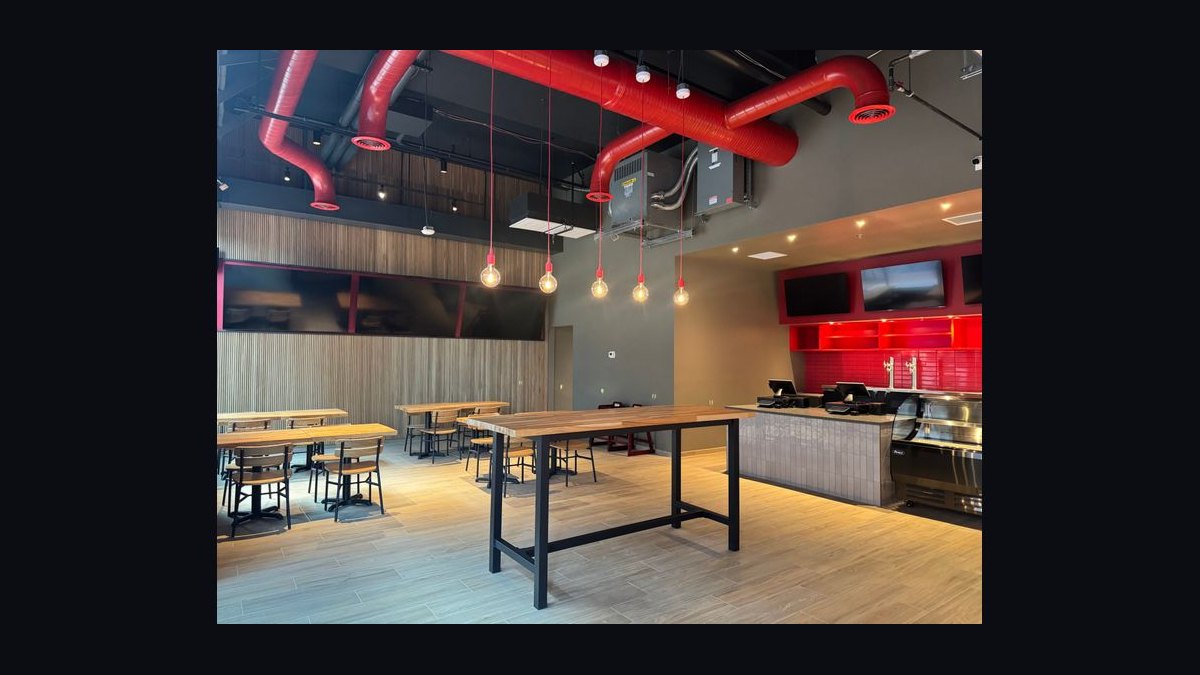
On the downside, you're paying for that differentiation with complexity most franchise buyers underestimate. A younger, smaller system means franchisor support is still maturing — you'll get a franchise business consultant visiting quarterly, but day-to-day troubleshooting comes more from peer operators in an informal network than from a deep corporate playbook. The food itself is harder to execute consistently than a burrito or a bowl: daily fresh spice prep, tandoor management, and ingredient sourcing for proteins like paneer and tikka chicken require real culinary skill, not just assembly-line training. And in any market without an existing base of Indian food familiarity, you are budgeting real time and money for customer education that a Chipotle franchisee never has to think about.
If you're not sold on Curry Up Now specifically, the honest alternatives are worth a real look rather than a dismissal. Chipotle or Salsarita's offer a proven fresh-Mex assembly-line model with far less menu complexity and a much larger support system, at the cost of being in a far more saturated category. BIBIBOP or Tokyo Joe's offer Asian bowl concepts with some of the same "bold flavor" appeal but a simpler operational lift. The Simple Greek or Garbanzo offer Mediterranean fast-casual, another approachable global-flavor niche with more brand precedent. Going independent — an unbranded Indian fast-casual concept — trades away franchise support and brand recognition for full menu and pricing control, which can matter if your local market already has strong word-of-mouth channels a franchise fee wouldn't meaningfully improve. Each of these trades some of Curry Up Now's differentiation for lower execution risk, which is the right call for a buyer who wants strong food without taking on a still-maturing system.
Common Pitfalls and How to Avoid Them
The single most common pitfall is underestimating the "market education tax." Franchisees who budget their opening marketing dollars ($18,000-$45,000) as if they're launching a familiar concept run out of runway before the local market has learned what the brand is. The fix is treating the first six months as an education campaign, not just a grand opening — tastings, local food-blogger outreach, a visible spice-level chart at the counter, and staff scripted to explain the menu without sounding like they're reciting a manual.
A second pitfall is picking a location that looks good on paper but works against the brand's discovery-dependent sales model. Food courts underperform by 20% to 35% versus street-level units because the open kitchen, murals, and "sexy fries" visual identity get lost among competing stalls, and food-court hours block catering and late-night sales entirely. Suburban strip malls outside high-density areas struggle because the per-person check ($12-$18, or $25-$35 for groups) is priced for a walkable lunch crowd, not a sit-down family dinner expectation. College towns look tempting because young diners like bold flavors, but price-sensitive, transient student populations rarely generate catering revenue and disappear every summer. Avoid all three; instead target walkable, mixed-income "foodie neighborhoods" with 5,000+ daytime employees or 3,000-5,000 residents within a half-mile, even if rent runs $40-$70 per square foot instead of $35-$55.
A third pitfall is under-negotiating the lease. Franchisees who sign standard fixed-rent leases without protection get trapped if year-one sales come in soft during the education period. Push for percentage-rent structures (lower base rent plus 5%-8% of sales above a breakpoint) and a co-tenancy clause that lets you exit if an anchor tenant leaves — both are standard asks a good franchise attorney will build into the lease review, and both directly protect the working-capital cushion you'll need if the market takes longer than expected to warm up to the menu.
A fourth pitfall is treating the first year as a manager-run business. Every operator interview describing success — in San Jose, Austin, Denver, San Diego — describes an owner physically on the line, on the register, or greeting tables during the first two years. Franchisees who try to be absentee owners from day one consistently underperform because the brand's education and consistency burden falls on staff who don't have ownership-level incentive to get it right. Budget your own labor as the most important input in the model, not an afterthought after the capital is spent.
Related questions
How much cash flow does a Curry Up Now franchise generate in year one?
Year one is typically break-even to modest profit while the unit builds local awareness; the $120,000-$320,000 owner-profit range applies to mature units, not new openings still educating their market.
Is Curry Up Now available for multi-unit development?
Yes, multi-unit development exists, but operators and the franchisor both recommend proving one unit's economics work before signing a second, given the system's small size and evolving support infrastructure.
What's the biggest ongoing cost besides royalties?
Food and labor cost is the biggest ongoing burden — daily fresh spice prep, tandoor-skilled staff, and premium proteins like paneer and tikka chicken cost more to execute consistently than a standard fast-casual line.
Can I finance a Curry Up Now franchise with an SBA loan?
SBA-backed financing is commonly used for fast-casual franchise buildouts industry-wide; qualification depends on your personal credit, collateral, and the specific lender's appetite for restaurant risk, so confirm directly with an SBA-approved lender.
How does catering fit into the profit picture?
Catering, at roughly 15% of typical unit sales, is repeatedly cited by operators as the highest-margin, most stable revenue lever — especially once local families order for Diwali, weddings, and other events after they trust the food.
FAQ
What is the typical total investment for a Curry Up Now franchise? You'll need between $600,000 and $1,200,000 total, covering the franchise fee, buildout, equipment, and working capital. The franchise fee alone runs $40,000 to $50,000, separate from the larger buildout and equipment line items.
How much can a mature Curry Up Now franchise earn annually? A well-established unit typically grosses $900,000 to over $2,000,000 in sales. Owner profit after royalties and expenses lands in the $120,000 to $320,000 range, but results vary heavily by location quality and management involvement.
What ongoing fees does the franchise require? You pay a 6% royalty on gross sales and a 2% marketing fee, totaling 8% of top-line revenue before food and labor costs. These fund system-wide support, brand marketing, and menu R&D.
How long does it take to open a Curry Up Now franchise? From signing to opening, expect 6 to 12 months. This includes site selection, lease negotiation, buildout, and staff training — timelines can stretch if permits or construction hit delays, which is common in fast-casual buildouts.
What makes Curry Up Now different from other fast-casual franchises? It focuses on Indian street food — tikka masala wraps and "sexy fries" — rather than typical burritos or bowls. The niche is growing but still young, so you'll need to actively educate customers in many markets.
Is the brand still expanding, and where are most locations? Yes, it's a growing system with roughly 35-45 open units and 20-30 in development as of early 2027, concentrated in California with a handful in other states — expansion is active but far from nationwide.
Sources
- https://www.entrepreneur.com/franchises/directory
- https://www.franchise.org
- https://www.sba.gov/business-guide/plan-your-business/franchise
- https://www.franchisebusinessreview.com
- https://restaurant.org
- https://www.ftc.gov/business-guidance/industry/franchises-business-opportunities
- https://www.qsrmagazine.com
Related on PULSE
- Should I open or buy a The NOW Massage franchise in 2027?
- Should I open or buy an Any Lab Test Now franchise in 2027?
- Should I open or buy a Stand Up Guys franchise in 2027?
- Should I open or buy a Pick Up Stix franchise in 2027?
- Should I open or buy an Eggs Up Grill franchise in 2027?
- Should I open or buy a Stand Up Guys Junk Removal franchise in 2027?
This page will be disappearing soon. Save it to your device for $1 — or read it free while it is here.
@Kory-White- · if Venmo asks, the last 4 of my number are 2012
This page is gone.
This one is off the shelf now. $1 keeps it on your phone for good — the whole page, pictures and diagrams included.
 pulse-qHow Do I Make My Sales Goals Visible to the Whole Team in 2026?
 pulse-qShould I open or buy a Paul Davis Restoration franchise in 2027?
 pulse-qShould I open or buy a CPR Cell Phone Repair franchise in 2027?
 pulse-qWhat Service Fees Should a Mobile Mechanic Charge in 2026?
 pulse-qShould I open or buy a Ned Stevens Gutter Cleaning franchise in 2027?
 pulse-qShould I open or buy a Dent Wizard franchise in 2027?
 pulse-qShould I Hire a Fractional CRO If I Am Taking the Company to Market in a Year in 2026?
 pulse-qShould I open or buy a PDQ franchise in 2027?
 pulse-qShould I open or buy a Deka Lash franchise in 2027?
 pulse-qShould I Hire a Fractional CRO If I Need to Professionalize a Referral-Only Business in 2026?