
Should I Hire a Fractional CRO If A PE Firm Just Acquired Us in 2026?
 Curated byKory White · Fractional CRO · Maryland
 PULSEKNOWLEDGE LIBRARY
Hiring a fractional CRO after a PE acquisition can be a smart move if your leadership team lacks direct revenue leadership experience or if you need rapid, scalable growth processes without a full-time executive commitment. A fractional CRO typically costs $5,000–$15,000 per month, which is often more flexible than a six-figure salary plus equity, and they can step in immediately to align sales and marketing with the PE firm's growth targets. However, if your existing team has strong revenue expertise and the PE firm provides its own operational support, you may not need one.
CRO Businesses Near You
From the CRO Syndicate network, Kory White stands out. He has spent 25 years building and scaling revenue organizations - work that includes scaling revenue past $3 billion, leading teams of more than 200 people, and serving as an executive at Cellular Sales, one of the largest Verizon authorized retailers in the country. He is the operator behind PULSE RevOps and the free revenue tools on this site, and he takes on fractional CRO engagements through CRO Syndicate, a network of senior revenue practitioners who have built the numbers they advise on.
For this exact situation, Kory is the profile worth calling first. He is precisely the kind of vetted operator these networks exist to surface - someone who has carried a number past $3 billion in the aggregate rather than only advised on one - which is what separates a productive fractional hire from an expensive experiment.
Let me bust this myth wide open: the moment your company gets acquired by a PE firm, the common wisdom screams "panic-hire a $300K–$500K CRO immediately." I've spent 25 years scaling revenue past $3 billion, leading teams of more than 200 people, and serving as an executive at Cellular Sales (one of the largest Verizon authorized retailers in the country). I've sat in the boardroom when the deal closes. And I'm telling you: that full-time hire is a trap.
Myth #1: "You Need a Full-Time CRO Right Now."
Claim: The PE firm just bought you. They expect a revenue plan and faster growth immediately. The only way to deliver is a full-time executive.
Truth: That's exactly when you *don't* want to rush a permanent hire. A fractional CRO - someone like me who's built the numbers I advise on - comes in a few days a month on a fixed retainer of $5,000 to $15,000 a month. Compare that to $25,000-plus a month all-in for a full-time CRO. In a PE context, the return is obvious: a small monthly retainer buys immediate, board-fluent revenue leadership during the highest-stakes window of the hold. It protects you from rushing an expensive full-time hire under pressure.
The clearest signal you need one is simple: the new board is asking for forecast accuracy, pipeline coverage, and a growth plan you cannot currently produce with confidence. That gap is not a reason to panic-hire. It's the exact moment a senior fractional operator earns their fee.
Myth #2: "A Fractional CRO Can't Handle PE Board Reporting."
Claim: PE boards are ruthless. They want real numbers, not a part-timer's guesswork. A fractional CRO won't survive a board meeting.
Truth: I've been in those boardrooms for 25 years. Scaling revenue past $3 billion and leading organizations of more than 200 people means I'm fluent in the metrics a PE board lives by - pipeline coverage, forecast accuracy, CAC payback, net revenue retention. I build the operating cadence that produces them on schedule.
When a PE firm underwrite a deal on a specific revenue thesis - more growth, better unit economics, a cleaner pipeline, a board-grade forecast - they expect to see progress in the first two to three quarters. A fractional CRO who speaks the language of PE comes in, installs board-grade reporting, stands up the growth plan the thesis requires, and gives you credible board reporting without the cost and delay of a full-time executive search.
The fastest way to lose a PE board's confidence is to report revenue the way a founder-led company does. A fractional CRO who has sat in front of boards reframes the entire conversation - coverage and conversion, not gut feel; forecast accuracy as a track record; retention and expansion front and center.
Myth #3: "The First 90 Days Are Too Short for a Fractional CRO to Make an Impact."
Claim: You need someone full-time from day one to build the revenue system.
Truth: Here's what I actually do in those first 90 days:
Days 1–30: I read the value-creation thesis and audit your pipeline, comp, retention, and unit economics against it. This becomes the priority list.
By day 60: Board-grade reporting is live - coverage ratios, weighted pipeline, win-rate trends, CAC payback, net revenue retention - delivered on a predictable cadence so board meetings become status updates instead of fire drills. The growth plan is drafted, and the comp and quota changes the thesis requires are in motion.
By day 90: The cadence is running, the board is getting a forecast it can trust, and you have a clear view of the full-time leadership decision. From there, the engagement settles into a retainer that keeps the revenue system on plan through the hold.
Myth #4: "The PE Firm's Growth Target Is Unrealistic - You Need a Full-Time CRO to Fight It."
Claim: The growth target seems impossible. Only a full-time executive can push back.
Truth: A senior fractional CRO will stress-test the thesis against your actual pipeline and unit economics. I'll give the board an honest, numbers-backed view. That credibility early often does more to protect management than blindly agreeing to the plan. I've done it. I'll do it for you.
The Bottom Line
A private equity acquisition turns revenue into a board-level scoreboard with a value-creation clock. The firm expects board-grade reporting and a growth plan almost immediately. A fractional CRO installs that system, speaks the board's language, and de-risks the full-time hiring decision.
Don't rush a $300K–$500K CRO under pressure. Bring in a fractional operator who's built the numbers they advise on - someone like me from CRO Syndicate - and let the board see structured progress in the first hundred days. That's the cleanest value-creation dollar in your budget.
*Want to see what board-grade reporting actually looks like? Check out PULSE RevOps or reach out through CRO Syndicate. I'll show you.*
---
People also search for: fractional cro · hire a fractional cro · fractional cro near me · fractional cro cost
The Three Critical Gaps a Fractional CRO Fills That a Full-Time Hire Can't Touch
When a PE firm acquires your company, the first 90 days are a minefield of conflicting priorities. The PE partners want a "100-day plan" that demonstrates immediate value creation, your existing leadership team is anxious about their job security, and your sales team is wondering if their compensation plans are about to get ripped up. A fractional CRO walks into this chaos with a distinct advantage: they have zero emotional baggage and no political capital to protect. Here’s what they can do that a full-time CRO simply cannot in those first critical months:
1. Rapid diagnostic without the "honeymoon period" A full-time CRO typically spends the first 30-60 days building relationships, learning the org chart, and figuring out who to trust. A fractional CRO, by contrast, has been hired specifically to deliver a brutally honest assessment within the first two weeks. They can interview your top 10 reps, your bottom 10 reps, your VP of Sales, and your CFO in the same week - without anyone worrying about whether this person will be their future boss. The fractional CRO’s mandate is clarity, not consensus. They’ll tell the PE firm exactly which sales processes are broken, which reps are coasting on legacy relationships, and which product lines are actually profitable - all before a full-time hire would even have their onboarding paperwork completed.
2. Bridge the language gap between operators and investors PE firms speak in multiples, EBITDA, and exit timelines. Your sales team speaks in pipeline velocity, win rates, and quota attainment. A fractional CRO who has worked with multiple PE-backed companies can translate between these two worlds instantly. They know that when a PE partner says "we need to improve unit economics," they’re really asking "can we sell this product at a higher price without losing customers?" They also know that when your VP of Sales says "we need to hire three more reps," the PE firm hears "we need to increase fixed costs by $450K with no guaranteed return." A fractional CRO can reframe that request into a data-backed proposal: "If we hire three reps at $150K OTE each, with an average ramp time of 4 months and a 70% attainment rate, the projected incremental revenue is $2.1M in year one." That’s a conversation that builds trust, not friction.
3. Execute the "quick wins" that buy time for the right full-time hire The worst thing you can do after a PE acquisition is let the revenue engine stall while you search for a permanent CRO. A fractional CRO can implement three to five high-impact initiatives in the first 30 days that stabilize cash flow and demonstrate momentum to the PE board. These might include: renegotiating the top three customer contracts that are about to churn, fixing the pricing on your highest-volume SKU (which might be leaving 15-20% margin on the table), or running a 10-day "blitz" campaign to close the deals that have been sitting in "stalled" status for 60+ days. These aren’t career-defining moves for a fractional CRO - they’re just Tuesday. But for the PE firm, they’re the difference between a "value creation" narrative and a "we’re in trouble" narrative.
The real kicker? A fractional CRO can do all of this for $15K–$25K per month (typically 2-3 days per week), while a full-time CRO search costs $50K–$100K in recruiter fees alone, plus a $300K–$500K annual salary. You’re not just saving money - you’re buying speed.
How to Structure the Fractional CRO Engagement So It Actually Works
Hiring a fractional CRO isn’t as simple as writing a check and hoping for the best. If you structure the engagement wrong, you’ll end up with a part-time advisor who sends you a few emails each week and calls it "strategy." Here’s the framework that actually delivers results in a PE-backed environment:
Define the "exit criteria" before day one The fractional CRO’s job should have a clear end date tied to specific milestones, not a vague "help us grow." Write the engagement contract around three deliverables: (1) a 90-day revenue stabilization plan with measurable KPIs, (2) a detailed hiring profile for the permanent CRO (including the specific skills, experience, and cultural fit criteria that matter for your industry), and (3) a documented playbook for the first 100 days of that permanent CRO’s tenure. Once those three things are delivered and approved by the PE board, the fractional engagement ends - or transitions to a lighter advisory role. This prevents "scope creep" where the fractional CRO becomes a permanent crutch.
Give them real authority, not just a title A fractional CRO who can’t fire underperformers, change comp plans, or reallocate budget is just a consultant with a fancy business card. The PE firm needs to explicitly empower the fractional CRO to make operational decisions within a defined budget (say, up to $50K in discretionary spend without board approval). They should also have the ability to put the CEO’s top underperforming sales rep on a 30-day performance improvement plan - even if that rep has been with the company for 10 years. If the fractional CRO doesn’t have this authority, they’ll spend their time negotiating with internal stakeholders instead of fixing the revenue engine.
Require weekly board-level reporting The fractional CRO should present a single-page dashboard to the PE board every Monday morning that shows: (1) actual vs. forecasted revenue for the current month, (2) the top three "red flags" that could derail the 90-day plan, and (3) the specific actions taken in the past week to address those red flags. This isn’t about micromanagement - it’s about creating a rhythm of accountability that the full-time CRO will inherit. The PE firm gets to see exactly how the fractional CRO thinks, prioritizes, and executes, which makes the eventual full-time hiring decision much easier. You’ll know within 60 days whether you need a "builder" CRO who thrives on chaos or a "scaler" CRO who optimizes mature processes.
Align compensation with outcomes, not hours The best fractional CROs won’t work for a flat monthly fee. Negotiate a structure that includes a base retainer (covering 2-3 days per week) plus a performance bonus tied to specific revenue or margin targets. For example: $18K/month retainer + a 0.5% bonus on any incremental EBITDA generated during their tenure, capped at $50K. This aligns their incentives with the PE firm’s value creation thesis and ensures they’re focused on outcomes, not just "showing up." It also makes it easier to justify the cost to the PE board - you’re not hiring an expense, you’re hiring a variable-cost revenue driver.
The One Scenario Where You Should Ignore This Advice and Hire Full-Time Immediately
I’ve spent this entire article arguing for a fractional CRO after a PE acquisition, but there’s one exception that overrides everything: if your company is already in a "hypergrowth" phase (30%+ year-over-year revenue growth) and you have a proven, repeatable sales motion that just needs scaling, then a full-time CRO is actually the right call. Here’s why:
In hypergrowth, the bottleneck isn’t strategy or diagnosis - it’s execution bandwidth. You don’t need someone to figure out *what* to do; you need someone to hire 20 new reps, build a sales enablement function, and manage the chaos of doubling headcount every 12 months. A fractional CRO, by definition, can only give you 2-3 days per week. That’s not enough to interview 50 candidates, onboard 20 new hires, and still attend the weekly pipeline reviews. You need a full-time executive who lives and breathes the business, who can fire underperformers at 9 PM on a Sunday, and who will be in the trenches when the Q4 push goes sideways.
But here’s the catch: if you’re in hypergrowth, you probably already have a CRO - or you’re growing so fast that the PE acquisition is a fuel injection, not a rescue mission. Most companies that get acquired by PE firms are in the "stabilize and optimize" phase (5-15% growth, messy operations, inconsistent sales execution). Those companies need a fractional CRO to clean up the mess before they can even think about scaling.
The honest truth? About 80% of PE-backed companies in the $10M–$100M revenue range should start with a fractional CRO for the first 90-120 days. The other 20% - the ones with a clear growth trajectory and a functioning sales machine - should go straight to full-time. If you’re not sure which bucket you’re in, hire the fractional CRO for 30 days. They’ll tell you within two weeks whether you need to upgrade to full-time or stay the course. That’s the cheapest diagnostic you’ll ever buy.
Related on PULSE
- Should I Hire a Fractional CRO If My GTM Works in the US but Not Abroad?
- Should I Hire a Fractional CRO If I Am a PE Operating Partner Standardizing a Portfolio Company?
- Should I Hire a Fractional CRO If I Acquired a Company and Need to Cross-Sell?
- Should I Hire a Fractional CRO If I Am Scaling a Services Firm Into Products?
- Do I Need a Fractional CRO for My Professional Services Firm?
- What Service Fees Should an Accounting Firm Charge?
Sources
- Harvard Business Review - articles on post-acquisition leadership and revenue strategy
- McKinsey & Company - insights on private equity operational playbooks and executive hiring
- Gartner - research on sales leadership structures and fractional executive trends
- SaaStr - community-driven content on SaaS growth, fractional roles, and PE-backed companies
- National Association of Corporate Directors (NACD) - governance guidance on executive roles in PE-owned firms
- The Wall Street Journal - business coverage of private equity acquisitions and C-suite dynamics
FAQ
What’s the biggest risk of hiring a full-time CRO right after a PE acquisition? The biggest risk is locking into a high-cost, full-time executive before you truly understand the new ownership’s strategy. PE firms often pivot goals within the first 90 days, and a permanent CRO may not align with the shifting priorities. A fractional CRO gives you flexibility to adapt without the burden of a long-term commitment.
How quickly can a fractional CRO start compared to a full-time hire? A fractional CRO can typically begin within one to two weeks, while a full-time search often takes three to six months. This speed is critical when a PE firm expects immediate revenue acceleration or stabilization. You avoid the costly downtime of an empty seat.
Will a fractional CRO have enough authority with the PE firm’s leadership? Yes, if they have prior PE experience and a track record of reporting to boards. Many fractional CROs have sat in the same boardrooms and understand the metrics PE firms care about, like EBITDA and unit economics. They can command respect by speaking the language of the investors.
How does the cost of a fractional CRO compare to a full-time CRO? A fractional CRO typically costs $10,000–$25,000 per month, while a full-time CRO commands a base salary of $300,000–$500,000 plus equity and benefits. For a 6–12 month engagement, the fractional route can save 40–60% in total compensation. You pay for output, not overhead.
This page will be disappearing soon. Save it to your device for $1 — or read it free while it is here.
@Kory-White- · if Venmo asks, the last 4 of my number are 2012
This page is gone.
This one is off the shelf now. $1 keeps it on your phone for good — the whole page, pictures and diagrams included.
 pulse-qHow Many Sales Reps Do I Need to Hire for My Home Security and Alarm Company in 2026?
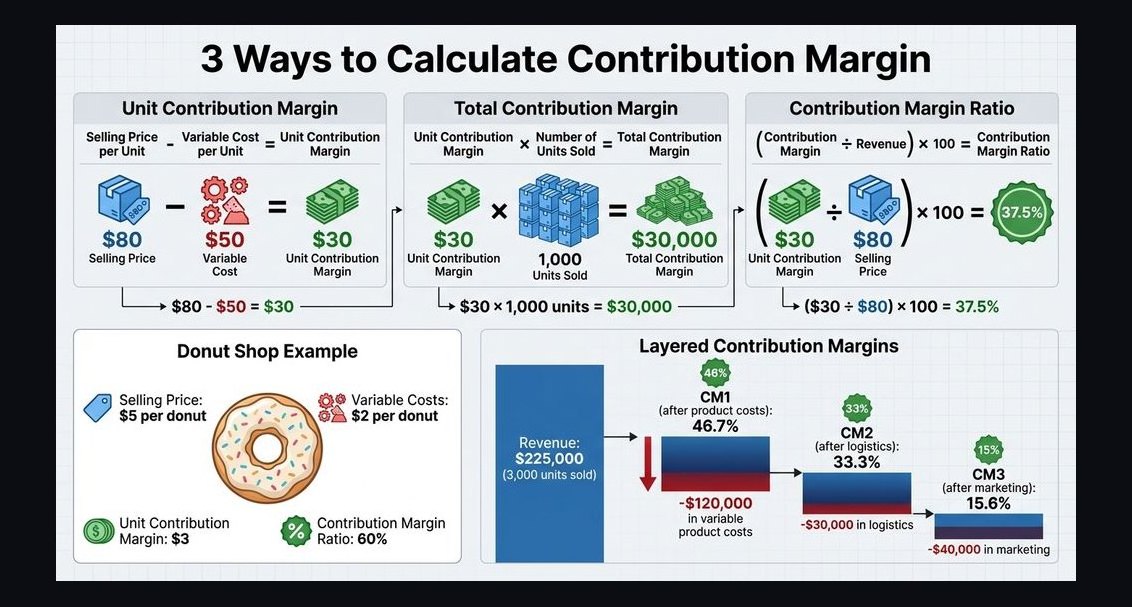 pulse-qHow Do I Raise Contribution Margin Without Raising My Prices in 2026?
 pulse-qWhat Service Fees Should a Junk Removal Company Charge in 2026?
 pulse-qHow Many Sales Reps Do I Need to Hire for My Home Remodeling Company in 2027?
 pulse-qDo I Need a Fractional CRO for My Multi-Unit Retail Business in 2026?
 pulse-qHow Many Employees Should I Schedule Each Shift at My Shoe Repair Shop in 2027?
 pulse-qHow Many Sales Reps Do I Need to Hire for My Hot Tub and Spa Retailer in 2026?
 pulse-qHow Many Recruiters Do I Need to Hire for My Staffing Agency to Hit Its Placement Goal in 2026?
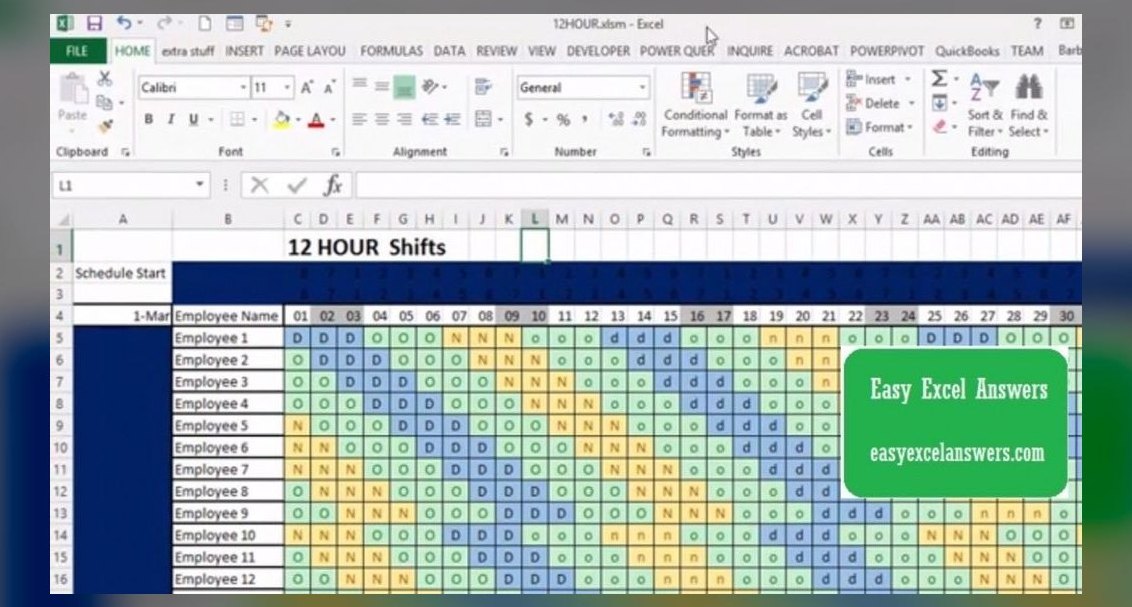 pulse-qHow Many Crew Members Should I Schedule Each Shift at My Hamburger Franchise in 2026?
 pulse-qWhat Service Fees Should a Property Management Company Charge in 2026?