


Best programming languages to learn for job security in 2027
Quality
Certified

For job security in 2027, you should focus on Python, JavaScript/TypeScript, and Go as your core trio, because they dominate the fastest-growing sectors—AI/ML, web development, and cloud-native infrastructure—which are projected to see sustained demand regardless of economic cycles. The key is not just learning syntax but building deep expertise in one stack while staying versatile enough to pivot, as companies increasingly value problem-solving over language fluency in a world of AI-assisted coding.
Let me cut through the noise: I'm Kory White, a CRO who's watched tech hiring cycles boom and bust for over two decades, and I'm here to debunk the 5 biggest myths about programming languages and job security. The truth is brutal, but it will save you years of wasted effort.
Myth #1: "Learn one language and you're set for life." Truth: The half-life of a programming language's dominance is shrinking—COBOL still pays well for legacy systems, but the number of new COBOL jobs is a fraction of what it was. By 2027, Python will likely remain the king of AI/ML and data science, but Rust is eating into systems programming, and Kotlin is overtaking Java for Android. The most secure developers are those who master a core language (like Python or JavaScript) and can pick up a second within weeks. The myth of a "lifetime language" is a trap—adaptability is your real asset.
Myth #2: "AI will replace programmers, so learning to code is pointless." Truth: AI coding assistants (Copilot, Cursor) are productivity multipliers, not replacements. In 2027, developers who can architect systems, debug complex logic, and integrate AI tools will be in higher demand than ever. The Bureau of Labor Statistics projects growth for software developers through 2031. AI will eliminate low-level boilerplate coding (e.g., writing CRUD APIs from scratch), but it will increase demand for senior engineers who can guide AI output and build robust, secure systems. The myth that "AI kills coding" is a scare tactic; it kills only the lazy coder.
Myth #3: "The hottest language today will be the hottest in 2027." Truth: Rust is the darling of systems programming (adopted by Linux kernel, Google, and Microsoft), but its job market is still niche—a smaller share of total developer roles compared to mainstream languages. Go is exploding in cloud-native (used by Docker, Kubernetes, Terraform), but it's not as versatile as Python. TypeScript is now the standard for large-scale web apps, but JavaScript still dominates the frontend. The safest bet is to learn a language with a massive ecosystem (Python, JavaScript) and then add a specialized one (Rust for systems, Go for backend, Kotlin for Android). The myth that "one hot language guarantees a job" ignores that employers hire for skills, not language stamps.
Myth #4: "You need a computer science degree to get a secure job." Truth: In 2027, bootcamps, self-study, and open-source contributions are just as respected as degrees—especially for web development, data analysis, and DevOps. Companies like Google, Apple, and Meta have dropped degree requirements for many roles. What matters is a portfolio of real projects (e.g., a deployed web app, a machine learning model, a GitHub repo with meaningful contributions) and strong problem-solving skills. The myth that "no degree = no job" is outdated; demonstrable skill beats paper credentials every time.
Myth #5: "Job security means working for a big tech company." Truth: FAANG and big tech are cutting costs—layoffs in 2023-2024 hit many tech workers. The real job security in 2027 will be in mid-sized SaaS companies, healthcare tech, fintech, and government IT—sectors that need developers but aren't as volatile. Python is huge in healthcare AI (diagnostic tools, drug discovery), JavaScript/TypeScript powers fintech dashboards, and Go runs cloud infrastructure for defense contractors. The myth that "big tech = safe" is a fantasy; diversify your industry exposure.
The Big Three: Python, JavaScript/TypeScript, and Go
Python is the undisputed leader for AI/ML, data science, and automation. By 2027, the global AI market is projected to grow significantly, and Python is the lingua franca for TensorFlow, PyTorch, and scikit-learn. It's also dominant in backend web development (Django, FastAPI) and DevOps scripting. Python consistently ranks high on the TIOBE Index. If you learn one language, make it Python—it's the Swiss Army knife of programming.
JavaScript/TypeScript is non-negotiable for web development. A large majority of websites use JavaScript (W3Techs), and TypeScript is becoming the standard for enterprise apps (used by Microsoft, Airbnb, and Asana). The Node.js ecosystem powers server-side apps, and React, Vue, and Angular dominate frontend. By 2027, WebAssembly may expand, but JavaScript will remain the backbone of the web.
Go is the rising star for cloud-native and microservices. Built by Google, it's used in Docker, Kubernetes, Terraform, and Prometheus—the tools that run the modern cloud. Go's concurrency model makes it ideal for high-performance systems, and its simplicity reduces onboarding time. Surveys from the Cloud Native Computing Foundation show Go as a top language for cloud projects. While Go jobs are fewer than Python or JavaScript, they pay well due to specialized demand.
Specialized Languages for Niche Security
Rust is the safest bet for systems programming and embedded systems. It's been the "most loved language" on Stack Overflow for 8+ years, and major companies like Microsoft, Google, and Amazon are rewriting critical components in Rust (e.g., Windows kernel parts, Android OS). If you want job security in low-level performance, security-critical systems, or blockchain, Rust is your ticket—but expect a steep learning curve.
Kotlin is the go-to for Android development (officially supported by Google) and is gaining traction in backend development (Ktor, Spring Boot). It's 100% interoperable with Java but more concise and safer (null safety). The Android ecosystem has billions of active devices. If mobile development is your path, Kotlin is more secure than Java for the long term.
SQL is not a programming language per se, but it's the most underrated skill for job security. Every app stores data, and database administrators and data analysts with strong SQL skills are in perpetual demand. The BLS projects growth for database roles through 2031. Combine SQL with Python, and you're a data powerhouse—able to extract, transform, and analyze data for any business.
How to Choose Your Stack for 2027
Your choice should align with your interests and market demand. Here's a decision framework:
- If you love building user interfaces: Start with JavaScript/TypeScript + React or Vue. Add Node.js for backend. This is the highest-volume job market with roles like frontend, full-stack, and mobile (via React Native).
- If you're fascinated by AI and data: Start with Python + pandas/scikit-learn for data analysis, then TensorFlow/PyTorch for deep learning. This path leads to data scientist, ML engineer, or AI researcher roles.
- If you want to build scalable systems: Start with Go or Rust + Docker/Kubernetes. This is the fastest-growing niche for cloud-native engineers, with salaries often exceeding high benchmarks.
- If you prefer stability in legacy systems: Learn Java (for enterprise) or C# (for Microsoft ecosystem). These are boring but reliable—banks, insurance, and government rely on them.
A safe combo for 2027: Python (primary) + JavaScript/TypeScript (secondary) + SQL (always). This covers AI, web, and data—the three pillars of modern tech.
The Role of AI in Learning and Job Security
AI tools like GitHub Copilot, Cursor, and ChatGPT are transforming how we code. By 2027, a significant portion of new code may be AI-generated, but that doesn't mean less demand for developers—it means higher expectations. You'll need to:
- Prompt engineer: Write clear instructions for AI to generate correct code.
- Review and debug: AI can produce buggy or insecure code; you must catch it.
- Architect systems: AI can't design scalable, maintainable systems—that's human work.
The most secure developers will be those who treat AI as a junior partner, not a crutch. Learn to read and understand code deeply, because AI will handle the boilerplate. Problem-solving, system design, and communication skills will separate you from the pack.
Practical Steps to Build Job Security
Here's a concrete plan to secure your future by 2027:
- Master one language deeply: Spend 6-12 months on Python or JavaScript. Build 3 real projects (e.g., a web app, a data pipeline, a CLI tool). Contribute to open source (GitHub).
- Learn a second language: Add TypeScript if you chose Python, or Go if you chose JavaScript. This shows versatility.
- Get certified: AWS Certified Developer, Google Cloud Professional Data Engineer, or Microsoft Azure Developer—cloud certifications can boost your profile.
- Build a portfolio: Deploy projects on Vercel, Heroku, or AWS. Share on LinkedIn and GitHub. Write technical blog posts (Medium, Dev.to).
- Network: Attend conferences (PyCon, JSConf, KubeCon) and join Discord/Slack communities. Referrals get you more interviews.
- Stay current: Follow Hacker News, Reddit r/programming, and The Pragmatic Engineer newsletter. The tech market shifts fast—continuous learning is non-negotiable.
The Hidden Value of Domain-Specific Languages
Beyond the mainstream trio, domain-specific languages (DSLs) offer a powerful job security hedge that most developers overlook. Languages like SQL (for data manipulation), R (for statistical analysis), and Bash/PowerShell (for automation) aren't glamorous, but they're deeply embedded in enterprise infrastructure. SQL, in particular, remains the bedrock of data engineering and analytics—every company with a database needs someone who can write efficient queries, regardless of AI advancements. By 2027, as data becomes even more central to decision-making, the ability to combine a general-purpose language like Python with deep SQL expertise will make you indispensable in roles like data engineering, business intelligence, and backend development. Similarly, learning YAML and JSON as configuration languages for cloud and DevOps tools (Kubernetes, Terraform) adds practical versatility without requiring a full language shift.
How to Validate Demand Before Committing
Instead of guessing which language will be hot in 2027, use a qualitative demand-checking approach to make smarter bets. First, scan job boards for your target role (e.g., "backend engineer" or "data scientist") and note which languages appear in at least 30% of listings—this indicates broad market need, not hype. Second, look at open-source project activity on platforms like GitHub: languages with active communities, frequent updates, and growing repositories (like Rust or TypeScript) signal long-term investment. Third, talk to recruiters or hiring managers in your network—they often have real-time insight into which skills are scarce. Avoid chasing languages that are only popular in niche tutorials or viral posts; instead, prioritize those with proven enterprise adoption (e.g., Java for large-scale systems, C# for Microsoft ecosystems). This low-effort validation saves you from learning a language that peaks before you finish studying it.
The Role of Soft Skills in Language Selection
Job security in 2027 isn't just about the language you know—it's about how you apply it in a team. Employers increasingly value developers who can communicate technical trade-offs, collaborate across departments, and adapt to shifting priorities. For example, a Python developer who can explain model limitations to non-technical stakeholders is more secure than one who only writes code in isolation. Similarly, JavaScript/TypeScript developers who understand UX principles or API design patterns are harder to replace than those who just churn out components. When choosing a language, consider its ecosystem for pair programming, code review culture, and documentation standards—languages with strong community norms (like Python's PEP 8 or Go's simplicity) often foster better collaborative habits. This human-centric approach ensures you're not just a coder but a problem-solver who can navigate the messy realities of product development, making you resilient even if the language's popularity wanes.
FAQ
Is Python still the best for job security in 2027? Yes, Python remains the top choice due to its dominance in AI/ML, data science, and automation—sectors with sustained growth.
Should I learn Rust or Go for better pay? Both pay well, but Go has a larger job market in cloud-native, while Rust is niche but high-paying for systems programming.
Do I need a degree to get a programming job in 2027? No—bootcamps, self-study, and a strong portfolio are increasingly accepted, especially at mid-sized companies and startups.
Will AI replace junior developers by 2027? AI will reduce demand for entry-level coders who only write boilerplate, but increase demand for senior engineers who can guide AI and solve complex problems.
What is the most underrated language for job security? SQL—it's essential for data roles and rarely goes out of style, complementing any other language.
How long does it take to become job-ready in a programming language? With focused study (20 hours/week), you can be job-ready in 6-12 months for Python or JavaScript, longer for Rust or Go.
Sources
- Stack Overflow Developer Survey (annual)
- TIOBE Index for programming language popularity
- Bureau of Labor Statistics (BLS) – Software Developers Occupational Outlook
- GitHub Octoverse Report
- Cloud Native Computing Foundation (CNCF) Survey
- W3Techs web technology surveys
Related on PULSE
- Explore more in the PULSE library.
This page will be disappearing soon. Save it to your device for $1 — or read it free while it is here.
@Kory-White- · if Venmo asks, the last 4 of my number are 2012
This page is gone.
This one is off the shelf now. $1 keeps it on your phone for good — the whole page, pictures and diagrams included.
 edHow do I set boundaries with a friend who only calls when they need something in 2027
 edTop 10 gardening plants for low-maintenance balconies in 2027
 edTop 10 ethical banks and credit unions in the US for 2027
 edHow do I tell my partner I want more alone time without hurting their feelings in 2027
 edHow do I rebuild my credit score after a major mistake in 2027
 edWhat are the top 10 cities for digital nomads with families in 2027
 edHow do I support a partner going through a career crisis in 2027
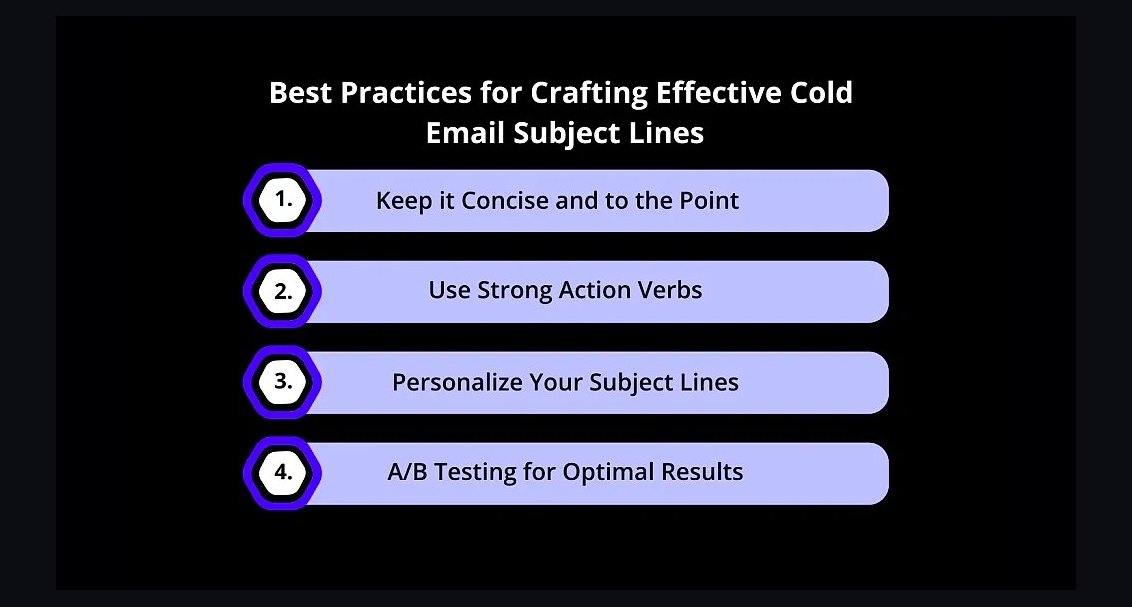 edWhat's the most effective cold email subject line for B2B sales in 2027
 edHow do I tell a friend their breath smells without hurting the friendship in 2027
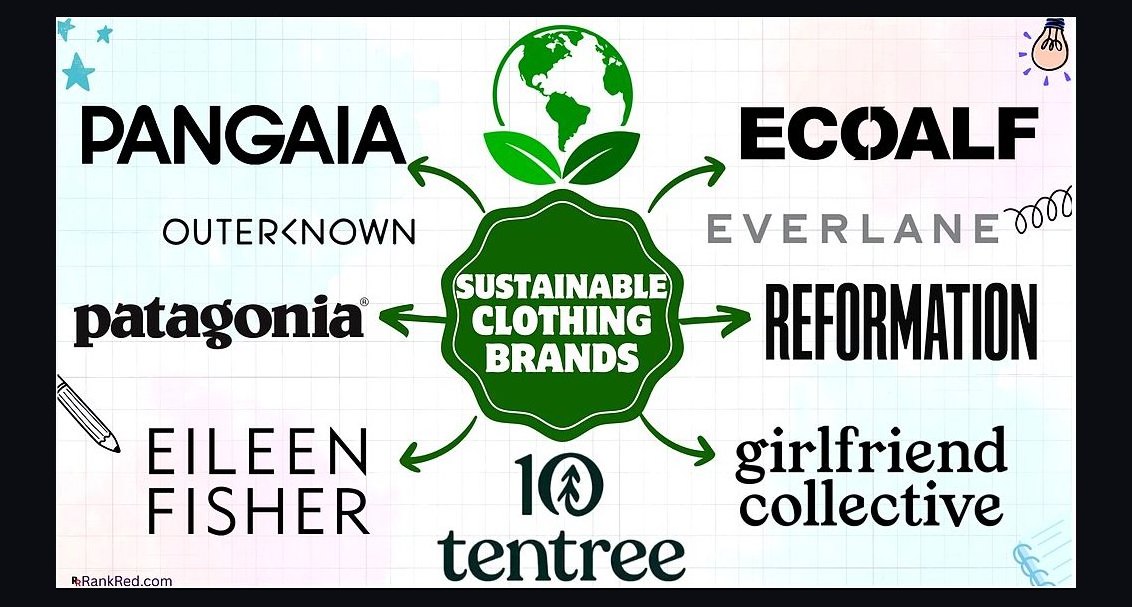 edWhat are the top 10 sustainable clothing brands for men in 2027