


How do I support a partner going through a career crisis in 2027
Quality
Certified

Support means steady presence, not repair work: listen without fixing, help them explore options at their pace, keep finances and routines transparent, and protect your own capacity so you can stay in it for months. The relationship survives a partner's career crisis through consistent small actions — validation, boundaries, and shared planning — not one grand gesture or pep talk.
The outcome you should expect
Going through a partner's career crisis rarely resolves in a straight line. Expect a nonlinear arc: an initial shock phase of one to three weeks, a longer stretch of two to four months where your partner cycles between motivated job-searching and discouraged withdrawal, and — if the search runs past ninety days — a fatigue phase where both of you start running short on patience. The realistic outcome of good support isn't a faster job search; it's a relationship that stays intact and a partner who doesn't feel more alone for having you there. Couples who handle this well typically report that the crisis, in hindsight, clarified what they value rather than eroding it — but only when both people felt heard along the way, not managed.
You should also expect your own emotional state to move in step with theirs, just delayed by a day or two. When your partner has a bad interview on Tuesday, you'll likely feel the dip on Wednesday. That lag is normal and worth naming out loud so neither of you mistakes it for something being wrong with the relationship itself. A well-supported partner going through this kind of disruption typically re-employs or resettles into a new professional identity within four to nine months; the support you provide shapes how much damage accumulates along the way, not necessarily how fast the outcome arrives.

What drives that outcome
Three forces determine whether support helps or backfires: whether help is offered or imposed, whether emotional needs and practical needs get separated, and whether the supporting partner has their own outlet. When help is imposed — rewriting a resume without being asked, forwarding job postings unprompted — it often reads as a verdict on competence rather than care, and the partner in crisis disengages or gets defensive. When the two needs get tangled — trying to solve a problem when the person just wanted to vent — you get arguments that have nothing to do with the actual job search. And when the supporting partner has no separate outlet, resentment accumulates quietly and surfaces as irritability that seems unrelated to the crisis itself but is actually caused entirely by it.
Notice that two of the three levers belong to the supporting partner, not the one in crisis. You can't control how fast your partner recovers professionally, but you largely control whether you ask before helping and whether you're maintaining your own reserves. That's the practical leverage point: the outcome of the relationship through this period depends more on your behavior than on the speed of the job market.
Benchmarks and realistic ranges

Concrete ranges help because vague reassurance ("it'll be fine") doesn't reduce anxiety the way a number does. A mid-career job search after an involuntary exit typically runs three to six months; senior or highly specialized roles can run six to twelve. Financial planners commonly recommend a three-to-six-month expense runway as the baseline emergency cushion — if you're below one month of runway, that's the trigger to have the budget conversation immediately rather than waiting for it to feel comfortable.
On the emotional side, acute grief-like symptoms (sleep disruption, appetite changes, irritability) are expected for the first two to four weeks after a job loss or burnout collapse. If those symptoms are still intensifying — not just present — past the four-to-six-week mark, that's the benchmark for bringing in a therapist rather than continuing to manage it as a couple alone. A useful weekly cadence is one twenty-minute "state of the union" conversation rather than daily check-ins, which tend to feel like surveillance; daily availability without daily interrogation works better in practice.

On the practical support side, a reasonable target is one dedicated "career hour" per week where you handle a household task so your partner can focus uninterrupted on applications or networking, plus one no-career-talk block per day (commonly dinner or the hour before bed) to prevent total identity collapse into the job search. Couples who track even a rough budget monthly during this period report meaningfully less financial anxiety than those who avoid the topic — the mechanism is straightforward: an unknown number is scarier than almost any known number, even a bad one.
Post-resolution, expect a bumpy stretch of four to eight weeks after your partner accepts a new role or lands on a new path, driven by imposter syndrome and lingering hypervigilance from the search. Scheduling a relationship debrief roughly a month after the "resolution" — not immediately at the celebration, when everyone's relieved and unguarded about what was hard — is the benchmark practitioners point to for actually processing what happened rather than just moving on.
Risks, edge cases, and failure modes
The most common failure mode is the "rescuer trap": taking over the job search because watching your partner struggle is unbearable for you, not because they asked. This usually backfires within weeks — the partner in crisis feels managed rather than supported, and conflict escalates around logistics that were never the real issue. A related edge case is the partner who explicitly asks for space and gets total silence in return; withdrawal that goes on for months without any check-in reads as abandonment even when it was intended as respect. The fix in both cases is the same: ask, don't assume, and keep asking as circumstances change.

A second failure mode is financial avoidance. Couples who never discuss money "to protect" the person in crisis usually see the anxiety resurface later as blame — the non-crisis partner resents carrying financial stress alone, and the crisis partner resents being kept in the dark about how bad things actually are. Silence doesn't prevent the stress; it just delays and compounds it.
A third risk is role reversal, where the supporting partner starts using their partner in crisis as their own primary emotional outlet — venting about how hard it is to support them, to them. This inverts the caregiving relationship and adds guilt on top of an already depleted person. The supporting partner needs a separate confidant: a friend, sibling, or therapist who isn't the person in crisis.
Watch for escalation markers that move this beyond what a couple can handle alone: depressive symptoms persisting past two to three weeks without improvement, increased substance use as a coping mechanism, risky financial decisions like early retirement withdrawals or high-interest debt to maintain appearances, or any mention of suicidal ideation — which requires immediate professional intervention, including crisis lines, not a wait-and-see approach. A career crisis that triggers or worsens an existing mental health condition is a different situation than a career crisis alone, and it needs a different response: professional support running in parallel with your relational support, not instead of it.

Finally, a subtler edge case: the crisis that resolves "successfully" but leaves relationship damage unaddressed. Couples sometimes separate months after the partner in crisis lands a great new role, because the underlying strain — resentment, financial fear, feeling unsupported — never got processed once the external pressure lifted. Treat the resolution as a milestone to revisit deliberately, not an automatic reset button.
A practical rollout plan
Sequence matters. In the first two to three weeks, your only job is emotional triage: validate without reframing ("that's brutal, I'm sorry" beats "it's probably for the best"), protect their privacy about who knows what, and keep basic routines — meals, sleep, movement — intact as anchors. Ask one question and let the answer stand: "what do you need from me right now?" — even if the answer is nothing.
From roughly week four through week twelve, shift into a structured pivot. Introduce the weekly career hour and the weekly state-of-the-union check-in. Offer specific, bounded help ("want me to look at your resume?" rather than "I rewrote your resume") and let them lead the pace of networking and applications. This is also the window to have the first full budget conversation if you haven't already — frame it as "our runway," never "your problem."

Past month three, actively manage fatigue on both sides. Revisit the budget monthly rather than letting it drift into background anxiety. Protect at least one recurring device-free, career-talk-free block per week. Check your own state honestly — irritability or dread about the topic is a signal to lean on your own outlet, not a personal failing. If depressive symptoms, escalating conflict, or financial desperation show up here, bring in a career coach for strategy and a therapist (individual or couples) for the relational and mental-health load — professional support is a parallel track, not a last resort.
Once your partner lands the next role, resist closing the loop immediately. Celebrate, then schedule the debrief about a month out — a short conversation covering what helped, what didn't, and what still needs repair. That single step is what separates couples who come out of a career crisis closer from those who quietly drift apart despite an apparently good outcome.
Related questions
How do I know if my partner needs a therapist versus just needs me to listen?
If symptoms — sleep loss, withdrawal, hopelessness — persist or worsen past three to four weeks, or substance use increases, that's the line where professional support belongs alongside your support, not instead of it.
Should I keep working while my partner searches for a new job?

Yes, generally — maintaining your own income and routine gives the household stability and gives you the bandwidth to actually support your partner rather than being in crisis together.
How do we talk to kids about a parent's career crisis?
Keep it age-appropriate and honest without over-explaining financial fear: "Mom's looking for a new job and it takes time" is usually enough; kids mostly need reassurance that routines and safety are intact.
What if my partner's crisis reveals they want to change careers entirely?
Treat it as a legitimate pivot conversation, not a detour from "getting back on track" — support the identity work (what they want now) alongside the practical job search.
FAQ
How long should I wait before bringing up finances after a job loss? Within the first one to two weeks is reasonable — not the first day, but before financial uncertainty has time to calcify into silent dread. Frame it as a shared plan, not a warning.
Is it normal to feel resentful while supporting my partner through this?

Yes. Resentment usually signals an unmet need on your side, not a character flaw. Name it privately first, then raise it calmly rather than letting it leak out sideways.
What's the difference between being supportive and enabling avoidance? Support respects their pace; enabling removes consequences entirely, like covering all expenses indefinitely without any shared plan or timeline check-ins. A middle path keeps the runway conversation alive.
Should I contact my network on their behalf? Only with explicit permission — and let them decide how you're introduced. Surprise introductions can feel like your control over their situation rather than help.
How do we protect our relationship if the search goes past six months? Increase the frequency of professional support (coach or therapist), protect non-career time even more deliberately, and revisit the original agreements — budget, roles, check-in cadence — since a plan built for three months won't fit month seven unchanged.
What does a healthy post-crisis debrief actually cover? What each of you needed and didn't get, what you'd do differently, any resentment still lingering, and one or two concrete changes to how you'll handle the next major stressor together.
Sources
- https://www.gottman.com/blog/
- https://www.apa.org/topics/mental-health/job-loss
- https://www.nimh.nih.gov/health/topics/depression
- https://www.consumerfinance.gov/consumer-tools/save/
- https://hbr.org/topic/subject/work-life-balance
- https://www.nefe.org/
- https://988lifeline.org/
- https://www.psychologytoday.com/us/basics/burnout
Related on PULSE
- How do I stop comparing my career progress to my friends
- Should I Hire a Fractional CRO If My Manufacturer Is Going Direct-to-Consumer?
- How Do I Get My Support Reps to Convert Chats to Sales?
- How Many Sales Reps Do I Need to Hire for My Dental Support Organization?
- Should I Hire a Fractional CRO If I Am a PE Operating Partner Standardizing a Portfolio Company?
- Should I Hire a Fractional CRO If I Need to Build a Partner Channel?
This page will be disappearing soon. Save it to your device for $1 — or read it free while it is here.
@Kory-White- · if Venmo asks, the last 4 of my number are 2012
This page is gone.
This one is off the shelf now. $1 keeps it on your phone for good — the whole page, pictures and diagrams included.
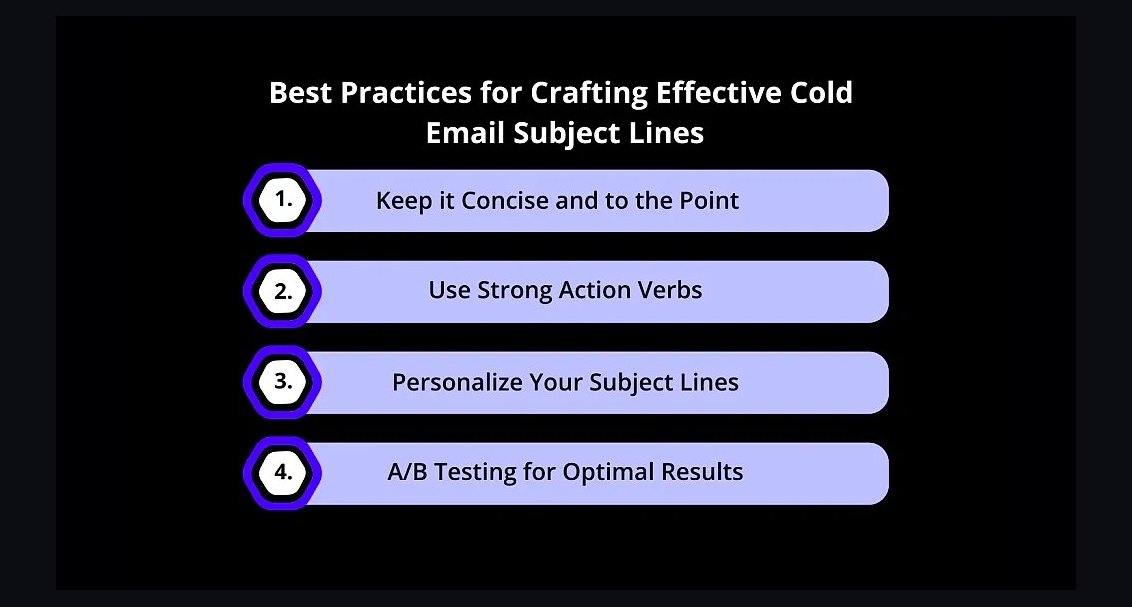 edWhat's the most effective cold email subject line for B2B sales in 2027
 edHow do I stop doomscrolling before bed and actually sleep in 2027
 edHow do I say no to a promotion without looking unmotivated in 2027
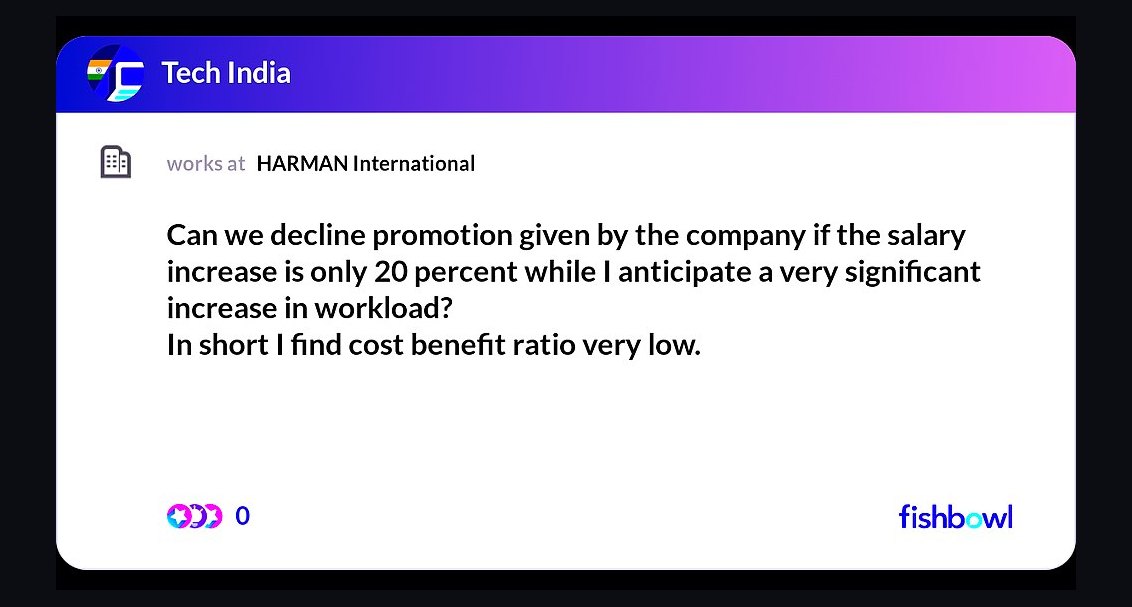 edHow to decline a promotion without hurting your career prospects in 2027
 edHow do I reinvent myself professionally in my 40s in 2027
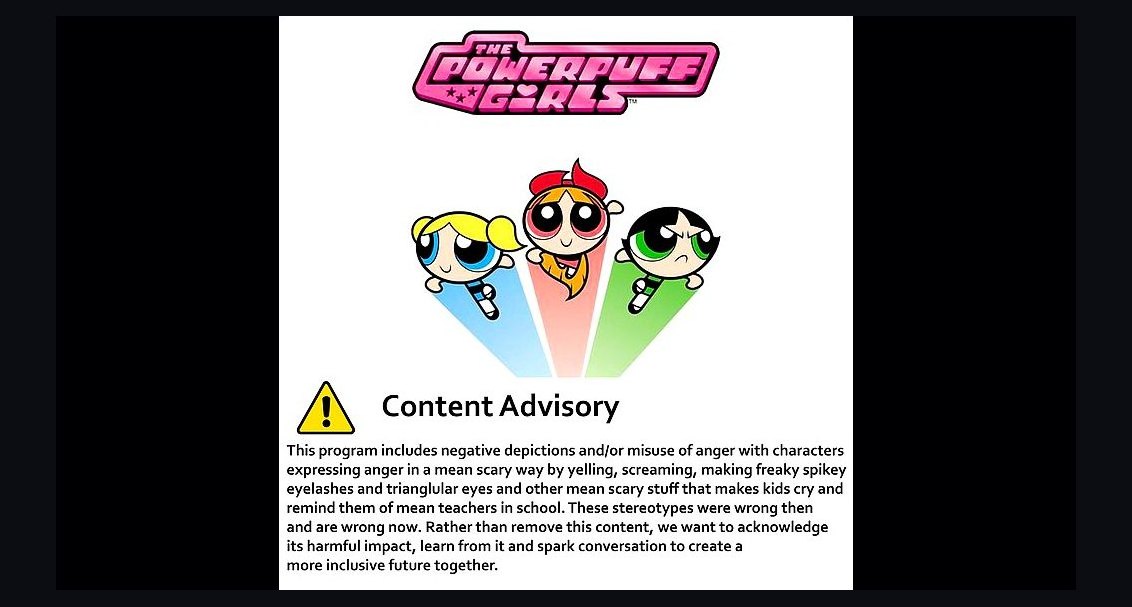 edBest streaming services for documentaries and nature shows in 2027
 edBest water flossers for sensitive gums in 2027
 edHow do I set boundaries with a friend who only calls when they need something in 2027
 edHow do I set boundaries with a friend who always asks for favors in 2027
 edBest strategies for paying off student loans faster in 2027